How To Revive A Hydrangea After Transplant Shock In Oregon
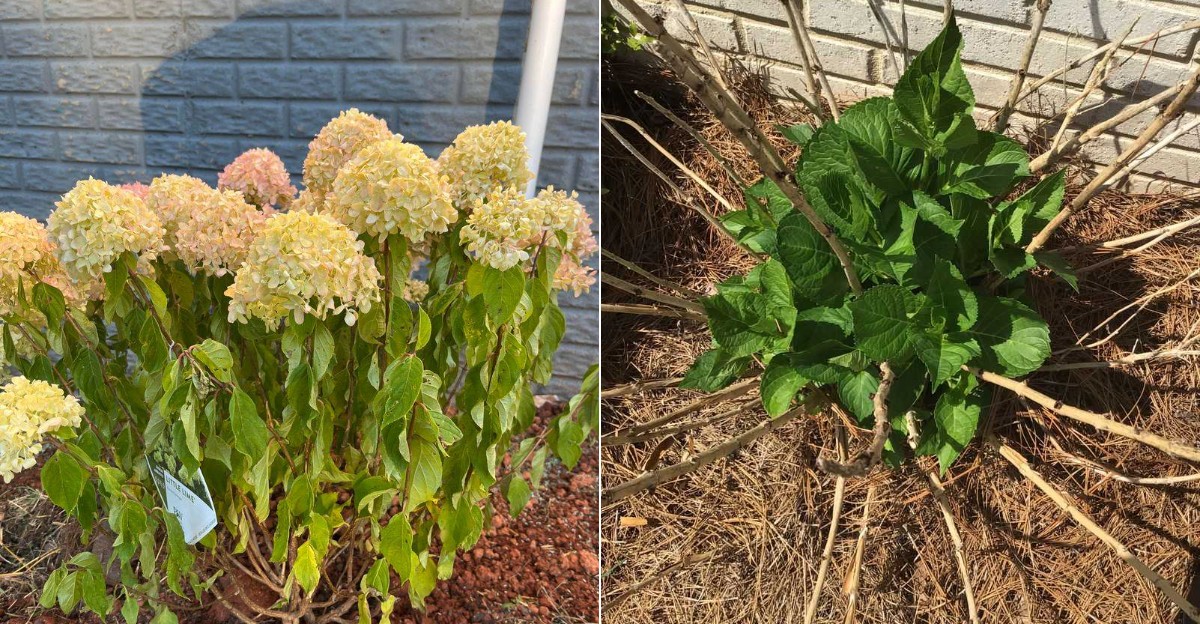
A recently moved hydrangea can look completely different after leaving its old spot. Wilted leaves, drooping stems, and slow growth can make it seem like the plant is struggling to recover, but transplant shock is a common challenge many Oregon gardeners face.
Hydrangeas can be sensitive after a move because their roots need time to adjust to a new environment. The location, soil conditions, watering routine, and timing of the transplant all play a role in how quickly the plant bounces back.
If your hydrangea looks stressed after being relocated, a few changes can help it regain strength.
Knowing what signs to watch for and what mistakes to avoid can give your plant the best chance to recover before the next growing season.
1. Give The Root Ball A Deep Drink
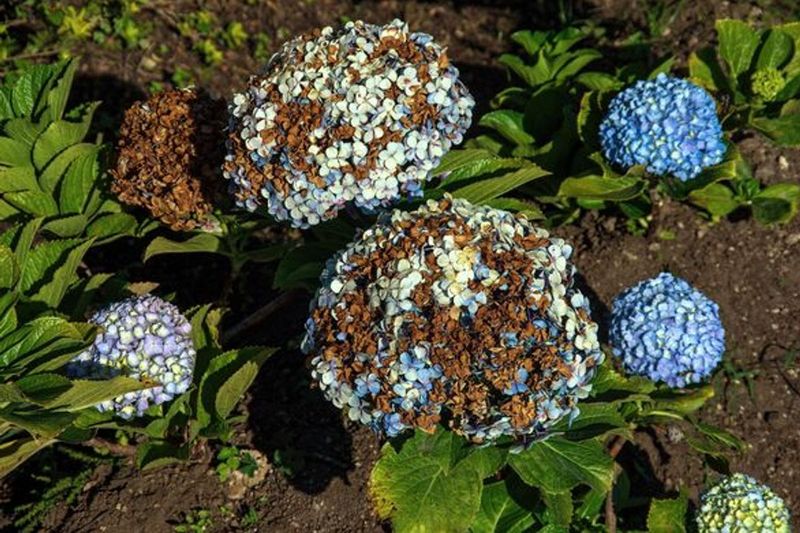
Right after moving your hydrangea, the roots are thirsty and stressed. A slow, deep soak is the first thing they need to recover.
Pour water gently at the base until the soil feels wet several inches down. Skip a quick splash on top, since that barely reaches the roots. You want moisture to sink deep where the root ball sits.
Aim for a steady stream rather than a strong blast. A watering can or a hose set on low works well. This lets water soak in instead of running off the surface.
In Oregon, mornings are often cool and calm, making them a great time for this deep drink. Watering early gives the plant all day to sip and settle.
Check that the water actually reaches down by poking a finger into the soil. If it feels dry below the top layer, keep going a little longer.
A well-soaked root ball helps the plant reconnect with the surrounding soil. That connection is what lets it pull up nutrients and water on its own again.
Do not flood the plant until it sits in a puddle, though. Soggy, standing water can smother the roots and slow recovery. Aim for evenly moist, not swampy.
Give this deep drink right after planting and again the next morning. A strong start with water sets the stage for everything else.
2. Keep The Soil Consistently Moist
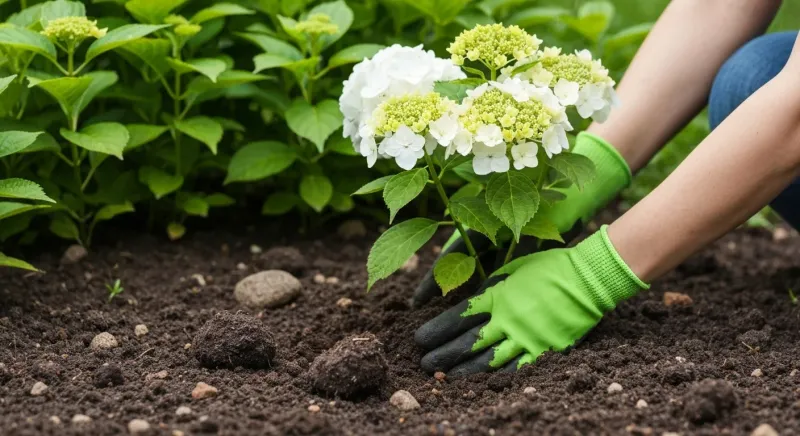
After that first big soak, the goal shifts to steady moisture. A hydrangea in shock loves soil that stays evenly damp, not soaked and not bone dry.
Think of it like keeping a sponge slightly wet. You want moisture there all the time, but never dripping or flooded. Roots recover best in these balanced conditions.
Check the soil every day with your finger. Push it down about two inches and feel around. If it feels dry, it is time to water again.
Oregon’s rainy stretches can help a lot, especially in spring and fall. Still, do not count on rain alone. Some weeks turn surprisingly dry, and sunny spots lose moisture fast.
Water in the early morning when possible. Cool air means less water escapes into the sky, so more soaks down to the roots where it counts.
Your Oregon Garden Changes Every Week. Your Plan Should Too.
Gardening in Oregon changes quickly throughout the season. Every Friday you’ll receive a simple weekly plan showing exactly what to plant, prune, fertilize, harvest, and protect so you never miss the right timing.
Avoid the mistake of letting the plant dry out and then drowning it. That up and down swing stresses roots even more. Gentle and steady is the winning approach.
Container hydrangeas or those in raised beds dry out quicker, so peek at them more often. Sandy soil also needs closer attention than heavy clay.
Keeping moisture steady for the first few weeks gives new roots a calm place to grow. Once fresh growth appears, you can slowly space out your watering routine.
3. Protect The Plant From Strong Afternoon Sun
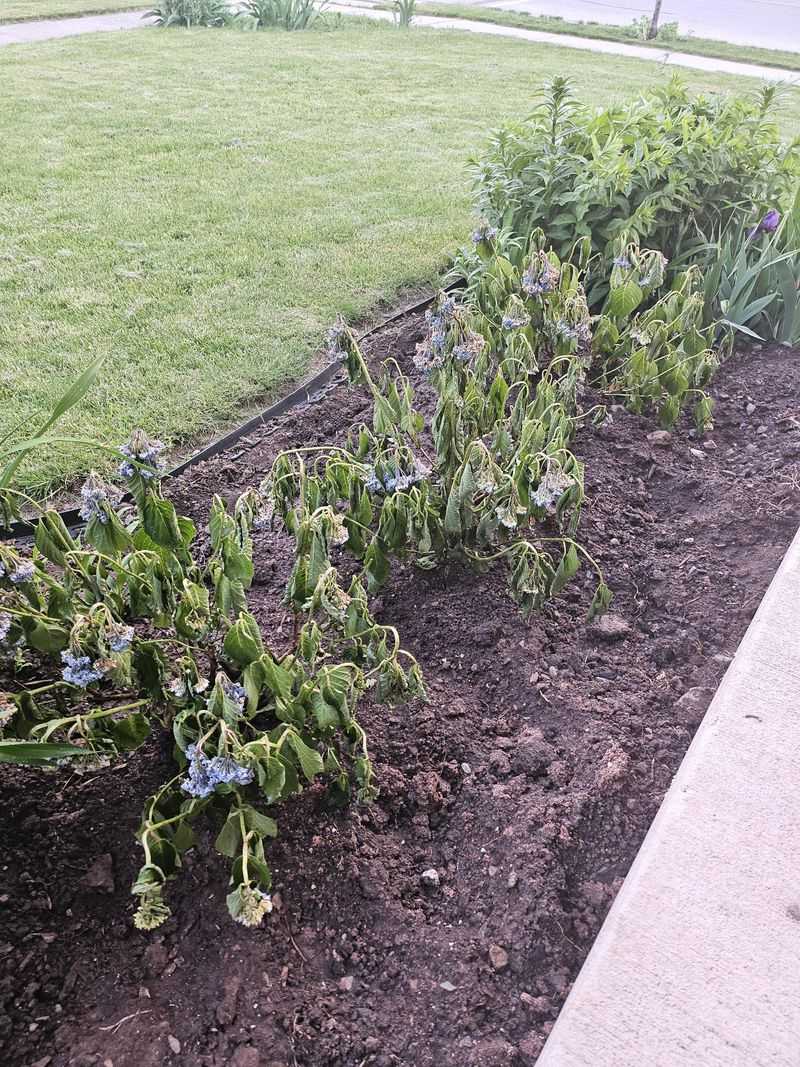
Harsh afternoon sun can be rough on a plant that is already struggling. Stressed leaves wilt and scorch quickly when the light gets too strong.
Providing a little shade during the hottest hours gives your hydrangea a break. Morning sun is gentle and welcome, but the afternoon blaze is the real challenge.
You can drape a lightweight shade cloth over stakes near the plant. A patio umbrella or even a large piece of cardboard propped up works in a pinch.
Oregon summers stay mild in many areas, yet inland valleys and sunny weeks can still bring intense heat. Watch how the light hits your specific spot.
Notice if the leaves droop most in the late afternoon. That is a clear sign the sun is too much for now. Shade during those hours helps a lot.
As the plant recovers and grows fresh roots, it handles sunlight far better. You can slowly remove the shade over a couple of weeks.
Try not to move the plant to a totally dark spot, though. It still needs bright, indirect light to make energy and heal.
If you planted in a naturally shady corner, you may not need extra cover at all. Just keep an eye on the leaves and respond to what they tell you.
A little sun protection now goes a long way toward a full comeback.
4. Hold Off On Fertilizer For Now
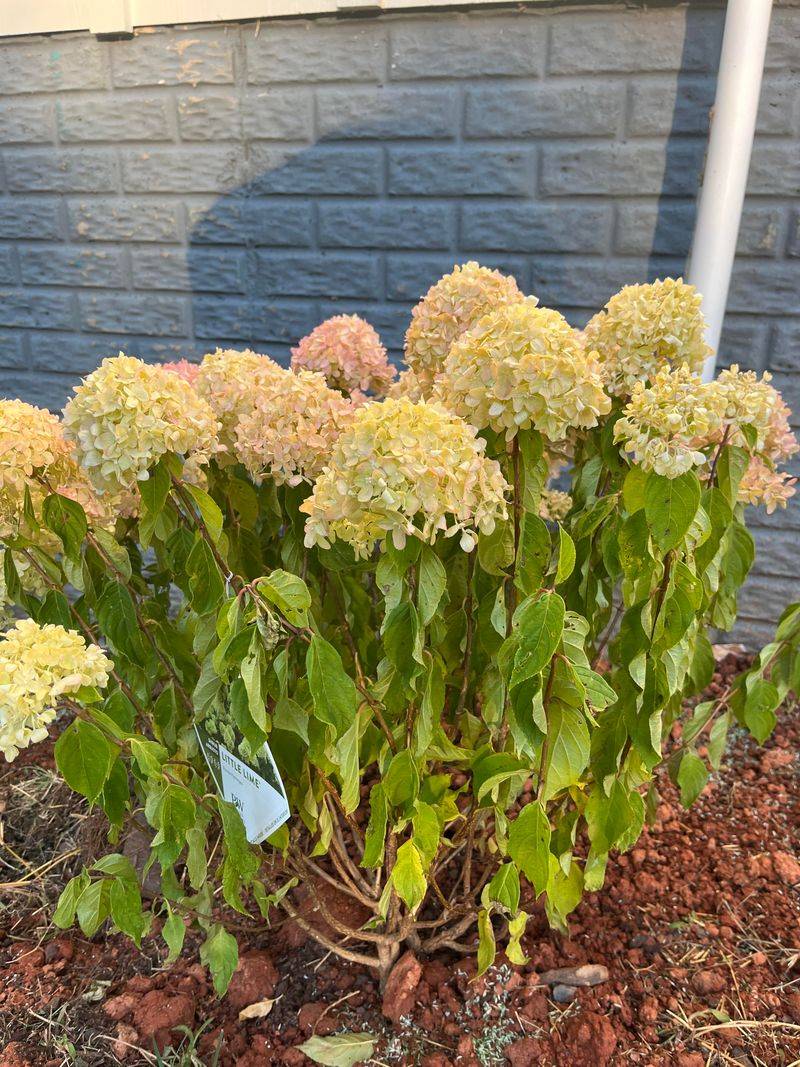
It feels natural to want to feed a struggling plant, but fertilizer right now can do more harm than good. Stressed roots simply cannot handle it.
Think of fertilizer as a push to grow fast. A plant in shock needs to rest and heal first, not race ahead with new leaves.
Feeding too early can burn tender roots that are trying to repair themselves. That extra stress slows the whole recovery down.
Wait until you see fresh, healthy growth before offering any food. New leaves and shoots tell you the roots are working again and ready for a boost.
When the time is right, choose a mild, balanced fertilizer. Go light on the amount, since too much overwhelms a plant that is just getting back on its feet.
Oregon’s naturally rich soil in many gardens already gives young plants plenty to start with. You may not need much fertilizer at all for a while.
Compost is a gentler option once recovery begins. Spread a thin layer around the plant to slowly release nutrients without any harsh shock.
Patience really pays off here. Rushing the feeding often sets the plant back weeks instead of helping it along.
Focus your energy on water, shade, and mulch for now. Save the fertilizer for later, when your hydrangea is clearly thriving and hungry to grow big blooms.
5. Remove Only Severely Damaged Growth
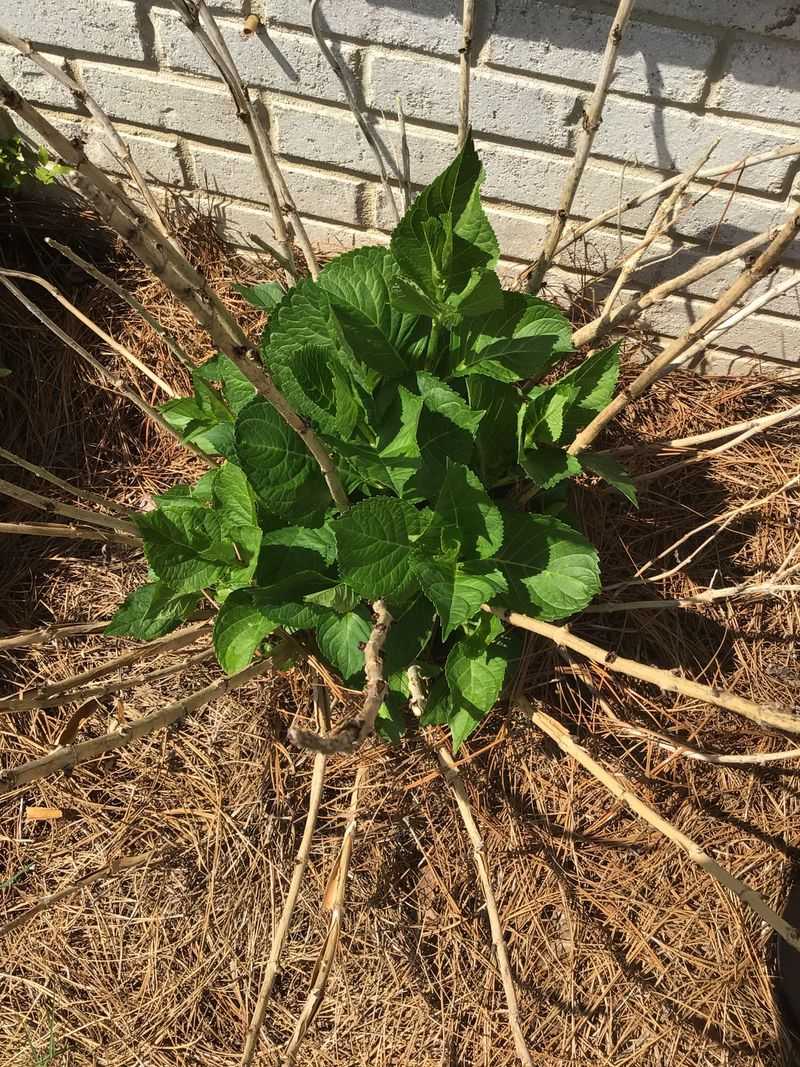
Seeing droopy, brown leaves might make you want to trim everything back. Resist that urge and cut only the parts that are truly beyond saving.
Damaged growth that is fully brown and crispy can be snipped away. Those pieces will not recover, and removing them helps the plant focus its energy.
Leave any stems and leaves that still show green or a bit of life. Even sad, wilted leaves can perk back up once the roots settle in.
Use clean, sharp pruners to make neat cuts. Wipe the blades with rubbing alcohol first to avoid spreading any disease between plants.
Cut just above a healthy bud or leaf joint. This tidy cut helps the plant heal fast and directs new growth where you want it.
Avoid heavy pruning during shock, since that removes energy the plant badly needs. Light cleanup is all that is required for now.
In Oregon, hydrangeas often flush with new leaves once the weather stays mild. Give questionable stems a couple of weeks before deciding to remove them.
Scratch a stem lightly with your fingernail to check. Green underneath means it is still alive and worth keeping around.
By removing only the clearly finished growth, you help your hydrangea look better and recover quicker. Gentle grooming beats aggressive cutting every single time during this delicate stage.
6. Add Mulch Around The Root Zone
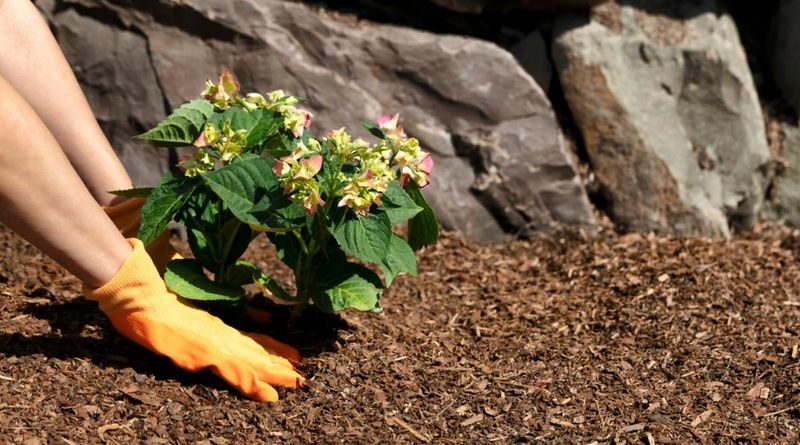
A cozy layer of mulch works wonders for a recovering hydrangea. It locks in moisture and keeps roots comfortable while they heal.
Spread two to three inches of mulch around the base of the plant. Bark, wood chips, or shredded leaves all do the job nicely in Oregon gardens.
Keep the mulch a few inches away from the main stem. Piling it right against the stem can trap too much moisture and cause rot.
Mulch acts like a blanket, holding water in the soil so you water less often. It also blocks weeds that would compete for nutrients.
On warm days, mulch keeps the root zone cooler and calmer. On chilly Oregon nights, it holds a bit of warmth to protect tender roots.
Organic mulch slowly breaks down and feeds the soil over time. That gentle boost helps your hydrangea without the risk of harsh fertilizer.
Refresh the layer as it thins out through the seasons. A steady mulch cover keeps conditions even, which is exactly what a shocked plant craves.
Rake it smooth and check that it covers the whole root area. The roots often spread wider than the plant, so mulch a bit beyond the leaves.
This simple, low-cost step protects your hard work. With good mulch in place, your hydrangea has a snug spot to make its comeback.
7. Do Not Disturb The Roots Again
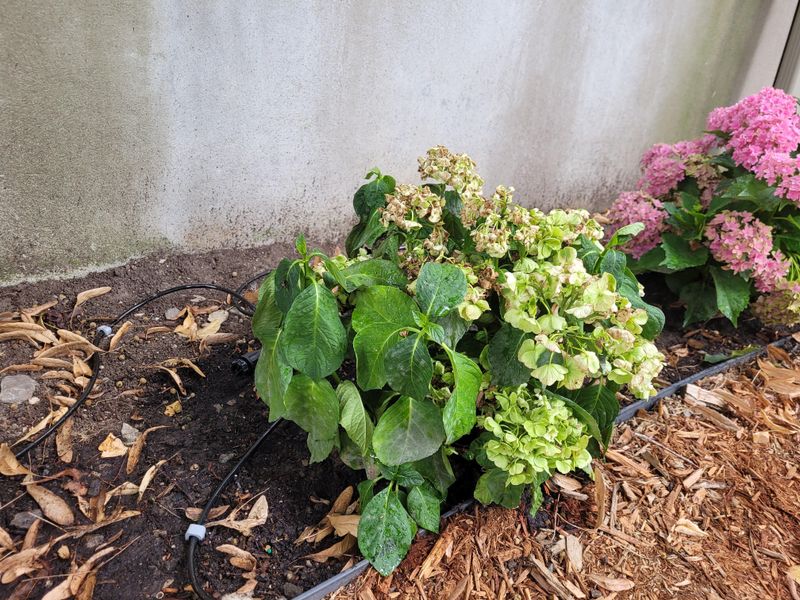
Once your hydrangea is planted, the best gift you can give it is to leave it alone. Roots need quiet time to grow and grab hold of the soil.
Every time roots get moved or poked, the plant starts its recovery all over. That constant disruption keeps it stuck in shock much longer.
Resist the temptation to dig around and check on progress. Even light poking near the base can snap the fragile new roots forming underground.
Avoid replanting or shifting the hydrangea, even if you second guess the spot. Pick a good location once, then commit to it for the season.
Keep foot traffic away from the root zone too. Walking close by packs down the soil and makes it harder for roots to breathe and spread.
If you must weed nearby, pull gently by hand instead of digging with tools. Deep digging risks slicing the roots you are trying to protect.
Oregon’s mild weather gives roots a friendly window to establish. Let that gentle climate do its work without interruption from you.
Curiosity is normal, but trust that things are happening below the surface. Roots grow silently even when the top looks unchanged.
Give it several weeks of hands-off patience. A calm, undisturbed home is what turns a struggling transplant into a strong, settled plant.
8. Watch For Fresh Leaves And Shoots
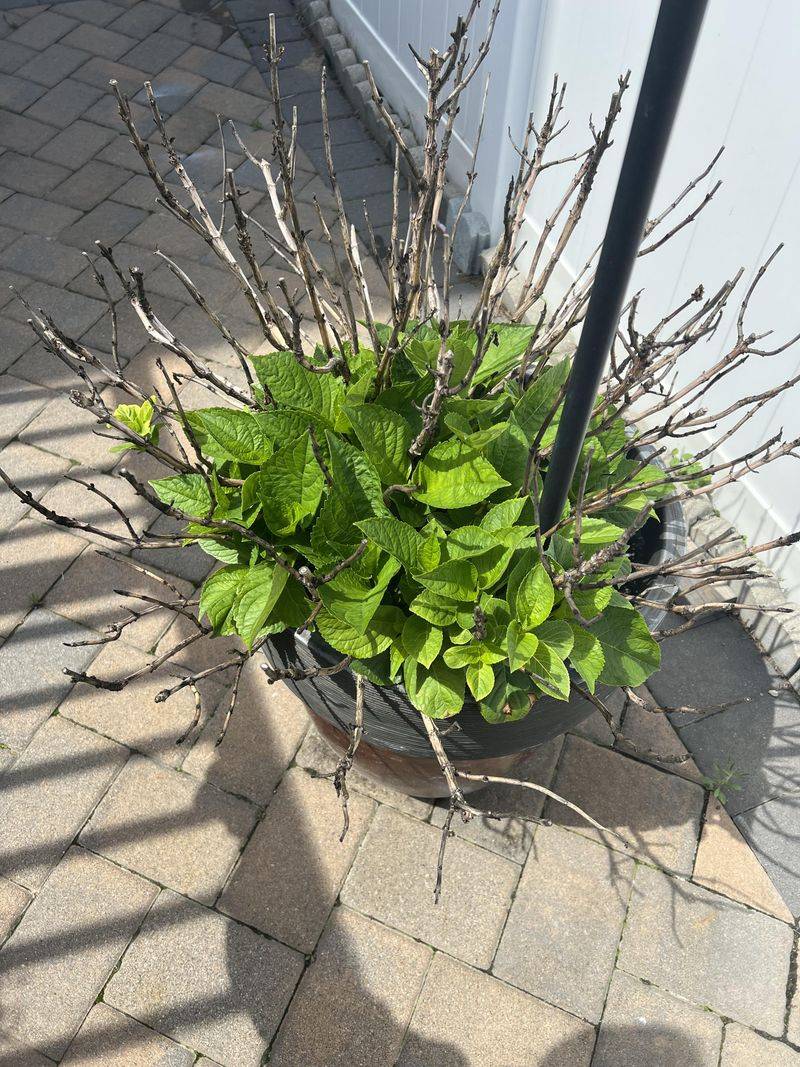
The most exciting part of the recovery is spotting new growth. Tiny green leaves and shoots mean your hydrangea has turned the corner.
Check the plant every few days for small buds along the stems. Those little bumps swell and open into fresh leaves when roots are working well.
Fresh growth is your signal that the roots have reconnected with the soil. It tells you all your patient care has truly paid off.
Look near the base and along healthy stems for the first signs. New shoots often appear low before they climb up the plant.
Do not panic if it takes a few weeks to see anything. Recovery moves at its own pace, and cool spells can slow things down.
Once you notice steady new leaves, you can begin easing off the extra care. Slowly stretch out watering and remove any shade cover.
This is also the moment when a gentle feeding becomes safe. A light dose of balanced fertilizer now supports the fresh growth spurt.
Keep celebrating each new leaf as a sign of strength returning. Every shoot means your hydrangea is settling happily into its Oregon home.
By the end of the season, you should see a fuller, healthier plant. With bright new growth in place, big beautiful blooms are just around the corner.