Plant These In Ohio This May To Build A Firefly-Friendly Yard
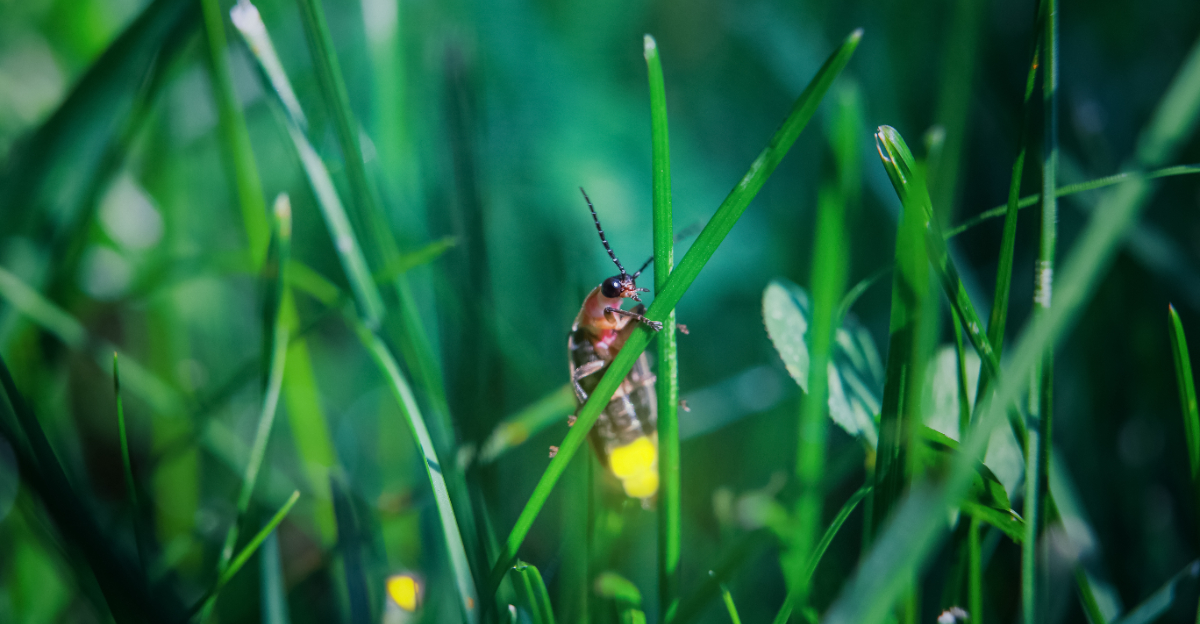
There is something special about a summer evening in Ohio when fireflies start flickering across the yard. Some spaces seem to come alive with them, while others stay quiet, and the difference often comes down to the conditions on the ground.
May is one of the best times to start shaping those conditions. As soil warms and plants begin to take off, adding the right mix of natives can help create the kind of environment fireflies rely on.
Moist soil, low ground cover, and a steady supply of small invertebrates all play a role, and the plants you choose can quietly support every part of that cycle.
You may not see instant changes, but planting now sets the stage. Over time, a yard built with these layers in mind can become a place where fireflies return and stick around each summer.
1. Plant Pennsylvania Sedge For A Soft Natural Ground Layer
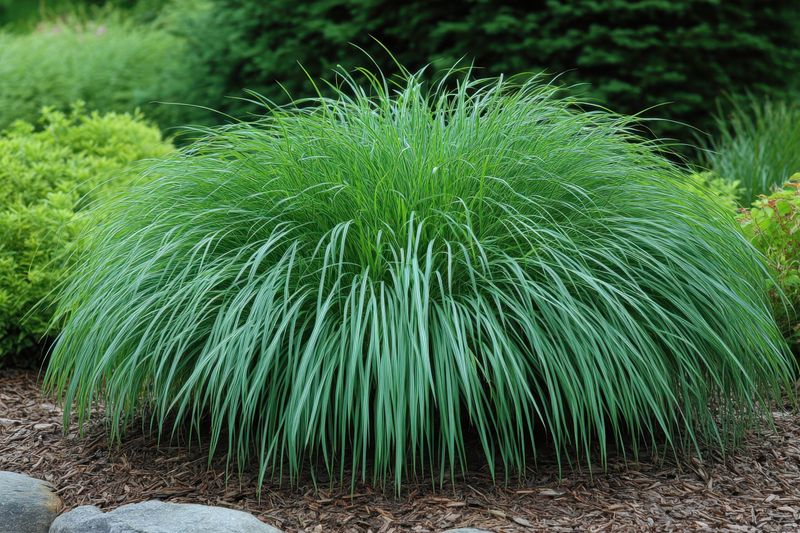
If your lawn feels more like a concrete slab than a living ecosystem, Pennsylvania Sedge might be the quiet game-changer your yard has been waiting for.
This low-growing native sedge forms a dense, soft carpet that stays green through most of the Ohio season without the high-maintenance demands of traditional turf grass.
What makes it so valuable for firefly habitat is what happens below the surface. Pennsylvania Sedge keeps the soil cool and moist by shading the ground and reducing evaporation.
That kind of steady moisture is exactly what firefly larvae need as they move through the soil during their development phase.
It works especially well under trees or along shaded borders where regular grass tends to struggle. Instead of fighting the conditions, Pennsylvania Sedge leans into them.
The fine texture of its blades also allows small invertebrates to move through easily, supporting the food web that firefly larvae depend on.
Planting it in spring gives it plenty of time to establish before summer. Once settled in, it spreads gradually and fills in gaps without becoming aggressive.
Pair it with leaf litter left intentionally in place, and you have a ground layer that feels natural, looks tidy, and quietly supports the whole ecosystem.
2. Grow Little Bluestem For Texture And Shelter
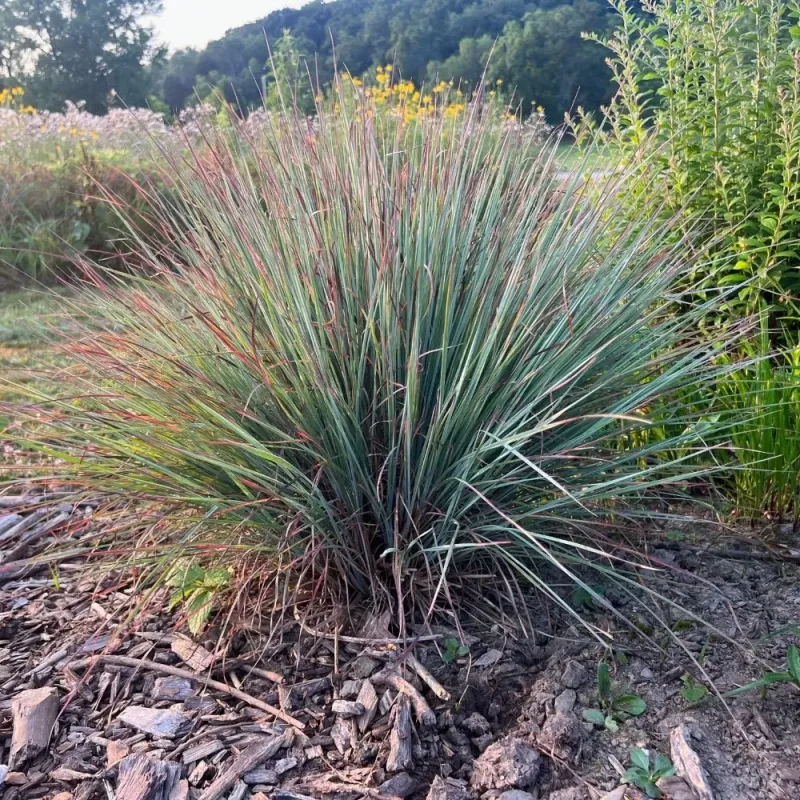
Little Bluestem has a way of making a garden feel alive without overwhelming it.
This native clumping grass grows in tight bunches that create small pockets of shelter at ground level, which turns out to be incredibly important for the kinds of creatures that share space with fireflies in a healthy Ohio yard.
The structure of Little Bluestem is what sets it apart. Unlike spreading grasses that form a solid mat, the clumping habit leaves open channels between plants.
Those gaps allow air to circulate while still offering shelter at ground level for insects and other small creatures throughout the season.
Fireflies are most active in areas where the environment stays slightly cool and undisturbed. Little Bluestem planted in groupings creates that kind of microhabitat naturally.
The taller stems also give adult fireflies a place to rest during the day when they tuck themselves into vegetation and wait for evening.
Your Ohio Garden Changes Every Week. Your Plan Should Too.
Gardening in Ohio changes quickly throughout the season. Every Friday you’ll receive a simple weekly plan showing exactly what to plant, prune, fertilize, harvest, and protect so you never miss the right timing.
By fall, the grass turns a beautiful bronze color and holds its structure through winter, which means it continues to offer shelter even after the growing season ends.
Plant it in a sunny to partly sunny spot, give it average to dry soil, and let it do its thing with very little fuss from you.
3. Add Wild Strawberry For Living Ground Cover
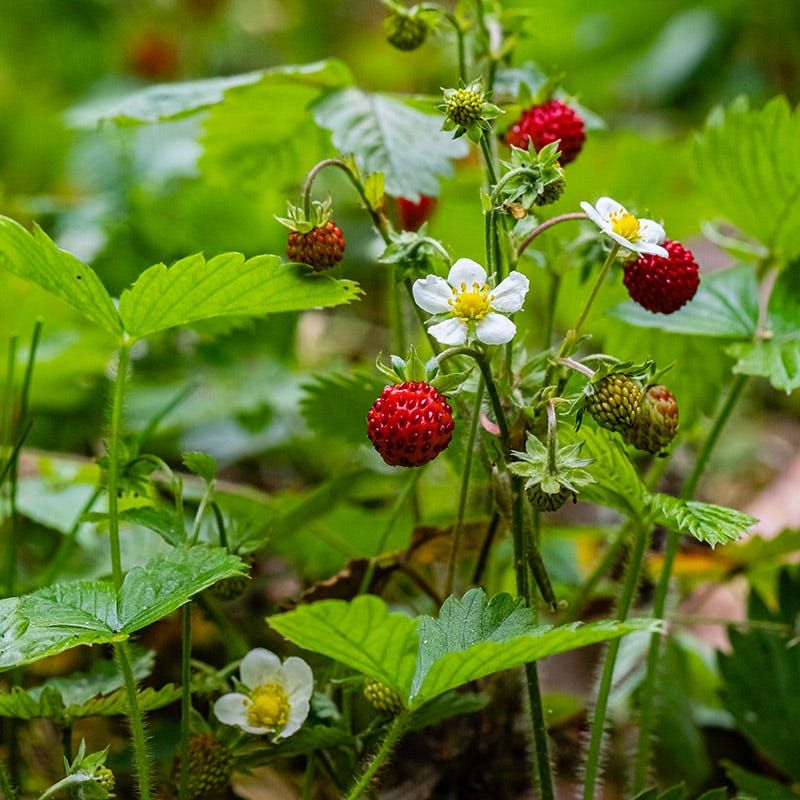
Wild Strawberry is one of those plants that earns its place in the garden ten times over without asking for much in return.
It spreads through runners to form a low, living carpet that shades the soil, holds in moisture, and creates a gentle, undisturbed layer close to the ground where a lot of important insect activity happens.
For firefly habitat, ground-level moisture is everything. When soil dries out too quickly, the larvae and small invertebrates they feed on struggle to survive.
Wild Strawberry acts like a natural mulch layer, blocking direct sun from hitting bare soil and keeping conditions cooler and more humid beneath its leaves.
It also plays nicely with other plants. You can tuck it between native grasses, under shrubs, or along the edges of garden beds where bare soil would otherwise be exposed.
The small white flowers appear in spring and support early-season pollinators, and the tiny fruits that follow feed birds and small wildlife throughout summer.
Wild Strawberry is not fussy about soil and handles partial shade well, making it a flexible option for many Ohio yards. Establishing it in spring gives it a head start, and it will begin filling in as the season progresses.
It is a small plant with a surprisingly big impact on the health of your garden floor.
4. Use Creeping Phlox For Early Season Coverage
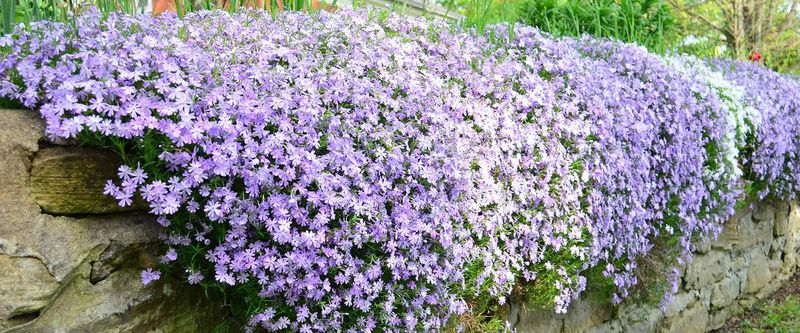
Sunny, sloped, or exposed areas of an Ohio yard can be tough spots to plant. The soil dries out fast, erosion creeps in, and most ground covers give up before they get going.
Creeping Phlox handles all of that with ease, and in doing so, it protects the kind of soil conditions that support a healthy backyard ecosystem heading into summer.
When the ground stays covered, moisture does not evaporate as quickly.
That matters for firefly habitat because even in sunnier parts of your yard, maintaining some ground cover helps support the insects and small creatures that make up the base of the food web firefly larvae rely on.
Creeping Phlox blooms early in the season with clusters of cheerful flowers in shades of pink, purple, and white. After flowering, it settles into a dense, low mat of needle-like foliage that keeps working all season long.
It is a hard worker that looks good doing it.
Plant it along sunny borders, on slopes, or at the front edges of garden beds where bare soil tends to be a problem. It roots in quickly and spreads steadily without taking over.
For Ohio gardeners who want practical coverage and early-season color in the same plant, Creeping Phlox delivers both without any drama.
5. Plant Purple Coneflower To Support Backyard Biodiversity
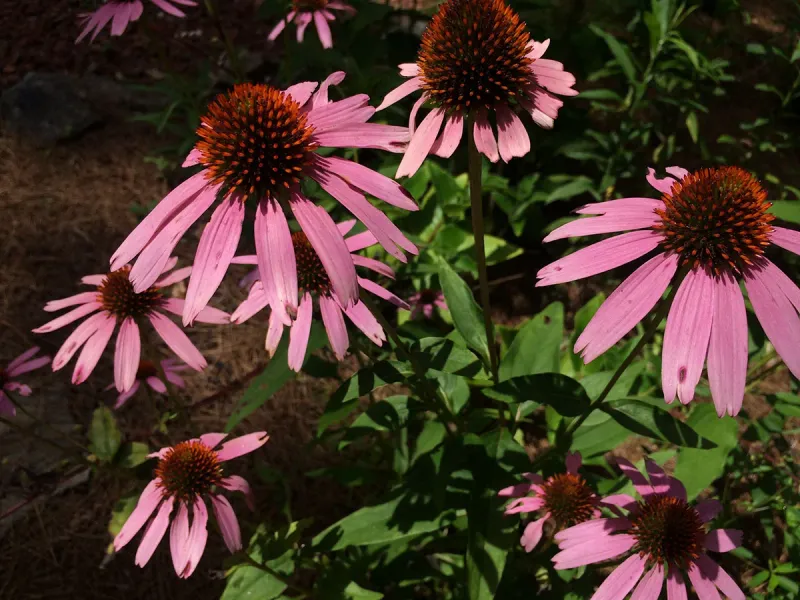
A yard full of only one or two plant species is a quiet yard. Purple Coneflower helps change that by drawing in a wide range of insects, which builds the kind of layered, active ecosystem that fireflies are naturally part of.
More insect diversity means more food sources, more activity, and more life at every level of the garden.
Firefly larvae are predators. They feed on slugs, snails, and other small invertebrates that live in moist soil and leaf litter.
When the broader insect community in your yard is thriving, those prey species thrive too, and that creates a more reliable food supply for developing firefly larvae through spring and early summer.
Purple Coneflower is tough, drought-tolerant once established, and genuinely easy to grow in Ohio. It blooms from midsummer into fall and holds its seed heads through winter, giving birds something to eat long after the flowers fade.
The whole plant pulls its weight across multiple seasons.
Plant it in full sun with well-drained soil and let it naturalize over time. It self-seeds modestly, filling in gaps and slowly expanding its presence without becoming a problem.
Grouping several plants together makes a bigger visual impact and creates a denser zone of insect activity. It is a foundational native that belongs in almost every Ohio garden.
6. Grow Black Eyed Susan For Easy Summer Color
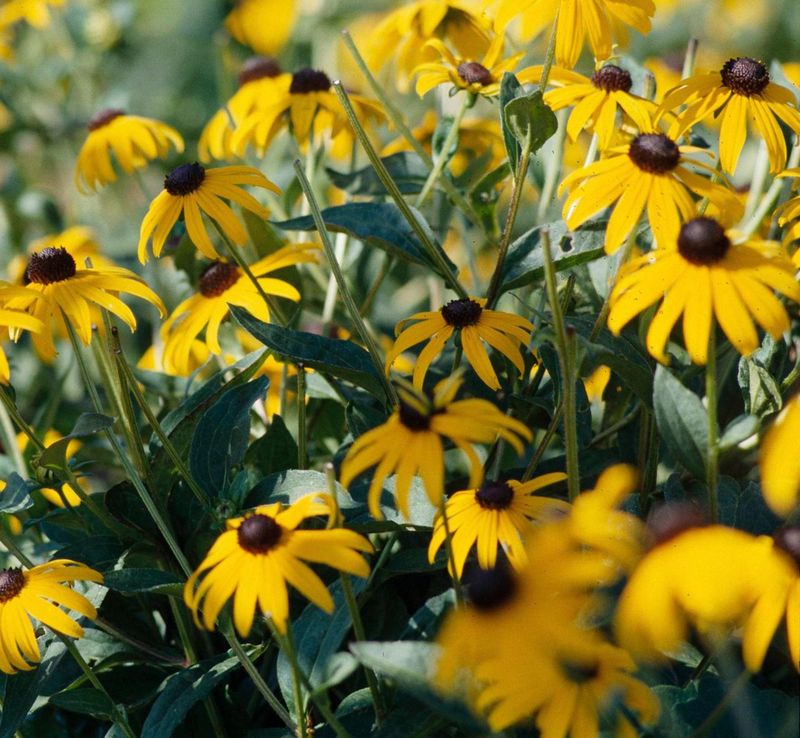
Few native plants are as reliably cheerful as Black Eyed Susan. Those bright yellow flowers with their dark chocolate centers show up in midsummer and keep going strong right into fall, which means they are blooming right when firefly season is at its peak.
That timing is not just pretty, it is useful.
A garden that supports active insect life during summer is one that supports the broader food web fireflies depend on. Black Eyed Susan draws in native bees, beetles, and other insects that contribute to a biologically active yard.
When more creatures are moving through the garden, the ecosystem hums along in a way that benefits everything living in it.
Black Eyed Susan is also wonderfully resilient. It handles Ohio summers with minimal watering once established and tolerates a range of soil types from sandy to clay-heavy.
It spreads by seed over time, gradually thickening into a patch that provides both color and ecological function without much input from you.
Plant it in full sun to light shade and let the seed heads stand through winter rather than cutting them back. Birds will visit the dried heads for seeds, and the standing stems give insects a place to overwinter.
It is a plant that keeps contributing to your yard long after the last bloom fades each season.
7. Add Swamp Milkweed In Damp Spots
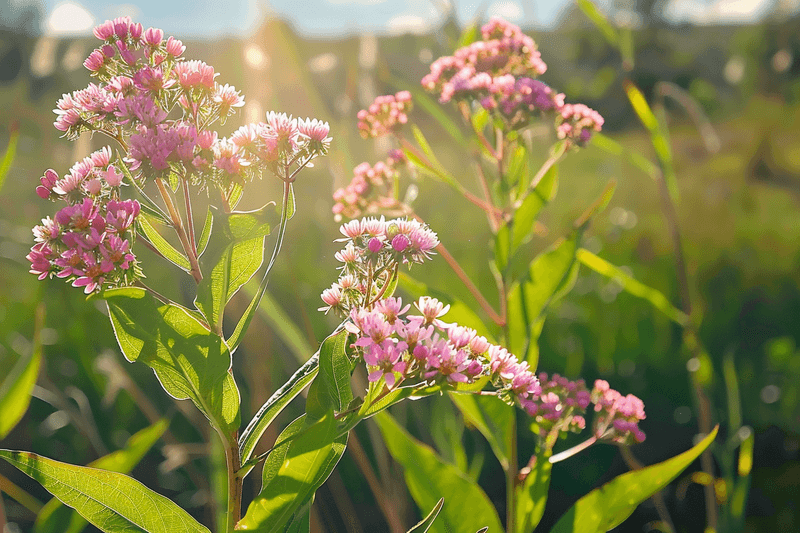
Got a spot in the yard that stays soggy after rain? Most gardeners treat that as a problem.
Swamp Milkweed treats it as an opportunity. This native perennial is built for exactly those conditions, and by thriving in wet spots, it helps transform a drainage headache into one of the most firefly-friendly corners of your property.
Moisture is one of the most important environmental factors for firefly populations. Wet microhabitats support higher concentrations of the invertebrates that firefly larvae feed on, and they maintain the cool, humid soil conditions that larvae need to survive and develop.
Swamp Milkweed anchors those wet areas with deep roots and lush growth that keeps the ground covered and the moisture locked in.
The flowers are genuinely beautiful, blooming in clusters of dusty pink from midsummer onward. They bring in butterflies, native bees, and a wide range of beneficial insects that strengthen the surrounding ecosystem.
The plant also supports monarch butterflies, which makes it a crowd favorite among Ohio wildlife gardeners.
Plant Swamp Milkweed near downspouts, at the edges of rain gardens, or in any low-lying area where water collects. It grows three to four feet tall and fills in steadily over a few seasons.
Let it naturalize in those damp corners and watch the whole area become noticeably more alive by midsummer.
8. Plant Blue Flag Iris Near Moist Soil Areas
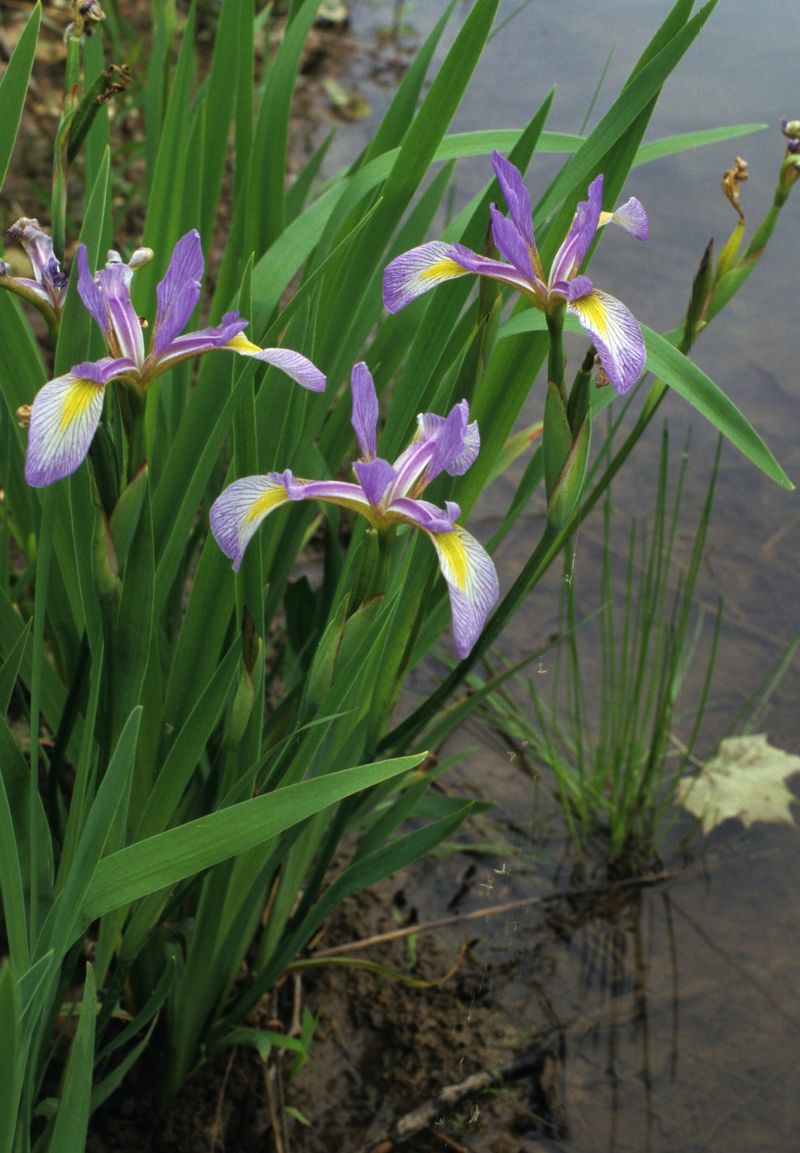
Blue Flag Iris looks like it belongs in a painting. The blooms are a deep violet-blue with intricate veining, and they appear in late spring just as the garden is waking up fully.
But beyond the visual appeal, this native iris plays a real functional role in maintaining the moist, humid soil conditions that support firefly habitat.
Planted near pond edges, rain gardens, or any area with consistently damp soil, Blue Flag Iris helps stabilize the ground and shade the surface.
That shading effect reduces moisture loss and keeps the soil environment cooler and more hospitable for the small creatures living just below the surface.
This kind of stable, wet microhabitat can support the small creatures firefly larvae depend on.
It grows in clumps of upright, sword-shaped leaves that stay attractive even after the flowers finish. The foliage remains green through summer and continues shading and protecting the soil around it.
Over time, clumps expand slowly and fill in wet edges with a tidy, structured look that still feels natural.
Blue Flag Iris pairs especially well with Swamp Milkweed and other moisture-loving natives. Together they create a layered, biologically rich zone along wet areas of the yard.
Plant it in full sun to part shade and let the roots settle in over the first season before expecting full flowering performance the following year.
9. Use New Jersey Tea For Light Shrub Structure
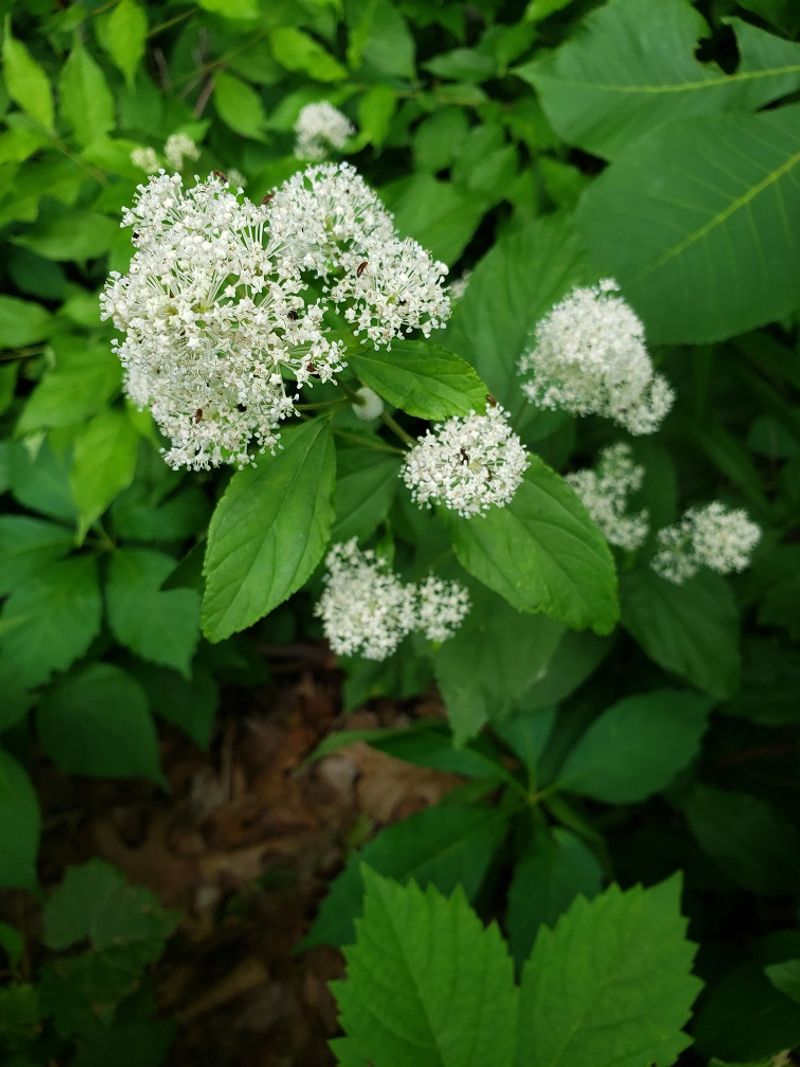
Structure matters in a firefly-friendly garden, but not the kind that blocks everything out and dries up the ground below. New Jersey Tea hits the right balance.
It is a low-growing native shrub that adds height and layering without casting the kind of dense, heavy shade that shuts down the moist ground conditions fireflies need.
Growing about three feet tall and wide, New Jersey Tea creates a mid-level layer between ground cover plants and taller trees. That layering is ecologically valuable because it gives insects more vertical space to move through, rest in, and feed from.
More layers in a garden generally means more insect diversity, and more insect diversity supports a healthier food web overall.
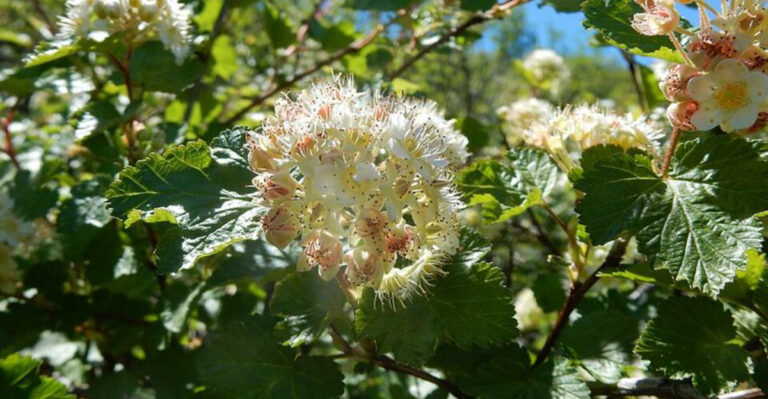
The clusters of small white flowers bloom in late spring to early summer and attract a surprising variety of native bees and beneficial insects. After flowering, the plant settles into a tidy, rounded form that holds its shape through the season.
It is drought-tolerant once established, which makes it low maintenance in the long run.
Plant it in full sun to light shade with well-drained soil. New Jersey Tea does not love being moved once it is established, so choose its spot thoughtfully.
Use it along garden borders or at the back of native plantings where it can anchor the space and provide structure without overwhelming the plants around it.
10. Add Serviceberry For A Light Canopy Effect
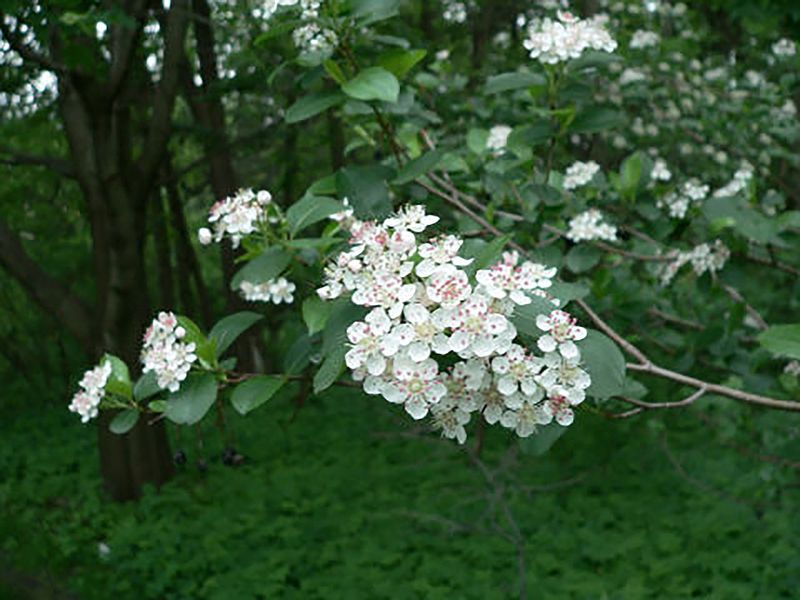
A yard with no trees feels exposed. One with too many dense evergreens can feel dark and dry.
Serviceberry lands right in the middle, offering a light, filtered canopy that shades the ground gently without shutting out the moisture and air movement that firefly habitat depends on. It is the kind of tree that makes a yard feel balanced.
Serviceberry blooms early in spring with delicate white flowers that feed native bees coming out of winter. By early summer, it produces small berries that birds absolutely love, which brings more wildlife activity into your yard right as firefly season is getting started.
That kind of connected, layered activity is what a healthy backyard ecosystem looks like in practice.
The filtered shade cast by Serviceberry is especially valuable over areas where you have planted sedge, wild strawberry, or other moisture-loving ground covers.
It slows evaporation without blocking everything out, helping those plants maintain the cool, damp conditions at ground level that support the broader insect community.
Serviceberry works well as a specimen tree, a multi-stem clump, or even as a tall shrub depending on the variety you choose. It grows happily in most Ohio soil types and handles both sun and partial shade.
Plant it near the back or edge of your garden and let it quietly anchor the whole habitat you are building from the ground up.