What Arizona Gardeners Should Know Before Using Artificial Turf Around Plants
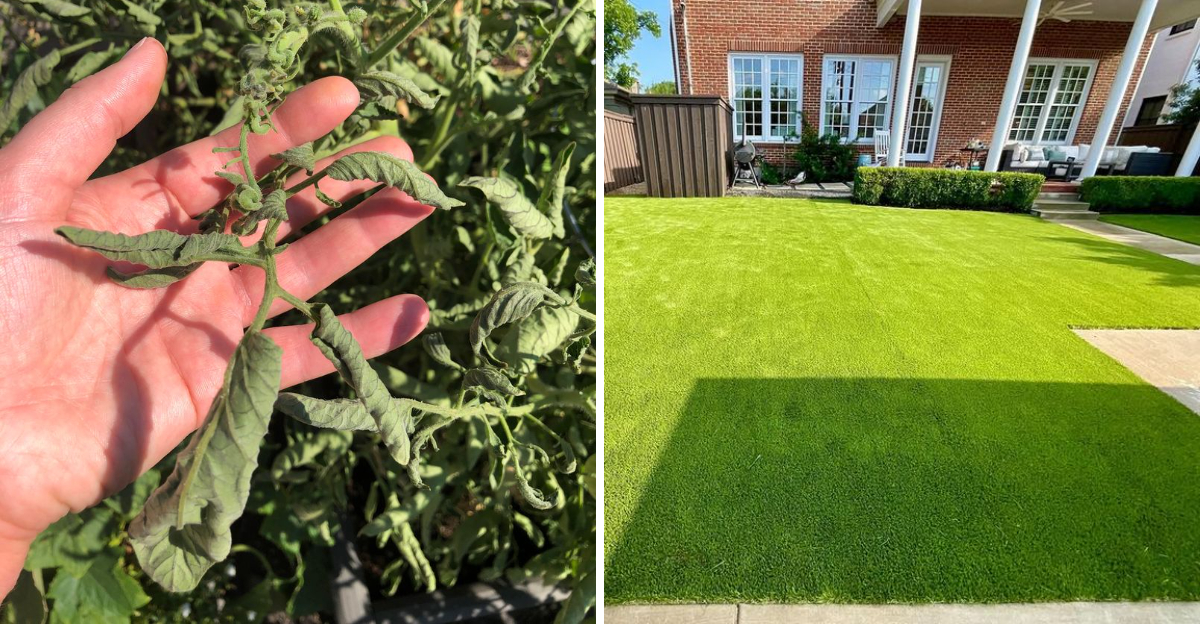
Artificial turf keeps getting more popular across Arizona, especially in yards where regular grass feels impossible to maintain through summer.
Everything can look clean and low maintenance at first, which is exactly why so many gardeners end up considering it around plants.
Then the yard starts behaving differently. Plenty of Arizona gardeners do not notice certain changes right away because problems often show up gradually once hotter weather settles in for weeks at a time.
What seems like a simple upgrade in spring can start raising completely different questions by the middle of summer.
1. Artificial Turf Usually Holds More Heat Around Nearby Plants
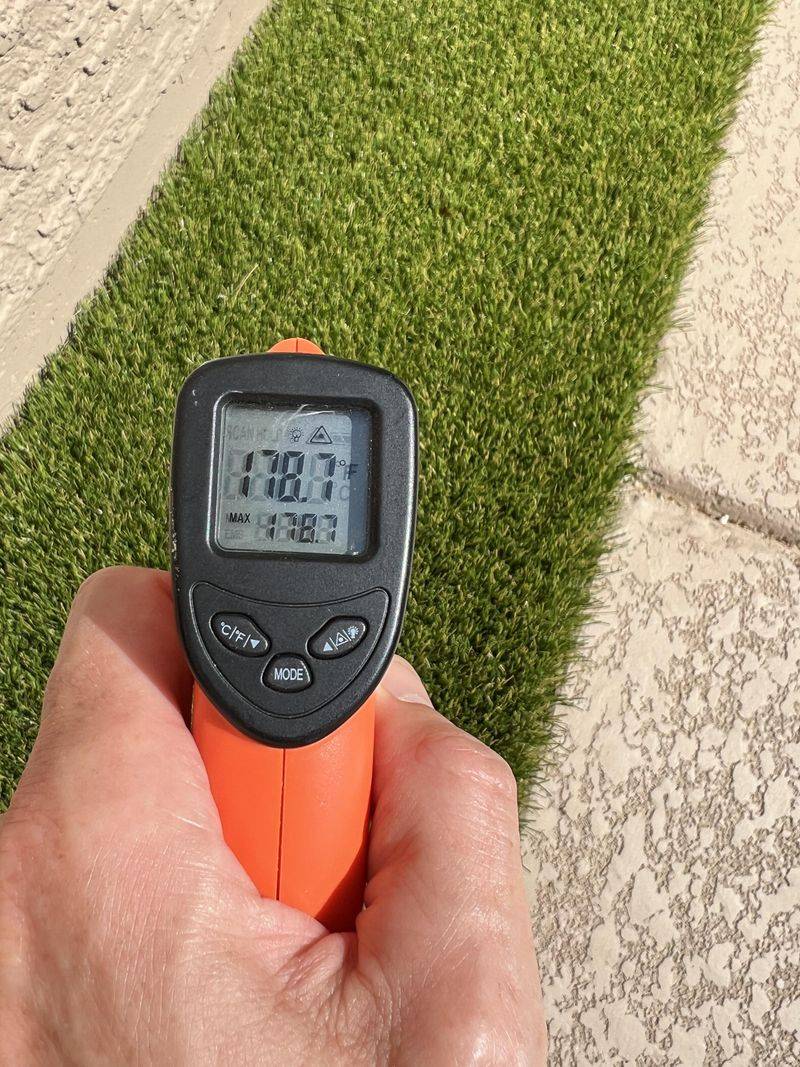
Artificial turf in Arizona can get surprisingly hot, and that heat does not just stay on the surface. On a typical Phoenix summer afternoon, synthetic grass can reach temperatures between 150 and 180 degrees Fahrenheit.
Real grass usually stays much cooler because it releases moisture through a process called transpiration. Fake turf has no such cooling mechanism, so the heat builds up fast.
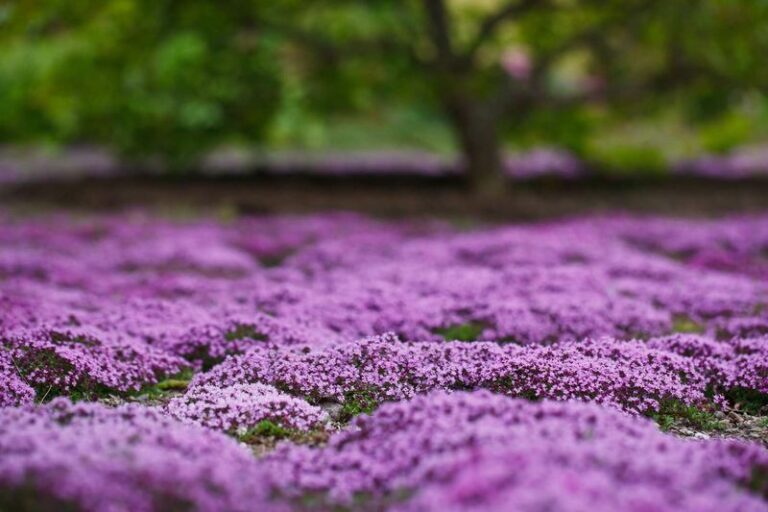
Plants growing near artificial turf can feel that heat radiating outward, especially low-growing ground covers and small flowering plants placed right along the edge.
Root zones near the turf border can warm up more than you might expect, even if the plant itself sits in a shaded bed.
Soil temperature matters a lot for root health, and consistently overheated soil slows nutrient absorption.
Not every plant reacts the same way. Desert-adapted plants like agave and certain cacti handle radiant heat better than tropical or subtropical species.
If you are gardening in Tucson or Scottsdale, you already know afternoons are brutal, but adding turf to the equation raises the stakes.
2. Reflected Sunlight Can Dry Out Soil Faster Than Expected
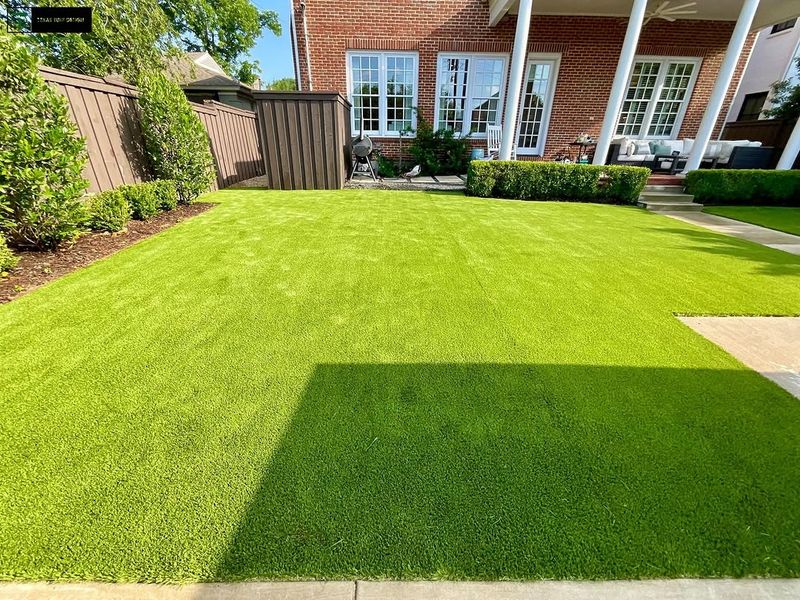
Sunlight bouncing off artificial turf is something most Arizona gardeners do not think about until they notice their plants wilting faster than usual.
Synthetic grass blades reflect a significant amount of solar radiation outward, and nearby soil absorbs much of that reflected energy.
The result is accelerated evaporation, meaning your garden bed can dry out noticeably faster than it would without turf nearby.
In a place like Mesa or Gilbert, where summer sun is relentless from May through September, soil moisture can disappear within hours of watering when reflected heat is added to the equation.
Dark-colored soils absorb even more of that reflected energy, which speeds up the drying process further.
Lighter-colored mulches or top dressings can help offset some of this effect, but they are not a complete solution on their own.
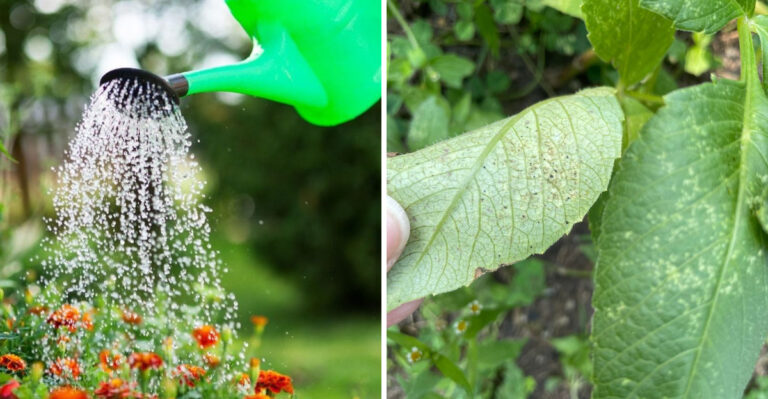
Checking soil moisture more frequently near turf borders is a practical habit worth building into your routine. Push a finger about two inches into the soil every day or two during peak summer months to get a real sense of what is happening underground.
Moisture meters are also inexpensive and take the guesswork out of the process. Adjusting your drip irrigation schedule to water more frequently in zones adjacent to artificial turf is often necessary.
3. Extra Irrigation Is Often Needed Around Turf Edges
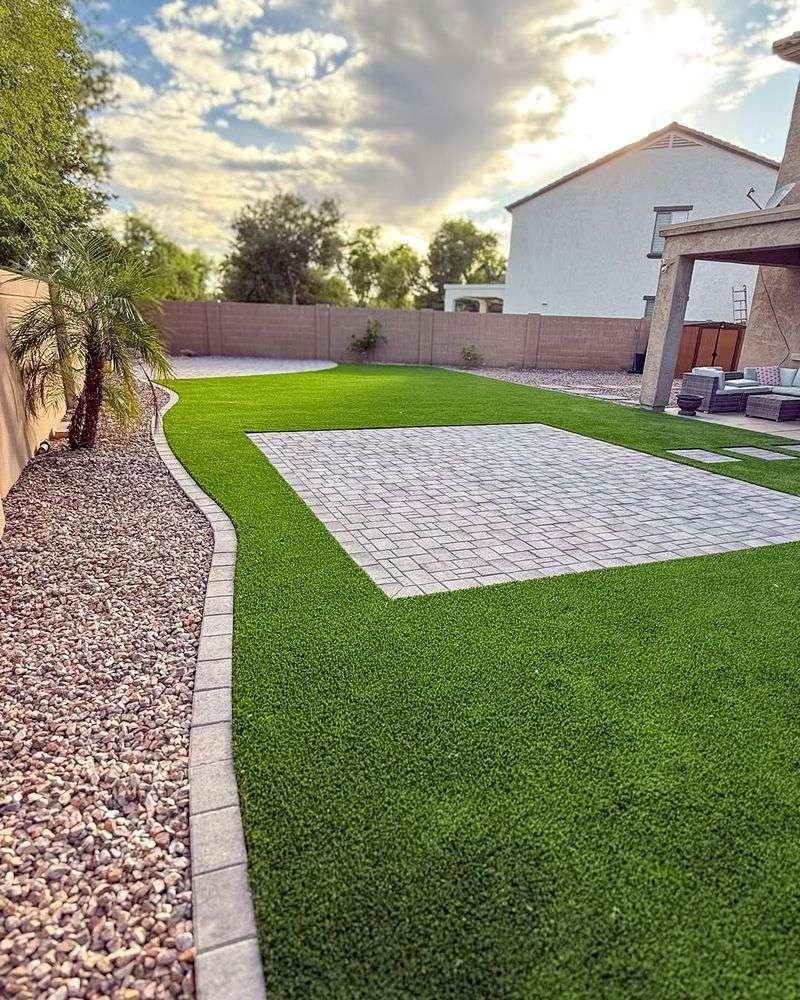
Watering habits that worked perfectly before artificial turf was installed often fall short once the turf goes in. The area right along the turf edge creates a unique microclimate where heat is higher and moisture evaporates faster.
Your Arizona Garden Changes Every Week. Your Plan Should Too.
Gardening in Arizona changes quickly throughout the season. Every Friday you’ll receive a simple weekly plan showing exactly what to plant, prune, fertilize, harvest, and protect so you never miss the right timing.
Standard drip irrigation schedules may no longer be enough to keep plants properly hydrated, especially during Arizona summers when temperatures regularly climb above 110 degrees Fahrenheit.
Adding extra emitters along turf borders is one of the most practical adjustments you can make. Spacing them closer together near the turf edge, compared to the rest of the garden bed, helps compensate for the faster moisture loss.
Running irrigation cycles during early morning hours, before the sun builds intensity, gives water more time to soak into the root zone before evaporation kicks in.
One thing worth noting is that overwatering is also a real risk if you are not paying attention. Artificial turf does not absorb water, so any excess irrigation near the border can pool along the edge if drainage is not set up properly.
Poor drainage in Arizona soils, which are often heavy in clay or caliche, makes this worse. Installing a gravel drainage strip or ensuring proper grade away from plant beds helps prevent waterlogging.
Gardeners in areas like Chandler and Peoria often deal with compacted soils that need amendment before turf installation to make irrigation adjustments work effectively long term.
4. Shallow Rooted Plants May Struggle During Extreme Heat
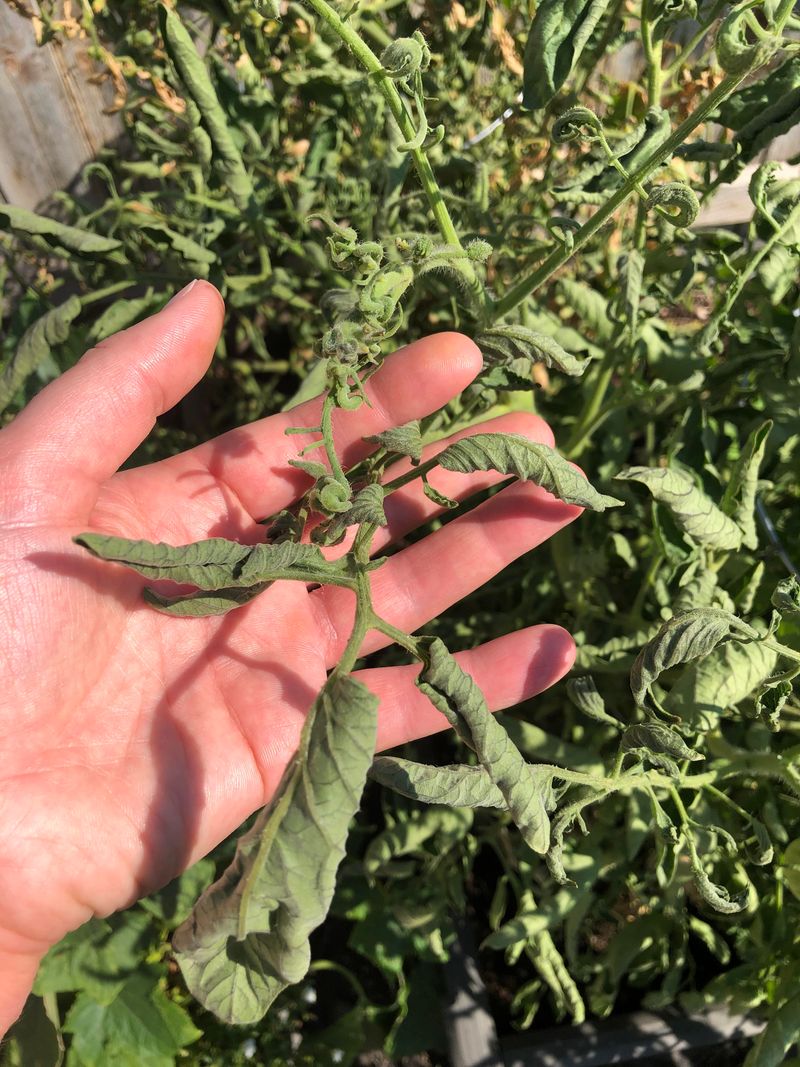
Root depth matters more than most gardeners realize when artificial turf enters the picture. Plants with shallow root systems, like petunias, marigolds, and many annual flowers, keep most of their roots within the top few inches of soil.
That upper layer is exactly where radiant heat from nearby turf hits hardest. When soil temperatures in the top two to three inches stay elevated for extended periods, shallow-rooted plants have nowhere to escape the heat.
Arizona already pushes plants hard from late spring through early fall. Placing shallow-rooted varieties right along a turf border adds extra pressure that many of them simply cannot handle well without significant extra care.
You will likely need to water these plants more frequently, add a thick layer of mulch, and consider whether their placement makes sense at all during peak summer months.
Swapping out heat-sensitive annuals for deeper-rooted perennials near turf edges is worth considering.
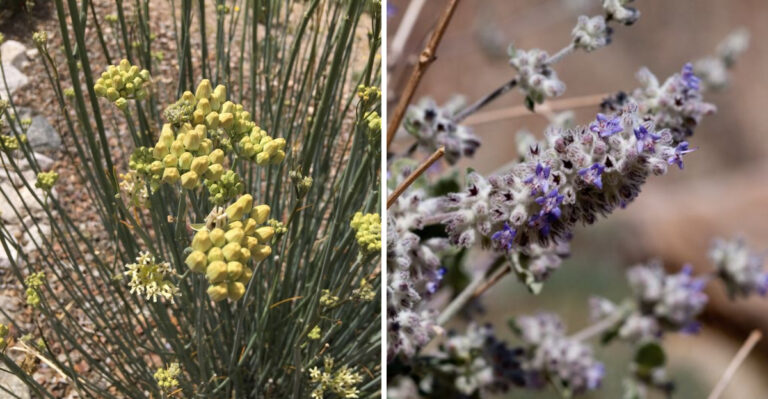
Native Arizona plants like globe mallow, desert marigold, and brittlebush have root systems that reach deeper into cooler soil layers, giving them a natural advantage.
If you love growing colorful annuals, placing them further from turf edges, where reflected heat and radiant warmth are less intense, gives them a much better shot at thriving.
5. Gravel Borders Help Reduce Heat Buildup Near Plant Beds
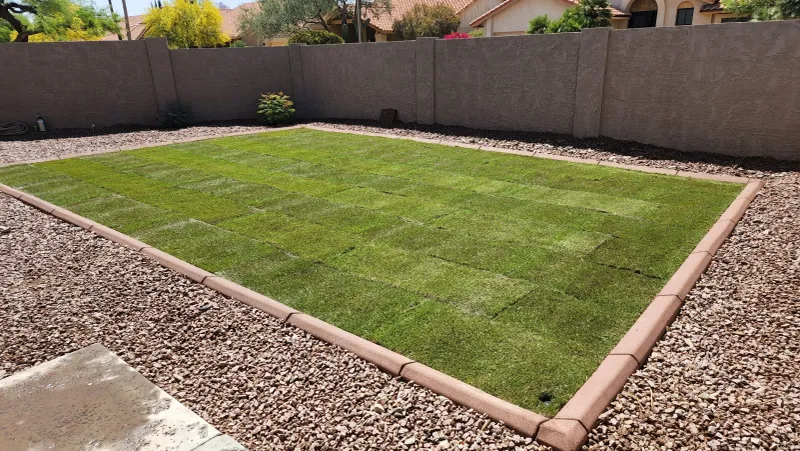
A gravel border between artificial turf and your plant beds is one of the simplest and most effective tools available to Arizona gardeners. Light-colored gravel, particularly decomposed granite or crushed white limestone, reflects sunlight rather than absorbing it.
Creating a buffer zone of even six to twelve inches between the turf edge and your nearest plants can meaningfully reduce the amount of radiant heat reaching those root zones.
Gravel also improves drainage, which matters a lot in Arizona soils prone to compaction. When irrigation water hits a gravel border rather than bare soil, it disperses more evenly and reduces surface runoff.
That combination of better drainage and lower surface temperature makes the transition zone between turf and plants much more manageable for root systems trying to stay cool.
Choosing the right gravel color is not just about looks. Darker gravels like black lava rock absorb more heat and can actually make conditions worse near plant beds.
Lighter options, such as white or tan crushed granite, are widely available throughout Arizona at local landscape supply yards and do a noticeably better job of keeping surface temperatures lower.
6. Organic Mulch Often Keeps Root Zones Cooler Longer
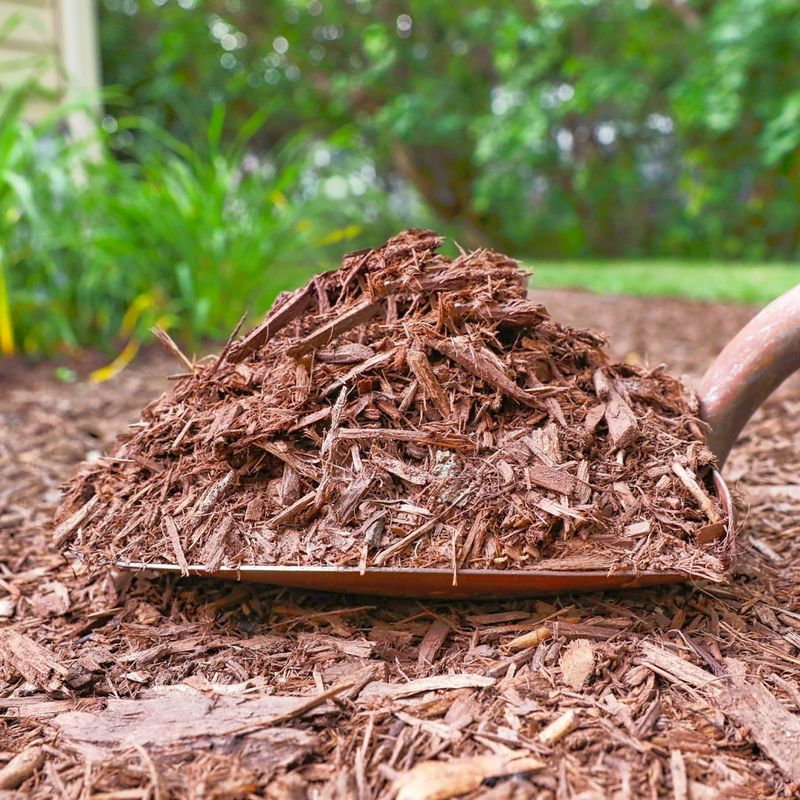
Wood chip mulch does something gravel simply cannot: it insulates. Spreading a three to four inch layer of organic mulch around plant bases near artificial turf creates a buffer that slows soil temperature increases significantly.
Organic mulch also holds moisture longer by slowing evaporation from the soil surface. Near artificial turf, where reflected heat accelerates drying, that moisture retention becomes especially valuable.
A well-mulched plant bed near turf edges needs less frequent watering than an unmulched one, which saves time and water, both of which are precious in Arizona.
As organic mulch breaks down over time, it adds nutrients back into the soil, gradually improving soil structure and water-holding capacity. Arizona soils are often sandy or caliche-heavy, and they benefit from that organic matter input.
Shredded bark, wood chips, and even straw all work well, though wood chips tend to last longer in the desert heat before breaking down. Replacing mulch once or twice a year keeps the insulating layer effective.
7. Larger Shrubs Usually Handle Turf Heat Better Than Small Flowers
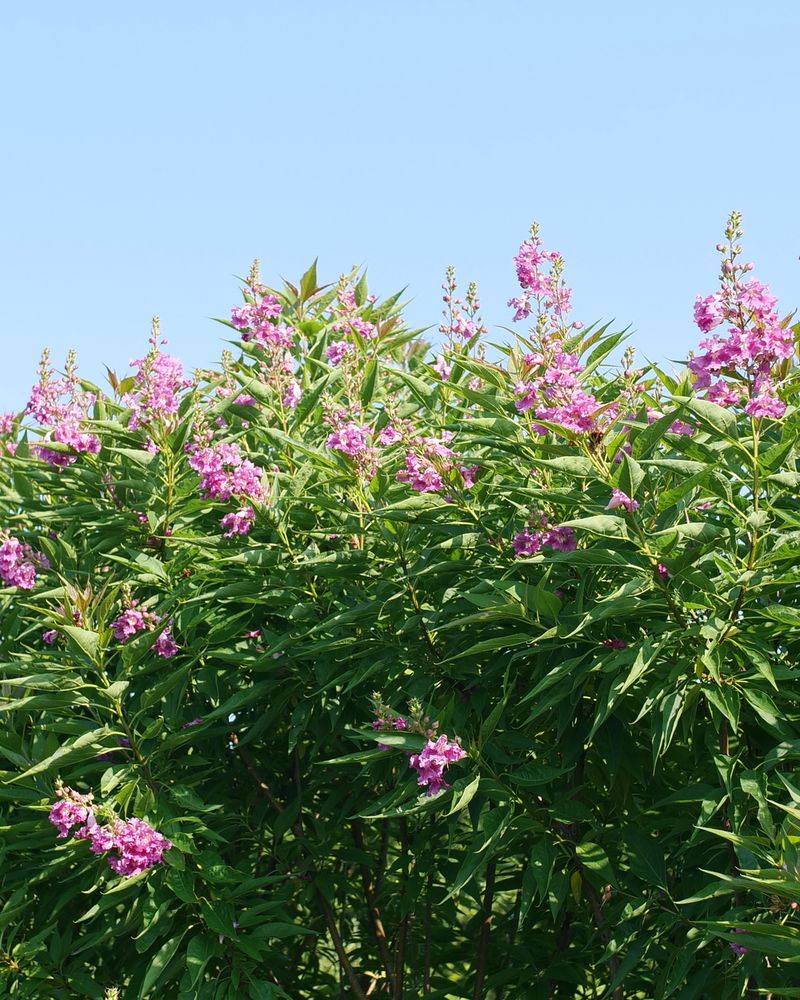
Size and root depth give larger shrubs a real advantage when artificial turf is part of the yard. Established shrubs like Texas sage, red bird of paradise, and desert spoon have extensive root systems that reach well below the heat-affected upper soil layers.
That depth gives them access to cooler, more stable soil moisture even when surface conditions near turf edges are harsh. Small flowering annuals simply do not have that built-in resilience.
Larger shrubs also create their own shade. As they grow, their canopies cast shadows over the soil below, naturally lowering ground temperature near the turf border.
That self-shading effect reduces evaporation and creates a slightly cooler microclimate for any smaller plants tucked beneath the canopy.
Positioning larger shrubs strategically between the turf and smaller, more heat-sensitive plants can act as a living buffer zone.
Arizona native and desert-adapted shrubs bring another advantage: they were selected by nature for exactly this kind of environment. Species that evolved in the Sonoran Desert already handle extreme heat, low humidity, and intense sun with minimal fuss.
Placing them adjacent to artificial turf is far less stressful for them than it would be for non-adapted ornamentals.