7 Cucumber Hacks For Ohio Gardeners Who Want A Brag-Worthy Harvest
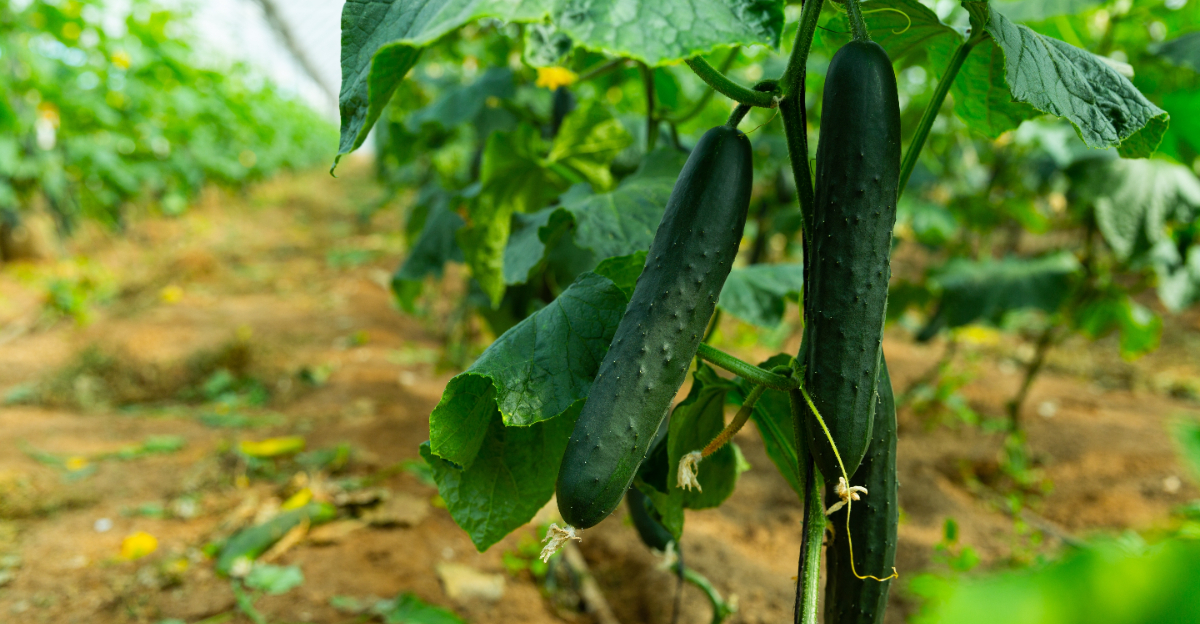
Tomatoes get all the glory in Ohio garden beds. Gardeners coddle them, stake them, and talk about them like family members.
Meanwhile cucumbers get shoved in a corner, given a flimsy cage, and expected to figure things out on their own. And for a while they do.
Then July hits, the humidity settles in like an uninvited houseguest, and the vines start throwing in the towel just when you need them most.
Experienced Ohio gardeners know cucumbers reward attention in ways most people never discover because they never thought to look.
A small tweak to how you water changes everything. So does where you plant, how you train the vine, and when you pick.
Get those details right and cucumbers go from the most overlooked bed in the yard to the one you cannot stop showing off. These hacks are what separates a forgettable crop from a harvest worth bragging about.
1. Plant After Ohio Soil Warms Up
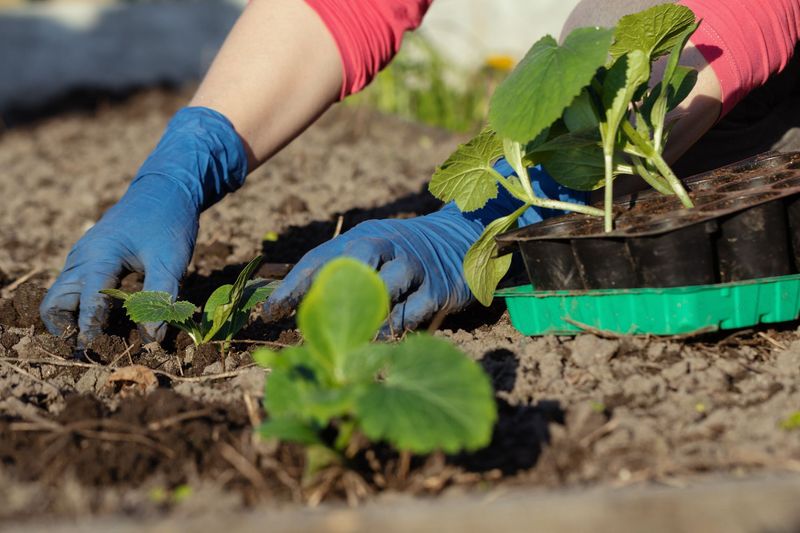
Cold, wet soil is one of the most common reasons cucumber seedlings struggle in spring.
Many gardeners get excited when the calendar flips to May and rush their seeds or transplants into ground that simply is not ready yet.
Cucumbers are warm-season crops, and they need soil temperatures of at least 60 degrees Fahrenheit. They grow with much more energy when soil reaches 65 to 70 degrees.
In northern regions of the state, lake-influenced weather can keep soils cool well into late May. Southern parts of the state tend to warm earlier, so gardeners there may be ready to plant a week or two ahead of those farther north.
Checking the actual soil temperature with an inexpensive thermometer is far more reliable than going by the date alone.
Rushing seeds into cold, soggy soil can lead to slow germination, weak root development, or seeds that simply rot before they sprout. Waiting until the soil is genuinely warm gives your plants a much stronger start.
If you want to get a head start, black plastic mulch laid over the bed a week or two before planting can raise soil temperature noticeably.
Row covers and raised beds also warm faster than in-ground clay beds, which tend to hold cold and moisture longer after rain. Containers sitting in a sunny spot can warm up quickly too, though they will also dry out faster once summer heat arrives.
The last frost date for most of the state falls between late April and mid-May, but frost date alone should not be your only guide. Warm soil and settled weather together make the real difference.
2. Grow Vines On A Trellis For Cleaner Cucumbers
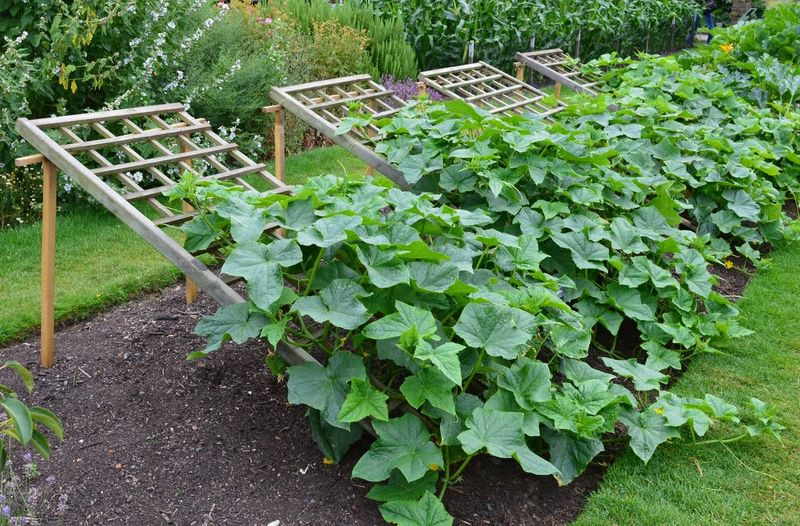
Watching a cucumber vine sprawl across the ground might feel natural, but training it upward changes the whole harvest experience.
Vertical growing keeps fruit off the soil, which means fewer soft spots, less rot, and cucumbers that are noticeably cleaner when you pick them.
It also opens up airflow around the leaves, which matters a lot during the humid stretches that settle over the state in July and August.
Your Ohio Garden Changes Every Week. Your Plan Should Too.
Gardening in Ohio changes quickly throughout the season. Every Friday you’ll receive a simple weekly plan showing exactly what to plant, prune, fertilize, harvest, and protect so you never miss the right timing.
Cattle panels are a popular choice because they are sturdy, reusable, and tall enough to handle vigorous vining types without bending.
Netting stretched between posts, wooden A-frame trellises, chain-link fence sections, and even sturdy tomato cages can all work depending on your space and budget.
The key is making sure whatever support you use is anchored well before the vines get heavy.
Start guiding young vines toward the support as soon as they are long enough to reach.
Soft garden ties, strips of fabric, or even loose loops of twine work well for gently directing stems without pinching them.
Avoid tying too tightly since cucumber stems are surprisingly easy to damage if the tie digs in as the plant grows. If vertical growing is the goal, look for vining varieties rather than compact bush types.
Bush varieties are bred to stay low and spread less, which makes them better suited for containers or tight beds where a trellis would be awkward.
Vining types like ‘Marketmore 76’ or ‘Straight Eight’ will climb readily and reward you with fruit that hangs straight and is easy to spot at harvest time. Trellising is one of those habits that feels like a small effort early but pays off through the whole season.
3. Water Steadily Before Fruits Turn Bitter
Bitter cucumbers are one of the most frustrating surprises at harvest time, especially after weeks of careful tending. Uneven watering is one of the main culprits.
When plants swing from dry stress to sudden heavy soaking, cucurbitacin levels can rise. That is the compound responsible for sharp, unpleasant bitterness.
Keeping moisture consistent is one of the most practical ways to avoid that problem.
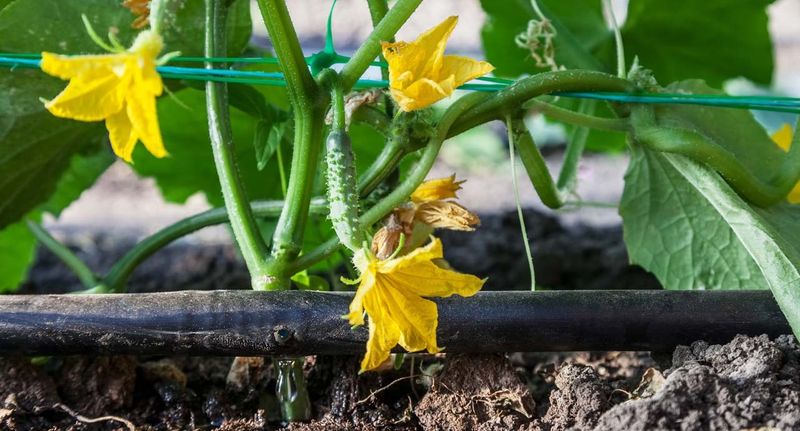
Cucumbers prefer deep, steady watering rather than frequent light sprinkles. Watering at the base of the plant, rather than overhead, keeps foliage drier and reduces the conditions that encourage fungal problems.
A soaker hose or drip line laid along the row makes watering much easier to manage. That matters most during busy midsummer weeks when you may not check the garden every day.
Containers and raised beds are especially prone to drying out quickly during hot Ohio weather. A container on a sunny patio can lose moisture surprisingly fast, sometimes needing water every day during a heat streak.
Pressing a finger about an inch into the soil is a reliable low-tech way to check whether the root zone is actually dry before watering again.
Mulching over the root zone helps slow moisture loss between waterings, and that topic gets its own section below. The shape of the fruit can also signal stress.
Cucumbers that taper unevenly, pinch in the middle, or look crooked at harvest often experienced irregular watering or temperature swings during development.
Consistent moisture will not guarantee perfect fruit every time, but it removes one of the biggest obstacles to a satisfying harvest.
4. Mulch Early To Hold Moisture Through Hot Spells
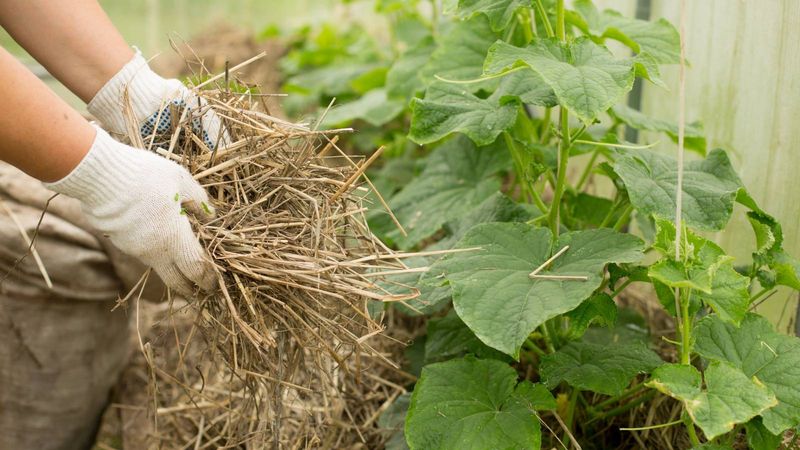
A layer of mulch might not look exciting, but it quietly does some of the hardest work in a summer vegetable garden. Spread mulch around cucumber plants after the soil has warmed.
It slows evaporation, keeps roots cooler, reduces weeds, and cuts down on soil splash during heavy rain. That last point matters more than most gardeners realize, because splashing soil can carry soilborne pathogens up to the lower leaves.
Straw is one of the most widely used mulch options for vegetable gardens. It is lightweight, easy to spread, and breaks down into organic matter by season’s end.
Shredded leaves work well too, especially if you saved them from fall cleanup. Untreated grass clippings can be used but should be applied in thin layers to avoid matting, which blocks water and air from reaching the soil below.
Apply mulch after the soil has had time to warm in late spring or early summer. Putting it down too early, while the ground is still cold, can actually slow the warming process and delay your plants.
Aim for a layer about two to three inches deep, keeping it pulled slightly back from the plant stems to allow air circulation right at the base.
Clay-heavy soils, which are common across much of the state, can stay wet after rain and then crack and harden during dry spells. Mulch helps buffer both extremes.
Raised beds and containers benefit from mulch too, since their smaller soil volume tends to swing between wet and dry faster than a larger in-ground bed. Consistent soil conditions lead to more consistent cucumbers.
5. Watch For Cucumber Beetles Before Damage Spreads
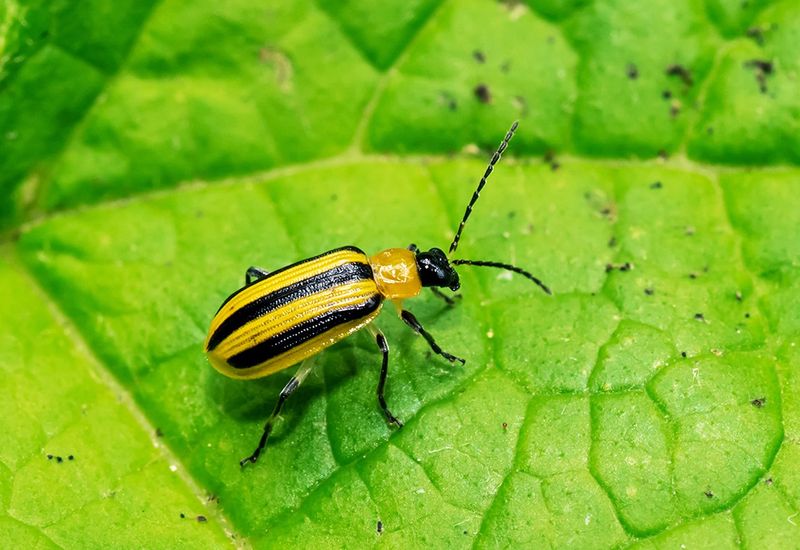
Spotted your vines wilting on a warm morning even though the soil is moist? Cucumber beetles may already be at work.
Striped cucumber beetles and spotted cucumber beetles are both common in the state, and they are more than just leaf-chewers.
Both can transmit bacterial wilt, a disease that spreads through feeding wounds and can cause vines to collapse with no recovery once it takes hold.
Young plants are the most vulnerable, so monitoring starts the moment transplants go in or seedlings emerge. Check the undersides of leaves, the base of stems, and inside flowers where beetles like to hide.
Catching a small population early gives you far more options than waiting until damage is widespread. Row covers placed over young plants right after planting can block beetles during the most vulnerable weeks.
Remove the covers once flowering begins so pollinators can reach the blooms.
Handpicking works reasonably well when populations are low, though beetles are fast and drop off leaves quickly when disturbed. Yellow sticky traps near the planting area can help you gauge how many beetles are active.
For home garden pest management, check current recommendations from Ohio State University Extension. Their guidance can help you choose options that fit your situation.
No single approach guarantees complete control, and that is worth accepting upfront. Healthy, well-watered plants in good soil tend to handle some beetle pressure better than stressed vines.
Planting a little later, after the first flush of adult beetles has moved through, is a timing strategy some Ohio gardeners use with reasonable results. Staying observant and acting early gives you the best chance of keeping your vines productive through the season.
6. Pick Often To Keep New Cucumbers Coming
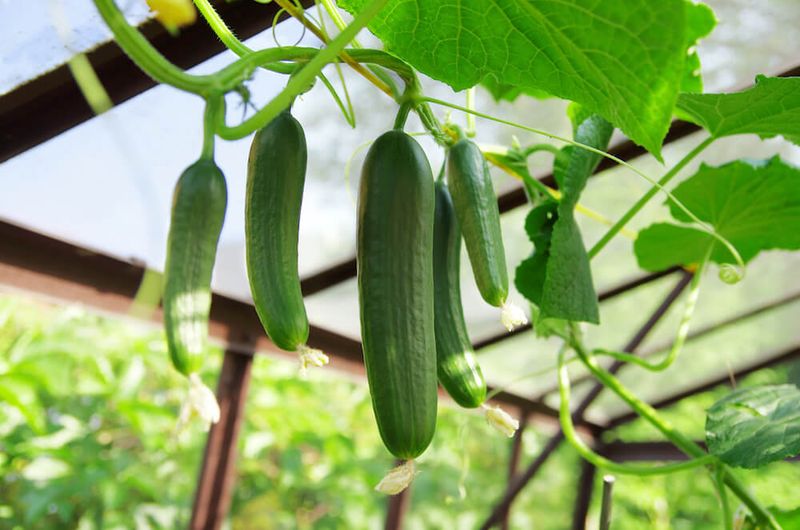
Here is something that surprises many first-time cucumber growers. Leaving a big, overripe cucumber on the vine can slow down or stop new fruit production.
Cucumbers are programmed to set seed and complete their reproductive cycle. Once a cucumber turns yellow or swells past its ideal size, the plant treats it like a mature fruit.
After that, it may begin winding down flower and fruit production.
Picking frequently, ideally every day or every other day during peak season, sends the opposite message. The plant keeps pushing out new flowers and setting new fruit as long as conditions support it.
Slicing cucumbers are typically best harvested when they reach six to eight inches long, depending on the variety. Pickling types are often picked smaller, sometimes as short as two to three inches for small whole pickles or up to four inches for larger cuts.
Use clean garden snips or scissors rather than yanking fruit off by hand. Pulling can tug on the vine and damage the stem or disturb nearby developing fruit.
Cut the stem just above the cucumber, leaving a short stub attached to the fruit. This small habit keeps the vine healthier over a long season.
Check deep inside the foliage carefully because cucumbers hide well under large leaves, especially on trellised vines where growth gets dense. A cucumber that gets missed and swells to full size will not taste great anyway, so there is no benefit to leaving it.
Staying on top of the harvest is one of the most reliable ways to stretch a productive vine well into late summer before cooler nights slow things down.
7. Choose Varieties That Match Your Garden Space
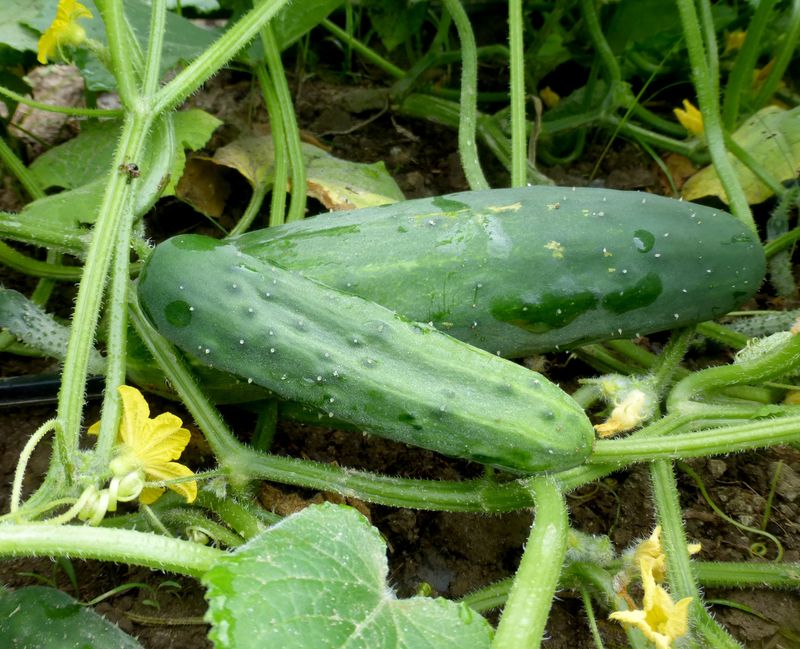
Not all cucumbers are built for the same garden. Choosing a variety that fits your actual space, soil, and harvest goals makes a real difference in how satisfied you feel by the end of the season.
Seed packets carry a lot of useful information. Check days to maturity, vine habit, disease resistance codes, and whether the variety is best for slicing, pickling, or fresh eating.
Reading that label carefully before you buy is worth a few extra minutes.
‘Marketmore 76’ is a classic slicing cucumber with a long track record. Its resistance to several common cucumber diseases makes it useful for humid summers.
‘Straight Eight’ is another familiar slicer with a mild flavor that many home gardeners have grown for decades. ‘Diva’ is a thin-skinned, nearly seedless slicer known for tender texture and good flavor.
It can produce fruit without pollination, which helps in gardens with limited bee activity.
For pickling, ‘National Pickling’ and ‘Boston Pickling’ are both well-established options with a history of use in home and small-scale preservation.
They set fruit prolifically and hold up well through the brining process. ‘Spacemaster’ and ‘Bush Champion’ are compact varieties for smaller growing spaces.
They work well in containers or raised beds where sprawling vines would take over.
Availability varies by nursery, garden center, and seed supplier, so check what is stocked locally or browse reputable seed catalogs. No variety is immune to pests, disease, or difficult weather.
Regional conditions across the state, from heavy clay in western areas to sandier soils farther east, can influence how any variety performs in a specific garden.
Trying one or two new varieties each season alongside a proven favorite is a low-risk way to learn what works best for your particular spot.