What Arizona Homeowners Should Know When Bobcats Start Visiting Their Yard
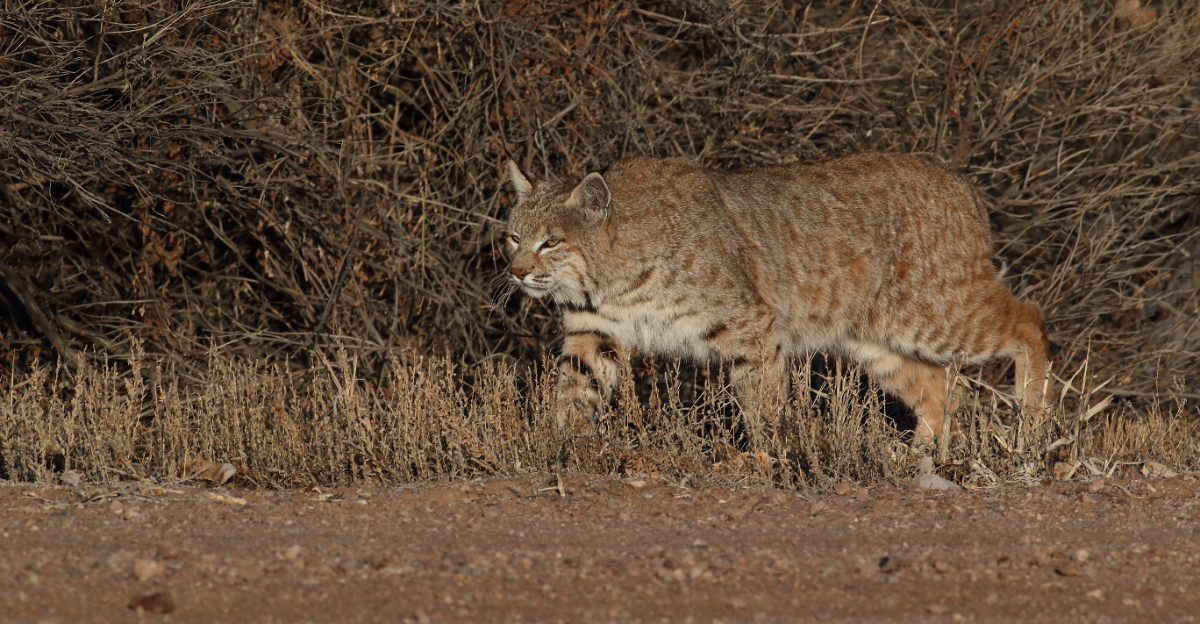
Spotting a bobcat outside your window can turn an ordinary morning into something you remember for years. These wild cats sometimes move through residential areas, and a quiet yard can become part of their route.
In Arizona, neighborhoods near desert habitat can offer several reasons for a bobcat to wander closer. One visit does not necessarily mean the animal has made your property its permanent home.
Your response matters more than trying to get a closer look. Give the animal plenty of space and avoid doing anything that encourages it to return.
Backyards can offer food, water, shade, or shelter without homeowners realizing it.
Understanding what caught its attention can help you decide whether anything around your property needs to change.
That unexpected visitor belongs at a distance, even when the view feels remarkable.
1. Yard Visits Usually Mean Something Nearby Caught Their Attention
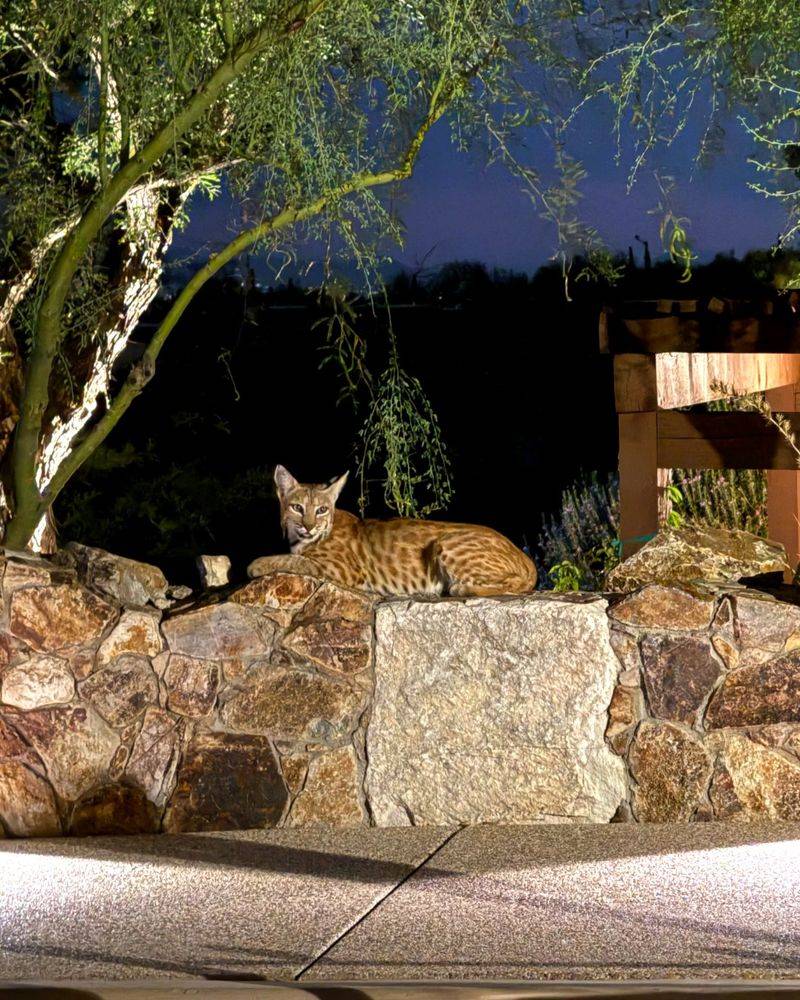
Bobcats do not wander into yards randomly. Something specific drew them in, and figuring out what it is can help you take the right steps.
Most of the time, a bobcat is following a scent trail or tracking prey it spotted earlier. Yards that back up to washes, open desert, or brushy areas tend to see more wildlife traffic overall.
Bobcats use those natural corridors to move through neighborhoods without being noticed until they step into your space.
Fencing can slow them down, but bobcats are strong climbers and agile jumpers. A standard block wall is not a reliable barrier.
Gaps at the base, low overhangs, and nearby trees all give them easy access.
Noticing a bobcat once does not mean it has claimed your yard as territory. It may have just passed through.
But repeated visits usually point to a consistent attractant nearby.
Pay attention to where it enters and exits. Look along fence lines, under gates, and near dense shrubs.
Understanding the entry points gives you useful information for making changes before the visits become routine. Keeping a simple log of when and where you see it can also help if you need to contact local wildlife officials later.
2. Food Water And Shade Can Bring Bobcats Closer
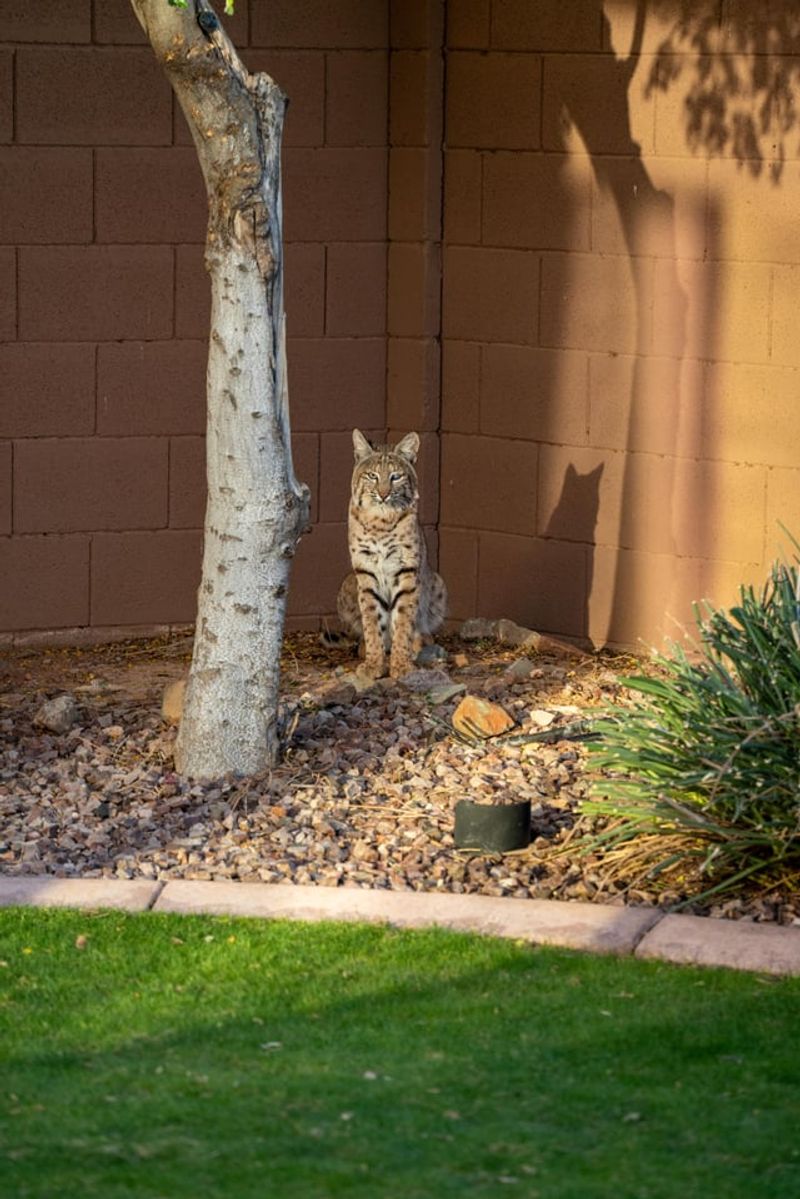
Water is a powerful magnet for desert wildlife. Birdbaths, drip systems, pet water bowls left outside, and decorative fountains can attract a surprising range of animals, including bobcats looking to cool down and hydrate during hot months.
Food sources work the same way. Bird feeders pull in small birds and rodents, which in turn pull in predators.
Unsecured compost bins, fallen fruit from trees, and outdoor pet food left overnight all send signals to wildlife that easy resources are available nearby.
Shade matters more than most homeowners realize. Dense shrubs, low-hanging trees, and covered patios can give a bobcat a comfortable resting spot during the heat of the day.
If your yard offers shelter from the sun, a bobcat may return simply for that reason.
Reducing these attractants does not require major renovations. Bringing in pet water bowls at night, using enclosed compost systems, and trimming dense ground-level shrubs are practical starting points.
Your Arizona Garden Changes Every Week. Your Plan Should Too.
Gardening in Arizona changes quickly throughout the season. Every Friday you’ll receive a simple weekly plan showing exactly what to plant, prune, fertilize, harvest, and protect so you never miss the right timing.
Think of your yard as a set of signals. Every open food source, water dish, or shaded hiding spot is a signal that says “comfortable here.” Adjusting those signals gradually shifts the yard from appealing to less interesting for passing wildlife.
Small changes, done consistently, tend to produce the best results over time.
3. Rabbits And Rodents Give Them Good Hunting Opportunities
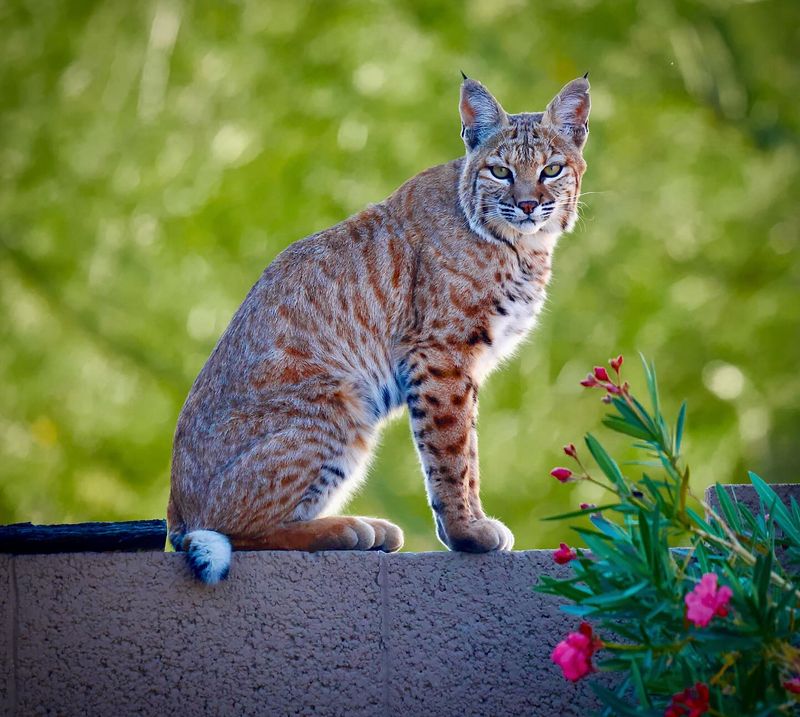
Bobcats are skilled hunters, and their preferred prey includes rabbits, squirrels, mice, and rats. If your yard has a healthy rodent or rabbit population, it is essentially a well-stocked pantry for a passing bobcat.
Native landscaping with dense ground cover, rock piles, and brush piles creates ideal hiding spots for small mammals. Fruit trees drop food that attracts rodents.
Chicken coops and rabbit hutches without secure hardware cloth can draw in predators looking for an easy opportunity.
Rodent activity often spikes seasonally, especially after rains when plant growth picks up and food becomes more available. More rodents in the area usually means more predators following close behind.
Bobcats are simply responding to what the landscape is offering.
Reducing rodent habitat around your home helps lower the appeal for bobcats over time. Seal gaps in sheds and fences.
Store birdseed in sealed containers. Clear out wood piles that sit directly on the ground.
Protecting backyard chickens, ducks, or pet rabbits requires hardware cloth with small openings, not just standard chicken wire. Secure latches and solid roofing on enclosures matter just as much as the walls.
Bobcats are persistent and patient, so the enclosure needs to hold up under repeated pressure, not just casual inspection.
4. Dawn And Dusk Are Common Times To Spot Them
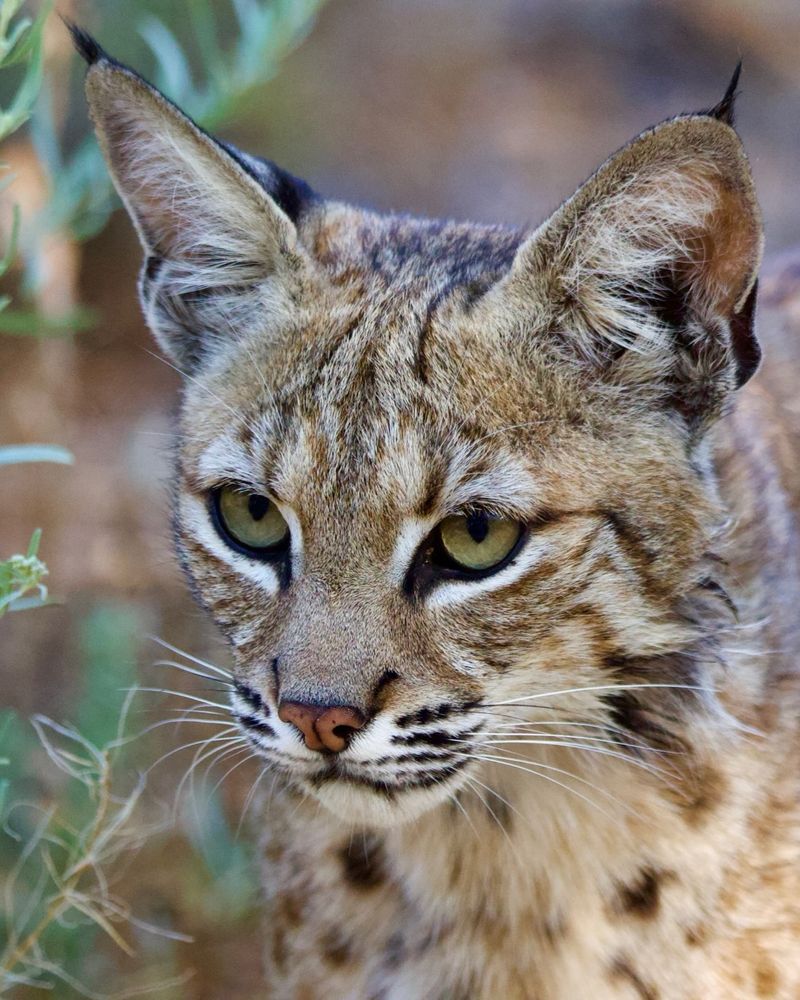
Bobcats are crepuscular, meaning they are most active around sunrise and sunset.
Spotting one in your yard at midday is less common, though it does happen, especially during cooler months or in areas with heavy human activity that pushes their schedule around.
Early morning is often when homeowners catch a bobcat moving through quickly, usually heading back toward natural cover before the neighborhood wakes up.
Evening sightings tend to happen as the animal begins hunting, moving along fence lines or through landscaping in search of prey.
Knowing these peak windows helps you make smarter choices about when to bring pets inside, when to check on backyard animals, and when to be more alert during outdoor activities.
Setting up a motion-activated camera during these hours can also give you a clearer picture of how often a bobcat is actually passing through.
Children playing outside at dawn or dusk in areas with known bobcat activity should be supervised. Not because bobcats frequently approach people, but because close encounters at those hours can happen quickly and unexpectedly.
Outdoor lighting with motion sensors near entry points can sometimes discourage wildlife from lingering. Bobcats generally prefer to move without being noticed.
Bright, sudden light may encourage them to keep moving rather than settle in your yard for the night.
5. Small Pets Need Extra Care When Bobcats Are Nearby
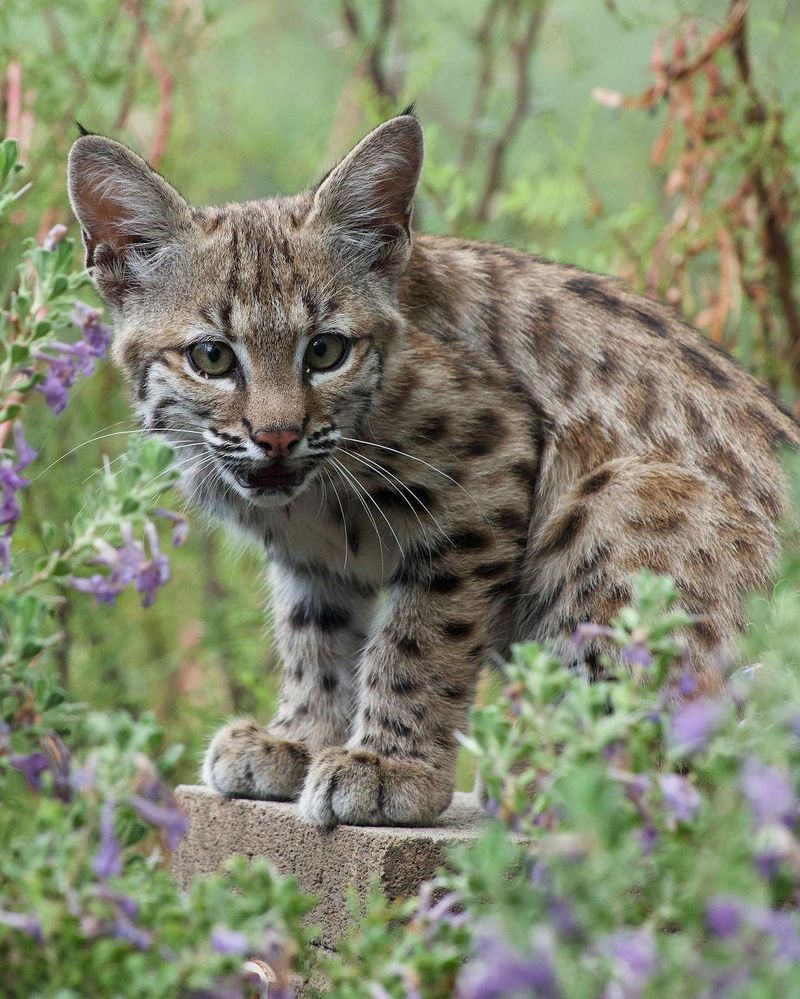
Small pets are genuinely at risk when bobcats are active in the area. Cats, small dogs, and backyard birds can all be vulnerable, especially during early morning or evening hours when bobcats are most likely to be moving through.
Supervising pets during outdoor time is the most effective protective step. Letting a small dog or cat outside alone at dusk in a yard with known bobcat activity is a real risk.
Short leash walks close to the home are a reasonable adjustment during periods of frequent sightings.
Bringing pets inside at night removes the overnight risk almost entirely. Bobcats are opportunistic, and if there is nothing easy to find, they tend to move on.
Secure pet doors that can be locked from the inside are worth using after dark.
Cats that roam freely outdoors face higher exposure. Keeping them indoors, especially during active bobcat periods, reduces that exposure significantly.
Outdoor enclosures, sometimes called catios, can provide fresh air and enrichment without the open-access risk.
If you have seen a bobcat in your yard recently, let your neighbors know. Shared awareness across a block or neighborhood helps everyone make informed choices about pet supervision.
Community-level communication is one of the most practical tools available when wildlife activity increases in a residential area.
6. Removing Easy Food Sources Helps Make Yards Less Appealing
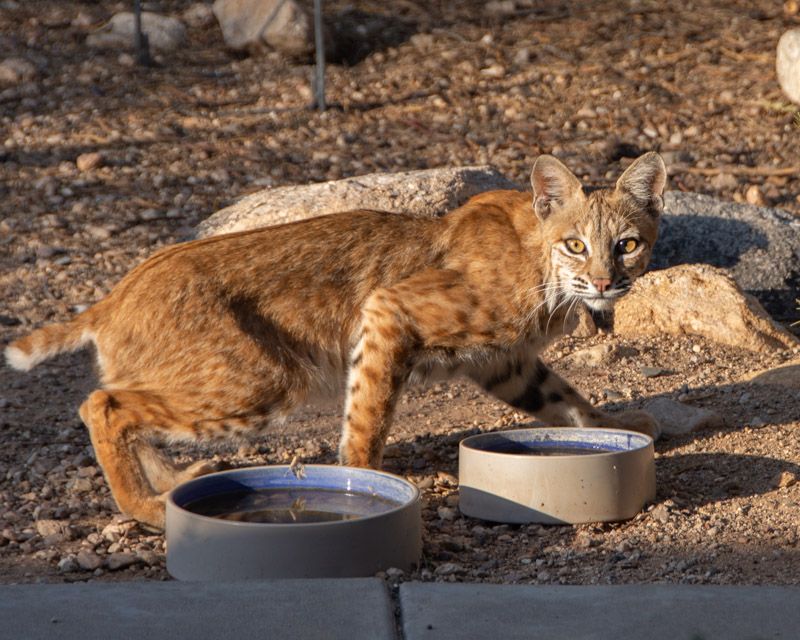
Bobcats are drawn to areas where food is easy to find. Removing those food sources shifts the calculation.
A yard that offers nothing useful tends to get fewer repeat visits from passing wildlife.
Start with the obvious sources. Pet food left outside overnight is one of the most common attractants.
Bring bowls in after feeding. Store birdseed in sealed metal containers rather than open bags in a garage or shed.
Fallen fruit from citrus trees, mesquite pods, and berry-producing shrubs can attract rodents, which then attract bobcats. Raking up fallen fruit regularly during harvest seasons makes a noticeable difference.
Composting fruit scraps in a sealed bin rather than an open pile also helps.
Trash cans with loose-fitting lids or bags left out overnight attract a range of scavengers. Securing lids with bungee cords or weight bars is a simple fix.
Putting cans out on the morning of pickup rather than the night before reduces overnight exposure.
Rodent control around the home perimeter also reduces bobcat interest over time. Sealing entry points into sheds, crawl spaces, and garages cuts down on the rodent population that bobcats follow.
Consistent habitat management, done over several weeks, tends to shift wildlife patterns more reliably than any single action taken once.
7. Unusual Behavior Is A Sign To Keep Your Distance
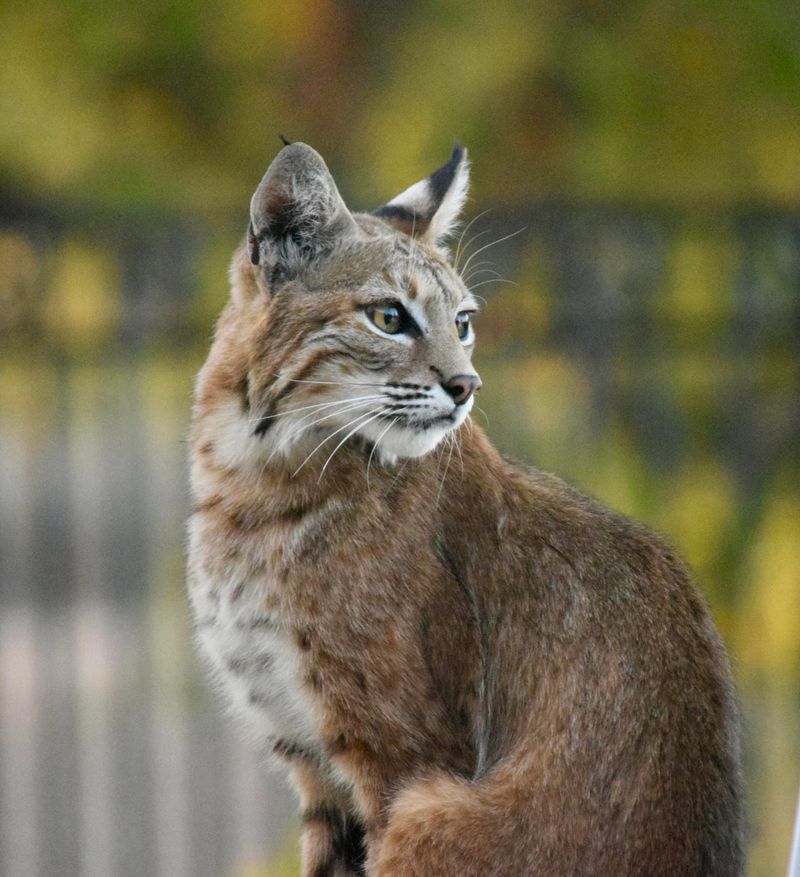
Most bobcat encounters are brief. The animal sees you, sizes up the situation, and moves on.
Unusual behavior breaks from that pattern and deserves more attention.
A bobcat that approaches people without hesitation, moves in circles, staggers, or seems confused about its surroundings is showing signs that something may be wrong. Rabies is rare in bobcats but not impossible.
Distemper and other illnesses can also affect behavior. Toxin exposure from rodenticides is another possibility worth considering.
Daytime activity alone is not necessarily a red flag. Bobcats do move during daylight hours, especially in cooler weather or when prey is active.
But combine daytime movement with aggression or disorientation, and that changes the picture.
Keep children and pets inside if you observe strange behavior. Do not approach the animal to get a closer look.
Maintain a safe distance and watch from inside the home if possible.
Contact Arizona Game and Fish or your local animal control agency to report the sighting. Give them a description of the behavior, the time, and the location.
They can assess whether a response is needed. Do not attempt to capture, corner, or handle the animal yourself.
Trained wildlife professionals have the tools and experience to manage the situation safely without putting anyone at unnecessary risk.