What Arizona Peach Trees Need In April Before Intense Heat Sets In
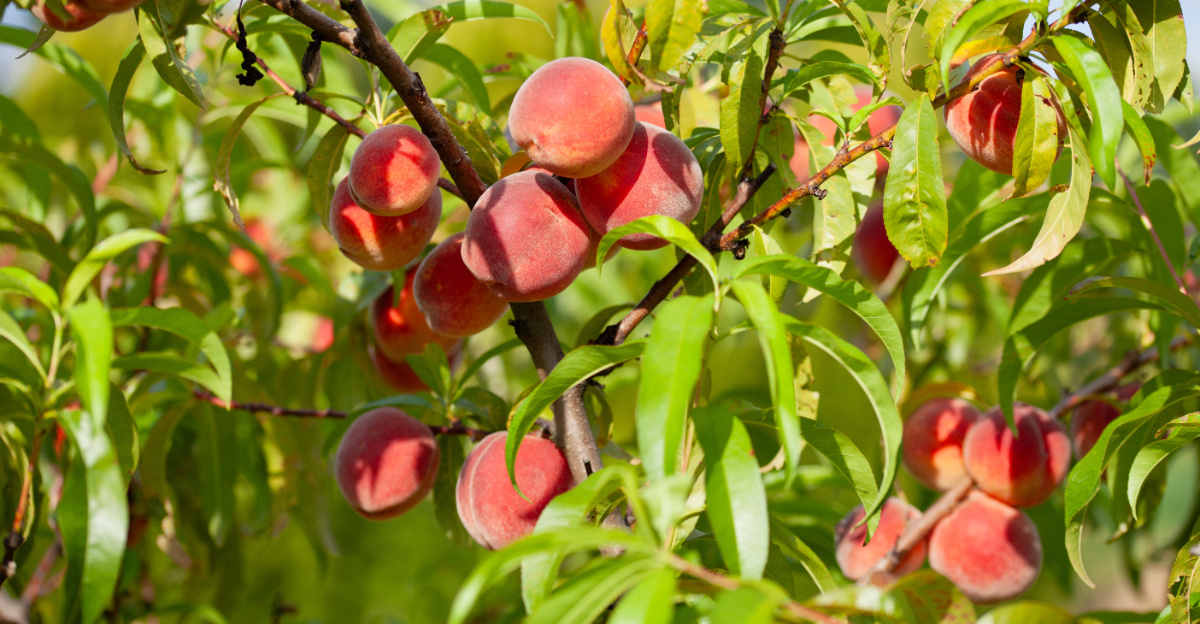
Right when Arizona peach trees start to look their best, that is when things can quietly go wrong. Fresh leaves fill out, small fruit begins to show, and the tree seems full of promise, yet this moment carries more pressure than it appears.
April sets the stage for how well that tree handles everything that comes next. Many gardeners assume the hard part has passed once fruit shows up, but this is where early mistakes begin to build.
Stress does not always show right away, and by the time signs appear, the heat has already taken control. What feels like a stable tree can shift fast once temperatures climb.
Peach trees in Arizona respond to what happens now more than later in the season. The right care during this short window can keep fruit on the tree and growth steady through rising heat.
Missing that timing often leads to problems that feel sudden but start right here.
1. Deep Watering Builds Strong Fruit Before Extreme Heat
Shallow watering in April is one of the most common mistakes Arizona peach growers make before summer arrives.
When water only reaches the top few inches of soil, roots stay near the surface, and a shallow root system struggles once temperatures push past 100 degrees.
Deep watering means letting water soak down 18 to 24 inches into the soil. Running your drip emitters longer and less frequently encourages roots to follow moisture downward.
A tree with deep roots has a much better chance of pulling through a brutal Arizona July than one that has been lightly watered every day.
Place drip emitters near the outer edge of the canopy, not right against the trunk. That outer zone is where most of the active feeder roots are working.
Watering right at the base can actually cause issues with crown rot over time, especially in clay-heavy soils.
Depending on your soil type and current temperatures, a deep soak every five to seven days is a reasonable starting point in April. Sandy desert soils drain faster and may need more frequent attention.
Check the soil a few inches down before adding more water — if it still feels damp, hold off another day or two.
2. Thinning Excess Fruit Prevents Stress And Improves Size
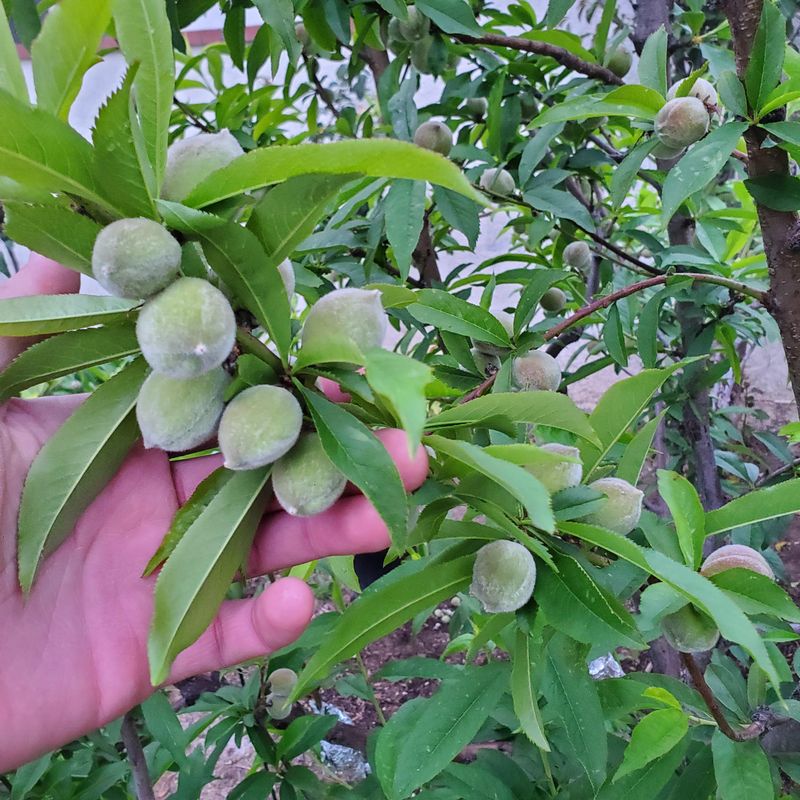
A peach tree loaded with fruit looks promising, but too many developing peaches on one tree is actually a problem. Branches can crack under the weight, and the tree ends up splitting its energy across dozens of undersized fruits instead of pushing resources into fewer, larger ones.
Thinning should happen early — before fruits reach golf ball size is the usual recommendation. At that stage, they come off the branch easily and the tree has not yet wasted a lot of energy on them.
Waiting too long makes thinning harder and less effective.
Aim to leave about four to six inches of space between each remaining peach. That spacing sounds like a lot when you are pulling off fruit that looks perfectly healthy, but the payoff shows up at harvest.
Your Arizona Garden Changes Every Week. Your Plan Should Too.
Gardening in Arizona changes quickly throughout the season. Every Friday you’ll receive a simple weekly plan showing exactly what to plant, prune, fertilize, harvest, and protect so you never miss the right timing.
Peaches left with enough room tend to develop better size, more color, and improved flavor compared to crowded ones.
In Arizona, where summer heat arrives fast and hard, an overloaded tree going into May is already at a disadvantage. Carrying too much fruit while also managing heat stress puts a lot of demand on the tree at once.
Reducing that fruit load in April helps keep things more manageable.
3. Light Spring Feeding Supports Growth Without Forcing It
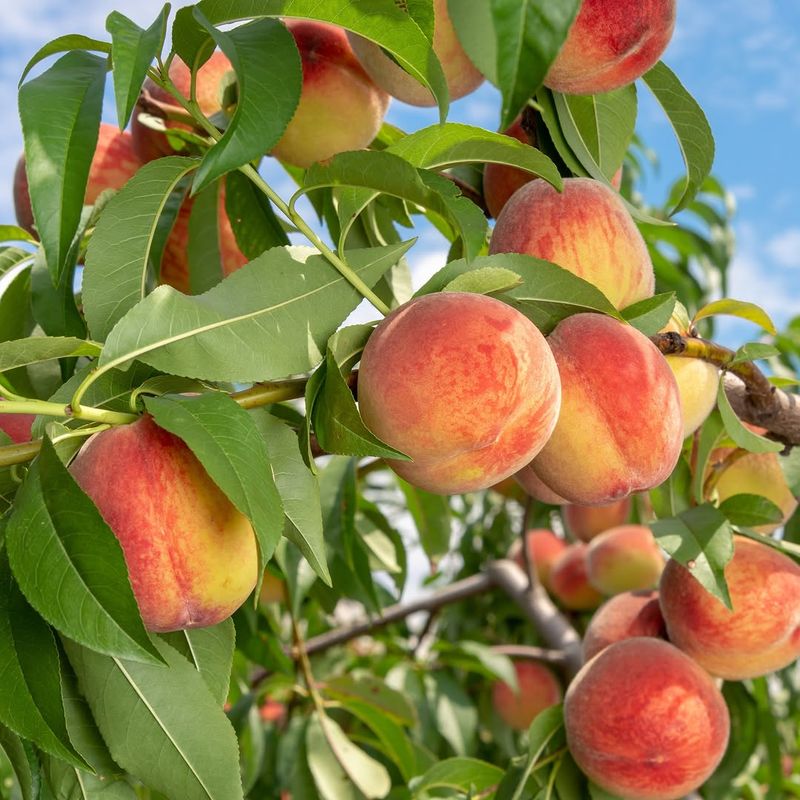
Fertilizing a peach tree in April requires some restraint. Pushing too much nitrogen right before intense heat sets in can trigger a flush of soft new growth that ends up getting scorched once temperatures climb.
The goal is to support what is already growing, not to force a burst of activity the tree cannot sustain.
Arizona soils are often low in nitrogen, so some feeding is genuinely useful. A balanced fertilizer with a slightly higher nitrogen ratio works reasonably well for established trees in spring.
Granular options that release slowly tend to be more forgiving than liquid fertilizers applied at full strength.
Apply fertilizer to the soil around the outer drip line of the canopy, not directly against the trunk. Water it in well after application so it can begin moving into the root zone.
Dry fertilizer sitting on the surface without moisture does very little and can sometimes cause salt buildup in already dry Arizona soil.
Skip fertilizing trees that were planted within the last year or so. Young trees in their first growing season in Arizona need time to settle their roots before being pushed with nutrients.
Feeding too aggressively early on can sometimes cause more harm than benefit.
Established trees that were fed in late winter may not need another full application in April — a lighter top-up or none at all could be the right call.
4. Early Checks For Leaf Curl And Pests Keep Problems Small
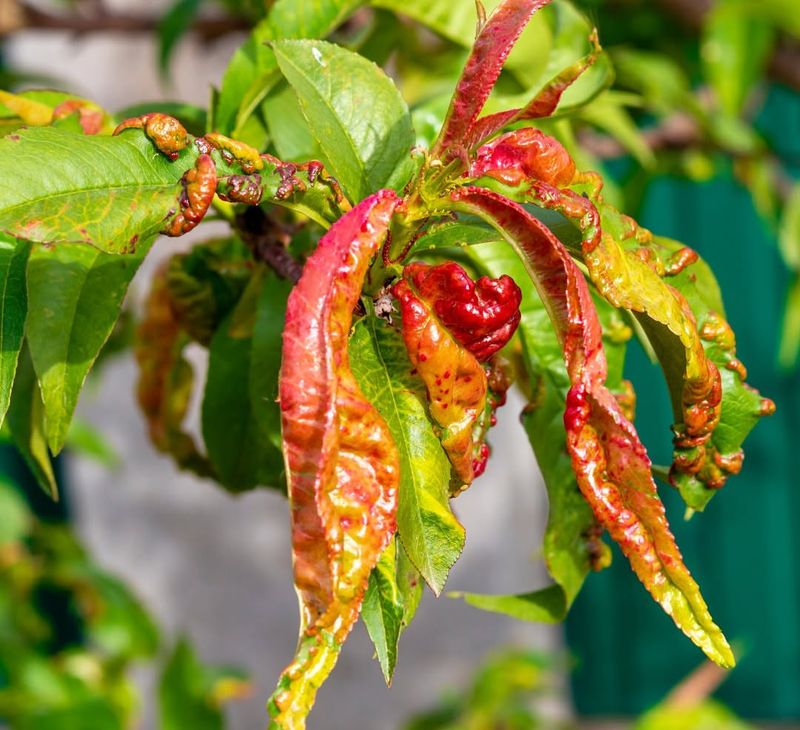
Peach leaf curl shows up early in the season and spreads fast if you miss it. By the time leaves are visibly puckered, reddened, and distorted, the fungal infection has already been active for a while.
Catching it early in April — or ideally preventing it with a dormant spray in late winter — keeps the damage limited.
Aphids are another consistent issue on Arizona peach trees in spring. They tend to cluster on new growth and the undersides of young leaves.
A strong blast of water from a hose can knock them off without needing to reach for any sprays. For heavier infestations, horticultural oil or insecticidal soap applied in the cooler parts of the morning works reasonably well.
Spider mites tend to show up a bit later, but April is a good time to start watching for the early signs — tiny speckling on leaves and fine webbing on the undersides of foliage.
Mite populations can explode once Arizona heat kicks in, so catching them before May gives you a real head start.
Scale insects are less dramatic but worth checking for along the branches. They look like small bumps on the bark and can weaken wood over time if left unchecked.
Horticultural oil handles them well when applied correctly.
5. Mulch Helps Soil Hold Moisture As Temperatures Rise
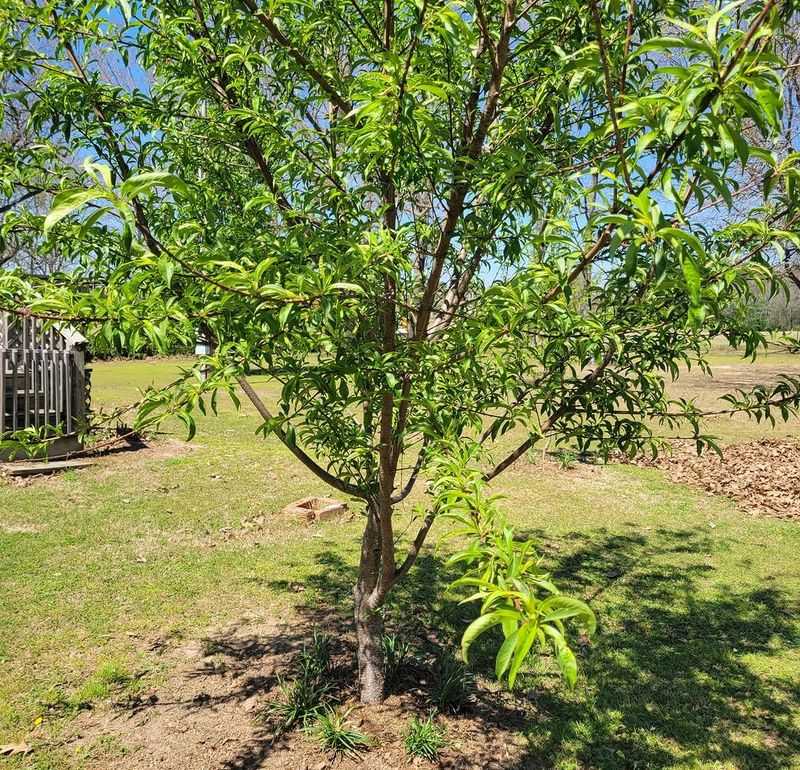
Bare soil around a peach tree in Arizona loses moisture fast. Once April afternoons start pushing into the 90s, unprotected ground can dry out within a day or two of watering.
A good layer of mulch slows that process down considerably and keeps the root zone more stable between waterings.
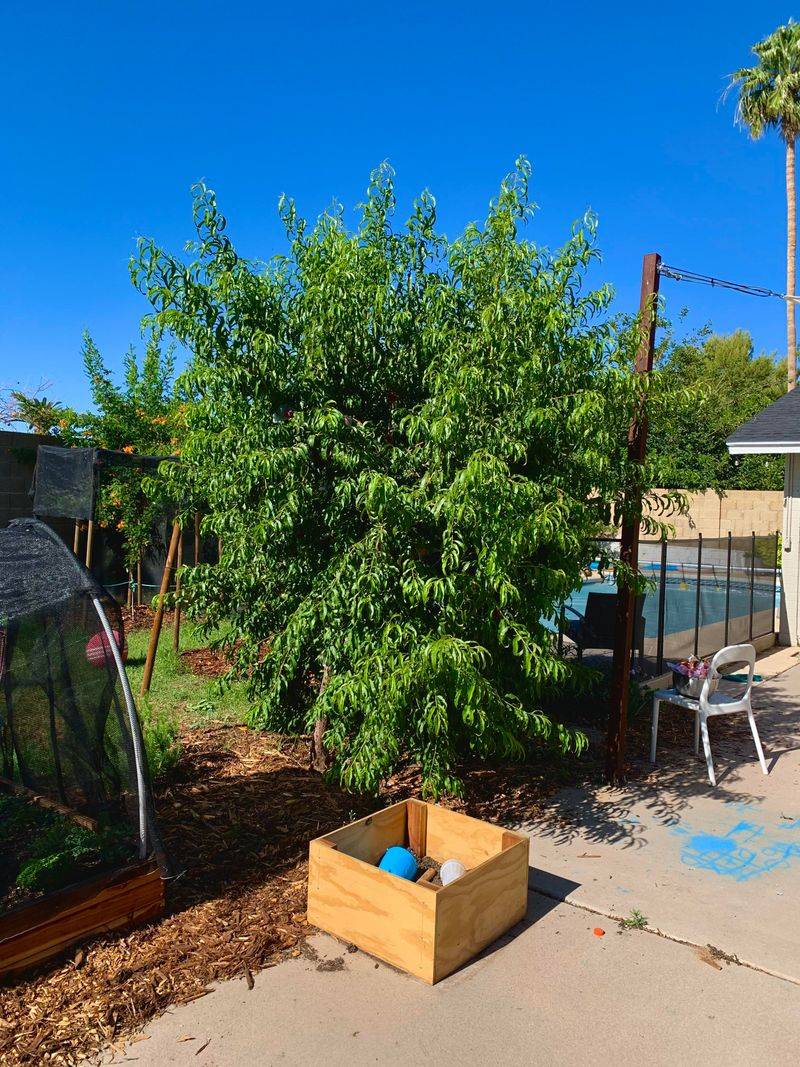
Aim for about three to four inches of organic mulch spread out to the drip line of the canopy. Wood chips, shredded bark, or straw all work.
Keep the mulch pulled back a few inches from the trunk itself — mulch piled directly against the bark can hold moisture in the wrong place and create conditions for fungal issues or bark problems over time.
Beyond moisture retention, mulch helps moderate soil temperature. Arizona soil can heat up significantly in direct sun, and extreme soil temperatures stress the root system even when the tree looks fine above ground.
Mulch acts as insulation, keeping things cooler a few inches below the surface where roots are actively working.
As the organic mulch breaks down, it gradually improves soil structure. Arizona desert soils are often low in organic matter, so that slow addition of decomposing material actually benefits the tree over multiple seasons.
It is a slow process, but it adds up.
6. Removing Weak Or Damaged Growth Keeps The Tree Balanced
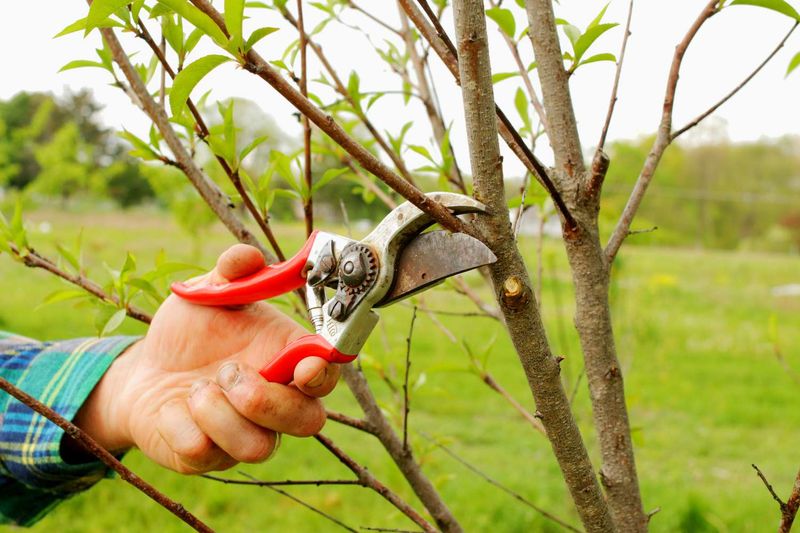
Major pruning on Arizona peach trees typically happens in January before bud break, but April still has a role. By now you can actually see how the tree has leafed out, which branches are carrying fruit, and which ones did not come back well after winter.
That visibility makes it easier to spot what needs to come off.
Weak, spindly shoots that grew from the interior of the canopy are worth removing. They rarely produce good fruit, they crowd airflow, and they pull resources away from the stronger, better-positioned branches.
Crossing branches that rub against each other are also worth addressing before the friction causes bark damage.
Make cuts back to healthy wood or to a main branch junction. Leaving stubs creates entry points for pests and disease, which Arizona’s warm spring conditions can accelerate quickly.
Watersprouts — those fast-growing vertical shoots that sometimes shoot straight up from main branches — can be removed if they are cluttering the canopy.
They tend to be vigorous but unproductive, and they shade out lower fruiting wood if left to grow unchecked through spring.
7. Managing Afternoon Sun Reduces Early Heat Stress
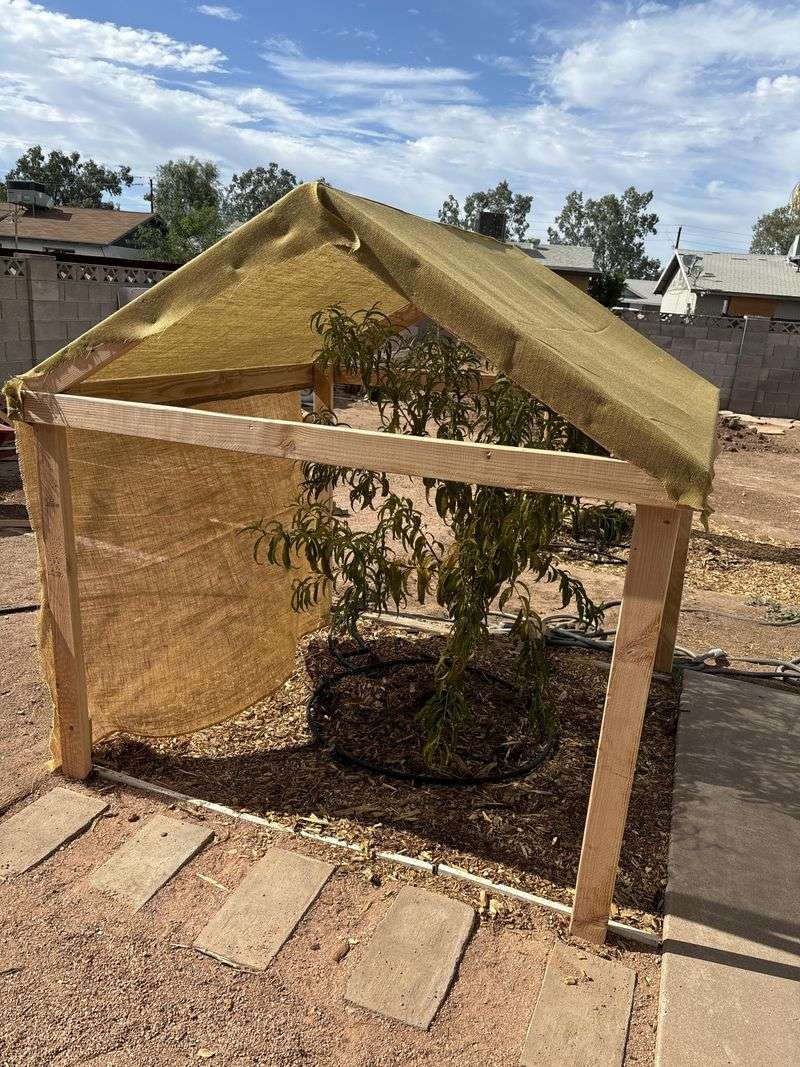
Afternoon sun in Arizona is a different animal compared to morning light. By two or three in the afternoon, especially as April progresses, the intensity is significant enough to cause real stress on a young or newly planted peach tree.
Established trees handle it better, but even mature trees can show signs of sunscald on exposed bark.
Shade cloth is the most practical option for young trees that have not yet developed a full canopy.
A 30 to 40 percent shade cloth placed on the west and southwest side of the tree can reduce afternoon heat exposure without blocking the morning light that the tree still needs for photosynthesis and fruit development.
Positioning matters when you plant. If you have any control over where a new peach tree goes in your Arizona yard, placing it where a structure, wall, or larger tree provides some natural afternoon shade is genuinely helpful.
West-facing walls that radiate heat through the evening are especially tough spots for peach trees.
Sunscald on the trunk is worth watching for — it shows up as cracked, discolored bark on the south or west side of the trunk.
Wrapping young trunks with tree wrap or painting them with diluted white latex paint are two approaches some Arizona growers use to reduce direct sun exposure on the bark itself.