Best Edible Plants For A Spring Garden In Western North Carolina Mountains
Spring in the western North Carolina mountains brings cool mornings, mild afternoons, and fresh, rich soil that is ready for planting. This unique climate creates a great opportunity to grow a wide range of edible plants before summer heat arrives.
Choosing the right crops for this season can lead to better growth, stronger flavor, and an earlier harvest. Many vegetables and herbs actually prefer these cooler conditions and perform best when planted early.
Gardeners in the mountains can take advantage of this window to get ahead and enjoy a productive start to the growing season. From leafy greens to root crops, there are plenty of options that thrive in spring weather.
With the right mix of plants, your garden can stay active and rewarding from the very beginning. It all starts with selecting crops that match the rhythm of the season.
1. Ramps (Allium tricoccum)
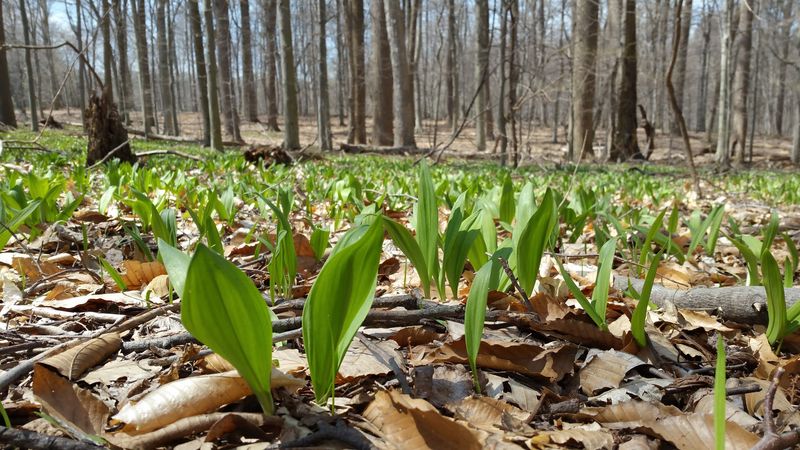
Few plants carry as much mountain legend as ramps. In Western North Carolina, spotting their broad, glossy green leaves pushing up through last year’s fallen leaves is one of spring’s most exciting moments.
Ramps are among the very first edible plants to emerge each season, often appearing as early as March when the forest floor is still cool and damp.
These wild leek relatives belong to the onion family and carry a bold, garlicky flavor that mountain cooks have treasured for generations. You can eat the leaves, bulbs, and stems raw or cooked, making them incredibly versatile in the kitchen.
Try them sauteed in butter, added to scrambled eggs, or pickled for a tangy treat that lasts well past spring.
Ramps grow best in rich, moist, deciduous woodland conditions with plenty of shade and organic matter in the soil. In the mountains of Western North Carolina, that kind of environment is easy to find.
Plant ramp bulbs in fall or transplant seedlings in early spring, and be patient because they grow slowly.
Once established, a healthy ramp patch will reward you every single spring for many years to come, spreading naturally and filling your garden with that unmistakable wild aroma.
2. Wild Strawberry (Fragaria virginiana)
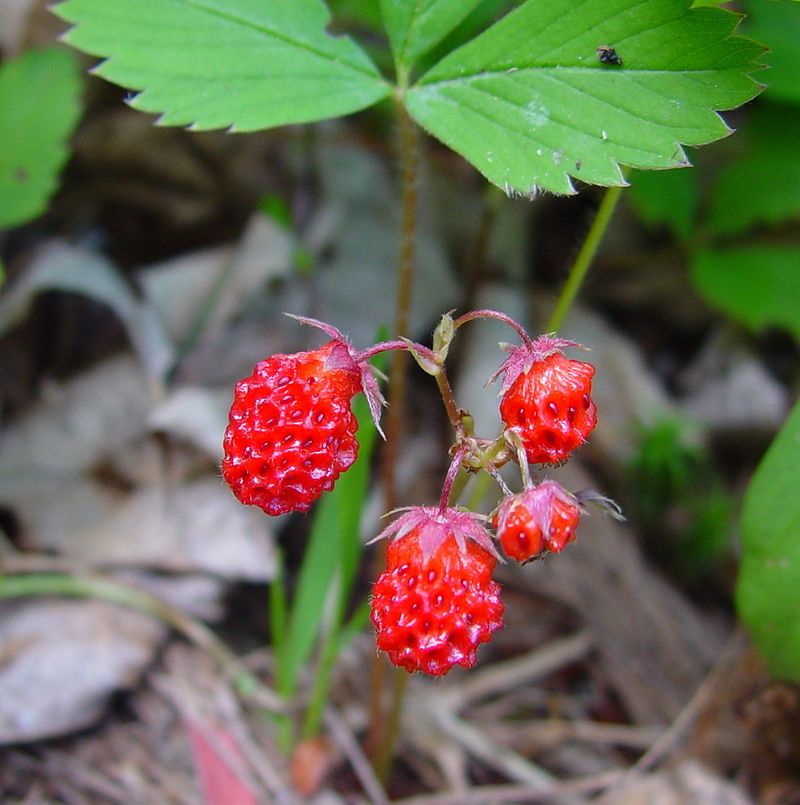
Imagine walking through your garden on a warm spring morning and popping a tiny, sun-warmed strawberry right off the plant. Wild strawberries make that possible, and they are surprisingly easy to grow in Western North Carolina mountain gardens.
Fragaria virginiana is a low-growing native that thrives along sunny edges, open slopes, and woodland borders throughout the Appalachian region.
What makes wild strawberries so appealing is how effortlessly they spread. They send out runners that root into nearby soil, slowly filling in bare patches without becoming invasive or hard to manage.
The fruits are much smaller than store-bought strawberries, but the flavor is noticeably sweeter and more intense, almost like a strawberry concentrate packed into one tiny bite.
Plant them in a spot with at least six hours of sunlight and well-drained soil, and they will take care of most of the work themselves. They also produce charming white flowers in early spring that attract pollinators, which benefits everything else growing nearby.
Your North Carolina Garden Changes Every Week. Your Plan Should Too.
Gardening in North Carolina changes quickly throughout the season. Every Friday you’ll receive a simple weekly plan showing exactly what to plant, prune, fertilize, harvest, and protect so you never miss the right timing.
In Western North Carolina, wild strawberries pair beautifully with other native edibles and groundcovers, creating a layered garden that looks natural and produces real food.
Harvest the berries fresh, toss them into yogurt, or use them in homemade jam for a taste of true mountain sweetness.
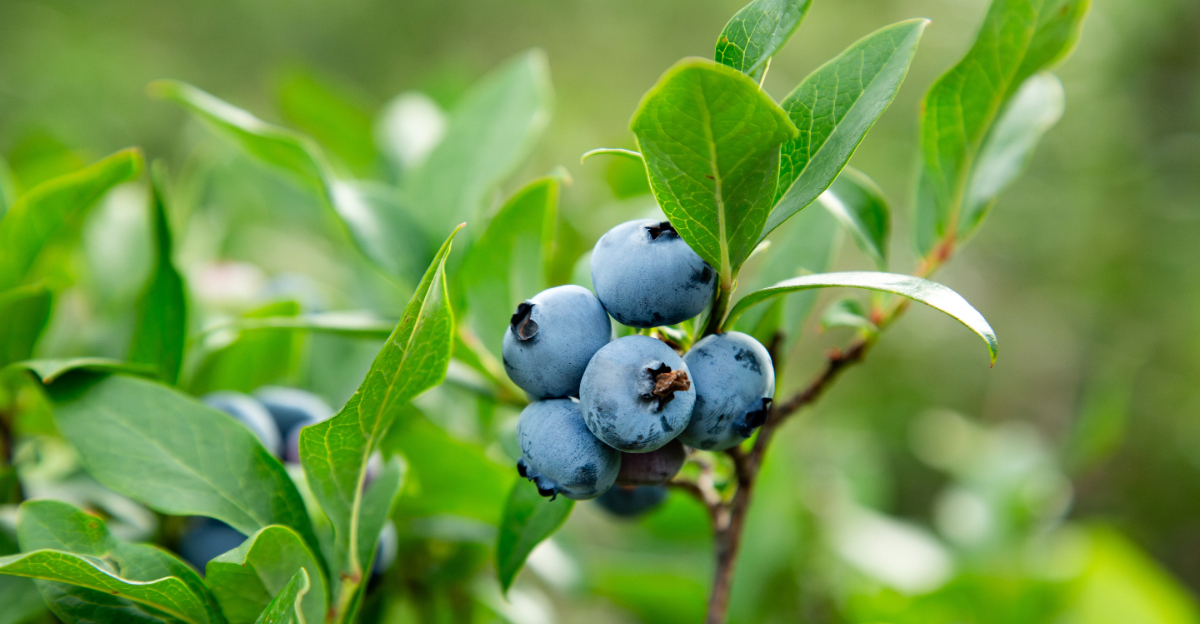
3. Highbush Blueberry (Vaccinium corymbosum)
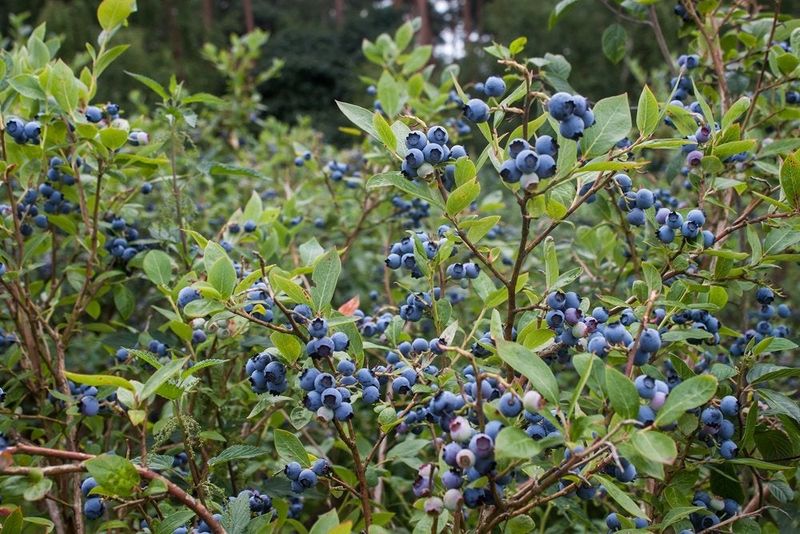
Highbush blueberry might just be the ultimate multitasker in a Western North Carolina mountain garden. In spring, it covers itself in clusters of delicate, bell-shaped white flowers that attract bees and other pollinators.
By summer, those flowers turn into plump, sweet blueberries that are absolutely worth waiting for, and in fall, the foliage blazes red and orange across the hillside.
Vaccinium corymbosum is perfectly suited to the acidic soils found throughout the Appalachian mountains, which gives it a natural advantage over many other fruiting shrubs.
Soil pH between 4.5 and 5.5 is ideal, and if your garden soil is already in that range, establishment is straightforward.
Adding pine bark mulch around the base helps retain moisture and keeps the pH right where blueberries love it most.
Plant at least two different varieties near each other to improve pollination and boost your harvest significantly. Highbush blueberries can grow six to twelve feet tall over time, so give them space and a spot with full sun for the best fruit production.
In Western North Carolina, local nurseries often carry regionally adapted varieties that perform especially well in mountain conditions.
Once established, a healthy highbush blueberry shrub can produce fruit for decades, making it one of the smartest long-term investments you can make in an edible garden.
4. Allegheny Blackberry (Rubus allegheniensis)
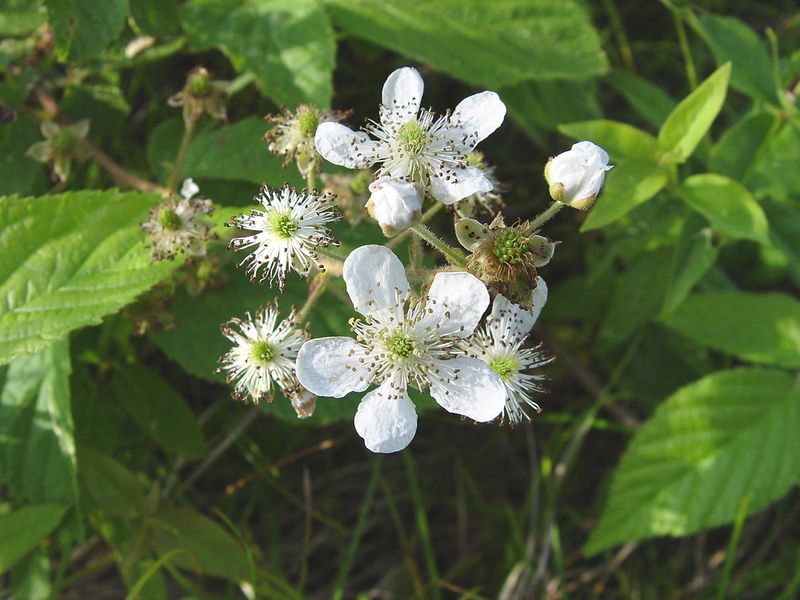
There is something deeply satisfying about growing a plant that practically takes care of itself while still delivering an impressive harvest. Allegheny blackberry is exactly that kind of plant.
Native to the mountains of North Carolina and the broader Appalachian region, Rubus allegheniensis has been feeding people and wildlife in these hills for a very long time.
In spring, the arching canes produce clusters of white flowers that are genuinely beautiful and attract a wide range of pollinators. By midsummer, those blooms become large, juicy blackberries with a rich, earthy sweetness that store-bought berries rarely match.
The canes are thorny, so wearing gloves during pruning and harvesting is a smart habit to build from the start.
Allegheny blackberry grows well in a range of conditions but thrives in full sun with well-drained soil and good air circulation.
In Western North Carolina mountain gardens, it fits naturally along fence lines, at garden edges, or on gentle slopes where it has room to spread.
Prune out the older canes after they fruit each year to keep the planting productive and manageable.
A patch of Allegheny blackberry not only feeds your family but also supports birds, bees, and other wildlife throughout the season, making it a genuinely generous addition to any mountain garden.
5. Downy Serviceberry (Amelanchier arborea)
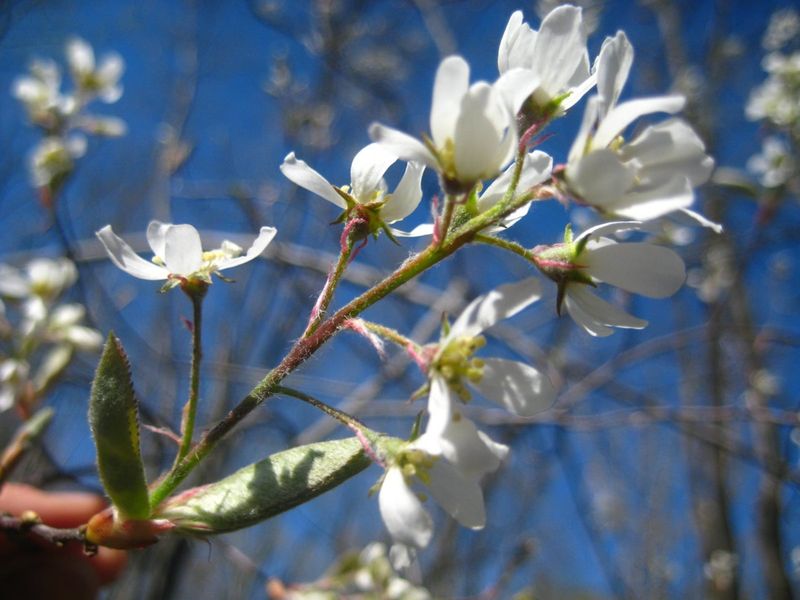
Every spring in Western North Carolina, downy serviceberry puts on one of the most breathtaking floral displays of any native tree.
The slender branches burst into clouds of delicate white blossoms before most other trees have even leafed out, making it a true signal that the growing season has officially begun.
Amelanchier arborea is both strikingly beautiful and genuinely useful, which is a rare combination in any garden plant.
The small fruits that follow the spring blooms look like miniature blueberries and taste wonderfully sweet with a hint of almond.
They ripen in late spring to early summer, which gives you edible fruit earlier in the season than almost any other fruiting tree in the mountains.
Birds absolutely love serviceberries too, so planting more than one tree gives you a better chance of harvesting enough for yourself before the wildlife discovers them.
Serviceberry adapts well to a variety of soil types and light conditions, though it performs best in moist, well-drained soil with full sun to partial shade.
In the mountain landscapes of Western North Carolina, it fits naturally into woodland garden edges, naturalistic plantings, and even front yard edible landscapes.
It grows at a moderate pace and requires very little maintenance once established. Use the fruits fresh, baked into muffins, or dried like raisins for a nutritious and uniquely Appalachian snack.
6. Pawpaw (Asimina triloba)
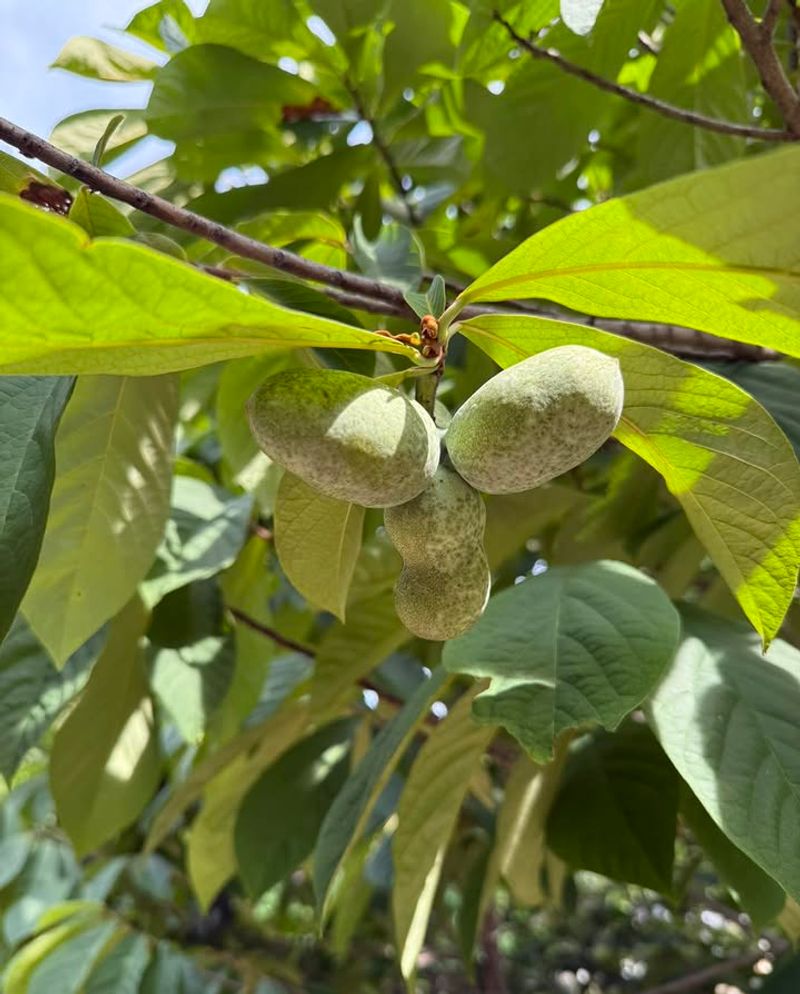
Pawpaw is probably the most surprising edible tree you can grow in Western North Carolina, and that is exactly what makes it so exciting.
Its enormous, tropical-looking leaves give it an exotic appearance that feels completely out of place in an Appalachian mountain garden, yet Asimina triloba is entirely native to the eastern United States and has grown wild in these hollows and creek bottoms for centuries.
The fruit is unlike anything else you can grow in the mountains. It has a soft, custardy texture with a flavor that blends banana, vanilla, and mango into something altogether unique.
Pawpaws ripen in late summer to early fall, and fresh fruit is almost impossible to find commercially, which means growing your own is genuinely special. Plant at least two genetically different trees to ensure cross-pollination and a reliable harvest each season.
Pawpaw trees prefer sheltered spots with rich, moist, well-drained soil and benefit from some shade protection when they are young. Once established, they grow into small to medium trees that handle Western North Carolina mountain conditions very well.
They spread slowly by root suckers, forming natural thickets over time if left to grow freely. Harvest the fruit when it gives slightly to gentle pressure, and enjoy it fresh within a few days since it does not store long.
Pawpaw is truly one of the most rewarding edibles you can add to an Appalachian garden.
7. Spicebush (Lindera benzoin)
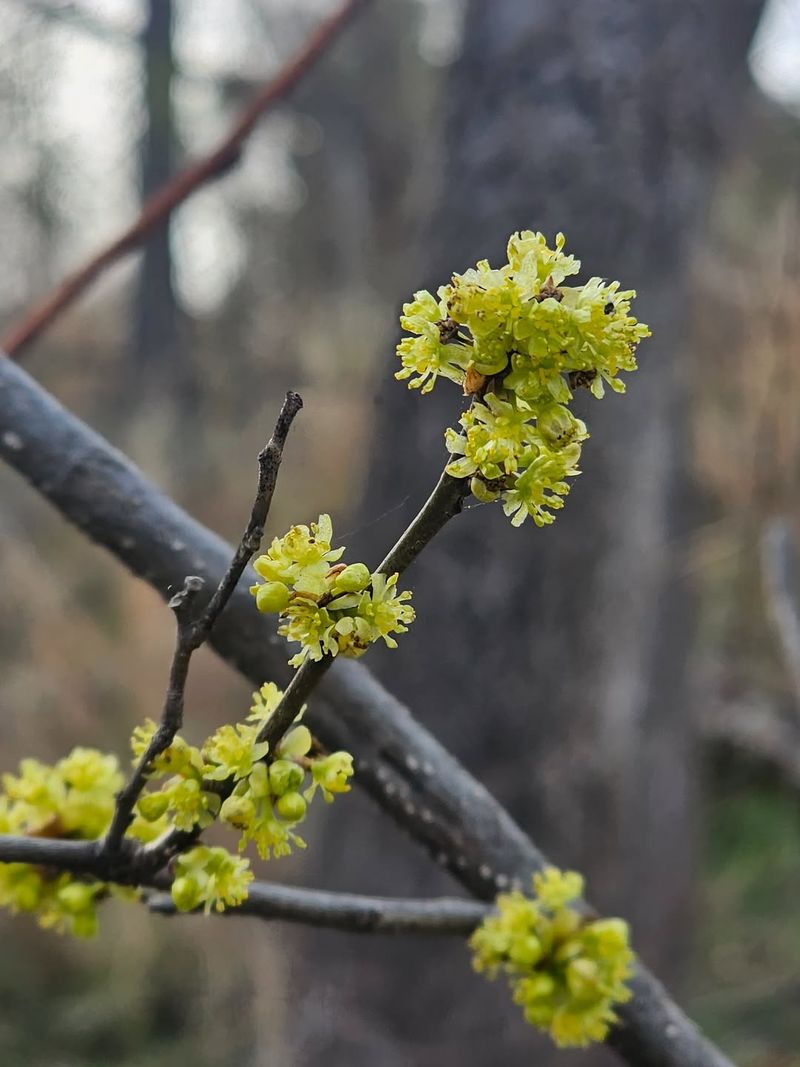
Before the forest fully wakes up each spring, spicebush lights up the woodland edges of Western North Carolina with clusters of tiny, glowing yellow flowers that appear directly on the bare branches.
It is one of the earliest native shrubs to bloom in the mountains, and its cheerful burst of color signals that warmer days are truly on their way. Lindera benzoin is both a feast for the eyes and a genuinely useful edible plant.
Nearly every part of spicebush carries a warm, spicy aroma that is hard to describe but impossible to forget. The young leaves can be steeped into a fragrant tea that tastes like a blend of allspice and bay.
Female plants produce bright red berries in fall that are aromatic and flavorful, and when dried and ground, they work as a spice substitute with a flavor profile similar to allspice or mild cinnamon.
Spicebush grows naturally in part shade to full shade, making it one of the best edible natives for shadier mountain garden spots that other plants struggle to fill.
It prefers moist, rich soil and grows steadily into a rounded shrub four to twelve feet tall. Plant both male and female shrubs together to guarantee berry production on the females.
In Western North Carolina mountain gardens, spicebush also serves as a host plant for the spicebush swallowtail butterfly, adding even more life and color to your outdoor space throughout the season.