What Awaits Inside Florida’s Fairchild Tropical Botanic Garden For Winter Visitors

Winter visitors entering Florida’s Fairchild Tropical Botanic Garden enjoy vibrant orchids, sunny pathways, exotic palms and peaceful water features that create a warm experience today.
I love how each section stays lively during cooler months because colorful blooms, shaded trails and calm ponds offer visitors a relaxing escape from routines.
Many guests appreciate the garden during winter because warm sunlight, tropical plants, engaging exhibits and peaceful walkways create memorable moments that make visit feel refreshing.
1. Rare Palm Collection Spanning Continents
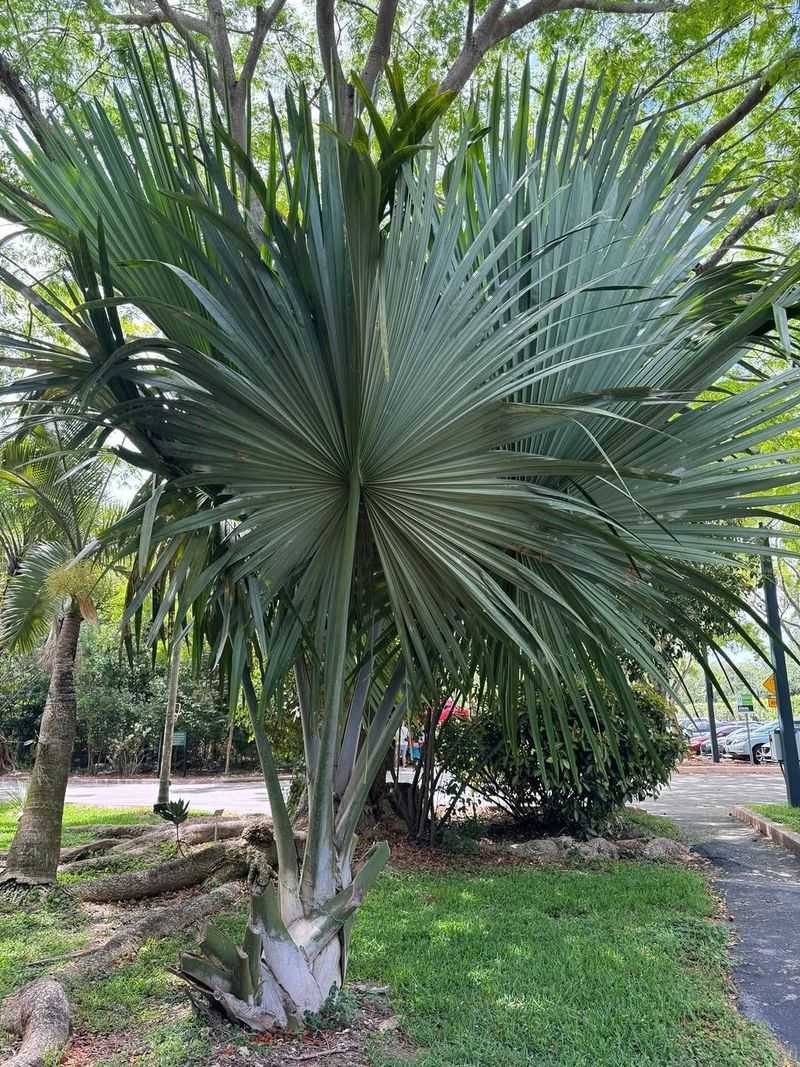
Palms from every corner of the globe grow together in one spectacular location, creating a living museum that showcases nature’s incredible diversity and beauty.
Florida’s warm climate allows these exotic specimens to flourish year-round, giving winter visitors a unique opportunity to see palms rarely found elsewhere.
Walking among towering trunks and feathery fronds feels like traveling through different tropical regions without ever leaving the garden’s peaceful pathways.
Some palms display unusual shapes, while others produce colorful fruits that attract birds and fascinate guests who pause to observe their features.
Educational signs help visitors learn about each species, explaining where they originate and how they adapt to various environments around the world.
Photographers love capturing the dramatic silhouettes and intricate patterns created by these majestic plants against Florida’s brilliant blue winter skies.
Children enjoy spotting differences between palm varieties, turning their garden visit into an exciting scavenger hunt that combines learning with outdoor fun.
This collection represents decades of careful cultivation and remains one of the most comprehensive palm displays anywhere on the planet today.
2. Butterfly Conservatory Filled With Winged Beauties
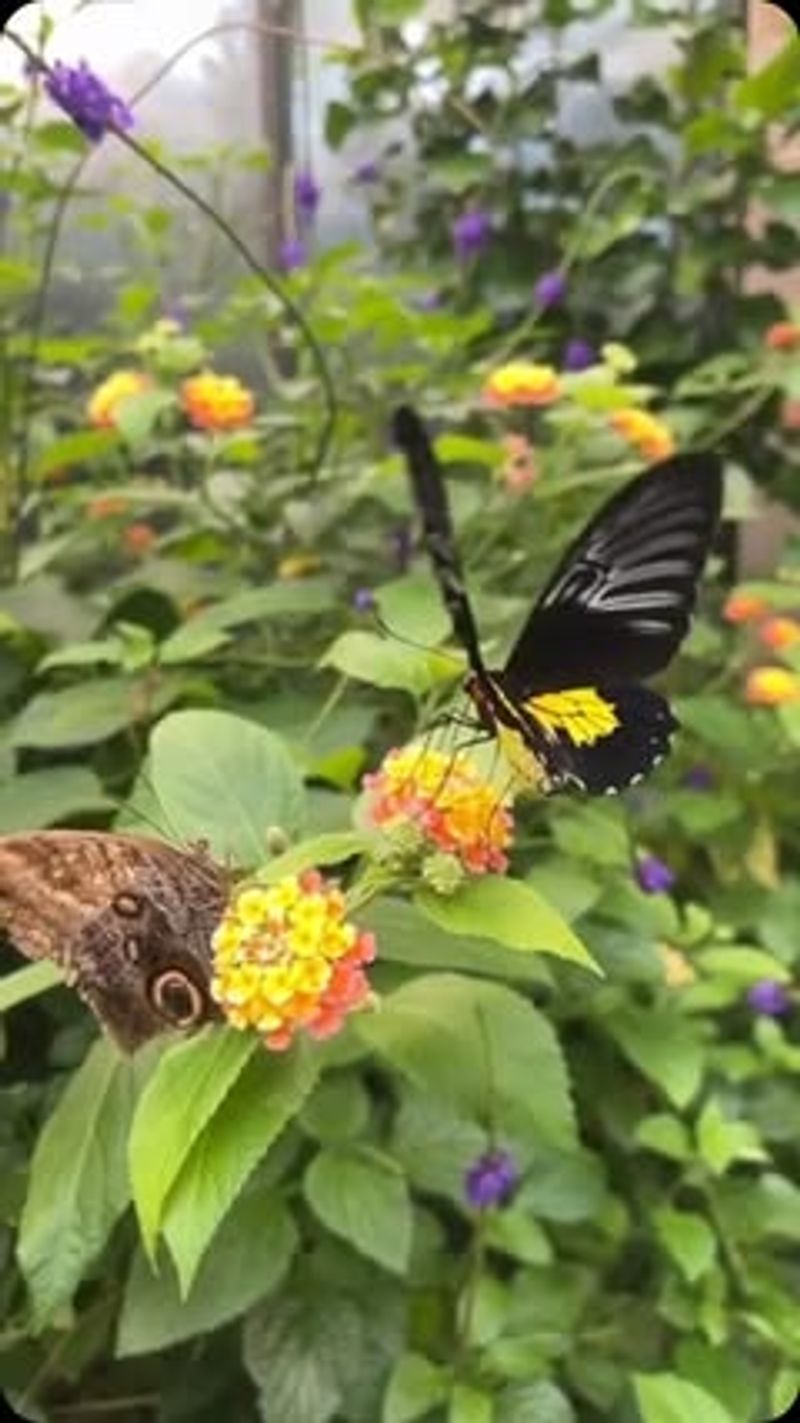
Stepping inside the conservatory feels like entering a magical realm where hundreds of butterflies flutter freely among blooming flowers and lush greenery.
Florida’s winter months bring cooler temperatures outside, but inside this climate-controlled space, butterflies thrive in warm, humid conditions perfect for their survival.
Visitors watch in amazement as delicate wings brush past their shoulders, landing on colorful petals to sip nectar from tropical blooms nearby.
Many species display brilliant colors ranging from electric blue to vibrant orange, creating a living rainbow that dances through the air continuously.
Educational displays teach guests about butterfly life cycles, showing chrysalises hanging from branches and newly emerged butterflies drying their wings patiently.
Kids giggle with delight when butterflies land on their hands or clothing, creating memorable moments that spark curiosity about nature’s tiny wonders.
The conservatory provides a peaceful escape where visitors can slow down, breathe deeply, and appreciate the simple beauty of these incredible insects.
Photography enthusiasts find endless opportunities to capture stunning close-up shots of butterflies feeding, resting, or displaying their magnificent wing patterns beautifully.
3. Tropical Fruit Pavilion Showcasing Edible Treasures
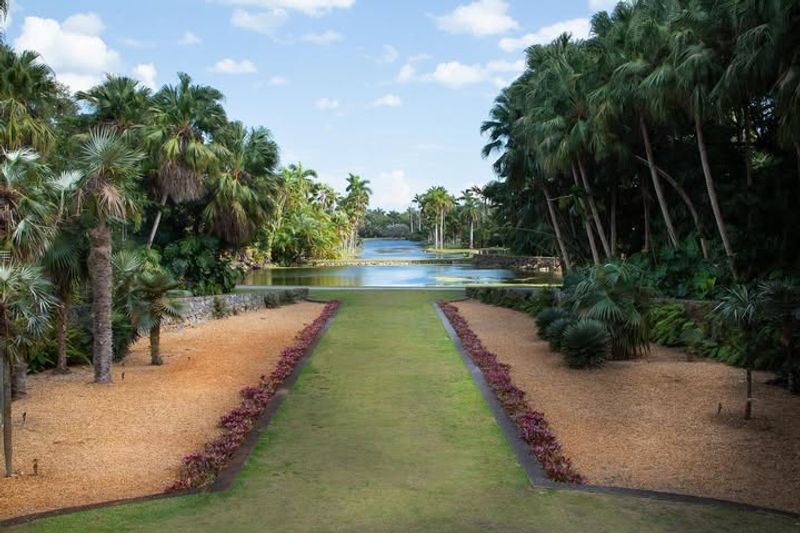
Imagine walking through groves where mangoes, papayas, and strange fruits you’ve never seen before hang from branches just above your head everywhere.
Florida’s climate supports many tropical fruit species, and this pavilion demonstrates how diverse and delicious the plant kingdom can truly become.
Winter visitors often discover fruits in various stages of ripeness, from tiny green beginnings to fully mature specimens ready for harvest soon.
Signs identify each fruit, explaining its flavor profile, nutritional benefits, and countries where people cultivate it as an important food source.
Many guests feel inspired to try growing tropical fruits at home after learning which varieties can survive in their own backyards successfully.
The pavilion hosts tasting events periodically, allowing adventurous visitors to sample unusual fruits like lychee, dragon fruit, or fragrant jackfruit firsthand.
Children become excited when they recognize fruits they’ve only seen in grocery stores, suddenly understanding where their favorite snacks actually originate.
This living collection proves that gardens serve practical purposes beyond beauty, providing food and teaching visitors about sustainable agriculture and nutrition.
4. Orchid Display Bursting With Exotic Blooms

Orchids represent one of nature’s most diverse plant families, and Fairchild’s collection showcases hundreds of species in a breathtaking rainbow display.
Florida’s humidity creates ideal conditions for these exotic flowers, which bloom abundantly during winter months when northern gardens lie dormant.
Visitors marvel at intricate petal patterns that resemble butterflies, dancing ladies, or even tiny animals depending on the species they observe.
Some orchids release sweet fragrances that fill the air, while others remain scentless but captivate observers with their unusual shapes instead.
The garden’s orchid specialists cultivate rare varieties from rainforests worldwide, preserving endangered species and educating guests about conservation efforts simultaneously.
Photography becomes an obsession here, as every angle reveals new details in the flowers’ complex structures and brilliant color combinations.
Many visitors leave feeling inspired to grow orchids at home, armed with knowledge gained from informative displays and helpful staff members.
Winter proves the perfect time to appreciate these blooms, as cooler temperatures often trigger flowering in many orchid species throughout Florida.
5. Rainforest Exhibit Recreating Jungle Environments
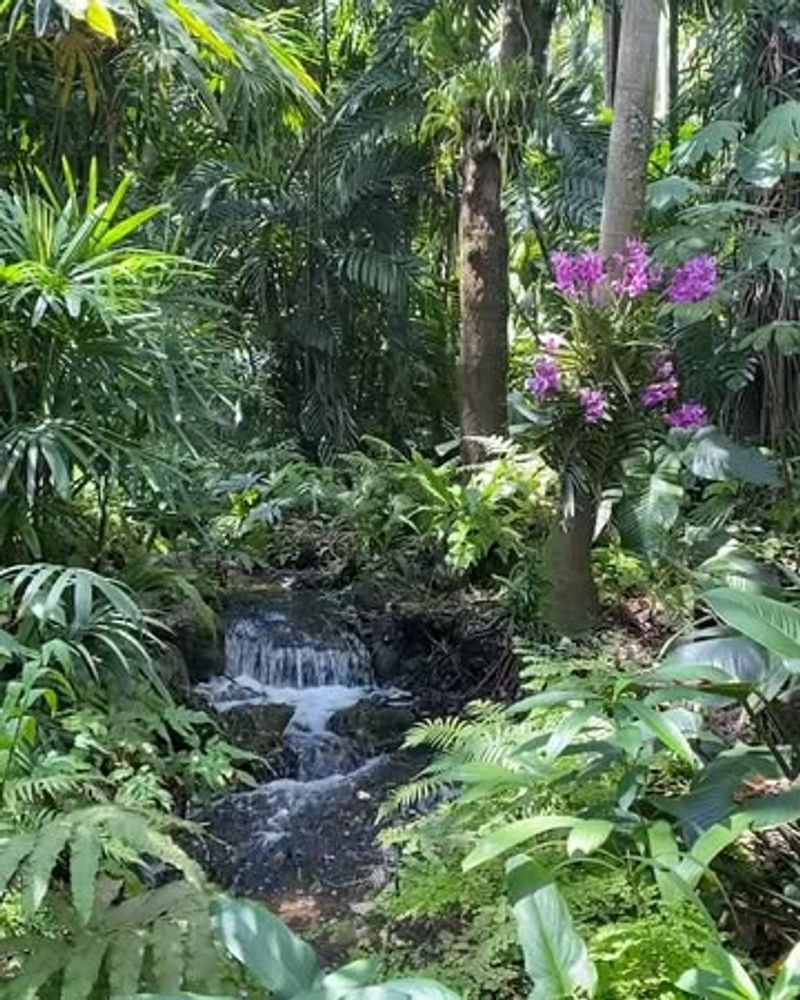
Walking through this exhibit transports visitors into a multi-layered ecosystem where towering trees, climbing vines, and ground-covering plants create authentic jungle conditions.
Florida’s natural warmth allows the garden to maintain tropical temperatures year-round, making winter visits comfortable while northern states experience freezing weather.
Sounds of trickling water and rustling leaves enhance the immersive experience, helping guests forget they’re just minutes from Miami’s urban landscape.
Epiphytes cling to tree branches overhead, demonstrating how rainforest plants have adapted to grow without touching soil below their hosts.
Educational information explains rainforest ecology, highlighting the importance of preserving these ecosystems that produce oxygen and harbor countless species globally.
Children love exploring winding paths that lead to hidden clearings, making them feel like jungle explorers discovering secret worlds within the garden.
The exhibit features plants from African, Asian, and South American rainforests, allowing visitors to compare vegetation from different continents in one location.
Winter visitors appreciate escaping into this warm, humid environment that contrasts sharply with cooler outdoor temperatures found elsewhere in Florida today.
6. Sunken Garden Offering Peaceful Water Views
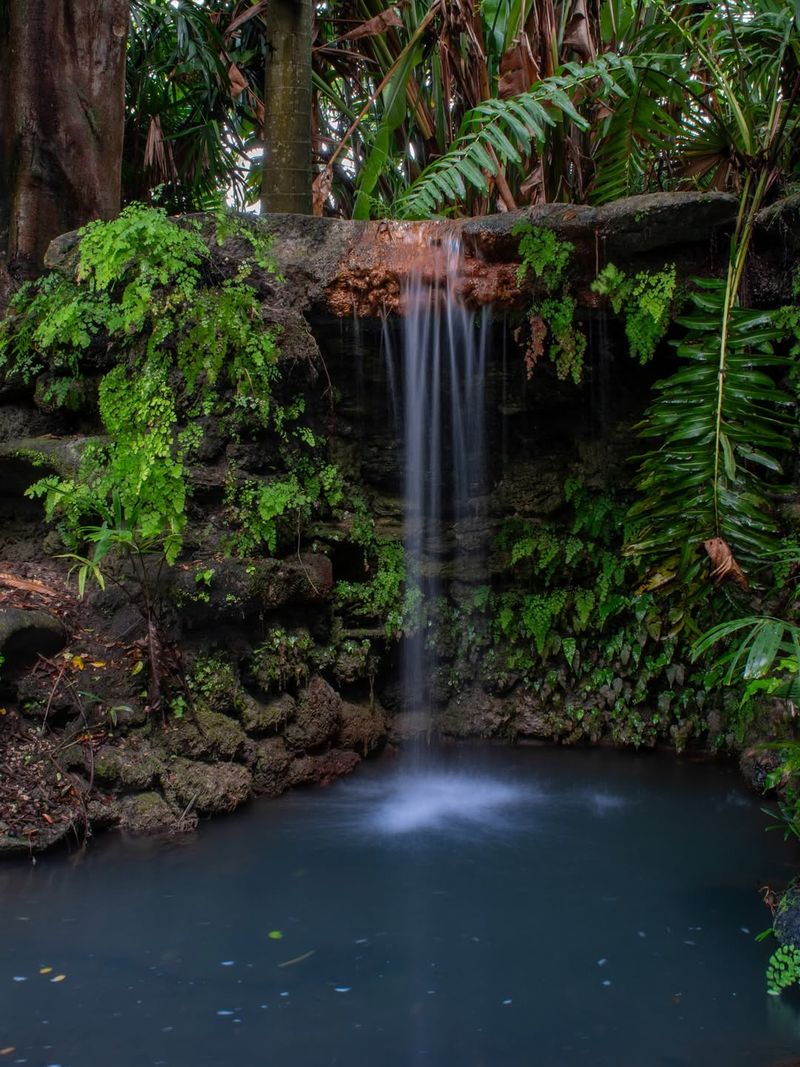
Descending into this garden feels like entering a secret oasis where water lilies float peacefully and reflections mirror the sky above perfectly.
Florida’s landscape lends itself to creative garden design, and this sunken space showcases how elevation changes can create dramatic visual effects.
Visitors find benches positioned strategically for quiet contemplation, making this spot ideal for anyone seeking a moment of calm during their visit.
Aquatic plants thrive in shallow pools, their roots filtering water naturally while providing habitat for small fish and beneficial insects below.
The garden’s designers planted moisture-loving species around the perimeter, creating lush borders that soften hard edges and enhance the natural feeling.
Winter sunlight filters through surrounding trees, creating dancing patterns on the water’s surface that mesmerize guests who pause to watch closely.
Photographers capture stunning images here, especially during early morning hours when mist rises gently from the water in ethereal wisps.
This peaceful retreat demonstrates how gardens can nourish the soul as much as they educate the mind about Florida’s diverse plant life.
7. Native Florida Plant Garden Celebrating Local Flora
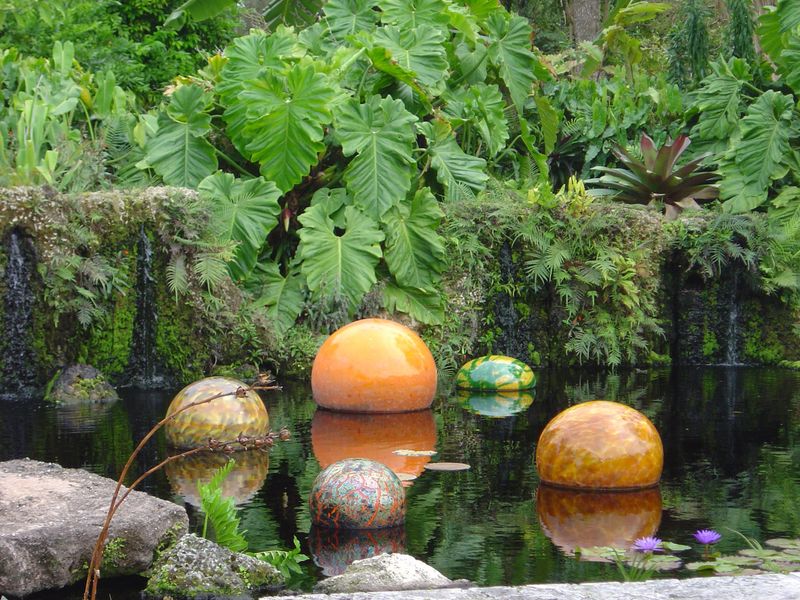
Before exploring exotic species from distant lands, visitors should appreciate the remarkable plants that naturally thrive throughout Florida’s unique ecosystems and habitats.
This garden section showcases saw palmettos, coontie palms, wildflowers, and other native species that have adapted to Florida’s climate over countless generations.
Winter provides an excellent opportunity to observe how native plants behave during cooler months, with some blooming while others rest patiently.
Educational displays explain how these plants support local wildlife, providing food and shelter for birds, butterflies, and other creatures year-round consistently.
Homeowners gain valuable insights about landscaping with native species, which require less water and maintenance than exotic alternatives commonly planted across Florida.
Children learn to identify common plants they might encounter in parks, beaches, or their own neighborhoods throughout the state’s diverse regions.
The garden demonstrates that local flora possesses its own beauty and importance, deserving recognition alongside more glamorous tropical imports from abroad.
Visitors leave with renewed appreciation for Florida’s natural heritage and perhaps inspiration to incorporate native plants into their own outdoor spaces.
8. Conservatory Wings Featuring Rare Tropical Species
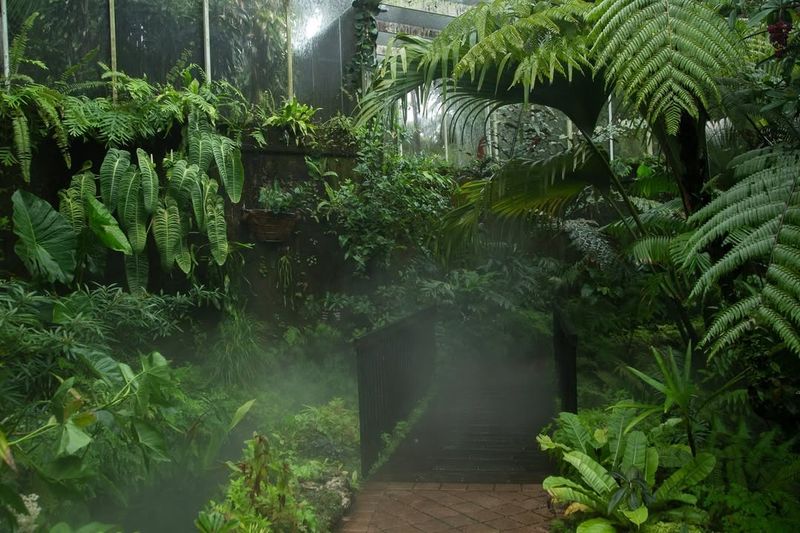
Climate-controlled glass structures protect the most delicate tropical species, allowing Fairchild to cultivate plants that couldn’t survive even Florida’s mild winters outdoors.
Visitors entering these wings immediately notice increased humidity and warmth, creating perfect conditions for rainforest species from equatorial regions around the globe.
Rare specimens collected from botanical expeditions worldwide find sanctuary here, with some representing species endangered in their natural habitats currently.
The conservatory’s design maximizes natural light while protecting plants from temperature fluctuations that could harm sensitive tropical vegetation growing inside carefully.
Winter guests appreciate stepping into these warm spaces, especially on cooler Florida days when outdoor temperatures dip below typical tropical comfort levels.
Educational programs held in the conservatory teach visitors about plant conservation, explaining how botanical gardens preserve genetic diversity for future generations worldwide.
Children press their noses against glass to observe unusual plants with bizarre shapes, vibrant colors, or strange textures that spark endless questions.
Photography enthusiasts love the dramatic lighting conditions created when sunlight filters through glass onto glossy tropical leaves and colorful blooms below beautifully.
9. Outdoor Sculpture Garden Blending Art With Nature
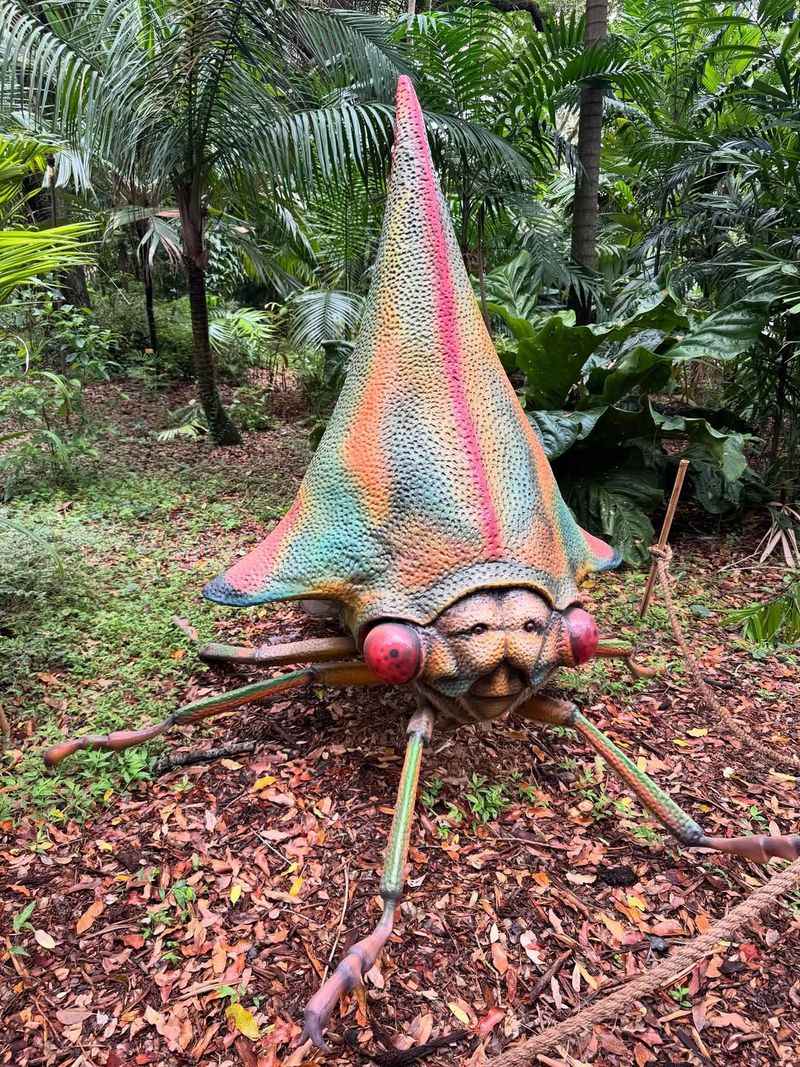
Art and nature merge seamlessly throughout the garden, where carefully placed sculptures create surprising moments of discovery along winding pathways everywhere.
Florida’s year-round accessibility allows the garden to display weather-resistant artworks permanently, building an impressive collection over decades of thoughtful acquisitions.
Visitors encounter abstract forms, realistic figures, and whimsical creations that complement surrounding vegetation rather than competing with natural beauty present.
Winter light creates dramatic shadows and highlights on sculptural surfaces, transforming artworks throughout the day as the sun moves across the sky.
Children enjoy interactive pieces designed for touching and climbing, making art appreciation an active experience rather than a passive observation activity.
The sculpture collection includes works by internationally recognized artists alongside pieces by local Florida creators, showcasing diverse artistic perspectives and styles.
Photography becomes even more interesting when visitors can compose shots that include both natural elements and human-made artworks in single frames.
Educational materials explain artistic concepts and techniques, helping guests understand how sculptors choose materials, develop ideas, and execute their creative visions successfully.
10. Educational Programs Teaching Botanical Science Fundamentals
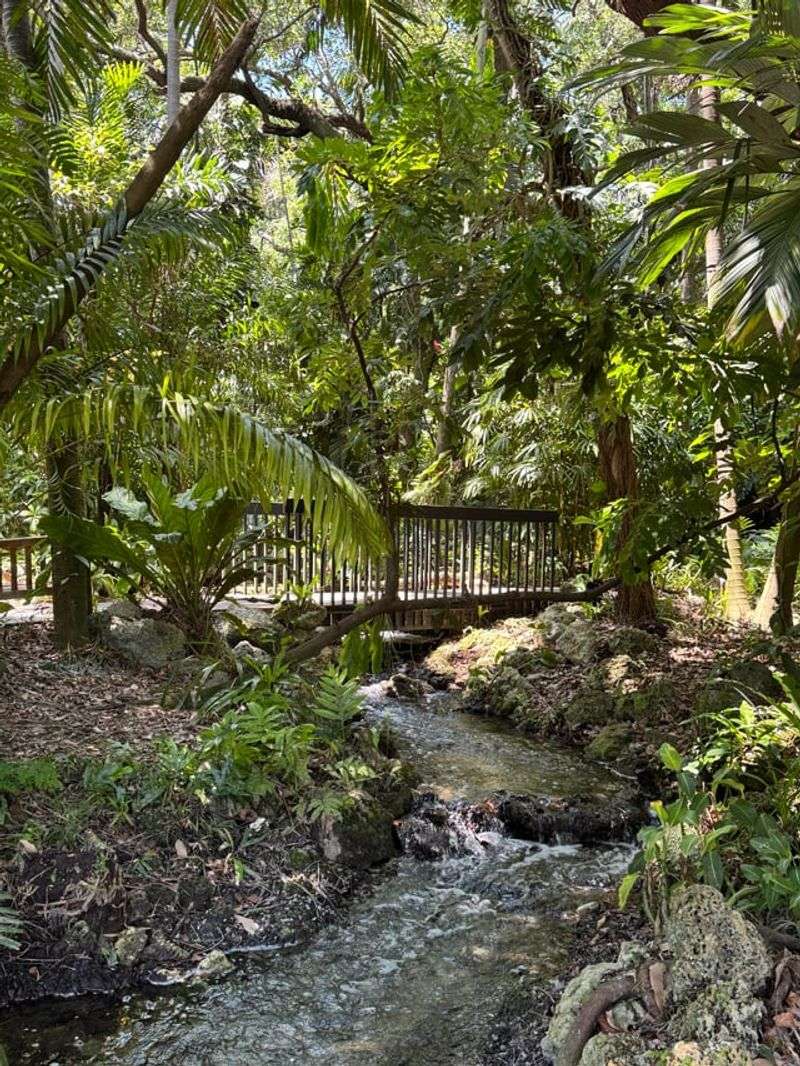
Beyond beautiful scenery, Fairchild offers hands-on learning experiences that transform casual visitors into informed plant enthusiasts eager to learn more always.
Florida’s diverse ecosystems provide endless teaching opportunities, and the garden’s educators design programs suitable for all ages and knowledge levels.
Winter visitors can participate in guided tours, workshops, and demonstrations that reveal fascinating details about plant biology, ecology, and conservation efforts.
Children’s programs encourage exploration and curiosity, using games and activities that make scientific concepts accessible and fun for young minds to grasp.
Adult learners appreciate classes covering practical topics like tropical gardening, plant identification, and sustainable landscaping practices suitable for Florida’s unique climate.
The garden’s library and research facilities support serious students and amateur botanists seeking deeper knowledge about specific plant families or regions.
Special winter programs often focus on seasonal topics, explaining how tropical plants respond to Florida’s subtle temperature and daylight changes annually.
Visitors leave not just entertained but genuinely educated, carrying new knowledge that deepens their appreciation for the botanical world surrounding them daily.