What Blossom-End Rot On Michigan Tomatoes Is Really Telling You
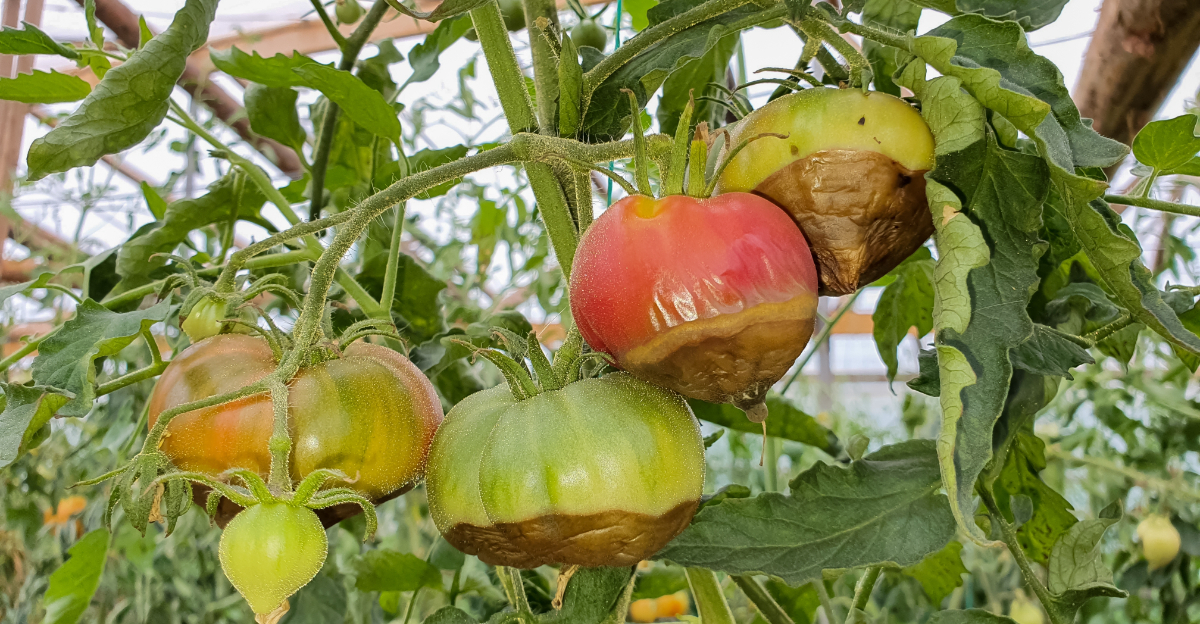
Blossom end rot on Michigan tomatoes usually points back to inconsistent watering rather than a fundamental soil quality issue.
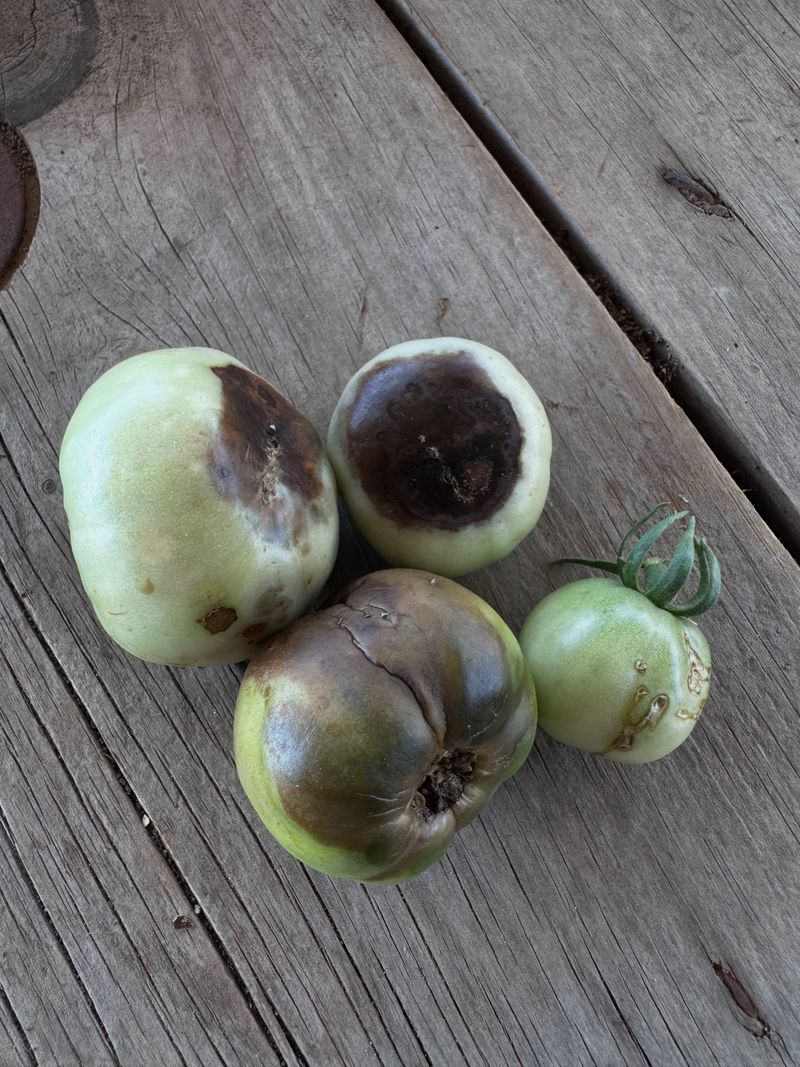
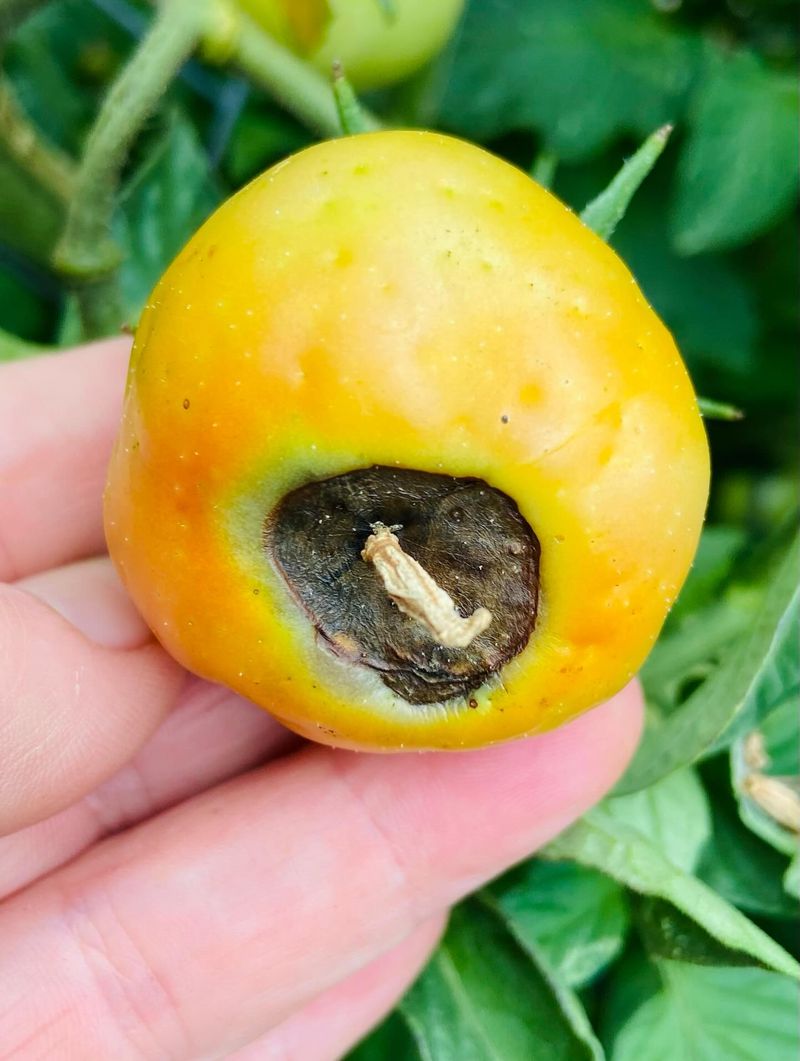
This condition appears as dark, sunken patches on the bottom of fruit, caused by the plant’s inability to properly move calcium during dry stretches.
Even soil with adequate calcium levels can produce this problem if watering swings dramatically between too dry and too wet.
Michigan’s unpredictable summer weather, shifting from dry spells to sudden heavy rain, makes this issue especially common in home gardens.
Deep, consistent watering helps maintain steady soil moisture that supports proper nutrient movement throughout the plant. Mulching around the base further helps regulate moisture levels between watering sessions.
Removing affected fruit allows the plant to redirect energy toward developing healthy tomatoes instead. Correcting watering habits now often resolves this frustrating issue within just a couple of weeks.
1. Blossom-End Rot Is A Water Movement Problem
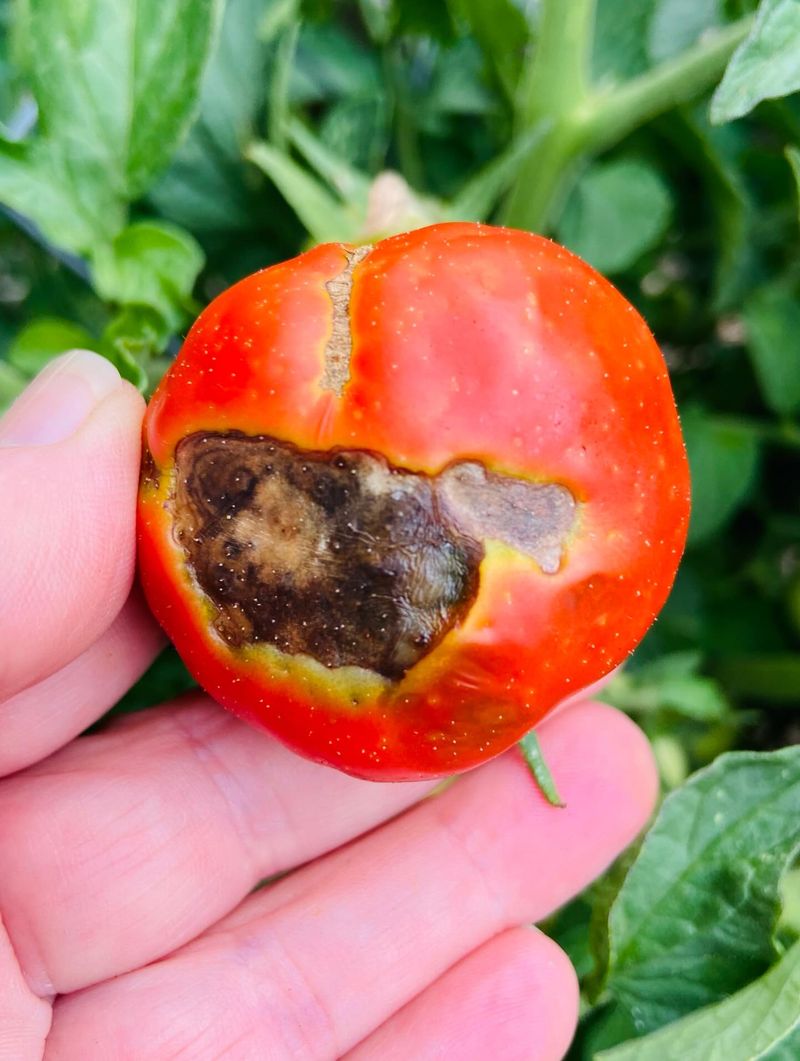
Picture a tomato growing so fast you can almost watch it swell day by day. Inside that rapidly expanding fruit, new cells are forming constantly, and each one needs calcium to stay firm and healthy.
When calcium does not arrive in time, those cells collapse, leaving behind the dark, sunken, leathery patch gardeners recognize as blossom-end rot.
Here is something that surprises many people: blossom-end rot is not a disease at all. No fungus caused it, no bacteria spread it from plant to plant, and your neighbor’s tomatoes are not at risk.
It is a physiological disorder, meaning something went wrong inside the plant’s own system rather than something attacking it from outside.
Calcium moves through a tomato plant by hitching a ride with water. As water travels upward from the roots through the stems and into the fruit, it carries dissolved calcium along with it.
When that water flow gets disrupted, calcium delivery slows down or stops, and the developing fruit pays the price.
The key takeaway here is that the problem lives in water movement, not necessarily in a calcium shortage in your soil. Michigan soils are often naturally well-supplied with calcium, yet blossom-end rot still appears every summer in gardens across the state.
Before reaching for any supplement or spray, it pays to understand how water is actually moving through your plants. That understanding changes everything about how you respond to this frustrating problem.
2. Uneven Watering Is Often The Real Warning
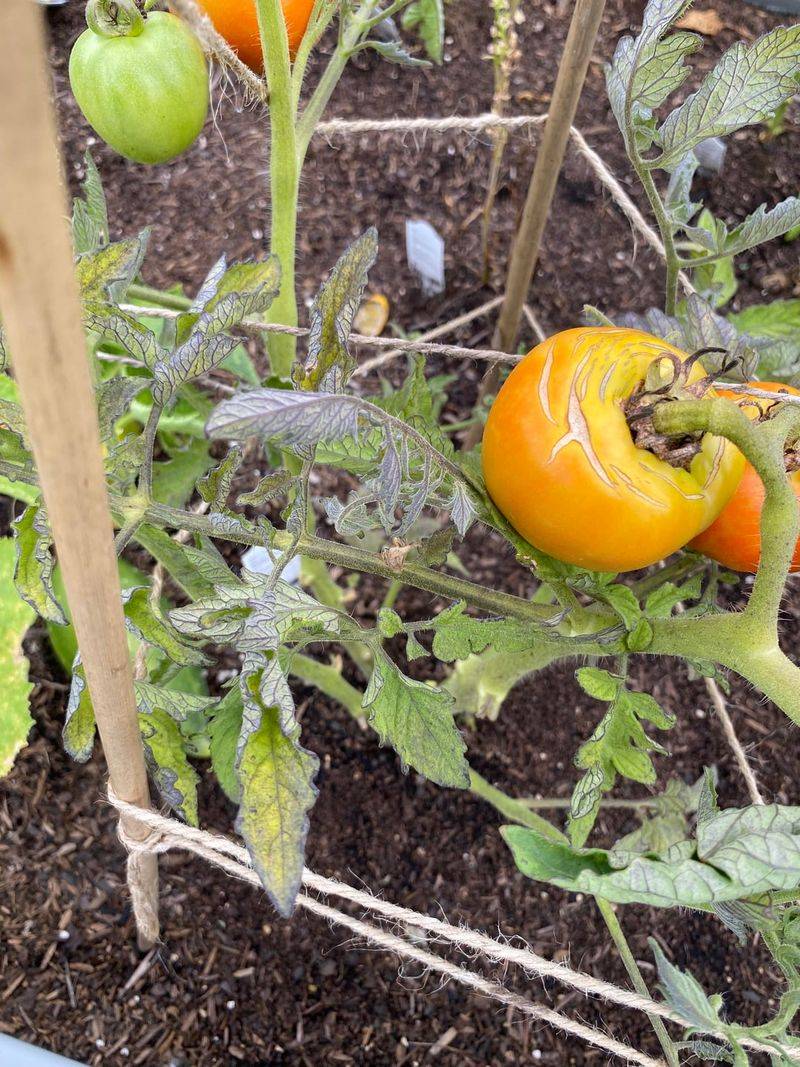
Blossom-end rot is one of the most honest messengers in the garden. When it shows up on your tomatoes, it is almost always pointing a finger straight at inconsistent soil moisture.
Michigan State University identifies uneven watering as one of the most common triggers, and once you see the connection, it is hard to unsee it.
Think about what happens when tomato roots go through repeated dry spells followed by sudden heavy watering. During the dry period, calcium uptake slows dramatically because there is not enough water carrying it through the plant.
Then when a big rain or a deep watering finally arrives, the plant rushes water into the fruit so quickly that the calcium still cannot keep up with the pace of growth.
Your Michigan Garden Changes Every Week. Your Plan Should Too.
Gardening in Michigan changes quickly throughout the season. Every Friday you’ll receive a simple weekly plan showing exactly what to plant, prune, fertilize, harvest, and protect so you never miss the right timing.
Rapidly expanding tomato fruit needs a steady, reliable supply of moisture, not dramatic swings between bone-dry and soaking wet.
The plant simply cannot manage calcium delivery under those rollercoaster conditions, and blossom-end rot is the result you see on the outside.
Michigan summers can be unpredictable, with stretches of heat and dry weather broken by sudden rainstorms. Relying on a fixed watering schedule without checking actual soil conditions is a recipe for the exact moisture swings that cause this problem.
Stick your finger a couple of inches into the soil near your tomato plants every day or two during hot weather. If it feels dry at that depth, water thoroughly and evenly rather than waiting for a scheduled watering day.
3. Hot Weather Can Make The Problem Worse
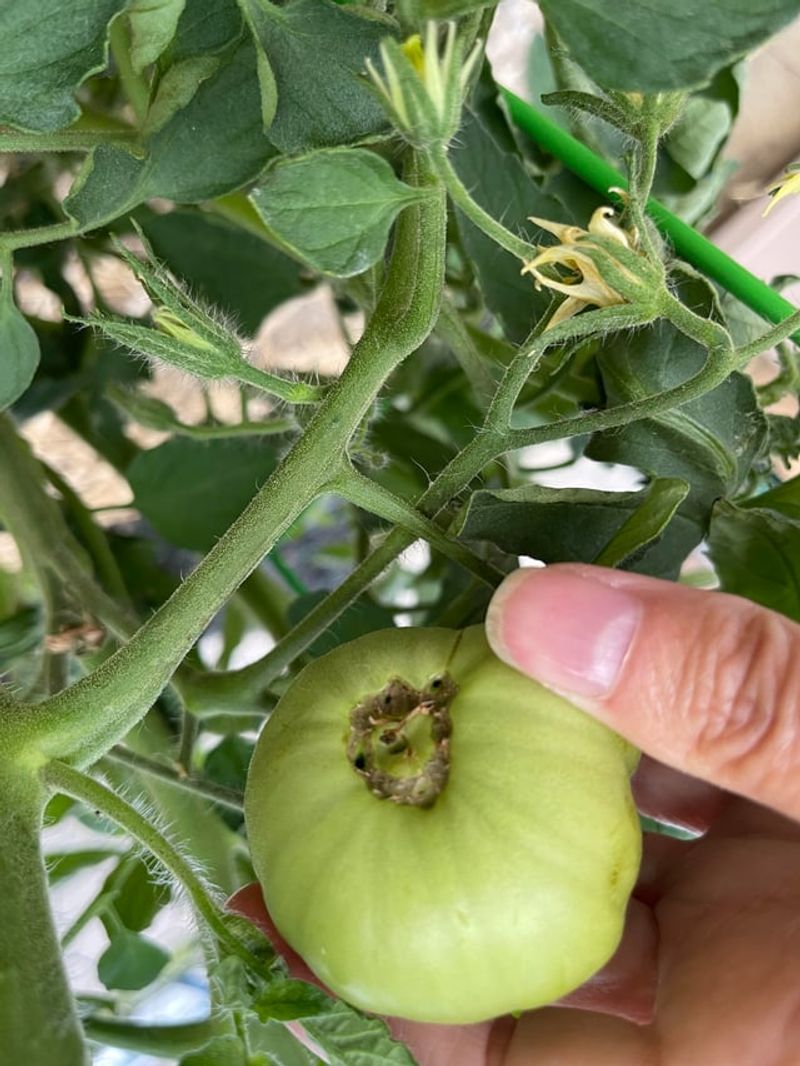
Summer heat and blossom-end rot have a close relationship that Michigan gardeners see play out every July and August.
When temperatures climb and stay high for several days in a row, tomato plants work overtime trying to keep themselves cool through a process called transpiration.
They pull water up through their roots, push it through their stems, and release it from their leaves into the air.
All that extra water demand during hot weather means the plant is moving fluid fast, and the developing fruit at the end of each cluster is competing for its share.
Michigan State University has specifically linked blossom-end rot in tomatoes and peppers to high temperatures combined with poor watering consistency.
The two factors together create a perfect storm for calcium delivery problems inside the plant.
Raised beds and containers are especially risky during heat waves because the soil volume is smaller and it dries out much faster than a traditional in-ground garden bed.
A raised bed that holds plenty of moisture on a cool morning can be surprisingly dry by late afternoon on a 90-degree day.
Checking moisture in the morning and again in the evening during prolonged hot spells is a smart habit worth building.
Shading plants lightly during the hottest part of the afternoon can also reduce stress and slow water loss. Even a simple piece of shade cloth draped over a frame can make a real difference.
Keeping plants cool and consistently watered together is far more effective than either strategy alone.
4. Adding Calcium Is Not Automatically The Solution
Spotting blossom-end rot sends many gardeners straight to the garden center for calcium supplements, eggshells, antacid tablets, or foliar sprays. The instinct makes sense on the surface since the problem involves calcium, so adding more calcium seems logical.
But MSU Extension specifically calls this one of the most widespread gardening myths around blossom-end rot.
Michigan soils frequently already contain plenty of calcium. The state’s geology and its history of agricultural lime applications mean that outright calcium deficiency in garden soil is actually uncommon.
When the real cause is disrupted water movement rather than a true nutrient shortage, pouring in more calcium does not address the actual problem at all.
Foliar calcium sprays have become popular as a quick fix, but research shows they provide limited benefit because calcium does not move efficiently from leaves into developing fruit.
The plant needs to pull calcium up through its roots with water, and no amount of spraying changes that fundamental process.
Spending money on supplements before knowing what your soil actually contains is skipping an important step.
A soil test is the smartest move you can make before adding anything to your garden. Michigan State University Extension offers affordable soil testing services that tell you exactly what nutrients are present and in what amounts.
If calcium truly is low, a soil test will confirm it and guide you on how much to add. More often than not, the test will show that calcium is fine and the real fix lies in watering practices instead.
5. Mulch Helps Keep Moisture More Consistent
One of the simplest tools against blossom-end rot costs almost nothing and takes only a few minutes to apply.
A good layer of organic mulch spread over the soil around your tomato plants can make a surprising difference in how steady the root environment stays from one day to the next.
Straw, shredded leaves, and grass clippings are all popular choices among Michigan gardeners.
Mulch works by slowing down evaporation from the soil surface. On a hot Michigan afternoon, bare soil can lose a significant amount of moisture to the air within just a few hours.
A two-to-three-inch layer of mulch acts like a blanket, keeping that moisture in the ground where tomato roots can actually reach it rather than letting it escape into the atmosphere.
Apply mulch a few inches away from the main stem to allow air circulation at the base of the plant.
Piling mulch directly against the stem can trap excess moisture and encourage rot at ground level, which is a different problem you definitely do not want to deal with on top of everything else.
Keep in mind that mulch is a helpful tool, not a complete solution on its own. It cannot fix poor drainage, replace adequate irrigation, or compensate for soil that stays waterlogged.
Think of mulch as one layer of a larger strategy that also includes consistent watering, good soil preparation, and attention to weather conditions.
Used alongside smart watering habits, it genuinely helps reduce the moisture swings that lead to blossom-end rot.
6. Container Tomatoes Need Extra Attention
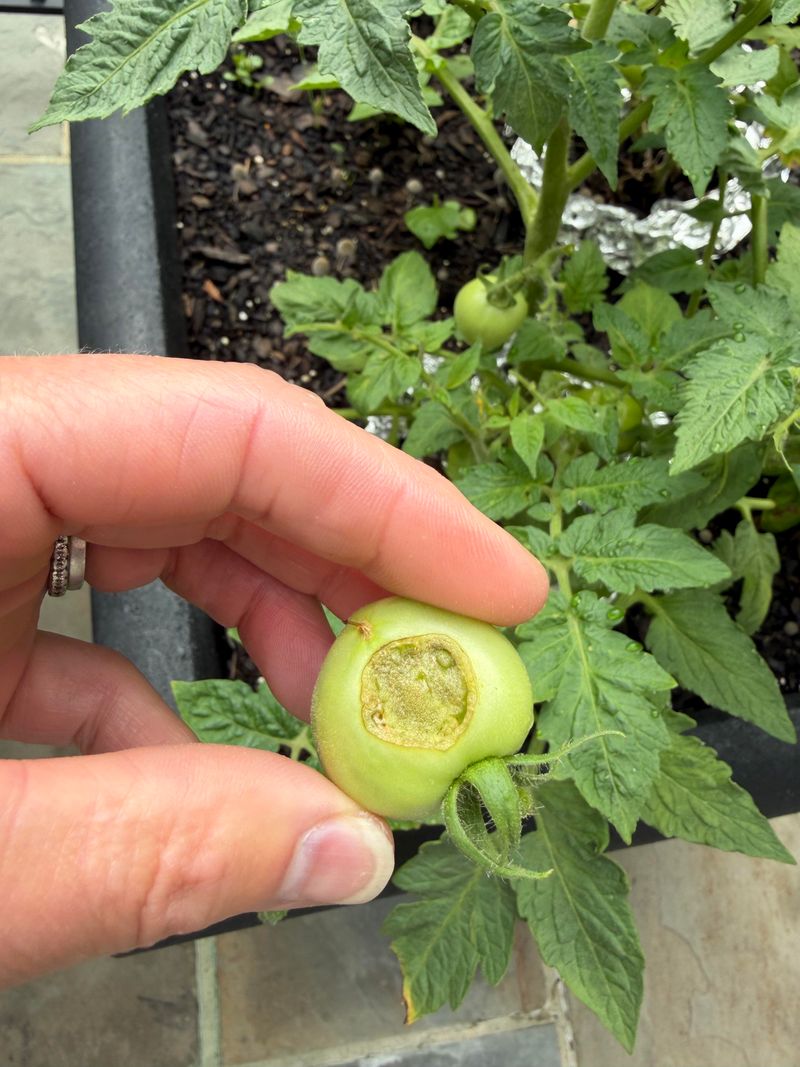
Growing tomatoes in containers is a fantastic option for Michigan gardeners with limited space, a patio, or a small yard.
But container-grown tomatoes come with a specific challenge that makes blossom-end rot more likely to appear: the limited volume of potting mix dries out incredibly fast during warm weather.
What feels like moist soil in the morning can be almost completely dry by early evening on a hot day.
MSU Extension points to insufficient and inconsistent water as a primary cause of blossom-end rot in container tomatoes.
A small pot or even a medium-sized planter simply cannot hold enough moisture to buffer against Michigan’s summer heat the way a large in-ground bed can.
Choosing the largest container that is practical for your space gives the roots more room and holds more moisture between waterings.
Drainage holes are non-negotiable for container tomatoes. Without them, water pools at the bottom of the pot, roots sit in soggy conditions, and oxygen cannot reach them properly.
Ironically, waterlogged roots struggle to take up calcium just as much as severely dry roots do, so good drainage and consistent moisture need to work together.
Check containers every single day during hot spells, and do not be surprised if you need to water twice a day during peak summer heat.
Self-watering containers with built-in reservoirs can help maintain steadier moisture levels and reduce the dramatic wet-to-dry cycles that disrupt calcium movement. A consistent routine matters far more than any product you might add to the soil.
7. Remove Affected Fruit And Protect The Next Crop
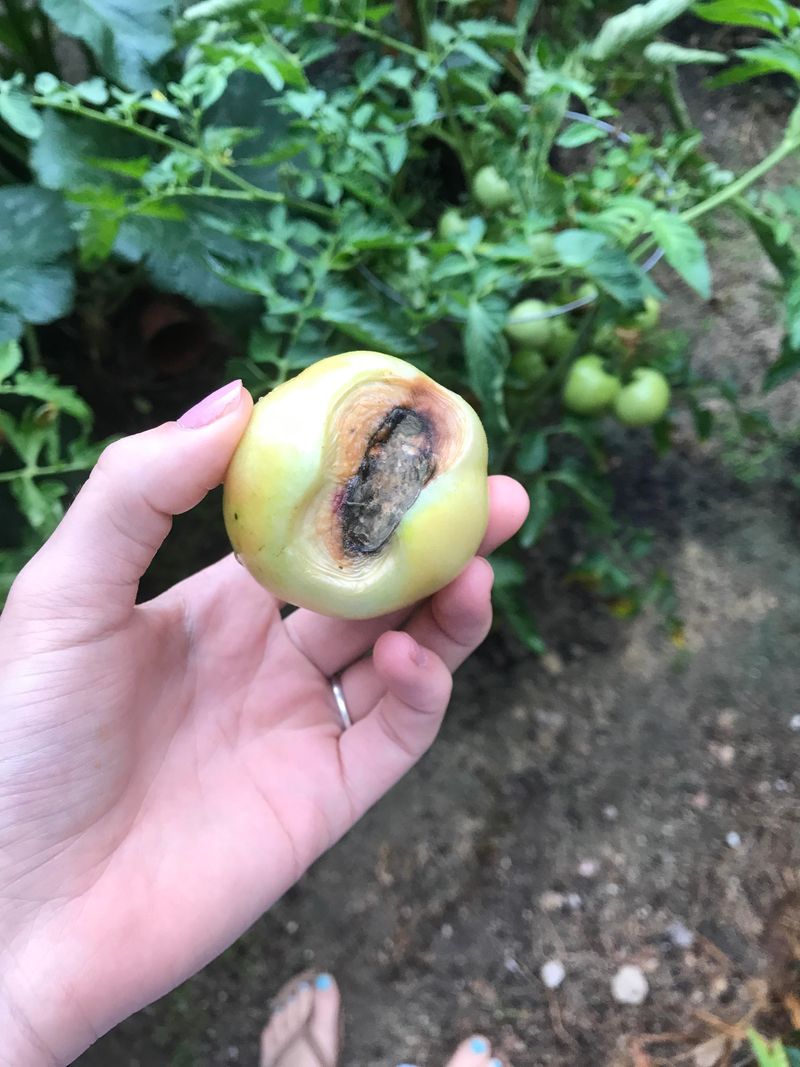
Finding a tomato with blossom-end rot can feel discouraging, especially when you have been caring for your plants all season. But here is some genuinely good news: seeing a few affected fruits does not mean the entire plant is headed for trouble.
The plant can absolutely recover and go on to produce perfectly healthy tomatoes once growing conditions improve.
Fruit that already shows significant blossom-end rot will not heal itself. The damaged tissue is permanent, and waiting around hoping the dark patch will disappear is just wishful thinking.
Removing badly affected tomatoes is actually the right move because it allows the plant to focus its energy and resources on the healthy developing fruit that still has a chance to ripen well.
Resist the urge to immediately start applying multiple fertilizers, calcium sprays, and other products all at once.
Piling on treatments without addressing the actual cause, which is usually inconsistent moisture, rarely solves the problem and can sometimes make things worse by increasing soluble salt levels in the soil.
The most effective first step is correcting how and when you water. Later fruit on the same plant frequently develops without any blossom-end rot once moisture becomes more consistent.
Many Michigan gardeners report that their second and third clusters of tomatoes come in perfectly clean after they adjusted their watering habits following the first outbreak.
A few affected fruits early in the season is a signal worth acting on, not a sign that the whole harvest is lost.
8. Consistent Moisture Is The Best Long-Term Fix
Blossom-end rot is really a signal from your garden asking you to take a closer look at what is happening underground around the roots.
Michigan State University guidance consistently points to uneven water availability as the more common driver of this problem, which means the most powerful fix is not a product you buy but a habit you build.
Steady, reliable moisture is what tomato plants need to move calcium efficiently into developing fruit.
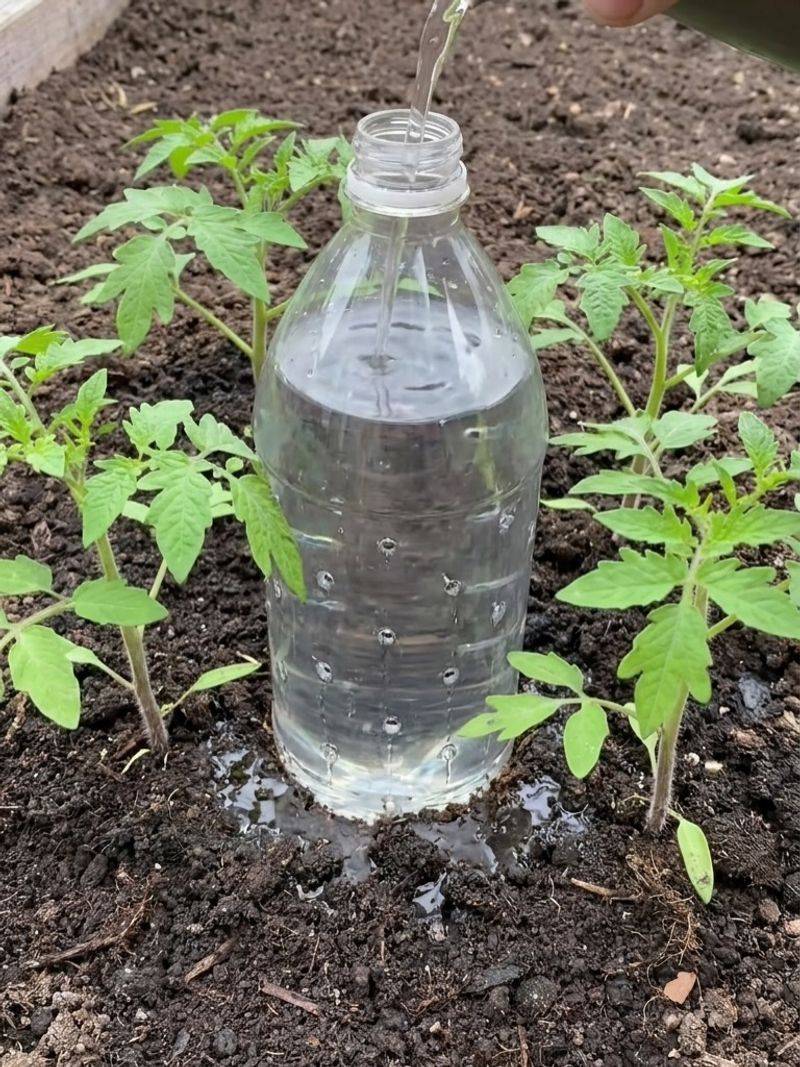
Watering deeply rather than frequently and shallowly encourages roots to grow deeper into the soil, where moisture stays more stable. Shallow watering keeps roots near the surface where they are vulnerable to rapid drying.
A deep watering two to three times per week, adjusted based on weather and soil feel, typically works better than a light daily sprinkle.
Drip irrigation is one of the most effective tools available to Michigan gardeners dealing with moisture inconsistency. Drip systems deliver water slowly and directly to the root zone, keeping soil evenly moist without wetting foliage.
Wet foliage creates its own problems, so keeping water at soil level is a double win.
Avoid over-fertilizing with high-nitrogen products, which push rapid leafy growth and can increase soluble salt levels in the soil, both of which interfere with calcium uptake.
Get a soil test before adding calcium amendments, and use mulch to buffer moisture between waterings.
Taken together, these strategies address the actual root of the problem and give your Michigan tomatoes the steady growing conditions they need to thrive all season long.