What Brings Opossums Into Georgia Yards On Fall Nights
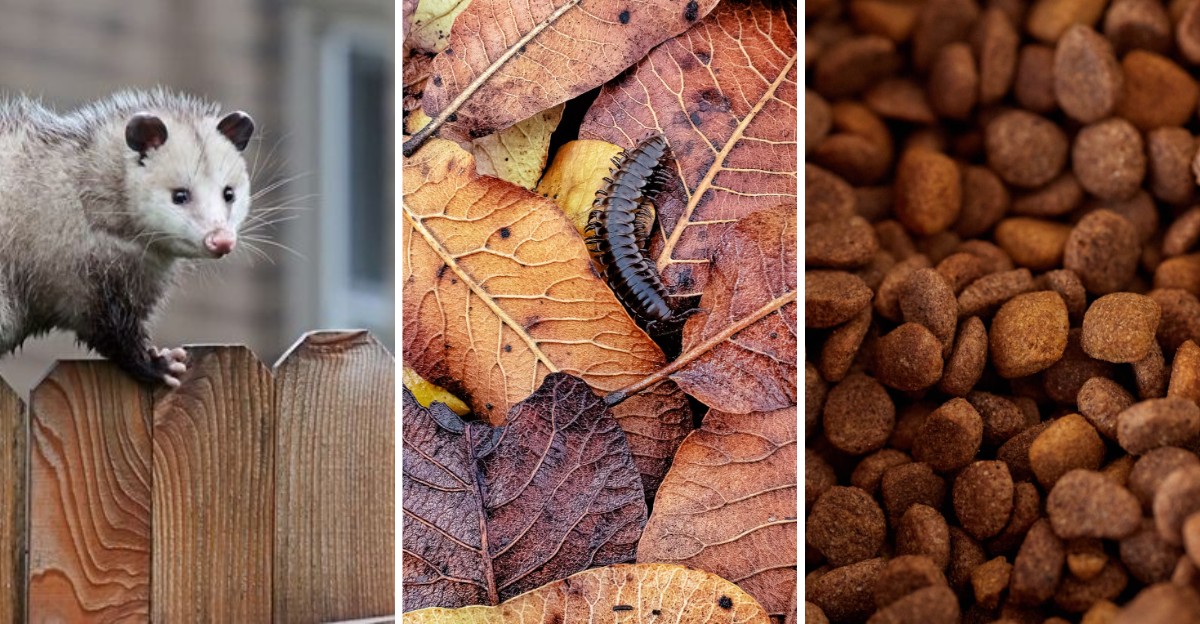
Who invited the marsupial eating from your cat’s bowl? You did, technically. Opossums treat Georgia neighborhoods like open invitations, and they RSVP after midnight.
North of Mexico, this is the lone wild marsupial, pouch included. That grin hides more teeth than any other land mammal on the continent. Its tail grips branches, carries nesting leaves, and steadies climbs.
Rabies rarely takes hold, and scientists suspect their cool body temperature helps. Ticks lose, too, when opossums groom them off and swallow some. Even rattlesnake venom struggles against their blood.
So why does your trash lid rattle before dawn? Because you left the buffet open. Pet food, fallen fruit, and loose garbage lids pull them straight to your porch.
Georgia homeowners can also nudge them elsewhere with a few smart changes. Here is how you outsmart them before they claim your porch.
1. Ripe Persimmons Under The Tree
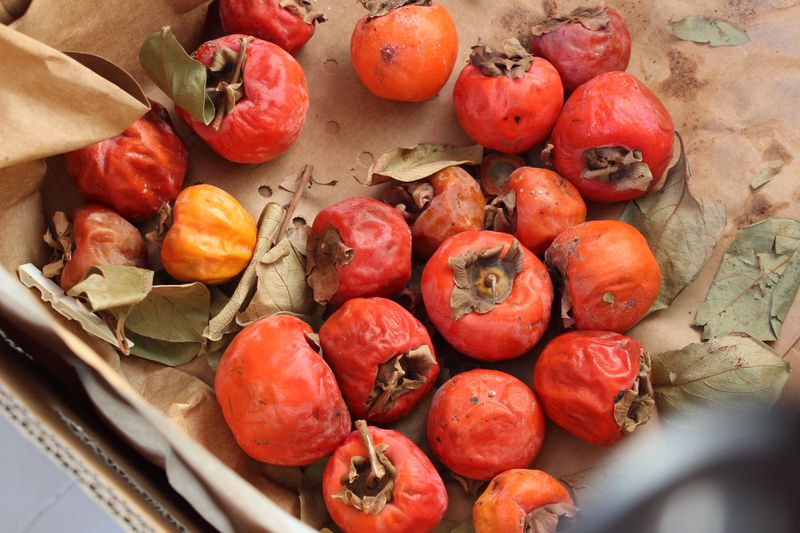
Ask any old-timer in rural Georgia, and they will tell you the same thing about persimmons. Once the fruit drops in September, the local opossums start showing up like clockwork.
American persimmon trees grow wild along fence lines, woods, and old farm fields across the state. Their orange fruit turns soft, sticky, and super sweet as the nights cool down.
Opossums have a powerful sense of smell, so fermenting fruit works like a dinner bell. One tree can feed several visitors for weeks, especially when fruit keeps dropping each night.
Fun fact: people often say persimmons taste best after the first frost. Opossums do not wait that long and happily eat them the moment they hit the dirt.
Fruit also brings extra guests, like yellow jackets, deer, and raccoons. That means a messy persimmon patch can turn your yard into a busy nighttime hangout.
The easiest fix is simple yard work done a few times each week. Rake fallen fruit before sunset and toss it into a sealed bin away from the house.
Other fruit counts too, including figs, muscadines, pears, and crabapples. Many Georgia yards have one of these, and each sends a sweet signal after dark.
Keeping fruit cleaned up also cuts down on stinky smells and slippery patches underfoot. Your nose, your shoes, and your lawn mower will all thank you later.
If you enjoy seeing wildlife, leave a little fruit near the back fence instead of the patio. You get a nature show, and the opossum stays a polite distance from your door.
2. Loose Trash Lids By The Curb
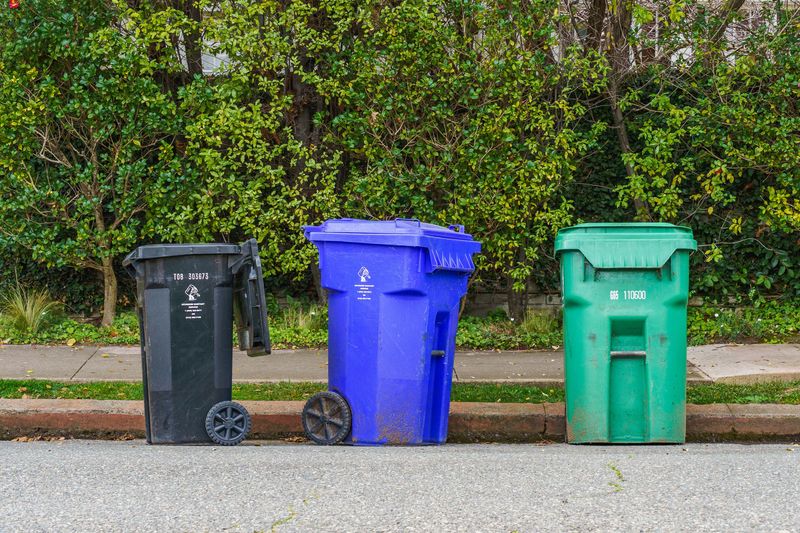
Ever wonder who knocked over your garbage can and left a trail of chicken bones down the driveway? In many Georgia neighborhoods, the answer has a pointy face and a hairless tail.
Opossums are true scavengers, which is a fancy way of saying they are not picky eaters. Meat scraps, greasy wrappers, melon rinds, and old bread all look like treasure to them.
Fall brings plenty of extra trash, too, thanks to football tailgates and backyard cookouts. All those rib bones and burger scraps create a smell that travels far on a cool breeze.
Your Georgia Garden Changes Every Week. Your Plan Should Too.
Gardening in Georgia changes quickly throughout the season. Every Friday you’ll receive a simple weekly plan showing exactly what to plant, prune, fertilize, harvest, and protect so you never miss the right timing.
Opossums are not as strong as raccoons, so they usually go for the easy targets. A lid that is cracked, loose, or missing is basically a welcome mat.
Here is a quirky fact that might change how you see your trash raider. An opossum’s body runs cooler than most mammals, and scientists think this may help explain why rabies is rare in them.
Still, nobody wants a garbage party spread across the lawn before trash day. Use cans with tight-locking lids, or add bungee cords across the top for extra security.
Try to roll cans to the curb the morning of pickup instead of the night before. Keeping them in a garage or behind a fence overnight removes the late-night temptation.
A quick rinse of smelly cans helps as well, especially after a fish fry or crawfish boil. Sprinkle a little baking soda in the bottom to cut down on lingering odors.
3. Leftover Pet Food On The Porch
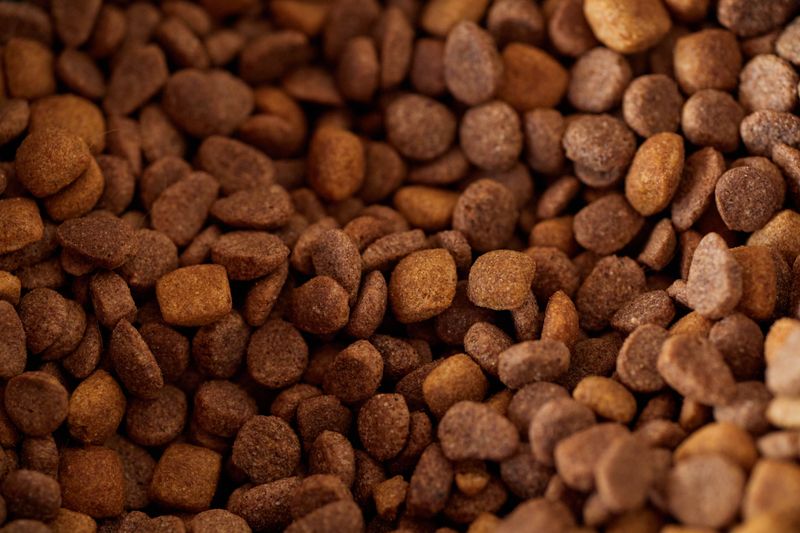
Picture this: you set out a bowl of kibble for Whiskers, then head inside to watch TV. By midnight, a gray stranger with beady eyes is crunching away like it paid for dinner.
Pet food is a common reason opossums visit Georgia porches, carports, and back decks. It is packed with protein and fat, and it smells amazing to a hungry nose.
Fall is a big eating season for these animals as they build up fat for chilly winter nights. An easy bowl of cat food saves them hours of searching through the woods.
Opossums in Georgia can have more than one litter a year, and the later young head out on their own in late summer or early fall. They are still learning where to find food, so an open buffet is hard to pass up.
Once an opossum finds a reliable meal, it will return night after night. Some even get bold enough to wander through pet doors looking for seconds.
The fix is pretty simple, and your pets will barely notice the change. Feed outdoor pets in the morning, then pick up bowls well before the sun goes down.
Store bags of kibble in metal or hard plastic bins with snug lids. Paper bags in a garage or shed are basically an open invitation with a crinkly wrapper.
Pet doors can use a microchip or collar key so only your furry family gets inside. That small upgrade can save you from a very awkward kitchen meeting at three in the morning.
4. Fallen Pecans Across The Lawn
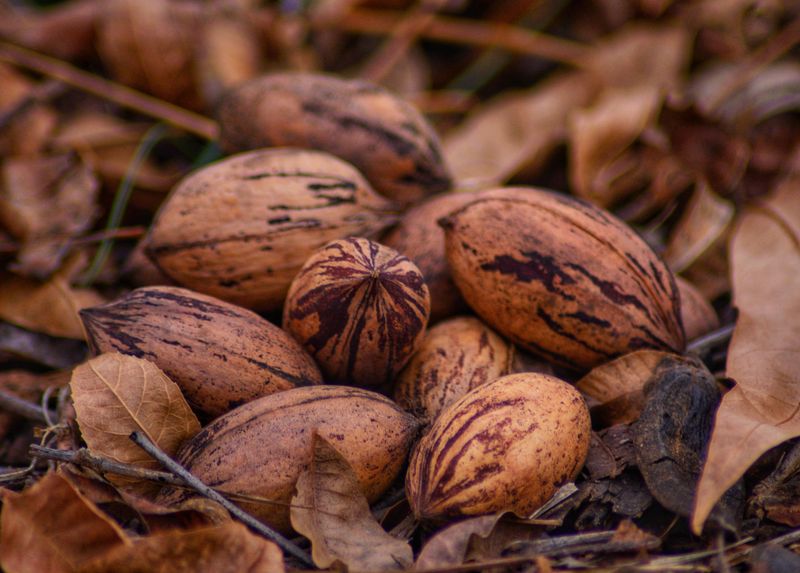
Growing up in Georgia often means filling grocery bags with pecans every autumn. People are not the only ones gathering them, though, and the night shift has a pink nose.
Georgia is usually the top pecan-producing state in the U.S., and many yards have at least one big tree. Nuts start dropping in late September and keep falling into December.
Opossums have fifty teeth, more than any other land mammal in North America. Those sharp little teeth help them nibble cracked shells and nut bits left behind by squirrels.
Acorns fall around the same time, and Georgia is loaded with oak trees. A yard with both pecans and oaks can feel like a free snack bar for wildlife.
Nuts also pull in squirrels, chipmunks, and crows during the day. When the sun sets, opossums arrive to clean up whatever the daytime crowd left behind.
Gathering nuts often is the best way to keep night visitors from settling in. A rolling nut picker makes the job quick, and kids usually love helping with it.
Try to collect every few days, since damp nuts can spoil and attract bugs. Those bugs, in turn, become another reason for hungry animals to stick around.
Store your harvest in sealed containers inside, not in open buckets on the porch. An uncovered bucket of pecans is like leaving a pie cooling on the windowsill.
Shelling pecans on the back steps is a cozy fall tradition worth keeping. Just sweep up the shell bits afterward so your cleanup crew does not turn out furry.
5. Cozy Crawl Spaces Under The House
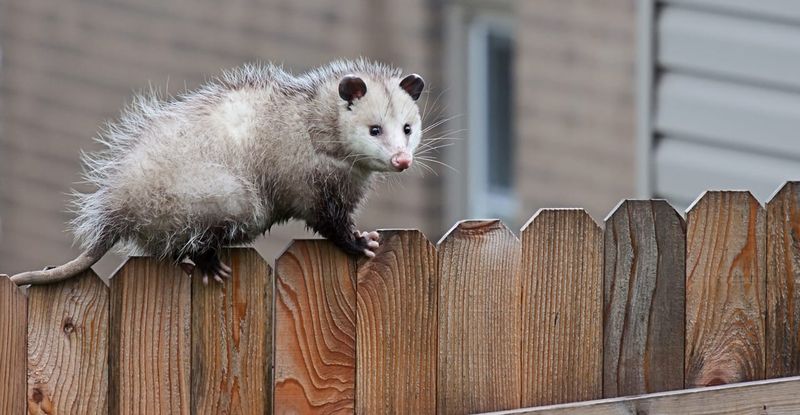
Food is only half the story when an opossum picks your yard. The other half is finding a snug, dry spot to sleep through the day.
Opossums do not dig their own dens, so they borrow spaces other creatures or people have made. Crawl spaces, decks, sheds, and porch steps are some of their favorite hideouts.
As September nights begin to cool, these animals look for sheltered spots to den in, often moving between several. They lack thick fur, so a sheltered space under your floor looks mighty appealing.
Their bare ears and tails can even get frostbite during a hard Georgia cold snap. Your home’s warmth leaking through the floor makes a crawl space feel like a heated guest room.
Walk around your house this month with a flashlight and look for gaps. Loose vent covers, torn lattice, and holes near pipes are common entry points.
Before sealing anything, make sure nobody is already living inside. Stuff a loose ball of newspaper in the hole, and check if it gets pushed out overnight.
If the paper stays put for a few nights, the space is likely empty. Cover openings with sturdy hardware cloth, and bury the edges to block sneaky diggers like armadillos.
Brush piles, stacked lumber, and old tarps can also serve as backup bedrooms. Tidying these up in early fall gives your visitor fewer reasons to move in for winter.
A quick tip from wildlife pros is to act early rather than wait for spring. Mother opossums may have babies tucked away by then, which makes removal much trickier.
6. Juicy Grubs Beneath The Leaves
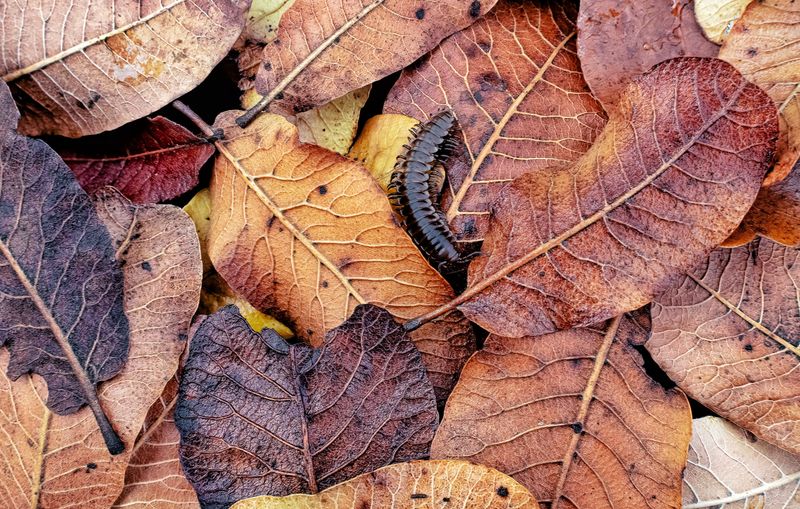
Imagine spotting an opossum snuffling through your leaf pile at night and reaching for the broom. Hold that thought, because it might be doing your garden a big favor.
Fallen leaves, mulch beds, and damp grass hide tons of tasty critters in autumn. Beetles, crickets, grubs, slugs, snails, and earthworms are all on the opossum menu.
Georgia’s warm, humid falls keep insects busy much later than in northern states. That means your yard can stay a bug buffet well into October and even November.
Opossums also eat ticks, though scientists are still debating just how many. Either way, they groom themselves often and gobble up plenty of pests along the way.
Snakes, mice, and rats are fair game too, including the occasional copperhead. Opossums have a natural resistance to the venom of many pit vipers, a notable adaptation.
Signs of opossum foraging include flipped-over mulch and scattered leaves, while small cone-shaped holes usually point to skunks. Those marks look messy, but they usually fade quickly and do little real harm.
If you want fewer visits, rake leaves away from the house foundation and thin out thick mulch. Fix leaky hoses too, since soggy soil pulls grubs and worms to the surface.
Lawn grub treatments can help, but many harm helpful insects and pollinators. A healthier lawn with good drainage usually does the trick with fewer chemicals.
Honestly, a bug-eating opossum might be the cheapest pest control you will ever get. It works nights, takes no weekends off, and asks for nothing but a few crunchy beetles.
7. Spilled Birdseed Below The Feeder
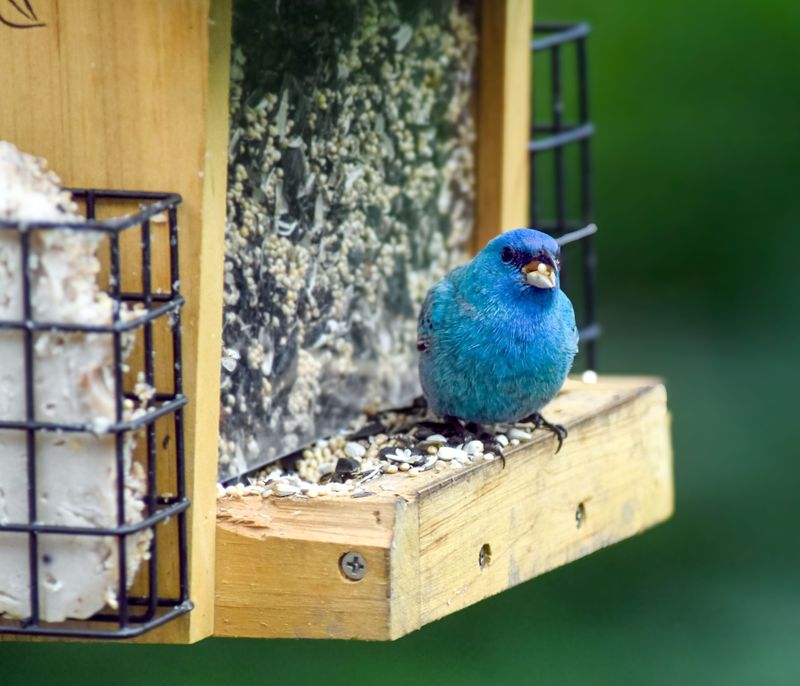
Bird lovers put out feeders to watch cardinals and chickadees, not a waddling marsupial. Yet the ground under a busy feeder is one of the most popular night stops in any yard.
Birds are messy eaters, flinging seeds and hulls everywhere as they pick their favorites. By sunset, a scattered pile of sunflower seeds, millet, and cracked corn waits below.
Opossums are happy to vacuum up these leftovers after dark. Suet cakes are an even bigger draw, since the fat is exactly what they crave before winter.
Fall migration and arriving winter birds keep Georgia feeders busy from September onward. More birds mean more spilled seed, and more spilled seed means more hungry guests at night.
Opossums are skilled climbers, too, thanks to grabby back feet and a tail that can grip. A low feeder hanging from a branch may get raided straight from the source.
Did you know opossums have thumbs on their back feet but not their front ones? Those thumbs help them hang on tight while reaching for a snack.
Place a seed tray under your feeder to catch most of the spills. Sweep up leftovers each evening, or bring feeders inside at night if raids keep happening.
No-mess seed blends with hulled sunflower hearts leave far less waste on the ground. Pole-mounted feeders with a baffle also stop climbing critters from reaching the goods.
Offer suet during daylight hours only, and take it down before dusk. Your songbirds still get their treats, and the night crew finds an empty table.
8. Standing Water Around The Yard
September in Georgia can feel like summer refuses to pack its bags. Hot afternoons and dry spells leave creeks low, and thirsty wildlife starts looking closer to home.
Early fall is often one of the driest stretches of the year across much of the state. When natural water gets scarce, your backyard can look like an oasis.
Opossums need water every day, just like us, and they are not fussy about where it comes from. Birdbaths, pet bowls, fountains, and puddles under dripping spigots all do the job.
Koi ponds and garden water features are especially tempting, since they often attract frogs and bugs too. A drink with a side of snacks is hard for any animal to resist.
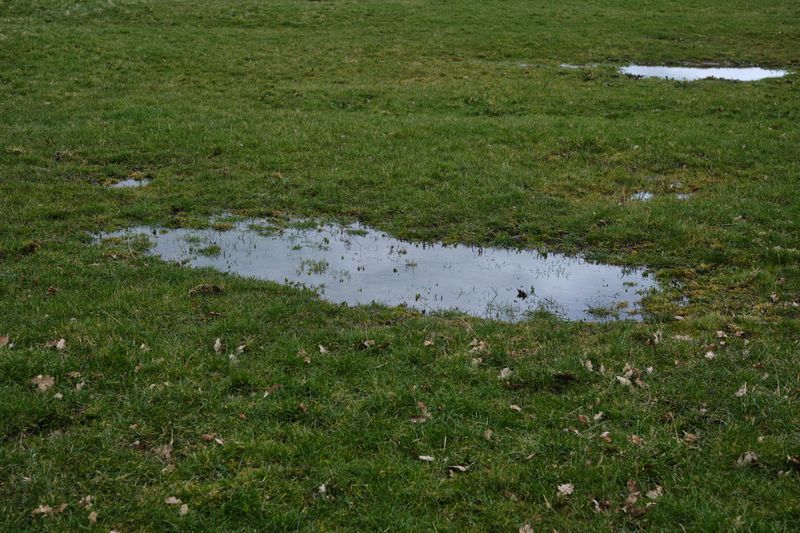
Even a clogged gutter or an old tire full of rainwater can become a watering hole. You might not notice these small pools, but a thirsty nose finds them fast.
Standing water also breeds mosquitoes, which is bad news for your ankles. Dumping it out each week helps you and discourages late-night drop-ins.
Repair drippy outdoor faucets and cracked hose fittings so puddles do not form near the foundation. Empty birdbaths at night, or refill them each morning for daytime birds only.
Bring pet water bowls inside after dinner, since they double as a drinking fountain for wildlife. Cleaning your gutters each fall also keeps rainwater from pooling where you cannot see it.
Ponds are harder to empty, but motion-activated lights can make shy visitors think twice, especially if you move them now and then.