Georgia Gardeners Should Keep Mulch Away From Tree Trunks This Fall
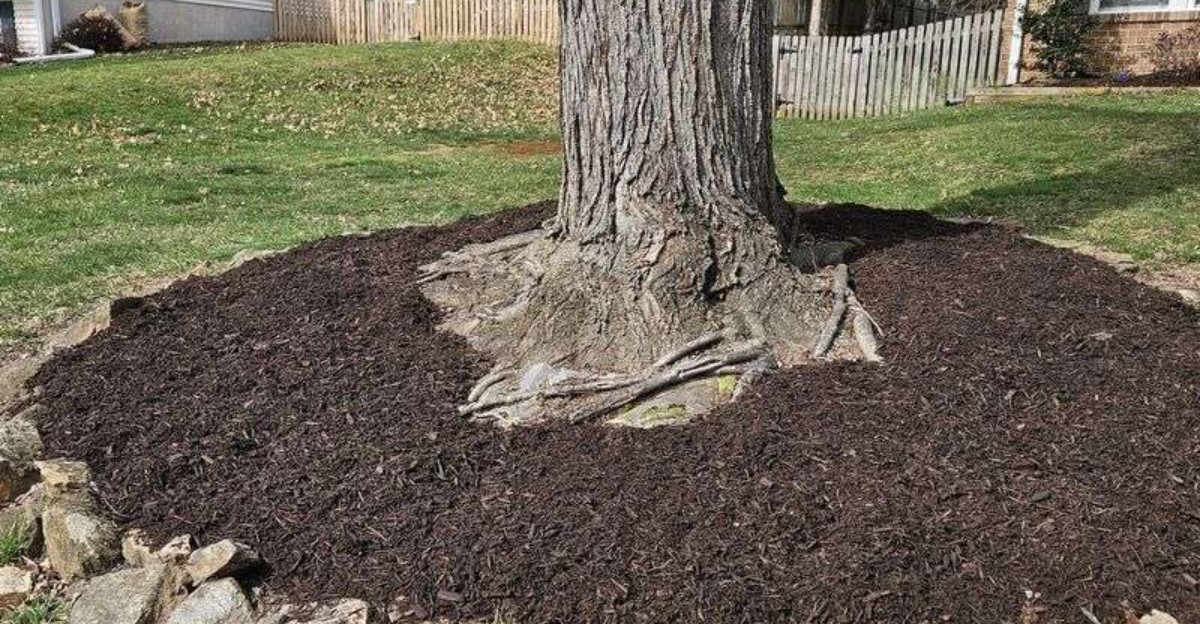
Fresh mulch makes a yard look finished, so it is tempting to pile it high around every tree before winter.
You have probably seen those tall mounds in parking lots all over town. They look neat, but the tree underneath often pays for it.
Bark on the lower trunk is meant to stay dry, and a thick pile of damp mulch keeps it wet for weeks.
Mild, rainy winters in Georgia make that worse, since the mulch rarely dries out. Over time, the trunk can soften without you noticing until the damage is done.
Most of that trouble starts in the few inches at the base that you rarely check closely.
Before you spread another bag this fall, pull back what is already there and see how the trunk looks.
1. Fresh Fall Mulch Can Hide A Common Mistake
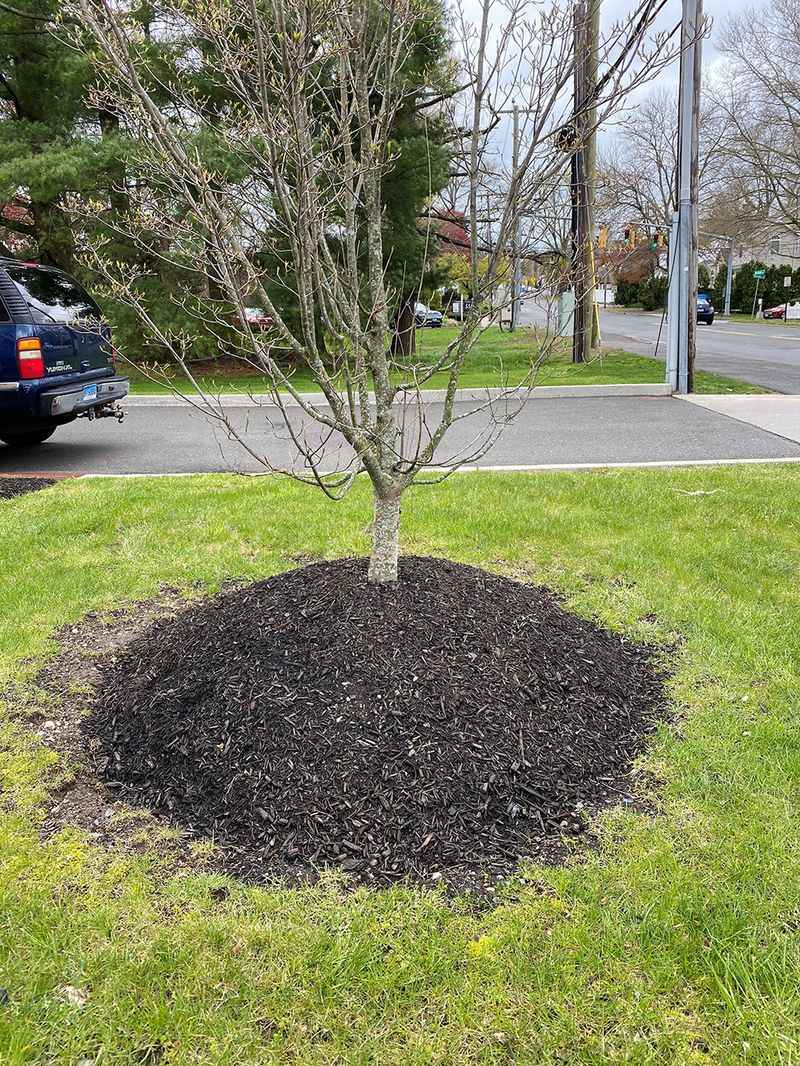
Pretty beds can fool even careful gardeners. A fresh ring of mulch looks neat, but piling it against the trunk is a surprisingly common mistake.
People often call that shape a mulch volcano, and you can spot it in parking lots and yards alike.
Fall feels like the right time to top off beds after a hot summer. In Georgia, September still brings warm days, so moisture and heat linger longer under thick layers.
Once new mulch goes down, it covers up the old layer and hides how deep things have gotten.
Look closely at the base of your tree before adding anything. A healthy trunk should flare out slightly where it meets the soil, a spot arborists call the root flare.
If that flare is buried, your tree looks like a straight pole stuck in the ground.
Grab a hand rake or even your gloved fingers and pull the mulch back gently. You may find several inches of older material packed tight underneath.
Spotting the problem early is the easiest fix, since nothing costs money and it only takes a few minutes per tree.
2. Piling It High Keeps The Trunk Too Damp
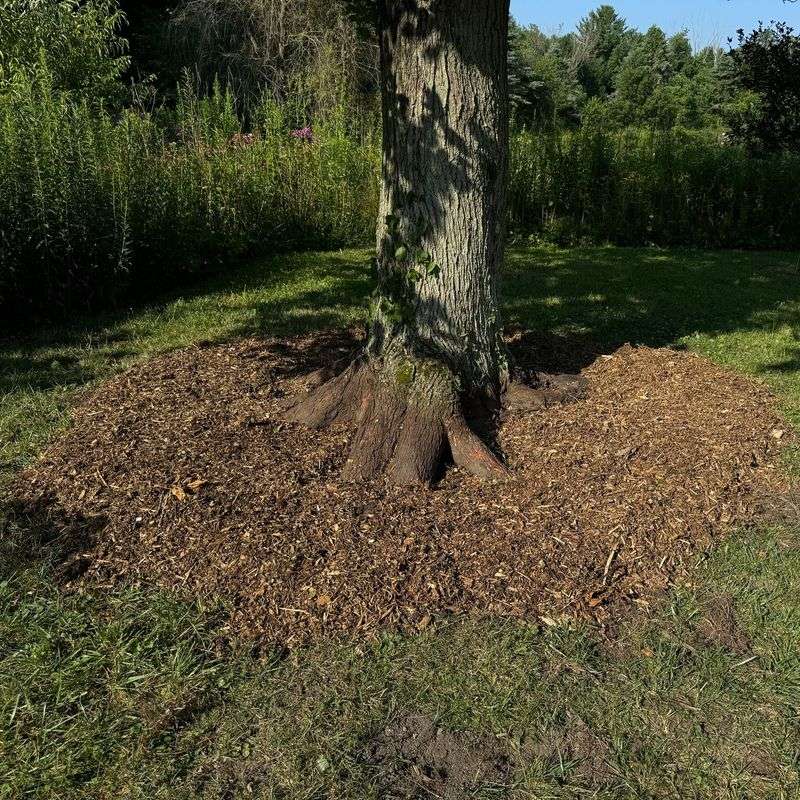
Bark was made to breathe in open air. When wet mulch sits against it day after day, the outer layer stays soggy far longer than nature intended.
Think of wearing wet socks all week, and you get the general idea.
Thick piles trap water from rain, sprinklers, and heavy morning dew. Fall showers in Georgia can keep that moisture locked in, especially in shady spots with clay soil underneath.
Constant dampness creates good conditions for fungi and bacteria that can soften bark over time.
Results vary with soil, drainage, tree type, and weather, so not every tree reacts the same way. Some tough species handle it better than young, thin-barked trees like maples or dogwoods.
Still, keeping the base dry is a simple way to lower the odds of trouble.
Here is a quick test worth trying. Push your finger into the mulch touching the trunk after a rain, and notice how long it stays wet compared to mulch a foot away.
A two to four inch layer spread out wide usually drains better than one tall mound. Thinner and wider often wins when moisture is the concern.
Your Georgia Garden Changes Every Week. Your Plan Should Too.
Gardening in Georgia changes quickly throughout the season. Every Friday you’ll receive a simple weekly plan showing exactly what to plant, prune, fertilize, harvest, and protect so you never miss the right timing.
3. Buried Bark Becomes More Vulnerable Over Time
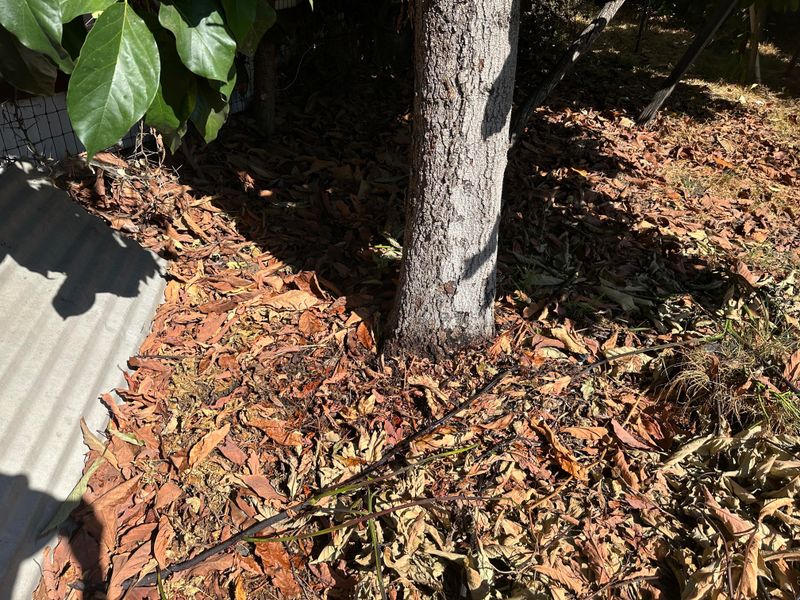
Damage from buried bark rarely shows up overnight. It creeps in slowly, sometimes over several seasons, while the tree looks fine from a distance.
Under that damp cover, bark can soften, crack, or start to decay in patches.
Why does that matter so much? Just under the bark sits the tissue that carries water and food between roots and leaves.
If that layer gets injured all the way around the trunk, the tree may struggle to move nutrients where they need to go.
Warning signs can be subtle at first. You might notice thinner leaves, smaller growth, or early fall color that seems out of step with nearby trees.
Those clues can also point to drought, root problems, or other stress, so they are not proof on their own.
Gardeners across Georgia often inherit mulch mounds from past owners or landscape crews. Checking the base once a year helps you catch trouble before it gets worse.
If you uncover mushy or peeling bark, a certified arborist can give a clear opinion.
Leaving the area open to air afterward gives the bark its best shot at drying out and holding steady.
4. Roots Can Start Growing Where They Should Not
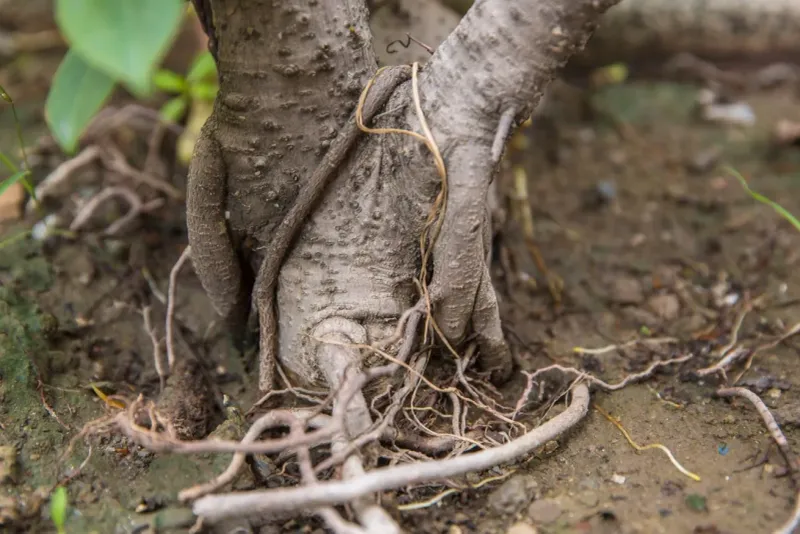
Roots go where the water is, plain and simple. A deep, moist pile of mulch can tempt them to grow up and into it instead of down into soil.
Gardeners sometimes find thin roots tangled right inside the mulch when they finally rake it back.
Those roots sit in a shallow layer that dries out fast during a hot spell. In a dry fall, they can suffer long before deeper roots feel any stress.
Some roots may also wrap around the trunk as they wander through the mound.
Arborists call those girdling roots, and they can squeeze the trunk as both grow thicker over the years.
Not every buried tree develops them, since nursery practices, planting depth, and species all play a role. Even so, excess mulch can make the problem more likely or harder to notice.
After pulling mulch away, look for roots crossing over the trunk flare. Small ones can often be clipped cleanly with sharp pruners, but big ones deserve an expert opinion first.
Across much of Georgia, red clay makes roots stay near the surface anyway, so giving them a clear path downward matters.
5. Rodents Gain Cover Right Beside The Trunk
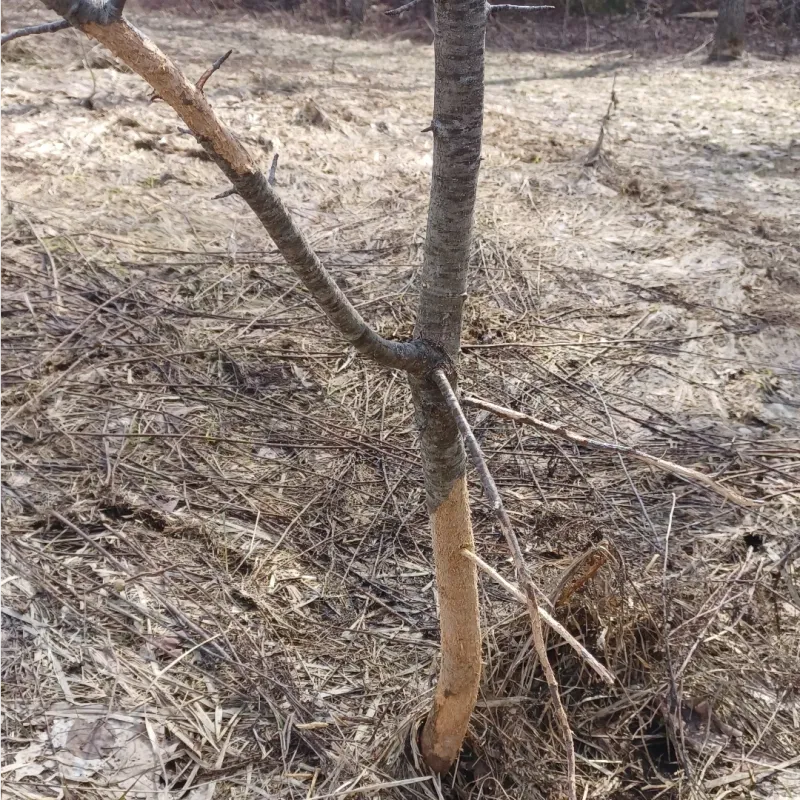
Voles love a good hiding spot. A deep pile of mulch hugging a trunk gives them warm shelter right next to a food source.
From there, they can nibble on tender bark without hawks or cats seeing much.
As weather cools, small rodents look for cozy cover to settle into for winter. Mice and voles both show up in yards across Georgia, and they are not picky about fancy beds.
Gnawing near the base can leave rough, chewed patches that are easy to miss under mulch.
Young fruit trees and ornamentals with thin bark tend to be the most tempting targets. Older trees with thick bark usually hold up better, though they are not fully off the menu.
Damage levels depend a lot on local rodent numbers and how much other food is around.
Pulling mulch back a few inches takes away that sheltered doorway. Critters feel exposed on bare ground, so they are less likely to linger right at the trunk.
For extra peace of mind, a loose hardware cloth guard around young trunks can help through winter.
Check under the guard now and then, since mulch and leaves can sneak back in.
6. A Small Gap Makes Mulch Much Safer
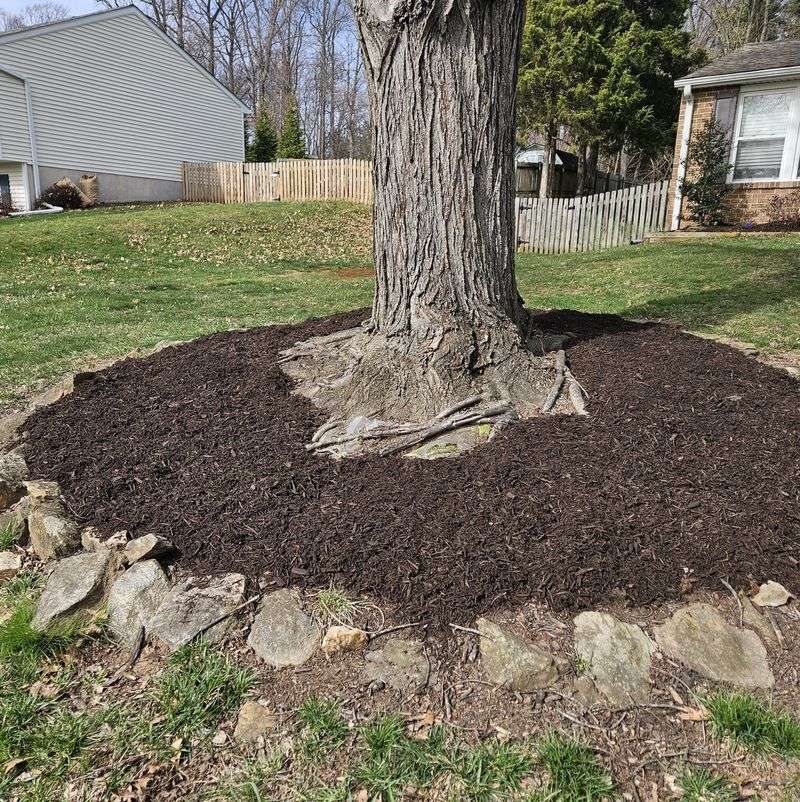
Picture a donut, not a volcano. That easy image is the shape most tree experts suggest for mulch around a trunk.
Leave a bare ring of about three to six inches between the mulch and the bark.
Bigger, older trees can handle a slightly wider gap, while small saplings still need a few inches of open space. Your goal is simply keeping the trunk flare visible and dry.
Getting it right takes just a few steps. Rake old mulch away from the trunk first, then check how deep the existing layer is before adding anything new.
If you already have two or three inches, you may only need a light refresh on top.
Pine straw is a favorite choice in Georgia, and it works nicely for this approach. It stays fluffy, lets water through, and is easy to pull back from the base.
Shredded hardwood and pine bark nuggets work too, as long as you keep them from creeping inward.
Rain and raking can shift mulch over the months, so peek at the base after big storms. A quick nudge with your boot or rake usually puts everything back in place.
7. Proper Mulching Still Protects Roots Through Fall
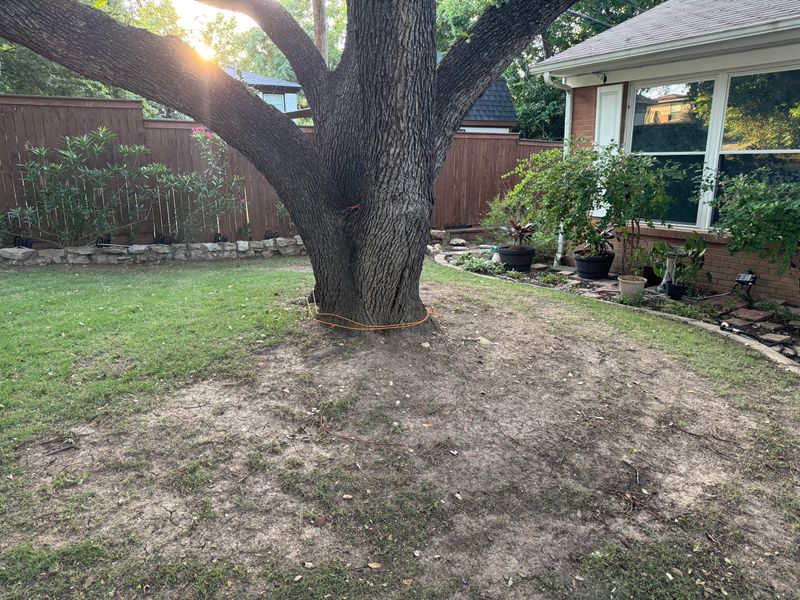
Nobody is saying skip mulch altogether. Done right, it remains one of the most helpful things you can give a tree this fall.
A well-spread layer holds moisture in the soil, which helps during the dry stretches that often show up in autumn.
Mulch also softens temperature swings near the surface. On a chilly night, roots under that blanket stay a bit steadier than roots in bare dirt.
Over time, organic mulch breaks down and adds organic matter to the soil.
That slow feeding can help loosen heavy clay, a real perk in many parts of Georgia. Results take seasons, not weeks, and depend on your soil and the type of mulch used.
Weeds and grass compete less for water when mulch covers the root zone. Keeping mowers and string trimmers away from the trunk is another handy bonus.
Aim for two to four inches deep, spread as wide as you reasonably can, ideally toward the edge of the branches.
September and October are fine months for this chore, while soil is still warm and roots keep growing. Your tree gets the benefits without the soggy collar, and your yard still looks sharp.