What California Citrus Trees Need In September After A Brutal Summer
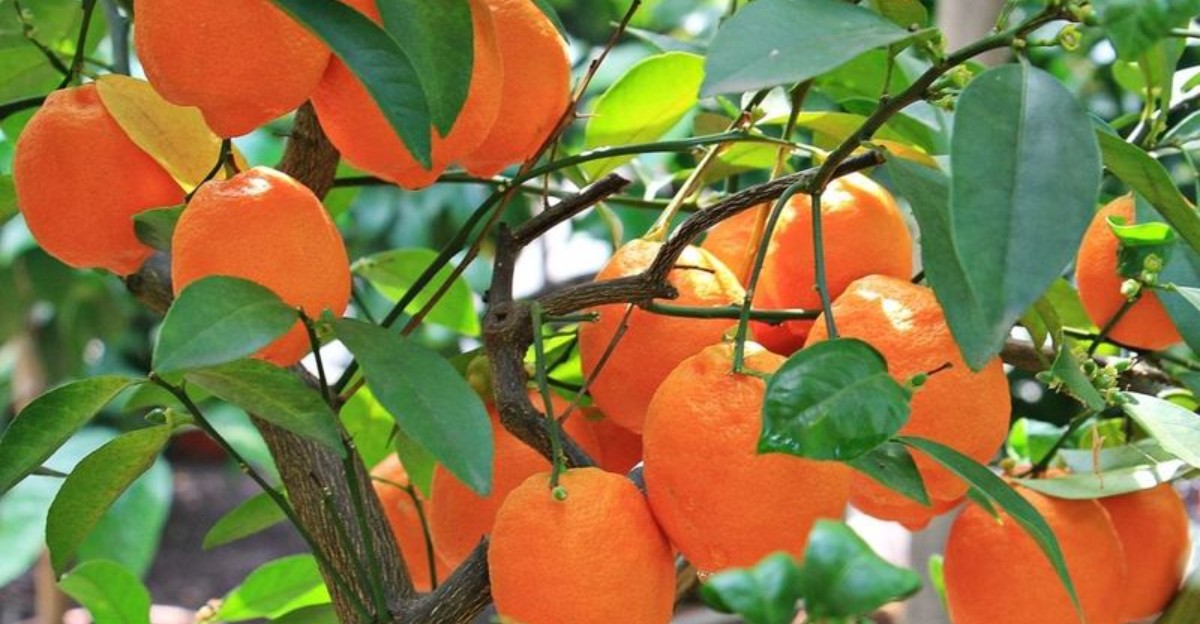
A long, punishing summer can leave California citrus trees looking rough just when you expect them to be thriving.
Leaves may curl or drop, fruit can look smaller than usual, and the soil around the roots may be drier than it appears. September is a good time to assess the damage and help your trees recover before cooler weather settles in.
Your citrus may need more than extra water after months of intense heat. Root conditions, irrigation habits, mulch, pests, and the tree’s overall health can all affect how well it bounces back.
Instead of rushing to fix every symptom, start by checking what your tree is actually experiencing.
A few targeted adjustments now can support new growth, protect developing fruit, and help your citrus head into the next season in much better shape.
1. Check The Root Zone For Lingering Drought Stress
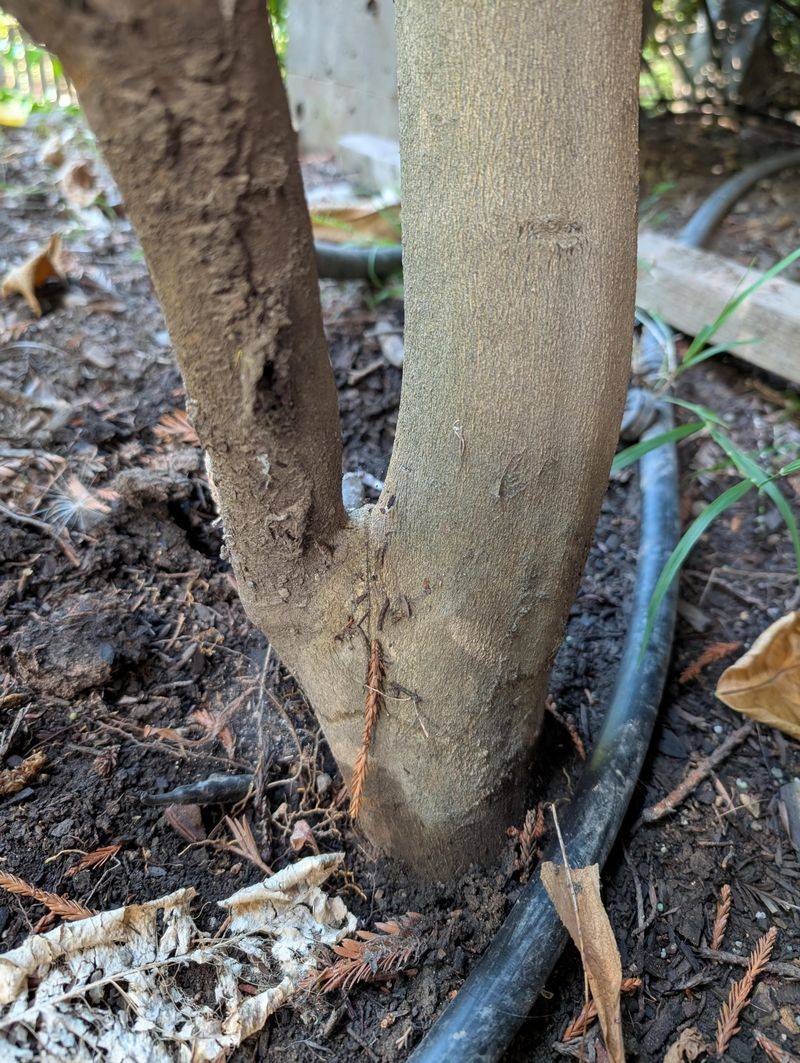
After a hot California summer, the soil around your tree may still be bone dry deep down. The top layer might look fine while the roots below stay thirsty and stressed.
Grab a small trowel and dig a few inches into the ground near the base. If the soil feels dusty or crumbly well below the surface, your tree is still fighting drought stress. Moist, cool soil is what you want to find.
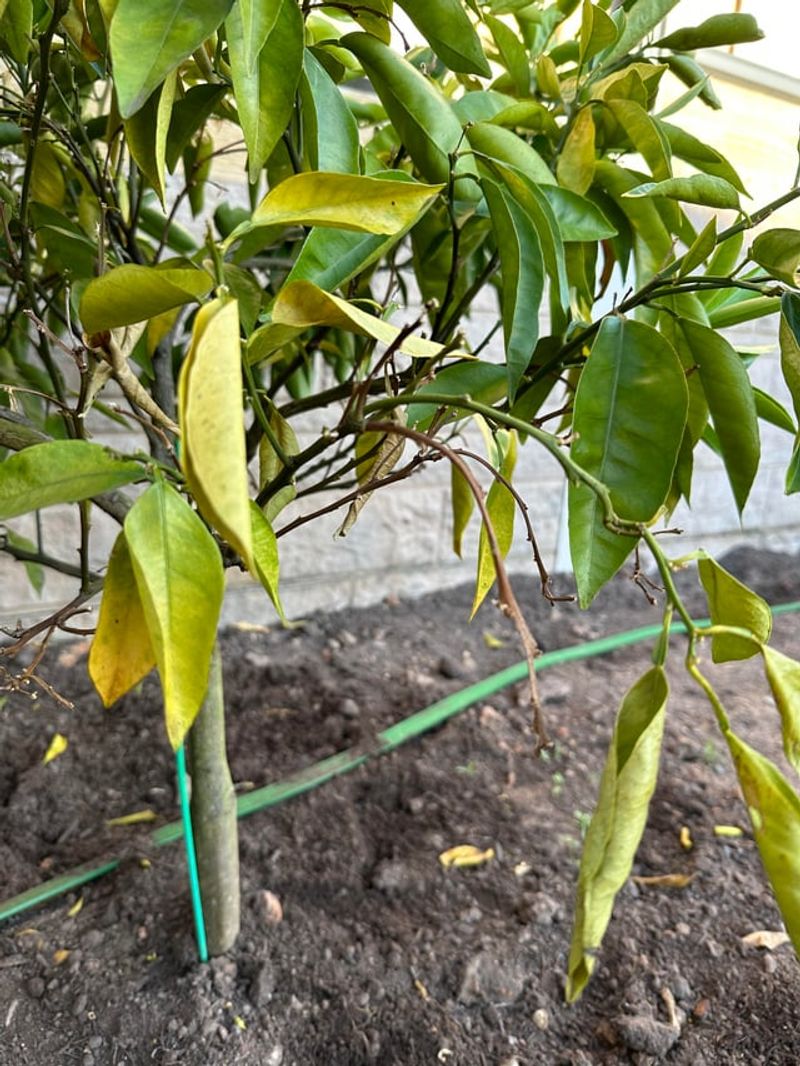
Signs of trouble show up in the leaves too. Curling, yellowing, or dropping leaves often mean the roots have not gotten enough water for weeks. Wilting during the day is another clue.
When you find dry roots, water slowly and deeply so moisture soaks far down. A quick sprinkle will not reach the deep roots that keep the tree alive and healthy.
Try watering in the early morning when the air is cool. Less water evaporates, so more of it reaches where the tree needs it most.
Checking the root zone takes just a few minutes but tells you a lot. It helps you know if your recovery plan is working or if the tree still needs extra help this month.
Keep checking every week through September. Roots that stay evenly moist will start to heal and support new growth soon.
2. Keep Watering Consistent As Heat Continues
September in California often brings surprise heat waves that feel just like July. Your citrus trees still need steady water even as the calendar says fall is near.
Consistency matters more than amount. Trees hate going from soaking wet to totally dry, so try to keep the soil evenly moist throughout the month.
A good rule is deep watering two or three times a week for trees in the ground. Potted citrus may need water more often since containers dry out fast.
Stick your finger into the soil before you water. If the top two inches feel dry, it is time to give your tree a drink. If it still feels damp, wait a day.
Watering in the morning gives the tree a full day to soak up moisture. Evening watering can leave roots too wet overnight and invite problems.
Your California Garden Changes Every Week. Your Plan Should Too.
Gardening in California changes quickly throughout the season. Every Friday you’ll receive a simple weekly plan showing exactly what to plant, prune, fertilize, harvest, and protect so you never miss the right timing.
Avoid the temptation to flood the tree all at once. Slow, deep soaking helps water reach the roots instead of running off the hard summer soil.
Setting up a drip line or soaker hose makes this job easy and reliable. Your tree gets steady moisture without you standing there with a hose.
Stay watchful when hot spells hit late in the month. A little extra water on those days keeps your recovering tree comfortable and strong.
3. Look Under Leaves For Late-Summer Pests
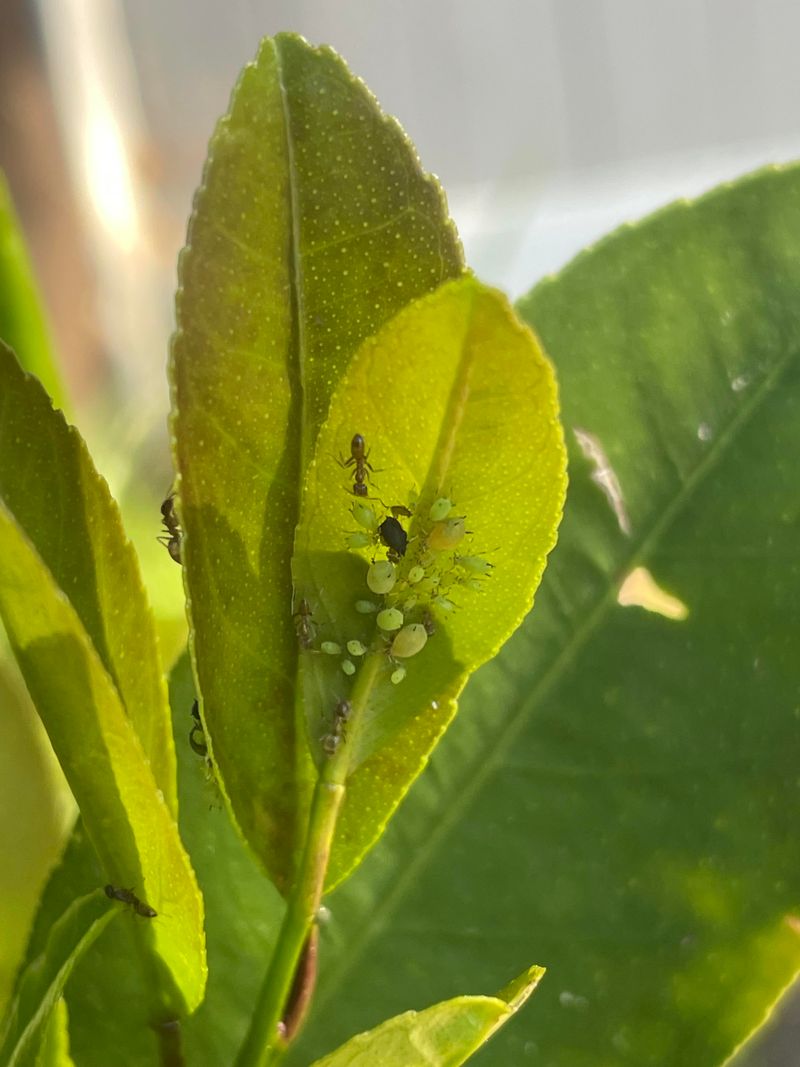
Bugs love a stressed tree, and late California summer is prime time for them to move in. The hidden underside of leaves is where many of these pests like to hang out.
Flip a few leaves over and take a close look. You might spot tiny aphids, spider mites, whiteflies, or sticky spots where they have been feeding.
Aphids cluster in soft green or black groups and suck the juice from new growth. Spider mites leave fine webbing and make leaves look speckled or dusty.
A sticky, shiny coating on leaves is called honeydew. Pests leave it behind, and it can lead to a black mold that blocks sunlight from the tree.
Catching these visitors early makes them much easier to handle. Wait too long and a small problem can spread across the whole tree fast.
For light infestations, a strong spray of water knocks many bugs off the leaves. Insecticidal soap works well for tougher cases without harming the tree.
Check your tree once a week during September. Regular peeks under the leaves help you stop pests before they cause serious damage.
Healthy trees fight off bugs better, so keep up your watering and care. A strong tree plus your careful eye keeps pests from taking over.
4. Check Fruit For Sunburn And Damage
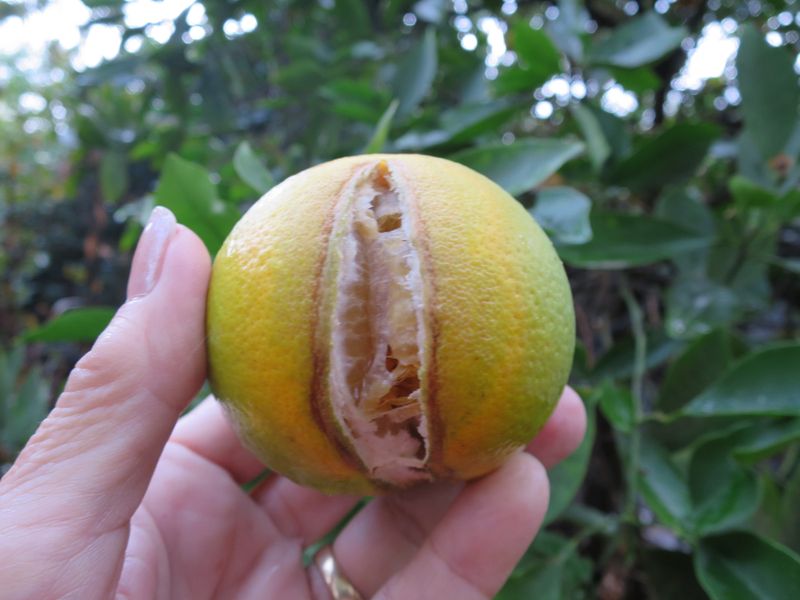
All that intense summer sun does not just stress leaves. It can scorch the fruit too, leaving pale, tough, or leathery patches on the skin.
Walk around your tree and gently inspect the oranges, lemons, or limes hanging on the branches. Look for spots that seem faded, dried out, or cracked.
Sunburned fruit often shows up on the side facing the afternoon sun. The skin may turn brown or feel hard where the rays hit it hardest.
Damaged fruit is not always a total loss. Sometimes only the skin is affected and the inside stays juicy and fine to eat.
Still, badly scorched fruit can invite bugs and mold. If a piece looks split or rotten, pick it off so it does not spread trouble to healthy fruit.
To protect the fruit that remains, make sure your tree keeps enough leaves for shade. Leaves act like a natural umbrella over the developing citrus.
You can also drape shade cloth over young trees during any late heat spikes. It blocks the harshest rays while still letting light through.
Keeping the tree well watered helps the fruit stay plump and less likely to burn. A hydrated tree handles the sun far better.
Check the fruit each week so you catch new damage quickly and keep your harvest looking its best.
5. Remove Fallen Fruit From Beneath The Tree
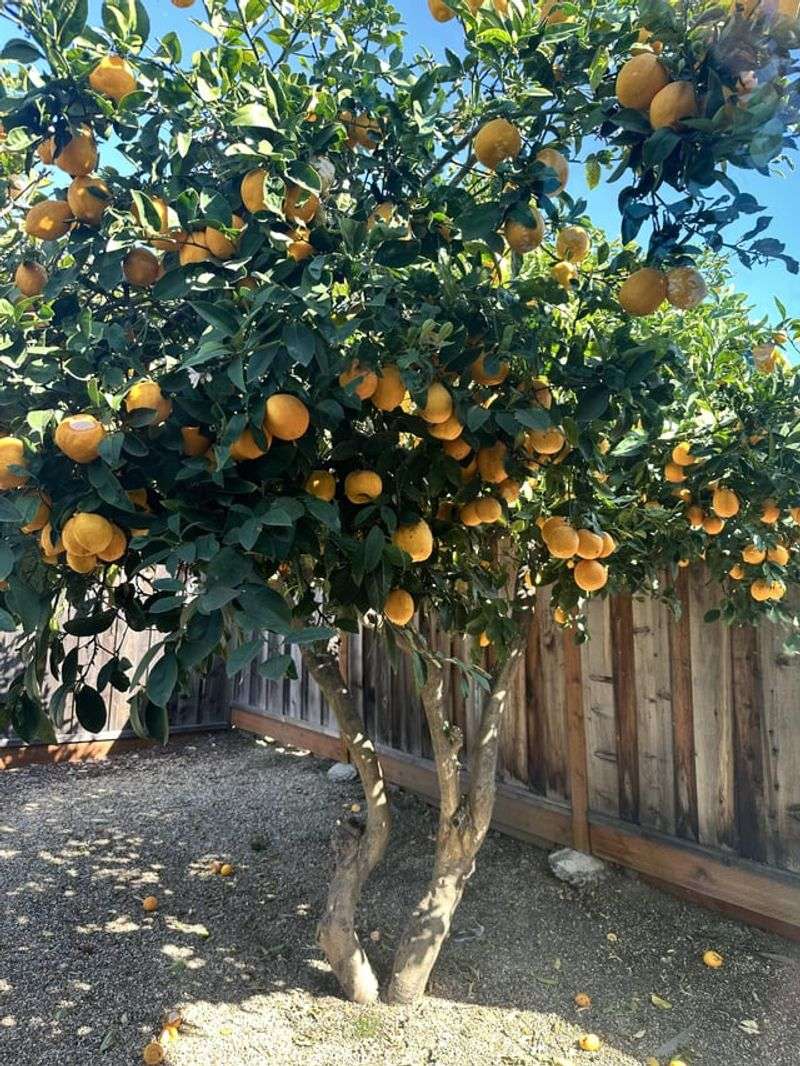
Take a look at the ground around your tree after a rough summer in California. You will probably find dropped lemons or oranges lying in the dirt below the branches.
Fallen fruit might seem harmless, but it causes real problems if left alone. As it breaks down, it draws pests and can spread disease.
Rotting citrus on the soil is a magnet for ants, flies, rodents, and fungus. These unwanted guests can then climb up and bother your healthy tree.
Cleaning up is quick and easy. Grab a bucket or bag and pick up every piece of fruit sitting on the ground.
Do not toss the rotten fruit into your compost if it looks diseased. Throw it in the trash instead so problems do not spread later.
Raking the area also helps you spot other issues, like dry soil or pest trails. A clean base makes the whole tree easier to care for.
Doing this chore every week keeps the mess from piling up. A tidy spot under the tree means fewer bugs and less disease all season.
Your recovering tree already has enough to handle. Removing fallen fruit takes one more stress off its plate and keeps the roots healthier.
It is a small task that pays off big for the long-term health of your citrus.
6. Avoid Heavy Pruning After Summer Stress
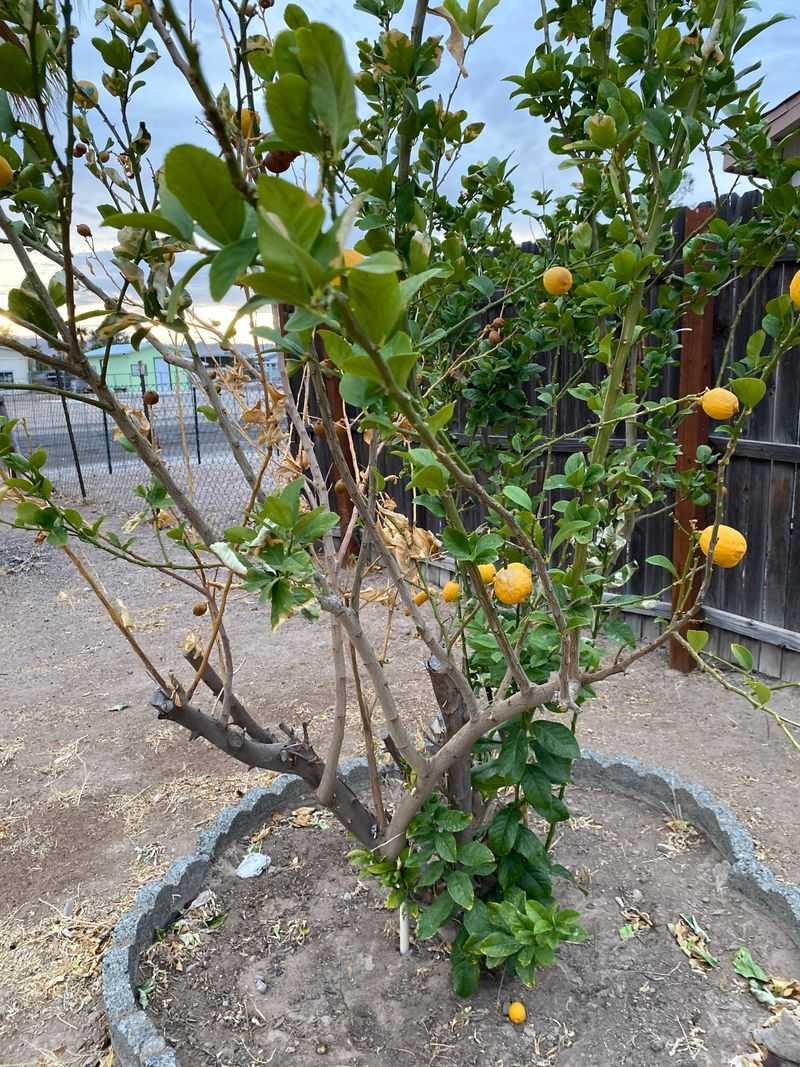
It is tempting to grab the shears and cut back all the ragged growth after summer. But heavy pruning right now can do more harm than good.
A tree worn out by heat is already low on energy. Cutting off lots of branches forces it to spend even more energy on healing wounds.
Fresh cuts also expose the inner branches to the sun. That new sunlight can scorch bark that was shaded and safe before you pruned.
Instead of a big trim, only remove branches that are clearly damaged or broken. Snip away withered twigs and anything that looks scorched beyond repair.
Leaving most of the leaves in place is smart. Those leaves shade the trunk and fruit while the tree slowly recovers its strength.
Save the real pruning for late winter or early spring. That is when your citrus tree can handle bigger cuts and bounce back with fresh growth.
If you must cut, use clean, sharp tools to make smooth cuts. Wipe the blades between trees to avoid spreading any disease.
Think of September as a rest period, not a shaping season. Your tree needs to heal before it can take on new growth.
Patience now means a stronger, fuller tree when the growing season returns.
7. Check Mulch Around The Root Zone
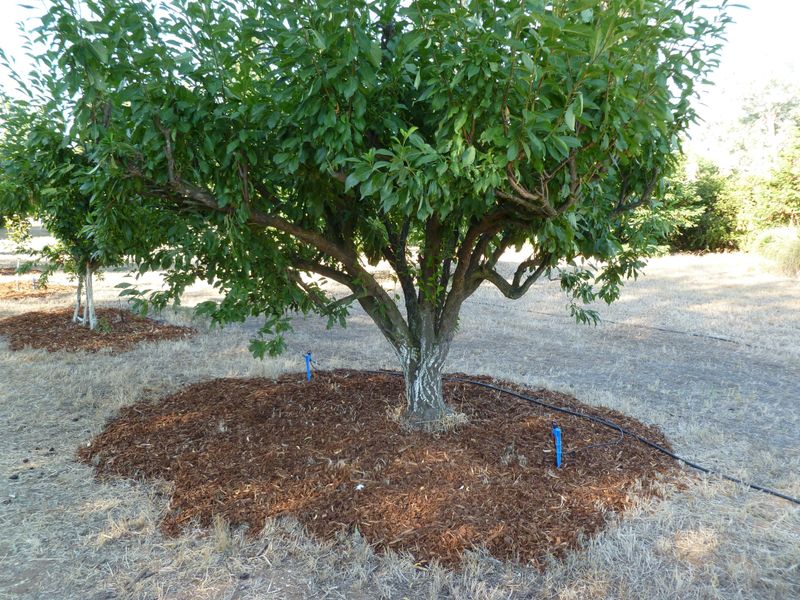
Mulch is like a cozy blanket for your tree’s roots, and summer heat can wear it thin. A quick check tells you if it needs a refresh.
Look at the layer of mulch spread around the base of your tree. If it has broken down, blown away, or gotten patchy, it is time to add more.
Good mulch keeps the soil cool and holds in moisture during hot days. It also stops weeds from stealing water your tree needs.
Aim for a layer about two to three inches thick around the root zone. Wood chips, bark, or straw all make great choices for citrus.
One important rule is to keep mulch away from the trunk itself. Piling it against the bark can trap moisture and cause rot.
Leave a few inches of open space in a ring around the trunk. Then spread the mulch outward toward the edge of the branches above.
Fresh mulch also feeds the soil as it slowly breaks down. That gives your recovering tree a gentle boost of nutrients over time.
Refreshing the mulch takes only a few minutes but makes a lasting difference. Your roots stay cooler and hold water far better through any late heat.
Check it again in a month to keep the layer just right.
8. Make Sure Irrigation Reaches The Whole Root Area
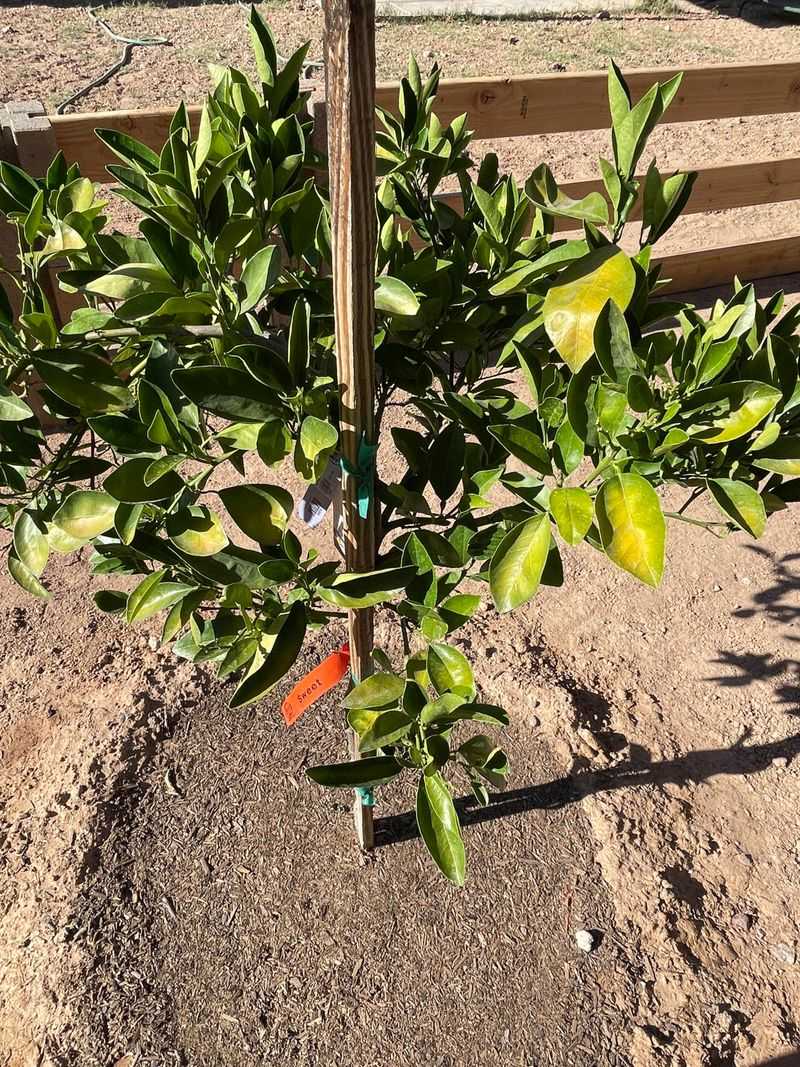
Watering only near the trunk is a common mistake that leaves half the roots thirsty. Citrus roots spread out wide, far beyond the base.
The roots reach out to about the edge of the branches overhead, an area called the drip line. That whole zone needs water, not just the center.
Check where your water actually lands when you turn on the hose or system. You may find it only soaks one small spot near the trunk.
Move your drip lines or sprinklers so they cover the full circle of roots. Even watering helps the tree drink from every direction.
After watering, dig down in a few different spots to test the soil. If some areas stay dry, your water is not spreading far enough.
A soaker hose laid in a ring around the tree works wonders. It gives slow, even moisture across the entire root area at once.
Uneven watering can leave one side of the tree weak. Balanced water keeps the whole tree strong and helps it recover faster.
Take a few minutes to adjust your setup this month. A small change in where water lands makes a huge difference for a stressed tree.
Once the roots all get their share, your citrus will heal and grow stronger with every deep drink.