What Cluster Flies Invading Michigan Homes In August Are Really Looking For
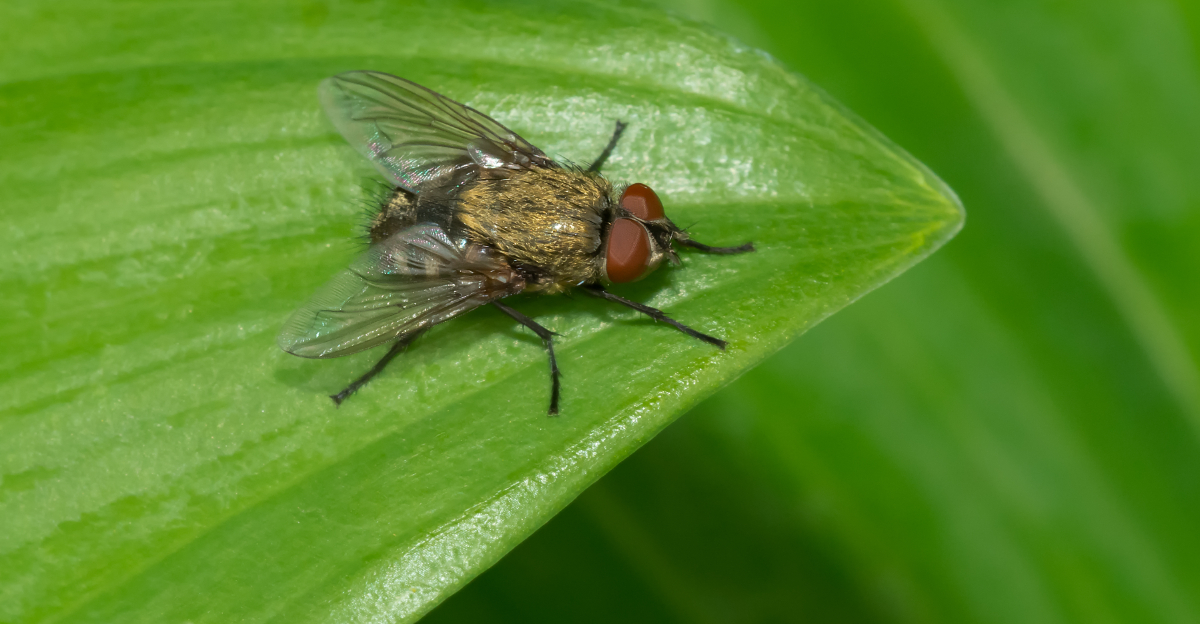
Cluster flies appearing inside Michigan homes in August are actually searching ahead for a safe, sheltered spot to spend the coming winter months.
These insects lay eggs in soil during summer, with larvae feeding on earthworms before adults emerge and begin seeking shelter well before cold weather actually arrives.
Homes with south facing walls tend to attract more cluster flies, since these areas absorb warmth that flies find particularly appealing during their search.
Small gaps around windows, doors, or siding provide easy entry points that flies use to access wall voids and attics undetected.
Once inside these hidden spaces, cluster flies remain dormant until warmer temperatures in fall or winter trigger unexpected activity indoors.
Sealing exterior gaps and cracks before their August search begins helps prevent flies from establishing shelter within your home’s walls.
Vacuuming any flies that do get inside works better than crushing them, which can leave stains and odor behind.
Understanding this seasonal search helps homeowners take preventive steps before cluster flies become a much bigger indoor nuisance later in the year.
1. They Want Winter Shelter
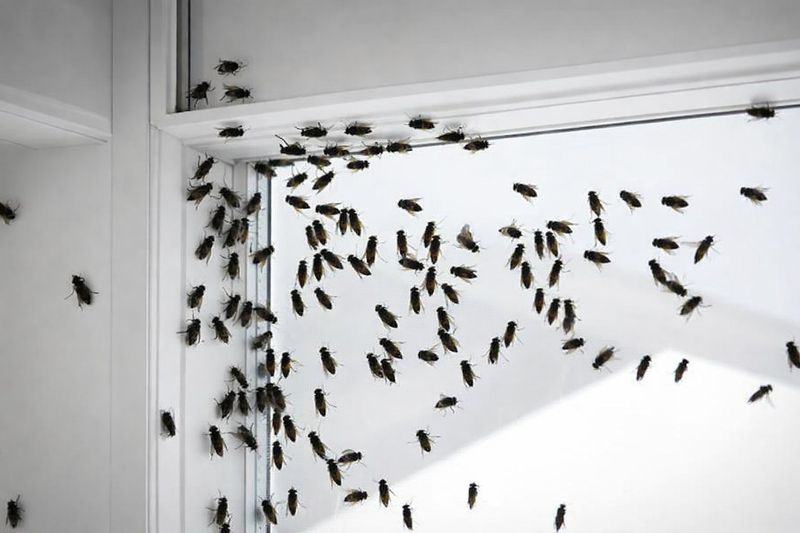
As late summer fades, cluster flies begin their search for a cozy place to wait out the cold months ahead. Michigan winters can be harsh, and these insects instinctively look for protected spots long before the first frost.
Unlike some bugs that stay active outdoors all year, cluster flies need a sheltered hideaway to survive freezing temperatures. That is why they start pressing toward buildings in August and September.
Your home, with its steady warmth and hidden pockets, looks like the perfect refuge to them.
They are drawn to structures that hold heat and offer calm, quiet corners. Barns, sheds, and houses all fit the bill, especially older ones with plenty of tiny openings. Once inside, they settle into a sleepy state and wait for spring.
This behavior is called overwintering, and it explains why you might spot dozens or even hundreds clustering together. They gather in groups partly for shared warmth and partly because they follow scent trails left by others.
Knowing their goal changes how you respond. Instead of feeling like your house is under attack, you can see it as simple survival instinct at work. The flies are not after your food or belongings.
Preparing early gives you the upper hand. If you understand that shelter is their real target, you can block access points before the rush begins and enjoy a calmer, quieter home through the chilly season ahead.
2. Warm Walls Draw Them In
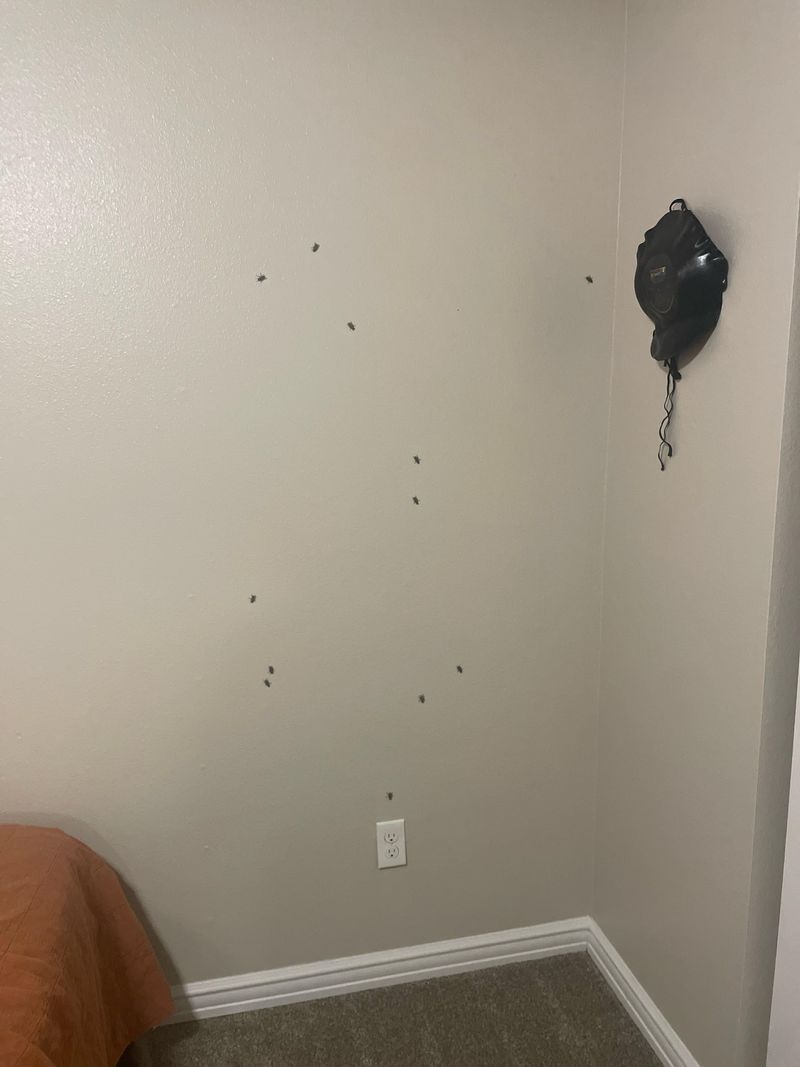
Picture a wall that soaks up the afternoon sun and radiates gentle heat as evening arrives. To a cluster fly, that warm surface is like a glowing invitation.
Homes in Michigan often have south and west-facing walls that catch the most sunlight during the day.
These spots stay warmer longer, and cluster flies naturally drift toward them as temperatures start to drop. The warmth signals a promising place to shelter.
You will often see them landing on sunny siding, brick, or stucco in the late afternoon. They rest there soaking up heat, then look for cracks and seams that lead deeper into the structure. The warmth acts like a beacon pulling them closer.
Your Michigan Garden Changes Every Week. Your Plan Should Too.
Gardening in Michigan changes quickly throughout the season. Every Friday you’ll receive a simple weekly plan showing exactly what to plant, prune, fertilize, harvest, and protect so you never miss the right timing.
Light-colored walls can be especially appealing because they reflect and hold heat well. Combine that with a quiet, undisturbed surface, and you have created an ideal gathering spot without even trying.
Homeowners sometimes wonder why one side of the house has far more flies than another. The answer usually comes down to sun exposure and the warmth those walls provide throughout the day.
Once you notice this pattern, you can focus your attention where it matters most. Inspect the warmest walls carefully, since that is where flies are most likely to search for entry points.
By sealing gaps on those sun-drenched sides first, you cut off the routes cluster flies favor. A little targeted effort in these hot spots goes a long way toward keeping them outdoors.
3. Attics Are Prime Hideouts
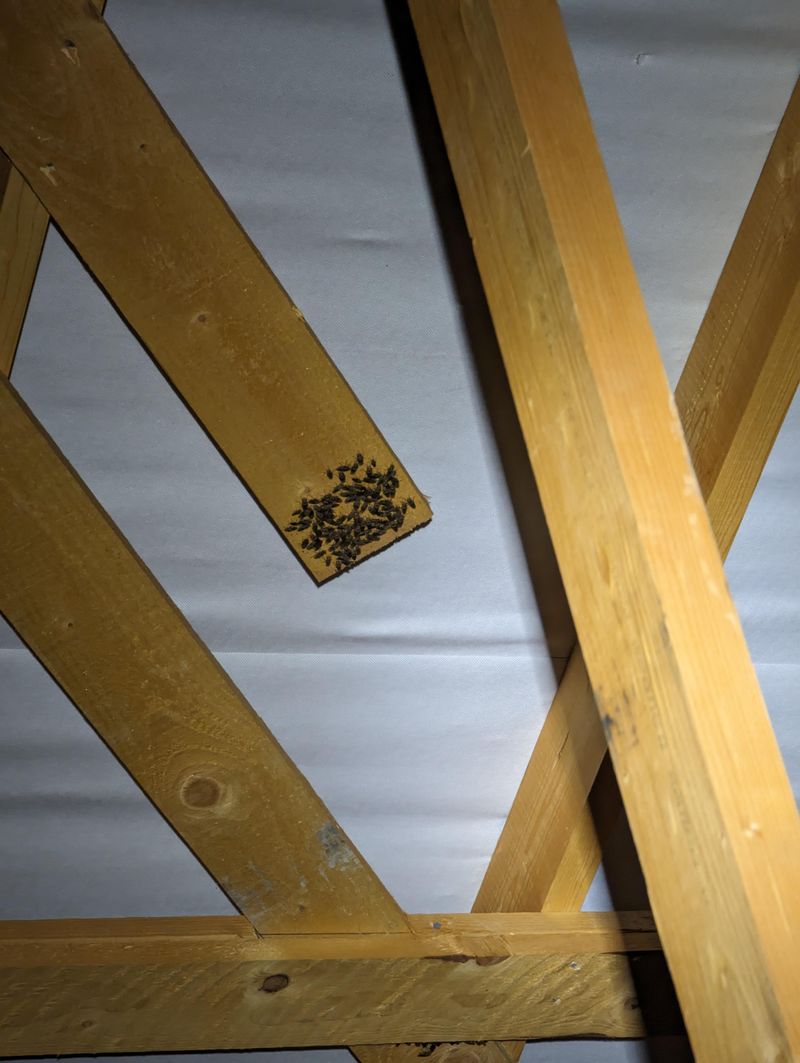
High above your living space sits a quiet, still area that cluster flies find irresistible. Attics offer everything they crave: warmth, calm, and plenty of hidden corners.
Heat rises, so the upper parts of a home tend to stay warmer than the lower floors. This makes attics and upper wall spaces some of the coziest places for flies to settle in during cooler months.
They tuck into insulation, rafters, and shadowy gaps where nothing disturbs them.
Because attics are rarely visited, flies can gather there in large numbers without anyone noticing right away. You might only discover them when a warm winter day tricks the insects into becoming active and buzzing near windows.
Upper wall voids connect to the attic in many homes, giving flies a natural pathway upward. Once they slip through a small opening near the roofline, they follow the warmth all the way to the top.
These spaces also stay dark and undisturbed, which suits their sleepy overwintering habits perfectly. The flies are not building anything or causing structural harm; they simply rest and wait.
Checking your attic in late summer can reveal early arrivals before the crowd grows. Look near vents, gable ends, and spots where light sneaks through, since those often mark entry points.
Sealing those openings and adding proper screening keeps the attic far less inviting. A well-protected roofline is one of the best defenses against a growing cluster fly gathering overhead.
4. Tiny Gaps Give Them Access
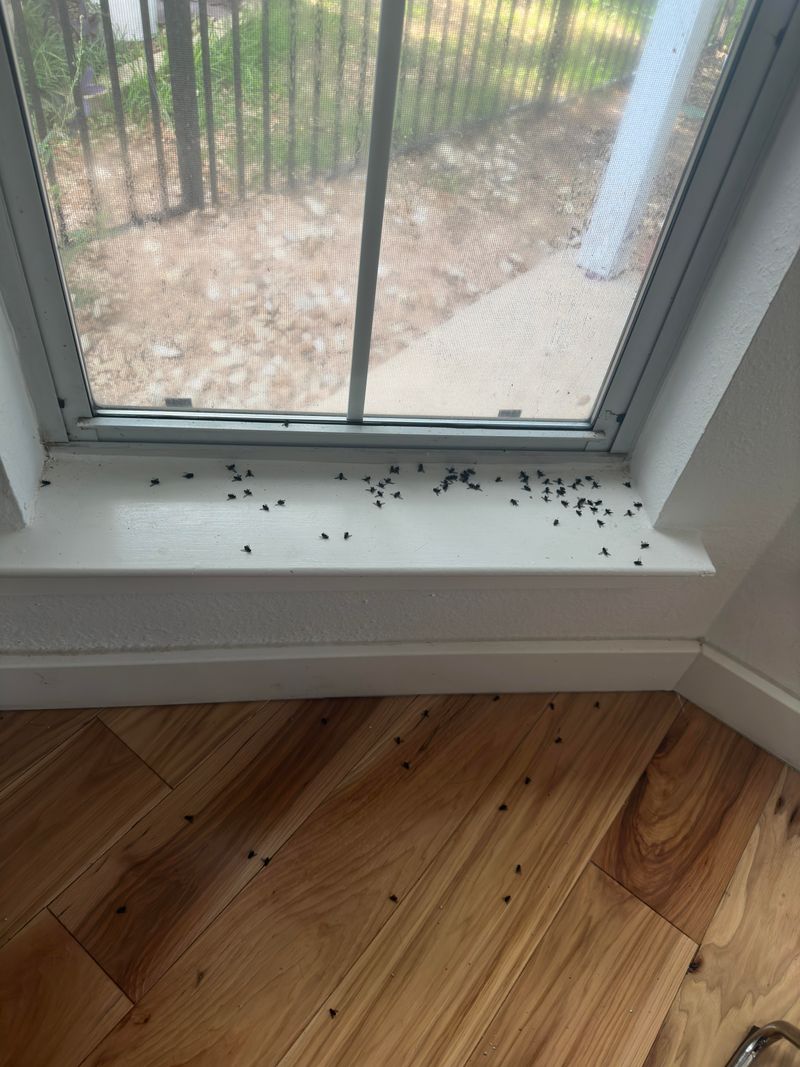
It only takes a sliver of space for a cluster fly to sneak indoors. These insects are surprisingly good at squeezing through openings you might never notice.
Around most homes, there are countless small gaps hiding in plain sight. Cracks along siding, spaces beside window frames, worn weatherstripping, and openings around vents all serve as doorways for flies seeking shelter.
Eaves and soffits are especially common trouble spots. The seams where different building materials meet often leave narrow channels that lead straight into wall voids and attics. Flies follow these paths without hesitation.
Vents designed for airflow can accidentally become fly highways if their screens are torn or missing. Even a gap the width of a pencil is enough for a determined insect to slip through.
Older homes tend to have more of these openings simply because materials shift and settle over time. Yet even newer houses have vulnerable points around utility lines, pipes, and cable entries.
Finding these gaps takes a little detective work. On a sunny day, stand inside a dim room and look for daylight sneaking through cracks, since those beams reveal exactly where flies can enter.
Caulk, foam, and fresh weatherstripping make quick work of most small openings. Repairing damaged screens on vents adds another layer of protection.
By treating these tiny gaps as the front doors they really are, you can shut out cluster flies before they ever reach the warm hiding spots they are aiming for.
5. They Are Not Looking For Food
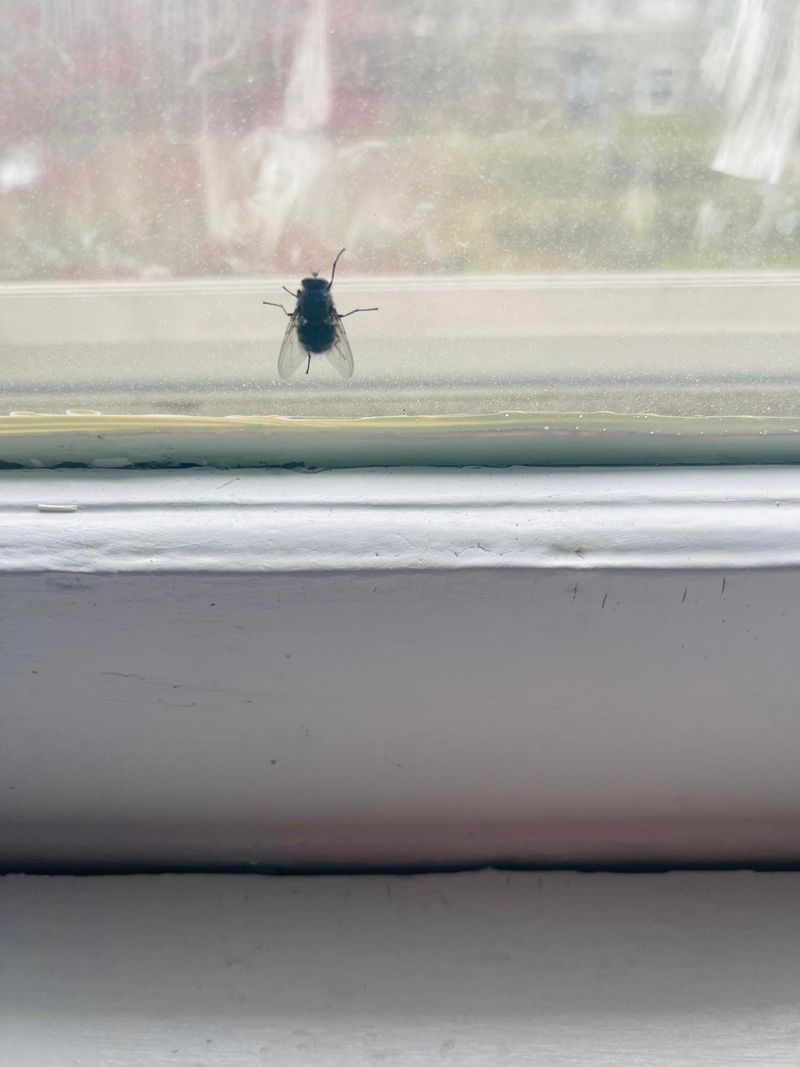
Here is something that surprises many people: cluster flies have zero interest in your leftovers. Unlike house flies, they are not drawn to garbage, crumbs, or kitchen scraps.
When you spot them crawling on a windowpane, they are not hunting for a snack. Their whole mission indoors is finding a warm, safe spot to rest through winter. Food simply is not part of the plan.
House flies and fruit flies gather around trash cans and ripe produce because that is where they eat and lay eggs. Cluster flies behave completely differently, which is good news for your kitchen.
You will rarely find them buzzing over a fruit bowl or landing on dinner plates. Instead, they head straight for windows and warm walls as they try to reach sheltered hideaways.
This difference matters when you decide how to handle them. Setting out food traps meant for other flies will not work, since these insects are not tempted by bait.
Because they are not feeding indoors, they do not spread food-related messes the way kitchen pests can. Their presence is more of an annoyance than a health worry.
Understanding their true goal saves you time and effort. Rather than scrubbing counters or hiding snacks, you can focus on sealing entry points and blocking access to warm hiding places.
Once you realize food is off their radar, the mystery fades. These flies want shelter, plain and simple, and knowing that helps you respond in the smartest way possible.
6. They Do Not Reproduce Indoors
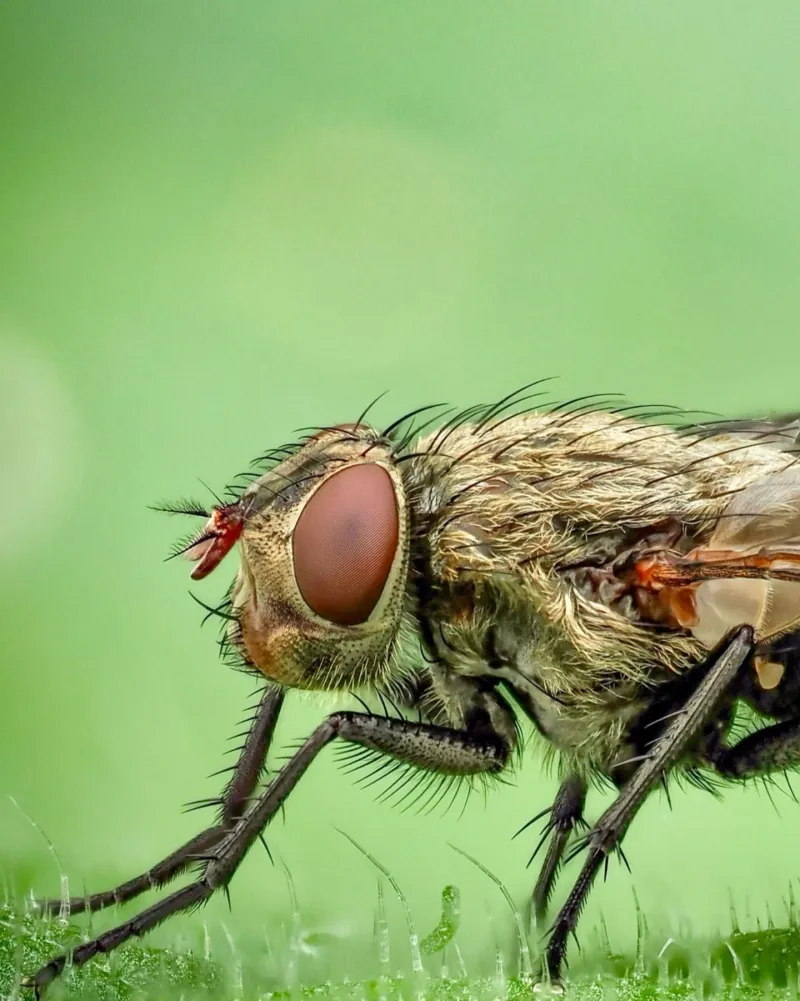
One worry that keeps homeowners up at night is the fear of flies multiplying inside the walls. With cluster flies, you can breathe easy, because they do not breed indoors.
All of their reproduction happens outside in the soil and grassy areas. The adults that wander into your home in late summer are simply looking for a place to rest, not to raise young.
Inside your house, these insects stay in a sleepy, inactive state through the cold season. They are not laying eggs, and no new generation is forming in your attic or walls.
Sometimes people see flies appear on a warm winter day and assume a colony is growing indoors. In reality, those are the same insects that entered months earlier, roused by the sudden warmth.
Because there is no indoor breeding, the number of flies you have will not explode on its own over the winter. What comes in from outside is essentially all you will deal with.
This fact shapes the best approach to managing them. Since new flies are not born inside, sealing entry points in late summer stops the problem at its source.
Vacuuming up any that wander into living areas is safe and simple, and it will not trigger a hidden population to grow. You are only removing individuals seeking shelter.
Knowing they cannot reproduce indoors removes a lot of stress. Your real focus should be keeping outdoor flies from getting in during those crucial late-summer weeks.
7. Earthworms Explain Their Summer Life
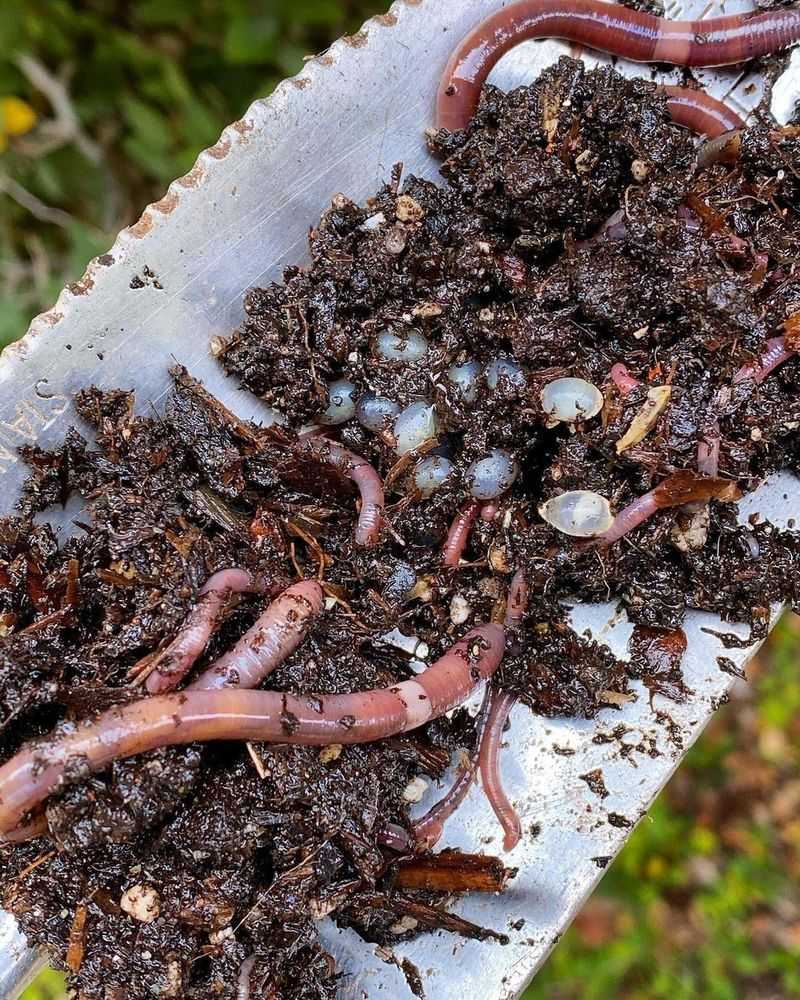
The secret to a cluster fly’s summer story lies hidden beneath your lawn. Their young grow up in the soil, connected to a creature most people love: the humble earthworm.
Female cluster flies lay their eggs in cracks in the ground near grassy, moist areas. When the tiny larvae hatch, they seek out earthworms to develop.
These larvae live as parasites, feeding on and growing inside earthworms during the warm months. It sounds strange, but it is a completely natural part of their life cycle out in the yard.
Several rounds of these young flies can develop over a single summer, depending on the weather. Warm, damp conditions with plenty of earthworms create the perfect setting for them to thrive.
Once the larvae mature, they emerge from the soil as adult flies ready for the next chapter. By late summer, those adults shift their focus toward finding winter shelter.
That transition is exactly why you start seeing them near your home in August. They have finished their outdoor development and are now hunting for a warm place to wait out the cold.
Because their entire early life happens in lawns and fields, homes near grassy, rural areas often notice more of them. The connection to earthworms explains why these flies show up in certain neighborhoods more than others.
Understanding this cycle helps make sense of the timing. The flies appearing at your windows are simply grown-up insects following an ancient outdoor rhythm toward shelter.
8. Seal The House Before More Arrive
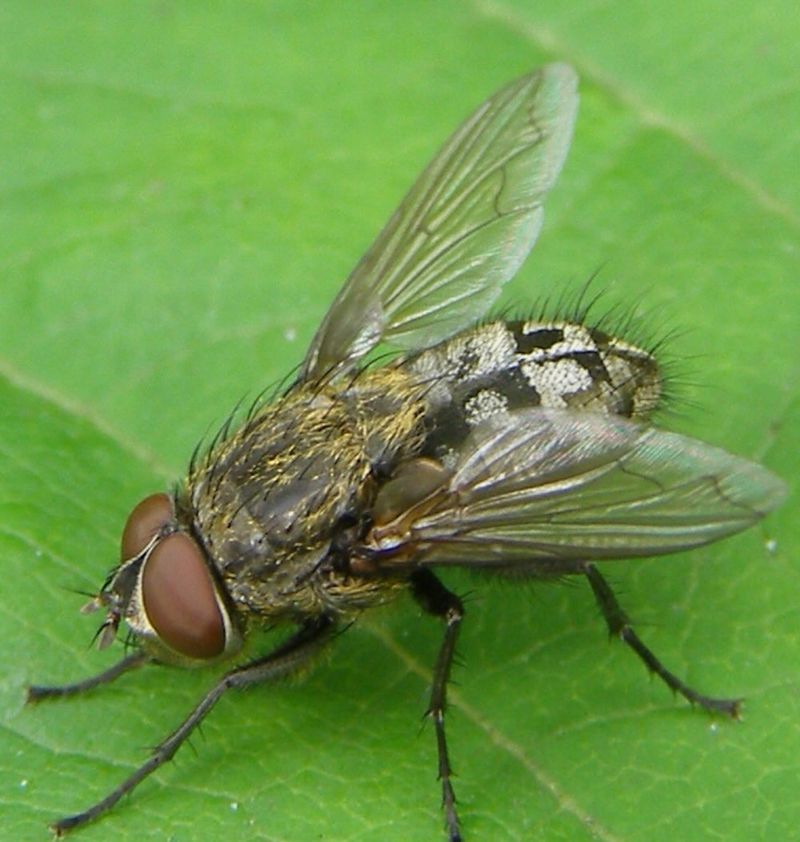
Timing is everything when it comes to stopping cluster flies, and late summer is your golden window. Sealing your home before the flies gather gives you the best shot at a peaceful season.
Once cold weather pushes them toward buildings, they search hard for any opening. If those gaps are already closed, the flies move along to easier targets elsewhere.
Start by walking around your house and inspecting the areas where flies love to enter. Focus on cracks in siding, spaces around windows, worn eaves, and vents with damaged screens.
Caulk works wonders for small cracks, while expanding foam handles larger gaps around pipes and utility lines. Fresh weatherstripping around doors and windows adds another solid barrier.
Repairing or replacing torn screens on attic vents and soffits blocks common overhead entry points. These simple fixes make your home far less welcoming to shelter-seeking insects.
Doing this work early matters because flies follow scent trails left by others. If the first few cannot get in, fewer will be signaled to gather at your walls.
Sealing also brings bonus benefits beyond fly control. The same gaps that let insects in can leak heat, so closing them helps lower energy costs during winter.
A little effort now saves you from weeks of swatting and vacuuming later. By blocking their path before the crowd arrives, you keep your home comfortable and quiet.
Think of it as locking the doors before guests you never invited show up expecting a warm place to stay.