What Deer Eat In Early Spring In North Carolina And How To Protect Your Garden
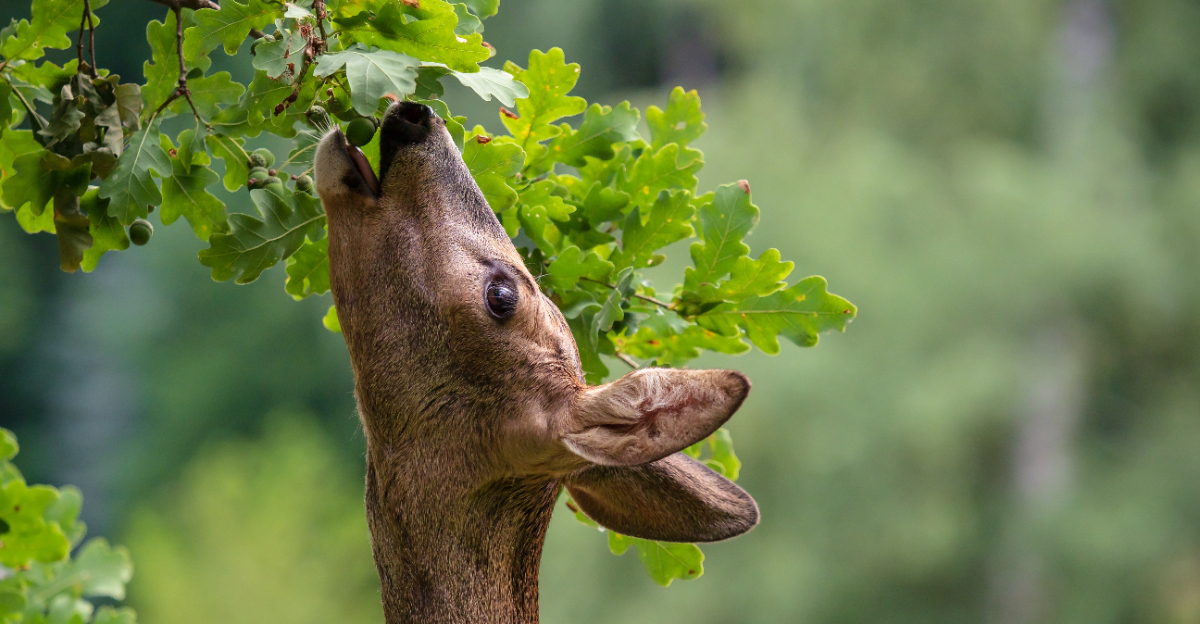
Spring gardens in North Carolina often start strong, but hungry deer can quickly change the picture. As winter food sources fade and new growth begins to appear, deer move through neighborhoods searching for the freshest plants they can find.
For many gardeners, that first wave of spring growth turns into an easy target before they even realize what is happening. Across the Coastal Plain, Piedmont, and Mountain regions, deer activity tends to rise during early spring.
Tender shoots, young leaves, and freshly planted flowers are especially appealing, and a quiet overnight visit can leave a garden looking badly damaged by morning. The key to protecting your landscape is knowing which plants deer prefer the most.
Once you understand what draws them in, you can make smarter choices that help keep your North Carolina garden healthy, productive, and far less inviting to wandering deer.
1. Lettuce
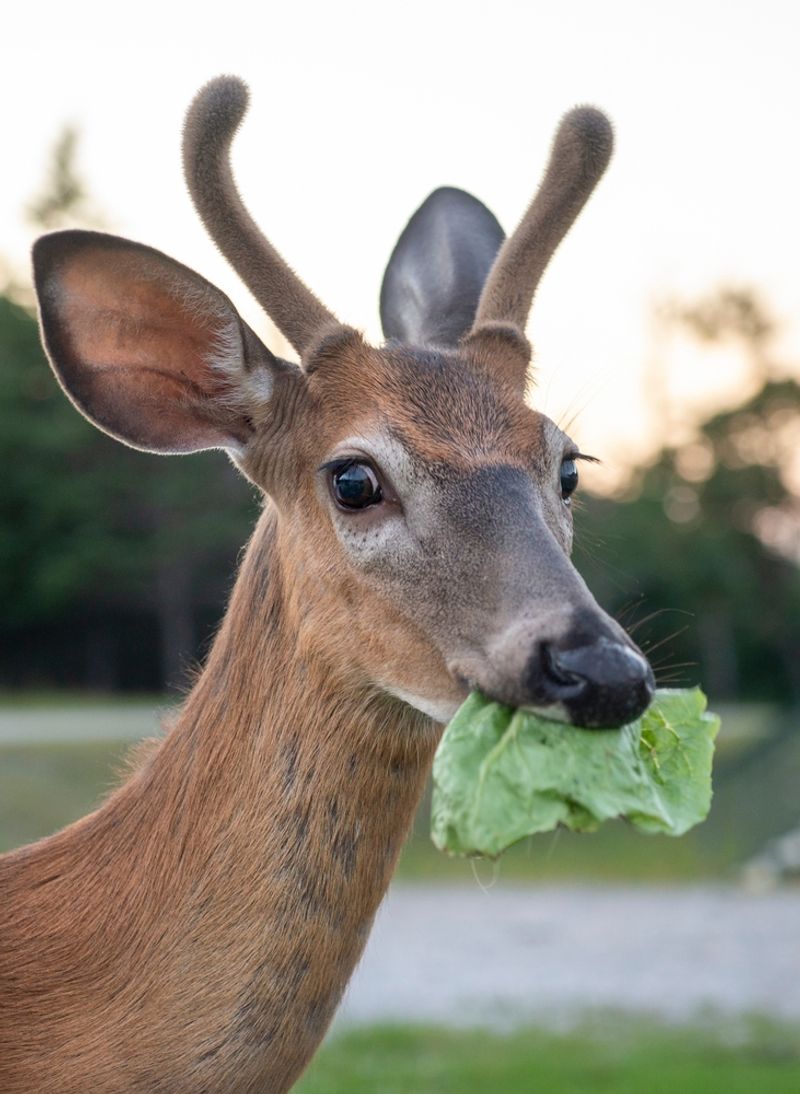
Few things are as frustrating as planting a beautiful row of lettuce, only to find it half gone by morning. Deer in North Carolina absolutely love tender spring lettuce, and they will visit your garden repeatedly once they find it.
The soft, moisture-rich leaves are basically irresistible to a hungry deer looking for an easy meal in early spring.
Protecting your lettuce starts with creating a physical barrier. A simple deer-resistant fence standing at least six to eight feet tall works very well around raised beds or garden rows.
You can also drape lightweight netting directly over your lettuce plants, which keeps deer from reaching down and browsing through your crop.
Companion planting is another smart strategy that many North Carolina gardeners swear by. Planting strong-scented herbs like rosemary, sage, or lavender right alongside your lettuce can confuse and discourage deer from getting too close.
Deer rely heavily on their sense of smell, so sharp herbal scents nearby can send them looking elsewhere. Combining fencing with companion planting gives your lettuce the best possible protection.
Even a few simple steps taken early in the season can save your entire crop from repeated browsing damage throughout the spring months ahead.
2. Spinach

Spinach might be one of the most nutritious vegetables you grow, but deer in North Carolina think so too. Young spinach shoots that emerge in early spring are especially attractive because they are soft, sweet, and loaded with moisture.
If deer find your spinach patch, they can wipe out an entire planting in just one or two nighttime visits.
Physical barriers are your most reliable line of defense. Floating row covers made from lightweight fabric are easy to lay directly over your spinach bed and can block deer access while still letting sunlight and rain through.
These covers are affordable, reusable, and widely available at garden centers across North Carolina.
Deer repellent sprays are another solid option worth adding to your routine. Look for sprays that contain ingredients like putrescent egg solids or hot pepper extract, both of which create smells and tastes that deer strongly dislike.
Apply repellents consistently, especially after rainfall washes them away. Motion-activated sprinklers placed near your spinach bed can also startle deer and train them to avoid the area over time.
Rotating your deterrent methods regularly keeps deer from getting too comfortable around your garden and prevents them from learning to ignore any single protective strategy you put in place.
3. Kale
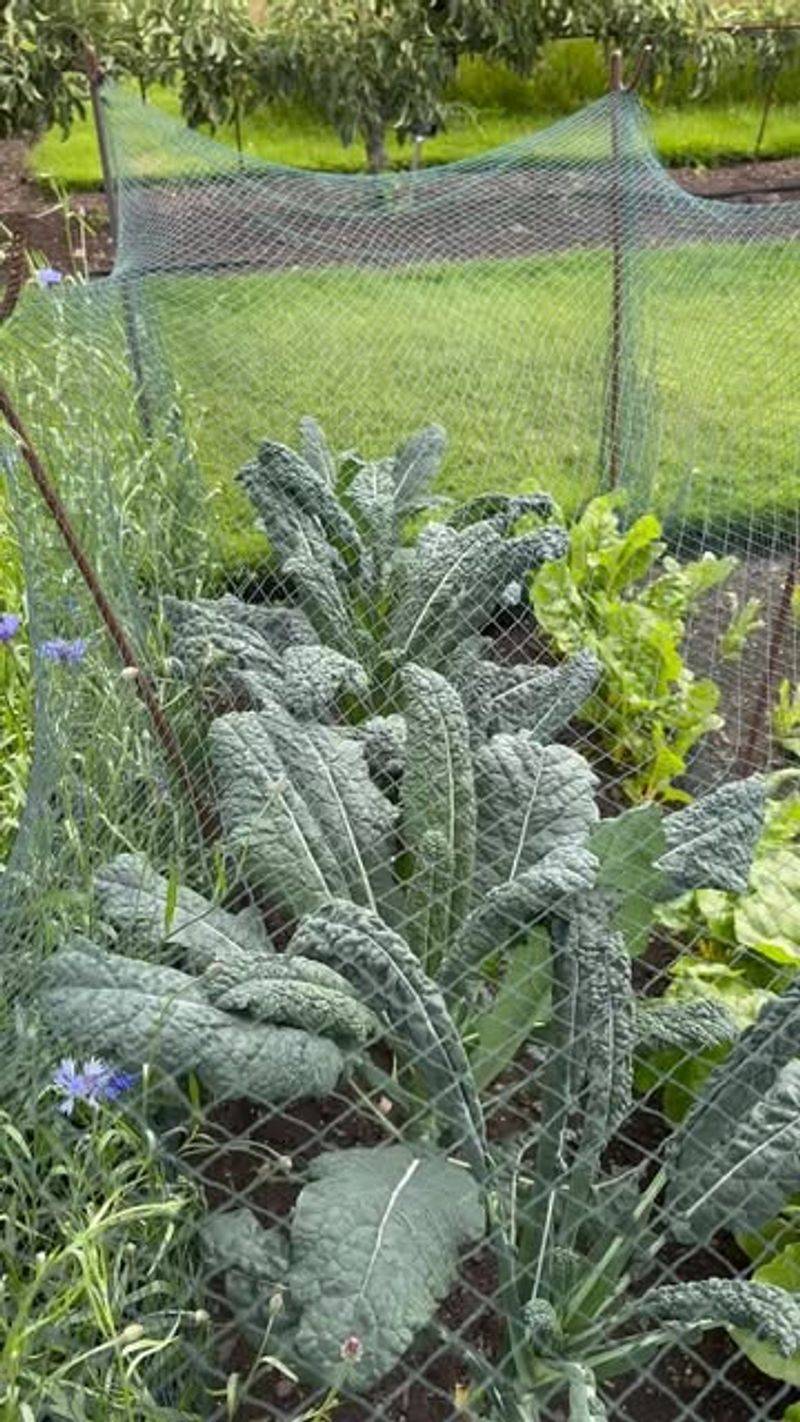
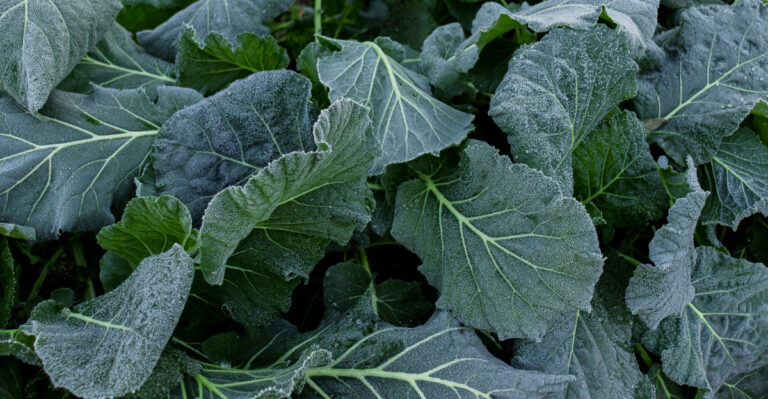
Kale is tough, cold-hardy, and incredibly popular in North Carolina gardens, but deer do not care about any of that. When tender new kale leaves begin emerging between March and April, deer see them as an easy and nutritious snack.
The broad, slightly sweet leaves of young kale are particularly appealing during early spring when other food sources are still hard to find.
One of the most effective ways to protect kale is installing a proper fence around your garden area. Experts and North Carolina wildlife resources both recommend fences standing at least six to eight feet tall, since deer are surprisingly strong jumpers.
Make sure the fence has no gaps larger than six inches at the bottom, because deer will squeeze through surprisingly small openings if they are motivated enough.
Interplanting kale with deer-resistant species adds another layer of protection without much extra work. Alliums like garlic and ornamental onions emit strong scents that deer tend to avoid.
You could also try surrounding your kale beds with catmint or yarrow, both of which are unattractive to deer. Combining smart plant placement with solid fencing gives your kale the strongest possible defense.
Starting these protective measures before deer first discover your garden is always the smarter approach rather than reacting after damage has already occurred.
4. Radishes
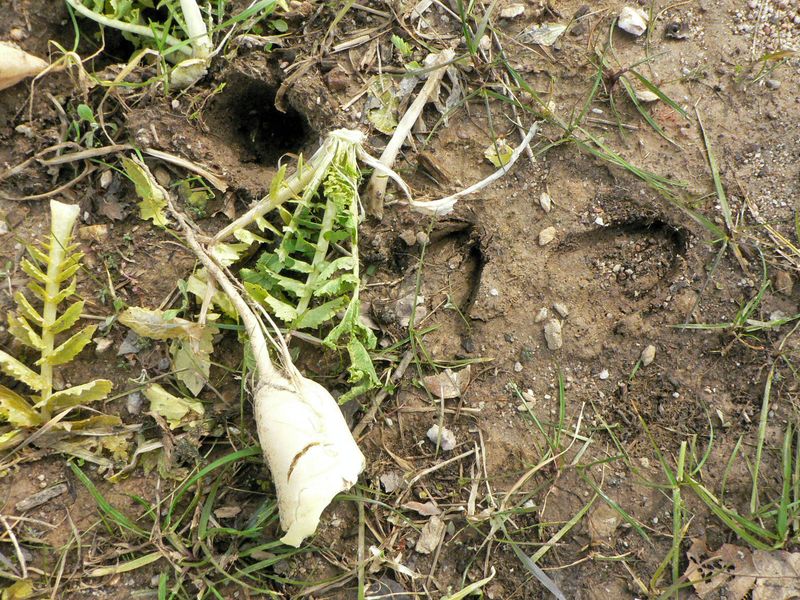
Radishes grow fast and pop up early, making them one of the first crops ready in a North Carolina spring garden. That speed is great for gardeners but also catches the attention of hungry deer passing through.
While deer are not always the biggest fans of the spicy radish root itself, they will happily nibble on the tender, leafy green tops that shoot up in early spring.
Floating row covers are one of the easiest and most effective tools for protecting radish greens. Simply lay the lightweight fabric over your planting area right after sowing seeds, and secure the edges with garden staples or rocks.
The covers let in water and sunlight while keeping deer from reaching down to browse your emerging greens.
Deer repellent sprays also work well around radish beds. Products containing garlic oil or pepper-based compounds are particularly effective and widely available at garden supply stores across North Carolina.
Spray around the perimeter of your bed and directly on the foliage every week or two, and always reapply after heavy rain. Some gardeners also place motion-activated lights or noise devices near their vegetable beds for added deterrence.
Rotating deterrent methods throughout the season keeps deer from adapting and returning to the same spot night after night during the busy spring growing period.
5. Tulips
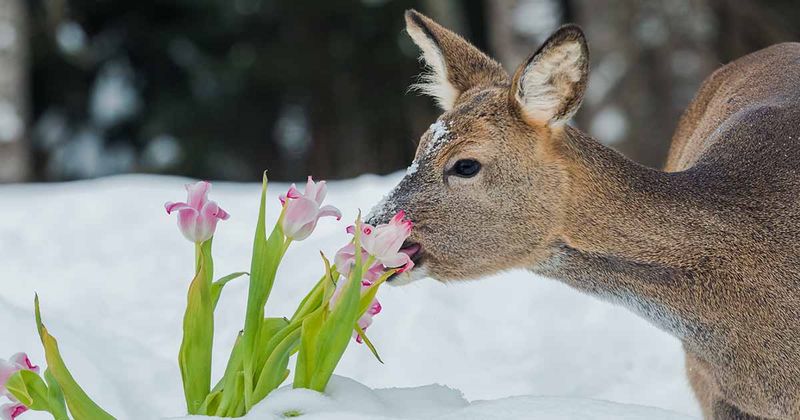
Tulips are one of the most beloved spring flowers in North Carolina gardens, but they are also one of the most targeted by deer. Deer seem especially drawn to tulip shoots and buds just before the flowers fully open, which means all of your anticipation and effort can disappear overnight.
It is genuinely one of the most disheartening experiences for any garden enthusiast who has waited all winter for those blooms.
Planting tulips in raised beds with built-in fencing is one smart solution. The extra height makes it harder for deer to reach in and browse, especially if you add a simple wire or mesh frame over the top.
Some gardeners in North Carolina also report success with motion-activated sprinkler systems placed near flower beds, which startle deer and train them to stay away over time.
Surrounding your tulips with deer-resistant plants is another practical strategy. Daffodils, alliums, and hyacinths are all known to repel deer naturally due to their strong scents or bitter taste.
Planting these around the edges of your tulip display creates a natural buffer zone. Commercial deer repellent sprays applied directly to tulip foliage and buds every seven to ten days also provide solid protection.
Starting these protective steps early, before deer first discover your tulip bed, gives your blooms the best chance of surviving the spring season fully intact.
6. Daffodils
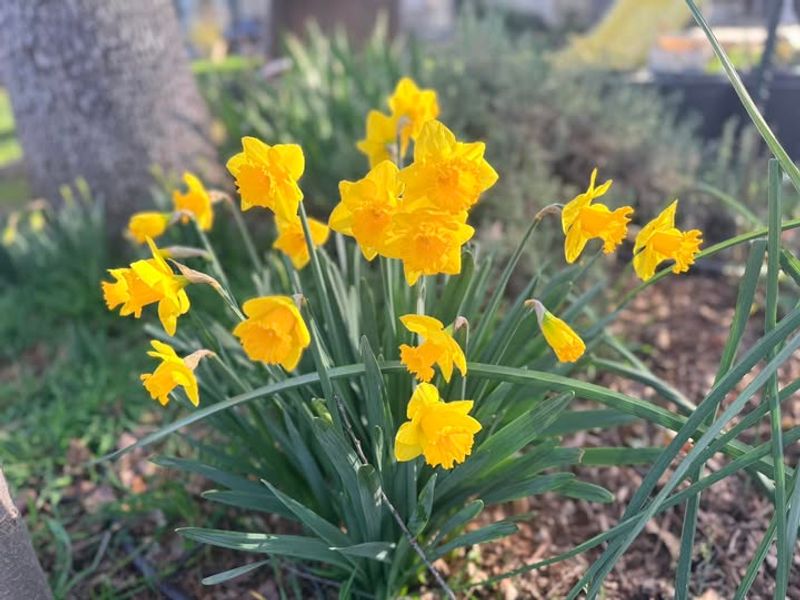
Here is some genuinely good news for North Carolina gardeners: daffodils are one of the most naturally deer-resistant plants you can grow. The bulbs and foliage contain lycorine, a naturally occurring compound that tastes bitter and causes stomach upset in deer.
Because of this, deer almost always avoid healthy, established daffodil plants when other food choices are available nearby.
That said, there are occasional exceptions worth knowing about. Very young or damaged daffodil shoots in early spring might get sampled by a curious deer, especially in areas where food is particularly scarce.
Newly planted bulbs that have not fully established can also be nudged or disturbed by deer digging around in garden beds looking for other food sources.
Planting daffodils densely and pairing them with other repellent species adds extra security to your North Carolina garden. Using daffodils as a border plant around more vulnerable species like tulips or lettuce is a brilliant and beautiful strategy.
Their strong scent alone discourages many deer from approaching the area at all. You can also apply a perimeter spray of commercial deer repellent around your daffodil bed as a backup measure during peak deer activity in early spring.
Overall, daffodils remain one of the smartest choices for any North Carolina gardener who wants reliable, low-maintenance protection against spring deer browsing season.
7. Spineless Swiss Chard
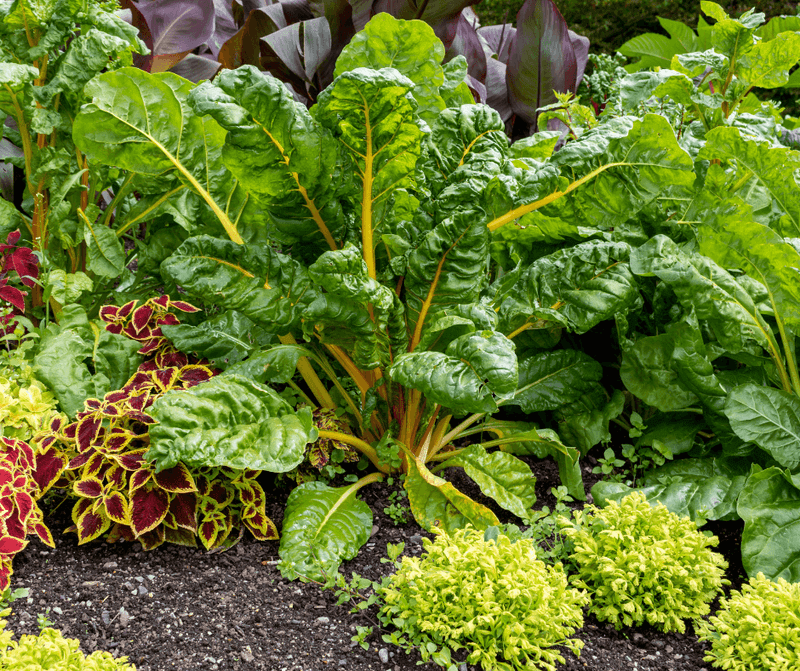
Spineless Swiss chard is a standout in any spring garden, with its brilliantly colored stems and broad, leafy greens. Unfortunately, those same tender leaves that make chard so appealing to gardeners also make it a target for deer in North Carolina.
Early spring is when the risk is highest, since deer are actively searching for fresh, nutrient-rich vegetation after a long winter season.
Fencing remains the gold standard for protecting Swiss chard. A sturdy fence standing six to eight feet tall around your garden perimeter is the most reliable barrier available.
For smaller raised beds, you can build a simple wire cage or hoop structure covered with deer netting to keep browsing animals away from your plants without blocking sunlight or airflow.
Companion planting can also reduce deer pressure on your chard significantly. Strong-scented plants like garlic, chives, and lavender planted nearby create an aromatic barrier that deer find off-putting.
Some North Carolina gardeners also hang bars of soap or place small pouches of human hair around the garden, using the unfamiliar scent as a natural deterrent.
While these tricks work best as part of a broader strategy, they can add a useful extra layer of protection.
Combining physical barriers with scent deterrents and smart companion planting gives your colorful Swiss chard the best possible chance of reaching harvest without deer interference this spring.
8. Young Fruit Tree Leaves (Apple, Peach, Pear)
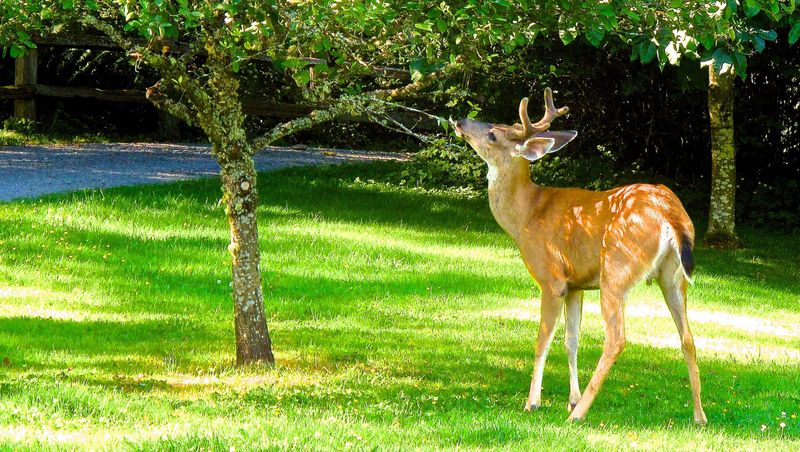
Young fruit trees are incredibly vulnerable in early spring, and deer in North Carolina know it. Apple, peach, and pear trees produce tender new leaf shoots and soft bark in early spring that deer find highly attractive.
A deer browsing on a young tree does not just remove a few leaves, it can strip branches, rub bark, and set back the tree’s growth significantly for the entire season ahead.
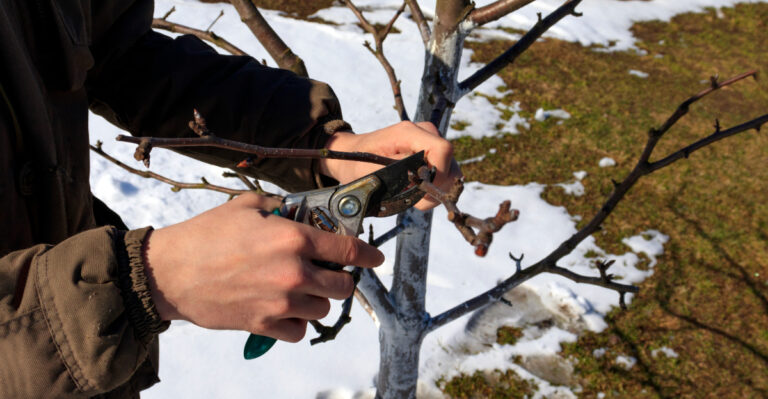
Tree guards are one of the most practical and affordable protective tools available for young orchards. These plastic or wire cylinders wrap around the trunk and lower branches, physically blocking deer from reaching the tender growth.
Make sure the guard is tall enough to cover the entire browsable area, since deer can reach higher than most people expect.
Fencing around individual trees or your entire orchard block is the most complete solution for serious fruit growers across North Carolina. A fence at least eight feet tall with no large gaps at the base will deter most deer from entering the area at all.
Deer repellent sprays applied to the foliage and lower branches every week or two provide helpful backup protection, especially during peak deer activity in early spring.
Checking your trees regularly for signs of browsing lets you catch problems early and adjust your protection strategy before significant damage occurs to your investment.
9. Blueberry Shoots
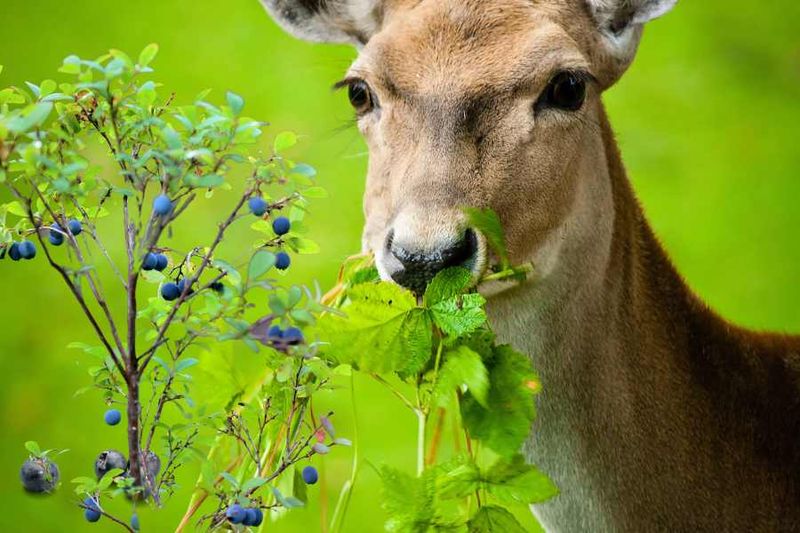
Blueberries are one of the most rewarding crops you can grow in North Carolina, but deer have a real weakness for the tender new leaves and buds that emerge on blueberry bushes in early spring.
Vaccinium species, which include most cultivated blueberries, push out soft, sweet new growth right when deer are hungriest.
A single deer can browse through multiple blueberry bushes in one night, removing the very buds that would have become this season’s fruit.
Netting stretched over individual bushes or entire rows is one of the most effective short-term solutions available to North Carolina blueberry growers. Make sure the netting is secured tightly at the base so deer cannot simply push it aside or reach underneath.
Lightweight bird and deer netting is widely available and easy to install before the growing season picks up in late February or early March.
For long-term protection, a proper perimeter fence around your blueberry planting is the smartest investment you can make. An eight-foot fence with no gaps larger than six inches at the base will reliably exclude deer throughout the season.
Deer repellent sprays applied to the new shoots every seven to ten days also help reduce browsing pressure during peak spring activity.
Rotating between different repellent products prevents deer from getting used to any single scent or flavor, keeping your blueberry harvest well protected all the way through the season.