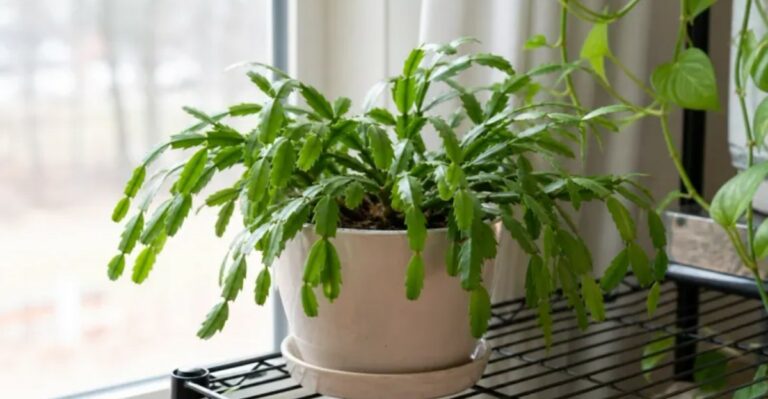
What Drooping North Carolina Daylilies In Late Summer Are Really Telling You
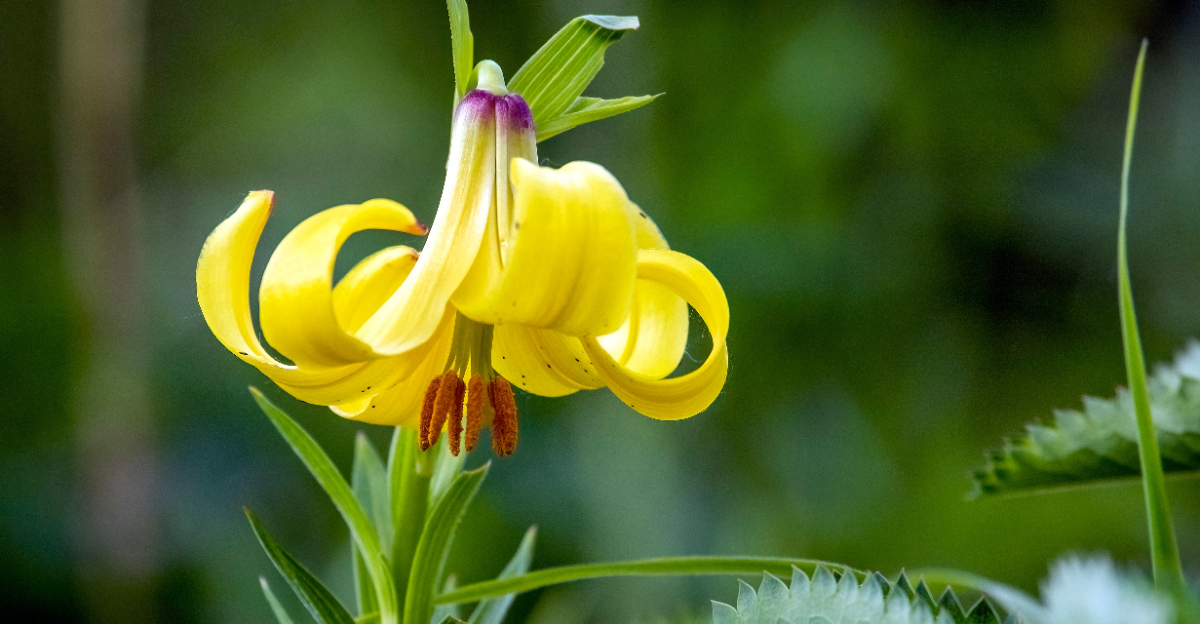
Your daylilies stood tall and proud through June, stealing the spotlight in every corner of the yard. Now those same stems are bowing toward the dirt like they’re carrying something too heavy to hold.
North Carolina summers don’t play fair. Thick humidity, sudden downpours, and stretches of blistering sun push even the sturdiest bloomers past their limits.
But the slump you’re noticing might have nothing to do with the weather at all. Something quieter could be happening just beneath the surface, and it rarely makes noise before it shows up in the leaves.
Catch the right clues early, and turning those tired stalks back into upright showstoppers becomes surprisingly simple, maybe even a little fun.
Heat Stress Is Often The First Culprit

Scorching afternoons hit hard. When temperatures climb above 90 degrees, daylilies start showing drooping leaves as a survival response.
The plant is not broken; it is conserving moisture. Think of it as the flower equivalent of finding shade on a hot sidewalk.
North Carolina summers are notoriously brutal, especially from July through September. Afternoon sun in piedmont and coastal regions can push soil temperatures dangerously high.
That sagging look often signals an overheated root zone struggling to keep up. The leaves lose turgor pressure when the plant cannot pull enough water fast enough.
Morning hours are when daylilies look their best, standing tall and green. By two in the afternoon, even healthy plants can sag under relentless sun exposure.
One smart fix is adding a two-inch layer of mulch around the base. Mulch keeps soil cooler and slows moisture loss between watering sessions.
Avoid mulching directly against the crown, though. Crowding the crown traps humidity and invites fungal problems worth avoiding.
Reflective heat from driveways, patios, and light-colored walls can make heat stress worse. Relocating potted specimens to afternoon shade solves the problem quickly.
If your plants perk back up by evening, heat stress is almost certainly the cause. That bounce-back pattern is your clearest clue that no permanent damage has occurred.
Watering Habits That Make Drooping Worse
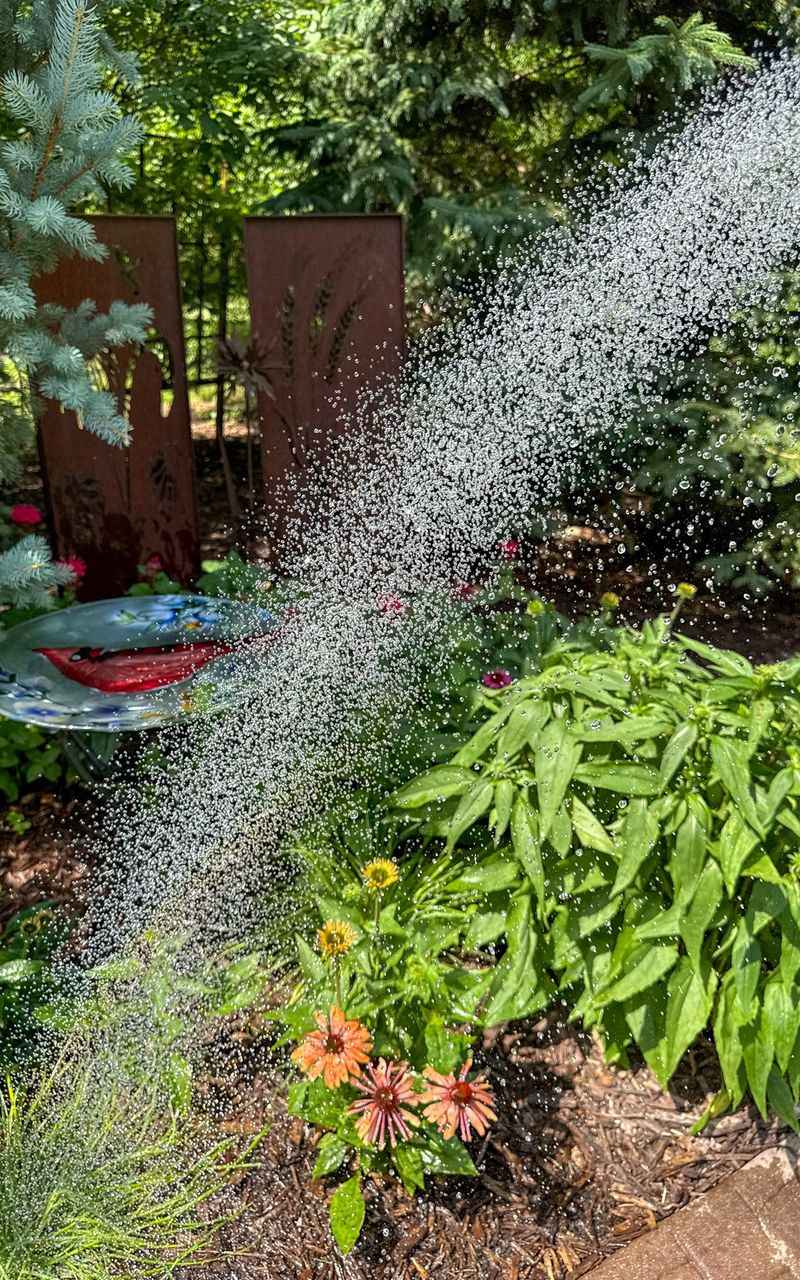
Watering at the wrong time is a sneaky problem. Many gardeners water daily but still end up with drooping, stressed plants.
Shallow, frequent watering trains roots to stay near the surface. Surface roots dry out faster and suffer more during hot spells.
Deep, infrequent watering is the smarter approach for daylilies. Aim for one inch of water per week, delivered slowly and thoroughly.
Evening watering sounds convenient, but wet foliage overnight encourages leaf spot and crown rot. Morning watering gives leaves time to dry before temperatures drop.
Overwatering is just as damaging as drought, and it is far more common than most gardeners admit. Soggy roots cannot absorb oxygen, and the plant wilts from stress rather than thirst.
Push a finger two inches into the soil near the crown. If it feels moist, skip the watering session entirely and check again tomorrow.
Drip irrigation makes a real difference for summer daylily care. It delivers water directly to the root zone without wetting foliage or wasting a drop.
Your North Carolina Garden Changes Every Week. Your Plan Should Too.
Gardening in North Carolina changes quickly throughout the season. Every Friday you’ll receive a simple weekly plan showing exactly what to plant, prune, fertilize, harvest, and protect so you never miss the right timing.
Inconsistent watering schedules also cause problems that look like disease or pest damage. Stick to a reliable routine and those sagging stems will straighten right back out.
A simple rain gauge in the garden takes all the guesswork out of irrigation. Seeing exactly how much rain fell helps you water smarter, not harder.
Soil Drainage Problems Hiding Beneath The Surface
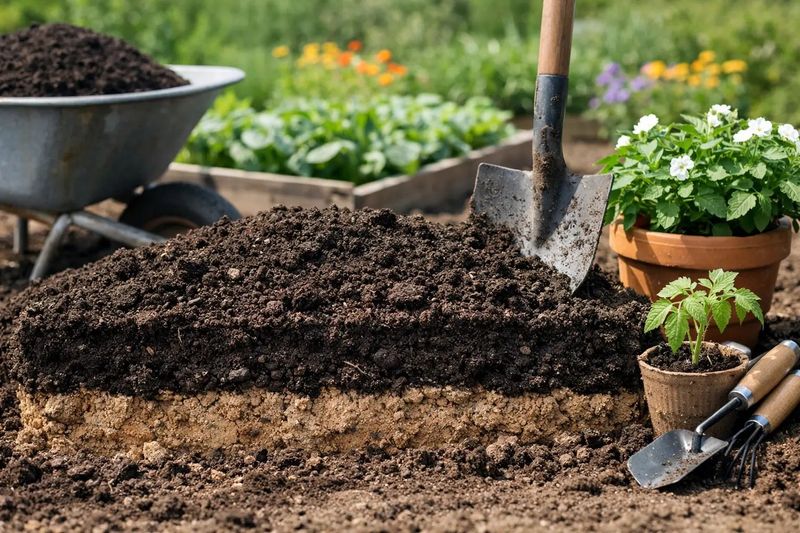
Bad drainage is a silent troublemaker. You can water perfectly and still end up with wilting, sad-looking daylilies if the soil beneath them holds too much moisture.
North Carolina has a lot of heavy clay soil, especially in the piedmont region. Clay compacts easily and holds water long after rain stops falling.
Roots sitting in waterlogged soil begin to struggle within days. They cannot absorb nutrients efficiently, and the whole plant starts drooping as a result.
Dig down six inches near a drooping plant and look at the soil color. Grayish or bluish-tinged soil signals poor drainage and possible root suffocation.
Raised beds are a popular and effective solution for clay-heavy yards. Elevating the planting area by just eight to twelve inches dramatically improves drainage and root health.
Amending soil with compost and organic matter helps break up clay over time. Adding perlite to the mix improves aeration without changing the soil structure too drastically.
Avoid tilling wet clay soil, as it creates hard clumps that are even worse for roots. Wait until the soil crumbles easily before working it with any garden tool.
Planting daylilies on a gentle slope naturally encourages runoff. Even a slight grade keeps water moving away from the crown and root zone.
Fixing drainage issues now pays off for years of future blooms. Healthy soil beneath the surface is the foundation every drooping daylily desperately needs.
Pest And Disease Signs Worth Ruling Out
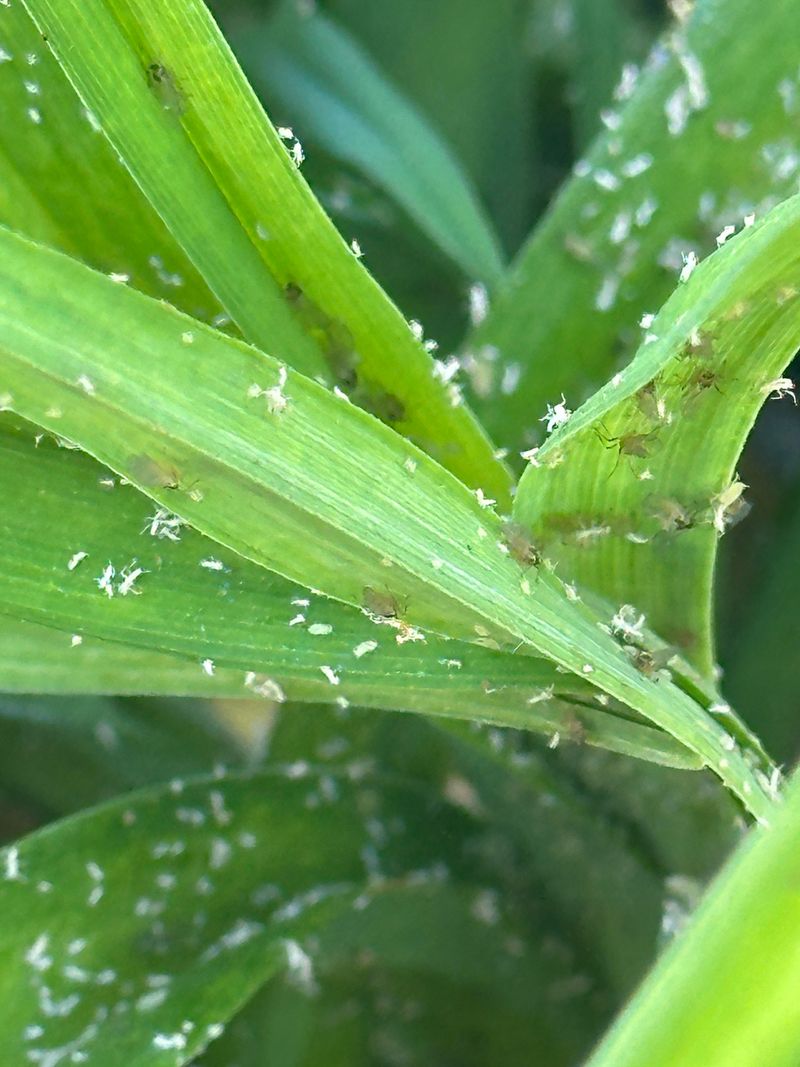
Not every droop is about water or heat. Sometimes tiny pests are quietly causing big problems beneath those wilting leaves.
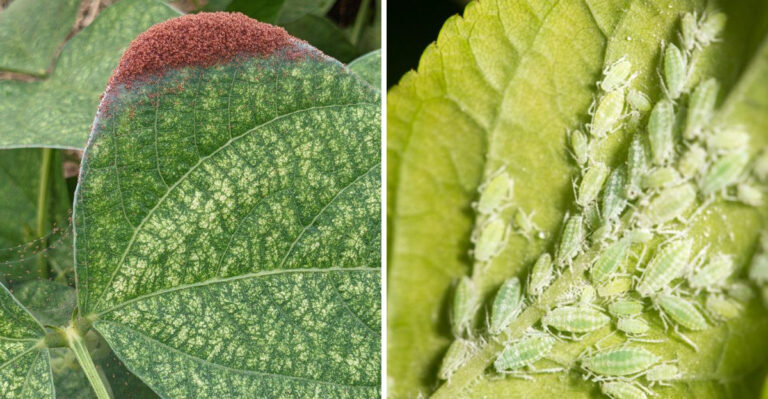
Aphids cluster on new growth and suck plant sap, leaving foliage weak and limp. A strong blast of water from a hose knocks them off fast and effectively.
Spider mites love hot, dry conditions and thrive in late summer gardens. Look for fine webbing on leaf undersides and a dusty, bronze discoloration across the foliage.
Daylily rust is a fungal disease that spreads quickly in humid climates. Rust shows up as orange or yellow powdery pustules on leaf surfaces.
Leaf streak disease causes yellow streaking along the length of the leaf. Affected leaves eventually brown and collapse, making plants look far worse than they actually are.
Crown rot is the most serious problem and is usually linked to overwatering or poor drainage. Infected crowns turn mushy and smell unpleasant when you pull the plant from the ground.
Thrips are tiny insects that feed inside flower buds and on foliage. Their damage creates silvery streaking and causes buds to drop before opening.
Removing affected foliage promptly slows disease spread across the garden bed. Bag and discard diseased leaves rather than composting them to prevent reinfection.
When pests or disease are behind the sagging, targeted treatment needs to happen fast. Catching problems early keeps one struggling plant from turning into a bed-wide problem.
Natural Late-Summer Dormancy Versus Real Trouble
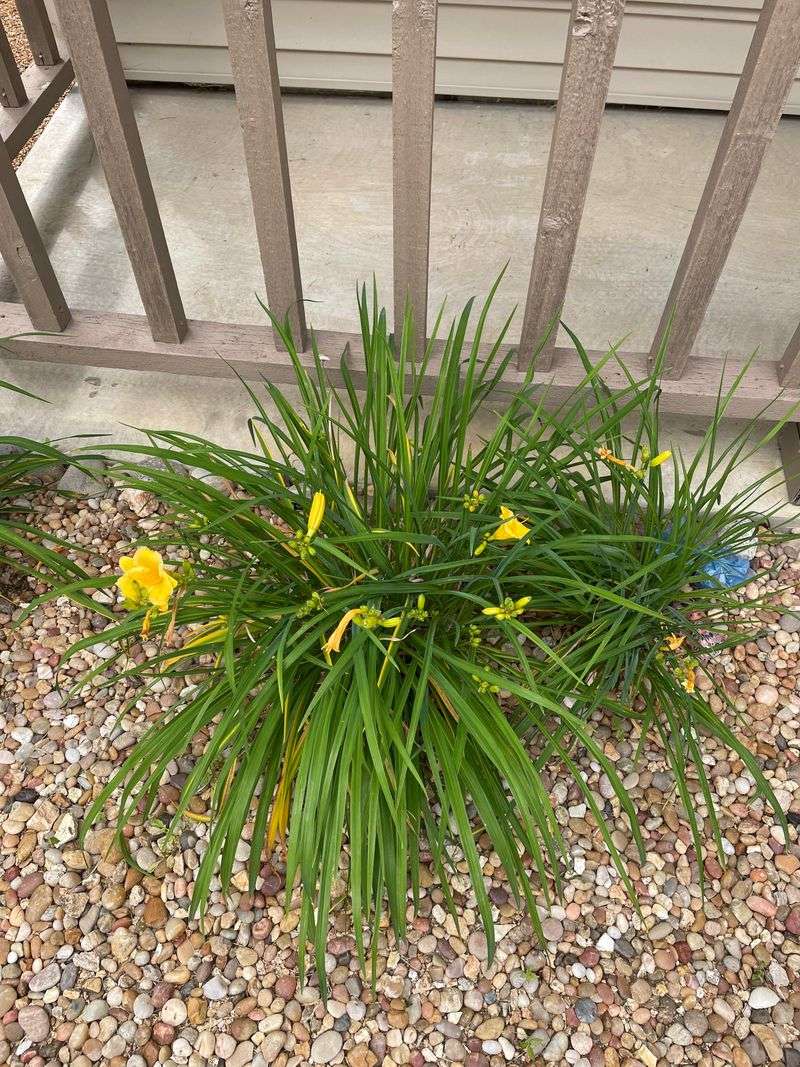
Daylilies are smarter than they look. Some varieties naturally slow down in late summer as part of a built-in seasonal rhythm.
Dormant daylilies pull energy back into their roots to prepare for winter. Leaves yellow gradually and fall over in a tidy, predictable pattern.
Distinguishing dormancy from disease is crucial for every gardener. Dormant plants yellow from the tips inward, while diseased plants show spotting, browning, or mushy tissue.
Semi-evergreen varieties common in North Carolina may show partial browning without fully going dormant. A few yellowing outer leaves are normal and not a cause for alarm.
Dormancy typically begins in August and progresses through October in warmer parts of the state. Cooler mountain regions may see it start slightly earlier in the season.
Check the crown and roots if you are unsure what you are dealing with. Firm, white roots mean the plant is healthy; soft, brown roots signal a real problem.
Pulling away dry foliage from dormant plants tidies the bed and reduces hiding spots for pests. Cut leaves back to about three inches above the soil surface.
Do not fertilize dormant plants, as pushing new growth in late summer weakens them heading into winter. Let the plant rest and it will reward you with stronger blooms next year.
Telling the difference between rest and real distress saves unnecessary panic. A drooping daylily taking a seasonal nap just needs patience, not emergency treatment.
Steps That Bring Daylilies Back Fast
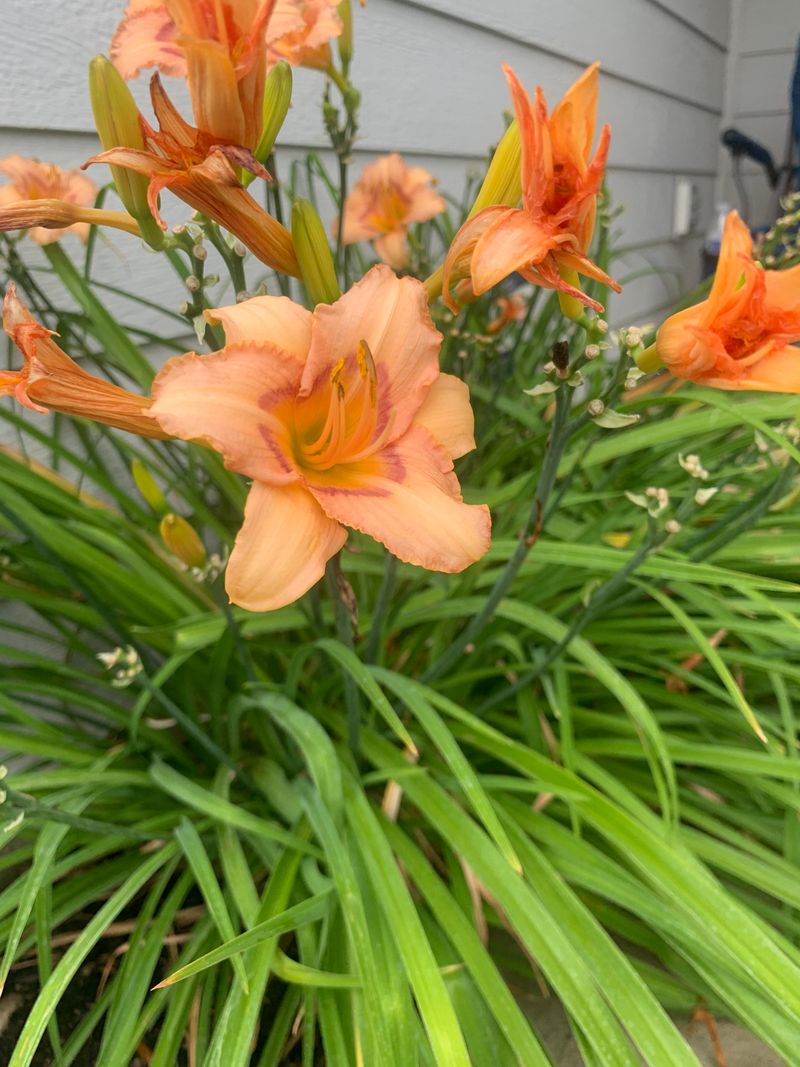
Recovery tends to move fast in gardening. Most sagging stems bounce back quickly once you address the right problem.
Start by identifying the cause before reaching for any product or tool. Treating heat stress the same way you treat root rot will make things worse, not better.
Add two inches of organic mulch if you have not done so already. Pine straw works especially well in North Carolina and is easy to find at local garden centers.
Water deeply one or two times per week rather than lightly every day. Push a finger into the soil to confirm dryness before adding any moisture to the root zone.
Trim away dry or yellowing foliage to redirect the plant’s energy. Clean cuts with sharp, sanitized scissors prevent introducing bacteria into open tissue.
If pests are involved, apply insecticidal soap in the early morning before temperatures rise. Repeat applications every five to seven days until the infestation clears up.
For fungal disease, remove affected leaves and apply a copper-based fungicide according to label directions. Improving air circulation around plants helps prevent future outbreaks from taking hold.
Avoid fertilizing stressed plants with high-nitrogen blends in late summer. A light application of balanced, slow-release fertilizer in early fall supports root development without forcing weak new growth.
Those sagging stems have been sending a message the whole time, and now you know how to read it. Listen closely, act quickly, and your garden will reward you beautifully next season.