This Sustainable Houseplant Gear Has Connecticut Shoppers Buying Potato-Skin Climbing Poles
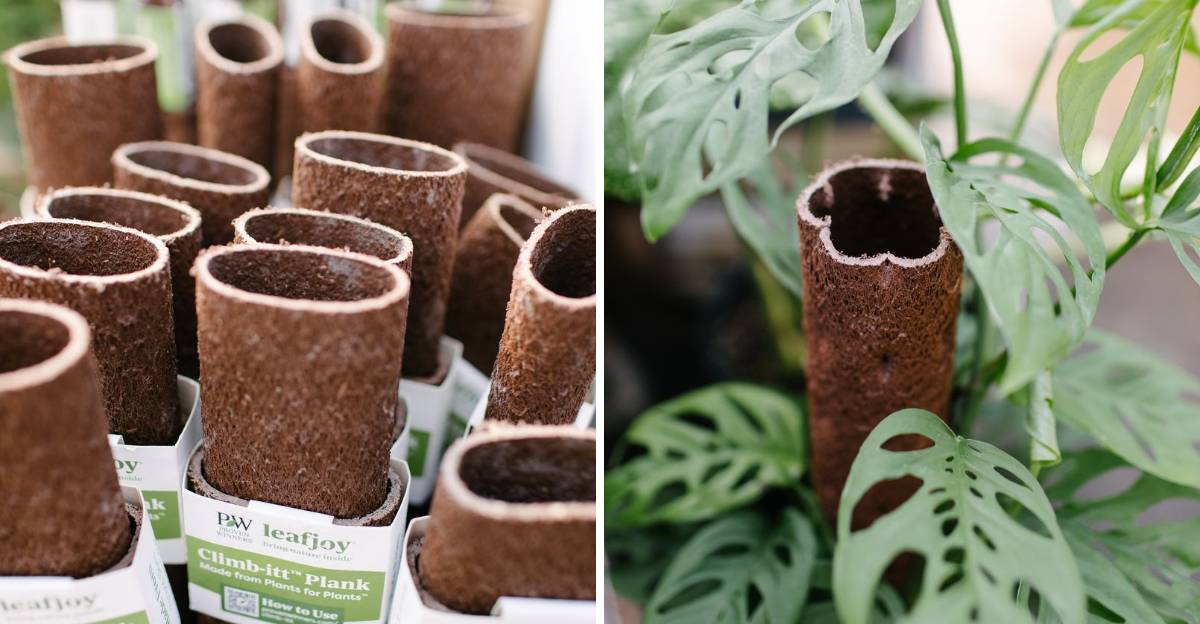
A new plant care product is appearing in shops across Massachusetts right now. Shoppers are trading plastic stakes for poles woven from potato skins. Elephant grass fibers replace metal without losing any strength.
Nobody expected recycled materials to outperform bamboo or plastic stakes. Bamboo poles suddenly look plain and rigid by comparison. Climb-itt isn’t sitting idly on a shelf anywhere.
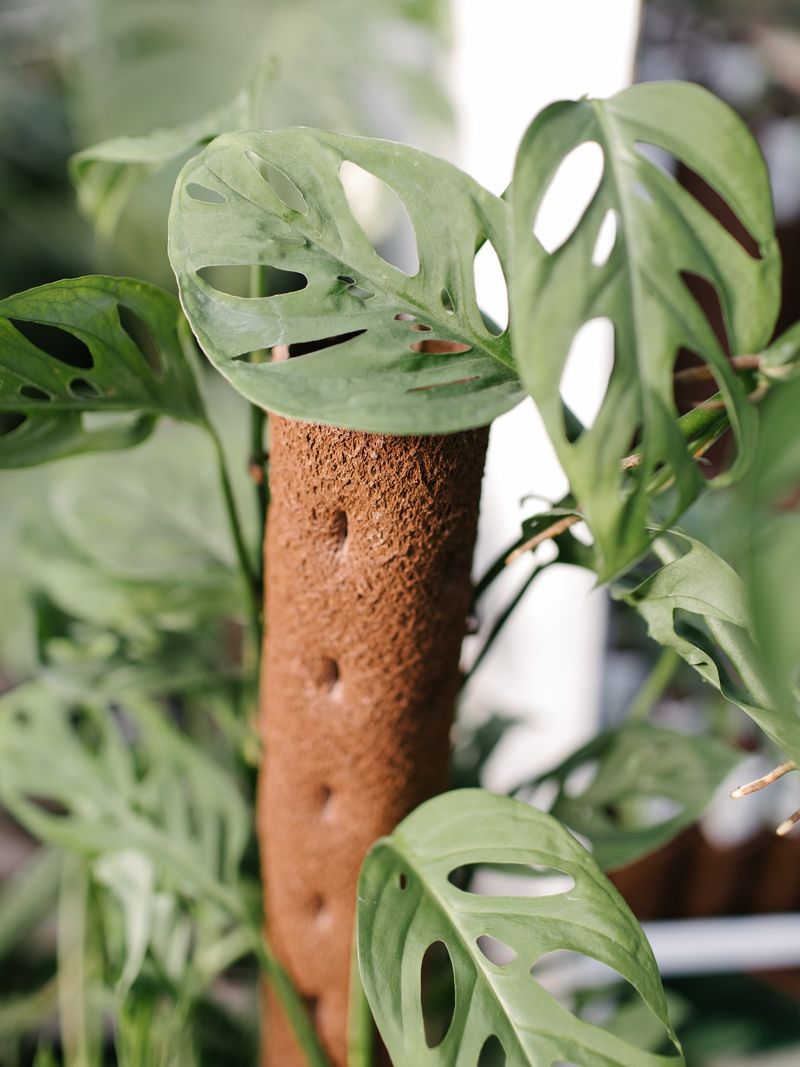
Monstera vines grip these poles as if born for them. Pothos stems stretch upward, finding texture their old supports lacked. Texture matters more than shoppers ever expected before now.
Massachusetts nurseries can barely keep the poles in stock. Customers murmur about it before reaching the register. Every stem leans toward something new now.
Your plants have hoped for this upgrade longer than expected. Green space transforms the moment you swap supports.
Nothing about your houseplant experience stays the same after this. You won’t look at climbing plants the same way again.
The Potato-Skin Pole Changing Houseplant Care
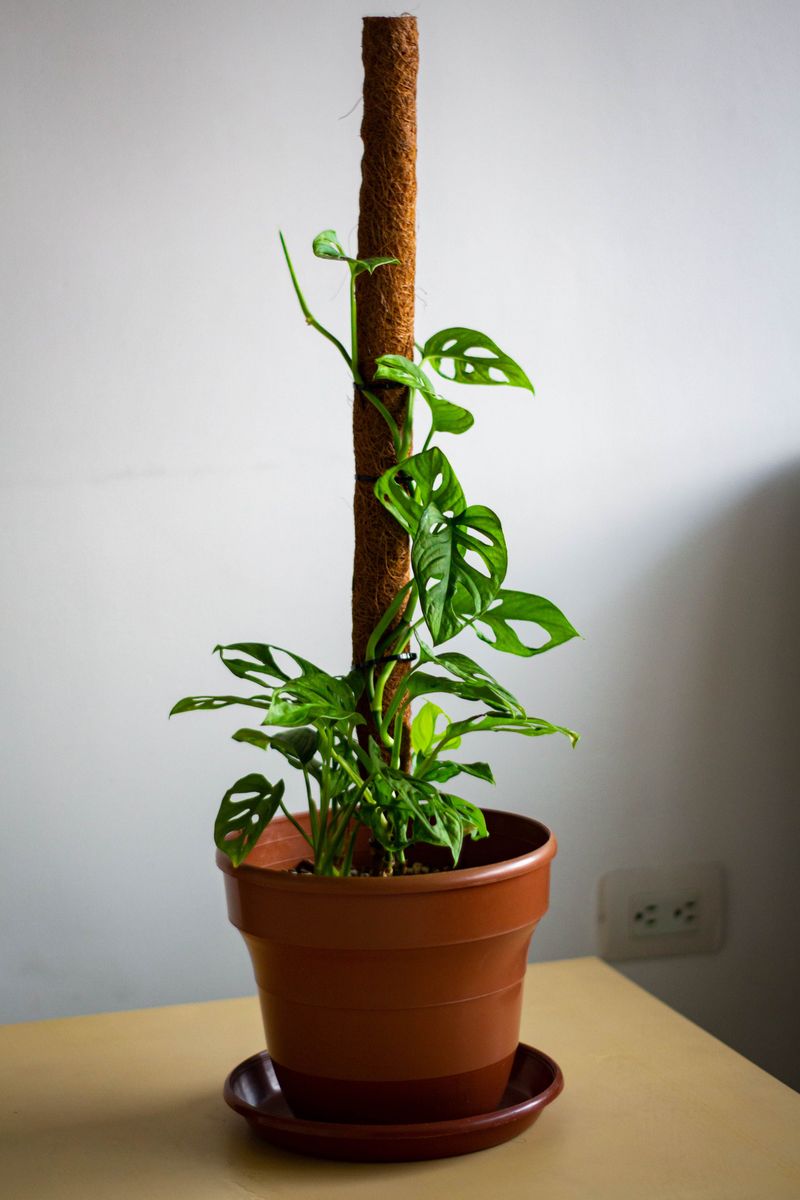
Your plant deserves better than a wooden stick from the hardware store. Climb-itt is marketed as a climbing pole made from upcycled potato skins and elephant grass, offering a new approach for indoor plant lovers.
Most traditional moss poles dry out fast and offer little for aerial roots to grip. Climb-itt solves both problems at once, with a texture that roots actually want to latch onto.
The manufacturer states the pole is plastic-free and compostable at the end of its life. That means this particular pole does not contribute plastic waste when it is eventually discarded.
Shoppers in Connecticut have been especially vocal about loving this product. Local plant stores report strong sales of Climb-itt among their sustainable houseplant gear.
The company behind it designed the pole to mimic the rough bark surface of a tropical tree, a texture that may help climbing plants attach and grow more effectively.
If you have been searching for a smarter, greener way to support your indoor climbers, Climb-itt is the answer worth trying. This sustainable houseplant gear is not just a trend, it is a real improvement.
Why Connecticut Shoppers Are Snapping This Up
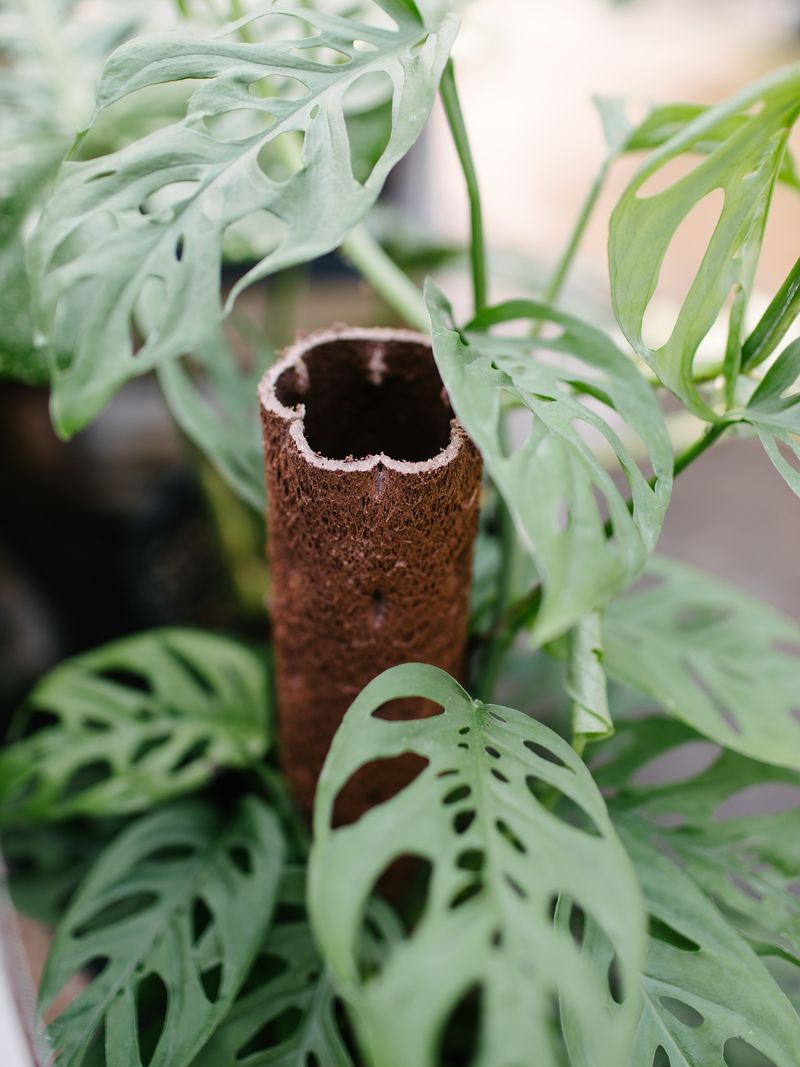
Walk into almost any plant boutique in Connecticut right now, and you will spot a familiar scene. Shoppers are reaching for Climb-itt poles before they even look at anything else on the shelf.
Connecticut has a strong culture of eco-conscious buying. Residents there tend to research products before purchasing, and Climb-itt checks every box they care about.
The pole is sustainable, functional, and affordable compared to imported moss poles. That combination is competitive in a market where shoppers are increasingly selective about what they bring home.
Social media has also played a big role in the surge. Plant parents across the state have been posting side-by-side photos of their climbing plants before and after switching to Climb-itt.
Early feedback suggests noticeable results. Aerial roots find the pole quickly, growth speeds up noticeably, and the overall look of the plant improves within weeks.
Your Connecticut Garden Changes Every Week. Your Plan Should Too.
Gardening in Connecticut changes quickly throughout the season. Every Friday you’ll receive a simple weekly plan showing exactly what to plant, prune, fertilize, harvest, and protect so you never miss the right timing.
Some local nurseries have reportedly started stocking Climb-itt as a featured item. Some shop owners in New Haven report reordering the product regularly to keep up with demand.
Word of mouth is powerful in tight-knit plant communities, and Connecticut plant lovers talk to each other constantly. Once one person tries Climb-itt, their whole friend group usually follows. This sustainable houseplant gear has clearly found its audience.
How Potato Skins And Elephant Grass Create A Plastic-Free Pole
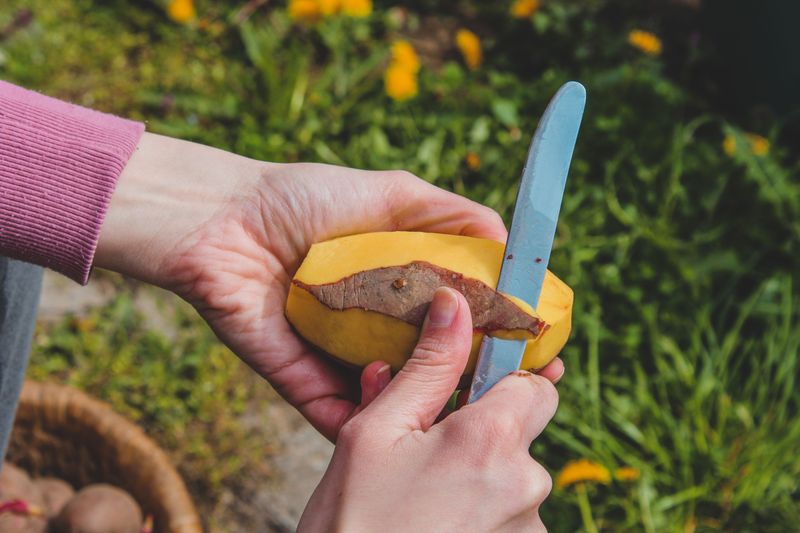
Potato skins are usually tossed in the compost bin without a second thought. Elephant grass grows so fast it is practically a weed in many parts of the world. Together, these two humble materials become something surprisingly powerful.
The manufacturing process binds the fibrous materials together under pressure. No synthetic glue, no plastic coating, and no chemical treatment is needed to hold the pole together.
Elephant grass, also called Miscanthus, has long fibers that create a strong structural core. Potato skin adds a rough, porous outer texture that aerial roots find irresistible.
The result is a pole that feels more like a natural tree surface than any foam or coir product on the market. Plants respond to it the same way they would respond to climbing an actual tree in the wild.
From a sustainability standpoint, both raw materials are agricultural byproducts. Using them for Climb-itt means less food waste and less demand for virgin raw materials.
Producing a pole from agricultural byproducts is generally understood to have a lower environmental impact than manufacturing plastic alternatives. That math matters to shoppers who track their environmental impact seriously.
Knowing exactly what your plant gear is made of feels good. With Climb-itt, there are no mystery ingredients, just smart use of what nature already provides.
Encouraging Aerial Roots For Healthier Climbing Plants
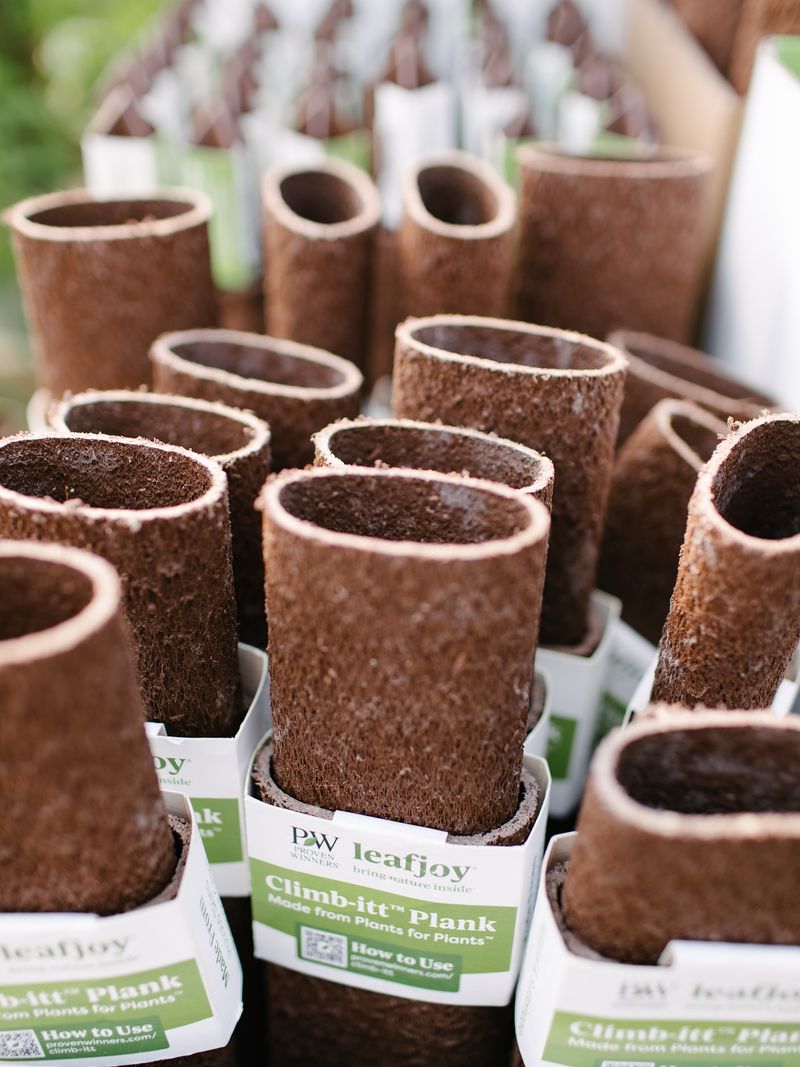
Aerial roots are not just for show. They are how climbing plants feed, hydrate, and anchor themselves in the wild, and ignoring them indoors leads to weaker, slower-growing plants.
Most smooth wooden dowels give aerial roots nothing to grip. The roots dangle in the air, dry out, and eventually stop reaching altogether.
Climb-itt changes that dynamic completely. The porous, rough surface of the pole gives aerial roots a realistic surface to latch onto, just like bark on a jungle tree.
When roots make solid contact with a supportive surface, the plant may grow more actively. Leaves grow larger, stems thicken, and new growth appears more frequently.
Monsteras are probably the most famous beneficiaries of this setup. Some owners who switch to Climb-itt report healthy growth in their monsteras, though leaf fenestration is primarily driven by plant maturity and light.
Pothos, philodendrons, and scindapsus plants also respond enthusiastically to the pole. Any plant that naturally climbs in the wild will appreciate having a surface that actually mimics its native environment.
Giving your plant the right tool is like giving an athlete the right shoes. Performance improves almost immediately, and the long-term health benefits keep stacking up over time.
Aerial root health is the secret to a thriving climbing plant. Climb-itt makes that secret accessible to every plant parent, no greenhouse required.
Watering And Mold Prevention Built Into The Design
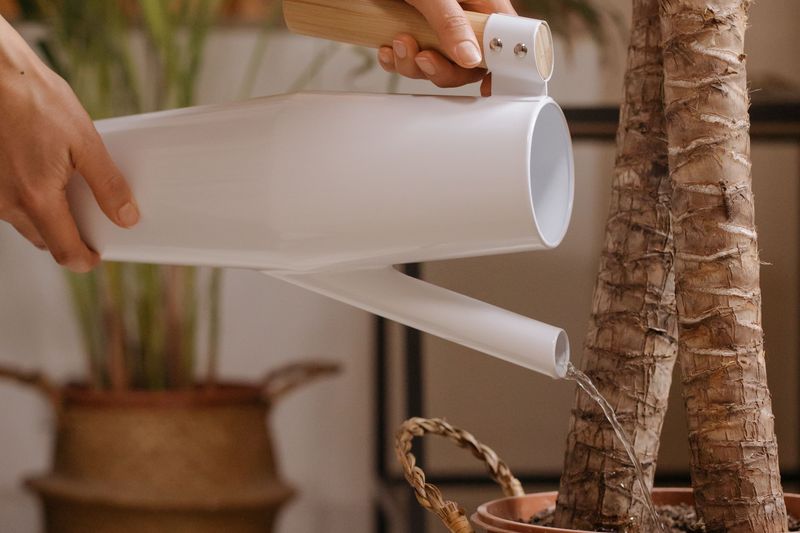
One of the biggest frustrations with traditional moss poles is mold. Soggy coir holds too much moisture, and before long, fuzzy patches appear at the base of the pole.
Climb-itt was engineered with drainage in mind from the very beginning. The fibrous structure allows water to move through the pole rather than pooling inside it.
This means you can mist the pole regularly without worrying about rot or mold taking hold. The materials dry at a rate that keeps the surface moist but never waterlogged.
Aerial roots prefer a consistently damp surface, not a soaking wet one. Climb-itt hits that sweet spot naturally, without any special maintenance routine on your part.
The open-fiber structure also allows for airflow around the root zone. Good airflow is one of the most overlooked factors in preventing fungal growth on indoor plant gear.
Gardeners who have struggled with mold on coir poles often describe switching to Climb-itt as a relief, noting a reduction in mold issues. The problem that haunted their plant corner simply stops happening.
Watering schedules do not need to change dramatically when you introduce a Climb-itt pole. A light misting two or three times a week is usually all the pole needs to stay in ideal condition.
Smart design beats constant maintenance every time. Climb-itt proves that sustainable materials and practical function can absolutely go hand in hand.
Where To Find Climb-Itt And What Shoppers Are Paying
Climb-itt is not sitting in some niche corner of the internet anymore. Independent plant shops across the Northeast now carry it as a standard item.
Prices reportedly range between fifteen and twenty-five dollars, depending on pole length. Shorter poles work well for smaller pothos and philodendron cuttings just starting to climb.
Taller poles, reportedly reaching up to four feet, are designed to suit mature monsteras that need serious support. Most retailers stock a range of sizes so shoppers can match the pole to their plant’s growth stage.
Online availability has expanded quickly too. Some sustainable garden retailers are reported to list Climb-itt alongside other eco-friendly plant care products, making it easier to order from home.
Shipping is surprisingly light compared to traditional moss poles. Because the materials are compressed and fibrous, Climb-itt weighs less than coir or sphagnum alternatives, which keeps shipping costs down.
Bundled deals are becoming common as demand grows. Some shops offer discounts when shoppers buy multiple poles for different plants in their collection.
Availability can still be spotty during peak buying weeks. Popular sizes sell out fast, especially in stores that only recently started carrying the brand.
If you want to try Climb-itt yourself, checking local inventory before visiting saves time. Calling ahead or checking a store’s website often confirms whether your preferred size is in stock.
Demand has remained steady in recent reports. As more plant owners discover the benefits, Climb-itt is gaining wider adoption among buyers.