What Florida Gardeners Do To Their Beds In May So Weeds Don’t Take Over All Summer
May sunlight in Florida costs money. Not metaphorically!
Every weed that roots itself in your beds this month is stealing water, nutrients, and space that your vegetables paid for. And Florida weeds don’t play fair.
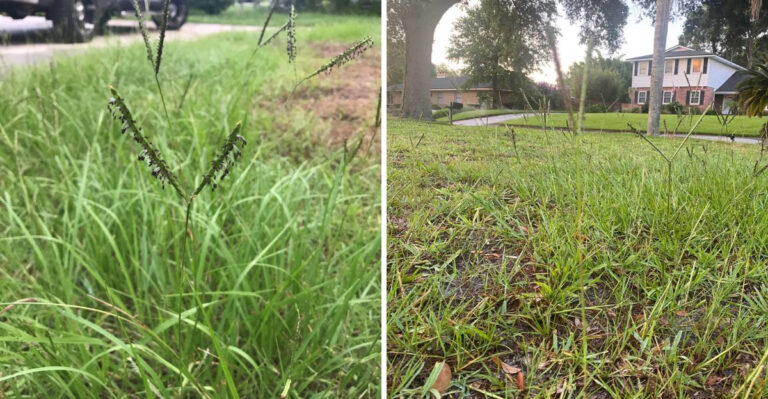
Nutsedge laughs at hand-pulling. Dollar weed spreads underground like it has somewhere to be.
Chamberbitter shows up uninvited and acts like it owns the place. Here’s the honest truth most gardening content won’t tell you: summer weed control in Florida is a losing battle if you start in summer.
The window to actually win is right now, in May, before the rainy season turns your garden into a weed factory. A few smart moves in the right order can choke out weeds before they even break the surface.
So what do the low-maintenance Florida gardeners know that you don’t? They stopped reacting and started blocking.
Let’s get into it.
1. Pull Small Weeds Before They Spread
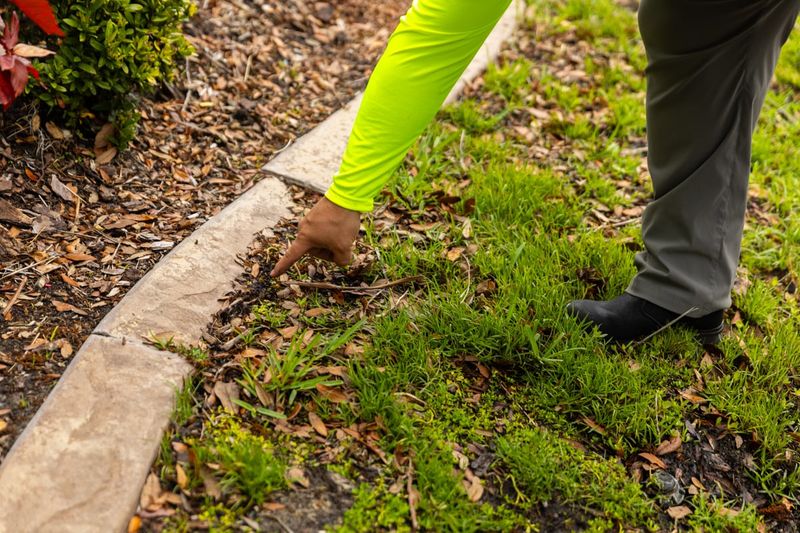
Young weeds pulled in May are a gift to your future self. A tiny weed the size of your thumb takes seconds to remove.
That same weed left until July becomes a tangled, rooted mess that pulls up neighboring plants when you yank it.
May is the sweet spot because weed seedlings are still small, roots are shallow, and the soil is often moist from spring showers or irrigation. Wet soil makes it much easier to get the whole root out cleanly, which matters because many weeds can regrow from root fragments left behind.
Walk your beds and look for anything that does not belong – especially fast growers like spurge, chamberbitter, and Florida pusley. These spread aggressively once summer rain begins.
Pull them while they are young, ideally before any flowers appear.
Dispose of weeds with seed heads in a trash bag rather than tossing them into the yard or an open pile. The big mistake most gardeners make is waiting until weeds are visible from the driveway.
By then, many have already dropped seeds into the bed, and the cycle starts all over again next season.
2. Refresh Mulch Before Summer Rain
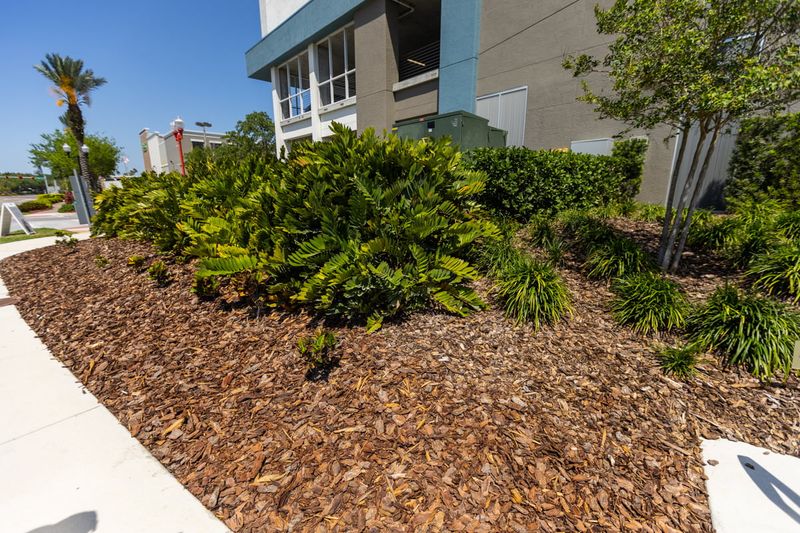
Mulch breaks down faster in Florida than almost anywhere else in the country. Heat, humidity, and frequent rain chew through a fresh mulch layer surprisingly quickly, and by May, many beds are running thin.
That timing is unfortunate because summer is exactly when you need that layer most.
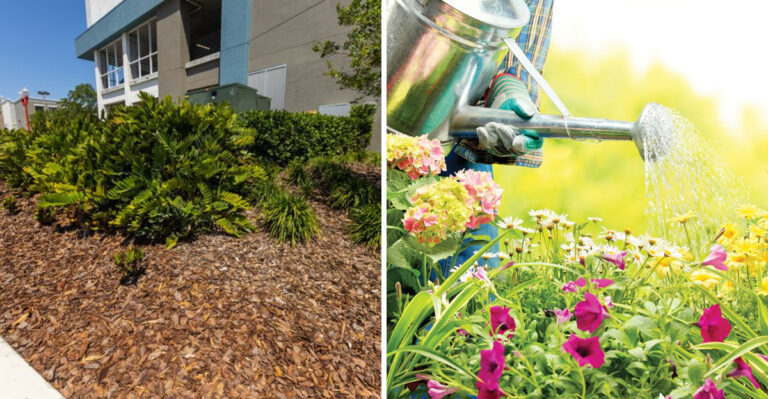
A properly mulched bed shades the soil surface so weed seeds cannot get the light they need to germinate. Mulch also holds moisture, reduces soil splash during heavy rain, and keeps soil temperatures more stable during the hottest months.
UF IFAS recommends maintaining a two-to-three inch layer of organic mulch in landscape beds as a standard Florida-Friendly Landscaping practice.
Before spreading new mulch, pull any weeds already growing in the bed. Mulching over live weeds just gives them a cozy blanket to grow under.
Once the bed is clear, spread fresh mulch and pull it back a few inches from plant stems, shrub bases, and tree trunks to allow airflow.
Your Florida Garden Changes Every Week. Your Plan Should Too.
Gardening in Florida changes quickly throughout the season. Every Friday you’ll receive a simple weekly plan showing exactly what to plant, prune, fertilize, harvest, and protect so you never miss the right timing.
Avoid piling mulch into volcano shapes around trees or shrubs – that traps moisture against bark and can lead to rot and pest problems. Keep the layer even and consistent for the best weed-blocking results through summer.
3. Cover Bare Soil With Fast Fillers
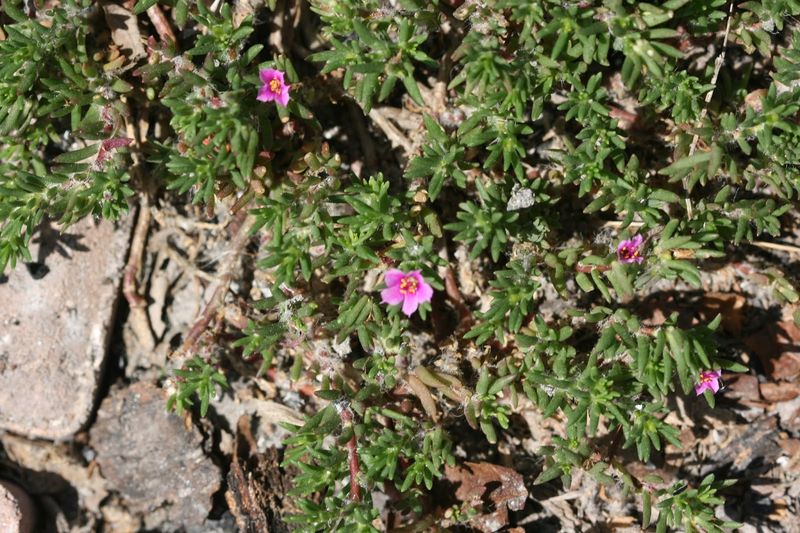
Bare soil in a garden bed in May is basically an open invitation for weeds. Every rainstorm deposits new seeds, and open patches with full sun exposure are exactly the conditions that weeds prefer.
Covering those gaps before summer rain arrives is one of the most effective things a gardener can do.
Heat-tolerant annuals like pentas, Portulaca pilosa, and celosia fill in quickly and look great through the summer. Groundcovers such as sweet potato vine, sunshine mimosa, and perennial peanut spread across open soil and shade it effectively.
Herbs like basil and heat-tolerant vegetables like southern peas can also fill gaps in edible beds while adding something useful to the garden.
The goal is to give every square foot of bed space a purpose. Plants that spread low and dense are especially good at crowding out weeds naturally, reducing the need for constant pulling or chemical intervention.
One mistake to avoid is grabbing whatever spreads fastest without checking whether it is appropriate for your area. Some vigorous groundcovers can become problems of their own.
Check with your local UF IFAS Extension office or Florida-Friendly Landscaping resources before planting anything unfamiliar in open beds.
4. Edge Beds Before Grass Creeps In
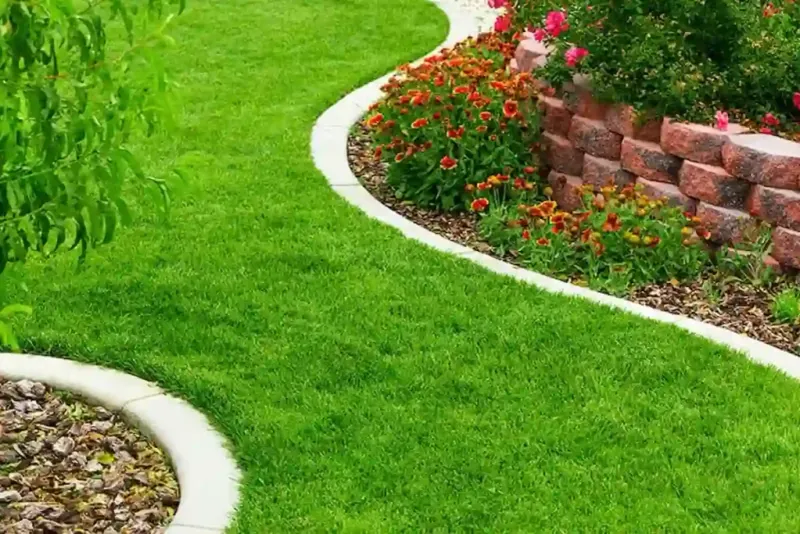
St. Augustinegrass, bahiagrass, and bermudagrass are all common lawn grasses with one thing in common: they love to creep.
Warm-season grasses get aggressive in May as temperatures climb, sending out runners called stolons that inch their way into garden beds and under mulch layers.
Once grass runners root into a bed, removing them is tedious work. Runners tangle with plant roots, spread under mulch, and can be difficult to trace back to the lawn edge.
Cutting clean, sharp bed edges in May creates a physical break that slows this invasion and makes future maintenance much easier.
Use a flat-blade edger or half-moon edger to cut a clean vertical line between the turf and the bed. After edging, reach in and pull any runners that have already crossed the line, making sure to remove the whole stolon rather than just snapping it off.
A snapped runner left in the bed will often re-root and keep spreading.
Avoid burying grass runners under fresh mulch thinking they will stop growing. Mulch actually keeps the soil moist and warm, which is ideal for stolon rooting.
Pull first, then mulch. Repeat the edging process monthly through the summer to stay ahead of regrowth.
5. Water Plants Without Feeding Weeds
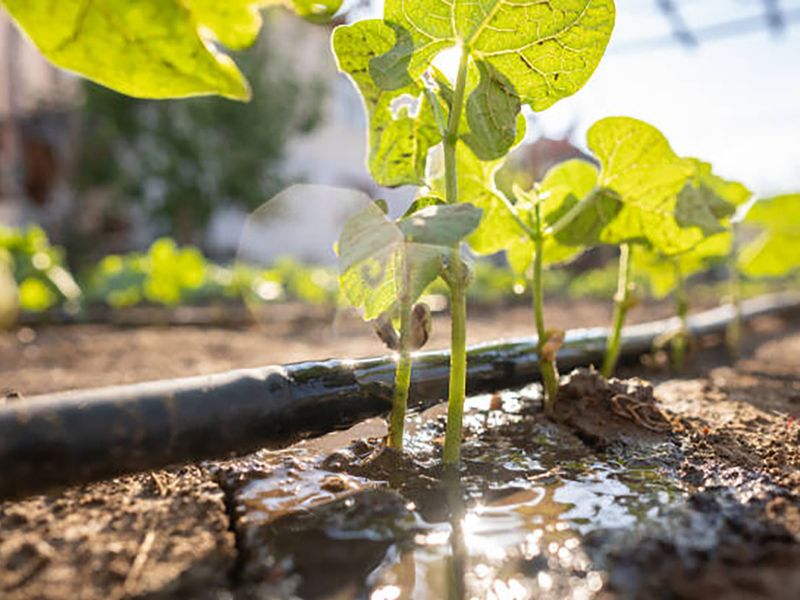
Irrigation habits can quietly work against your weed-control efforts all season long. Broad overhead sprinklers that wet the entire bed surface do more than water your plants – they also moisten bare soil and help weed seeds germinate faster.
In May, when weed seed pressure is rising, watering smart makes a real difference.
Drip irrigation and soaker hoses deliver water directly to the root zones of the plants you want to grow. That targeted approach keeps the soil surface between plants drier, which slows weed germination without stressing your established plants.
Where drip is not practical, hand-watering at the base of plants achieves a similar result.
Check your sprinkler heads and spray patterns to make sure you are not watering empty spaces, pathways, or areas where nothing desirable is growing. Watering open soil just prepares a seedbed for the next round of weeds to sprout.
Frequent shallow watering is another habit that backfires. It keeps the top inch of soil constantly moist, which is exactly the zone where weed seeds germinate.
Watering deeply and less often encourages deeper root growth in your plants and dries out the surface layer faster between cycles – making conditions less friendly for new weed seedlings.
6. Close Gaps With Heat-Loving Groundcovers
Think of groundcovers as a long-term investment in weed prevention.
Unlike annual flowers that need replanting each season, well-chosen groundcovers spread over time and build a living mulch layer that shades soil and pushes weeds out naturally.
May is a great month to get them established before summer growth peaks.
Perennial peanut is one of the top recommendations from UF IFAS for sunny beds. It spreads reliably, tolerates heat and drought once established, and produces cheerful yellow blooms.
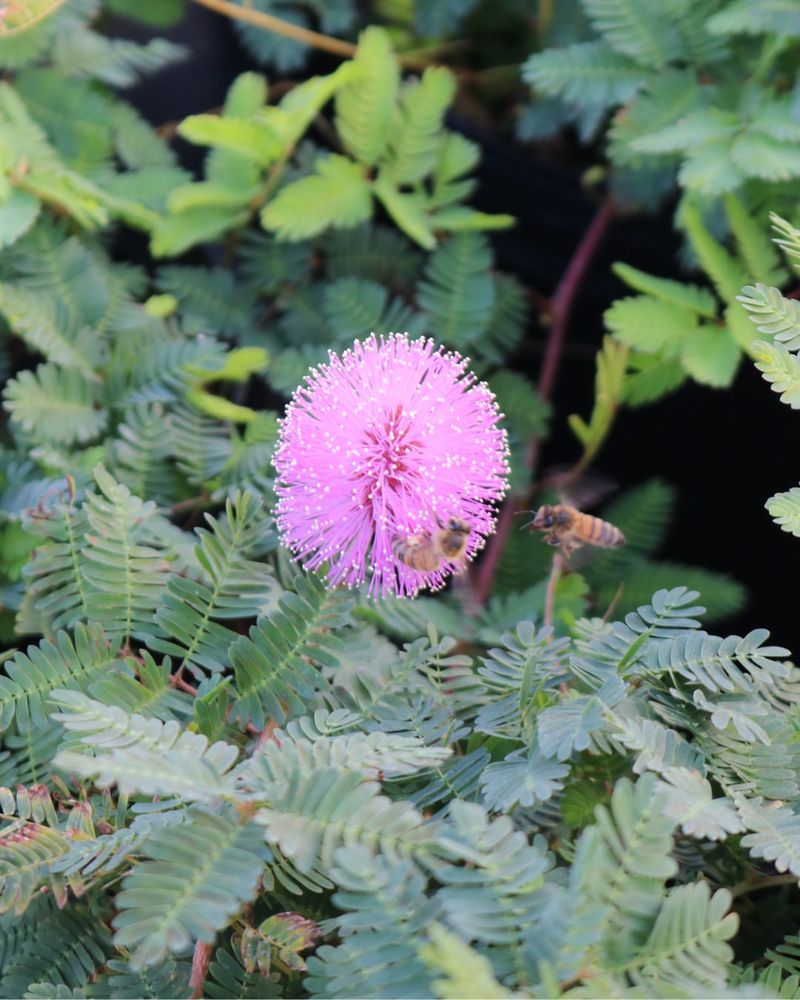
Sunshine mimosa works well in open sunny spaces and attracts pollinators. Coontie, a native cycad, works beautifully in ornamental beds with partial shade and requires very little maintenance once it settles in.
Match the groundcover to your site conditions. A plant that thrives in full sun on a sandy slope will struggle in a shaded bed with heavy clay soil.
Take time to assess light levels, drainage, and irrigation before choosing.
The mistake that creates the most problems is choosing a groundcover that spreads too aggressively or escapes into natural areas. Some plants sold at garden centers can become invasive in our climate.
Check the Florida Exotic Pest Plant Council list and your local Extension resources before planting anything new in open beds.
7. Remove Seed Heads Before They Scatter
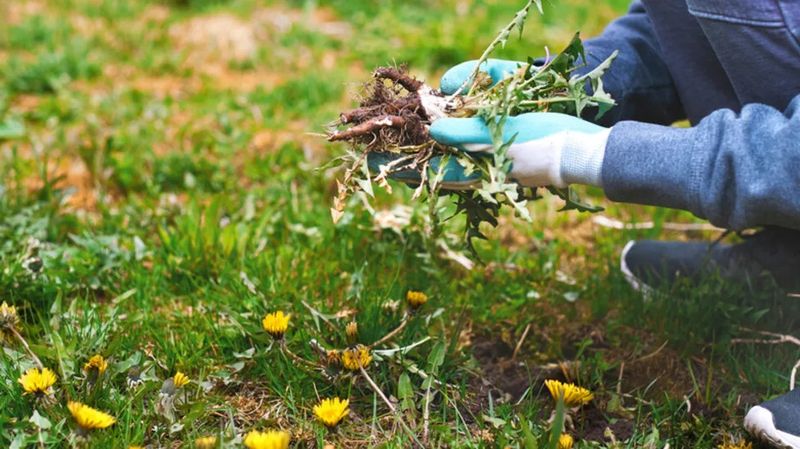
Spotted a weed that already has flowers or fluffy seed heads? Do not pull and toss it carelessly.
That one plant may be holding dozens or even hundreds of seeds ready to scatter the moment you disturb it.
Florida weeds like dollarweed, Virginia buttonweed, and tropical signalgrass can produce massive amounts of seed in a short time once summer warmth kicks in.
The smart move is to clip the seed head first, drop it directly into a bag, and seal it before pulling the rest of the plant. Shaking or dragging seed-heavy weeds across the bed while removing them is a fast way to plant next season’s weed crop yourself.
Clean gloves and tools after handling heavily seeded weeds to avoid carrying seeds to other parts of the yard.
Some gardeners assume that hot composting handles weed seeds safely. That can be true in a well-managed pile that consistently reaches high internal temperatures.
However, most backyard compost piles do not heat evenly or reliably enough to break down all weed seeds. Bagging seed-heavy weeds and disposing of them in the trash is the safer choice for most home gardeners.
Getting seed heads out in May, before peak summer rain spreads them everywhere, is one of the highest-return tasks you can do in your beds this month.
8. Feed Garden Beds Without Overdoing It
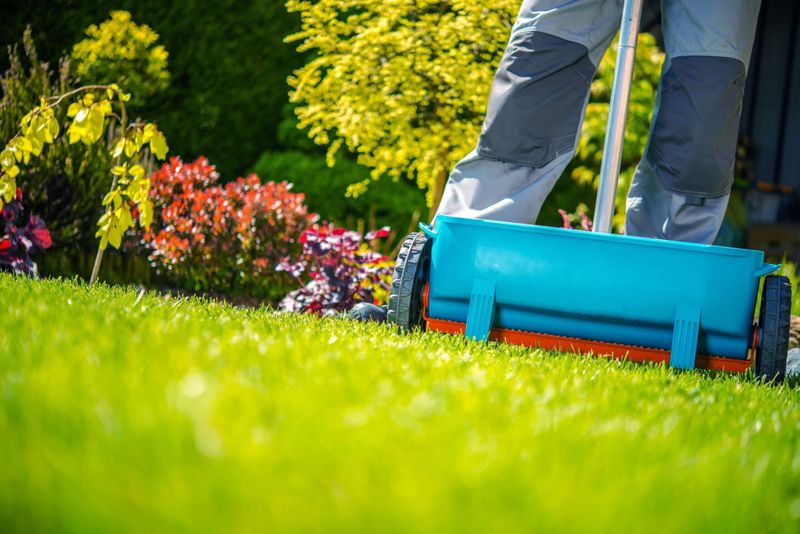
Fertilizer has a way of helping everything grow – including the things you do not want.
Applying too much fertilizer, or spreading it across bare soil, can give weeds exactly the nutrient boost they need to outpace your desirable plants.
May is a reasonable time to fertilize many landscape plants, but the application method matters as much as the product choice.
UF IFAS and Florida-Friendly Landscaping guidelines recommend using slow-release fertilizers and applying only what plants actually need based on their growth stage and soil.
A soil test from your local Extension office can tell you what nutrients are genuinely lacking, so you are not guessing or over-applying.
Apply fertilizer close to the base of the plants you want to feed rather than broadcasting it broadly across the entire bed. Keeping fertilizer away from bare soil patches reduces the chance of feeding weed seeds waiting to sprout in those open areas.
Avoid fertilizing right before a heavy rain forecast.
Heavy rain can wash nutrients off the bed and into stormwater, which is both wasteful and harmful to local waterways – a concern taken seriously in water-sensitive environment.
Read the product label carefully and follow the recommended rates. More is rarely better when it comes to fertilizer in summers.
9. Block Weeds With Cardboard Layers
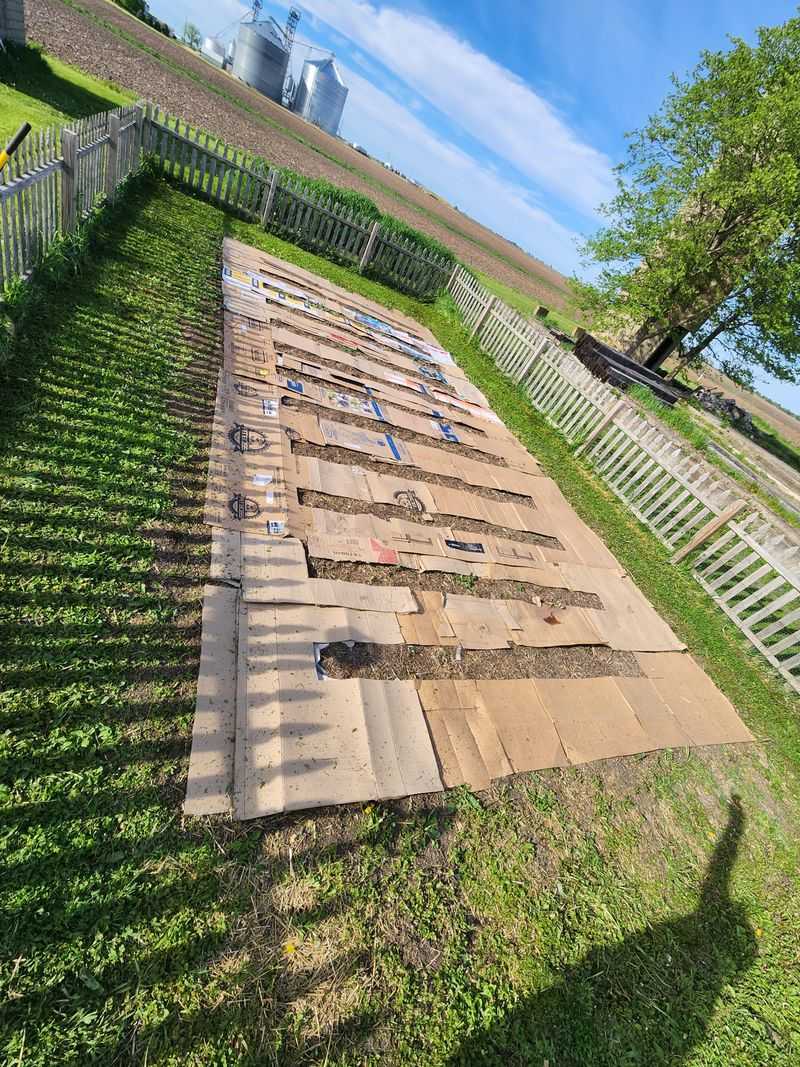
Cardboard is one of the most underrated tools in a gardener’s arsenal.
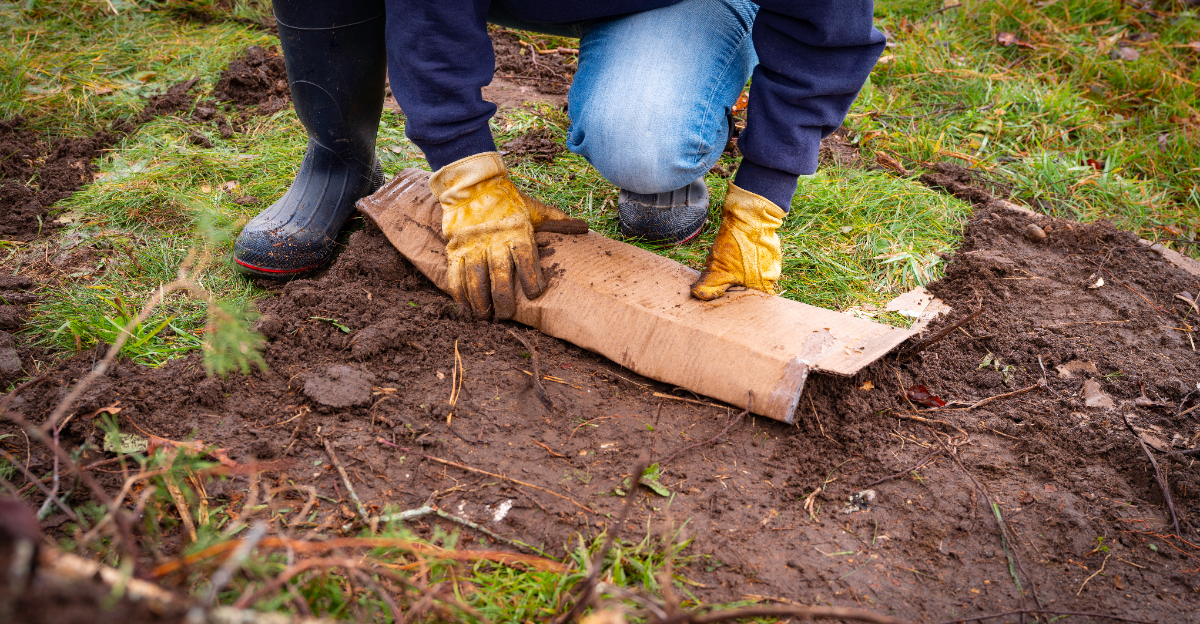
Plain, uncoated cardboard placed directly on the soil surface blocks sunlight from reaching weed seeds below and smothers existing low-growing weeds. It breaks down over several months to add organic matter to the bed.
It costs almost nothing and works surprisingly well as a short-term weed barrier under mulch.
Before laying cardboard, remove any large weeds and their roots. Tear off all tape, staples, and labels, and avoid glossy, wax-coated, or heavily printed materials since those do not break down cleanly.
Lay the cardboard in overlapping layers so there are no gaps where weeds can sneak through. Wet the cardboard thoroughly before covering it with two to three inches of mulch.
This method works well for new beds, renovated areas, or spots where weeds have been especially persistent. It is a practical solution for gardeners who want to reduce weed pressure without relying on chemical herbicides.
One important caution: keep cardboard away from the base of plant stems, shrub crowns, and tree trunks. Piling material against plant crowns traps moisture and can encourage fungal problems, which are already a concern in humid summer climate.
Leave a few inches of clearance around every plant.
10. Check Beds Weekly Before Growth Explodes
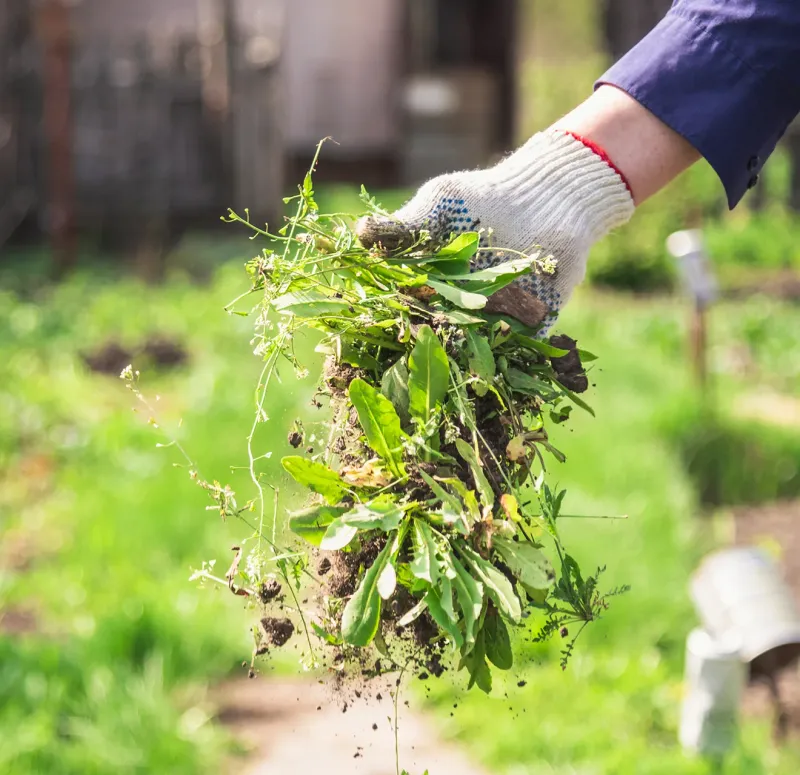
One of the most practical things any gardener can do in May is simply commit to a short weekly walk through the beds. Summer weeds do not grow slowly.
After a warm rain, a bare patch that looked clean on Monday can have visible seedlings by Thursday. Catching those sprouts early takes minutes.
Letting them go for two or three weeks turns into a much bigger job.
Pick the same day each week and spend ten to fifteen minutes walking the beds. Look for new weed sprouts, gaps in mulch coverage, grass runners crossing the bed edge, and any irrigation heads that seem to be wetting areas where nothing is planted.
Small problems spotted early are easy to fix on the spot.
Bring a small bucket or bag so you can pull weeds and drop them in without carrying them across the yard. Fix mulch gaps while you walk so bare soil gets covered before the next rain.
Check edges and push any encroaching grass runners back.
The trap many gardeners fall into is planning one big end-of-summer cleanup instead of staying consistent through the season. Summers here move fast, and weeds that get ahead of you in June are much harder to manage by August.
A steady weekly habit started in May keeps the workload manageable all season long.