What Florida Gardeners Should Cut Back First And What Last During Spring Cleanup
Spring arrives in Florida with a suddenness that catches even veteran gardeners off guard. One day it is a mild winter afternoon, and the next, the subtropical humidity is signaling a massive green explosion.
In the Sunshine State, gardening is a high-stakes race against time to prep your yard before the brutal summer heat and torrential rains take over. This early start makes your pruning shears both your best friend and your biggest risk.
Cut the wrong plant too soon and you might sacrifice a season of blooms; wait too long and you miss the window for vigorous development.
Mastering the specific order of what to trim is what separates a merely “tidy” yard from a truly spectacular landscape.
Taking the right steps now ensures your tropical foliage and fruit trees are shaped and ready to thrive all season long.
1. Remove Damaged Or Unhealthy Wood On Woody Shrubs Early
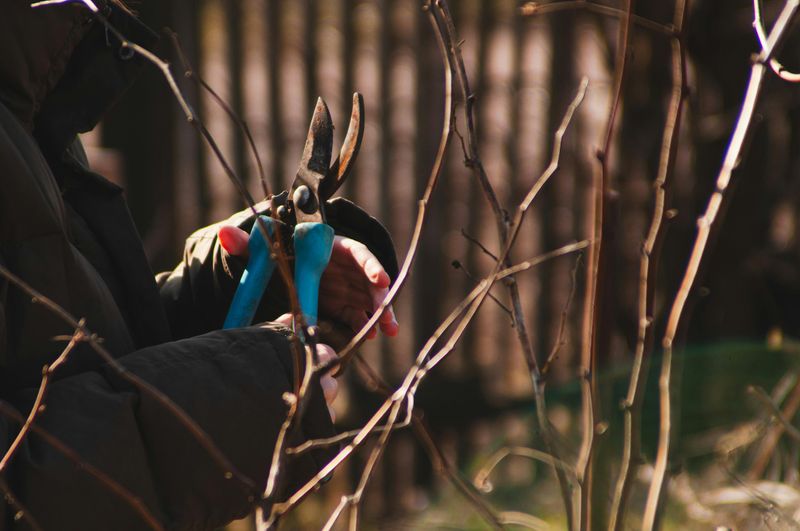
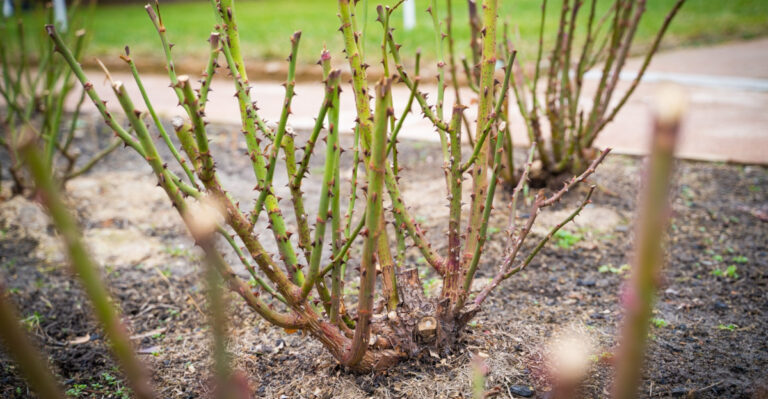
Walking through a Florida yard after winter, you will likely spot woody shrubs with brown, brittle stems that never quite bounced back from the cooler months. Those damaged branches are your first priority when spring cleanup begins.
Removing them early clears the way for fresh growth and helps the plant redirect its energy to healthy tissue.
Shrubs like hibiscus, firebush, and plumbago often show cold stress even in mild Florida winters. Look for stems that snap rather than bend, have discolored bark, or show no signs of budding.
Use clean, sharp pruning shears and cut just above a healthy bud or lateral branch.
Getting this done in early spring, typically after the last cold snap in your Florida region, gives the plant maximum growing time before the heat of summer arrives.
Leaving damaged wood in place can invite fungal problems, especially once the wet season humidity sets in.
This simple first step sets the whole garden up for a healthier, more vigorous growing season ahead.
2. Trim Perennials That Suffered Winter Damage First
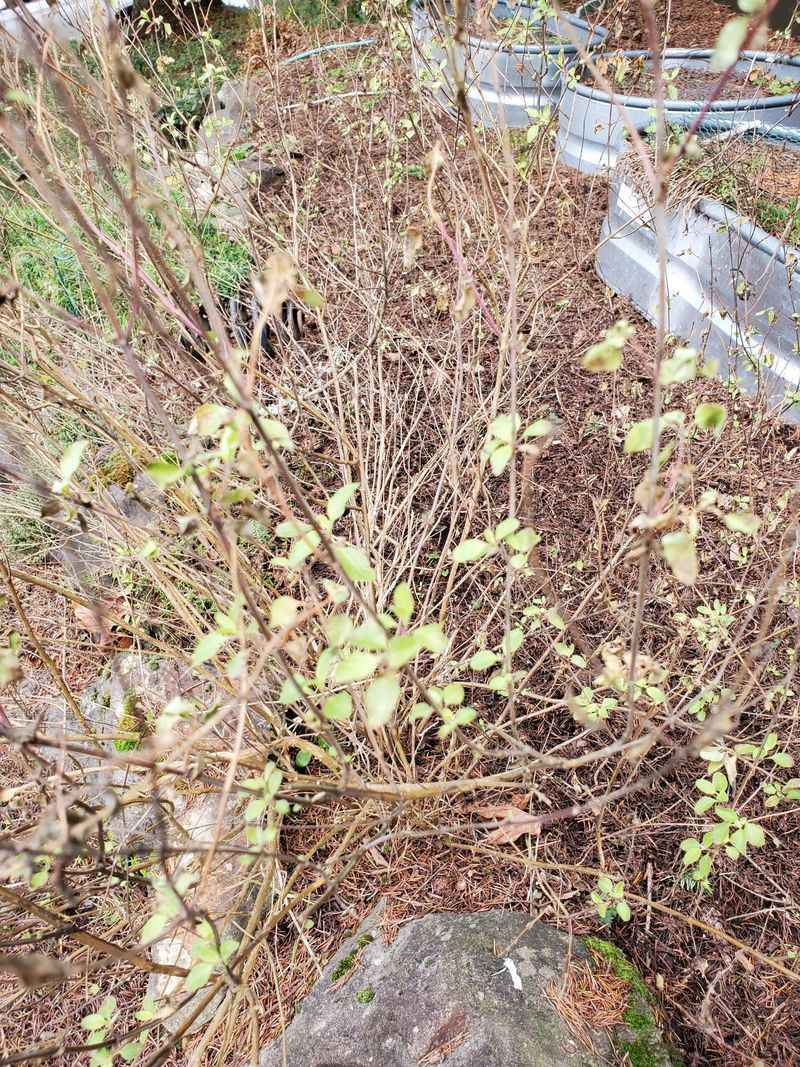
Not every perennial in a Florida garden looks its best coming out of winter. Even in South and Central Florida, cooler nights can leave perennials looking ragged, with yellowed leaves and mushy stems that never recovered.
Tackling these plants early in spring cleanup gives them a much better shot at a strong comeback.
Salvias, pentas, and lantana are common Florida perennials that often show winter stress. Cut them back by about one-third to one-half, removing any soft, discolored growth while leaving firm green stems intact.
Avoid cutting all the way to the ground unless the plant is completely brown, since some stem tissue may still be viable.
Early trimming also helps prevent disease from spreading. Mushy, decaying plant tissue can harbor fungal spores that thrive in Florida’s humid conditions.
Cleaning up damaged growth before the warm, wet weather fully arrives reduces that risk considerably.
After trimming, give your perennials a light feeding with a balanced fertilizer to encourage a healthy flush of new foliage and blooms throughout the spring and into summer.
3. Clear Out Overwintered Annuals And Spent Edibles Early
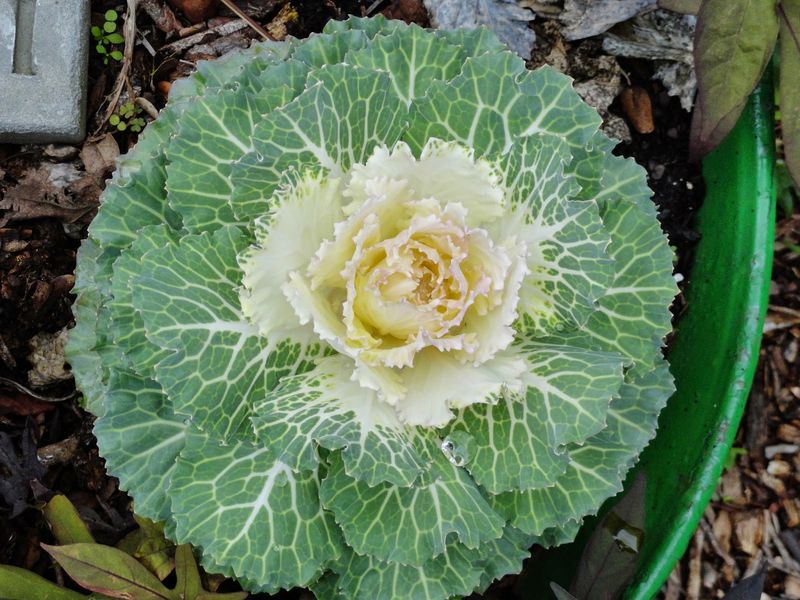
Florida’s cool-season annuals like petunias, snapdragons, and pansies put on a beautiful show from fall through late winter, but by early spring they start to look exhausted.
Clearing them out early is one of the most satisfying first steps in spring cleanup because it instantly freshens up the garden bed and opens up space for warm-season color.
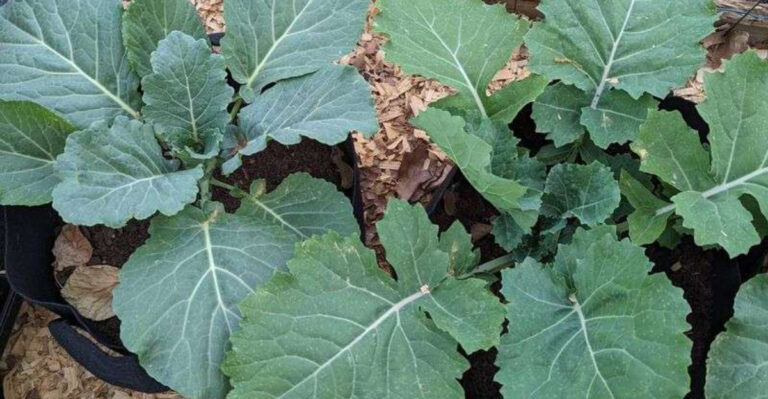
Spent edibles such as kale, broccoli, and lettuce also need to come out as temperatures climb. Once these crops bolt and go to seed, they stop producing anything worth harvesting.
Pulling them promptly helps avoid attracting pests and keeps the garden looking intentional rather than neglected.
After removing old plants, take a moment to loosen the soil and mix in some fresh compost before replanting. Florida’s sandy soils drain quickly and benefit from regular organic matter additions.
Removing spent plants early also gives you time to plan your warm-season planting layout before the rush of spring hits.
Marigolds, zinnias, and sweet potato vine are excellent warm-season replacements that thrive in Florida’s bright spring sunshine and rising temperatures.
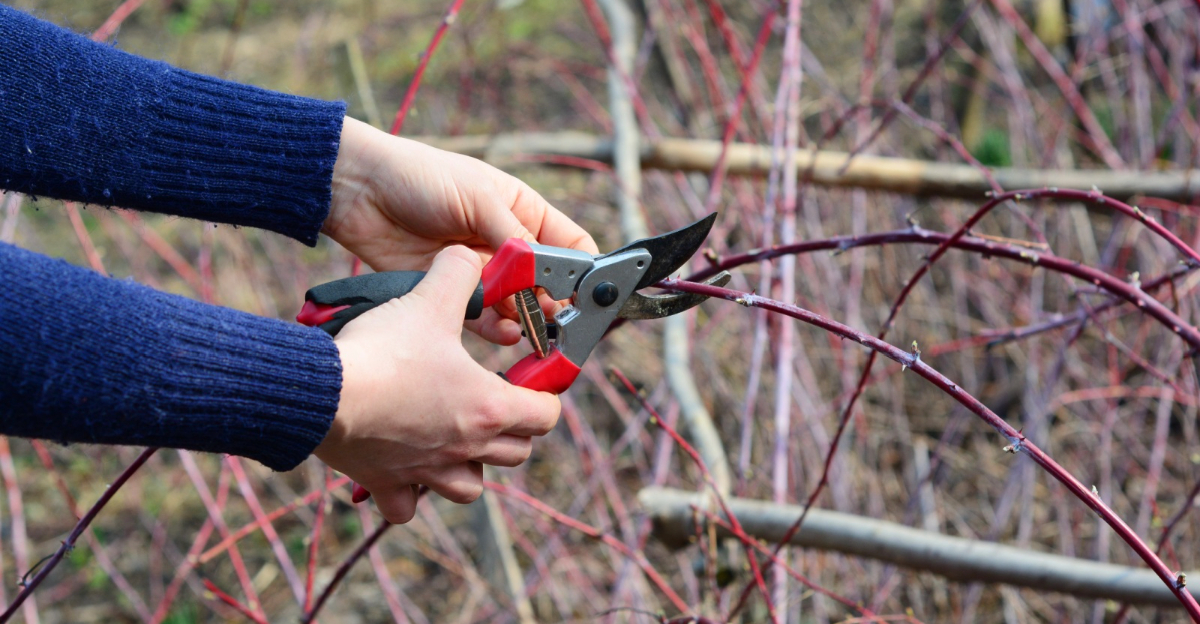
4. Prune Out Old Or Damaged Canes On Fruiting Shrubs And Vines First
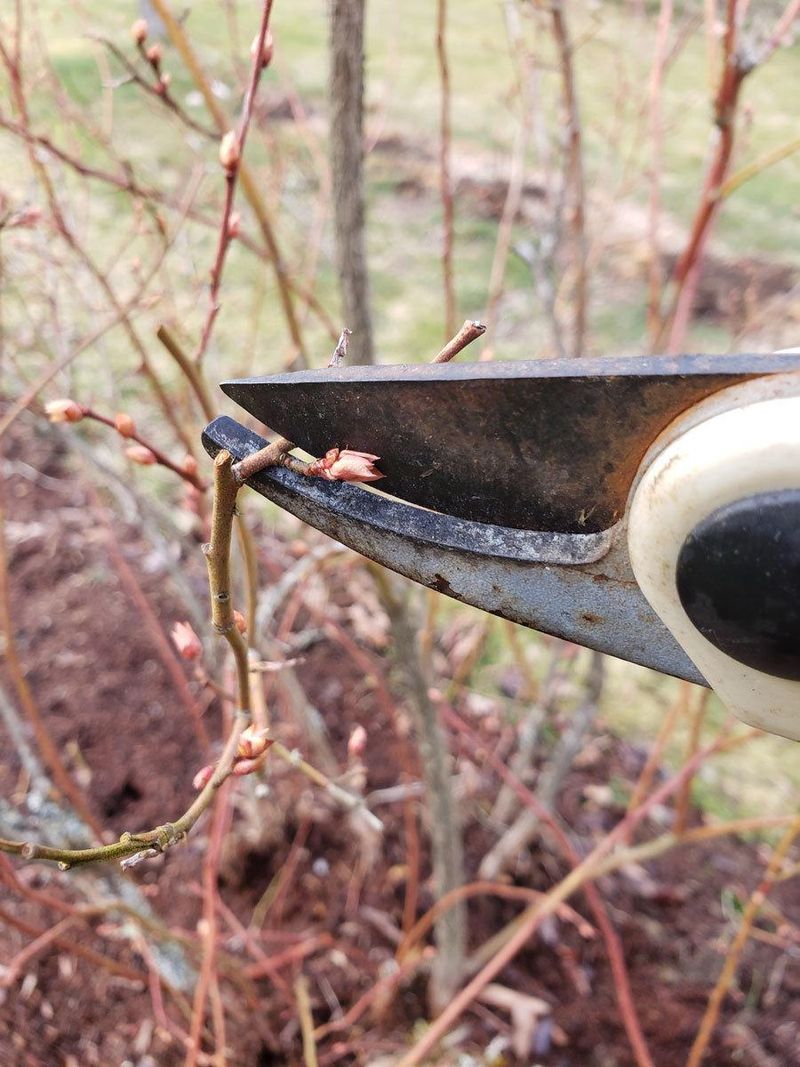
Fruiting shrubs and vines like blueberries, blackberries, and muscadine grapes can develop damaged or unproductive canes over the winter months in Florida.
Spotting and removing those canes early in spring is a smart move that improves air circulation, reduces disease pressure, and helps the plant focus its energy on producing fruit.
These canes are usually easy to identify: they look gray or brown, may have peeling bark, and show no signs of budding when other canes are already leafing out. Cut them back to the base or to a healthy lateral shoot using clean, sharp loppers.
Sanitizing your tools between cuts helps prevent spreading any fungal or bacterial issues between plants.
For blueberries especially, removing older, less productive canes encourages the plant to push out vigorous new shoots that will eventually become the next season’s most productive wood.
Florida gardeners growing fruiting shrubs in sandy soils should also check moisture levels after pruning, since newly trimmed plants benefit from consistent watering while they push out fresh growth.
Starting this task early gives your fruiting plants plenty of time to recover before the heat of summer sets in.
5. Cut Suckers And Water Sprouts On Young Fruit Trees Early
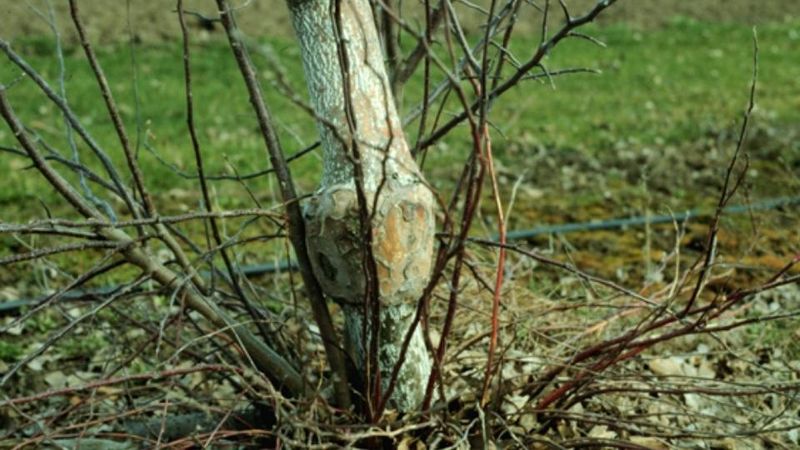
Young fruit trees in Florida can send up surprising amounts of unwanted growth in the form of suckers and water sprouts, especially after a mild winter.
Suckers shoot up from the base or roots of the tree, while water sprouts grow straight up from the main branches at sharp angles.
Both of them rob the tree of energy that should be going toward fruit production.
Removing these early in spring is a smart habit because they are much easier to cut when they are still small and tender. Left unchecked, suckers and water sprouts can grow thick and woody within just a few weeks in Florida’s warm conditions.
Snap or cut them off as close to their point of origin as possible to discourage regrowth.
For grafted fruit trees like citrus, suckers that emerge below the graft union are especially problematic.
They come from the rootstock rather than the desirable fruiting variety, and they will eventually outcompete the grafted portion if not removed promptly.
Checking young trees for this type of growth every few weeks during spring is a small effort that pays off with better structure, stronger branching, and healthier fruit production over time.
6. Leave Flowering Shrubs That Bloom On Old Wood For Later
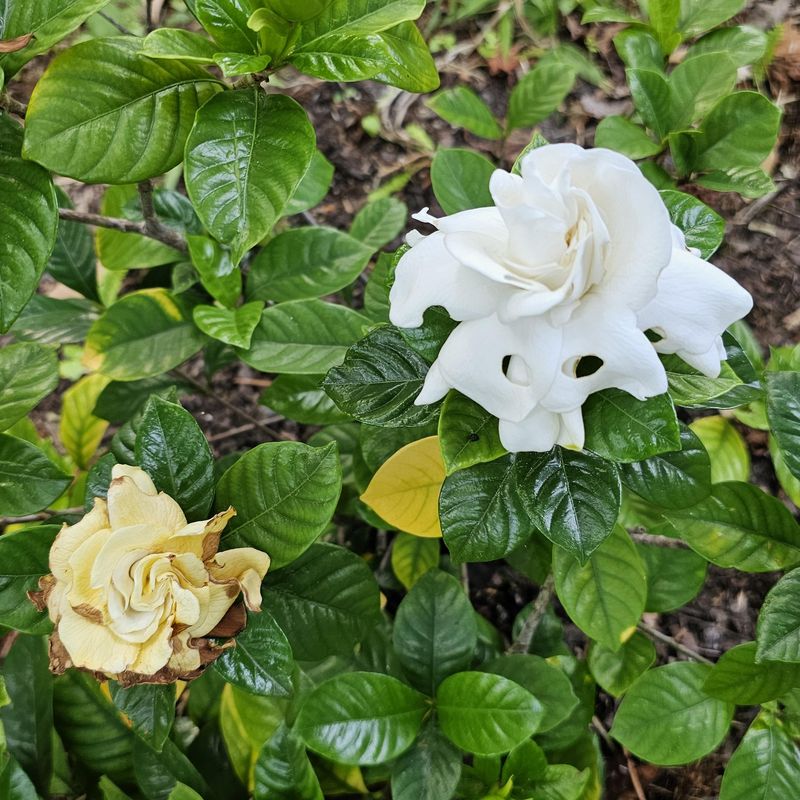
Azaleas and gardenias are among the most beloved flowering shrubs in Florida landscapes, and they share one important characteristic: they bloom on old wood. That means the flower buds you see in spring were actually set on last year’s growth.
Pruning them before or during bloom will cost you much of that beautiful floral display.
The right time to prune these shrubs is shortly after they finish flowering, usually by late spring in most parts of Florida. That window gives the plant enough time to set new buds on the fresh growth before the following spring arrives.
Pruning too late in the season risks cutting off next year’s blooms before they have a chance to develop.
When the time does come to prune, keep cuts light and focused on shaping rather than heavy reduction. Removing no more than one-third of the plant at a time is a reasonable guideline that keeps the shrub healthy and full.
Florida gardeners who rush to prune azaleas or gardenias during spring cleanup often find themselves wondering why the plants did not bloom well the following year.
A little patience here really does pay off with a much more colorful result.
7. Hold Off On Banana Trees And Other Tropical Foliage
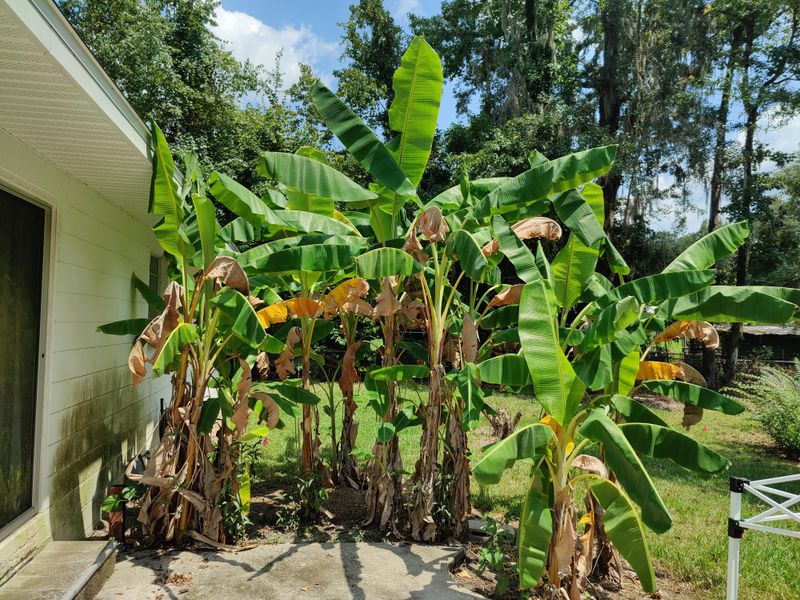
Banana trees are a staple in many Florida yards, and they can look pretty rough by the time spring arrives, with tattered, brown-edged leaves hanging off in every direction. The temptation to cut them all back at once is understandable, but holding off a bit is the smarter move.
New growth emerges from the center of the plant, and the older leaves, even the tatty ones, help protect that tender new growth from late cool snaps.
Other tropical foliage plants like bird of paradise, heliconias, and gingers follow a similar pattern. They may look beaten up from winter, but they are already pushing new growth from the base.
Cutting back too aggressively before temperatures have fully stabilized can set these plants back considerably.
Wait until nighttime temperatures are consistently staying above 55 degrees Fahrenheit before doing any significant trimming on tropical plants.
Once that threshold is met, you can safely remove the oldest, most damaged leaves and cut back any spent pseudostems on bananas to the ground.
New shoots, called pups, will quickly fill in the space. Florida’s warm spring soil temperatures mean these tropicals bounce back fast once they are given the green light to grow freely.
8. Shape Crape Myrtles After Other Pruning Is Done
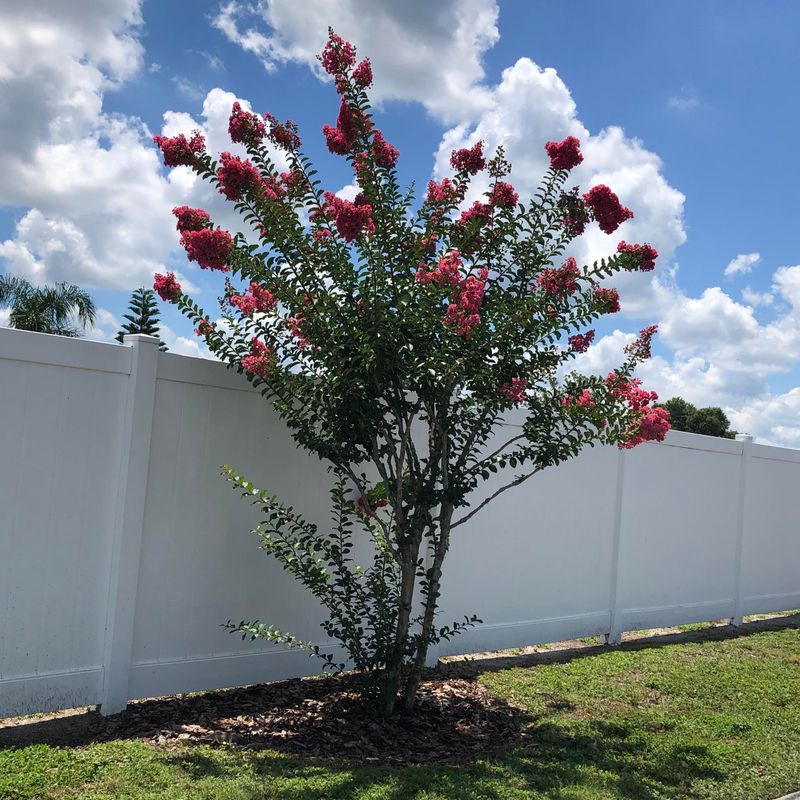
Crape myrtles are everywhere in Florida landscapes, and they generate more pruning debate than almost any other plant in the state.
The practice of chopping them back to thick stubs, sometimes called crape murder, weakens the tree over time and ruins its natural form.
Proper shaping involves much lighter cuts and should come later in your spring pruning sequence.
Waiting until other, more urgent pruning tasks are finished makes good sense because crape myrtles are not in a hurry.
They leaf out reliably once warm weather arrives, and light shaping done in mid-spring after the main cleanup push is complete is perfectly timed.
Focus on removing crossing branches, any suckers at the base, and small twiggy growth in the canopy interior.
If size reduction is truly needed, cut back to a lateral branch that is at least half the diameter of the branch being removed. This technique preserves the tree’s natural shape and avoids the knobby regrowth that results from heavy topping.
Florida crape myrtles that are pruned correctly develop graceful multi-trunk forms and produce abundant flower clusters all summer long. Taking your time with this one and doing it right is always worth the extra care.
9. Wait To Trim Perennials That Bloom Later In The Season
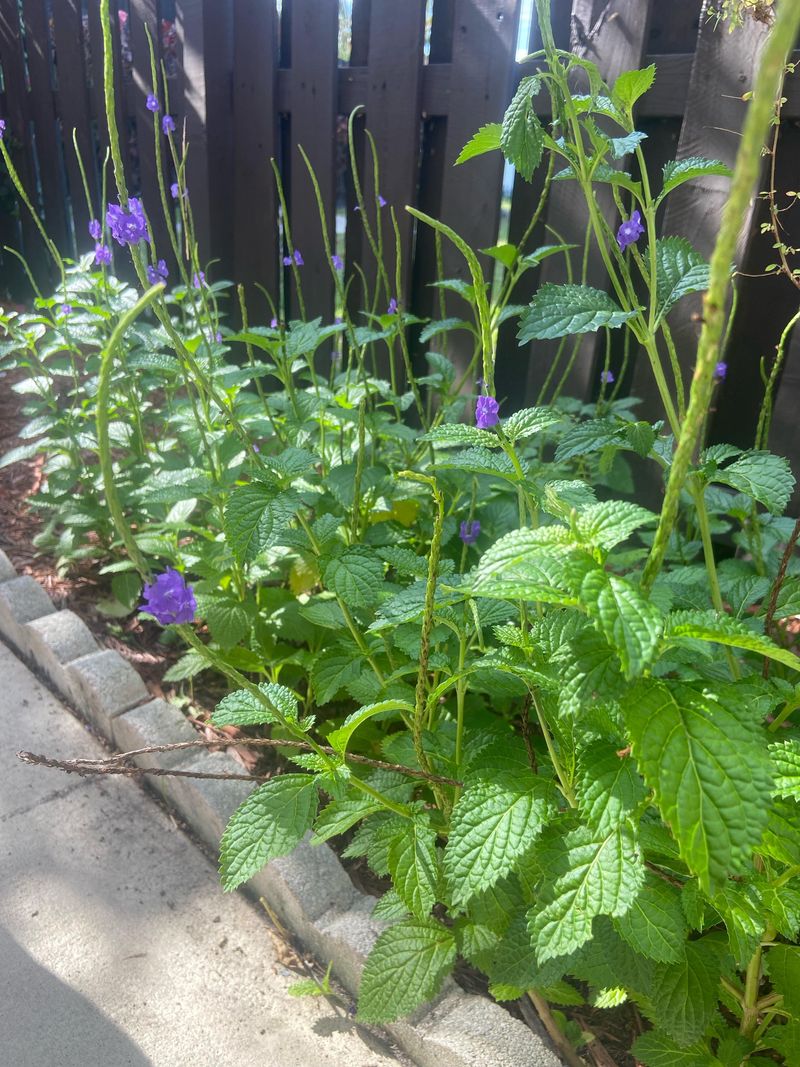
Some perennials in a Florida garden are slow starters in spring, and that can make a gardener nervous.
Plants like blue porterweed, tropical sage, and certain salvias may still look sparse or even bare in early spring while other plants are already growing vigorously.
Not all salvias bloom late, so it’s important to observe your specific variety before trimming. Cutting them back too early can delay blooming significantly.
These later-blooming perennials set their buds on new growth that develops through spring and early summer. Pruning stems before this growth emerges removes the very stems that will carry this season’s flowers.
The better approach is to wait until you can clearly see new shoots developing from the base or along the stems before deciding what, if anything, needs removal.
Once growth is underway, you can perform a light cleanup by removing only brown or hollow stems while leaving live tissue intact.
Florida’s long, warm season ensures plenty of time for these perennials to fill out and bloom beautifully even with a slightly delayed trim.
10. Perform Structural Pruning On Fruit Trees At The End
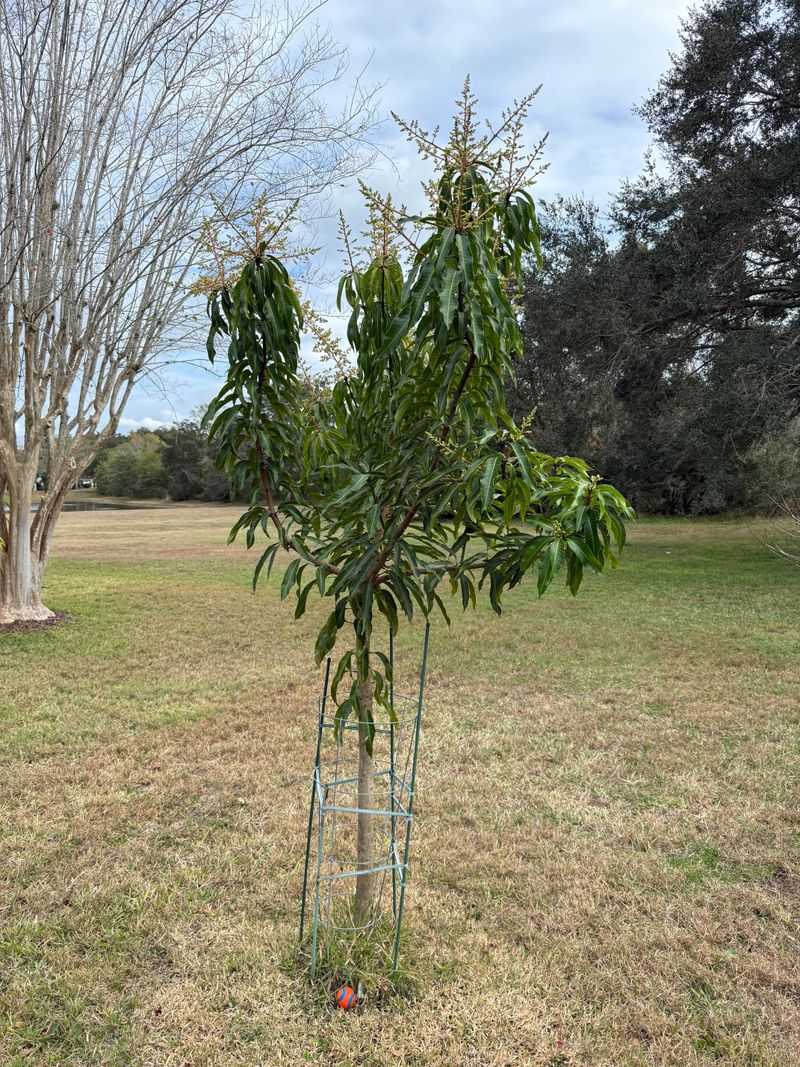
Structural pruning is the most significant type of pruning you can do to a fruit tree, and it deserves a spot at the end of your spring cleanup list.
For trees like mango, avocado, and lychee, this involves removing larger limbs to improve canopy shape, light penetration, and airflow.
In Florida, the timing can vary: some tropical fruit trees benefit from pruning during dry-season dormancy in late winter or early spring to reduce disease risk during wet periods.
Doing this work after lighter pruning tasks are complete makes sense because the tree has already invested energy in producing new shoots and flowers.
Waiting until late spring or early summer, after the main flush of growth has hardened off, also gives trees a chance to heal cleanly. Always use sharp, clean tools and cut just outside the branch collar to encourage proper closure.
Limiting canopy removal to roughly one-quarter at a time reduces stress, and Florida’s warm soils and frequent summer rains support rapid recovery, helping fruit trees bounce back with healthy, structured growth ready for the next flowering cycle.