What Frost Really Does To Mango Trees In Florida
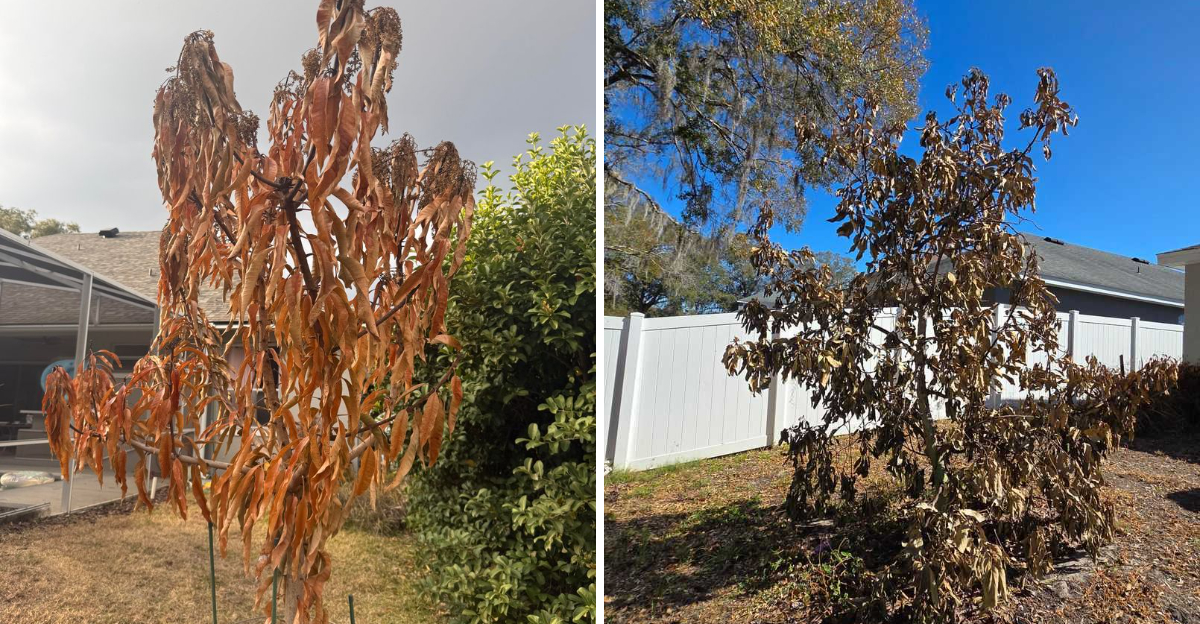
One cold night can erase years of care in a Florida mango grove. Temperatures that flirt with near zero strike fast and leave scars long after the sun returns.
Frost bites tender leaves, blackens flowers, and splits young fruit before harvest ever begins. Ice crystals form inside plant cells, rupture vital tissue, and shut down sap flow.
Branch tips wither, canopies thin, and once lush trees stand stunned and silent. Yields crash, flavor suffers, and disease finds easy entry through damaged skin.
Growers wake to a scene that feels unreal, a tropical tree caught in a brief taste of winter. Recovery demands patience, smart trim, and careful nutrition to rebuild strength.
Protection plans, from micro sprinklers to wind machines, can mean the difference between survival and loss. Know the real impact of frost, because one chill can rewrite the fate of an entire season.
1. Spot Hidden Cold Damage Before It Spreads
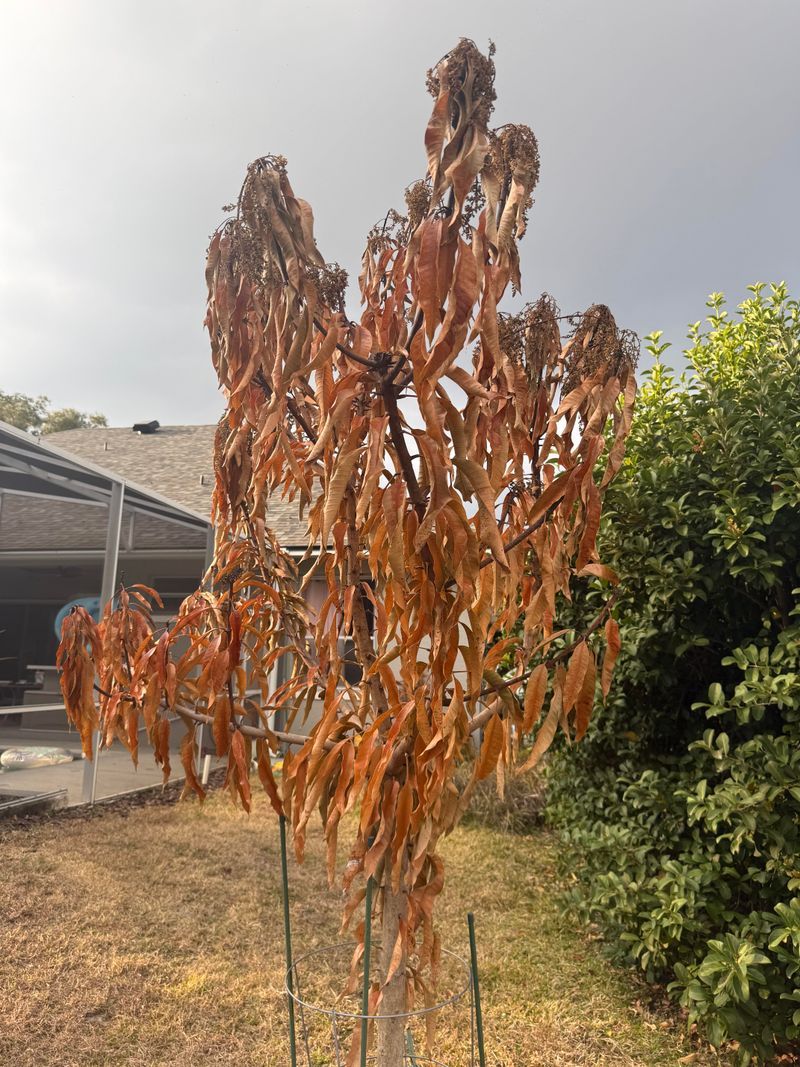
Cold injury doesn’t always show up right away on mango trees. Sometimes the damage hides inside the wood and cambium layers where you can’t see it at first.
Leaves might look fine for several days before browning appears along the edges or between the veins.
Internal tissue damage becomes the real problem because it weakens the tree’s ability to move water and nutrients. Branches that seemed healthy after a frost can suddenly wilt or drop leaves two weeks later.
This delayed response makes early observation absolutely essential for Florida mango growers.
Check your trees carefully in the days and weeks following any frost event. Look for subtle color changes in young shoots and examine the bark for cracks or splits.
Gently scratch the bark on smaller branches to see if the tissue underneath stays green and healthy.
Catching problems early lets you make better decisions about care and recovery. Trees with hidden damage need different treatment than those with only surface leaf injury.
Regular monitoring helps you understand the true extent of what happened during the cold night.
2. Protect Flowers And Young Fruit First
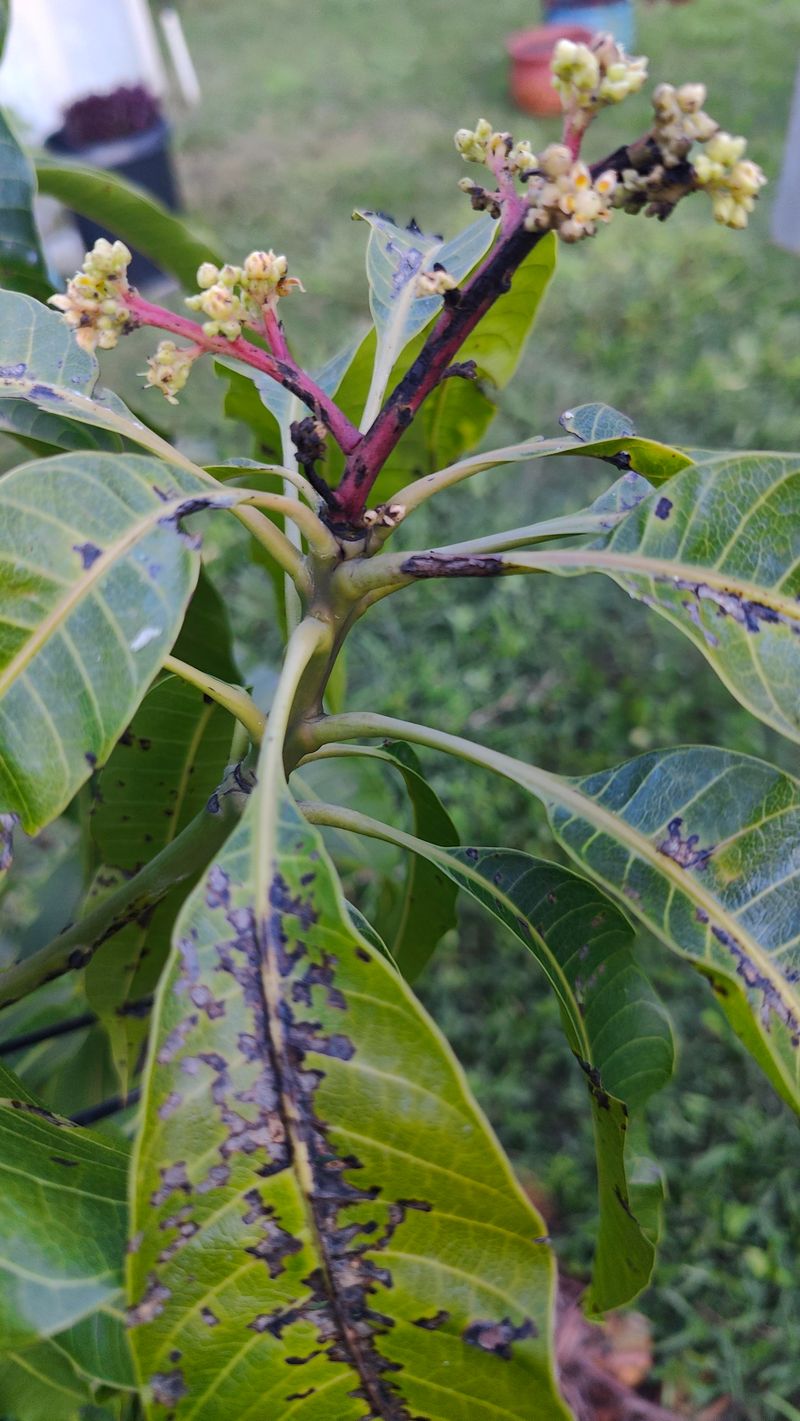
Blooms and tiny developing mangoes are incredibly sensitive to cold temperatures. Even a light frost that barely touches the leaves can completely destroy flower clusters and small fruit.
When temperatures drop below 30 degrees Fahrenheit, reproductive structures suffer the most damage on the entire tree.
Flowering usually happens during Florida’s cooler months, which puts these delicate structures at risk. A single frost event during bloom time can wipe out your entire crop for that year.
The flowers turn brown and drop within days, and any small fruit that formed will shrivel and fall off.
This vulnerability explains why yield gets affected so dramatically after cold weather. Trees might look mostly healthy with green leaves, but the loss of flowers means no mangoes for months.
Growers in northern Florida face this challenge more often than those in southern regions.
Protecting blooms requires planning ahead and watching weather forecasts closely. Covering trees during critical flowering periods saves your harvest.
Understanding that reproductive growth needs the most attention helps you focus your protection efforts where they matter most for getting fruit.
3. Give Young Mango Trees Extra Protection
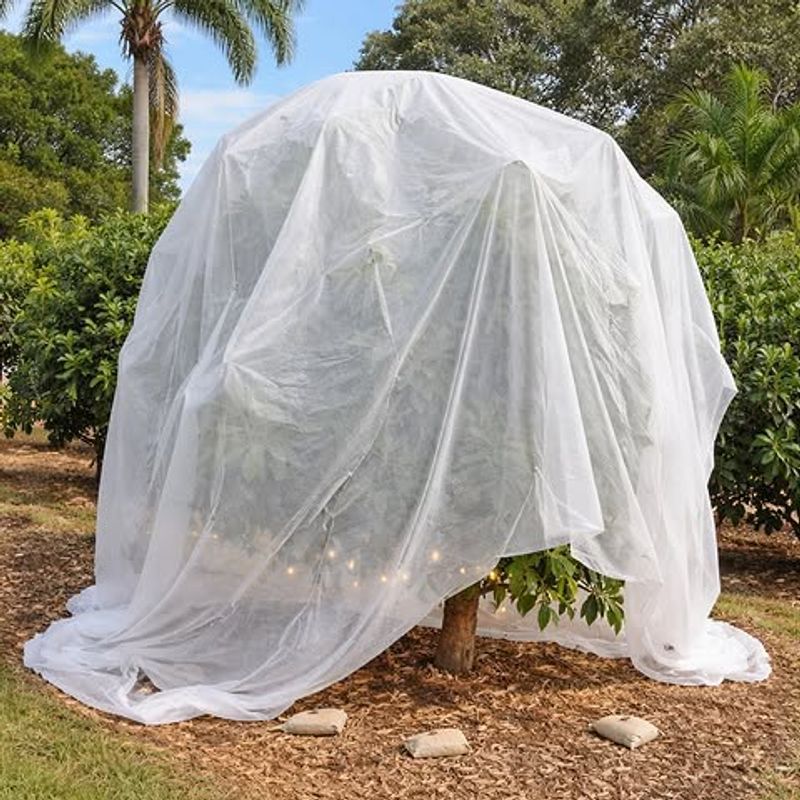
Newly planted mango trees handle cold weather much worse than mature ones. Their thin bark and small root systems leave them vulnerable to serious injury from frost.
A temperature that barely bothers a ten-year-old tree can severely damage or even end a two-year-old sapling.
The trunk on young trees is especially at risk because the cambium layer sits close to the surface. When this living tissue freezes, it disrupts the flow of water and nutrients throughout the plant.
The canopy on immature trees also lacks the protective leaf density that older trees develop over time.
Florida growers know that extra care during the first few years makes all the difference. Wrapping trunks with burlap or tree wrap provides crucial insulation during cold snaps.
Building small temporary structures around young trees or using frost blankets gives them a better chance of surviving winter.
Placing young mangoes in the warmest spots of your property helps too. Keep them away from low-lying areas where cold air settles at night.
The investment in protection during early years pays off with healthy, productive trees later on.
4. Prevent Long Term Weakening After Frost
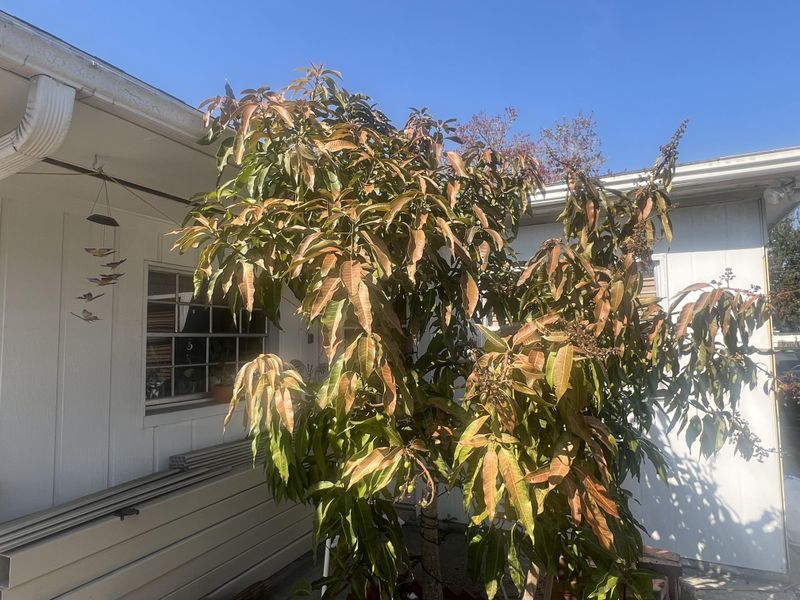
Frost creates stress that lingers long after the cold weather passes. Trees use tremendous energy trying to recover from frozen tissues and damaged cells.
This exhaustion shows up as reduced vigor in the months following a frost event, with slower growth and less robust new shoots appearing.
The impact on future flowering becomes one of the most frustrating long-term effects. A tree stressed by cold in January might produce fewer flower clusters the next season or skip blooming altogether.
Fruiting also suffers because weakened trees struggle to support developing mangoes even when they do set fruit.
Florida mango growers sometimes see problems continuing for two or three years after a severe frost. Growth slows down, leaf color stays pale, and overall tree health declines.
This delayed weakness happens because the root system and internal wood need time to fully recover from cold injury.
Supporting your tree through gentle care helps prevent this long-term decline. Avoid pushing it too hard with fertilizers or heavy pruning.
Let the tree rebuild its strength naturally while you provide consistent water and protection from additional stress.
5. Delay Pruning And Let Trees Stabilize
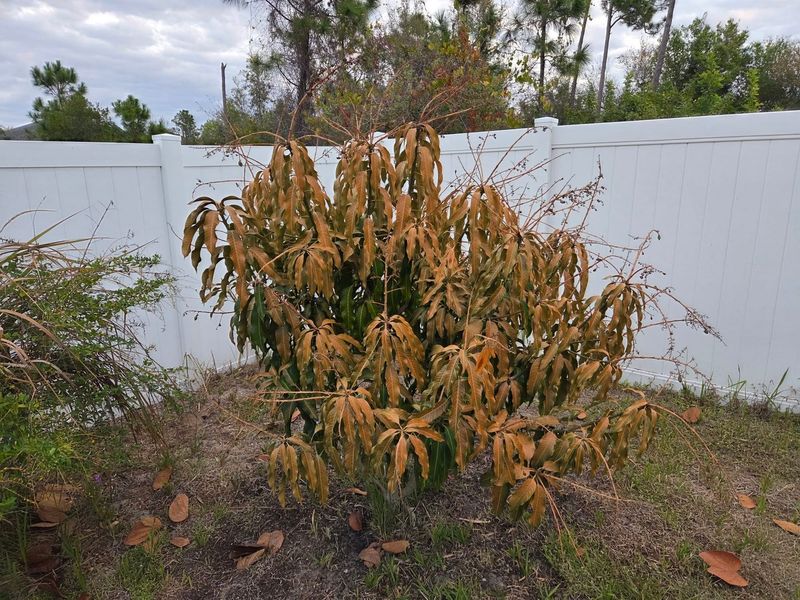
Grabbing your pruning shears right after a frost feels natural, but it actually causes more harm than good. Cutting away damaged branches immediately adds extra stress when the tree is already struggling.
Those brown leaves and injured shoots still serve an important protective function for the living wood underneath.
Damaged foliage acts like a bandage, shielding tender tissues from sun exposure and additional cold. Removing this protective layer too soon exposes vulnerable areas to harsh conditions.
The tree also needs time to move stored nutrients out of injured branches before they get cut away.
Waiting three to six weeks after the last frost gives you a clearer picture of what truly needs removal. New growth will start appearing on healthy branches, making it obvious which parts actually survived.
Florida growers who practice patience with pruning timing see better recovery rates in their mango trees.
When you finally do prune, work gradually and conservatively. Remove only the parts that are clearly gone, leaving anything questionable for later assessment.
This careful approach lets the tree stabilize and begin its natural healing process without added shock from aggressive cutting.
6. Avoid Forcing Tender Growth Too Soon
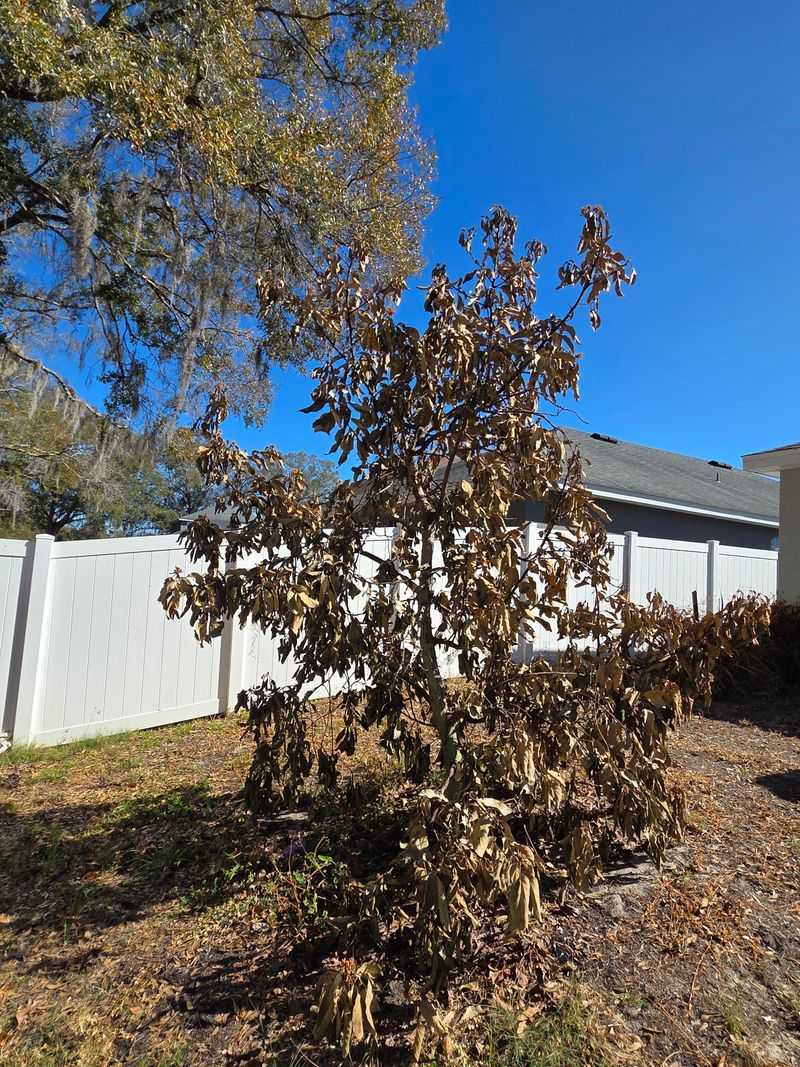
Pushing your mango tree to produce new growth right after frost damage seems helpful but creates dangerous vulnerability. Fertilizing too early stimulates tender shoots that are extremely sensitive to any additional cold weather.
These fresh leaves and branches have no cold tolerance and will suffer severe injury from even light frost.
New growth uses up the tree’s limited energy reserves at a time when it needs those resources for healing. The tree naturally wants to repair damaged tissues before investing in expansion.
Forcing growth with nitrogen fertilizers interrupts this important recovery process and can actually slow overall healing.
Florida’s winter weather remains unpredictable even after the first frost event. Another cold snap often follows weeks later, and those tender new shoots you encouraged will take the hardest hit.
Waiting until spring temperatures stabilize gives your tree the best chance for healthy regrowth.
Let the tree set its own pace for recovery. Hold off on fertilizing until you see strong natural growth beginning and nighttime temperatures stay consistently above 50 degrees.
This patient approach results in stronger, more resilient new branches that can handle normal growing conditions.
7. Use Warm Microclimates To Reduce Damage
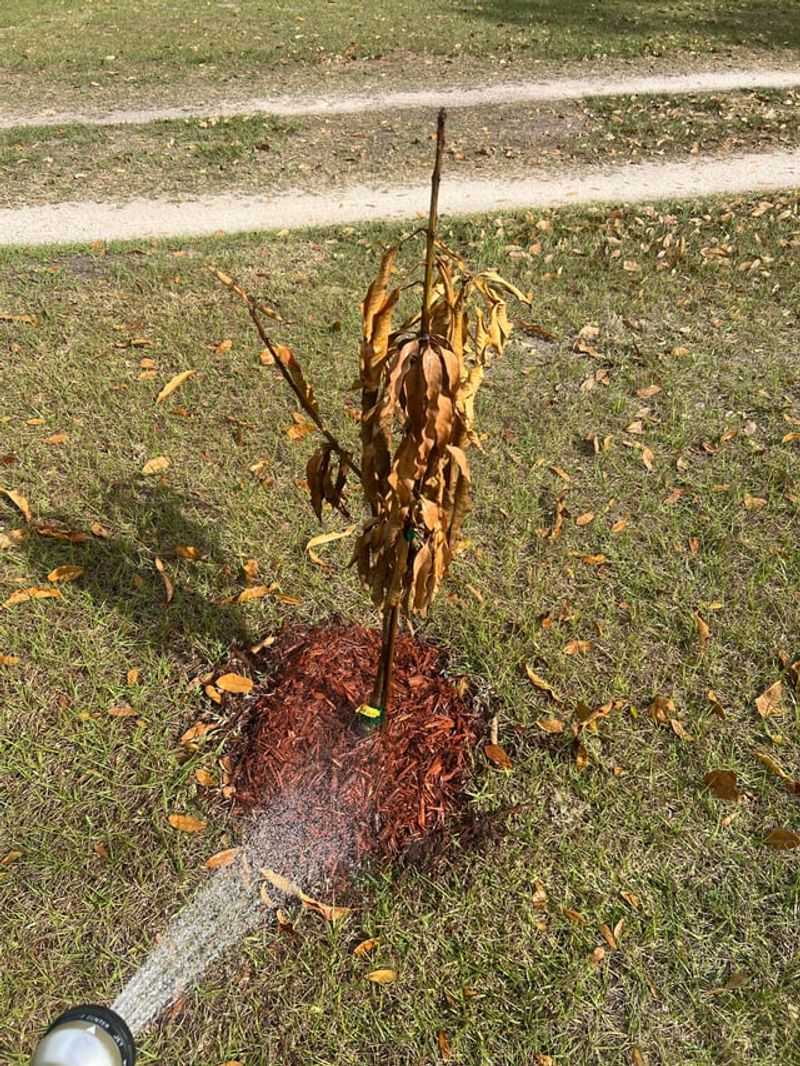
Strategic placement makes a huge difference in how much cold damage your mango tree experiences. Locations near buildings, especially on the south side, stay several degrees warmer than open yard areas.
These heat-retaining spots create protective pockets where frost forms later and melts earlier than surrounding spaces.
Urban areas in Florida naturally run warmer than rural locations because buildings and pavement store daytime heat. This extra warmth radiates at night, raising the temperature just enough to prevent frost formation.
Planting your mango near your house or garage gives it this valuable temperature buffer during cold snaps.
Avoid low spots in your yard where cold air naturally settles and pools overnight. These frost pockets can be five to ten degrees colder than areas just a few feet higher.
Slope and elevation matter more than most people realize when choosing a planting location.
South-facing walls provide double benefits by blocking cold north winds and reflecting heat toward the tree. The combination of wind protection and thermal mass helps mangoes survive temperatures that would damage trees in exposed locations.
Thinking about microclimates before planting saves years of struggle with frost problems.
8. Act Early To Limit Frost Injury
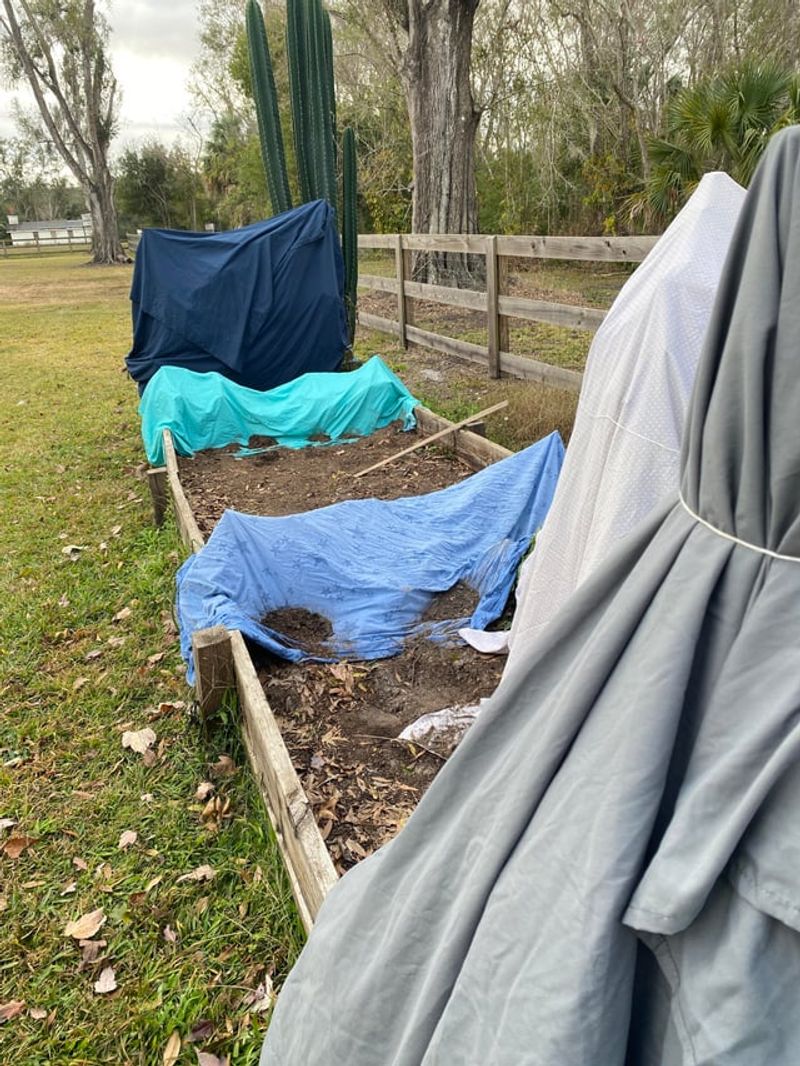
Taking action before frost arrives works far better than trying to fix damage afterward. Covering your mango tree with sheets or frost blankets traps heat radiating from the ground and can raise the temperature around the canopy by several degrees.
Make sure covers reach all the way to the ground and secure them so wind doesn’t blow them off.
Mulching heavily around the tree base helps soil retain warmth that releases slowly during cold nights. A thick layer of organic mulch also protects surface roots from freezing.
Wrapping the trunk with burlap or commercial tree wrap prevents bark splitting on young trees.
Watering your tree thoroughly the day before expected frost helps because moist soil holds and releases more heat than dry ground. The water in plant tissues also provides some protection against freezing.
Florida growers often run sprinklers during frost events, though this technique requires careful timing and continuous operation.
Watching weather forecasts closely lets you prepare instead of react. Having supplies ready and a protection plan in place means you can act quickly when temperatures threaten to drop.
Proactive frost preparation consistently produces better results than any recovery method.