What Frost Really Does To Palm Trees In Florida (And How To Save Them)
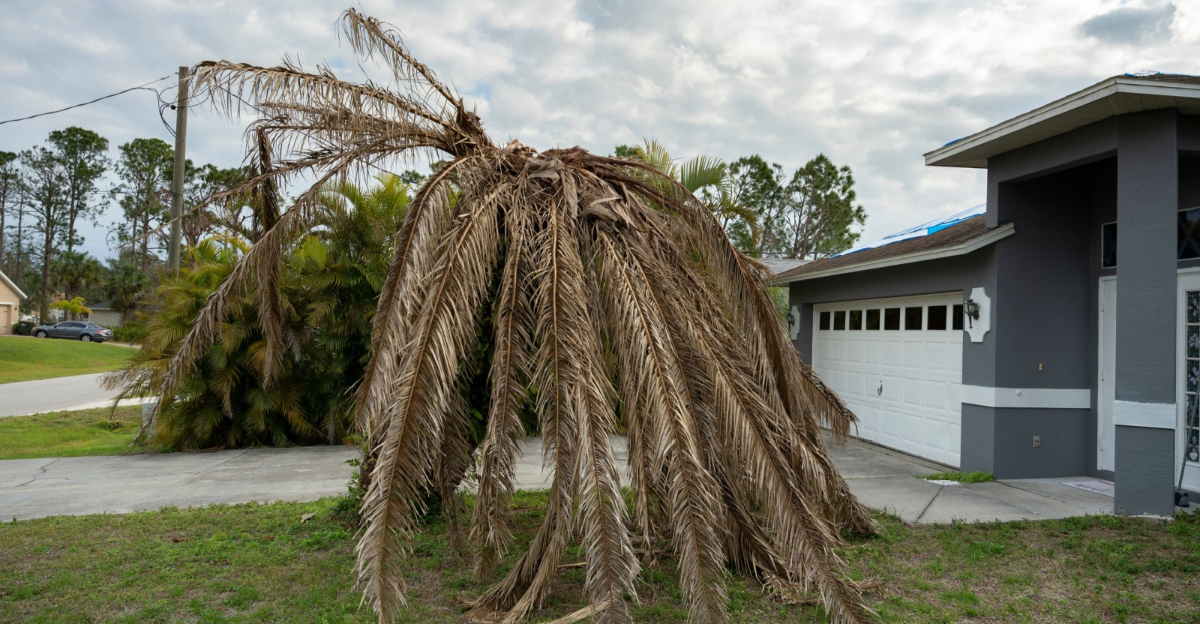
One brutal cold snap can rewrite the fate of every palm in your yard. Frost hits fast, silent, ruthless across Florida, and lush green fronds collapse into brown scars by sunrise.
Many homeowners wake in shock and fear their tropical icons stand doomed, yet real destruction hides deep inside the crown where life still fights to survive. One wrong move after a freeze can finish what cold only started.
Prune too early, cut too much, or miss key danger signs and even mature palms can decline after decades of storms and heat. Know what frost truly does and everything changes.
Cells burst, water transport stops, growth halts, rot invades from the top. Fast, precise action can decide between recovery and loss.
Discover the truth behind frost damage, read the quiet signs of life, and follow exact steps that give Florida palms a powerful second chance for survival during future freezes.
1. Frost Burns Palm Tissue From The Inside Out
When temperatures drop below freezing, water inside palm cells begins to crystallize. Ice formation and freezing stress disrupt cell structure and cause tissue injury.
Unlike surface damage you can see right away, this internal injury happens silently at the cellular level.
Palms have limited cold acclimation compared to cold-hardy plants, making them more vulnerable to freezing injury. Their cells contain high water content, making them especially vulnerable when plant tissues freeze.
Cold injury disrupts water and nutrient movement within affected tissues.
What makes frost injury tricky in Florida is the delayed symptom appearance. A palm might look perfectly healthy the morning after a freeze, but internal injury may already be underway.
Over the following days and weeks, damaged tissue starts to show visible signs as the tree attempts to transport water through compromised vascular channels.
Sensitive tropical palms can suffer damage when temperatures drop into the upper 20s, especially with prolonged exposure. The severity depends on how long the freeze lasts, how low temperatures drop, and whether the palm had time to acclimate to cooler weather beforehand.
2. Watch For Bronzing, Yellowing, And Drooping Fronds
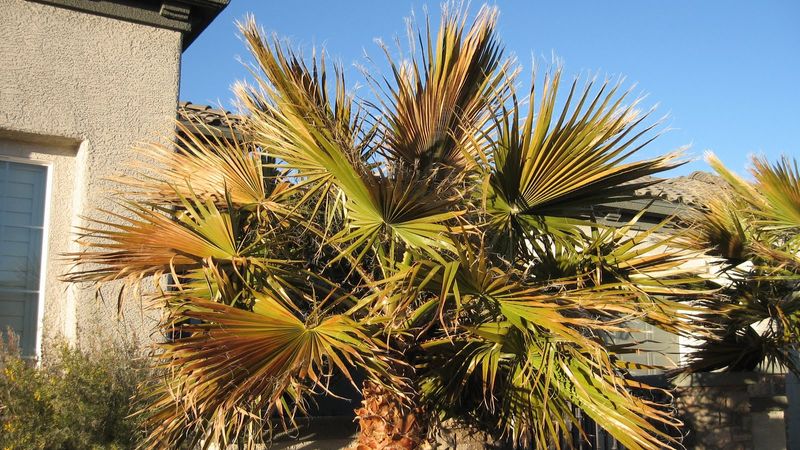
Frost-damaged fronds don’t turn brown overnight. Instead, you’ll notice a gradual shift in color that starts subtle and becomes more obvious over time.
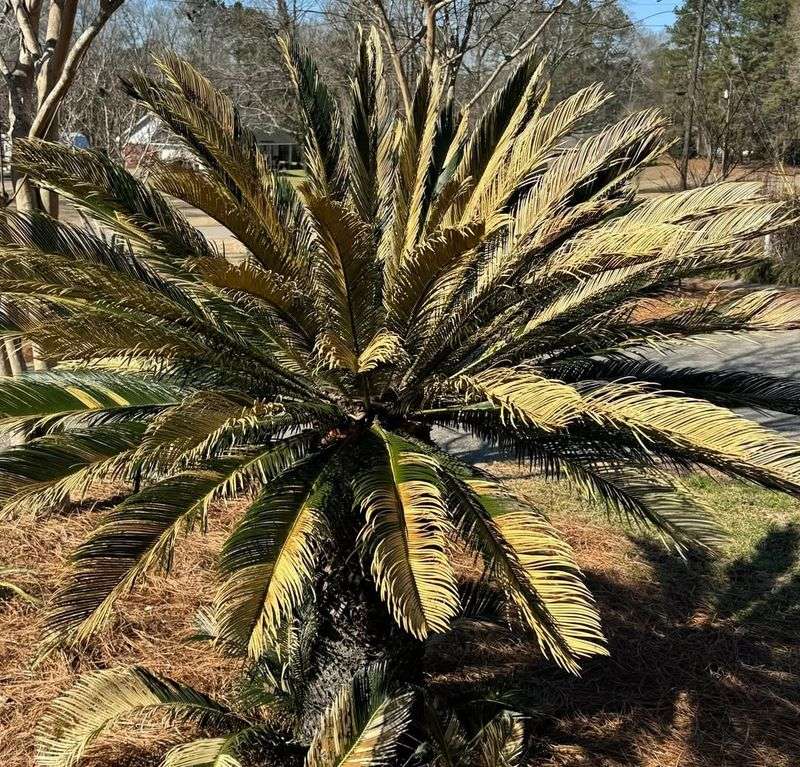
Healthy green fronds begin developing bronze or tan patches, often starting at the tips and edges where cold air settles first. This bronzing spreads inward as damaged cells fail to function.
Yellowing appears next, signaling that the tissue can no longer produce chlorophyll or transport nutrients properly. The fronds lose their vibrant color and take on a sickly pale appearance.
Some homeowners mistake this for a watering issue or nutrient deficiency, but the pattern and timing after a freeze tell the real story.
Drooping fronds often indicate significant internal tissue injury. When the internal plumbing gets compromised by ice crystals, fronds can no longer stay rigid and upright.
They hang limply from the crown, sometimes folding downward in a characteristic wilted posture that healthy palms never display.
Florida palm owners should document what their trees look like immediately after frost and then monitor changes weekly. Symptoms can continue developing for three to six weeks after the initial freeze event.
Extension offices recommend taking photos to track progression, which helps determine whether the palm is stabilizing or continuing to decline over time.
3. Protect The Spear Leaf Because It Determines Survival
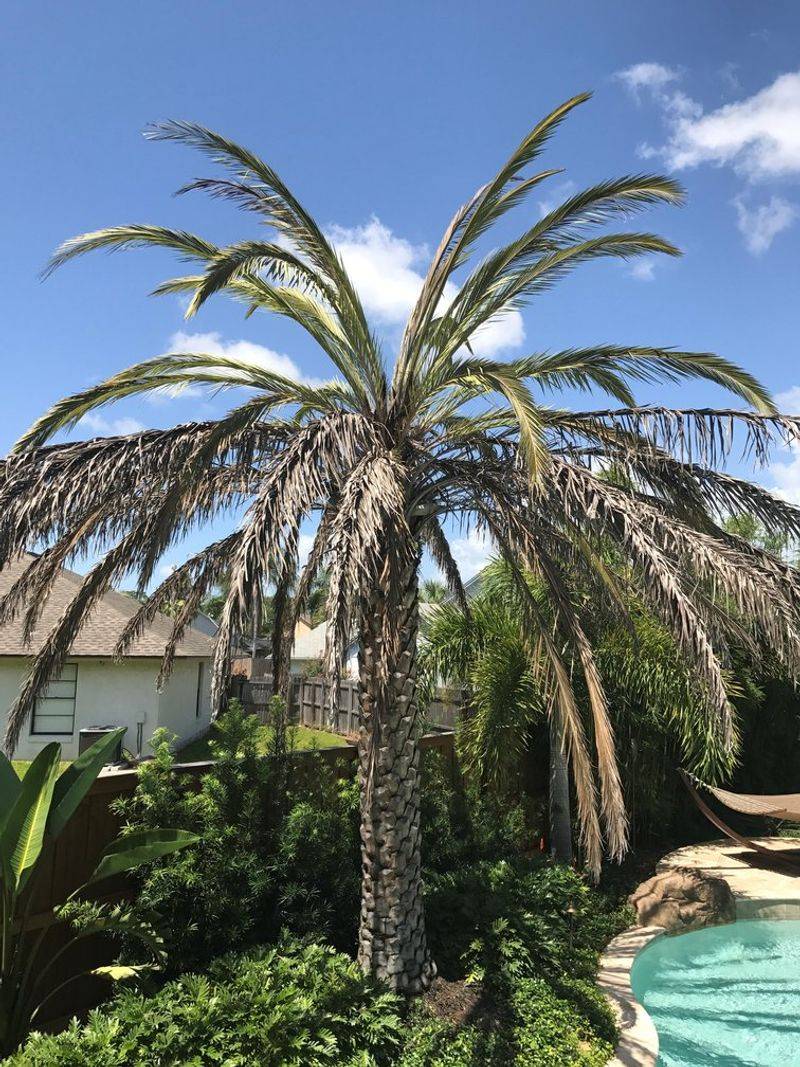
Every palm tree has a single growing point at the top of its trunk, protected inside a cluster of emerging leaves called the spear. This tender, unopened frond contains the meristem tissue responsible for all future growth.
If frost penetrates deep enough to damage this central spear, the palm loses its ability to produce new leaves.
Unlike branching trees that can sprout from multiple buds, palms cannot regenerate from side shoots or lower trunk sections. The spear represents the tree’s only chance at continued life.
Checking its condition after a freeze gives you the most accurate prediction of whether your palm will recover.
Gently tug on the spear leaf a few weeks after frost exposure. A healthy spear resists pulling and feels firmly attached to the crown.
If it slides out easily or feels mushy and soft, the growing point likely suffered severe damage. A foul odor accompanying a loose spear confirms tissue decay inside the crown.
Young palms and newly planted specimens face higher risk because their crowns sit closer to ground level where cold air pools. Florida growers often see established palms survive freezes that devastate younger trees of the same species.
The spear’s protection improves as palms gain height, lifting the vulnerable growing point above the coldest air layer during frost events.
4. Know Which Florida Palms Are Most At Risk
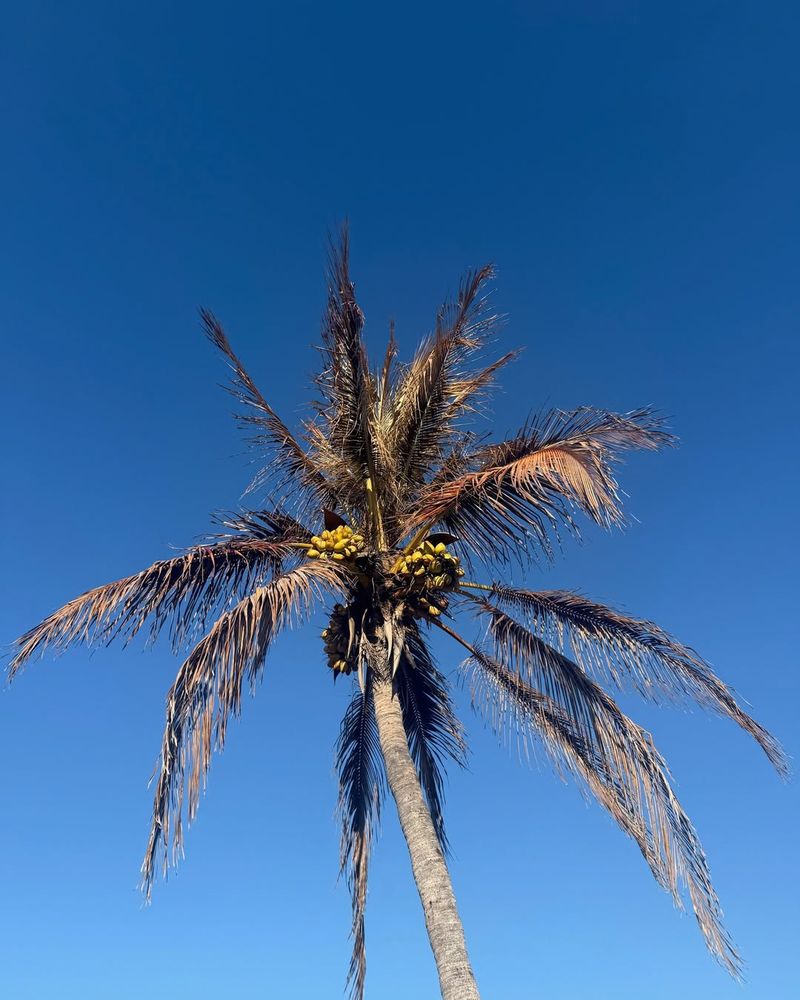
Coconut palms, arecas, and royal palms top the list of cold-sensitive species commonly grown across Florida. These tropical beauties thrive in South Florida’s warmth but struggle when temperatures drop into the 30s, and they face serious injury below freezing.
These species are naturally adapted to warm climates and tolerate freezing poorly.
Sabal palms, pindo palms, and needle palms demonstrate much greater cold tolerance. Sabals can withstand temperatures in the low 20s without significant damage, while needle palms survive well into the teens.
These hardy species make smart selections for areas that experience regular winter freezes.
Size and maturity matter just as much as species selection. A five-foot tall coconut palm will suffer more damage than a thirty-foot specimen during the same freeze because cold air settles near the ground.
Newly planted palms of any species show increased vulnerability during their first two winters as their root systems establish and they adjust to local conditions.
Container-grown palms face even greater risk since their roots lack the insulation that surrounding soil provides. The entire root ball can freeze solid in a way that rarely happens with in-ground plantings.
Florida gardeners should move containerized tropical palms to protected locations before frost threatens or choose cold-hardy species for permanent outdoor placement.
5. Avoid These Common Post-Frost Mistakes
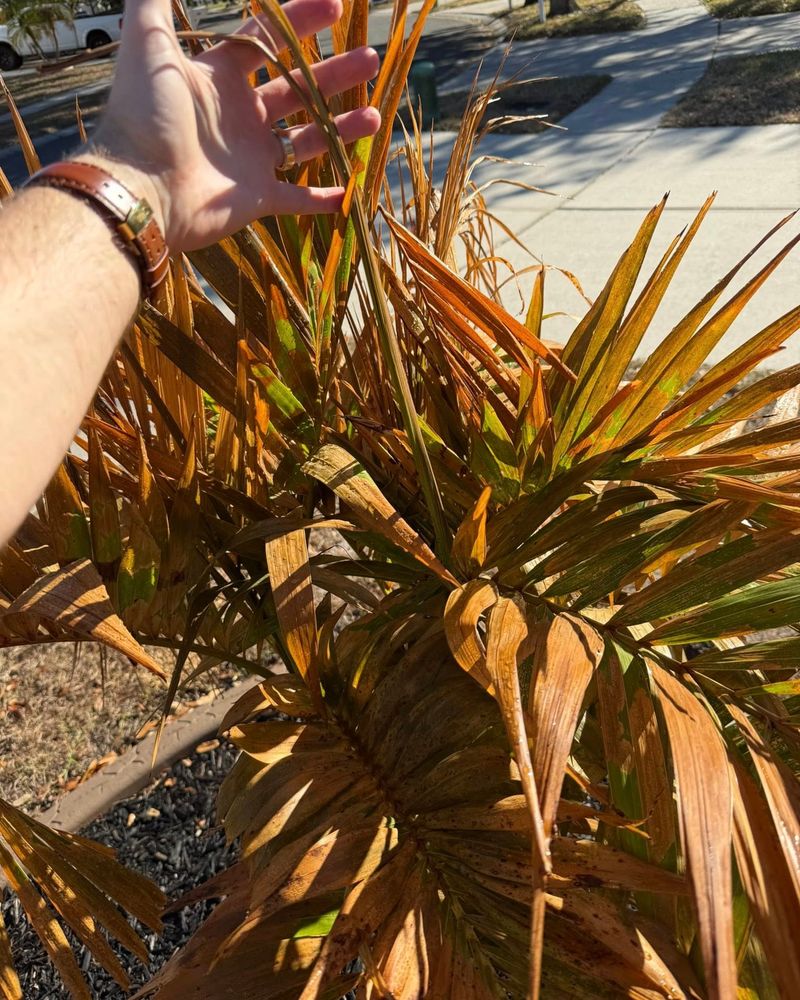
Grabbing pruning shears immediately after a freeze ranks as the most common mistake Florida homeowners make. Those damaged fronds still contain living tissue that provides energy to the stressed palm.
Removing them too soon forces the tree to use precious stored reserves when it needs every resource for recovery. Extension specialists recommend waiting at least six to eight weeks before cutting anything.
Applying fertilizer to a frost-damaged palm sounds helpful but actually increases stress. The compromised root system cannot properly absorb nutrients, and pushing new growth before the vascular system heals often backfires.
Fertilizing too soon can stress already weakened roots and force weak, vulnerable new fronds that subsequent cold snaps easily damage.
Overwatering becomes tempting when fronds start looking sad and droopy. However, damaged roots sit in a weakened state and excess moisture promotes root rot in tissue already struggling to function.
Florida’s naturally high humidity means frost-damaged palms need less supplemental water than healthy ones, not more.
Some homeowners panic and remove palms that still have viable growing points. Patience pays off because recovery can take six months to a year.
That brown, crispy palm in March might push out beautiful new growth by summer if the spear survived, but you’ll never know if you remove it prematurely during spring cleanup.
6. Support Recovery With Patience And Proper Care
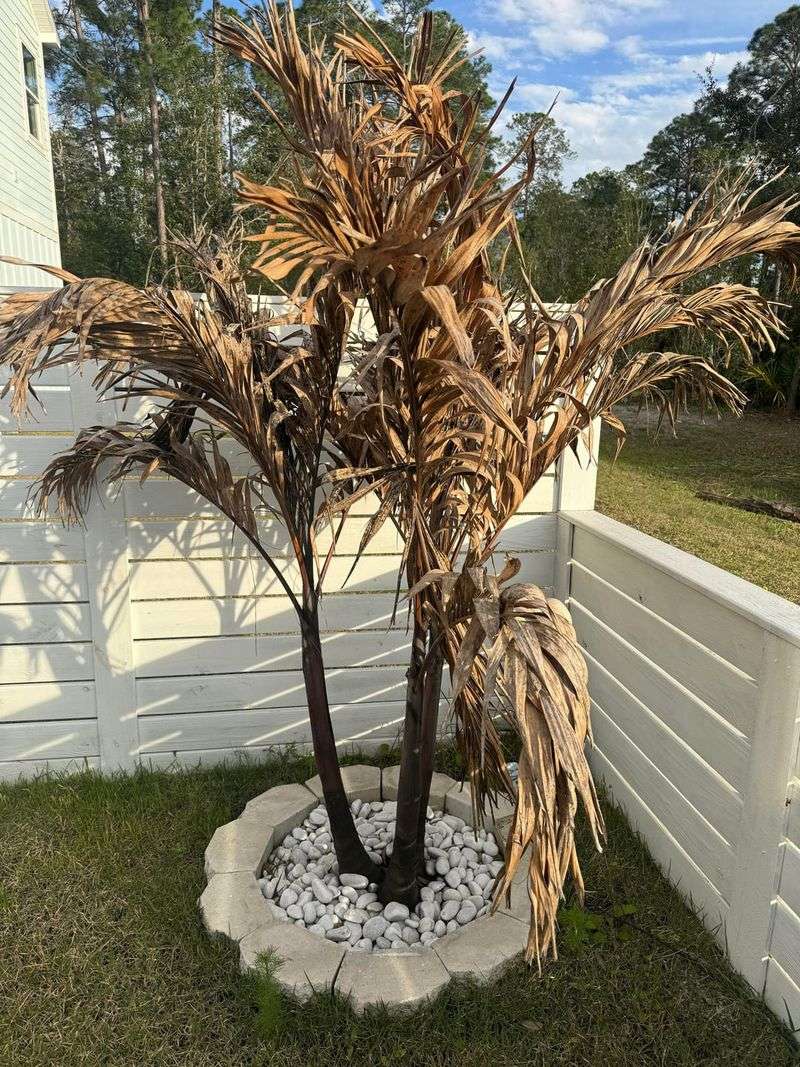
Water frost-damaged palms normally, but avoid waterlogged soil. Let the surface dry slightly between waterings, and check moisture before irrigating.
The compromised root system cannot process moisture efficiently, so maintaining slightly drier conditions prevents root rot while still supporting basic function. Check soil moisture several inches down before watering rather than following a set schedule.
Wait for clear signs of new growth before pruning damaged fronds. When healthy green spear leaves emerge and begin unfurling from the crown, you’ll know the growing point survived and the palm has entered recovery mode.
At this point, you can safely remove the worst damaged fronds, but leave any that still show partial green coloration.
Avoid fertilizing until new fronds reach full size and the palm demonstrates active, healthy growth. This typically occurs three to six months after the freeze event in Florida’s climate.
Once recovery is clearly underway, resume a regular palm fertilization schedule using a product formulated specifically for palms with proper micronutrient ratios.
Florida’s warm growing season accelerates palm recovery compared to colder climates. A palm that survives crown damage in January might produce several new fronds by July, though it may take two full growing seasons to regain its pre-freeze appearance.
Document progress with monthly photos to track improvement and confirm the recovery trajectory stays positive.
7. Prepare Before The Next Frost Hits
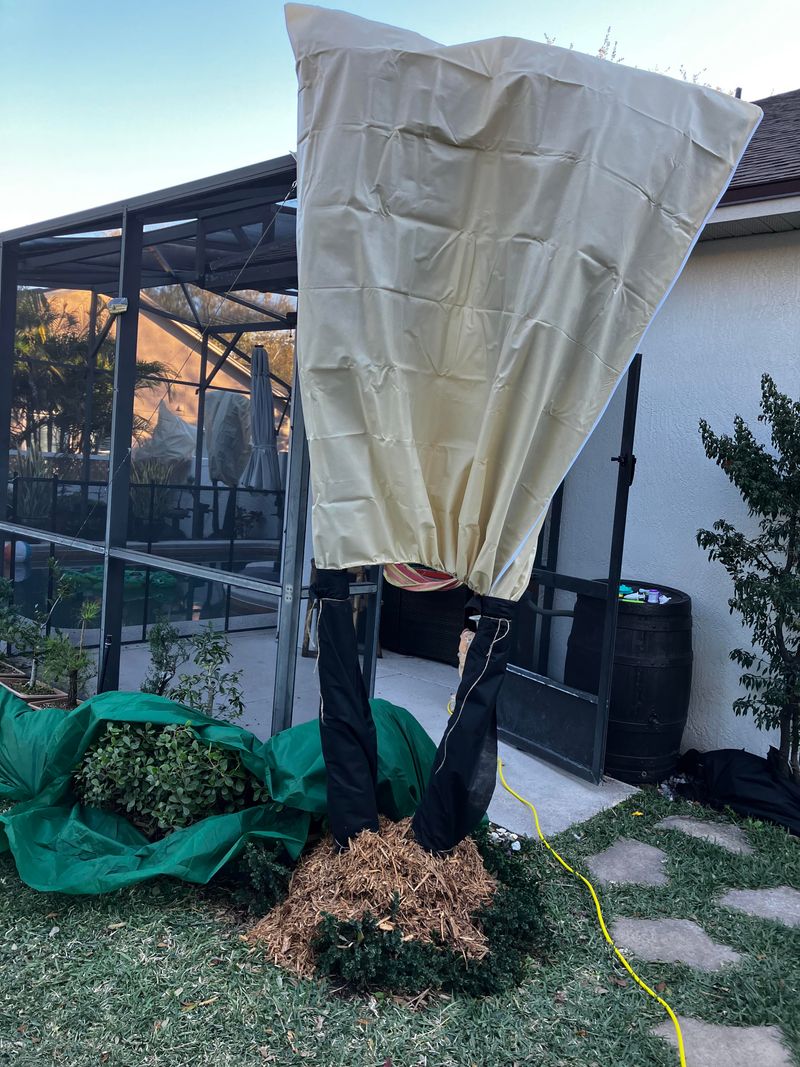
Frost cloth provides the most effective protection for palm crowns when temperatures threaten to drop below freezing. Drape the fabric over the entire crown, securing it loosely around the trunk to trap rising ground heat.
Avoid plastic sheeting, which can cause condensation damage and doesn’t breathe properly. Remove coverings once temperatures rise above freezing to prevent heat buildup.
Focus protection efforts on the crown and spear rather than trying to cover the entire tree. The growing point matters most, and protecting it gives the palm its best survival chance.
For tall specimens, even covering just the top few feet of fronds can make a meaningful difference during brief freezes.
Water the soil thoroughly the day before an expected freeze. Moist soil retains and releases more heat than dry soil, creating a slightly warmer microclimate around the root zone.
This simple step can raise temperatures near the trunk by several degrees, potentially making the difference between damage and survival for borderline hardy species.
Landscape position affects cold tolerance significantly in Florida yards. Palms planted near south-facing walls, under roof overhangs, or surrounded by other vegetation benefit from radiant heat and wind protection.
These microclimate advantages can allow you to successfully grow species rated slightly less hardy than your zone would normally support, though understanding the risk remains important.
8. Act Fast But Do Not Give Up Too Soon
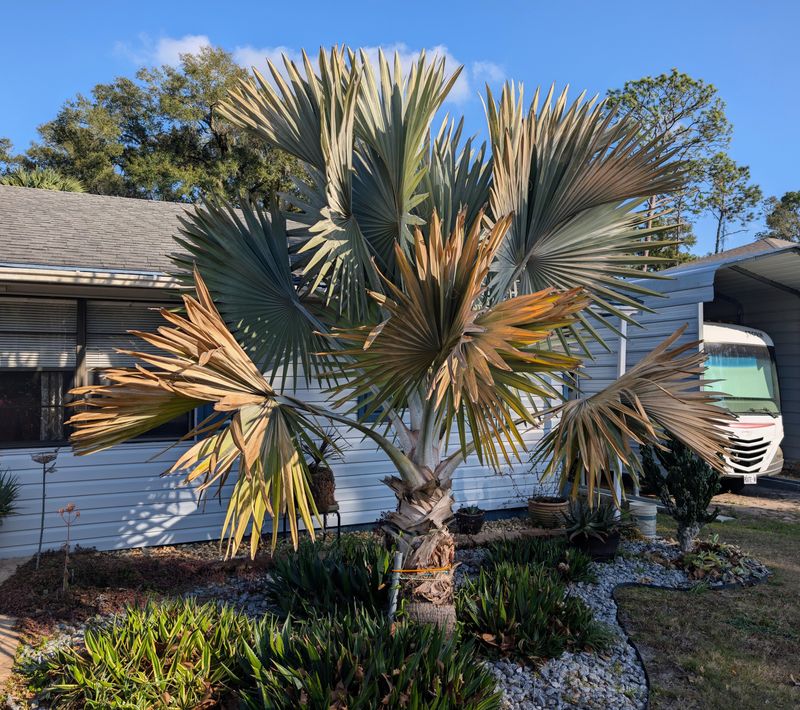
Speed matters when frost threatens, but patience defines successful recovery afterward. Cover palms before temperatures drop and check them immediately after a freeze to assess initial damage.
However, resist making any permanent decisions about removal for at least three to four months. Many palms that look completely devastated in February show surprising recovery by June.
Cold damage often reveals itself gradually over six to eight weeks as injured tissue slowly fails. A palm might look salvageable one week after frost, then decline further as hidden damage becomes apparent.
Conversely, some palms that appear totally ruined maintain healthy growing points that eventually push out new fronds. The delayed timeline makes accurate assessment challenging.
Check the spear regularly during the recovery period. As long as it remains firm and attached, hope exists for regeneration.
New growth might emerge slowly, especially if the freeze occurred late in winter when palms naturally grow slower. Florida’s transition into warm spring weather typically triggers recovery in palms with viable growing points.
Severe crown damage that results in a completely loose, rotted spear indicates the palm likely won’t recover. When the growing point turns to mush and emits a foul odor, the recovery becomes unlikely.
At this point, removal makes sense. However, many Florida palms surprise their owners by recovering from damage that initially looked fatal, making patience your most valuable tool.