What Gardeners In Florida Should Know About Snail Damage To Young Plants
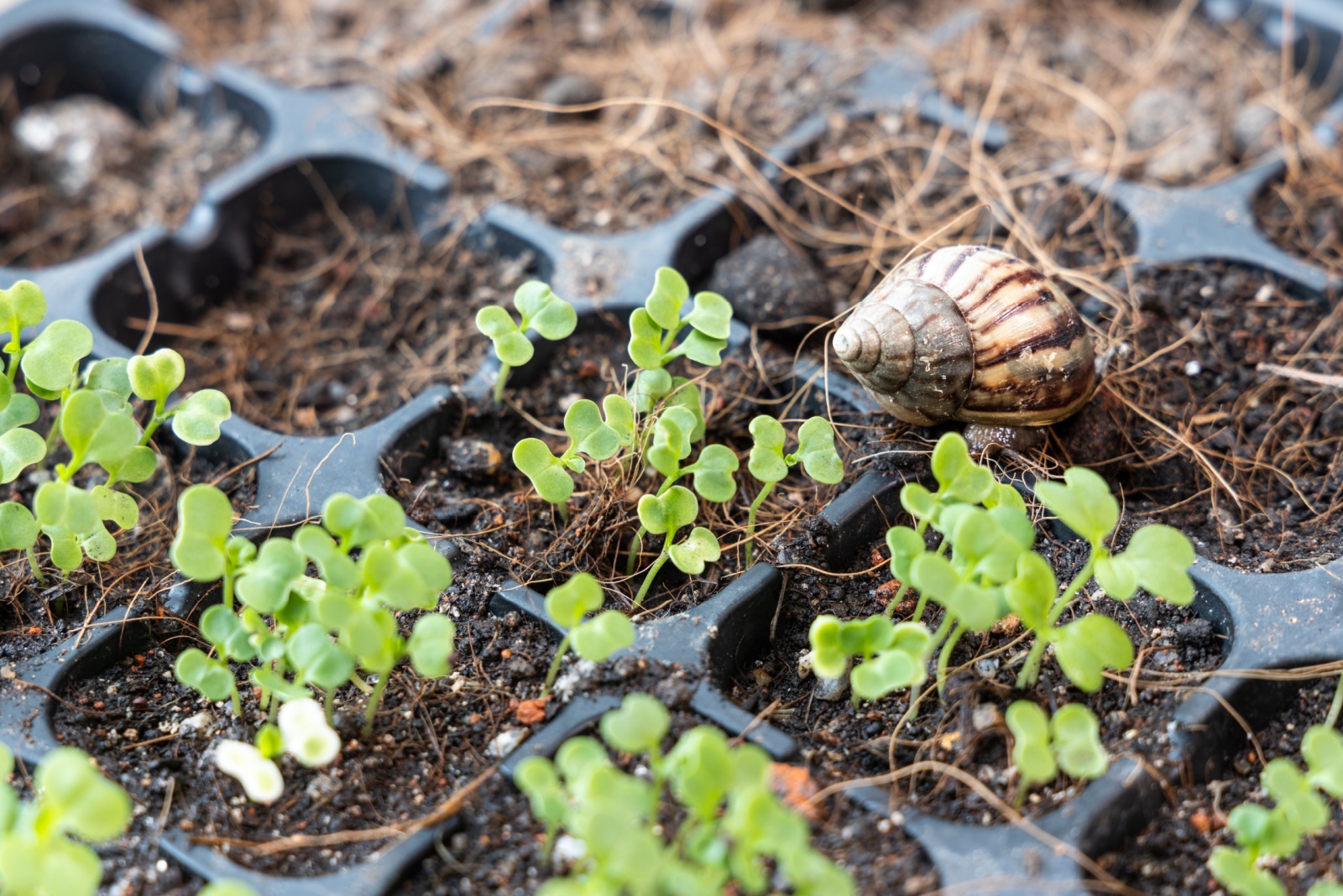
Florida gardens burst with color, sunshine, and promise, yet trouble can creep in at a snail’s pace.
One evening of calm can undo weeks of care, and tender plants often pay the price before dawn breaks.
Seasoned gardeners know that slow and silent foes cause the deepest frustration.
When leaves vanish overnight and stems show rough scars, the culprit usually hides in plain sight.
As the saying goes, still waters run deep, and quiet pests pack a punch.
Young plants face the greatest risk.
Soft growth draws snails like a magnet, and Florida’s warmth rolls out the welcome mat year-round.
A lush garden can turn into an all-you-can-eat buffet if vigilance slips.
Experience teaches a hard truth: hope alone never protects a harvest.
Smart action beats crossed fingers every time.
With the right insight, gardeners can nip problems in the bud, shield fragile growth, and keep gardens on the right track.
A little foresight goes a long way, turning frustration into confidence and chaos into calm before damage takes root.
Snails Leave Behind Telltale Signs Of Their Nighttime Feasting
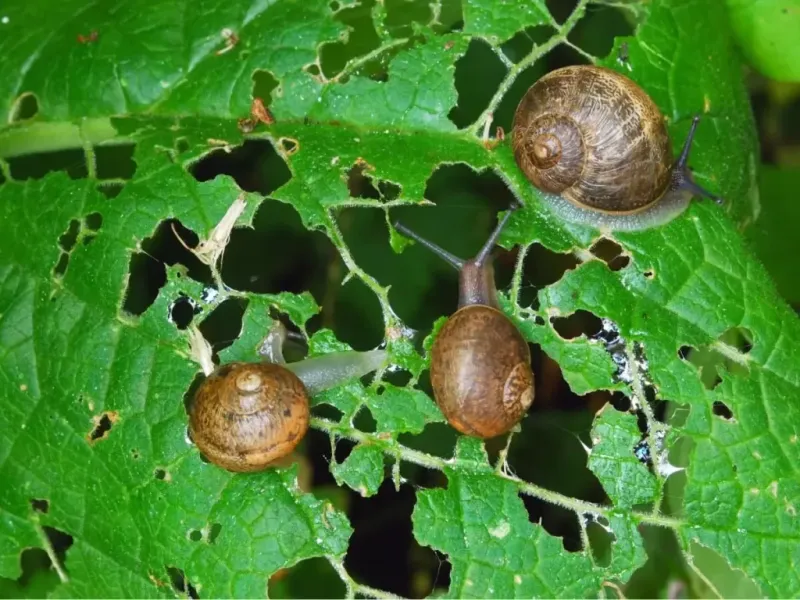
Recognizing snail damage starts with knowing what to look for on your plants.
Unlike insects that create neat, circular holes, snails produce irregular, jagged edges on leaves.
You’ll often spot silvery, shiny trails crisscrossing leaves and soil near damaged plants.
These mucus tracks reflect light and serve as clear evidence that snails have been feeding in your Florida garden.
Young seedlings may appear completely stripped of foliage, leaving only bare stems behind.
Snails prefer soft, tender tissue, so new growth becomes their primary target.
Check your plants early in the morning when trails remain fresh and visible.
The damage typically appears worse after rainy nights when humidity levels rise.
Florida’s frequent summer storms create ideal conditions for snail activity.
Look underneath leaves and around the base of plants where snails hide during daylight hours.
Spotting these signs early allows you to take action before extensive harm occurs.
Regular morning inspections become essential for Florida gardeners dealing with persistent snail populations.
Documenting damage patterns helps you understand which plants face the greatest risk.
Early detection means healthier plants and better harvests throughout the growing season.
Florida’s Climate Creates A Snail Paradise Year-Round
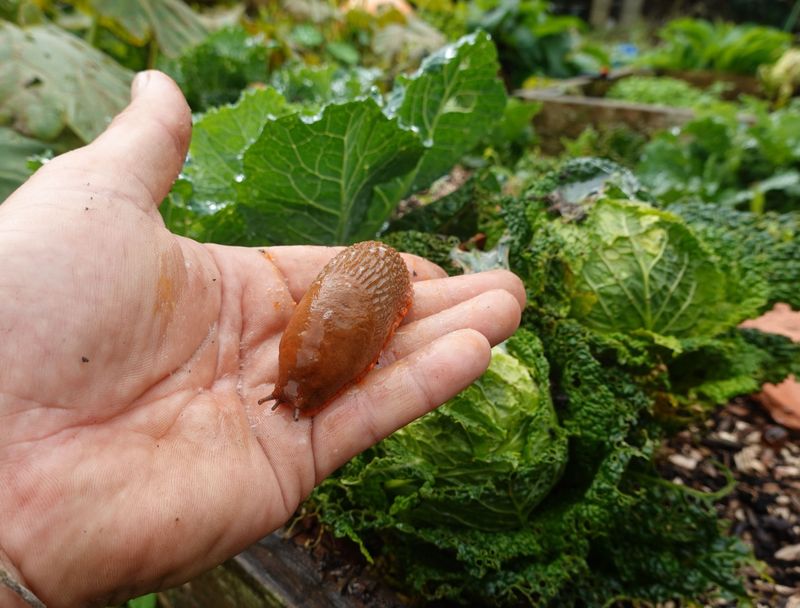
Warmth and moisture combine to make Florida an ideal breeding ground for snails.
Most regions experience cold winters that naturally reduce snail populations, but Florida gardeners face a different reality.
Mild temperatures allow snails to remain active throughout all twelve months.
Rain showers occur frequently, especially during summer, keeping soil and plants moist.
This constant humidity provides snails with the conditions they need to move, feed, and reproduce continuously.
Coastal areas experience even higher moisture levels due to ocean breezes and morning dew.
Irrigation systems that run regularly add to the problem by maintaining damp conditions.
Snails can produce multiple generations annually in Florida’s favorable climate.
Each snail can lay dozens of eggs at a time, leading to rapid population growth.
Shaded garden areas retain moisture longer, attracting more snails.
Dense mulch layers, while beneficial for plants, create perfect hiding spots for these pests.
Understanding this year-round threat helps Florida gardeners stay vigilant.
Unlike northern gardeners who get winter breaks, Florida gardeners must maintain constant awareness.
Adjusting watering schedules and garden practices can help reduce snail-friendly conditions.
Managing moisture levels becomes crucial for long-term snail control success.
Young Plants Suffer More Because Of Their Tender Tissue

Seedlings and newly transplanted starts face the greatest danger from snail feeding.
Their soft, succulent leaves lack the toughness found in mature plant tissue.
A single night of heavy snail activity can completely destroy weeks of careful cultivation.
Young plants haven’t developed extensive root systems yet, so they can’t quickly recover from damage.
When snails strip away most of the foliage, seedlings struggle to photosynthesize and grow.
This setback can permanently stunt development or cause plants to fail entirely.
Florida gardeners often lose entire rows of lettuce, cabbage, or bean seedlings overnight.
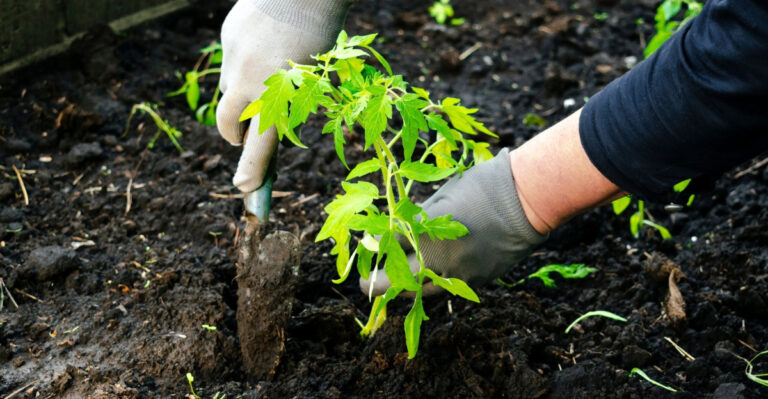
Transplants from nurseries need extra protection during their first two weeks in the ground.
The stress of transplanting already weakens plants, making snail damage even more devastating.
Vegetable gardens face particular risk since many crops start as tender young plants.
Flower seedlings also attract snails, especially varieties with soft, broad leaves.
Protecting plants during their vulnerable early stages ensures better survival rates.
Using barriers around new plantings creates a safe zone during critical growth periods.
Once plants mature and develop tougher leaves, they can better withstand occasional snail nibbling.
Focusing protection efforts on young plants maximizes your gardening success in Florida.
Physical Barriers Provide Immediate Protection Without Chemicals
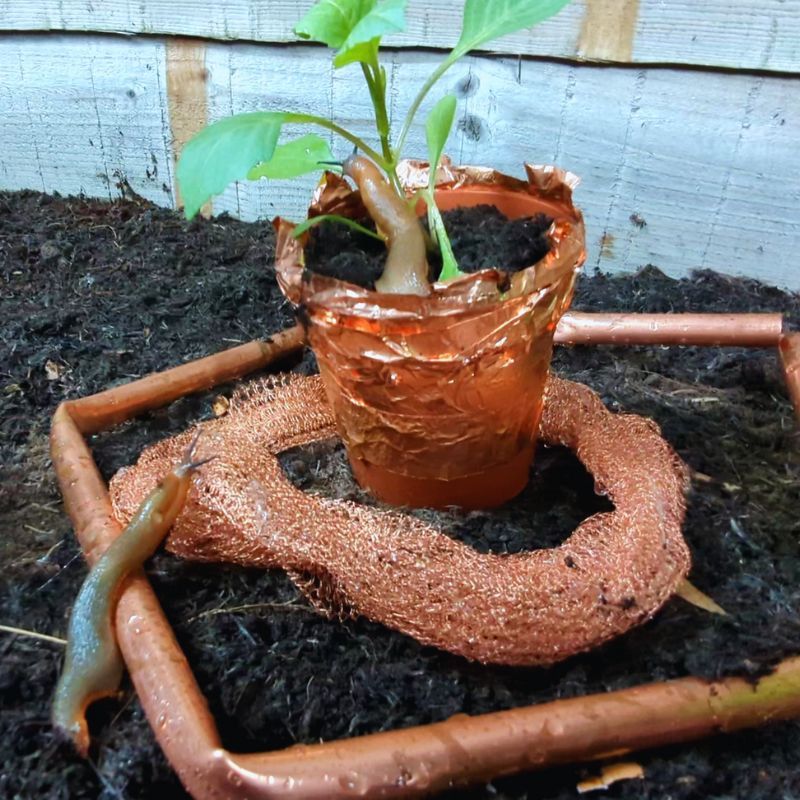
Creating obstacles between snails and your plants offers effective, non-toxic control.
Copper tape or strips repel snails because their mucus reacts with copper, creating an unpleasant sensation.
Wrap copper tape around pots or create borders around garden beds for protection.
Crushed eggshells scattered around plants create rough surfaces that snails avoid crossing.
Diatomaceous earth works similarly, with microscopic sharp edges that damage snail bodies.
Apply these materials in dry weather since rain reduces their effectiveness.
Florida’s frequent showers mean you’ll need to reapply barriers regularly.
Plastic or metal collars placed around individual seedlings block snail access.
Cut sections from plastic bottles to create simple, reusable plant protectors.
Raised beds with smooth sides make it harder for snails to climb up and reach plants.
Adding a lip or overhang to bed edges creates an additional obstacle.
Wire mesh cloches protect especially valuable plants from snail attacks.
These barriers work immediately upon installation, unlike methods that take time to show results.
Combining multiple barrier types increases overall protection effectiveness.
Physical controls fit perfectly into organic gardening practices popular throughout Florida.
Handpicking Snails At Night Reduces Populations Dramatically
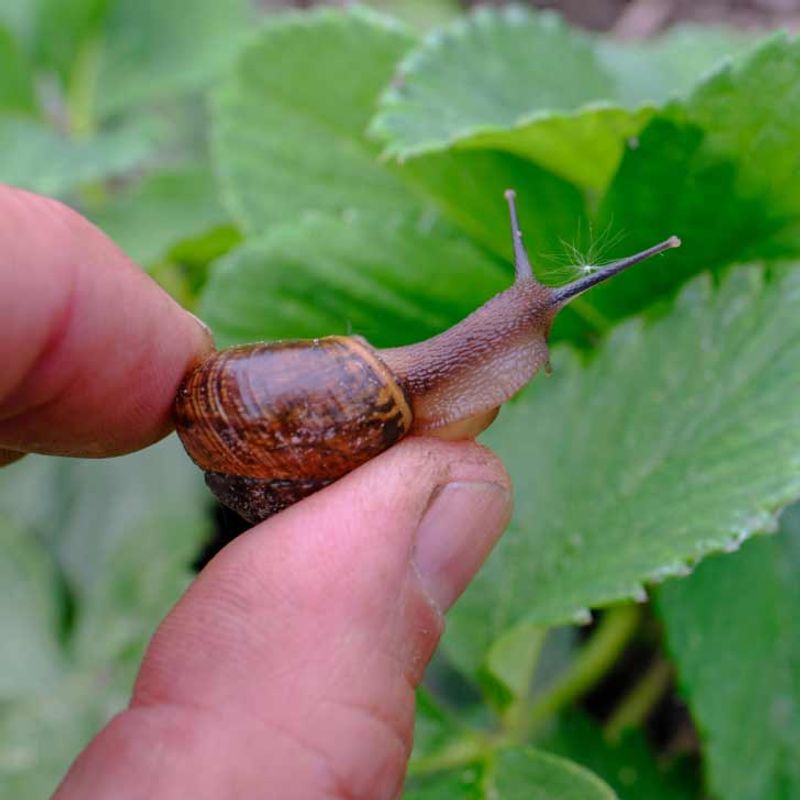
Going out after dark with a flashlight reveals just how many snails inhabit your garden.
Snails become active once temperatures cool and darkness falls.
Nighttime collection allows you to catch them while they’re feeding on your plants.
Wear gloves and carry a bucket filled with soapy water to collect snails.
Drop captured snails into the bucket where they’ll quickly perish.
Focus on areas where you’ve noticed damage or seen slime trails earlier.
Check underneath leaves, along stems, and around the soil surface.
Snails often cluster together, so finding one usually means finding several more nearby.
Consistent nightly collection for one week can significantly reduce garden populations.
Florida’s year-round growing season means this practice remains effective any month.
After heavy rains, snail activity increases dramatically, making collection even more productive.
Some gardeners find this method oddly satisfying as they protect their hard work.
Children can help with supervision, turning pest control into a family activity.
Regular handpicking prevents snails from laying eggs and creating future generations.
This chemical-free approach works especially well for small gardens and raised beds.
Beer Traps Attract And Capture Snails Effectively
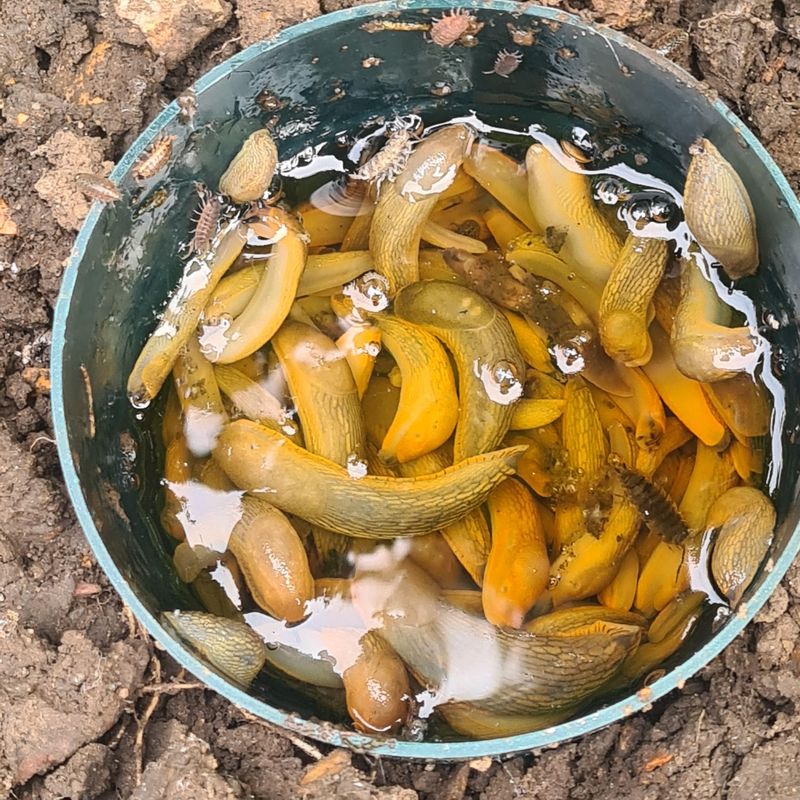
Snails find beer irresistible due to the yeast and fermentation scents it produces.
Shallow containers filled with beer and buried level with the soil surface work as excellent traps.
Snails crawl toward the smell, fall into the liquid, and cannot escape.
Use inexpensive beer since the brand doesn’t matter for trapping purposes.
Place traps every few feet throughout affected garden areas for maximum capture.
Empty and refill traps every two to three days to maintain effectiveness.
Florida’s heat can cause beer to evaporate quickly, so check traps frequently.
Rain may dilute or overflow traps, requiring replacement after storms.
Position traps near plants showing the most damage for targeted control.
Some gardeners use yeast mixed with sugar water as a beer alternative.
This homemade mixture produces similar fermentation odors that attract snails.
Traps work best when combined with other control methods for comprehensive management.
You’ll be amazed at how many snails a single trap can capture overnight.
This method provides visible results that help you gauge infestation severity.
Regular trapping reduces breeding populations and protects vulnerable young plants throughout Florida gardens.
Natural Predators Help Control Snail Numbers In Florida Gardens
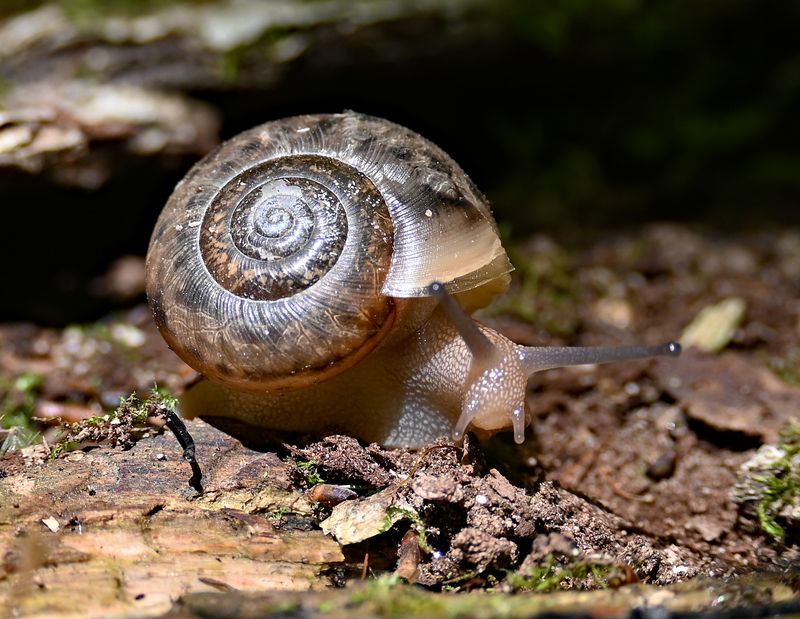
Encouraging helpful creatures to visit your garden creates natural snail control.
Many birds, including robins, thrushes, and blue jays, feed eagerly on snails.
Providing bird baths, feeders, and nesting sites attracts these beneficial visitors to Florida landscapes.
Ground beetles hunt snails at night, making them valuable garden allies.
These beetles thrive in gardens with mulch, rocks, and ground cover that provide daytime shelter.
Toads consume impressive numbers of snails and other garden pests.
Create toad houses using overturned clay pots with entrance holes.
Place these shelters in shady, moist areas where toads naturally congregate.
Ducks make excellent snail controllers for larger properties with appropriate space.
Some Florida gardeners keep small flocks specifically for pest management.
Avoid using pesticides that harm beneficial predators along with target pests.
Creating diverse habitats with varied plants attracts a wider range of helpful wildlife.
Native Florida plants support local bird and insect populations better than exotic species.
Predator populations take time to establish but provide long-term, sustainable control.
Working with nature rather than against it creates healthier, more balanced gardens throughout Florida.