What Georgia Camellias Need In June To Stay Healthy Through The Hottest Months
Camellias can start looking stressed much earlier than many Georgia gardeners expect once June heat settles in for good.
Shrubs that looked rich and healthy during spring may suddenly lose color, develop dry patches, or stop putting out strong growth once afternoons become hotter.
Warm soil and intense sun usually make those problems spread faster through summer.
A few simple habits during June often decide whether camellias stay healthy or spend the hottest months struggling to recover. Moisture around the roots becomes far more important once temperatures keep climbing.
Mulch also helps protect shrubs from extra heat building in the soil during long stretches of dry weather.
Camellias that stay protected early in summer usually hold their deep green leaves and fuller growth much longer once peak heat finally arrives.
1. Dry Surface Soil Often Misleads Camellia Growers In June
Shallow watering is one of the biggest mistakes camellia growers make in early summer. When you only wet the top inch of soil, roots have no reason to push deeper.
Shallow roots struggle badly once temperatures spike in July and August.
Deep watering means letting water soak slowly into the ground for 20 to 30 minutes at the base of the plant. A slow trickle works better than a hard blast.
Hard spraying can compact soil and push water away from the root zone before it absorbs properly.
Camellias planted in Georgia’s red clay soil need extra attention here. Clay holds moisture but can also get crusty on top, which tricks you into thinking the soil is dry when deeper layers still hold water.
Stick your finger four inches into the soil before watering again.
Watering in the early morning gives roots time to absorb moisture before afternoon heat pulls it back out. Evening watering can leave foliage damp overnight, which invites fungal problems.
Morning is almost always the smarter choice.
During dry stretches in June, most established camellias need about one inch of water per week. Newly planted shrubs may need more.
2. Thin Mulch Layers Stop Helping Once Summer Heat Builds
Camellia roots sit surprisingly close to the surface. When soil temperatures climb above 85 degrees, those shallow roots start to struggle.
A thick layer of mulch acts like a blanket, keeping the ground cooler and more stable underneath.
Pine straw is the classic choice across the Southeast and works beautifully around camellias. It breaks down slowly, stays in place during rain, and slightly acidifies the soil as it decomposes.
Camellias prefer slightly acidic conditions, so pine straw is a natural fit.
Spread mulch three to four inches deep around the base of each plant. Keep it pulled a few inches away from the main stem to avoid trapping moisture directly against the bark.
Piling mulch against the trunk can cause rot over time.
Wood chip mulch is another solid option if pine straw is not available. Shredded hardwood breaks down faster but still provides good insulation through the hottest months.
Avoid dyed or treated wood products near camellias since some additives can affect soil chemistry.
Your Georgia Garden Changes Every Week. Your Plan Should Too.
Gardening in Georgia changes quickly throughout the season. Every Friday you’ll receive a simple weekly plan showing exactly what to plant, prune, fertilize, harvest, and protect so you never miss the right timing.
Refreshing mulch in early June sets you up for the whole summer. Old mulch from last year may have broken down too thin to do much good.
3. Afternoon Sun Damage Usually Starts Earlier Than Expected
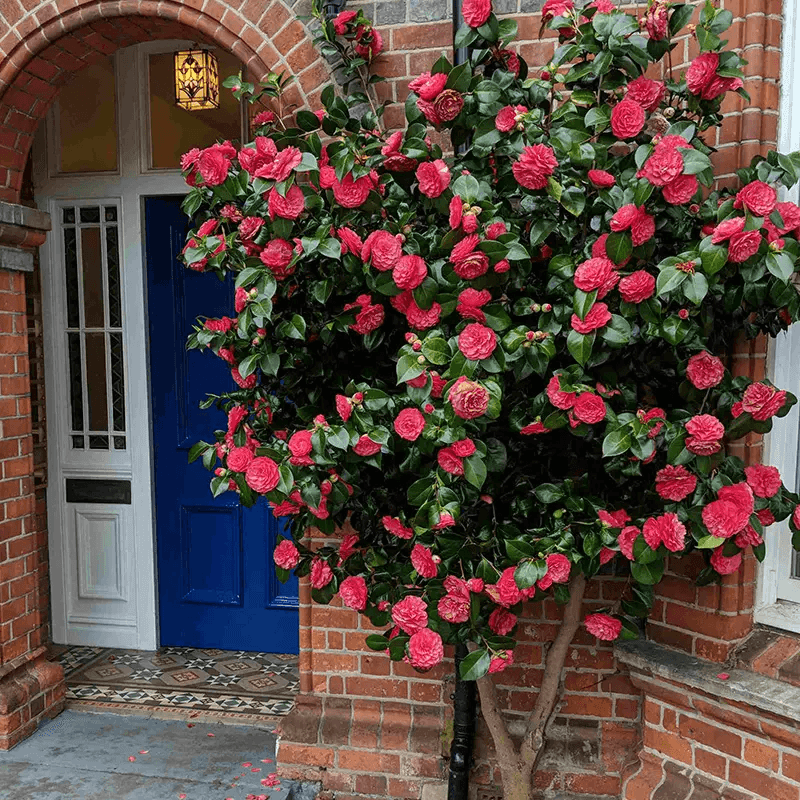
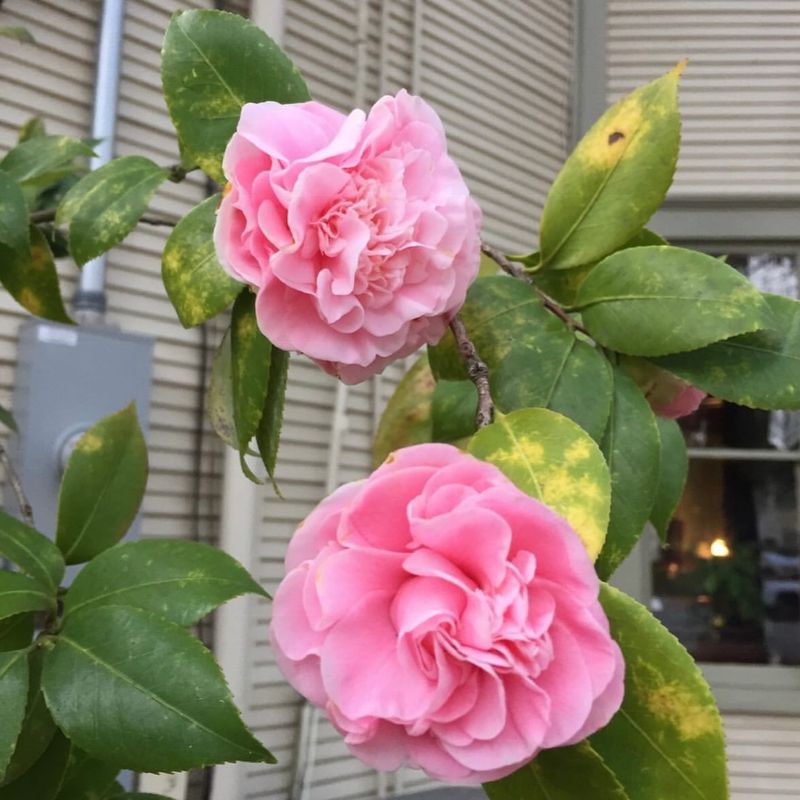
Scorched camellia leaves look rough. Brown, papery edges creep in fast when plants sit in direct afternoon sun during June and July.
It is not a disease or a pest problem. It is simply too much heat hitting leaves that were not built for full sun exposure.
Camellias are woodland plants by nature. They evolved under the filtered light of forest canopies, not in open fields baking under a midday sun.
Morning sun is usually fine and even beneficial. Afternoon sun in the South is a different story entirely.
If your camellia is already planted in a tough spot, you have a few options. Shade cloth stretched over a simple frame can block 30 to 40 percent of afternoon sun without blocking airflow.
Planting taller shrubs or small trees on the west side of your camellias creates natural afternoon shade over time.
Container camellias have an advantage here. You can simply move them to a shadier location during the hottest weeks.
In-ground plants need more creative solutions, but most gardeners find that even partial afternoon shade makes a visible difference in leaf health.
Leaf scorch does not always mean permanent damage. If the plant is otherwise healthy, new growth will come in clean once temperatures drop in fall.
4. Early Tea-Scale Damage Often Starts Under The Leaves
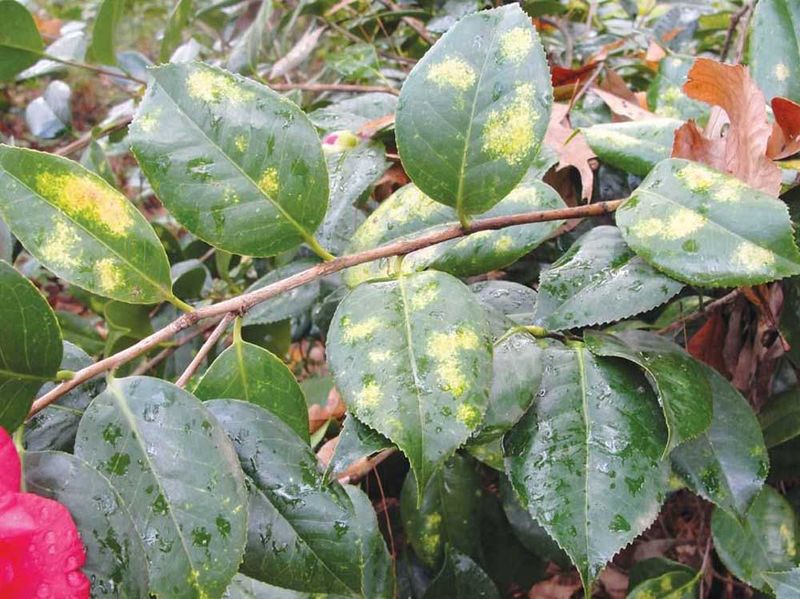
Flip a camellia leaf over in June and look closely at what is hiding underneath. Tea scale is one of the most common and damaging pests on camellias across the Southeast.
Early infestations look like tiny white or brown specks clustered along the midrib and veins.
Most gardeners miss it until the damage is already significant. By the time you see yellowing or stippled leaves on top, the population underneath has usually been building for weeks.
Catching it in June, before summer heat accelerates reproduction, gives you a real advantage.
Horticultural oil sprays are effective against tea scale when applied correctly. Coverage of the leaf undersides is critical.
Oils work by smothering the insects, so any area you miss stays infested. Spray in the cooler parts of the morning to avoid oil burn on foliage during hot days.
Systemic insecticides applied as soil drenches can also work well for heavy infestations. The plant absorbs the product through its roots, and feeding insects ingest it.
Results take longer than contact sprays but provide more thorough coverage across all leaf surfaces.
Check new growth especially carefully. Tea scale tends to colonize tender young leaves first before spreading to older foliage.
5. Fast Summer Growth Usually Creates More Problems
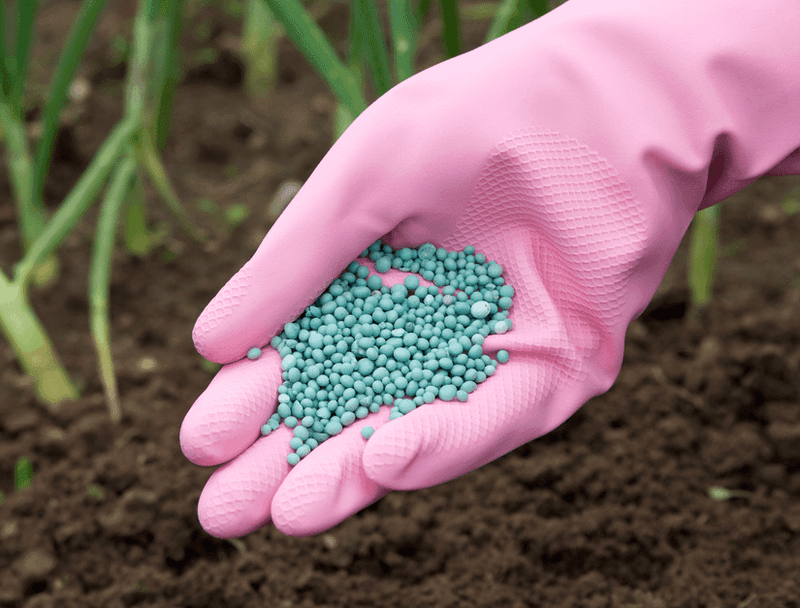
Fertilizing camellias in late spring feels productive. But pushing heavy nutrients into the plant in June can backfire badly.
A flush of soft, fast-growing shoots triggered by high nitrogen in summer is vulnerable to heat stress, insect damage, and disease.
Camellias do not need aggressive feeding schedules. A light application of a balanced, slow-release fertilizer in early spring is usually enough to carry them well into summer.
If you missed the spring window, a very light dose in early June is acceptable, but skip anything heavy.
High-nitrogen fertilizers are the main concern. They push leafy, lush growth quickly, which sounds good but creates problems.
That soft new growth wilts faster in heat, attracts aphids, and can stress the plant at exactly the wrong time of year.
Acid-forming fertilizers designed for camellias and azaleas are the better choice when feeding is needed. They provide nutrients without spiking growth unnaturally.
Products containing sulfur-coated urea release slowly over weeks, which is far safer than a quick-release granule dump.
Stop fertilizing camellias entirely by late June or early July in warm Southern climates. Feeding too late in summer pushes new growth that cannot harden off properly before cooler weather arrives.
6. Dense Interior Branches Can Trap Excess Moisture
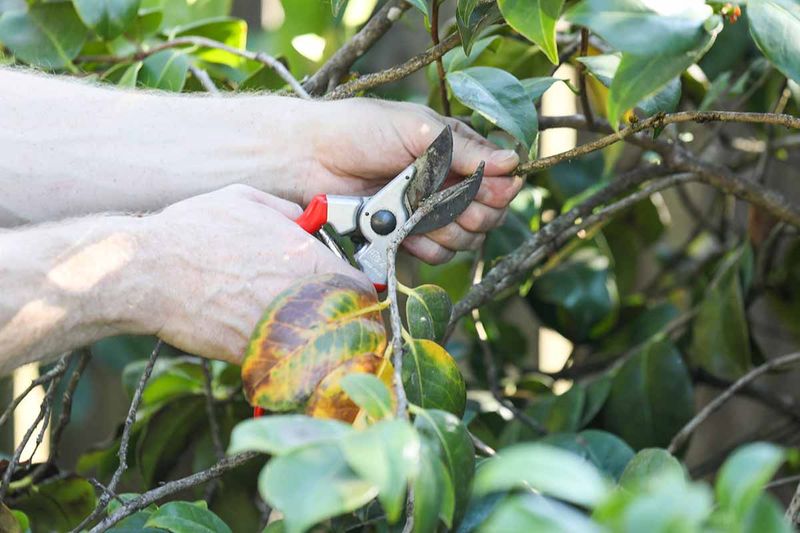
Good airflow through a camellia is not a luxury. It is a practical defense against fungal problems that thrive in warm, humid Southern summers.
Dense, crowded interiors stay damp long after rain or irrigation, and that lingering moisture creates perfect conditions for disease.
Camellia petal blight and various leaf spot diseases all prefer wet, stagnant air around foliage. Opening up the canopy slightly lets air move through freely and helps leaves dry faster after watering.
It also makes it easier to spot pest problems hiding in the interior.
June is not ideal for heavy pruning since major cuts can stress the plant during heat. Light thinning is a different story.
Removing crossing branches, damaged twigs, and a few crowded interior stems improves airflow without triggering a stressful regrowth response.
Focus on branches that rub against each other or grow inward toward the center of the plant. Those are the first to create moisture traps.
Cuts should be clean and made just outside the branch collar to heal properly. Ragged cuts invite problems.
Sharp, clean pruning tools matter more than most people think. Dirty blades can transfer fungal spores from one plant to another.
Wipe blades clean between plants if you are working through several camellias in one session.
A few minutes of light thinning in early June can prevent weeks of dealing with fungal leaf issues later in the season when conditions get even more humid and warm.
7. Repeated Dry Soil Swings Can Lead To Bud Drop
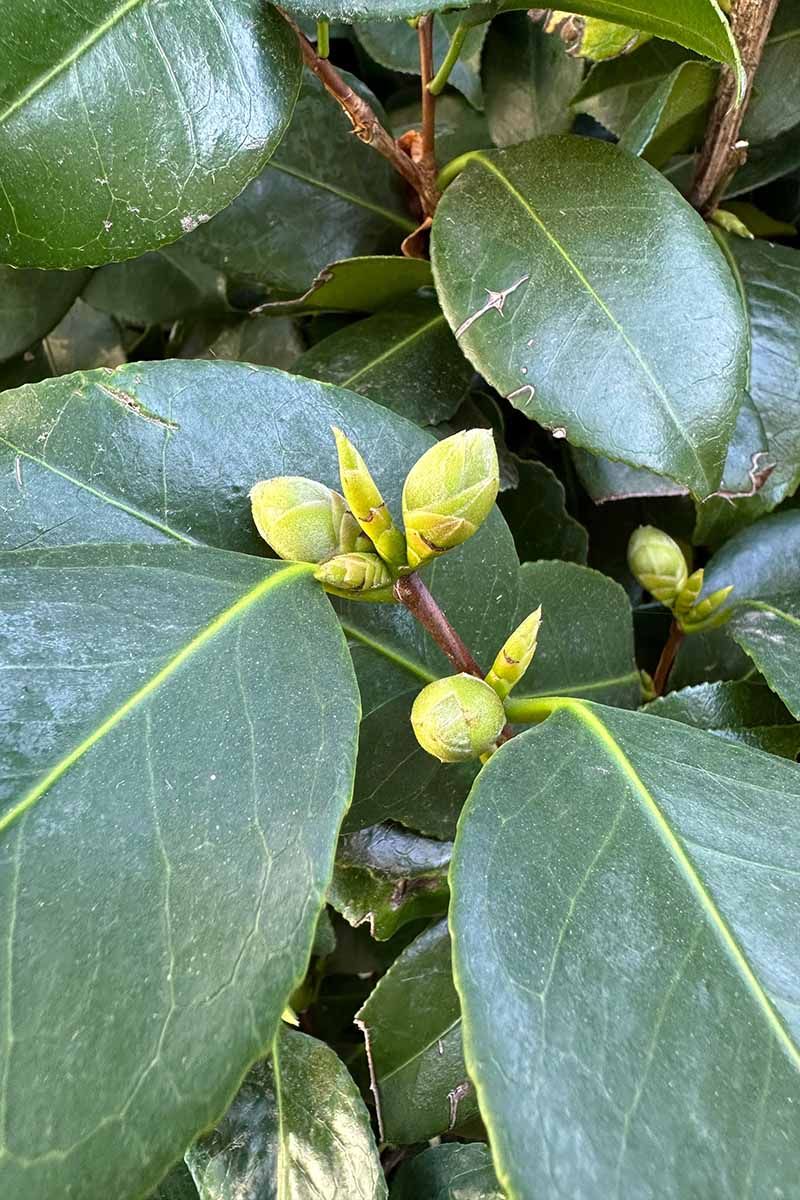
Bud development for fall-blooming camellias actually begins in summer. Most gardeners do not realize the flowers they enjoy in October and November are quietly forming right now, in the heat of June and July.
What happens to the plant during these months directly affects bloom quality later.
Moisture stress during bud initiation can cause bud drop. When a camellia goes through repeated wet and dry cycles without any consistency, buds that have just started forming may abort before they ever develop fully.
Steady soil moisture is far more valuable than occasional deep drenches separated by long dry periods.
Drip irrigation or soaker hoses are excellent tools for maintaining consistent moisture without wetting foliage. Overhead sprinklers keep leaves wet longer than necessary and can encourage fungal issues in summer humidity.
Getting water to the root zone directly is almost always the better approach.
Mulch plays a supporting role here too. A well-mulched root zone holds moisture more evenly between waterings, which reduces the stress spikes that trigger bud drop.
The connection between mulch, moisture, and bud health is real and worth paying attention to.
Bud development is also influenced by light exposure and plant nutrition, but moisture is the factor most directly within your control during a hot Southern summer.