What Georgia Encore Azaleas Need In September For A Second Bloom This Fall
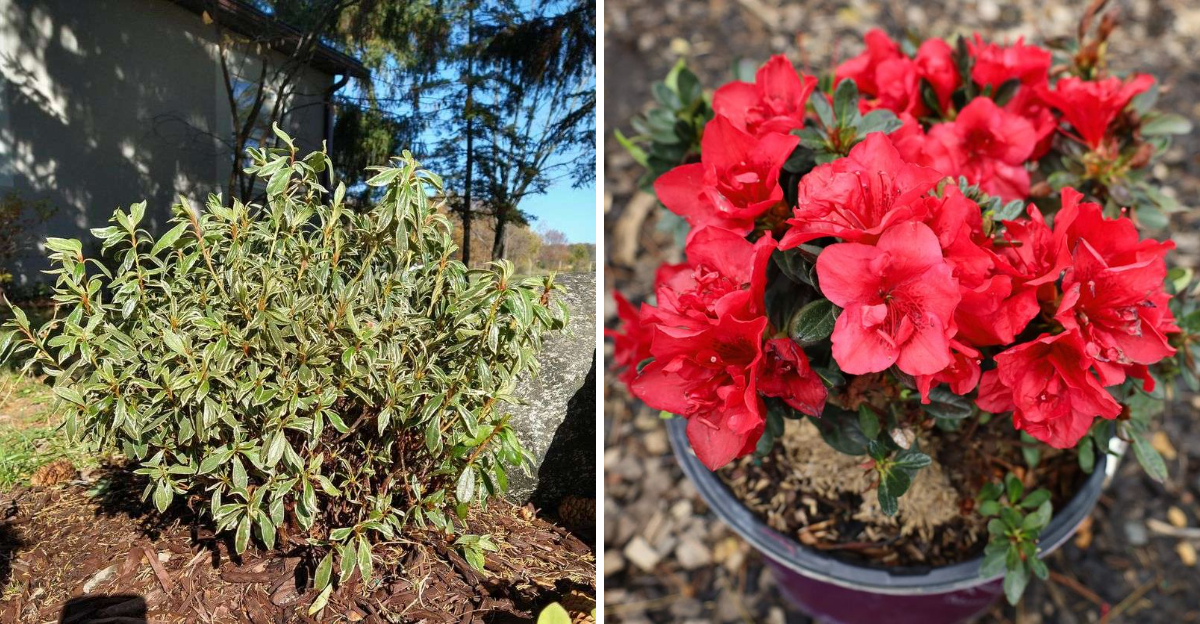
Encore azaleas can surprise you with another round of color in fall, but September care can influence how impressive that display becomes. This is when a little restraint matters.
After months of summer heat, your shrubs may look like they need plenty of attention.
That appearance can tempt Georgia gardeners to start correcting every faded leaf or uneven branch at once. Yet the plant is entering an important period, so routine care deserves more thought.
Instead of treating September like another summer month, watch how your azaleas are responding.
Their needs begin shifting as temperatures change, and the right support can help them use that transition well. Focus on keeping the shrubs comfortable rather than forcing quick results.
Give them what they need now, and those familiar spring favorites may have another colorful surprise waiting.
1. September Is When The Second Show Takes Shape
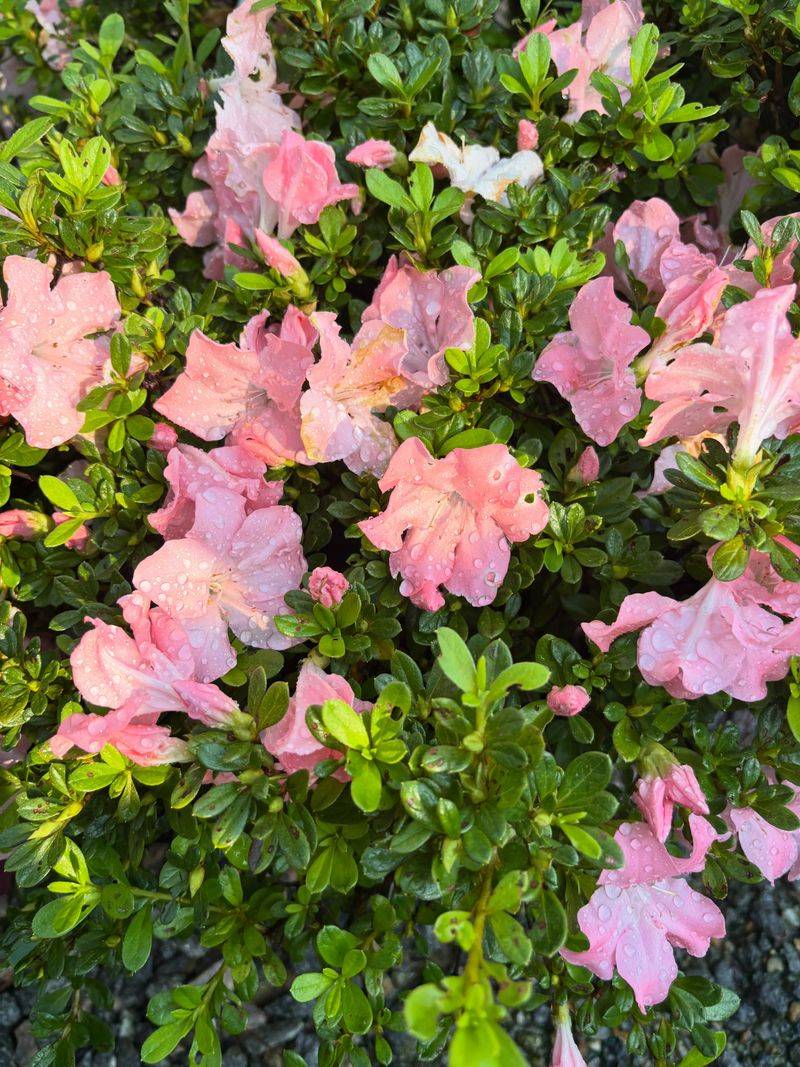
Fall flowers do not appear out of nowhere.
Encore varieties push new growth after their spring bloom, and those fresh shoots carry the buds you see in October. September is when that growth finishes hardening.
Warm days and cooler nights around here nudge the plant toward flowering again.
Across Georgia, that shift usually starts showing up in mid to late September. Buds swell first, then color creeps in at the tips.
Timing varies by variety and by yard.
A shrub in Savannah may open earlier than one sitting in a shady Atlanta backyard. Soil, sun, and summer watering all play a part.
What you do this month matters more than what you do in October.
Steady moisture, decent light, and no heavy pruning give those buds a chance to finish. Skip any of that and the show gets thin.
Check the plant weekly instead of daily.
Look at the branch tips for small, rounded buds rather than pointed leaf shoots. Rounded means flowers are coming.
Some plants simply bloom lighter in fall than spring, and that is normal.
A second flush is usually smaller and more scattered. Expect a nice showing, not a repeat of April.
Heat stress in August can also delay things.
Plants that struggled through a dry stretch may bloom later, or with fewer flowers. Recovery takes a few weeks.
2. Enough Sun Helps Bring Out More Flowers
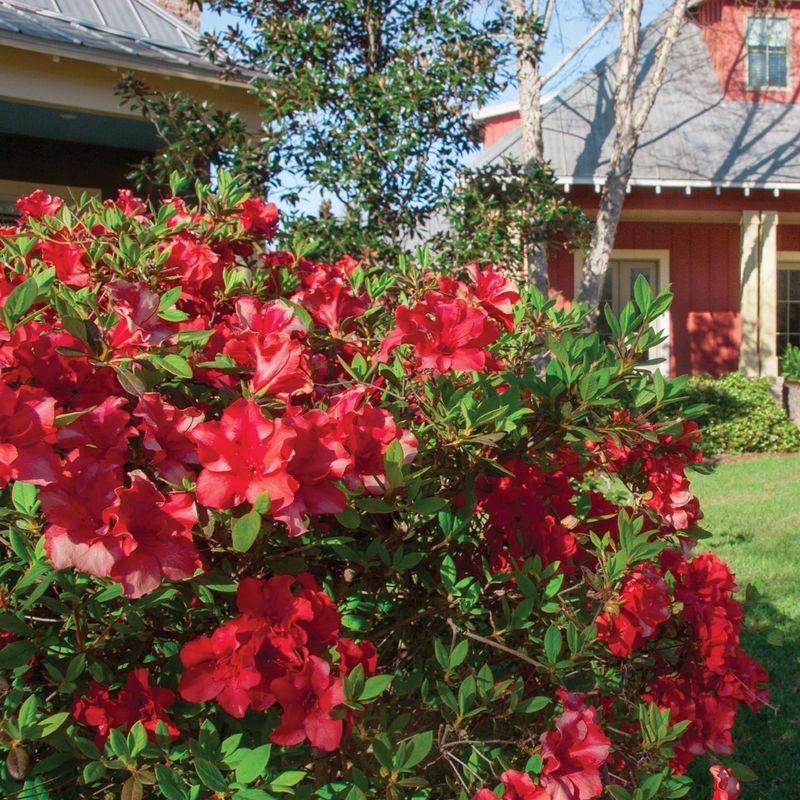
Shade is the quiet reason many Encores flower lightly in fall.
Unlike older azaleas, Encore types were bred to bloom more than once, and that repeat performance leans on decent light. Four to six hours of sun is a reasonable target.
Morning sun with afternoon relief tends to work best in the Southeast.
Filtered light under pines works fine. Deep shade beneath oaks or against a north wall usually means fewer buds.
Take a look at what changed over the summer.
Tree limbs grow, a neighbor’s shrubs fill in, and a spot that was sunny in spring can be dim by September. Sun angles drop as fall moves in, too.
Thinning a few low branches often helps more than moving the plant.
You do not need to remove a whole tree. Letting a bit more light through can make a real difference next season.
Your Georgia Garden Changes Every Week. Your Plan Should Too.
Gardening in Georgia changes quickly throughout the season. Every Friday you’ll receive a simple weekly plan showing exactly what to plant, prune, fertilize, harvest, and protect so you never miss the right timing.
Moving a shrub right now is not ideal.
Transplanting in September can cost you the fall flowers you were hoping for. Wait until late fall or winter, when the plant is resting.
Container growers in Georgia have the easiest fix.
Slide the pot to a brighter spot and watch how it responds. Just avoid harsh, all-day western exposure, which can scorch leaves.
More sun also means more water, so the two go together.
Keep expectations reasonable in heavy shade. Some plants still bloom, just with fewer flowers and a shorter run.
3. Dry Spells Can Work Against Developing Blooms
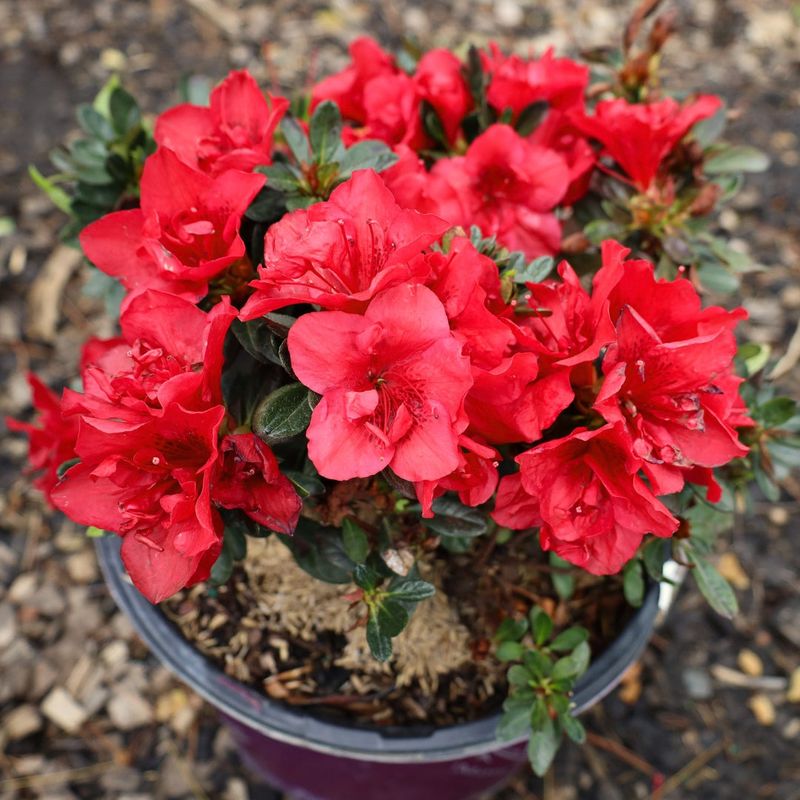
September dry spells sneak up on gardeners.
Temperatures ease off, so watering slides down the list. Meanwhile the ground keeps drying out, and swelling buds are the first thing to suffer.
Azalea roots sit shallow, mostly in the top several inches of soil.
Shallow roots feel drought fast. A week without rain in sandy soil can be enough to stress a plant.
Water deeply rather than lightly.
One good soak beats three quick sprinkles. Aim the water at the root zone instead of the leaves.
Mulch helps hold on to what you give.
Two or three inches of pine straw or shredded bark keeps soil moisture steadier. Keep it pulled back from the trunk.
Bud drop is the usual sign of a plant running dry.
Buds that shrivel before opening rarely recover. Leaves that curl inward are an earlier warning.
Rain across Georgia runs uneven in early fall.
One neighborhood catches a storm while the next stays dry. Check your own soil instead of trusting the forecast.
Push a finger about two inches into the ground.
Dry at that depth means water now. Still damp means wait another day or two.
Container plants dry out fastest of all.
Pots may need water every day or two while afternoons stay warm. Check them separately from shrubs in the ground.
Early morning is the easiest time to water.
4. Too Much Water Creates Problems Of Its Own
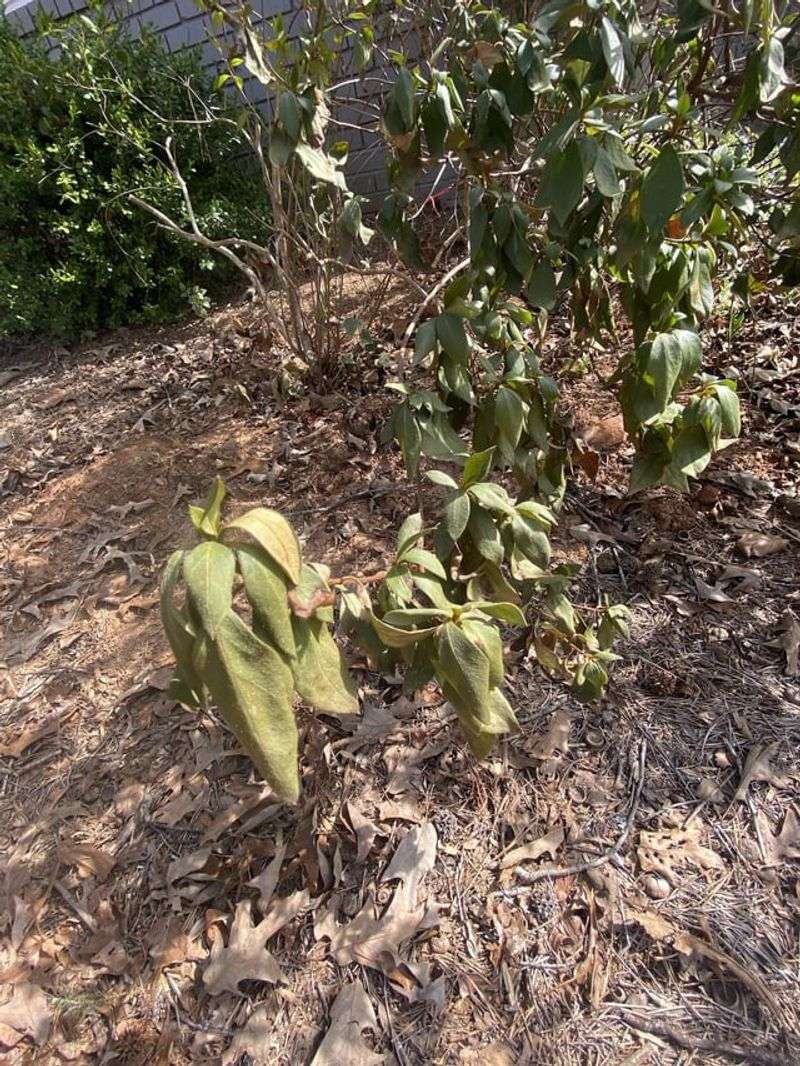
Soggy roots cause trouble just as fast as dry ones.
Azaleas want steady moisture, not standing water. Clay soil holds water longer than most folks expect.
Sprinkler systems still running on a summer schedule are a common culprit.
Dial the frequency back once nights cool off. Beds near downspouts may need no extra water at all.
Root rot shows up where drainage is poor.
Leaves go dull or yellow, and growth stalls even while the soil stays damp. Phytophthora is the usual culprit in warm, humid regions.
Drainage matters more than watering technique.
Planting slightly high, on a low mound, helps in heavy clay. Raised beds solve a lot of soggy spots.
Yellow leaves confuse people every fall.
Older inner leaves yellow and drop on their own as the season turns. Yellowing across the whole shrub, with mushy roots, points to water sitting too long.
Piedmont clay in Georgia drains slowly after long rains.
Hold off watering for several days after a soaking storm. Let the top few inches dry before adding more.
Mulch piled too thick traps moisture as well.
Keep it near three inches deep. Fluff it up if it mats into a crust.
Fall blooms need moist, breathing soil.
Wet feet while buds are forming can cost you flowers. Balance beats a rigid schedule.
Feel the soil before you turn on the hose.
5. Put The Fertilizer Away For The Season
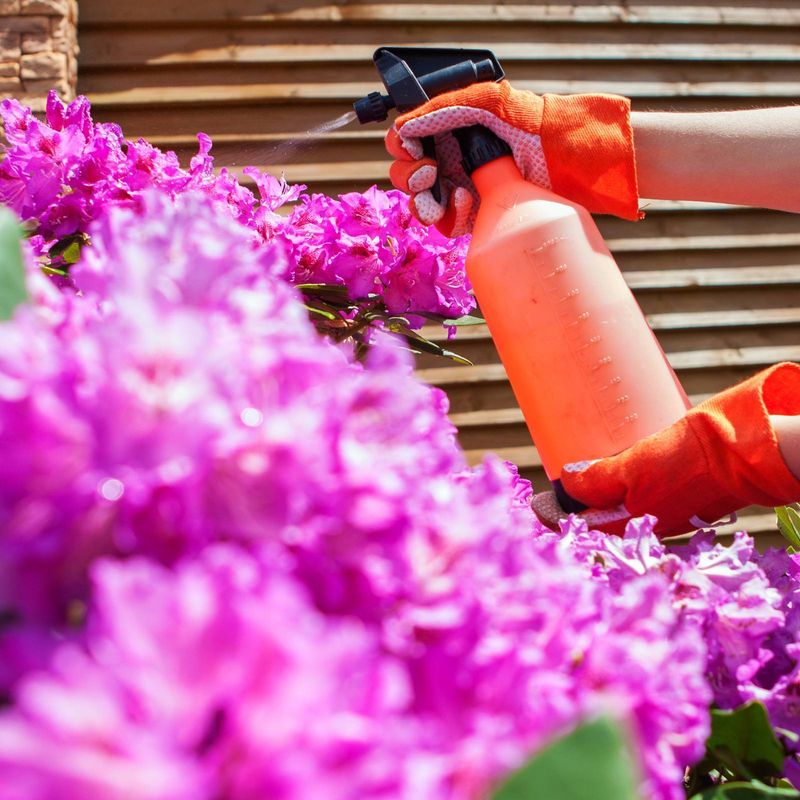
Feeding now does more harm than good.
Nitrogen pushes soft new leaves, so the plant spends energy on shoots instead of finishing buds. Late growth also stays tender heading into winter.
Encore azaleas are light feeders to begin with.
One spring feeding after the first bloom is usually plenty. Plants in good soil often need nothing at all.
Spring is the right window in Georgia, roughly March into May.
An acid-forming azalea fertilizer works well then. Stick to the label rate, since heavy doses can burn shallow roots.
Compost is the safer option if you feel the itch to do something.
A thin layer spread near the drip line releases slowly. It will not trigger a growth spurt.
Late flushes of soft, pale shoots are a warning sign.
Growth like that often follows a late feeding. An early freeze can damage those tips.
Testing beats guessing.
County extension offices run inexpensive soil tests, and the results show what is actually short. Azaleas do best in acidic soil, roughly 4.5 to 6.0 pH.
Hold the fertilizer until the plant wakes up next spring.
Iron chlorosis is sometimes mistaken for hunger.
Pale leaves with green veins usually mean the pH drifted too high. Adding more fertilizer will not fix that.
Mulch and water do most of the work in September.
Save the feeding for spring and let the buds finish on their own.
6. Leave The Pruners Alone This Fall
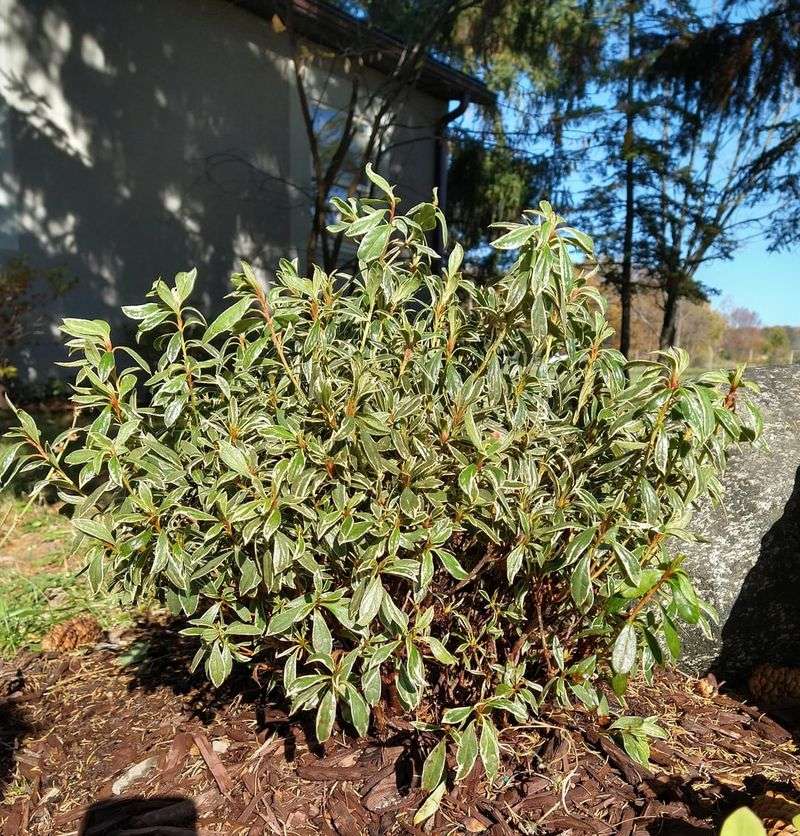
Every cut you make now removes buds.
Encore azaleas set fall flowers on growth that formed after the spring bloom. Trim those tips and the show goes with them.
Right after the spring flush is the time to prune.
Late April through early June leaves time to regrow and set buds. After July, put the tools away.
Broken or rubbing branches are the exception.
Damage can come out whenever you spot it. A storm-snapped limb is not worth keeping.
Shearing is rough on these shrubs.
Hedge trimmers build a dense outer shell that shades the interior. Hand pruners and a few selective cuts keep things open.
Encores stay reasonably compact on their own.
Most varieties hold a tidy shape without much help. Autumn Embers, Autumn Twist, and Autumn Royalty all differ in mature size, so read the tag.
Old, leggy plants can take a hard cutback, just not in September.
Late winter is the better window in Georgia, before growth breaks. Expect to give up some spring flowers that year.
Spent blooms do not need picking off.
Deadheading is optional here and changes little. Rain and wind clear most of them.
Pruning now also stirs up new growth at the wrong time.
Tender shoots pushed in fall have less time to harden. Waiting costs you nothing.
Mark the calendar for next May instead.
7. Healthy Buds Are The Sign To Watch For
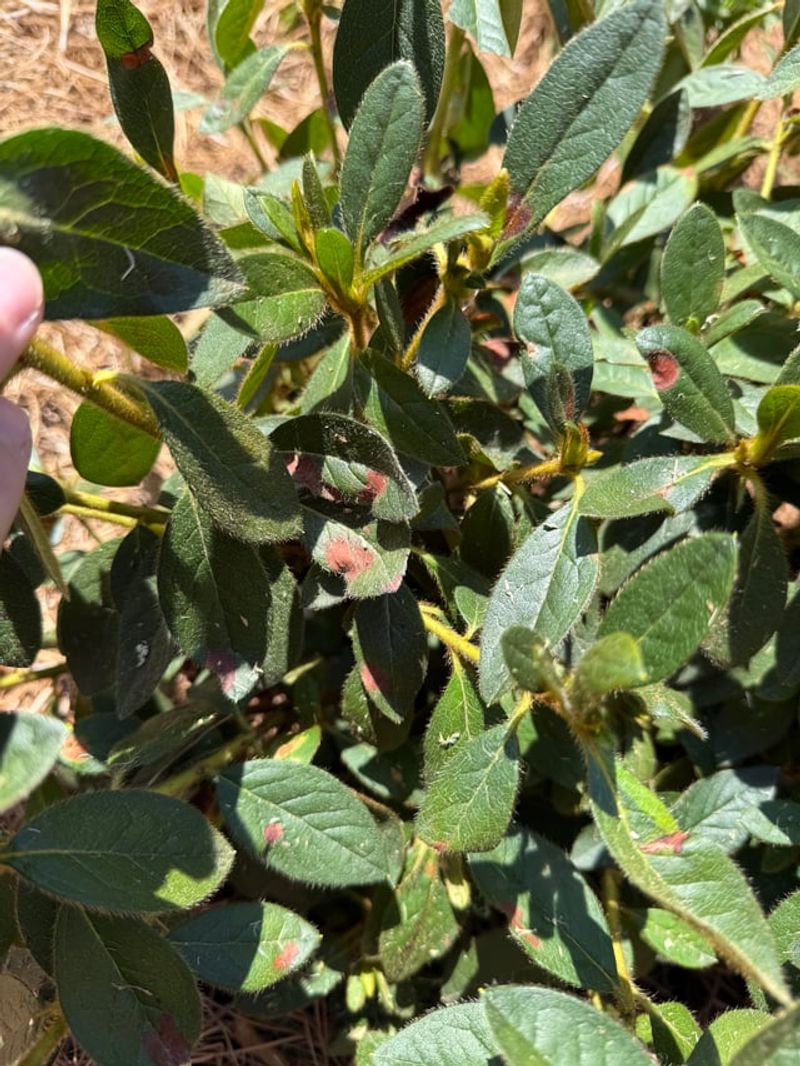
Buds tell you more than the leaves do.
Fat, rounded tips mean flowers are coming. Narrow, pointed tips are leaf growth.
Check branch ends around mid September.
Plump buds with tight scales look promising. Shriveled or browned buds usually trace back to heat or drought stress.
Lace bugs are the pest worth checking.
Flip a few leaves and look for dark specks and pale, stippled patches. Heavy feeding by lace bugs weakens a plant and can trim back flowering.
Petal blight can ruin open flowers in wet weather.
Blooms go limp and slimy, then cling to the stem. Cool, damp stretches make it worse.
Bloom time in Georgia usually falls between late September and October.
A warm autumn can stretch flowering into November in the southern counties. An early cold snap shortens it.
Fall flowering runs lighter than spring, and that is normal.
A scattered second flush counts as success. Established shrubs generally put on a better show than young ones.
Keep a few notes on each plant.
A season of records shows which shrubs need more light or better watering. Small fixes next spring pay off next fall.
Buds that stay tight for weeks are not a problem.
Cool nights slow them down, then they open in a rush. Give them time before you worry.
Water steadily until the flowers finish.
Blooming plants still use moisture, even in cooler weather.