The Illinois Soil Invader Spreading Through Shared Plants And Mulch
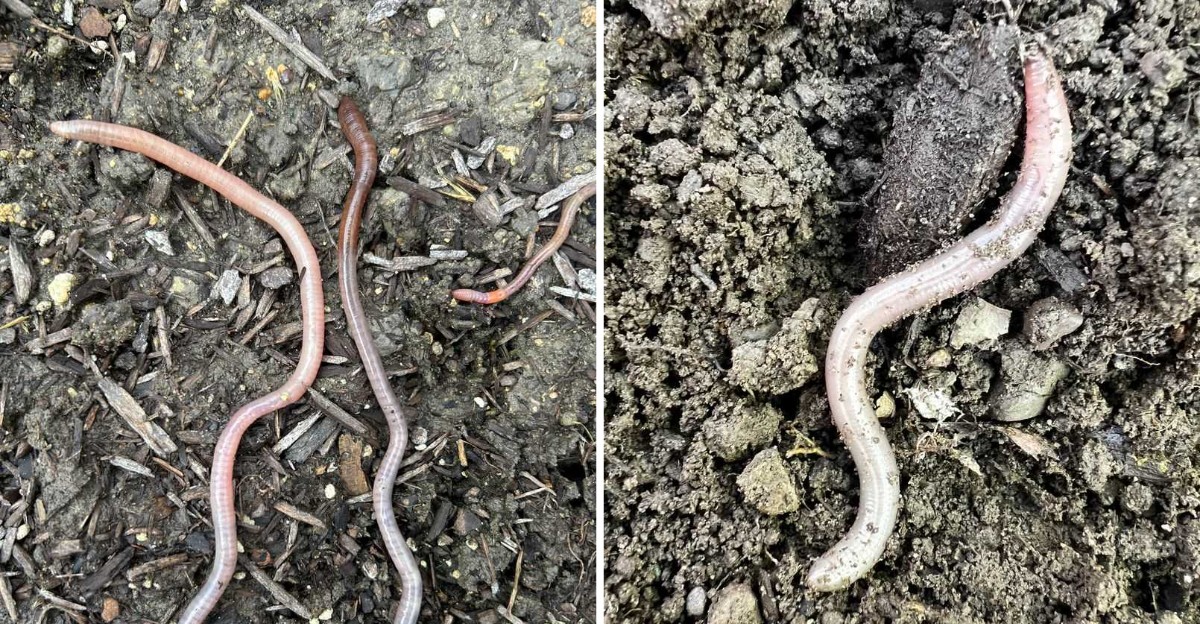
Scoop a handful of garden soil in late summer and it might feel oddly light, loose, and grainy, like used coffee grounds slipping through your fingers.
That texture is a clue, and once you notice it, you tend to notice it everywhere. Illinois gardeners have been trading it back and forth without meaning to.
It hitches rides in shared perennials, donated pots, and bargain loads of mulch dropped at the end of the driveway. Nobody sees it coming because it hides below the surface until the damage is obvious.
The good news is that the signs are easy to learn, and a few simple habits can slow the spread on your street. Here is what is happening underground in Illinois yards, and what you can do about it this season.
The Restless Earthworm Reshaping Illinois Garden Soil
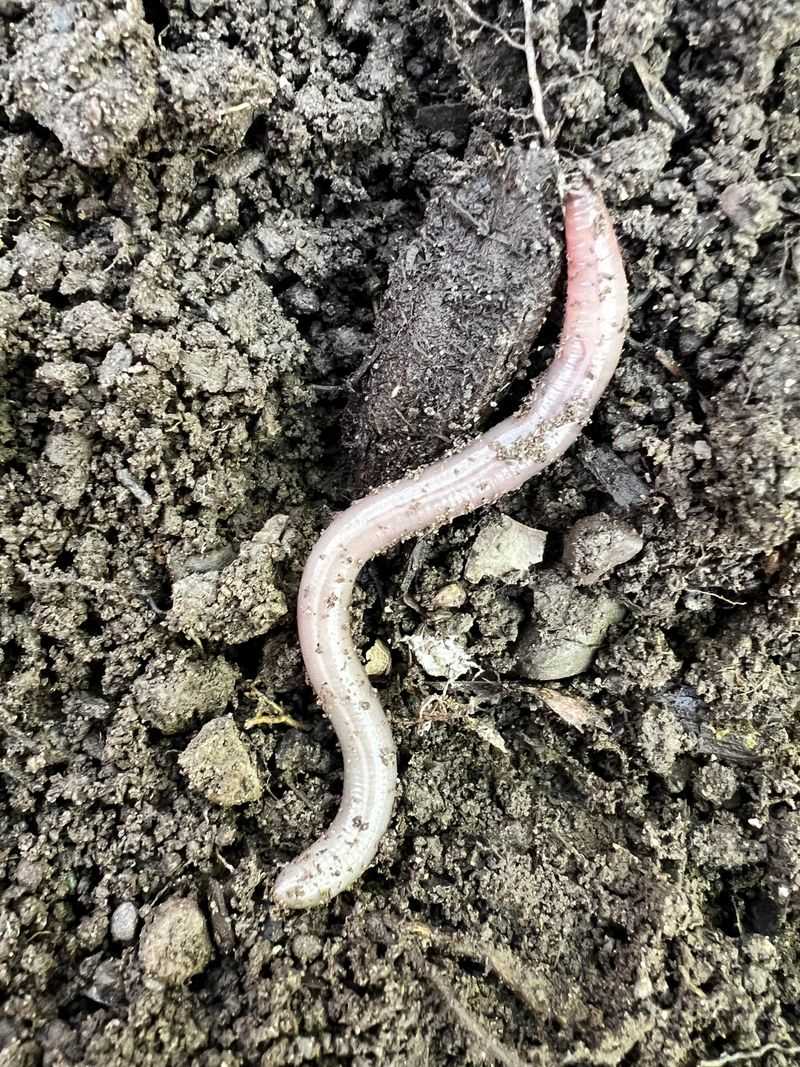
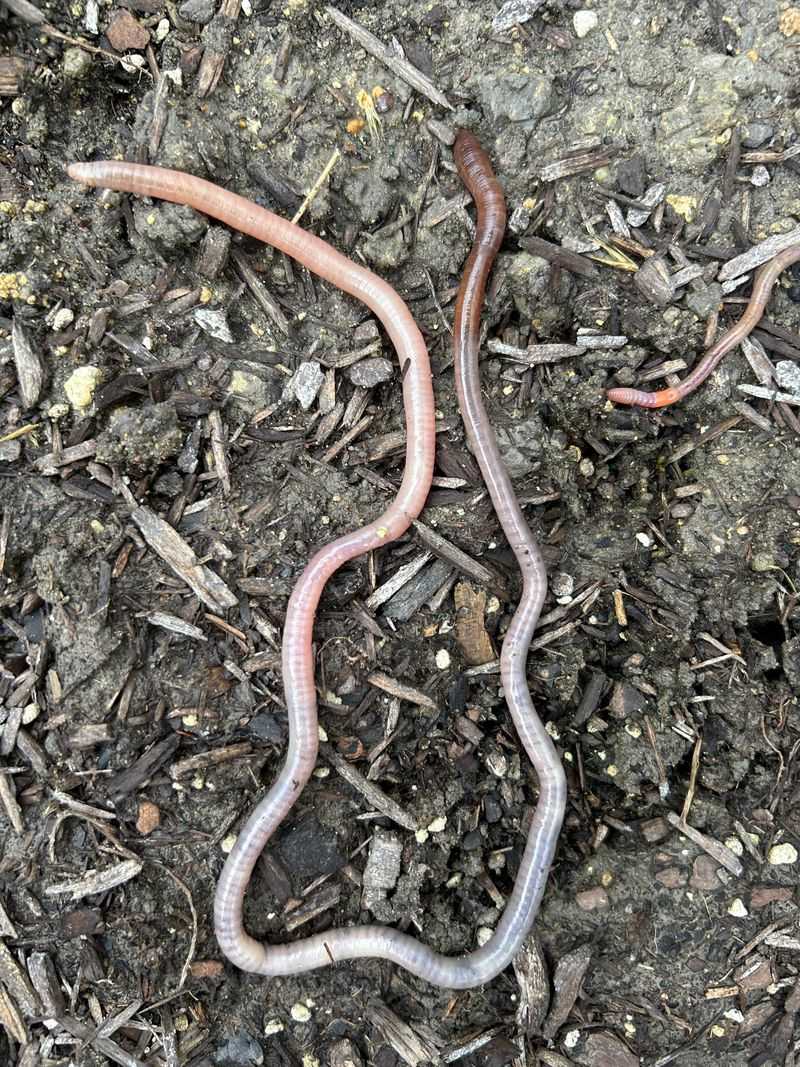
Pick one up and you will understand the nickname right away. Instead of curling politely like a nightcrawler, it thrashes sideways like a landed fish and may even shed its tail to escape.
Gardeners across Illinois are meeting Amynthas worms, commonly called jumping worms, crazy worms, or snake worms. They arrived from East Asia and have been quietly moving through Cook, DuPage, Lake, and downstate counties for years.
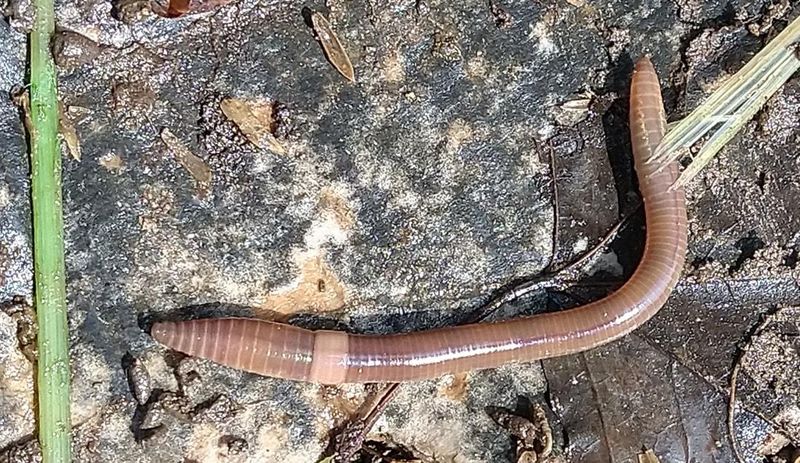
Telling them apart from familiar earthworms is easier than people expect. Look at the clitellum, the band near the head. On a jumping worm it is smooth, milky white to gray, and wraps fully around the body. On a nightcrawler it is pinkish, raised, and does not circle all the way.
Their appetite is the real issue. Jumping worms feed near the surface and burn through leaf litter and organic matter at remarkable speed, turning the top few inches into dry, crumbly pellets.
That layer they leave behind looks like spilled coffee grounds or taco meat. It drains too fast, holds few nutrients, and washes away in heavy rain.
They live near the surface rather than tunneling deep, so they do not aerate soil the way older earthworm species do. Roots of hostas, ferns, and young trees lose the spongy soil they depend on.
Illinois forest preserves worry about them too, because woodland wildflowers such as trillium and bloodroot rely on that same leaf layer. What starts in a backyard bed rarely stays there.
Plant Swaps And Mulch Deliveries That Move Them Around
Here is the uncomfortable part. Jumping worms are not great travelers on their own, moving maybe a few dozen feet in a season, so people do most of the hauling for them.
Spring plant swaps are a favorite ride. A divided hosta clump handed over the fence can carry cocoons the size of a mustard seed, dark and gritty and nearly invisible against soil.
Bulk mulch and compost matter just as much. Piles that sit uncovered in a yard or lot can pick up cocoons, and one delivery can seed an entire block.
Nursery stock, landscaping crews, and even shared garden tools play a role. Boots caked with soil after a volunteer workday carry more than mud home.
Your Illinois Garden Changes Every Week. Your Plan Should Too.
Gardening in Illinois changes quickly throughout the season. Every Friday you’ll receive a simple weekly plan showing exactly what to plant, prune, fertilize, harvest, and protect so you never miss the right timing.
Fishermen add another path. Bait sold as alabama jumpers or dumped at the end of a day at the Fox River or Chain O Lakes finds new ground quickly.
The cocoons are the sneaky part. Adults typically do not survive Illinois winters, but the tiny egg cases do, hatching in April and May when the soil warms.
That means a shipment moved in October can look perfectly clean and still deliver a population next spring. Nothing wriggles, nothing looks wrong, and the problem simply waits.
Knowing this changes how you shop and share. Ask where mulch was stored, buy from suppliers who heat treat their compost, and think twice before accepting a free trunkload of soil from a stranger online.
Signs In Your Beds From April Through October
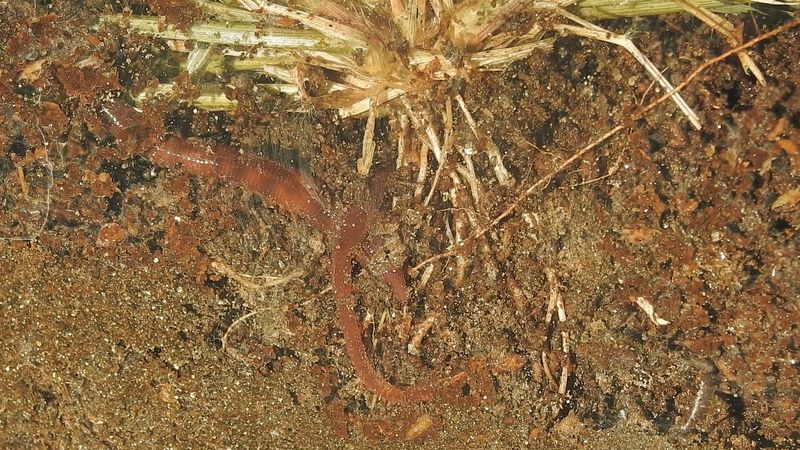
Timing shapes what you find. Hatchlings emerge in mid to late spring, and at that stage they are thread thin and easy to overlook while you are busy planting tomatoes.
By July and August they reach full size, often four to eight inches, and the evidence gets loud. Pull back mulch and the surface looks churned, dry, and oddly uniform.
Texture tells the story better than sight. Healthy Illinois garden soil clumps a little when squeezed, while jumping worm castings fall apart into loose pellets that feel almost fluffy.
Watch your mulch too. A fresh layer that vanishes in a single season, leaving bare granular soil beneath, is a strong hint something is eating faster than expected.
Plants send signals as well. Shallow rooted shade perennials wilt sooner between waterings, seedlings struggle to anchor, and grass may thin in patches that no fungus explains.
A mustard pour is the standard check. Mix a third cup of ground yellow mustard seed into a gallon of water and slowly pour it over a square foot of soil.
The mild irritation brings worms to the surface within a few minutes without harming plants. Rinse the spot afterward with plain water.
Late summer is peak season for spotting them, so schedule a walk through your beds in August. Check under logs, around compost bins, and along the shady north side of the house where moisture lingers.
Catching a small population early gives you far more options than discovering one in year three.
Common Habits That Quietly Make The Problem Worse
Most spread happens through kindness. Someone thins their daylilies, offers the extras to a neighbor, and the gesture travels three houses down with a hidden passenger.
Chopping and dropping is another slip. Slicing a jumping worm with a spade does not solve anything, and stirring infested soil around the yard just spreads the cocoons more evenly.
Open compost piles deserve attention. Cool backyard bins rarely reach the temperatures needed to handle cocoons, so finished compost from an infested pile can carry the problem into raised beds.
Bargain hunting causes trouble too. That free mulch from an unknown source, or the end of season clearance rack where pots have been sitting directly on the ground, both come with risk.
Tools and tires collect soil without anyone noticing. A tiller borrowed from a neighbor, a wheelbarrow lent for an afternoon, and lawn equipment moved between properties all matter.
Some gardeners assume cold Illinois winters will handle it. Adults do fade after hard frost, yet the cocoons shrug off January in Rockford just fine and hatch on schedule.
Another common misstep is waiting for an official fix. here is currently no widely approved pesticide for jumping worms in home gardens.
The habit worth breaking is casual soil sharing. Bare root divisions, washed roots, and seeds carry almost no risk while potted soil carries plenty, and that single change protects a lot of neighborhoods.
Practical Steps For Cleaning Up An Infested Bed
Start with containment rather than eradication. Treat an infested bed like a room with a closed door, keeping soil, mulch, and divisions inside your own yard for the season.
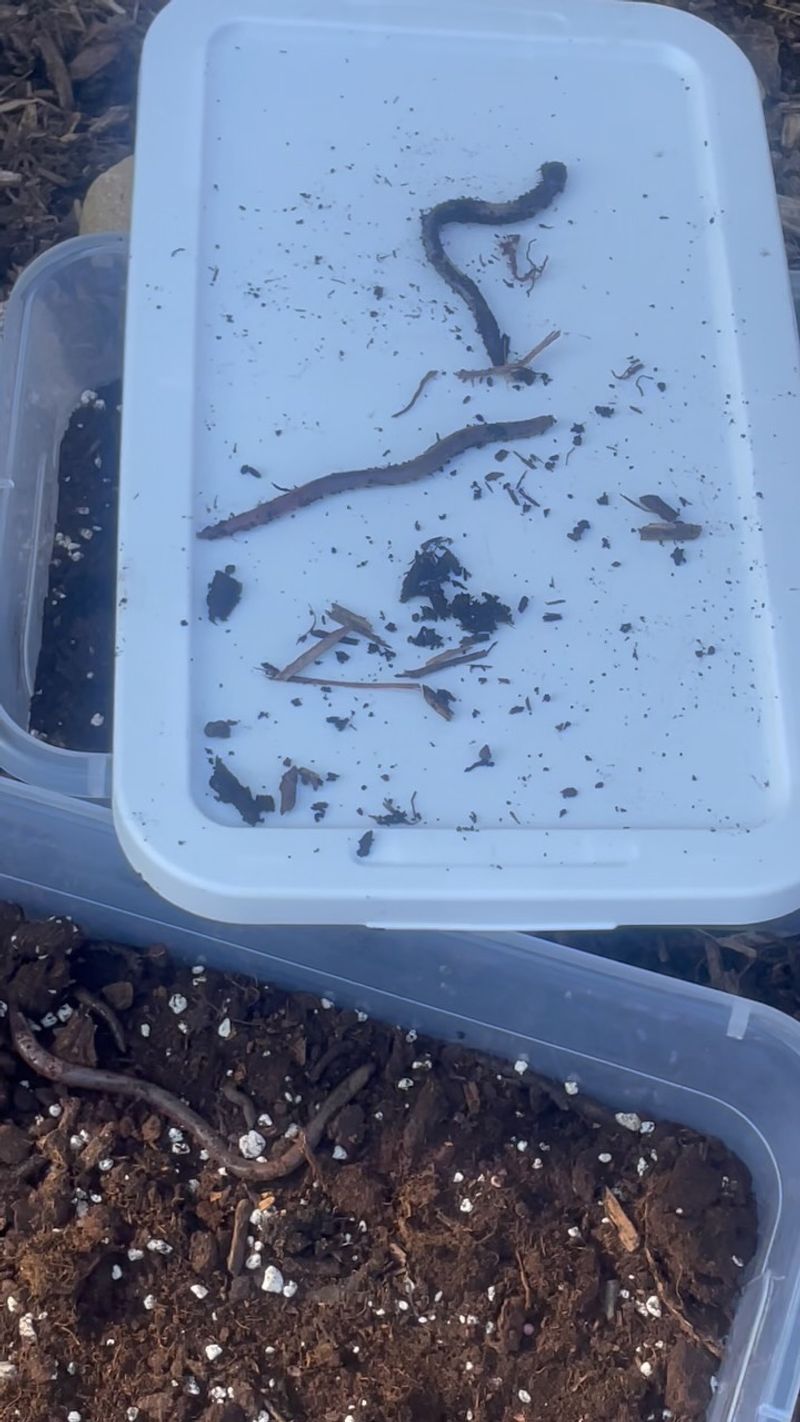
Hand collecting works better than people assume. Walk the beds in the morning, drop what you find into a bag, seal it, and set it in the sun or the trash rather than the compost.
Solarizing handles soil and compost you want to reuse. Spread material in a clear plastic bag or under clear sheeting in full sun until it holds 104 degrees Fahrenheit for three days.
Heat treated compost from commercial suppliers is a safer bet for topping off beds. Ask whether the product met required temperature standards before buying by the yard.
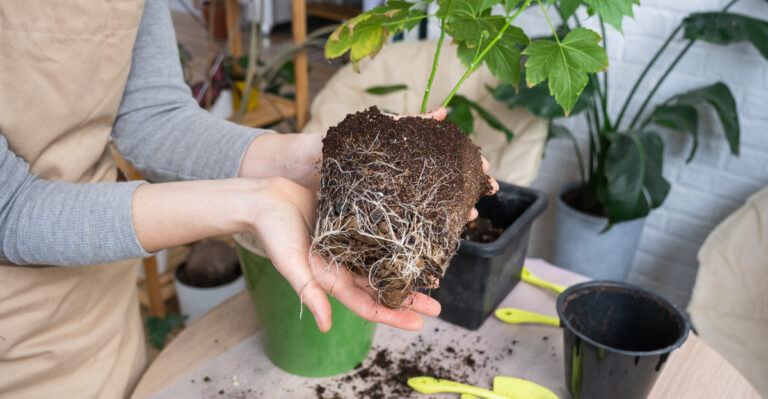
Share plants the clean way. Rinse roots bare over a bucket, discard that rinse water and grit in the trash, and pot divisions in fresh sterile mix before handing them off.
Clean your gear between yards. A stiff brush, a hose, and two minutes of attention keep tools from becoming delivery vehicles.
Keep feeding the soil you have left. Adding leaf mold, shredded leaves, and coarse wood chips helps replace what gets consumed and cushions shallow roots through August heat.
Report what you find. The Illinois Extension and the Illinois Department of Natural Resources track sightings, and photos with a location help researchers map how far populations have moved.
Small, steady effort beats one dramatic weekend push.
Gardening Well In A Landscape That Has Changed

Living with jumping worms is not a defeat. Plenty of Illinois gardeners are still growing beautiful borders in soil that hosts them, just with different choices.
Deep rooted plants handle the change best. Native prairie species such as little bluestem, coneflower, butterfly weed, and switchgrass anchor far below the churned surface layer.
Shallow rooted favorites need extra care. Hostas, astilbe, and ferns benefit from consistent moisture, a thicker mulch layer, and a spring feeding to make up for lost nutrients.
Switch mulch types if you can. Coarse wood chips break down slowly and last longer than fine shredded bark, which disappears fast in an infested bed.
Raised beds with fresh, heat treated mix give vegetables a strong start. Line the base with hardware cloth or landscape fabric to slow migration from surrounding ground.
Water deeply and less often, since granular castings dry out quickly at the surface. A soaker hose under mulch delivers moisture where roots actually sit.
Talk to your neighbors, your garden club, and your local park district. Community awareness slows spread more effectively than any single yard can manage alone.
Fun bit of history worth knowing. Illinois had no native earthworms after the last glaciers retreated, so every worm in your beds arrived with people at some point.
That perspective helps. Gardens adapt, gardeners adapt, and paying attention to what moves in and out of your soil is the most useful habit you can build this year.