What Georgia Gardeners Should Do With Blackberries Once The Summer Harvest Ends
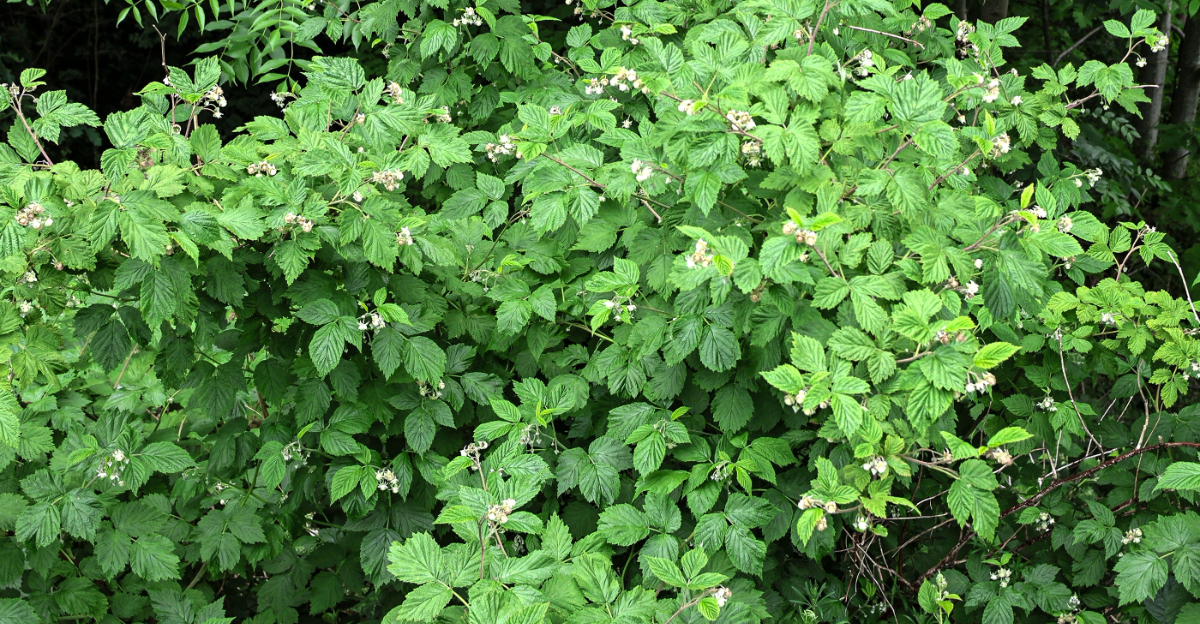
Your blackberry patch still needs attention after the final bowl of ripe summer berries leaves the garden.
Fruit production may be finished, but the plants are already shifting into another important stage. What you do now can influence how manageable and productive the patch becomes.
For Georgia gardeners, this seasonal transition is the right moment to look closely at each plant.
Start by noticing which canes produced fruit and where fresh growth is developing. That difference matters when deciding how to handle the patch after harvest.
Resist the temptation to treat every cane the same just because berry season has ended.
Good post-harvest care gives new growth the room and support it needs. Taking the right approach now can leave your blackberry patch better prepared for another strong season.
1. Remove Canes That Already Produced Fruit
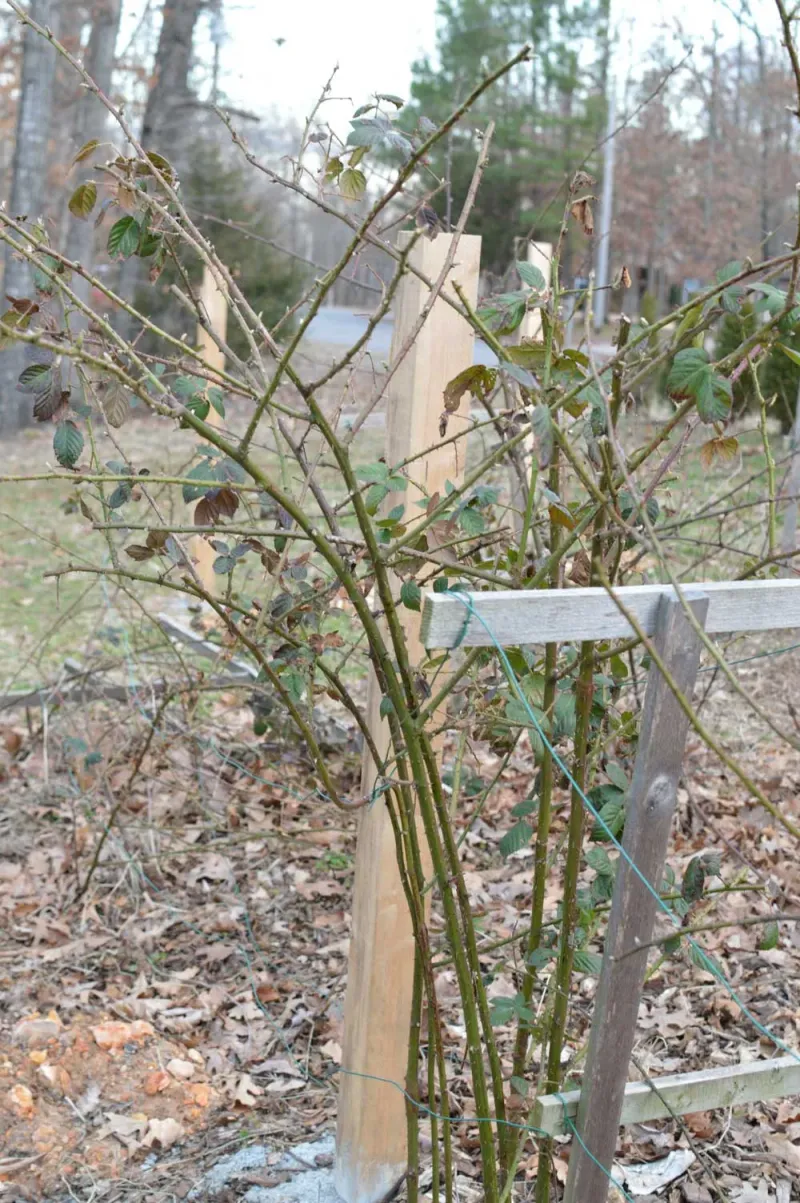
Old canes do not fruit twice. Once a blackberry cane finishes producing, it has done its job and will not give you another harvest.
Leaving it on the plant wastes energy and space that your new canes need.
Floricanes, which are the canes that fruited this season, turn woody and brownish after harvest. Cut them down close to the ground using clean, sharp pruning shears.
Wear thick gloves because even spent canes have thorns.
Getting these old canes out helps air move through the plant more freely. Better airflow lowers the chance of fungal issues taking hold.
Crowded canes trap moisture and make problems worse over time.
Work through each plant carefully. Remove only the canes that actually produced fruit this year.
Leave the new green or reddish canes alone since those are what will carry next year’s crop.
Pile the cut canes away from the garden bed. Old cane material can carry disease, so avoid mixing it back into compost unless you are sure it is clean.
Bagging and removing it from the property is often the safer move for most home gardens.
Removing spent canes also makes it much easier to see how much healthy new growth is developing for next season.
With the older growth gone, the remaining canes have better access to sunlight and more room to spread without becoming tangled.
2. Keep New Green Canes For Next Year
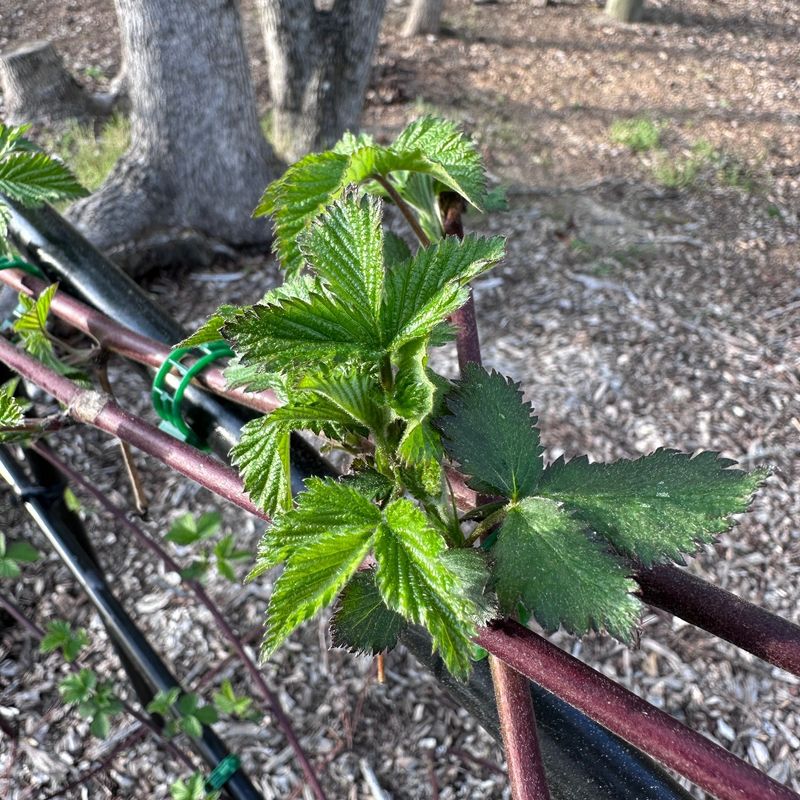
Bright green canes pushing up from the base are your future harvest. These are called primocanes, and they will not fruit this year.
Protect them because they are the foundation of next summer’s crop.
Primocanes grow fast during summer and into fall. In Georgia, the growing season stretches long enough that these canes can put on serious size before winter slows things down.
That extra growth is a good thing.
Avoid cutting or damaging these canes while you are removing the old ones. It is easy to accidentally snap a young cane when working through a dense plant.
Take your time and work around them carefully.
Count how many new canes each plant has. Most gardeners keep around four to six healthy primocanes per plant.
If a plant has more than that, thin out the weakest ones so the strongest get the most resources.
Your Georgia Garden Changes Every Week. Your Plan Should Too.
Gardening in Georgia changes quickly throughout the season. Every Friday you’ll receive a simple weekly plan showing exactly what to plant, prune, fertilize, harvest, and protect so you never miss the right timing.
Healthy primocanes have firm stems and a green or slightly reddish color. Avoid keeping any that look spindly, bent, or show signs of damage.
Strong canes heading into fall are much more likely to produce well the following summer. Give them a clean start and they will reward you for it next season.
Keeping the strongest primocanes also prevents the center of the plant from becoming overly crowded as growth continues.
Extra space around the selected canes allows each one to develop without competing heavily with weaker growth.
3. Give Remaining Growth Plenty Of Sunlight
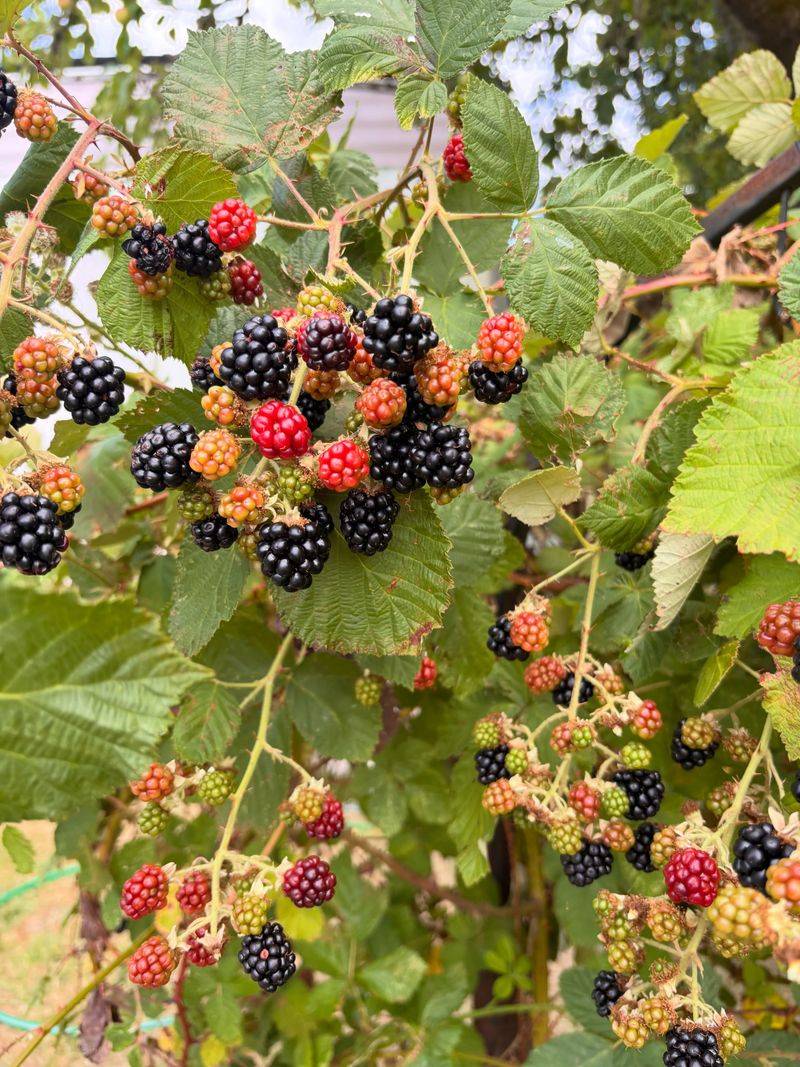
Sunlight fuels everything a blackberry plant does after harvest. Canes that get full sun tend to harden off better heading into fall, which helps them handle cooler temperatures more reliably.
Check whether nearby plants, shrubs, or overgrown weeds are starting to shade your blackberry rows. After summer growth explodes in the garden, shade from unexpected spots can creep in fast.
Trim back anything blocking the sun from reaching your canes.
Blackberries generally prefer at least six hours of direct sun each day. Less than that and the canes may stay soft and struggle to build enough reserves for next year’s flowering.
Soft, underdeveloped canes are more vulnerable to stress.
If your planting location gets heavy shade in the afternoon, consider whether a long-term relocation might make sense. Moving established plants is a bigger project, but sometimes it is the right call for consistently underperforming rows.
That is a decision worth thinking through before next spring.
For now, focus on clearing the immediate area around your plants. Pull back any large leaves from nearby plants that are flopping over the row.
Opening up the canopy even a little can make a noticeable difference in how well your canes develop through the rest of the growing season.
Good light exposure also supports stronger bud development along the canes that will carry the next crop.
4. Tie Remaining Canes To Their Support
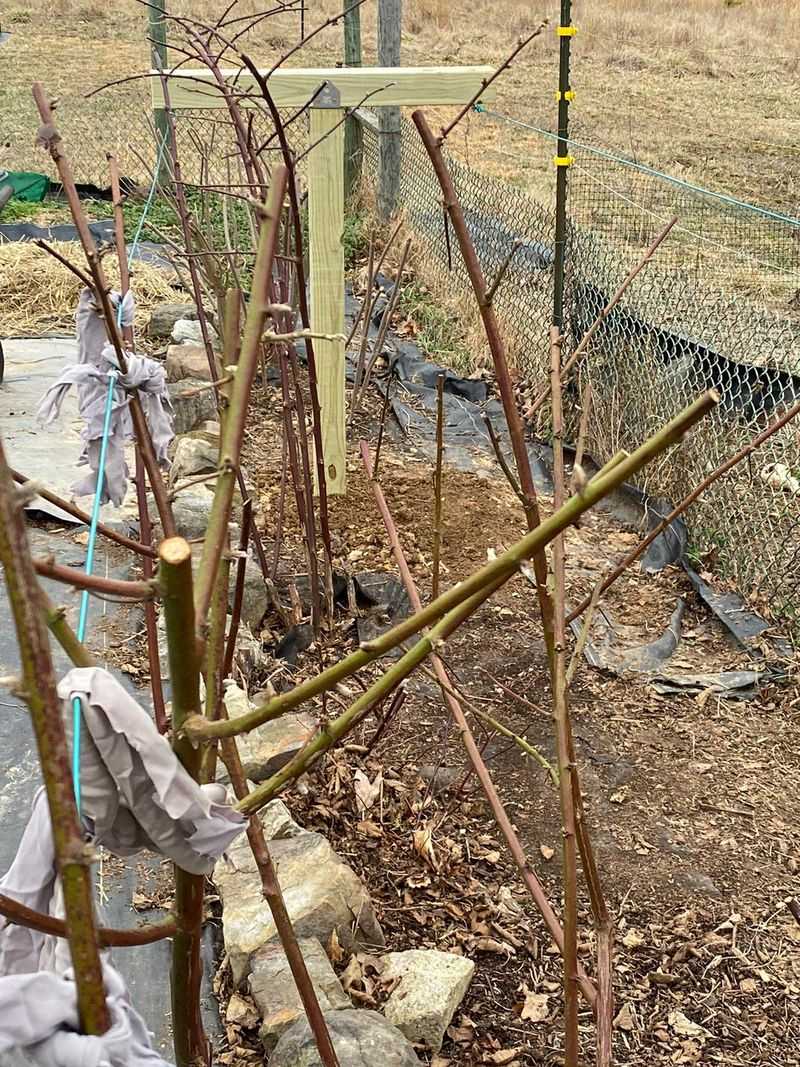
Loose canes flop around, tangle together, and get damaged in wind or rain. Getting your new primocanes tied to a trellis or support wire after harvest keeps them growing in the right direction.
Use soft plant ties or strips of fabric to attach canes to the wire. Avoid anything that cuts into the stem.
Gentle ties hold the cane in place without causing damage that opens the door to disease.
Space canes evenly along the support so each one gets room to breathe. Bunching them together defeats the purpose of having a trellis at all.
Aim for a few inches between each cane if possible.
Tying canes also makes future maintenance easier. Pruning, spraying, and harvesting all go smoother when the plant has a clear, organized structure.
A tangled row takes twice as long to work through.
Check your support system while you are at it. Trellis posts and wires take a beating through the growing season.
Tighten any loose wires and replace any broken stakes before fall sets in. A sagging trellis that collapses under the weight of next year’s canes is a frustrating problem that is easy to prevent now.
Taking fifteen minutes to check the structure is time well spent.
Well-supported canes are also less likely to bend under their own weight as they continue putting on growth before cooler weather arrives.
5. Water Plants When The Soil Turns Dry
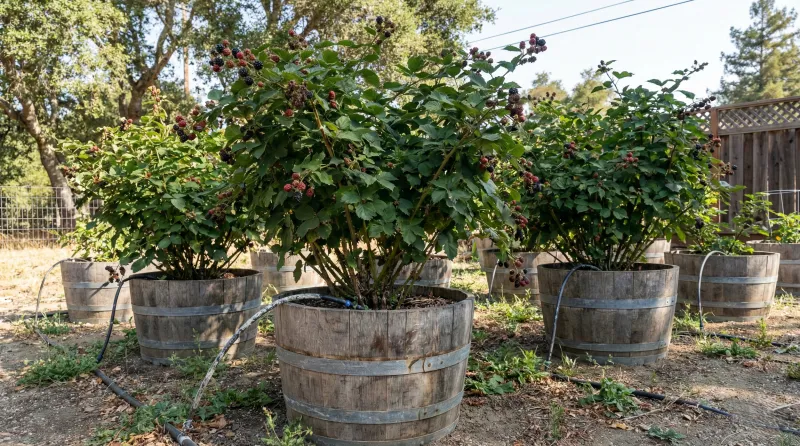
Blackberry plants still need water after the fruit is gone. New canes are actively growing and building up reserves for next year.
Letting the soil go bone dry during this period puts real stress on the plant.
Check the soil moisture around your plants a couple of times a week. Push a finger about two inches into the soil near the base.
If it feels dry at that depth, it is time to water.
Georgia summers run hot and dry in stretches, especially from late July through September. Rainfall can be unreliable during those weeks.
Supplemental watering fills the gap when rain does not show up on schedule.
Water deeply rather than frequently. A slow, thorough soak encourages roots to grow deeper into the soil.
Shallow, frequent watering tends to keep roots near the surface where they are more vulnerable to heat and drought.
Morning is a good time to water. Soil has a chance to absorb moisture before the heat of the day picks up.
Watering in the evening is not ideal since wet foliage overnight can invite fungal problems in humid conditions. A simple drip line or soaker hose works well for keeping moisture consistent without soaking the leaves.
Keep watering consistent through fall until the plant goes dormant.
Steady moisture during this period also supports healthy cane development and helps the plant maintain strong growth as the season winds down.
6. Refresh Mulch Around The Root Zone
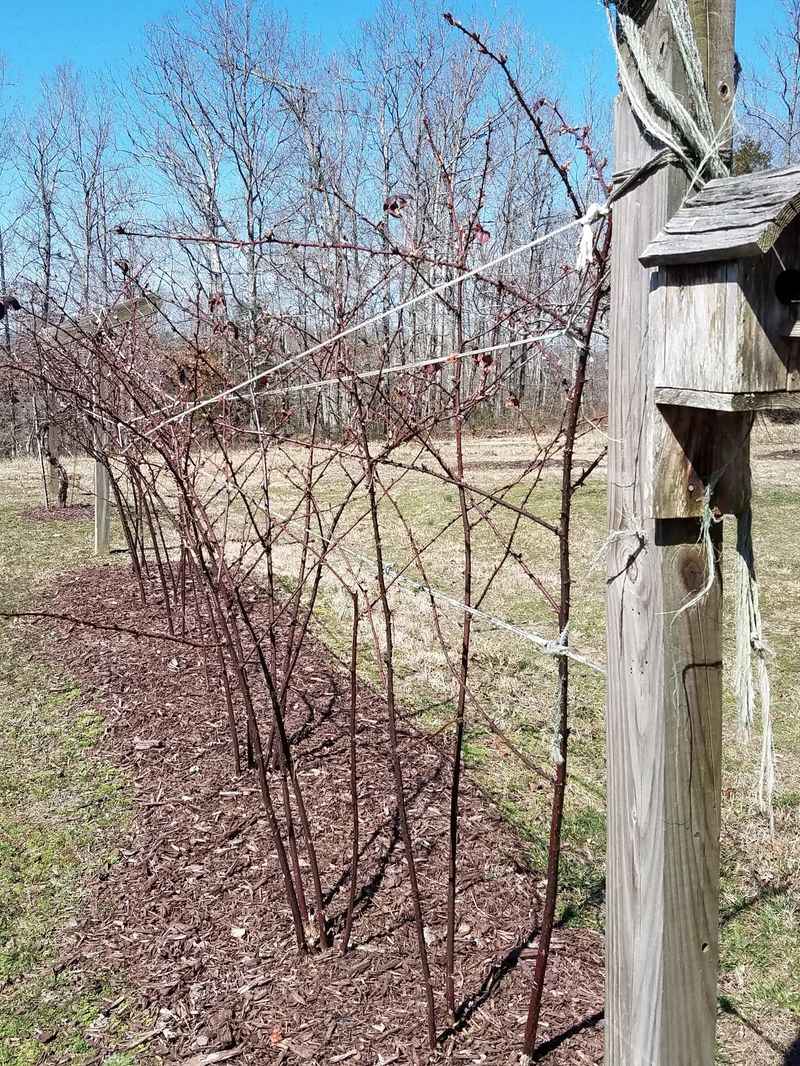
Mulch works harder than most gardeners give it credit for. A fresh layer around your blackberry plants after harvest helps hold moisture in the soil, keeps weeds from sprouting, and protects roots from late-summer heat.
Pull back any old mulch that has broken down or gone thin. Check underneath for weeds that snuck in during the season.
Clear those out before adding fresh material so they do not get a comfortable spot to keep growing.
Wood chips, pine straw, and shredded leaves all work well around blackberries. Pine straw is easy to find across much of the South and breaks down at a reasonable pace.
Wood chips last longer and tend to suppress weeds more effectively.
Aim for a layer about two to three inches thick. Keep the mulch a couple of inches away from the base of the canes.
Mulch piled directly against the stems can hold moisture against the bark and create conditions that encourage rot or fungal growth.
Refreshing mulch in late summer also gives you a head start heading into fall. As temperatures cool, that layer helps buffer the soil from temperature swings.
Roots that stay more stable through fall tend to be in better shape when growth picks back up in spring. A bag or two of mulch is a small investment for a real benefit.
7. Check Leaves And Canes For Disease
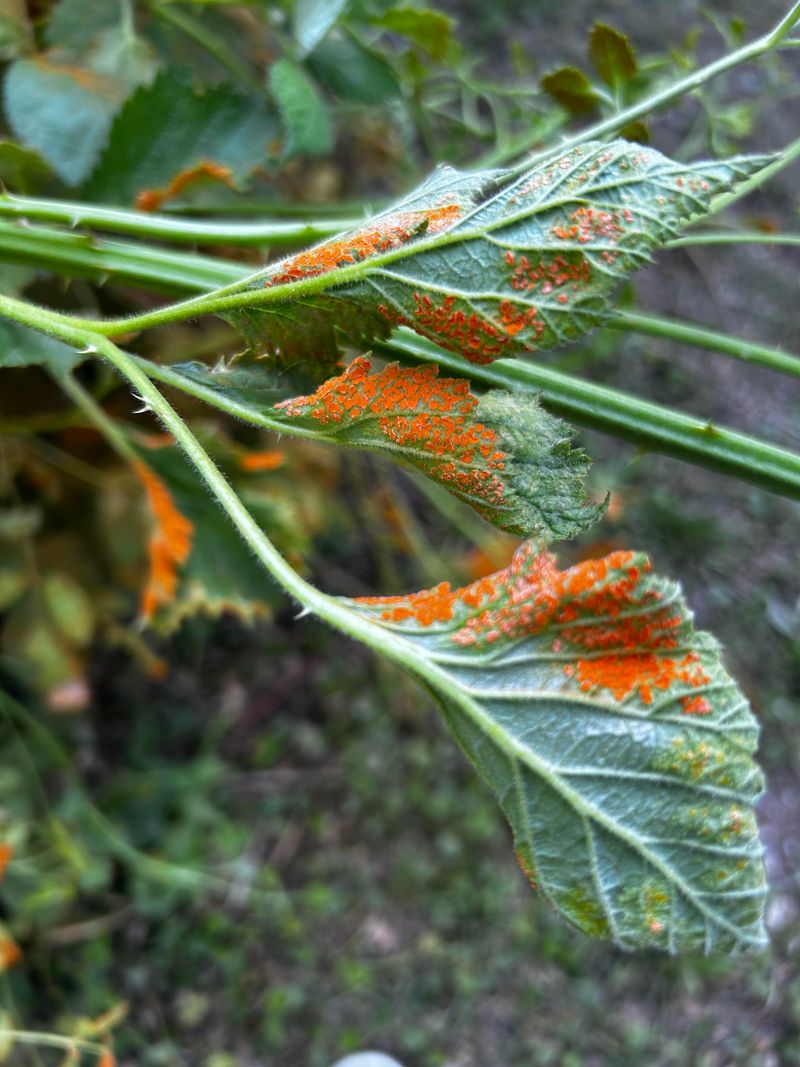
End-of-season plants are worth a close look. Diseases that started quietly during the busy harvest period can spread fast once you stop paying close attention.
Catching problems now prevents bigger headaches next spring.
Walk your rows and look at both sides of the leaves. Orange or yellow spots on the underside often point to rust, a fungal disease that spreads through humid conditions.
Blackberry rust is fairly common in parts of the Southeast where summer humidity stays high.
Look at the canes too. Dark lesions, cracked bark, or sunken spots can indicate cane blight or other fungal issues.
Canes with visible damage are unlikely to produce well, and keeping them risks spreading the problem to healthy growth.
Remove and bag any material that looks infected. Do not toss it into the compost pile.
Fungal spores can survive in compost that does not heat up enough to break them down properly, and those spores can reinfect your garden next season.
If the problem looks widespread, consult your local cooperative extension office for guidance specific to your region. Extension agents can help identify what you are dealing with and suggest management options that are appropriate for home gardens.
Treating a manageable problem early is much simpler than dealing with a full outbreak later. A few minutes of inspection now can save a lot of trouble down the road.
8. Keep Weeds From Competing Around Plants
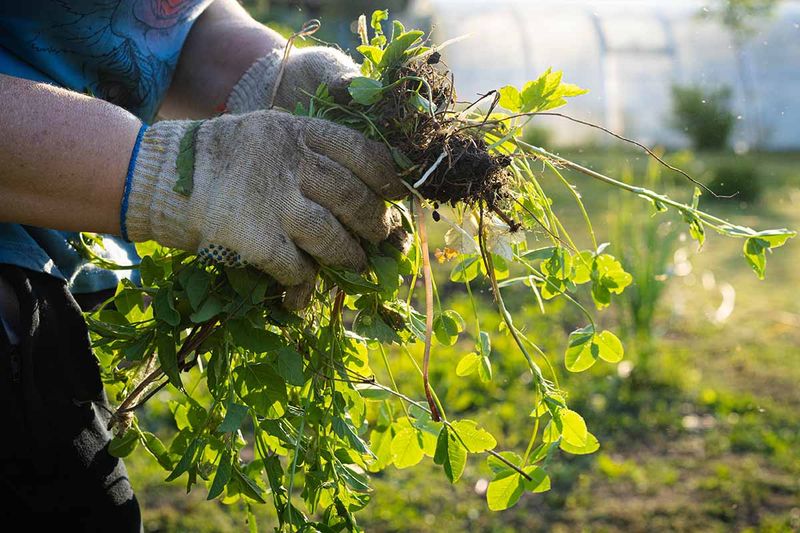
Weeds are quiet competitors. After harvest, when gardener attention naturally drops off, weeds move in fast and start pulling moisture and nutrients away from your blackberry plants.
Staying on top of them through late summer matters more than most people expect.
Hand-pulling works well for smaller weeds. Get them while they are young and before they set seed.
A weed that drops seeds in your blackberry row will give you ten more problems to deal with next season.
A hoe works well for larger patches between rows. Be careful not to dig too deep near the base of the plants.
Blackberry roots sit relatively close to the surface, and aggressive hoeing can disturb them more than you want.
A fresh layer of mulch after weeding is one of the most effective ways to slow weed growth back down. Mulch blocks light and makes it harder for weed seeds to germinate.
Combining hand-pulling with good mulch coverage keeps maintenance manageable through fall.
Check the row edges too. Grass and weeds creeping in from the sides are easy to overlook but can establish quickly.
A clean edge around your blackberry bed keeps the competition contained. Spending twenty minutes every week or two through the rest of the season is enough to keep most weed pressure under control without it becoming an overwhelming task.
Regular weed control also makes it easier to spot new blackberry shoots and keep the planting area neat as fall approaches.