Get The Height Without The Spread With This Missouri Native
Something rare keeps growing quietly across Missouri fields. You want height without losing command of your garden space. Missouri claimed this native plant long before anyone praised it publicly.
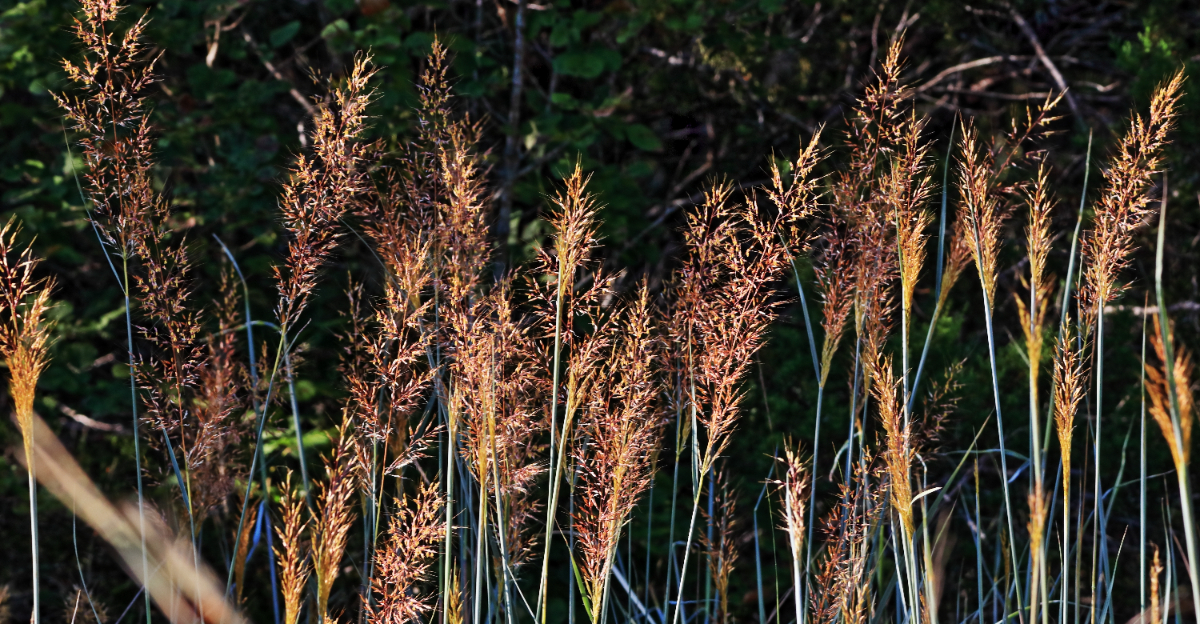
Height builds quickly, climbing well past your shoulders before autumn ends. Gold spreads through every stem once summer cools into evening light. Prairies depended on this plant to survive difficult seasons for centuries.
Wildlife still relies on it for shelter through the coldest winters. Roots plunge deep, anchoring loose soil against erosion and drought. Nothing about this plant behaves as expected.
Texture, color, and motion combine into something genuinely striking outdoors. Gardeners crave structure, and this plant provides it without complaint. Beauty rarely feels this generous or quietly confident.
Few plants offer elegance without asking for anything in return. Curiosity builds the longer you learn what this plant actually does. There is no way you will want to stop reading now.
What Makes This Missouri Native Grow Tall Without Spreading
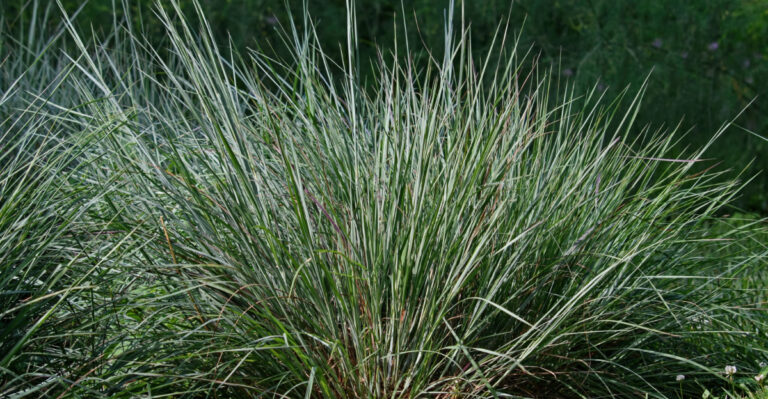
Indian Grass stands tall for a reason. This native prairie grass grows in tight, well-behaved clumps that stay exactly where you plant them.
Unlike aggressive spreaders, Indian Grass grows from very short rhizomes that stay tightly clumped instead of spreading outward.
The secret is its clump-forming growth habit. Each plant grows as a single upright cluster, reaching five to seven feet without sprawling sideways.
Gardeners across Missouri love this about Indian Grass. You get big, bold vertical presence without spending weekends pulling it back from flower beds.
The root system goes deep rather than wide. Those roots anchor the plant firmly and help it access water during dry summer stretches.
Deep roots also mean Indian Grass is incredibly drought-tolerant once established. It thrives in the same tough conditions that defeat many ornamental grasses from other regions.
Missouri’s native prairies shaped this plant over thousands of years. It learned to grow tall to catch sunlight above competing vegetation, not to spread across the ground.
That upward drive is baked into its biology. You benefit from a grass that is ambitious vertically but respectful horizontally, which is a rare and wonderful combination in any garden plant.
Why Some Tall Natives Take Over While Others Don’t
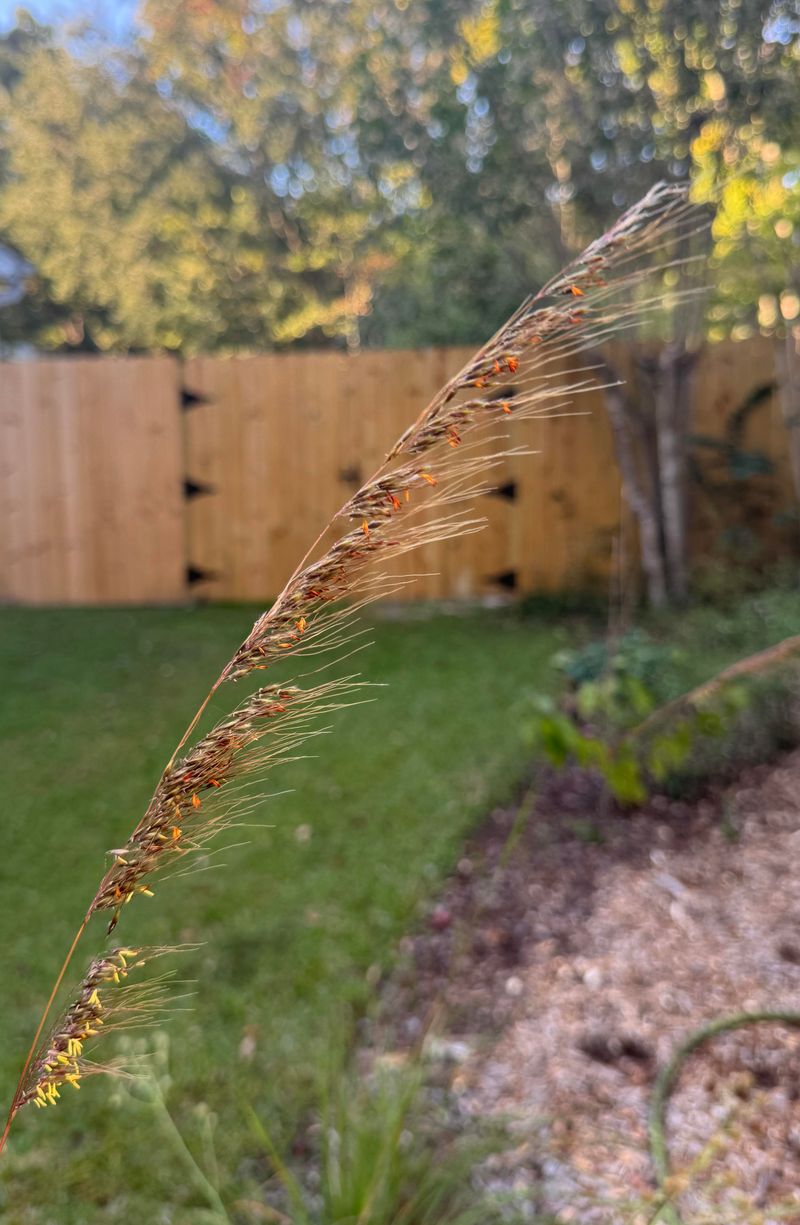
Not every native grass is a good neighbor. Some of the most beautiful natives are also the most aggressive spreaders in a home garden.
Prairie Cordgrass, for example, spreads aggressively through thick underground rhizomes. Plant it once and you may spend years managing where it goes next.
The difference comes down to reproduction strategy. Aggressive grasses spread vegetatively through roots or stems, while clump-formers like Indian Grass rely mainly on seed.
Seeds are easier to manage than roots. You can trim seed heads before they drop, giving you control that rhizome-spreaders simply do not offer.
Indian Grass also competes fairly with neighboring plants. It does not release chemicals that suppress other species, unlike some more aggressive ornamental grasses.
Its growth rate is steady but never excessive. You will see it fill out gradually over two to three seasons, which feels satisfying rather than alarming.
Your Missouri Garden Changes Every Week. Your Plan Should Too.
Gardening in Missouri changes quickly throughout the season. Every Friday you’ll receive a simple weekly plan showing exactly what to plant, prune, fertilize, harvest, and protect so you never miss the right timing.
Tall grasses that spread do so because spreading helped them survive on open, disturbed ground. Indian Grass evolved in stable, established prairies where spreading was less necessary.
That evolutionary history makes it a trustworthy choice for structured garden spaces. You get the wild, windswept look of a prairie plant with the predictable manners of a well-bred perennial, and that balance is exactly what most gardeners need.
Height, Texture, And Fall Color This Plant Brings
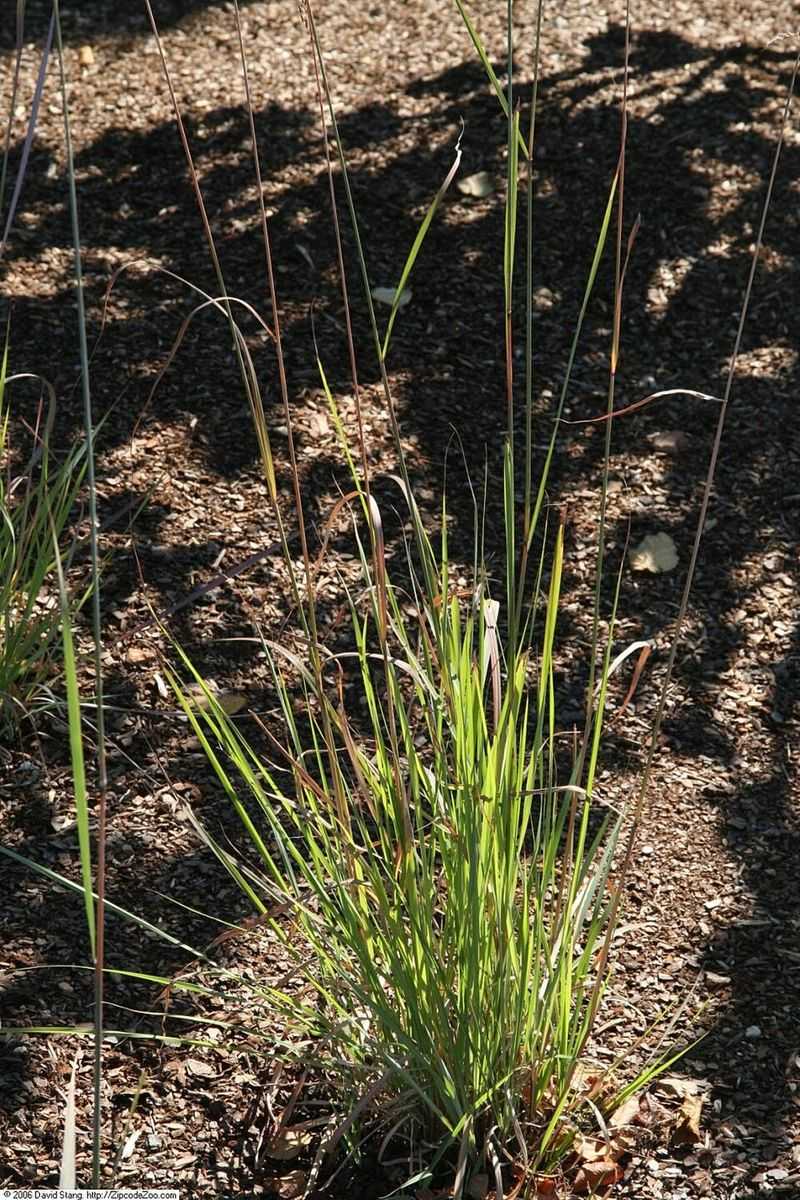
Few plants deliver a three-season show the way Indian Grass does. From summer through late fall, it keeps earning its spot in the garden.
In summer, the foliage is a rich blue-green that catches the breeze with a soft, whispering movement. The texture is fine and airy, adding lightness to heavy mixed borders.
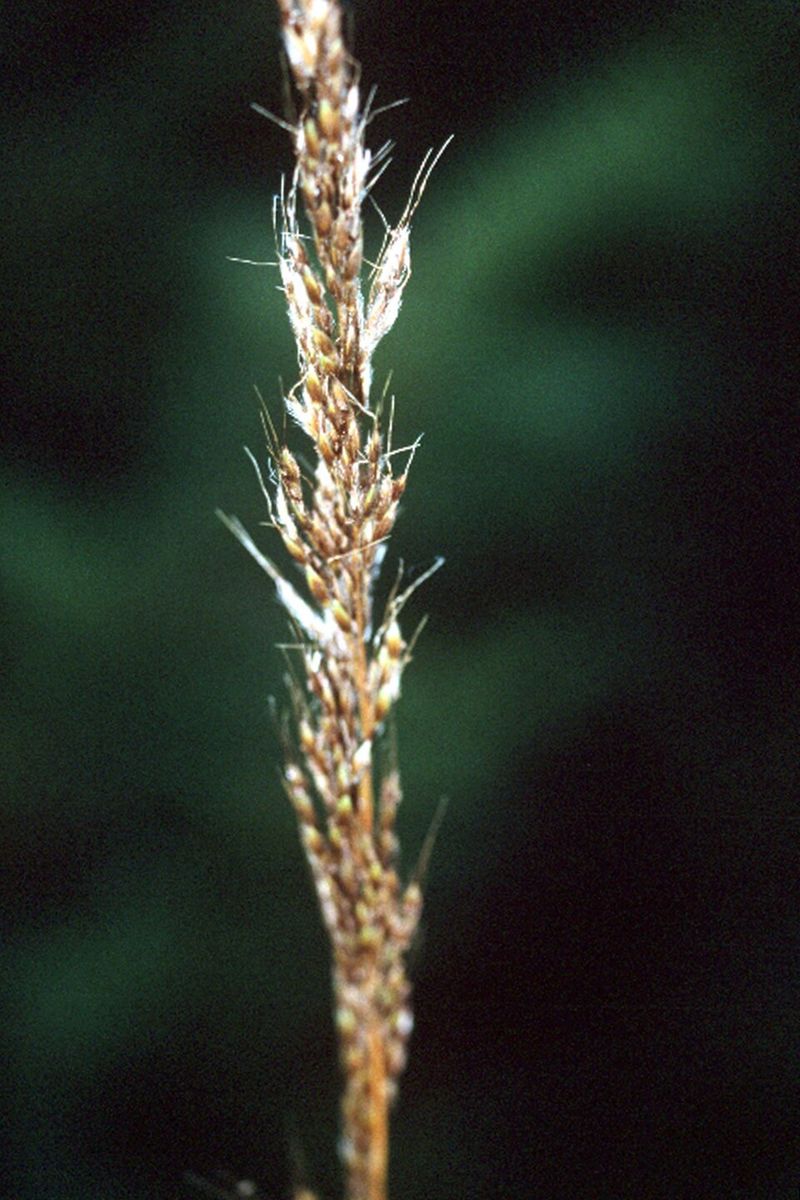
By late summer, the seed heads emerge. They are feathery, bronze-gold plumes that shimmer with a warm glow in afternoon light.
Fall is when Indian Grass becomes the most noticeable feature in the garden. The entire plant turns a deep amber-orange comparable to many flowering shrubs in fall.
That fall color holds for weeks, not days. Even after the first frost, the warm tones linger and give your garden a cozy, harvest-season glow.
The height ranges from five to seven feet in ideal conditions. Planted in groups, these grasses create a dense visual screen for privacy.
Texture matters in garden design, and Indian Grass delivers contrast beautifully. Its slender, arching blades soften the look of bold-leafed plants like coneflowers or black-eyed Susans nearby.
When the seed heads catch winter light, the plant becomes almost sculptural. Leaving them standing through winter adds structure and provides food for small birds that visit your yard during cold months.
Best Growing Conditions For A Full, Upright Habit
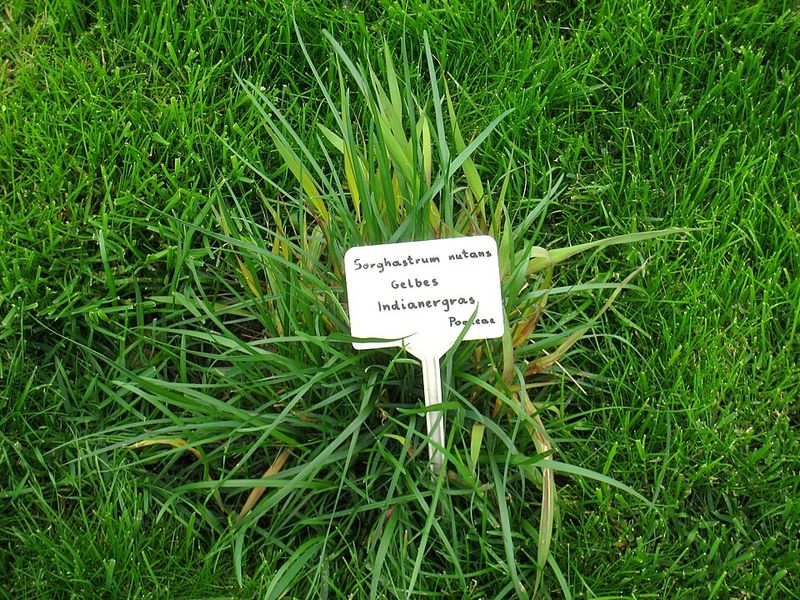
Getting the most from Indian Grass starts with choosing the right spot. This plant is not fussy, but it does have preferences that affect how upright and full it grows.
Full sun is non-negotiable for the best results. Indian Grass planted in shade tends to flop and lean, losing the crisp upright habit that makes it so appealing.
Aim for at least six hours of direct sunlight daily. Eight hours is even better, especially in areas where summers can be overcast or humid.
Soil quality matters less than you might expect. Indian Grass thrives in lean, well-drained soils that would stress many ornamental plants from garden centers.
Rich, amended soil can actually work against you. Too many nutrients push fast, soft growth that makes the stems weak and floppy rather than strong and upright.
Skip the fertilizer. Let Indian Grass grow in your native soil and it will reward you with sturdy stems that hold their form through wind and rain.
Drainage is important, though. Soggy, waterlogged ground causes root problems and weakens the plant’s structure over time. A gentle slope or raised bed works perfectly.
Once established, Indian Grass is remarkably self-sufficient. Water it during the first season to help roots settle in, then step back and let the plant do what it evolved to do beautifully.
How To Pair It With Other Well-Behaved Natives
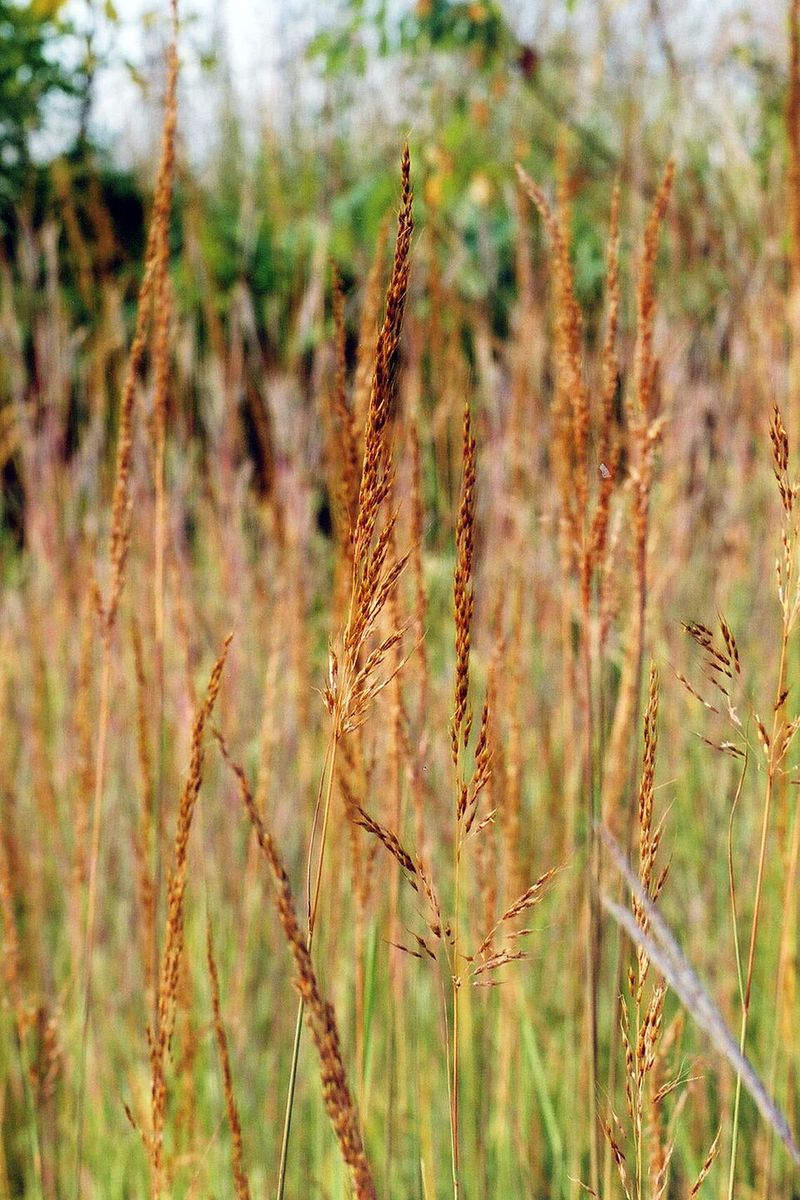
Indian Grass is a team player, and choosing the right partners makes your garden look intentional and lush. The key is matching plants with similar temperaments.
Purple Coneflower is a classic pairing. Its bold, daisy-like blooms contrast beautifully against the fine, airy texture of Indian Grass blades in mid-summer.
Black-eyed Susans bloom at the same time and share the same preference for full sun and lean soil. Together, they create a golden-orange palette that feels unmistakably American prairie.
Wild Bergamot adds lavender-pink tones to the mix. It blooms in midsummer and attracts pollinators that will also visit the seed heads of Indian Grass nearby.
Little Bluestem is a shorter native grass that pairs naturally with Indian Grass. The two grasses share similar soil and sun needs, making maintenance simple and consistent.
Rattlesnake Master adds a spiky, architectural contrast. Its globe-shaped flower heads and stiff, sword-like leaves create drama next to the soft movement of Indian Grass.
When planting partners, think about bloom timing and height layers. Place shorter plants in front of Indian Grass so the tall grass frames them from behind like a living backdrop.
Spacing matters too. Give each plant enough room to show its natural form. Crowding leads to competition and can push even well-behaved plants into awkward shapes over time.
Common Mistakes That Make Indian Grass Flop, Rot, Or Self-Seed
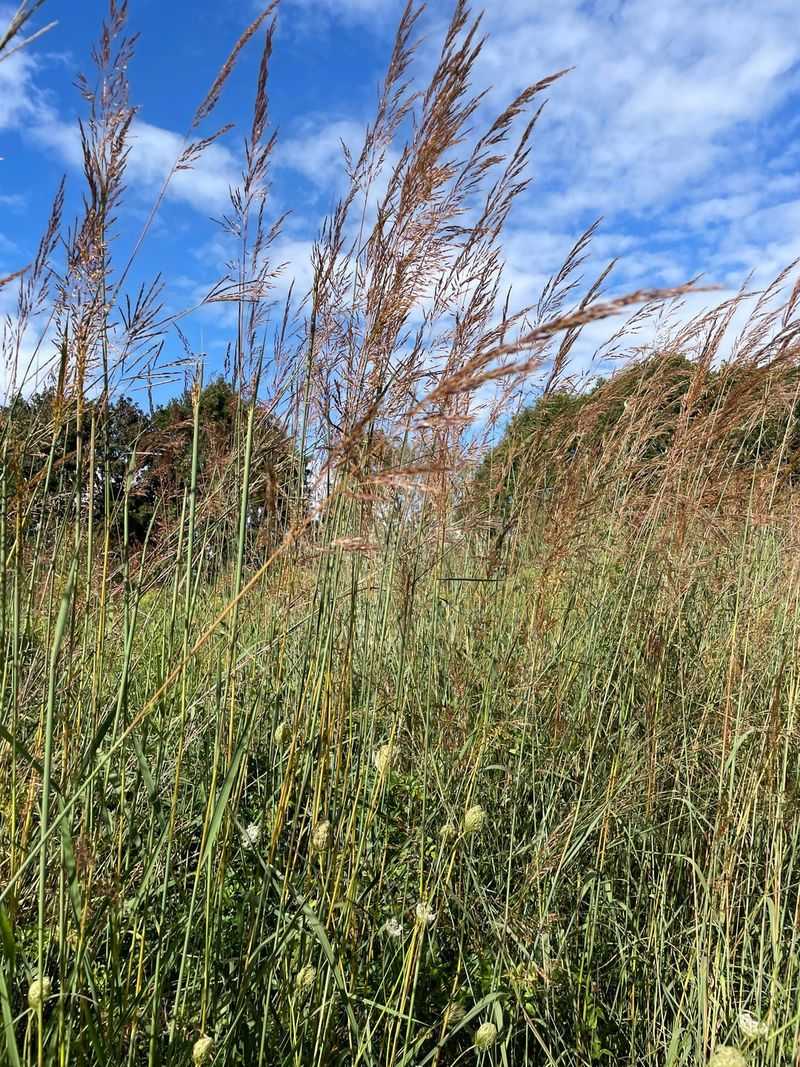
Even a well-behaved plant can become a problem when the gardener makes avoidable mistakes. Indian Grass is forgiving, but a few habits can cause it to get unruly over time.
Over-fertilizing is the most common mistake. Adding nitrogen-rich fertilizer encourages fast, floppy growth that makes the plant lean and sprawl more than it naturally would.
Planting in shade is another issue. Without enough sunlight, Indian Grass stretches toward light and loses its tight, upright clump structure that makes it so attractive.
Skipping the annual cutback causes problems too. In late winter, cut Indian Grass back to about four to six inches above the ground before new growth begins.
Leaving old growth in place blocks new shoots from emerging. It also creates a thatch layer that holds moisture against the crown, which can lead to rot in wet springs.
Neglecting to divide mature clumps every four to five years is another oversight. Older clumps develop a hollow center that weakens the plant and makes it look ragged.
Division is simple and actually benefits the plant. Dig up the clump in early spring, split it with a sharp spade, and replant the vigorous outer sections.
Letting seed heads drop freely in a small space can lead to seedling pop-ups nearby. Trim after the seed heads mature if you want to keep Indian Grass exactly where you planted it.
When And How To Cut Indian Grass Back Each Year
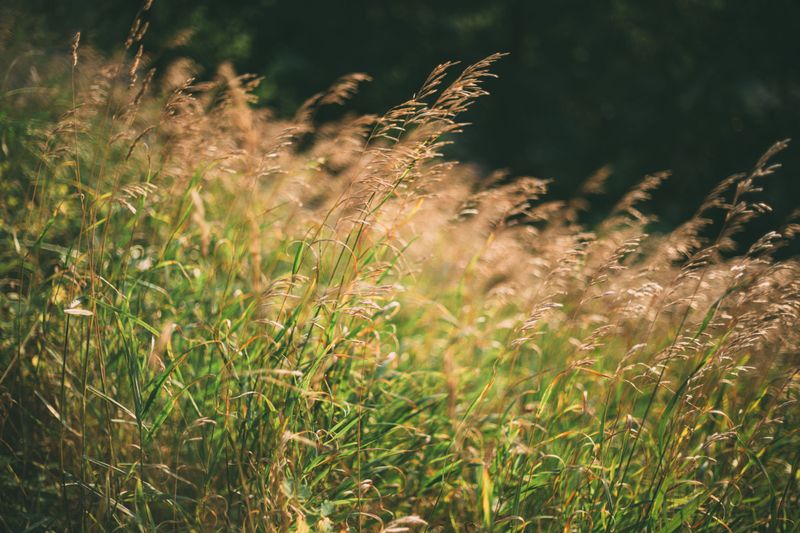
Timing your cutback correctly is one of the easiest ways to keep Indian Grass looking sharp year after year. Get the timing right and the plant practically takes care of itself.
Wait until late winter or very early spring to cut it back. Cutting too early in fall removes the seed heads that birds rely on for winter food in your yard.
The standing stems also add visual interest through the cold months. Frost-covered seed heads catch morning light beautifully, making winter in the garden feel intentional rather than neglected.
When you are ready to cut, aim for four to six inches above the soil. This height protects the crown while leaving enough stem to mark where the plant sits before new growth emerges.
Use sharp hedge shears or loppers for clean cuts. Dull blades crush and fray the stems, which looks messy and can introduce stress to the plant base.
Bundle the cut stems with a rubber band before cutting. This trick keeps the debris tidy and makes cleanup much faster, especially when managing multiple clumps at once.
After cutting, remove the debris from the garden bed. Old stems can carry fungal spores that spread to new growth if left sitting around the crown through wet weather.
New growth emerges quickly after a good cutback. Within a few weeks, fresh blue-green shoots push up and show exactly why Indian Grass fits so naturally into your garden.