What Georgia Gardeners Should Never Cut Back Until The Extreme Heat Breaks
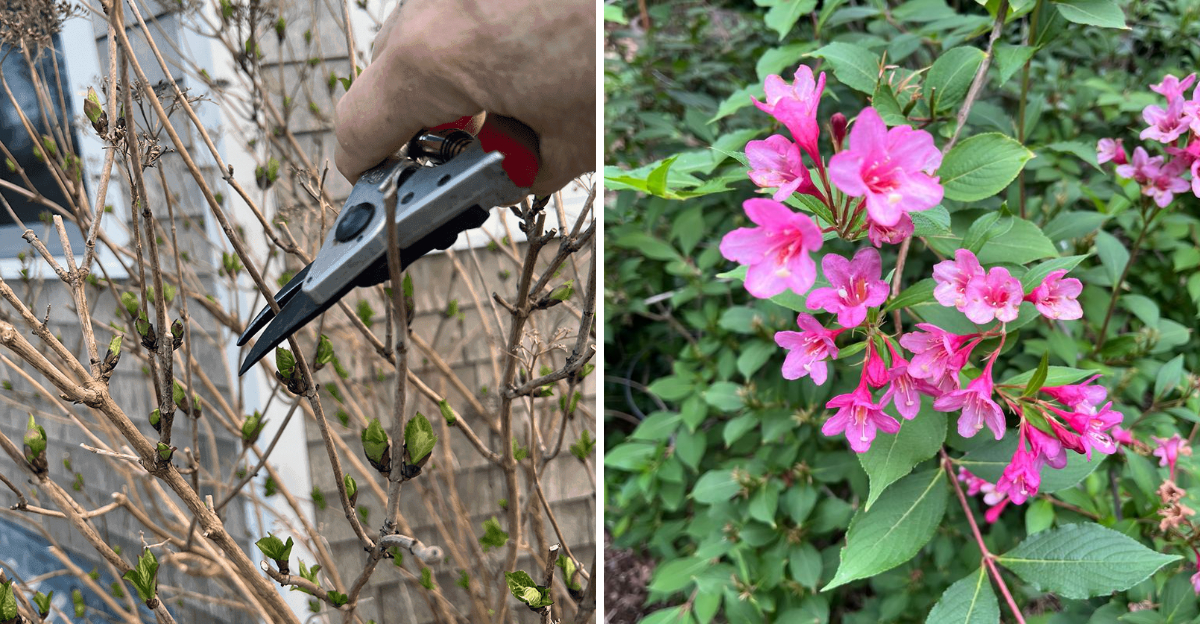
Pruning shears can stay in the shed when extreme summer heat has your garden under pressure. Cutting certain plants now may create extra stress when they are already working hard to handle harsh conditions.
That fresh trim might seem helpful, especially when branches look messy or growth feels overgrown. Timing, however, can matter more than appearance during a serious hot spell.
Georgia gardeners should be especially careful with several familiar landscape favorites right now. Some plants are better left alone until temperatures finally become less demanding.
Before removing healthy growth, consider how much protection those leaves and branches are providing. Waiting can be the smarter move even when your garden looks untidy.
Your plants do not need perfect shaping during every season.
Once the extreme heat breaks, you can decide what truly needs attention without rushing the job.
1. Oakleaf Hydrangeas Bloom From Older Stems
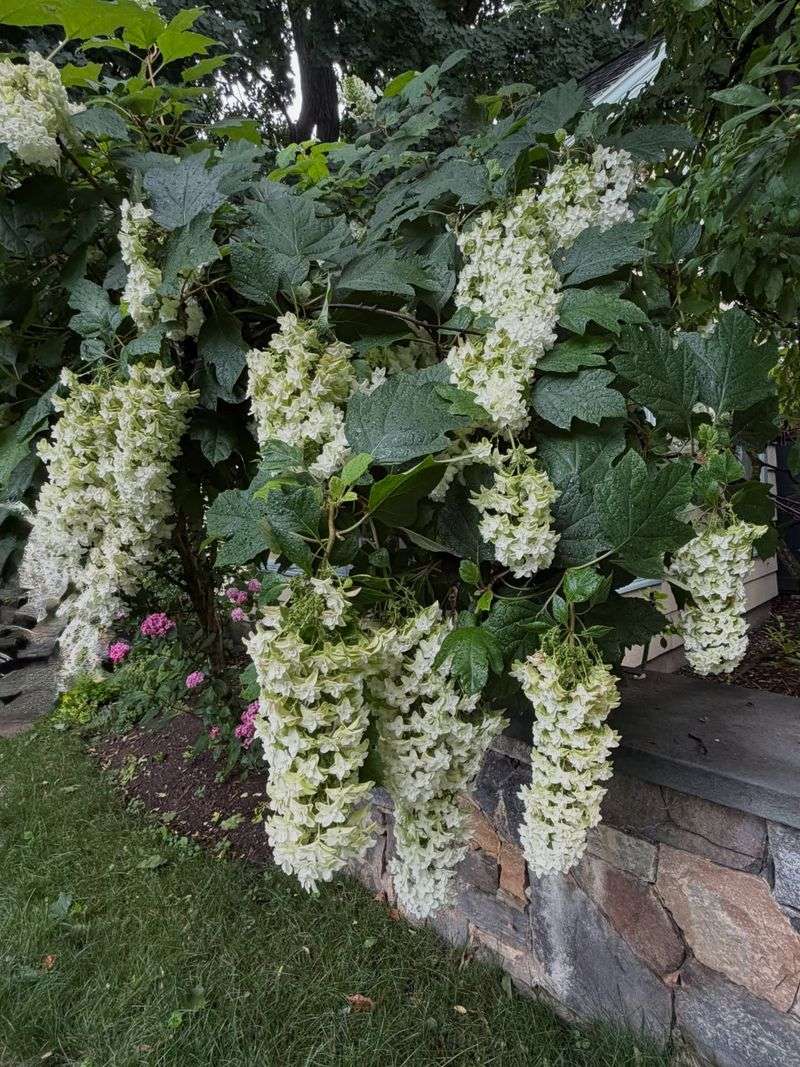
Oakleaf hydrangeas are tough plants, but they have one quirk that catches a lot of gardeners off guard. Like their bigleaf cousins, they bloom on old wood.
Cutting them back hard in summer removes the very stems that will produce flowers next season. Even a well-intentioned shaping session can wipe out an entire spring bloom cycle.
These shrubs handle heat reasonably well once established, but pruning during a stretch of 95-degree days adds unnecessary stress. Wounded stems lose moisture faster, and recovery slows down significantly in high heat.
Oakleaf hydrangeas also develop attractive peeling bark and bold fall color, so leaving them intact through summer has visual benefits beyond just protecting next year’s buds. Cutting too soon sacrifices all of that.
If a branch breaks or gets damaged, go ahead and remove it cleanly. Routine removal of broken wood won’t harm bud development.
Just avoid shaping or size-reduction cuts until the plant is fully dormant.
Late winter, before new growth pushes out, is the right window for any significant pruning. At that point, you can see the structure clearly and make smarter cuts without risking next season’s flower show.
Timing makes all the difference with this shrub.
For now, let the shrub keep its natural shape even if a few branches extend farther than you would like.
You can mark awkward stems for later so you remember exactly which areas need attention when the proper pruning window arrives.
2. Camellias Start Preparing Their Next Floral Display
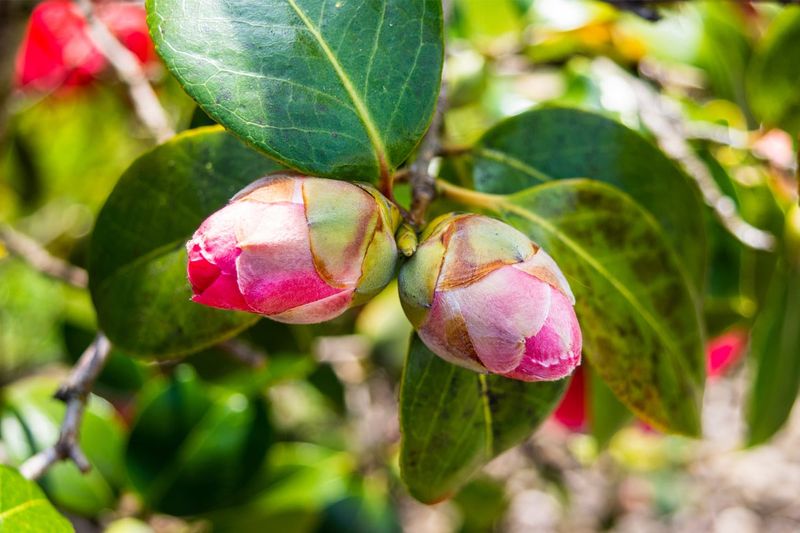
Camellias are quietly doing important work right now, even when they look like they’re just sitting there. Beneath those glossy leaves, flower buds for fall and winter are already forming along the stems.
Cutting back a camellia during peak summer heat disrupts that bud development. You won’t see the damage right away, but come November, the bloom count will likely be noticeably lower.
Georgia gardeners who love their camellias know that patience in summer is what delivers those gorgeous winter blooms. The plant’s energy is fully focused on bud set during these hot months, not recovery from pruning cuts.
Camellias are also sensitive to heat stress. Fresh pruning wounds during extreme temperatures can struggle to callous over properly, leaving the plant more vulnerable to moisture loss.
Your Georgia Garden Changes Every Week. Your Plan Should Too.
Gardening in Georgia changes quickly throughout the season. Every Friday you’ll receive a simple weekly plan showing exactly what to plant, prune, fertilize, harvest, and protect so you never miss the right timing.
Shaping is best done right after the plant finishes blooming in late winter or early spring. At that point, bud development hasn’t started yet, so you can cut freely without impacting the next bloom cycle.
A little light tidying, like removing a crossing branch or a damaged twig, won’t cause major harm.
But holding off on any significant cuts until the cooler months gives camellias the best chance to deliver their full flowering potential when the season arrives.
Watch the branch tips closely as the season progresses because developing buds become easier to recognize over time.
Once they appear, leave those sections untouched rather than trying to correct uneven growth.
3. Dogwoods Fare Better Without Heavy Summer Cutting
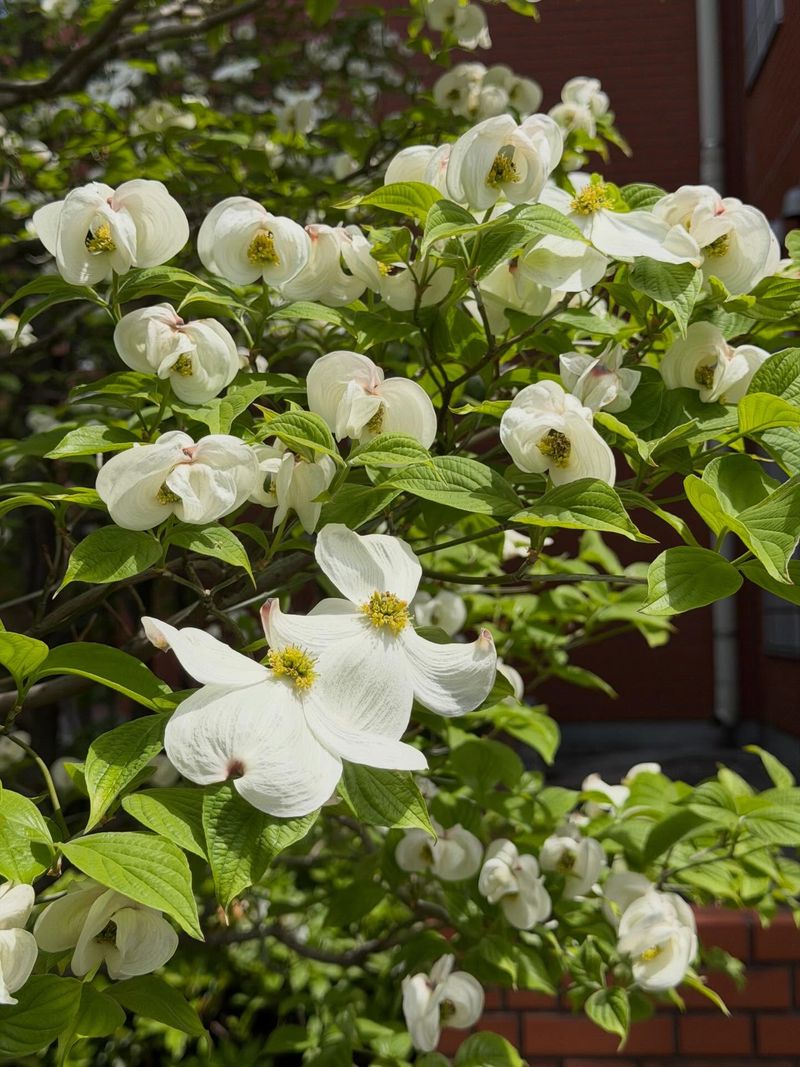
Dogwoods are beloved across the South, but they’re not the most stress-tolerant trees when it comes to summer pruning. Heat and drought already push them to their limits, and fresh cuts during that period make things harder.
Open pruning wounds in summer can attract borers and other insects that target weakened wood. Dogwoods are already somewhat prone to borer damage, so reducing that risk matters.
Heavy cutting also removes leaf area the tree depends on for photosynthesis. Fewer leaves in summer means less energy production during a time when the tree needs every bit of fuel it can gather.
Dogwoods set their flower buds in late summer through early fall. Aggressive pruning during bud initiation can reduce the number of blooms you’ll see the following spring.
That’s a long wait to discover a mistake.
If a branch is broken, crossing dangerously, or clearly struggling, removing it promptly makes sense. Targeted cuts on problem wood are different from a full shaping session.
Use judgment and keep cuts minimal.
Waiting until the tree goes dormant in late fall or early winter gives you the best pruning window. The tree is less stressed, insects are less active, and you can see the branch structure clearly without all the leaves in the way.
That’s the right time to make your moves.
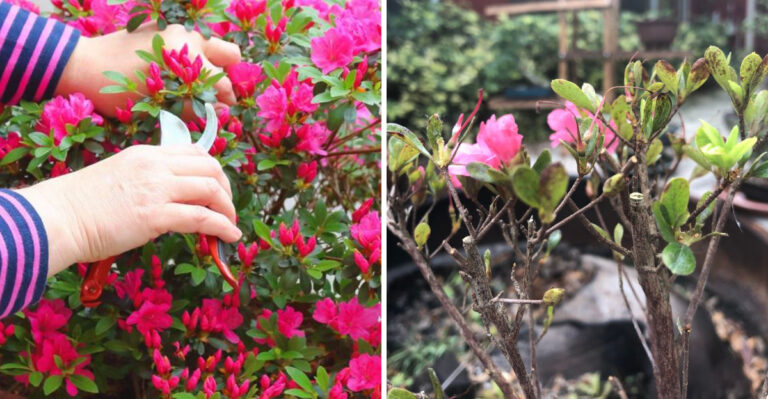
4. Late Trimming Risks Removing Azalea Flower Buds
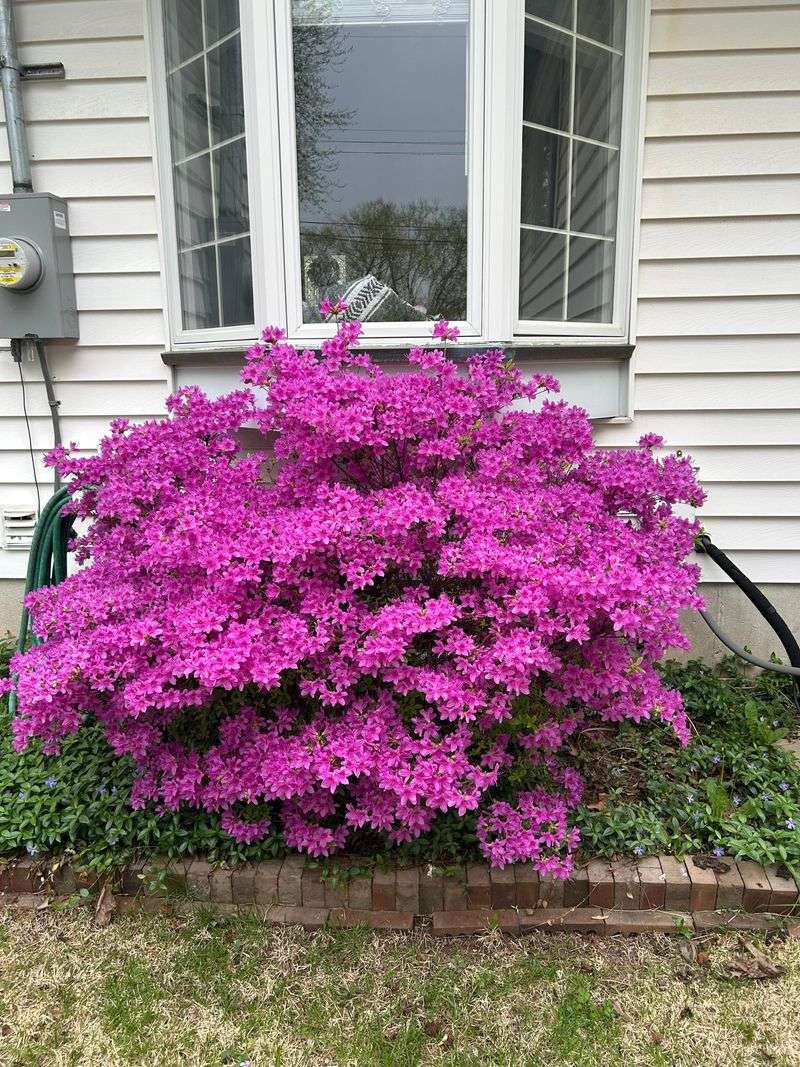
Azaleas are one of the most recognizable flowering shrubs in Southern gardens, and they have a very specific pruning window that most gardeners don’t know about. Miss it, and you’ll wait a full year to see the consequences.
Right after bloom time in spring is when azaleas set new growth. By midsummer, that new growth starts forming flower buds for the following spring.
Cutting in July or August removes those buds before they ever get a chance to open.
A well-timed trim right after the flowers fade in late April or early May gives the plant enough time to push new growth and still develop buds before summer heat peaks. That window closes faster than most people expect.
Azaleas in hot climates are also under hydration stress in summer. Adding pruning stress on top of heat stress isn’t a combination that favors healthy regrowth.
Plants can respond with weak, irregular new shoots that are more vulnerable to pests.
If your azalea has a branch sticking out awkwardly or one that’s rubbing against another, a single targeted cut is unlikely to cause serious harm. Just keep it minimal and precise.
Broad shaping cuts, however, are best saved for right after bloom time next year. Mark your calendar now so you don’t miss the window again.
Timing is everything with azaleas.
5. Milder Weather Offers Redbuds A Better Trimming Window
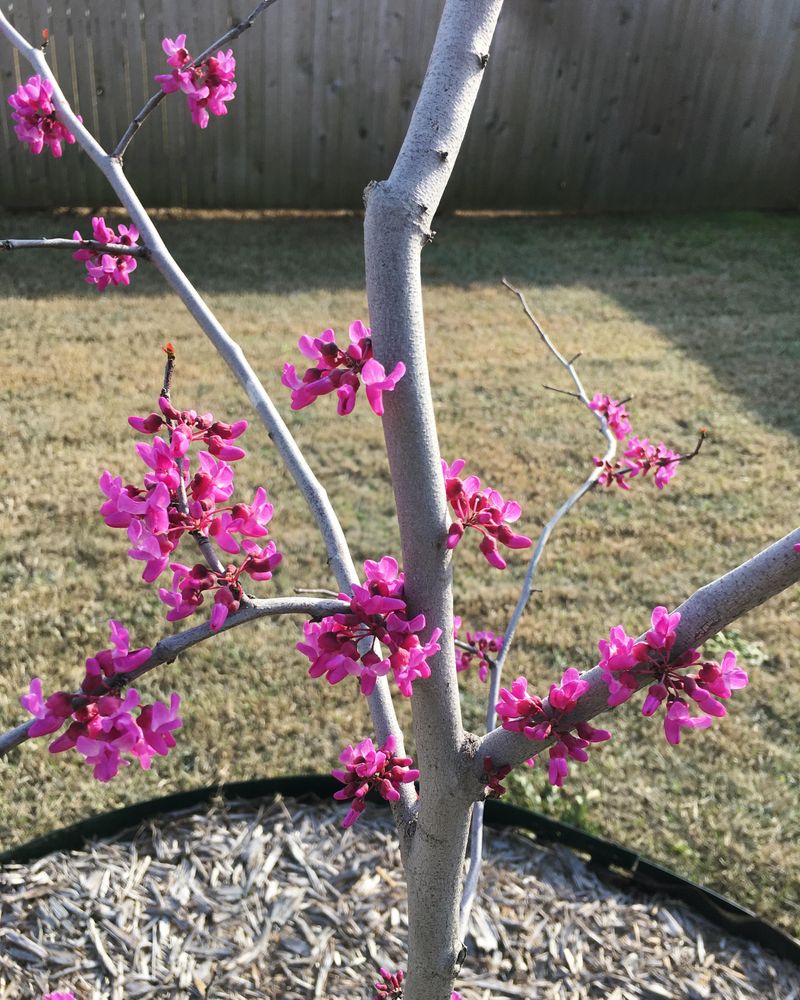
Redbuds put on a stunning show every spring, but by summer they’re in full leaf and quietly building energy for next year. Pruning them hard during extreme heat can interrupt that process in ways that aren’t always obvious at first.
Fresh cuts on redbuds during hot, dry spells lose moisture quickly. The tree has to redirect resources toward wound closure instead of root development and energy storage, which matters a lot heading into fall.
Redbuds also have a tendency to develop cankers, which are areas of damaged bark caused by stress or injury. Summer pruning, especially on larger limbs, can create entry points that lead to canker development in weakened tissue.
Waiting for cooler temperatures, ideally late fall after leaf drop or late winter before bud break, gives redbuds a much better chance at clean healing. The tree is less stressed, and the risk of canker or pest entry is lower.
If a limb is broken or poses a safety concern, handle it right away regardless of season. Safety cuts are always appropriate.
But routine shaping or size control can wait until conditions improve.
Redbuds are relatively short-lived trees compared to oaks or maples, so protecting their health at every opportunity is worthwhile. Skipping summer pruning is one of the easiest ways to extend their productive years in your landscape.
6. Forsythias Risk Losing Next Spring’s Flowers
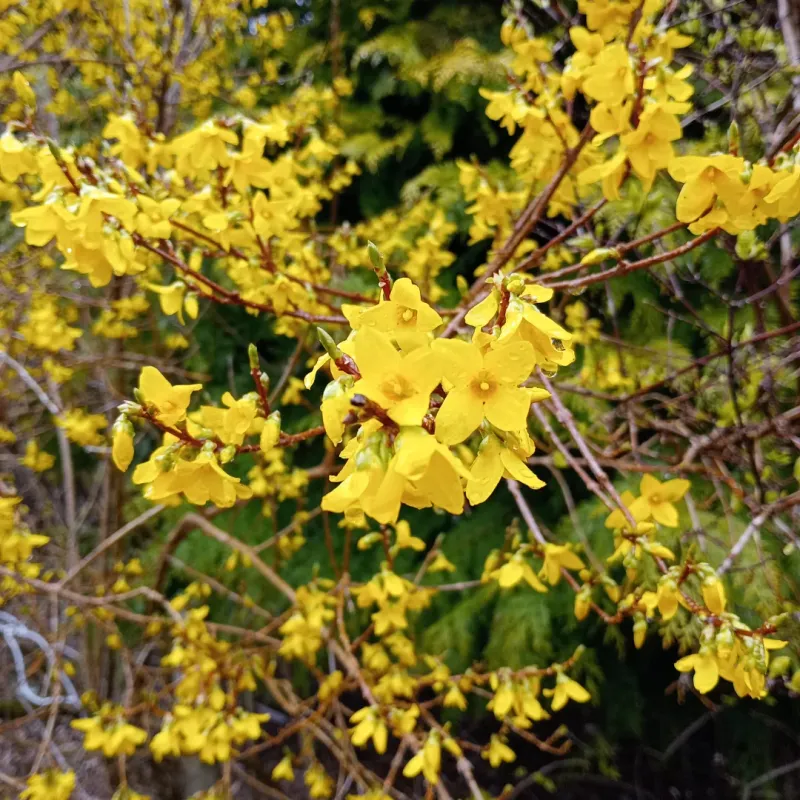
Forsythia is one of those shrubs that practically shouts spring with its bright yellow flowers, but summer is absolutely the wrong time to cut it back hard. Flower buds on forsythia form on wood that grew earlier in the season.
Pruning in July or August removes those bud-bearing stems before they get to do their job. Come February, you’ll notice far fewer flowers than expected, and the cause will trace directly back to that summer trim.
Forsythia grows fast, so it can look overgrown by midsummer. That visual messiness tempts a lot of gardeners into picking up their loppers too early.
Resist that urge, especially during a heat stretch.
Cutting during extreme heat also puts stress on a shrub that may already be struggling with hydration. Forsythia is fairly resilient, but it still responds to the combination of heat and wounding by slowing its normal functions.
Right after bloom time in early spring is the ideal pruning window. Cut it back as hard as you want at that point.
New stems will grow through spring and summer, set buds in late summer, and be ready to bloom the following February or March.
Sticking to that post-bloom window keeps forsythia looking full, blooming reliably, and staying healthy through the growing season. Missing the window means waiting another full year to correct the problem.
7. Weigelas Respond Best After Their Flowers Fade
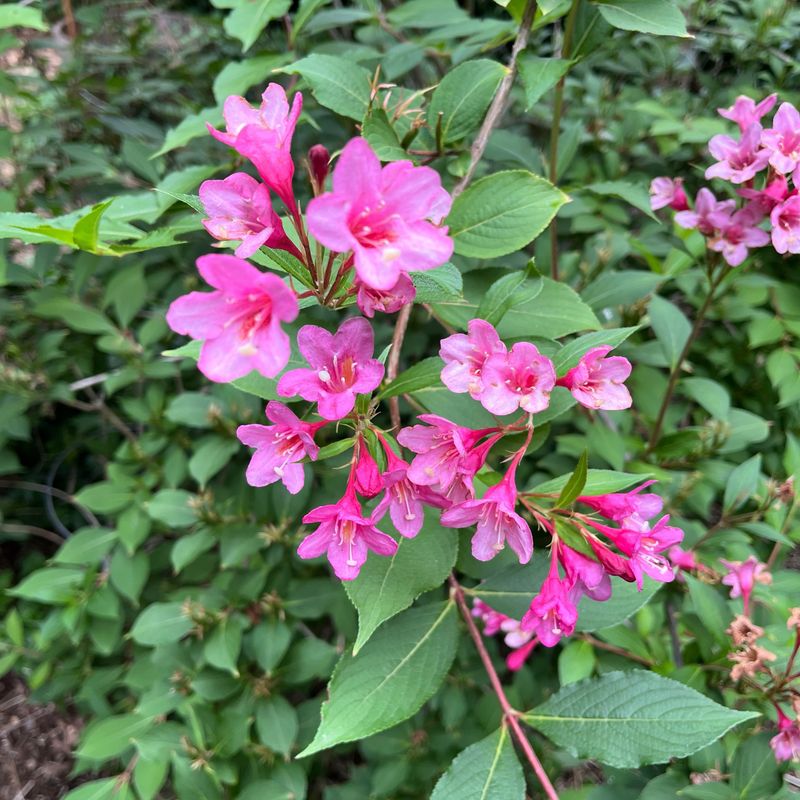
Weigelas put on a strong show in late spring, and then they spend the rest of summer quietly recovering and setting up for next year. Cutting them back during peak summer heat disrupts that recovery phase in a way that can reduce next season’s bloom.
Like forsythia, weigelas bloom primarily on stems from the previous year. Aggressive pruning in July removes the young growth that’s forming buds for next spring’s flowers.
You won’t know it happened until blooms come up sparse months later.
Weigelas handle heat fairly well, but they’re not immune to stress. Open cuts during a stretch of 95-plus-degree days slow healing and can invite fungal issues in humid Southern summers.
Moisture and heat together create conditions where wounds stay wet longer.
Pruning right after the flowers fade in late spring is the sweet spot for this shrub. At that point, you can shape it, thin it out, or cut back old stems, and the plant still has plenty of time to push new growth before heat sets in.
Light deadheading during summer is fine. Removing spent flower clusters doesn’t impact next year’s bud set significantly.
Just avoid cutting into healthy green stems or removing large portions of the plant’s structure.
A little restraint in summer goes a long way with weigelas. Let them do their thing through the heat, and they’ll come back swinging next spring with a full, colorful display.
8. Bigleaf Hydrangeas Already Carry Next Year’s Flower Buds
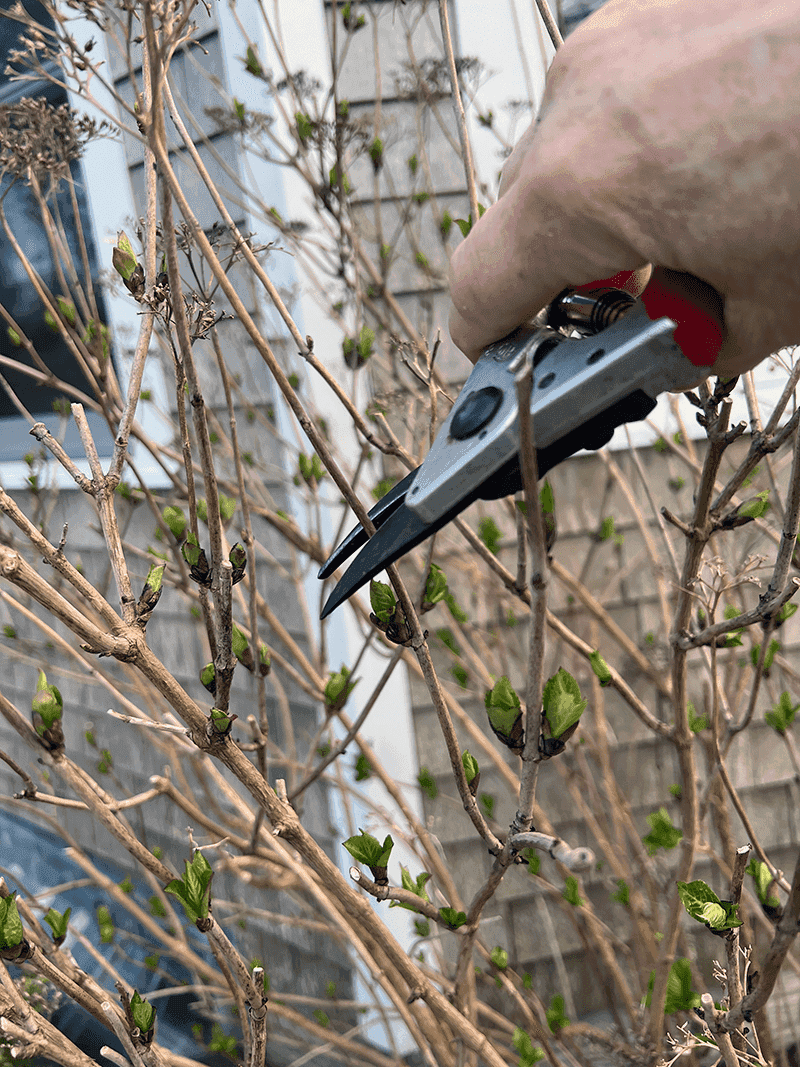
Cutting bigleaf hydrangeas in summer is one of the fastest ways to lose next year’s blooms. Most gardeners don’t realize these plants set their flower buds on old wood, meaning stems that grew this season will carry next year’s flowers.
Snipping those stems back during a heat wave removes buds that haven’t even opened yet. By the time you notice the mistake, the growing window has already passed.
Bigleaf hydrangeas in hot, humid climates need to hold onto their stems through fall. Pruning too early, especially under stress, puts extra strain on the plant when it’s already working hard to stay hydrated.
If a stem looks a little ragged or droopy in July heat, that doesn’t mean it’s done for. Wait it out.
Hydrangeas often perk back up once temperatures drop in late September or early October.
Deadheading spent flowers is fine and won’t hurt bud production. Just avoid cutting into green stems.
A light cleanup is all these shrubs need during the hot months.
Patience really does pay off here. Skip the big pruning session until late winter, and you’ll likely see a much fuller bloom display when spring rolls back around.
Leave healthy leafy growth alone even when the shrub starts looking oversized or uneven. Those leaves are still supporting the plant through the hottest part of the season.