Simple Georgia Yard Changes That Make Your Property Safe For Box Turtles
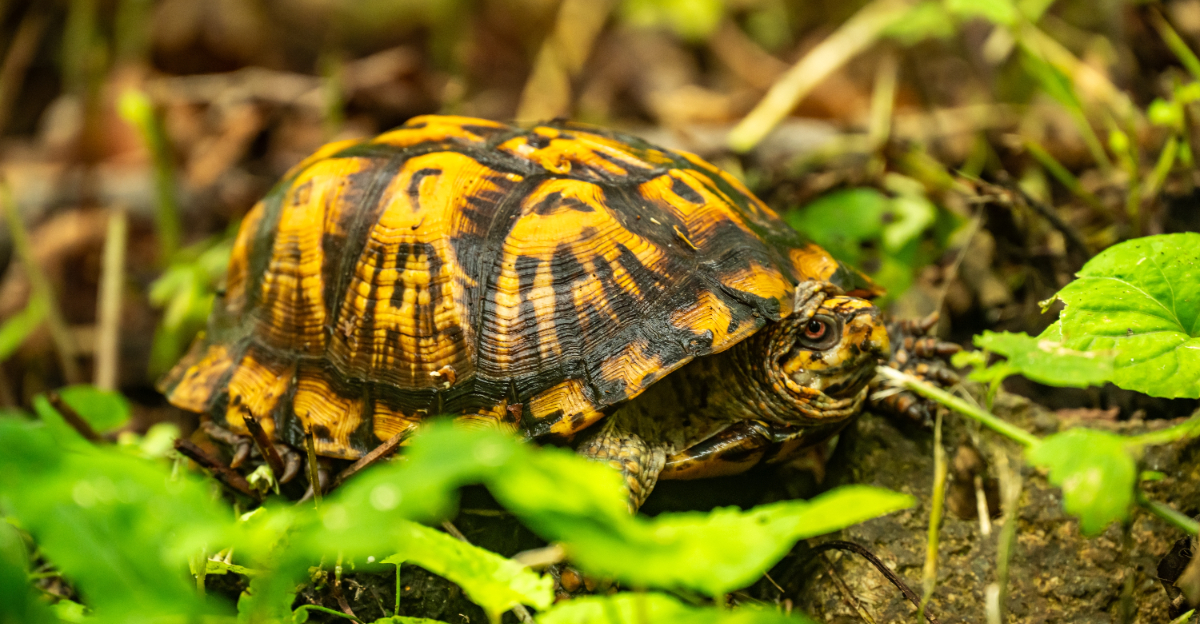
Finding signs of small wildlife in outdoor spaces can catch people off guard. It is not always obvious at first, especially when movement is slow and easy to miss.
A patch of leaves may shift slightly, or a quiet path through the ground may show that something has been passing through regularly without drawing attention.
These moments often change how a space is seen. What once felt like simple open ground starts to look more active and connected to natural movement patterns.
Even everyday outdoor areas can become part of a wider route used by different animals moving through the landscape.
In Georgia, box turtles are one of the species that rely on these quiet routes. They move slowly but consistently through natural and residential areas, following patterns tied to food and shelter.
Simple changes in outdoor spaces can make those movements safer and more predictable without changing the overall look of the property.
1. Leave Leaf Litter In Quiet Parts Of The Yard
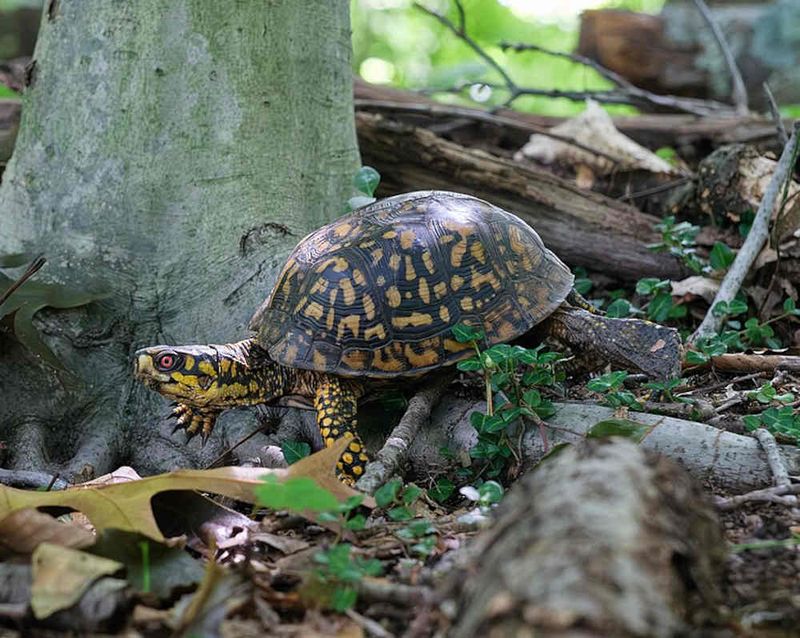
Raking every leaf off your property sounds tidy, but it removes one of the best natural resources a box turtle can find. Leaf litter acts like a built-in shelter, food source, and moisture trap all at once.
Box turtles forage through fallen leaves looking for earthworms, beetles, and fungi. A thick leaf layer also holds humidity close to the ground, which helps turtles stay hydrated during dry stretches.
Pick a low-traffic corner of your yard and simply stop raking it. Under a tree line or along a fence row works well.
Leaves pile naturally and break down over time, creating rich organic ground cover.
Turtles also use deep leaf piles to regulate body temperature. On cool mornings, they burrow in to stay warm.
On hot afternoons, the shaded layers stay cooler than bare soil.
You do not need to do anything elaborate. Just stop clearing that one area each fall and let nature handle the rest.
Over a season or two, that corner becomes genuinely useful habitat.
Neighbors might not even notice the change, especially if the area sits near a tree line or back fence. A small wild patch like this costs nothing and supports far more than just turtles.
2. Create Shady Areas Where Turtles Can Cool Off
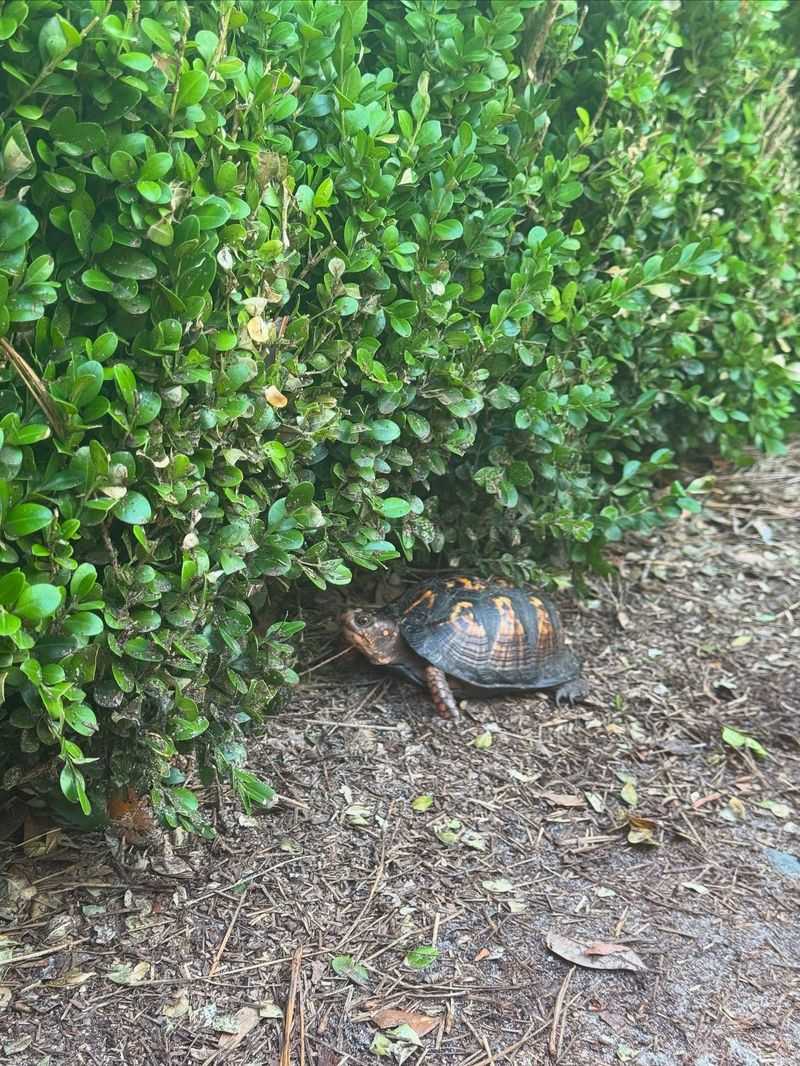
Box turtles overheat faster than most people expect. When summer temperatures climb into the upper 90s, a turtle caught in full sun can become dangerously stressed within a short time.
Shade is not just comfort for these animals. It is a survival tool.
Turtles actively seek shaded spots to rest, hide, and wait out the hottest parts of the day.
Planting native shrubs along a fence line or garden border creates natural shaded zones at ground level. Plants like beautyberry, native azalea, or sweetshrub grow well across much of the Southeast and fill in quickly.
Ground cover plants also help. Wild ginger and native ferns spread low and dense, keeping the soil beneath them noticeably cooler than bare mulch or lawn grass.
You do not need to redesign your whole yard. Even one shaded corner with layered plantings gives turtles a reliable place to rest safely.
Your Georgia Garden Changes Every Week. Your Plan Should Too.
Gardening in Georgia changes quickly throughout the season. Every Friday you’ll receive a simple weekly plan showing exactly what to plant, prune, fertilize, harvest, and protect so you never miss the right timing.
A mix of taller shrubs and low ground cover creates the best layered effect.
Avoid using thick black landscape fabric under plants. It traps heat and creates a barrier turtles cannot easily cross.
Loose mulch or bare soil under shrubs works much better for wildlife moving at ground level.
Shade also benefits your garden overall by reducing soil moisture loss, so this change pays off in more ways than one.
3. Keep A Shallow Water Source Available During Hot Weather
A box turtle standing in a shallow puddle is not a strange sight. Soaking is how they hydrate, regulate temperature, and keep their skin healthy during warm months.
Natural water sources dry up fast during Georgia summers. Creek beds go low, puddles evaporate, and lawn sprinklers rarely run long enough to create useful standing water at ground level.
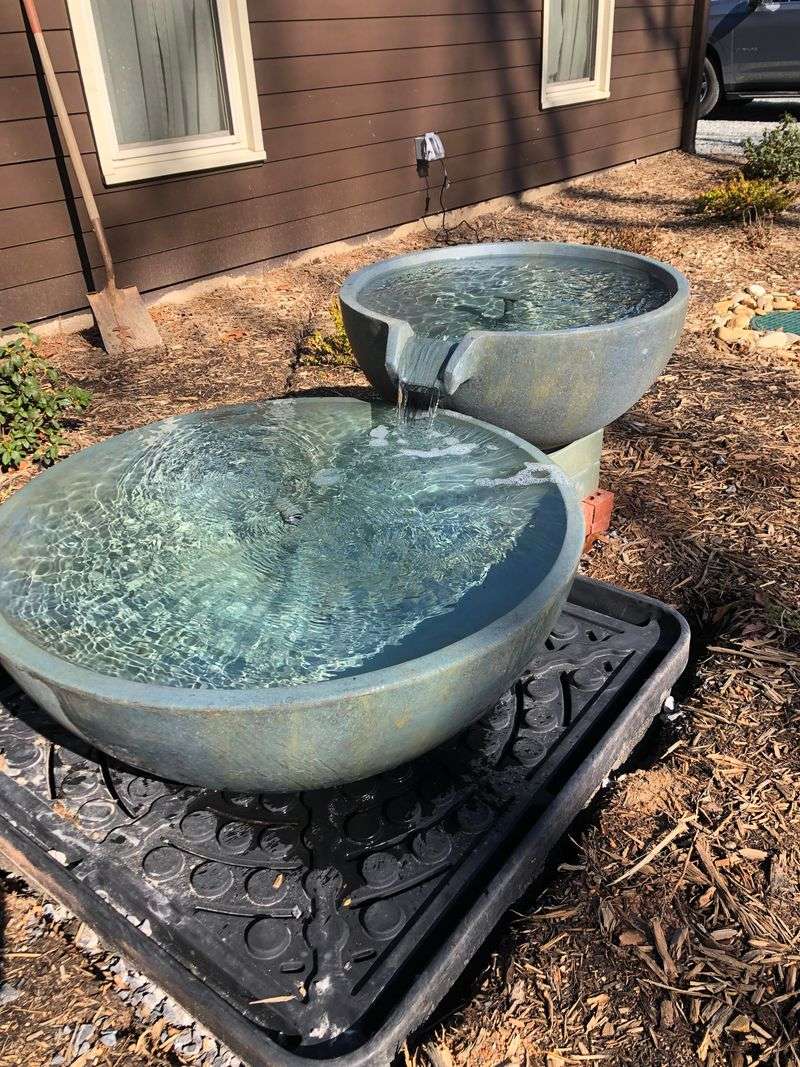
A simple solution is a shallow dish or tray placed directly on the ground. A terracotta plant saucer or a plastic lid from a storage bin both work well.
The water should be no deeper than one inch so small turtles can wade without struggling.
Place the dish in a shaded spot so it stays cooler and does not become a heat trap. Refresh the water every two to three days to keep it clean and prevent mosquito breeding.
Avoid using deep bowls or bird baths with steep sides. Box turtles are not strong swimmers, and a container that is too deep creates a hazard rather than a help.
Set the dish at soil level, not on a raised surface. Turtles move low to the ground and will not climb up to access water.
A flat, easy entry point makes the difference between a useful feature and one that gets ignored entirely.
Even one reliable water spot can support multiple turtles through a dry stretch.
4. Provide Ground-Level Shelter For Box Turtles
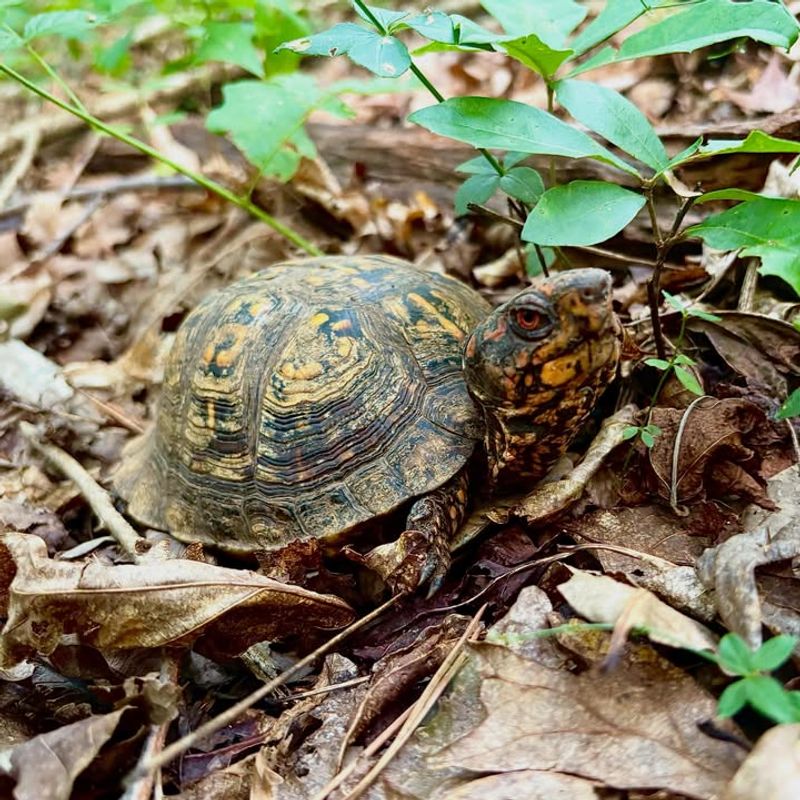
Box turtles need more than open yard space. They look for tight, enclosed spots where they feel secure from predators and protected from temperature swings.
Without natural shelter options, turtles often end up in risky places, like under parked cars, inside window wells, or along busy driveways. Giving them a better option keeps them safer.
A simple wooden box with a small entry hole works well as a ground shelter. Use untreated lumber to avoid chemical exposure.
Cut an entry hole about four inches wide on one side and set the box directly on bare soil or leaf litter.
Old ceramic flower pots turned on their sides also work. Hollow logs with one open end are another solid option.
The goal is a small, dark, enclosed space at ground level with some natural material nearby for camouflage.
Place shelters along the edge of your yard near shrubs or a fence line rather than in the middle of open lawn. Turtles prefer spots with nearby cover so they can move between shelter and foraging areas without crossing exposed ground.
Check shelters occasionally but avoid handling any turtle you find inside. Box turtles are easily stressed, and repeated human contact can cause them to abandon an otherwise good spot.
One or two simple shelters scattered around a yard can make a meaningful difference for local wildlife.
5. Check Carefully Before Mowing Tall Grass
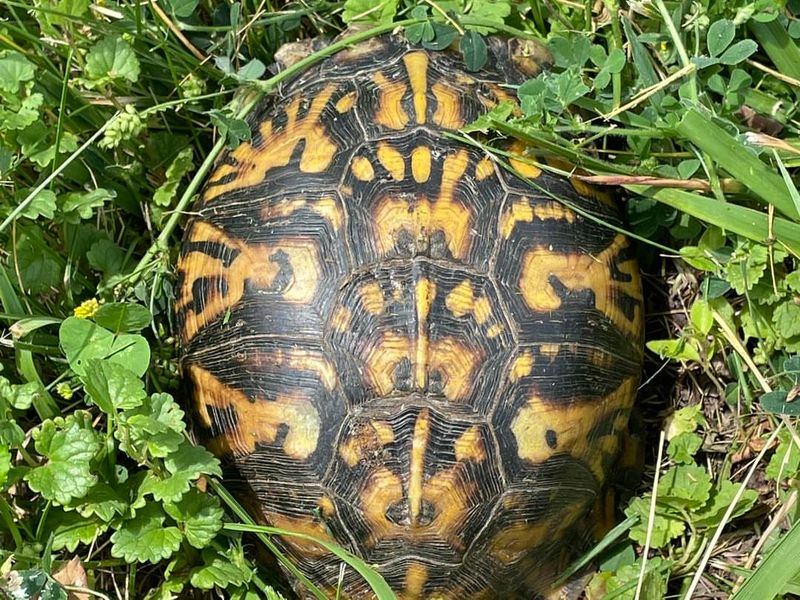
Mowing season and box turtle activity season overlap almost completely. Late spring through early fall is when turtles are most active, and that is exactly when grass grows fastest.
A turtle sitting still in tall grass is nearly impossible to spot from a standing position. They do not move out of the way when a mower approaches.
Their instinct is to pull into their shell and wait, which makes them extremely vulnerable.
Before starting the mower, walk the entire area slowly. Look for any rounded shape, slight movement, or shell pattern blending into the grass.
It only takes a few minutes and can prevent a serious injury to a turtle.
Mowing at a higher blade setting also reduces risk. Keeping grass cut at three inches or higher gives turtles more visible clearance and slows the mower blades slightly near ground level.
If you spot a turtle, move it gently to the nearest edge of the yard in the direction it was already heading. Do not relocate it far from where it was found.
Box turtles have small home ranges and can struggle to navigate if moved too far from familiar territory.
Mowing in the afternoon rather than early morning also helps. Turtles tend to be more active and visible in morning light, so a later mowing window gives them time to move into shelter on their own.
6. Avoid Using Chemicals Where Turtles May Roam
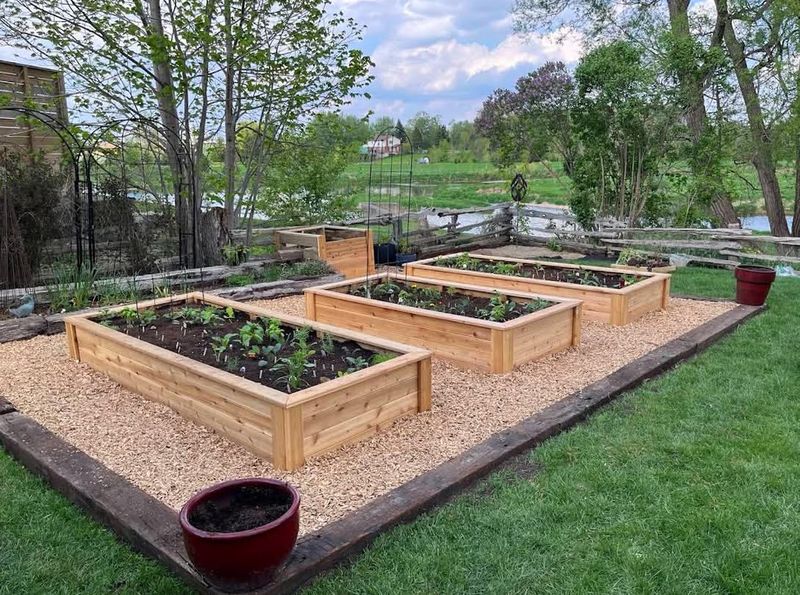
Pesticides and herbicides soak into soil, coat plant surfaces, and build up in the insects and earthworms that box turtles eat every day. What seems like a small application to a lawn can add up quickly inside a small reptile’s body.
Box turtles eat slugs, beetles, berries, and mushrooms, all of which absorb chemical residue from treated soil and plants. Repeated exposure through food sources can weaken a turtle over time in ways that are hard to detect.
Slug bait products are especially risky. Many contain metaldehyde or iron phosphate, and both can harm wildlife that eats treated slugs or comes into direct contact with the granules.
Switching to manual pest control in areas where turtles roam is the most reliable approach. Hand-pulling weeds, using physical barriers for garden pests, and tolerating some insect damage goes a long way toward keeping the ground safe.
Fertilizers also carry risk. Synthetic fertilizers change soil chemistry and can reduce earthworm populations, cutting off a key food source for foraging turtles.
Compost and organic matter feed soil naturally without the same risks.
If you do use any lawn or garden product, read the label carefully for wildlife warnings. Keep applications away from naturalized areas, leaf litter zones, and any spots where you have seen turtles moving.
Buffer zones matter.
7. Leave Fallen Logs And Brush Piles In Place
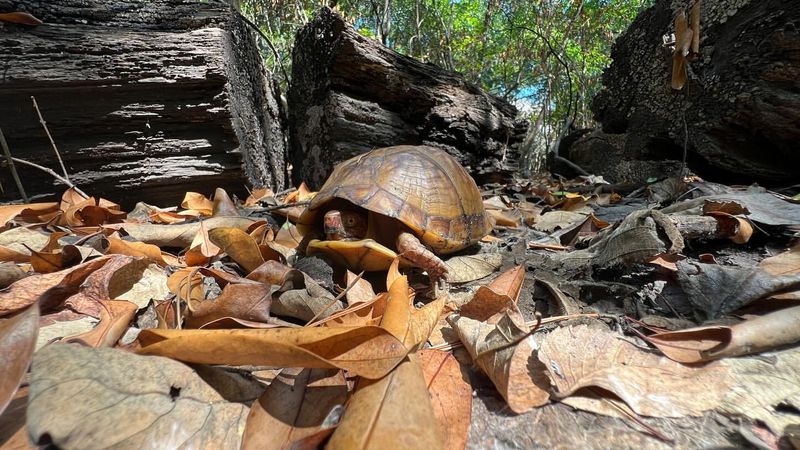
A fallen log in the backyard is not an eyesore. For a box turtle, it is practically a five-star hotel.
Rotting wood holds moisture, shelters insects, and creates the kind of cool, dark resting space turtles actively seek out.
Brush piles work the same way. A loose stack of fallen branches, sticks, and garden trimmings creates layered habitat at ground level.
Turtles move through and under brush piles to find food, escape heat, and stay hidden from predators.
Decomposing logs also attract beetles, grubs, and fungi, which are all regular parts of a box turtle’s natural diet. Leaving a log in place essentially creates a self-restocking food source that requires zero effort to maintain.
You do not need a large pile to make an impact. Even a single log pushed to the edge of a garden bed or fence line provides real value.
Over time, moss and leaf debris accumulate around it naturally.
Brush piles work best when built loosely so air and small animals can move through them. Tightly packed piles trap heat and become less useful as habitat.
A relaxed, unstructured pile is always better than a tidy one.
Many homeowners across the Southeast already have fallen branches or garden debris they are not sure what to do with. Stacking it in a low-traffic corner is genuinely the best possible use for that material.