What Georgia Homeowners Should Do When Millipedes Start Appearing In Garages This Fall
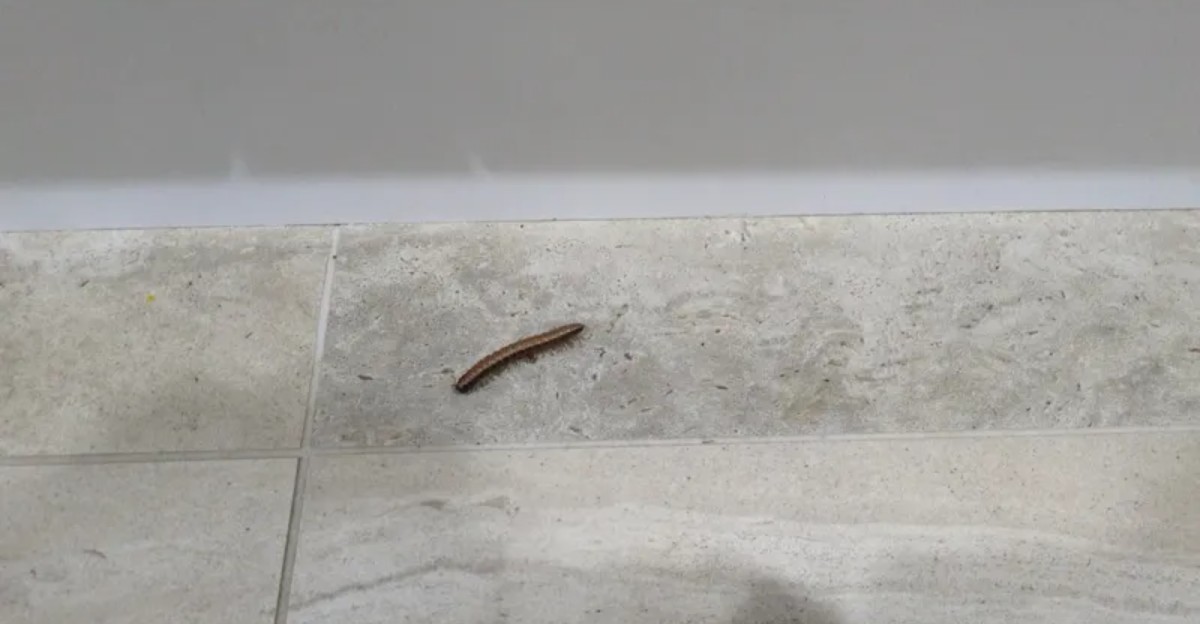
Finding one millipede in your garage probably won’t bother you much. Finding dozens crawling along the floor or gathering near the door is another story, especially when they seem to appear overnight.
Their sudden arrival can make you wonder what’s attracting them.
Millipedes normally spend their time outdoors, where damp soil and decaying plant material provide suitable conditions. Changes in moisture and weather can sometimes send them wandering into places they don’t belong.
For Georgia homeowners, fall can bring these unexpected visitors into garages, basements, and other sheltered spaces.
The good news is that millipedes generally aren’t dangerous to people or household structures.
Still, repeatedly sweeping them away won’t necessarily address why they’re getting inside.
Paying attention to moisture, entry points, and conditions around your garage can help you understand the problem and choose a practical way to manage it.
1. Cooling Weather Can Send Millipedes Wandering Toward Garages
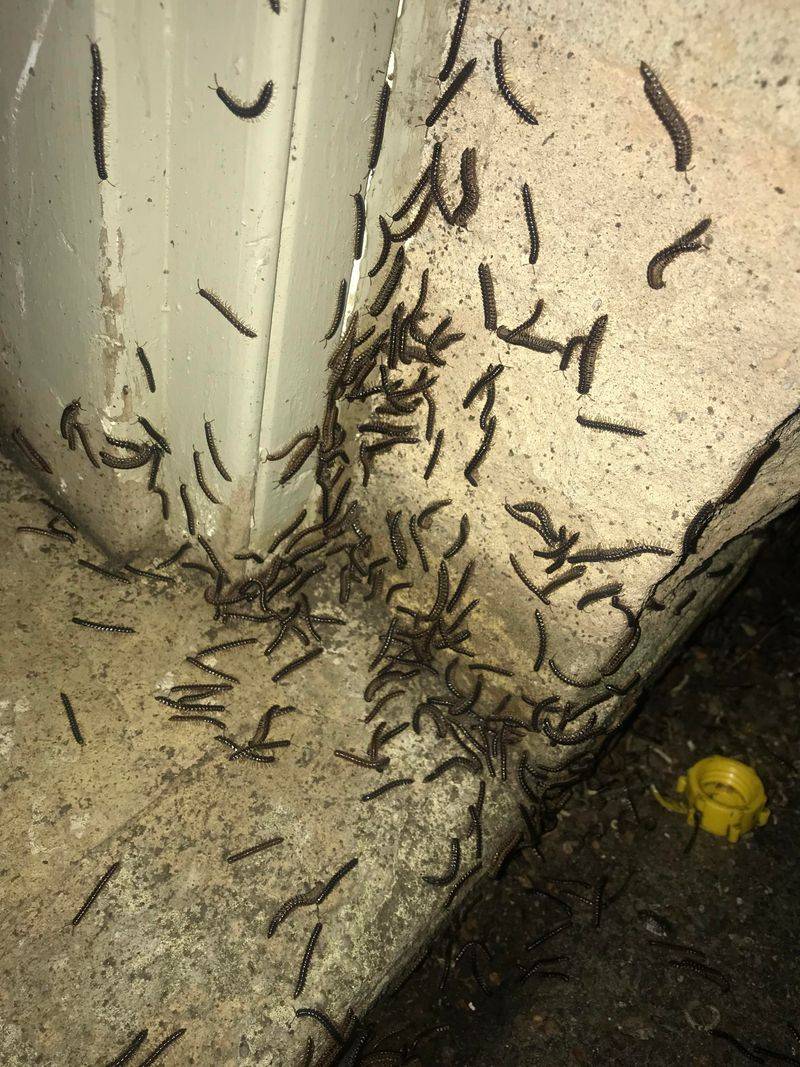
Fall in Georgia brings more than football and cooler nights. It can also bring a parade of millipedes moving across driveways and slipping under garage doors.
Millipedes spend most of their lives outdoors in soil, leaf litter, and mulch, where they feed on decaying plant material.
When seasons shift, their habitat can change quickly. Heavy rain may flood their hiding spots, while dry spells can push them to search for damp ground.
Some species are also known to move in large groups during late summer and fall. Experts are not fully certain why, but weather changes seem to play a role.
Your garage just happens to sit in their path.
Its concrete floor, low door seals, and stored boxes can feel like a cool, sheltered place to a wandering millipede. Most of them arrive by accident rather than by choice.
How many you see can vary a lot from year to year. Rainfall, temperature swings, and the kind of yard around your home all make a difference.
In wooded neighborhoods, numbers may be higher because leaf litter is plentiful nearby.
Activity often slows once steady cold weather sets in. Even so, a warm, wet stretch can bring a few more out before winter.
Knowing the pattern helps you stay calm and plan ahead instead of feeling caught off guard.
2. These Many-Legged Visitors Are Usually Harmless Indoors
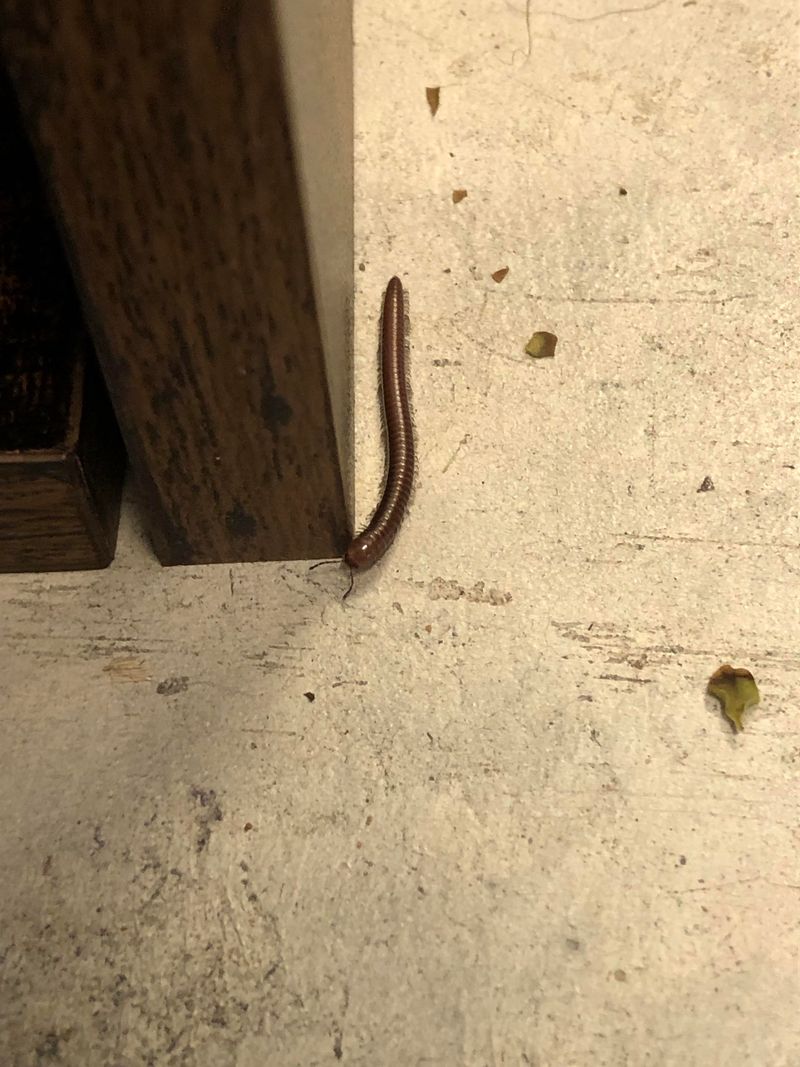
All those legs look alarming, but millipedes are pretty mild creatures. They do not bite people, and they do not sting.
Unlike termites or carpenter ants, they will not chew wood, wiring, or drywall.
Inside a garage, a millipede has very little to eat. It needs moist, rotting plant matter, and a sealed concrete floor offers almost none of that.
Dry indoor air is hard on them, too.
Most millipedes that wander inside lose moisture fast and usually do not last long. That is why you may find them curled up and still along the walls after a few days.
There is one small caution worth knowing. Some millipedes release a defensive fluid when handled roughly, and it can irritate skin or stain it brownish.
Your Georgia Garden Changes Every Week. Your Plan Should Too.
Gardening in Georgia changes quickly throughout the season. Every Friday you’ll receive a simple weekly plan showing exactly what to plant, prune, fertilize, harvest, and protect so you never miss the right timing.
Wearing gloves or using a broom avoids that issue easily.
Washing your hands after any contact is a smart habit. Keep the fluid away from your eyes, and rinse well with water if it gets on skin.
Pets may sniff or paw at them out of curiosity. If a dog or cat chews one and seems bothered, a quick call to your vet is a reasonable step.
Across Georgia, millipedes are best seen as a nuisance rather than a real threat.
Treating them that way makes the whole problem feel much easier to manage.
3. Sweep Or Vacuum Them Up Instead Of Crushing Them
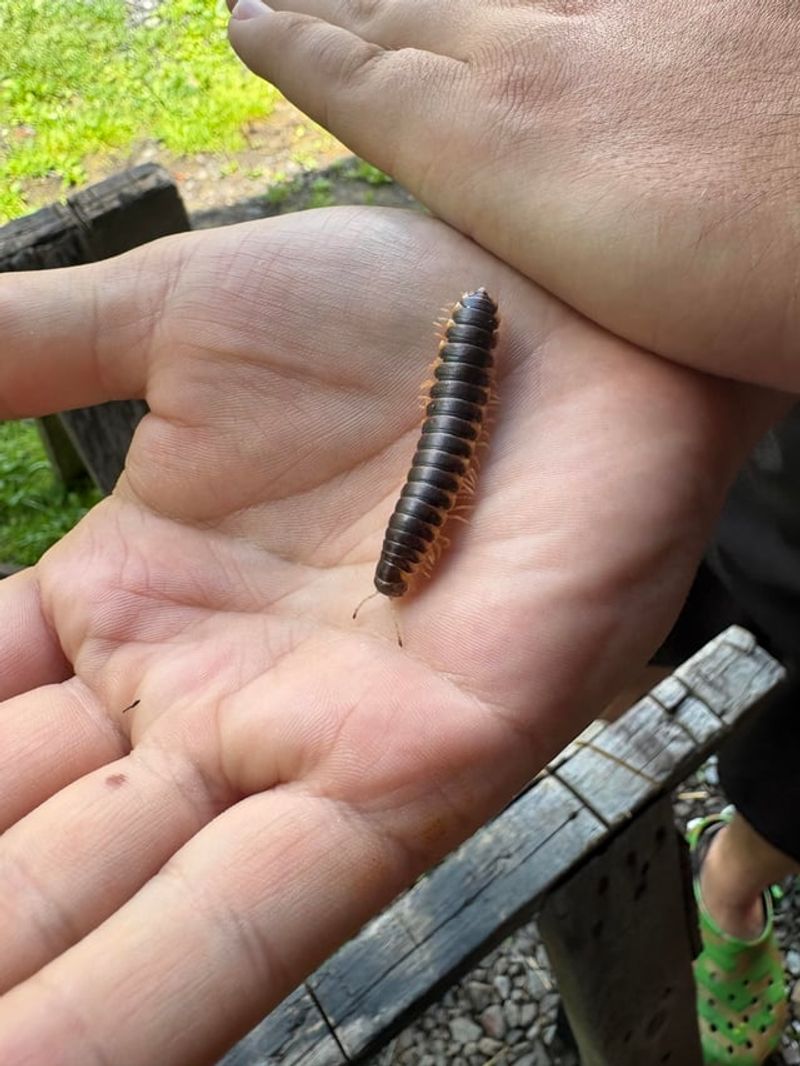
Stepping on a millipede feels quick and satisfying, right up until you see the mess. Crushed millipedes can leave a smelly stain on concrete that takes scrubbing to remove.
A broom and dustpan work much better for small numbers.
Sweep them up gently and carry them outside, well away from your foundation. Dropping them into a far corner of the yard or a compost area keeps them from crawling right back.
Larger groups call for a shop vacuum.
Wet-dry vacuums handle millipedes nicely, especially along walls and under shelves where they tend to gather. Empty the canister outdoors soon after so the smell does not build up.
Morning is a good time to check.
Millipedes are mostly active at night, so you will often find a fresh batch near the door at sunrise. A quick daily sweep during busy weeks keeps things under control.
Gloves are handy here, as some species give off an irritating fluid when disturbed.
Georgia homeowners with kids may want to make cleanup part of the morning routine. It turns a creepy surprise into a simple chore.
Physical removal will not stop new arrivals.
Still, it keeps your garage tidy while you work on the bigger fixes, like reducing moisture and blocking entry points.
4. Damp Corners And Leaks Can Make Garages More Inviting
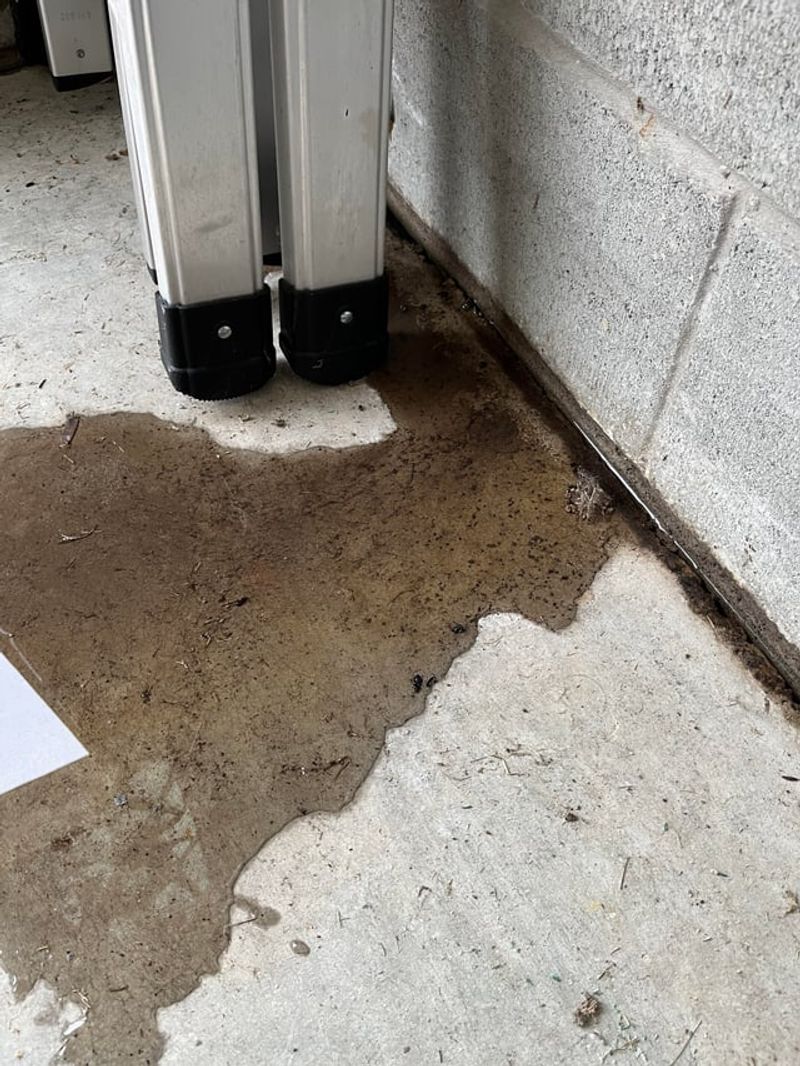
Moisture is the real magnet. Millipedes depend on damp conditions, so a wet garage corner can help them hang on longer once they get inside.
Start by walking the edges of your garage with a flashlight.
Look under water heaters, washing machines, and utility sinks. A slow drip or sweating pipe can keep a spot damp for weeks without you noticing.
Fixing small leaks is often an easy weekend job.
Check where the driveway meets the garage door, too. Rainwater that runs inside during storms can collect in low spots and stay wet.
Damp cardboard boxes are another hidden problem, since they hold moisture against the floor.
Plastic bins with lids are a better choice for storage. Raising items onto shelves also lets air move and helps the floor dry faster.
Humidity in Georgia can stay high well into fall, especially after rainy spells.
A dehumidifier may help in an enclosed garage, though results depend on how well the space is sealed. Running a fan can also speed drying after storms.
Wet mops and pressure washing leave puddles behind, so let the floor dry fully afterward.
Drier conditions will not stop every millipede. They do make your garage a much less comfortable place for them to stay.
5. Wet Leaves And Thick Mulch Near Foundations Provide Shelter
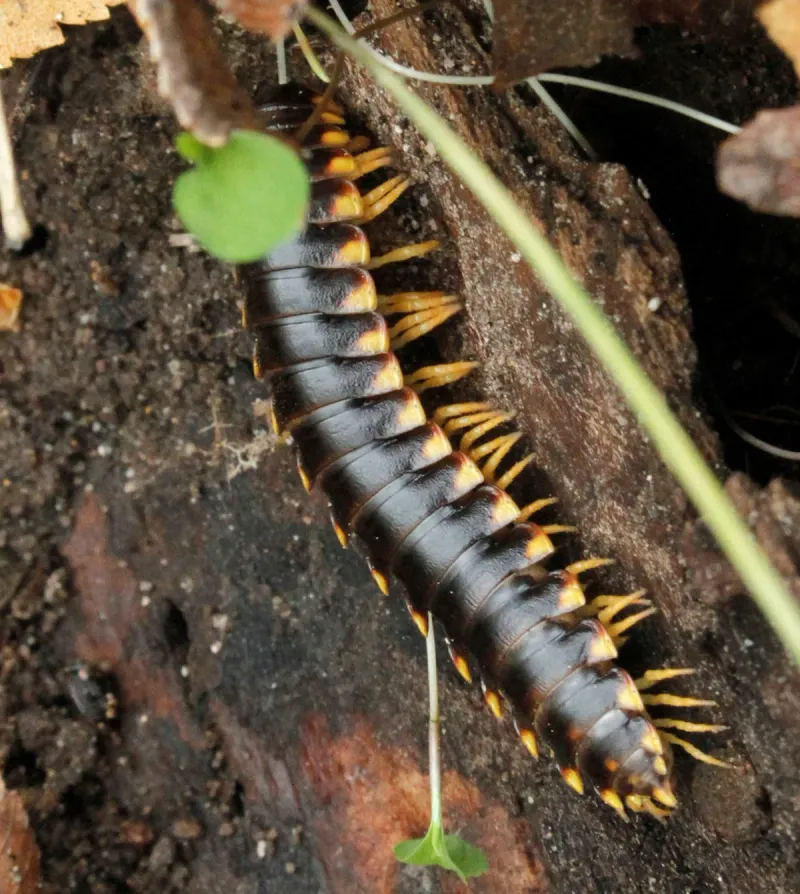
Look outside before you look inside. Most garage millipedes start their journey in the beds and leaf piles right next to your house.
Leaf litter, thick mulch, and pine straw hold moisture and give millipedes food and cover.
That does not mean mulch is bad. It still protects plant roots and helps soil hold water, so the goal is smarter placement rather than removing it.
Try pulling mulch back a few inches from the foundation and garage slab.
Keeping that strip thinner and drier gives millipedes less reason to gather against your walls. Many Extension services suggest avoiding deep mulch piled high along homes.
Fallen leaves deserve attention in autumn.
In Georgia, oaks and other hardwoods can drop leaves for weeks, so a few rounds of raking may be needed. Move leaf piles away from the house or add them to a compost bin set at a distance.
Firewood, stacked boards, and stones near the garage also create hiding spots.
Store them off the ground and farther from the house when you can. Trimming dense shrubs that touch the walls helps the area dry out after rain.
Watch your irrigation, too, since sprinklers soaking the foundation keep it damp.
Small changes like these can noticeably cut down how many millipedes reach your door, though results vary by yard.
6. Seal Door Gaps And Cracks To Block Their Entry
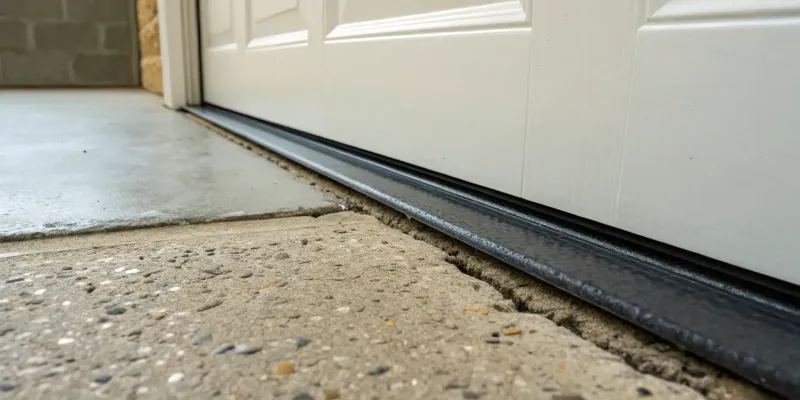
Light peeking under your garage door is a clue. If daylight gets through, millipedes probably can too.
Garage doors are the most common entry point, especially when the bottom seal is worn, cracked, or flattened.
Replacing that rubber strip is an affordable fix at most hardware stores. Make sure it presses evenly against the floor along the whole width.
Side gaps matter as well.
Weatherstripping along the door frame closes the narrow spaces at the edges. Close the door and look for light from inside to find weak spots.
Cracks in the slab or foundation are worth sealing with a suitable caulk or concrete patch.
Pay attention to spots where pipes, cables, and vents pass through walls. Small openings there can let crawling critters slip inside without much effort.
Doors leading from the garage into the house need a good sweep too.
Georgia homes see plenty of other fall visitors, like crickets and spiders, so sealing helps with more than just millipedes. It may also improve energy efficiency a bit.
Sealing will not catch every tiny gap, and some millipedes may still find a way in.
Paired with moisture control and yard cleanup, though, it is one of the most effective long-term steps you can take.
7. Indoor Sprays Are Usually Unnecessary For Millipede Control
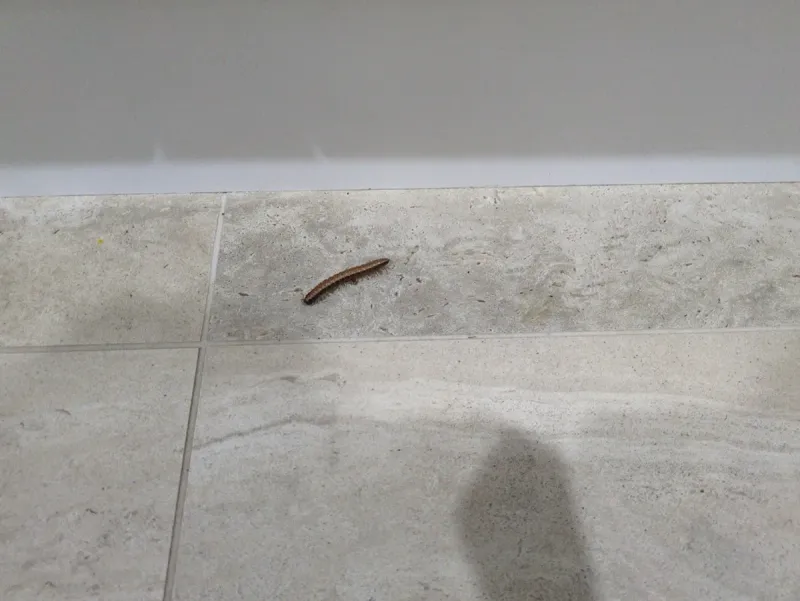
Reaching for a spray can feels like action. With millipedes, though, it usually adds cost without solving the real issue.
Indoor sprays do little about the source, which is the damp habitat outside your home.
Millipedes that get inside tend to struggle in dry air anyway. Treating the garage floor mostly targets creatures that were not going to stay long.
University Extension experts in Georgia generally point to nonchemical steps first.
Drying out the area, cleaning up leaves, adjusting mulch, and sealing gaps address why millipedes show up. Those steps also keep working after the season passes.
Sprays bring their own concerns in a garage.
Kids, pets, and stored items can all come into contact with treated surfaces. If you ever do use a product, read and follow the label exactly.
Some homeowners choose an outdoor perimeter treatment during heavy invasions. Results can be mixed, and a licensed pest professional can help decide whether it makes sense.
Patience is often the most useful tool.
Millipede activity in garages typically eases as steady cold weather arrives. Until then, a broom and a few smart fixes keep things manageable without harsh chemicals in your space.
Simple habits repeated each fall can make next year’s visitors far fewer.