Georgia Gardeners Can Still Plant These Fast Growing Herbs Before Summer Heat Closes In
Georgia spring has a very specific expiration date.
One week the conditions are perfect. Warm soil, steady moisture, manageable temperatures. The kind of setup that turns a seed into something harvestable in a matter of weeks.
Then summer arrives ahead of schedule, the heat locks in, and that window closes quietly behind it.
Here is the part most people don’t realize: several herbs grow so fast in Georgia spring soil that getting started today still gets you to the harvest before the heat takes over. Not just barely, but with room to spare.
The soil is ready right now. The conditions are genuinely ideal. The only question is whether you are going to take advantage of that before the calendar makes the decision for you.
1. Basil Races Up Leaves For Cutting In Warm Soil Now
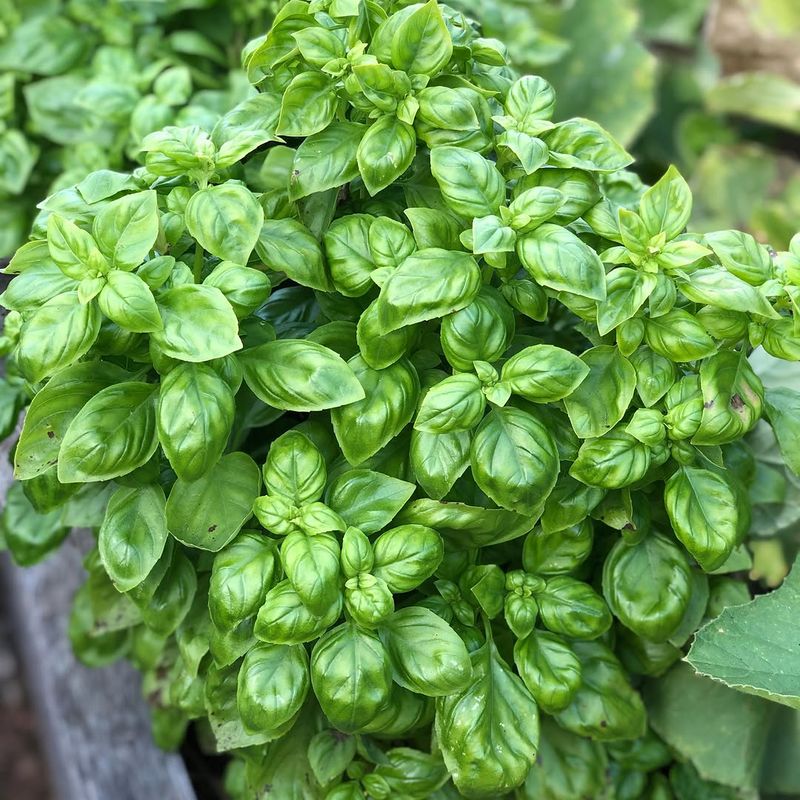
Basil does not waste time when Georgia soil hits the right temperature. Plant it now and you can be cutting fresh leaves in three to four weeks.
Basil needs soil at least 60 degrees Fahrenheit to germinate well, and Georgia ground is sitting right in that zone.
Full sun and well-drained, fertile soil loosened to about six inches deep gives it the best possible start.
The key move after planting is pinching early and often. Snip just above a leaf node as soon as the plant has a few sets of leaves.
That one habit encourages the plant to branch out and produce more foliage instead of rushing toward flowering.
Soil prep matters before anything goes in the ground. Work a balanced slow-release fertilizer into the bed and keep moisture consistent.
Basil dislikes soggy roots almost as much as it dislikes cold nights. A light row cover handles any late cool snaps without much effort.
Harvest in the morning when essential oils are most concentrated for the boldest flavor. Once basil flowers, that flavor drops quickly. Regular cutting is what keeps the plant producing rather than transitioning into seed mode.
A basil bed planted now in Georgia can supply your kitchen through most of June before summer heat pushes it past its best window.
Fresh pasta, caprese salads, homemade pesto. Your basil plant is ready to carry its weight in the kitchen. The only question is whether your kitchen is ready for it.
2. Cilantro Bolts Later But Germinates Fast In Cool Ground
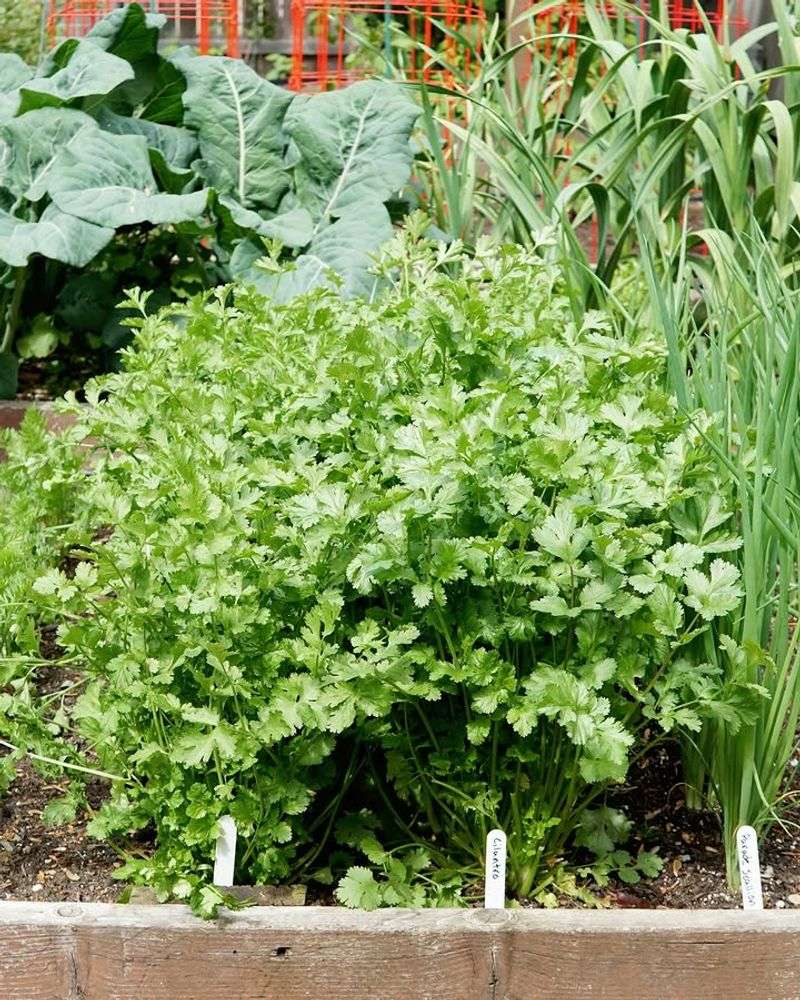
Cilantro has a reputation for being dramatic, and that reputation is honestly deserved. It bolts the moment temperatures climb above 75 degrees consistently. But right now, Georgia mornings are still cool enough to give it a real running start.
Cilantro germinates fast in cool, moist soil. Sprouts often appear within seven to ten days when conditions line up correctly.
Direct sowing is strongly preferred over transplanting since cilantro resents root disturbance. Lightly crush the seed hull before planting to speed germination, and sow about a quarter-inch deep.
Spacing matters more than most beginners expect. Thin seedlings to about six inches apart for adequate airflow and room to develop.
Crowded cilantro bolts faster because competition stresses the plant before the heat even gets involved.
Your Georgia Garden Changes Every Week. Your Plan Should Too.
Gardening in Georgia changes quickly throughout the season. Every Friday you’ll receive a simple weekly plan showing exactly what to plant, prune, fertilize, harvest, and protect so you never miss the right timing.
Keep soil consistently moist but not waterlogged. A spot with morning sun and afternoon shade slows bolting noticeably compared to full-day sun exposure.
Harvest outer leaves first and leave the inner growth to keep producing. The moment flower stalks appear, snip them off immediately. That buys an extra week or two of harvest.
Even bolted cilantro has value. The seeds it produces are coriander, useful in their own right for cooking and replanting.
Planting a second succession row two weeks after the first keeps a steady supply going through spring without any complicated management.
Cilantro may be a bit high-maintenance, but fresh guacamole and homemade salsa tend to make people very forgiving about that.
3. Dill Shoots To Height Fast If Planted Before Heat Peaks
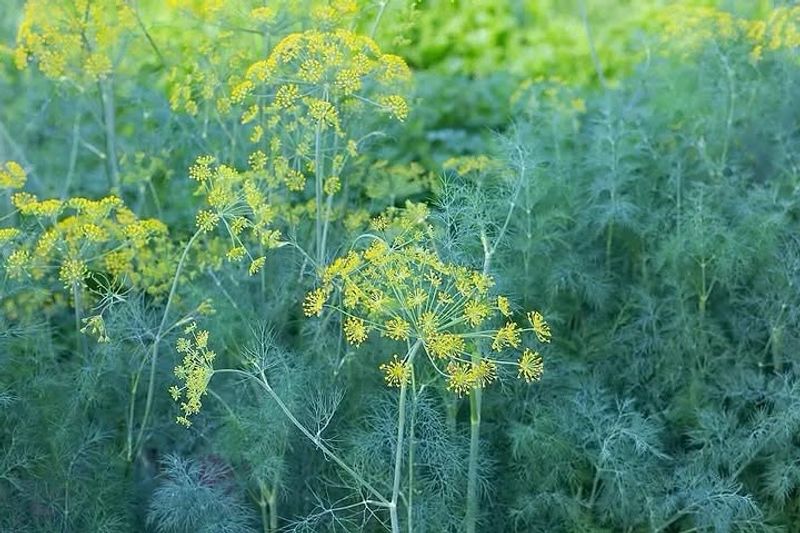
Dill moves quickly when Georgia soil cooperates. Germination can happen in as little as seven days, and harvestable height arrives within four to six weeks of sprouting. That timeline works perfectly with a planting right now.
Dill loves full sun and loose, well-drained soil with a slightly acidic to neutral pH. Most Georgia garden beds already meet those requirements without much amendment.
Like cilantro, dill does not transplant well due to its long taproot. Direct sowing is the right approach. Scatter seeds lightly, cover with about a quarter inch of soil, and water gently. Thin seedlings to about twelve inches apart once they emerge.
The feathery fronds, called dill weed, are ready for harvesting before the plant flowers. Fresh dill fronds work beautifully in salads, dips, and fish dishes.
The seeds that develop later are essential for pickling cucumbers, which is basically a Southern gardening tradition at this point.
Harvesting fronds before flowering keeps flavor fresh and slightly sweet. After flowering, the taste sharpens considerably and loses some of its appeal for fresh use.
Heat is dill’s main challenge in Georgia. Once temperatures consistently stay above 90 degrees, bolting follows quickly. Planting now catches the ideal window before that happens.
A second planting in late summer, once temperatures ease slightly, can deliver a fall crop as well.
Dill also attracts beneficial insects and works well as a companion near tomatoes and peppers. A useful neighbor, a fast grower, and a pickling essential. What more could you ask from one herb?
4. Parsley Pushes Green Growth When Ground Is Ready
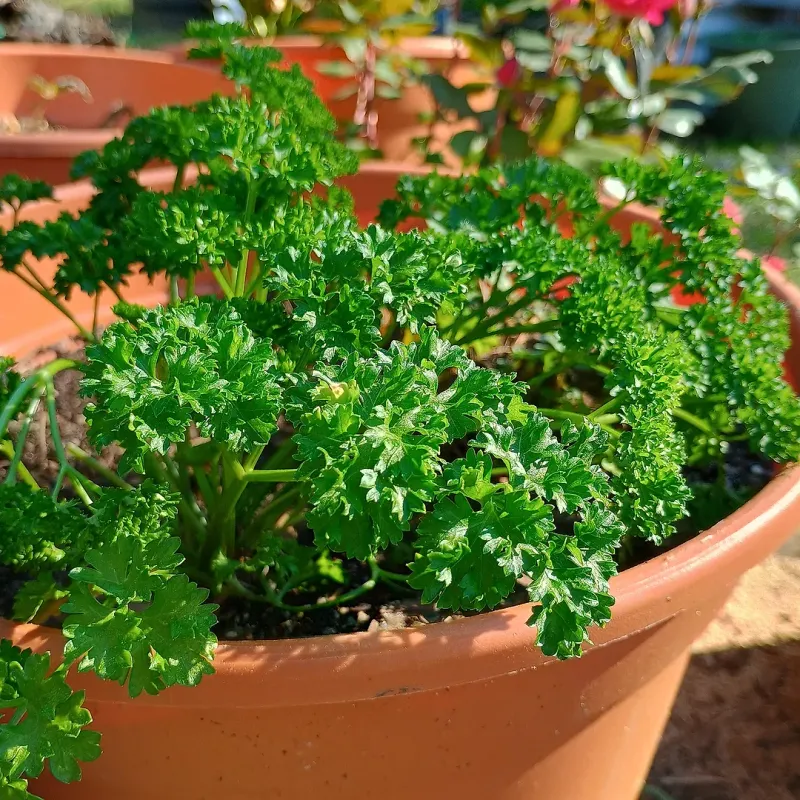
Parsley looks modest. It performs like an overachiever. In Georgia, parsley grows vigorously from spring through early summer when given the right setup.
Full sun is ideal, though it tolerates light afternoon shade, which actually extends its productive season slightly as temperatures climb.
Soil prep drives fast parsley growth more than anything else. Parsley prefers fertile, well-drained soil rich in organic matter. Work compost into the bed before planting and add a balanced fertilizer for a strong start.
Parsley seeds can take two to four weeks to germinate, which is slower than some herbs. Using transplants now is a smart shortcut if you want results before summer heat fully arrives.
Once established, parsley develops a full canopy quickly. Harvest outer stems first, cutting close to the base to encourage fresh growth from the center. Never remove more than a third of the plant at once or regrowth slows noticeably.
Regular harvesting keeps the plant productive longer. It prevents the plant from channeling all its energy into flowering and signals it to keep producing leaves instead.
Both curly and flat-leaf Italian parsley grow well in Georgia. Flat-leaf varieties carry a stronger flavor and are generally preferred for cooking. Curly parsley works well as a garnish and looks tidy in containers.
Parsley is also packed with vitamins A, C, and K, making it genuinely nutritious beyond just adding flavor to a plate.
Get it in the ground now and you will be harvesting through early summer. It is the workhorse of the herb garden, and it is perfectly fine not getting more credit than that.
5. Oregano Spreads Quickly When Moisture Is Still Steady
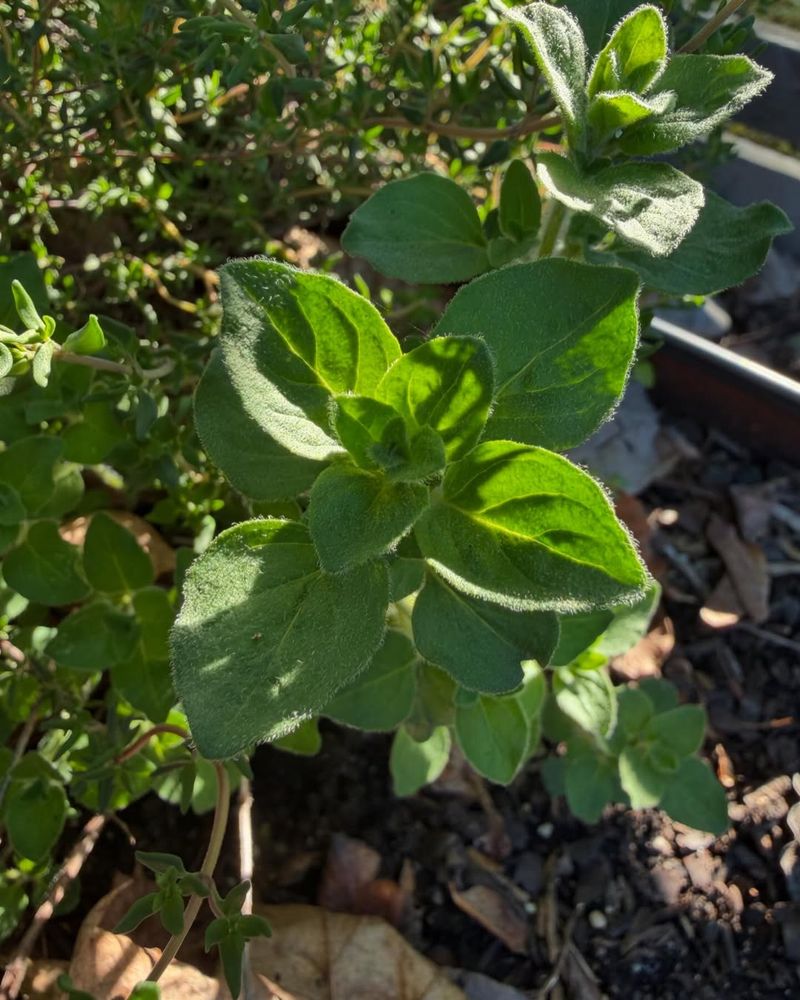
Oregano does not ask for much and gives back generously. Right now in Georgia, while temperatures are still manageable, oregano spreads aggressively.
It is a perennial in most of Georgia, which means planting it once delivers results year after year without starting over.
Greek oregano is the go-to for culinary use. It offers the boldest flavor and holds up well in cooking. Plant it in full sun with well-drained soil.
Lean soil actually produces better oregano than heavily amended beds. Too much nitrogen creates lush growth that dilutes the essential oils responsible for that signature flavor punch.
Space transplants twelve to eighteen inches apart. Oregano spreads through lateral stems that root where they touch soil, which is how it fills a bed so efficiently.
Water consistently during establishment, then back off once strong new growth appears. Mature oregano handles Georgia summers with minimal irrigation, which is one of its most practical qualities.
Trim the center of older plants regularly to prevent woody buildup. Fresh growth comes from the edges, so keeping the center open encourages the most flavorful stems.
Harvest by cutting just above a leaf node. Fresh oregano transforms marinades, pasta sauces, and grilled meats in ways dried oregano simply cannot match.
Planted now, oregano will be fully established and spreading freely before July. It is the herb equivalent of that reliable friend who always shows up and never needs anything. Everyone should have one.
6. Mint Moves Fast In Part Shade Before Drier Days Hit
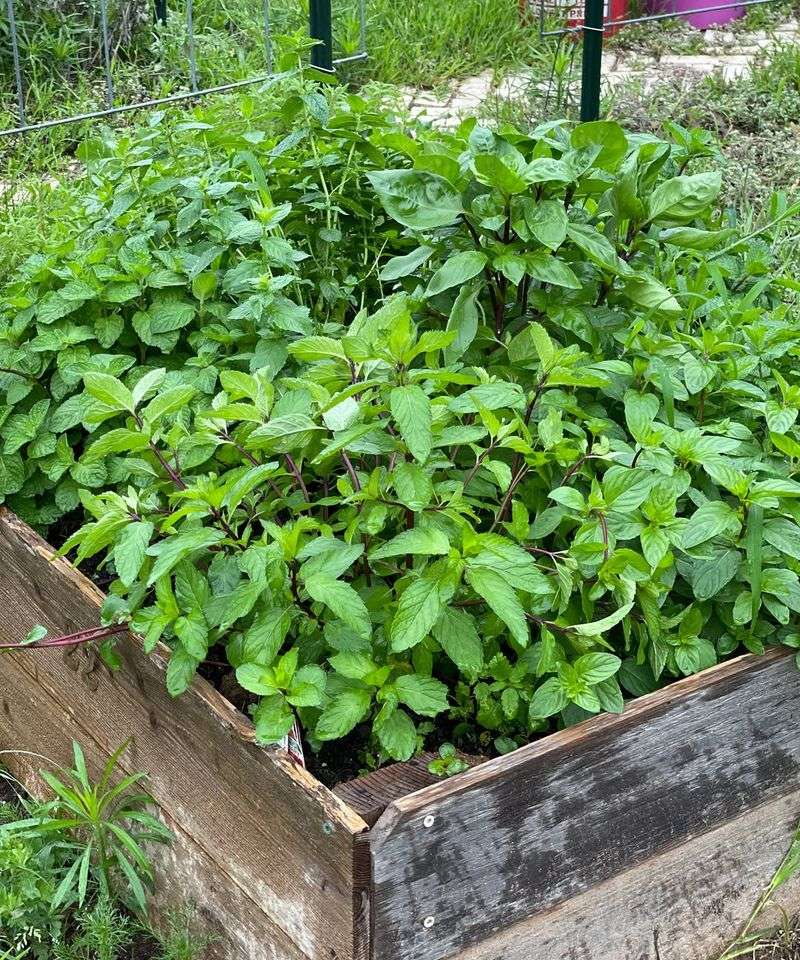
Mint is aggressive by nature, and in Georgia’s spring conditions, that aggression works entirely in your favor.
Given moisture and partial shade, mint puts on several inches of new growth in a week or two. It is one of the fastest herbs you can grow, and right now the conditions align perfectly.
The catch is that mint spreads through underground runners with remarkable enthusiasm. Planting it directly in a garden bed without containment is a choice most gardeners regret by midsummer when it has colonized half the bed.
Containers are the smart solution. A large pot or a buried bottomless bucket keeps roots in check while allowing strong, productive growth above.
Use quality potting mix with good drainage and place it somewhere with morning sun and afternoon shade.
Spearmint, peppermint, and chocolate mint all perform well in Georgia. Growing two or three varieties side by side in separate containers expands your herb collection without taking up much ground space.
Container plantings dry out faster than in-ground beds, so check moisture more frequently as spring transitions toward summer.
Harvest by snipping stems just above a leaf node. That encourages branching and keeps plants bushy rather than tall and leggy.
Mint works in teas, cocktails, desserts, summer salads, and anywhere you want a bright, clean flavor. Getting it established now means strong roots are in place before the drier weeks of late June arrive.
Mint asks for very little, spreads like it owns the place, and flavors everything it touches. As an herb, it is fantastic.
7. Chives Fill Pots And Beds With Flavor In A Hurry
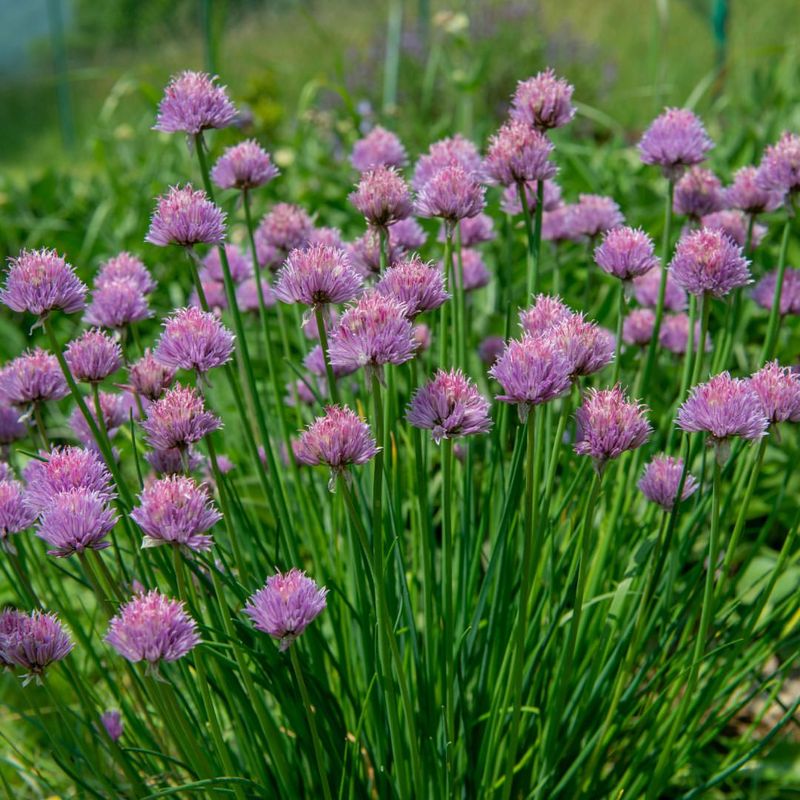
Chives might be the most underrated herb in a Georgia spring garden. They are fast, reliable, and genuinely difficult to grow poorly.
Within a few weeks of planting, chives produce slender, hollow green leaves with a mild, sweet onion flavor that works in almost any dish.
The purple flowers that arrive in late spring are completely edible too, adding both color and flavor to plates and salads.
Chives thrive in garden beds and containers alike, which makes them flexible for any setup. Full sun is ideal, though they tolerate light shade without much performance loss.
They do not need heavy feeding. A light application of balanced fertilizer at planting is typically enough for a full spring season of production. Well-drained, moderately fertile soil is all they require.
Harvest by snipping leaves about two inches above soil level. That allows quick regrowth without stressing the plant. Frequent cutting actually encourages denser, more vigorous growth rather than slowing it down.
Never cut all the way to the soil or recovery slows significantly. The two-inch rule is easy to follow and keeps the plant producing consistently.
Chives work on baked potatoes, scrambled eggs, cream cheese, soups, and salads. They also act as a mild pest deterrent, reportedly discouraging aphids and Japanese beetles from nearby plants.
Chives are the herb equivalent of a reliable side dish. Never the star, always essential, and somehow always the thing people say they wish they had grown more of.