What Happens If Your California Tree Drops Fruit Onto A Neighbor’s Roof Or Car?
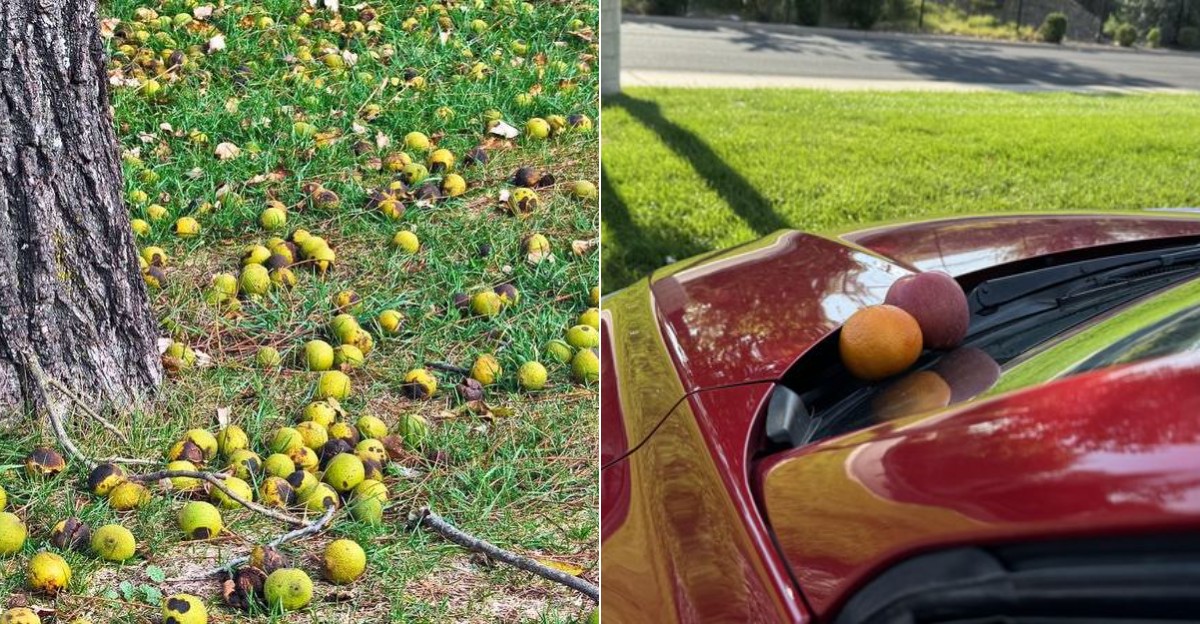
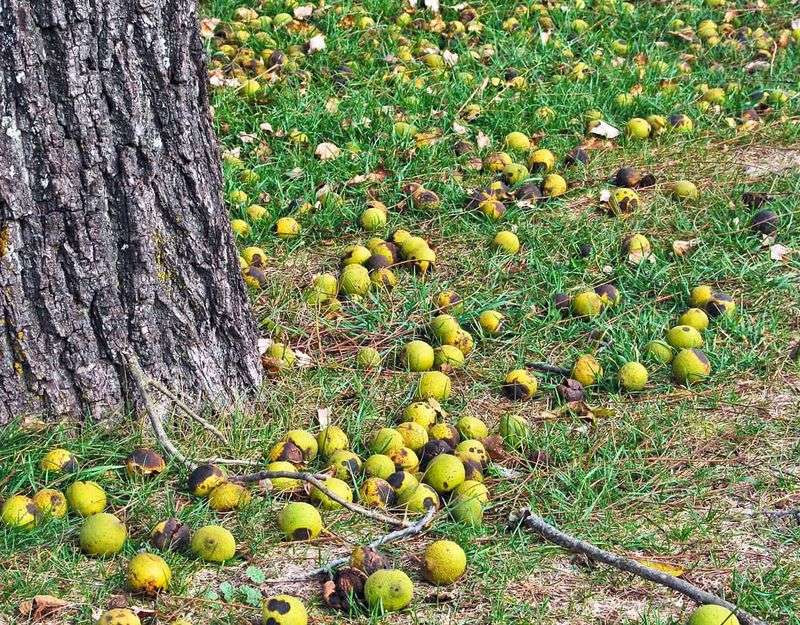
A fruit tree can be a beautiful addition to a California yard, but fallen fruit can create an unexpected problem when it lands somewhere it does not belong.
A few pieces of fruit may seem harmless, yet repeated mess, stains, or damage can quickly lead to questions between neighbors.
Many homeowners are unsure where responsibility starts and ends when branches, leaves, or fruit cross a property line. The answer is not always as simple as who owns the tree, especially when different concerns come into play.
Before a neighbor’s complaint turns into a bigger issue, it helps to know what situations can arise and what steps you can take.
A little attention to tree maintenance can prevent headaches while keeping your yard and neighborhood relationships in good shape.
1. Fallen Fruit Is Not Always The Tree Owner’s Liability
Many people assume that if their tree makes a mess next door, they automatically owe money. The truth is more relaxed than that in most cases. California courts generally treat naturally falling fruit as a fact of life.
When gravity pulls an orange or apple to the ground, that is considered a normal event, not something you caused on purpose. Because of this, tree owners usually are not held responsible for routine drops.
The law tends to focus on fault and negligence. If you did nothing wrong and the tree simply behaved like a tree, courts rarely make you pay. Your neighbor may need to handle the cleanup on their own side.
There is a limit to this rule, though. Owners who ignore clearly sick or unstable trees can lose that protection. Once you know a problem exists and skip fixing it, responsibility can shift toward you.
Think of it this way. A healthy tree dropping fruit is different from a hazard you refused to address. The first is nature, and the second could be negligence.
Keeping your trees in good shape is your best defense. Regular checkups, trimming, and quick repairs show you acted responsibly. That effort matters if a dispute ever reaches a courtroom.
Still, being legally off the hook does not mean you should ignore your neighbor. Kindness goes a long way and prevents small annoyances from growing into big fights over a few pieces of fruit.
2. Property Lines Do Not Decide Everything
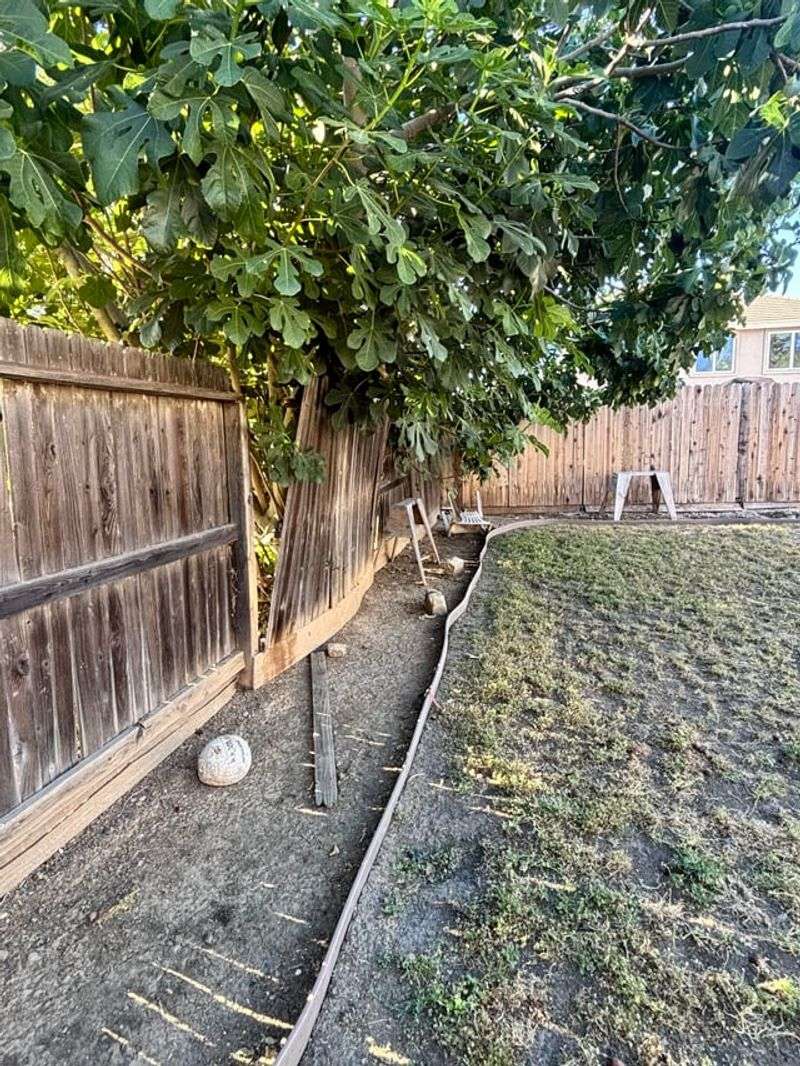
You might think the fence marks a clear finish line for responsibility. In reality, ownership boundaries only tell part of the story.
A tree rooted firmly on your land is considered yours, even when its branches wander across the fence. Ownership follows the trunk, not the reach of the leaves. That single detail surprises a lot of homeowners.
Yet owning the tree does not mean you automatically owe money for everything it drops. Liability depends on behavior and care, not just on where the roots sit. The property line is a starting point, not the final answer.
Sometimes a tree grows right on the boundary itself. When roots straddle both properties, California often treats it as jointly owned. Both neighbors then share rights and duties for that tree.
Your California Garden Changes Every Week. Your Plan Should Too.
Gardening in California changes quickly throughout the season. Every Friday you’ll receive a simple weekly plan showing exactly what to plant, prune, fertilize, harvest, and protect so you never miss the right timing.
Shared trees require extra cooperation. Neither person can chop it down alone, and both may need to agree before major trimming happens. Communication becomes essential in these situations.
Because lines blur so easily, courts look at fairness and reasonable conduct. They ask who acted responsibly and who ignored obvious risks. A boundary alone rarely settles a heated dispute.
The smart move is to know exactly where your trees stand. A quick survey or property map clears up confusion before problems start. That knowledge protects you if disagreements ever surface.
Understanding that fences do not equal full responsibility helps you approach conflicts calmly and with the right expectations from the beginning.
3. Normal Fruit Drop Is Usually Considered Natural
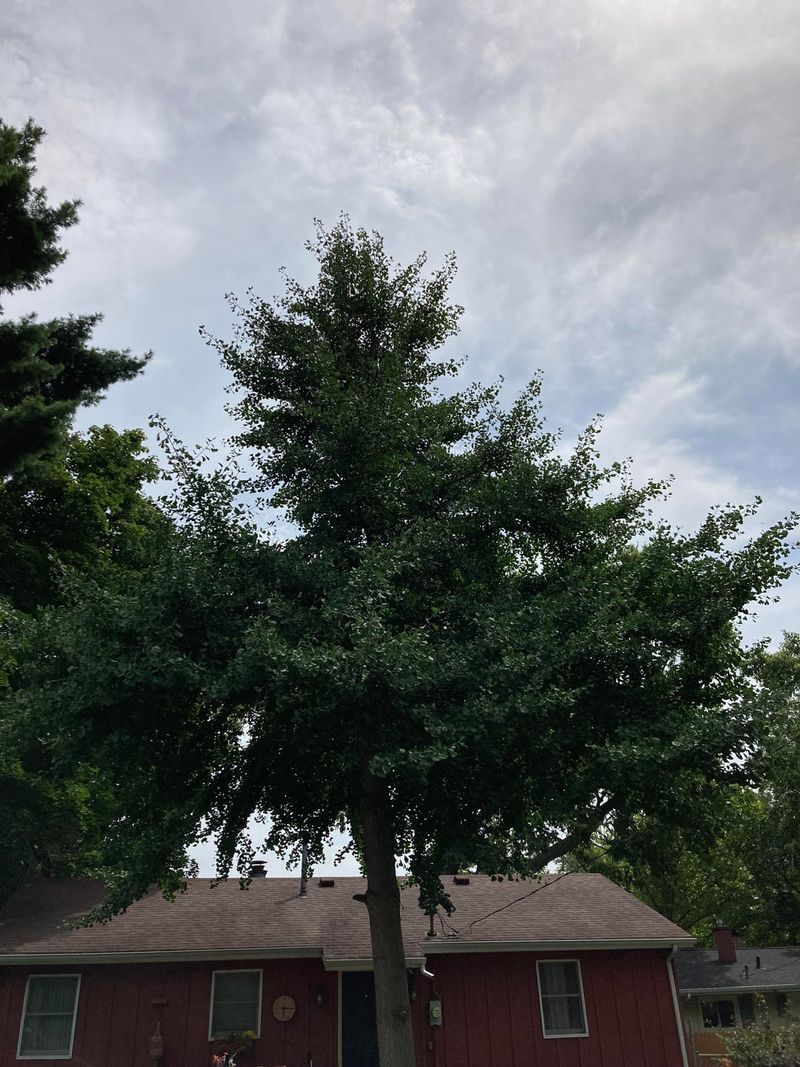
Every fruit tree eventually lets go of its harvest. That shedding is built into how these plants live and grow.
Courts in California view seasonal fruit fall as an ordinary part of nature. When lemons or plums tumble down on their own, no one is being careless. The event is expected and completely normal.
Because of this natural label, neighbors usually cannot demand payment for the mess. Cleaning fruit off a roof or yard becomes each person’s own chore. Nature simply does not send a bill.
This rule keeps things fair for tree owners. Punishing someone for a tree doing exactly what trees do would make little sense. The law recognizes that reality.
Weather plays a role too. Strong winds and storms shake extra fruit loose, and those forces are outside anyone’s control. Acts of nature rarely create legal blame.
Still, natural does not mean you should ignore the situation entirely. A courteous neighbor might offer to help rake or collect the scattered pieces. Small gestures build goodwill quickly.
There is one caution worth remembering. If normal drop turns into a slippery or dangerous pile someone warned you about, the story can change. Ignoring known hazards weakens your natural defense.
For everyday fruit fall, though, relax. The occasional plum on a driveway is just part of living near beautiful, productive trees. Handling it kindly keeps peace on both sides of the fence for years.
4. Overhanging Branches Have Different Rules
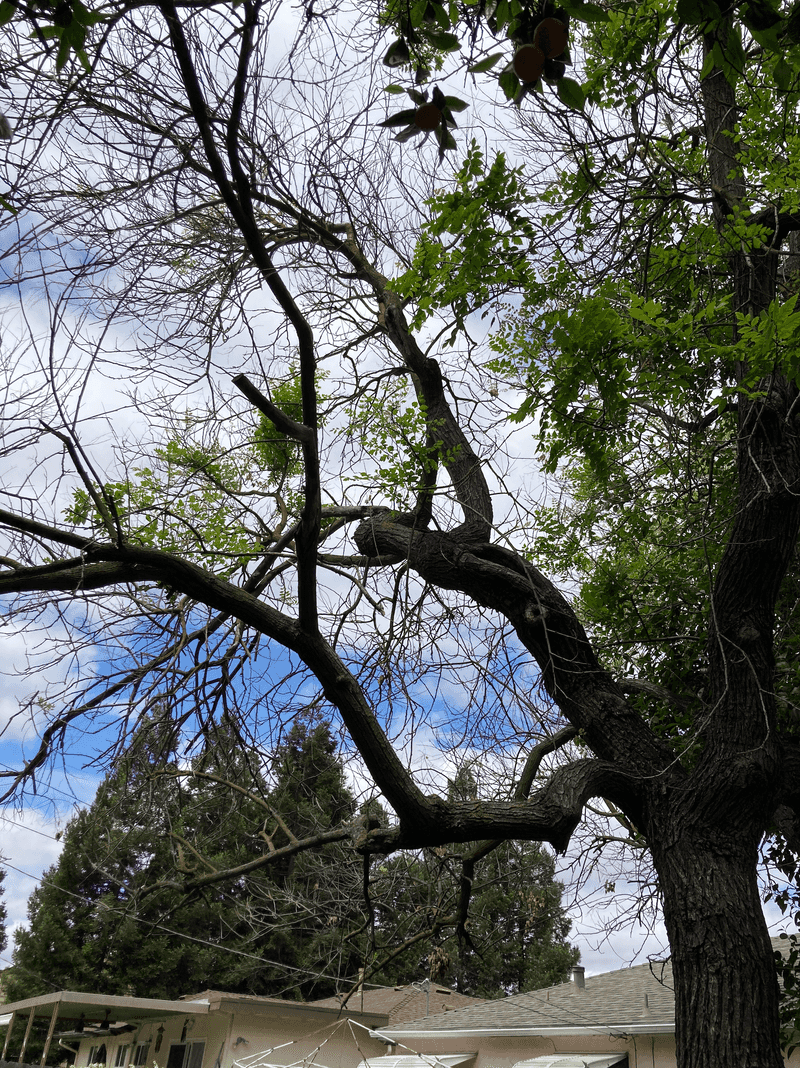
Branches that stretch across a fence create a whole separate set of rules. This is where many neighbor disputes actually begin.
In California, the part of your tree hanging over someone else’s yard falls under a special legal idea. Your neighbor has certain rights to deal with those branches on their side. The trunk stays yours, but the overhang is fair game for them.
Specifically, a neighbor may trim branches that cross the boundary line. They can cut back growth up to the property edge as long as they follow the law. This right exists whether you agree or not.
There are limits, of course. Trimming cannot harm the overall health of your tree or damage it beyond reason. Careless cutting that ruins the plant can backfire on the person doing it.
Fruit hanging on those overhanging branches raises another question. Generally, the tree owner still owns the fruit, even when it dangles over the fence. Reaching over to pick it without permission can cause trouble.
The situation gets tricky fast, which is why clear talks matter. Agreeing ahead of time about trimming and fruit prevents hurt feelings. Written notes help too.
Knowing these branch rules protects both sides. Owners avoid surprise cuts, and neighbors understand what they can legally do. Everyone benefits from clarity.
When branches cross the line, treat it as a shared zone. Respect and communication keep the situation from turning into a lasting feud between homes.
5. Damage Changes The Conversation
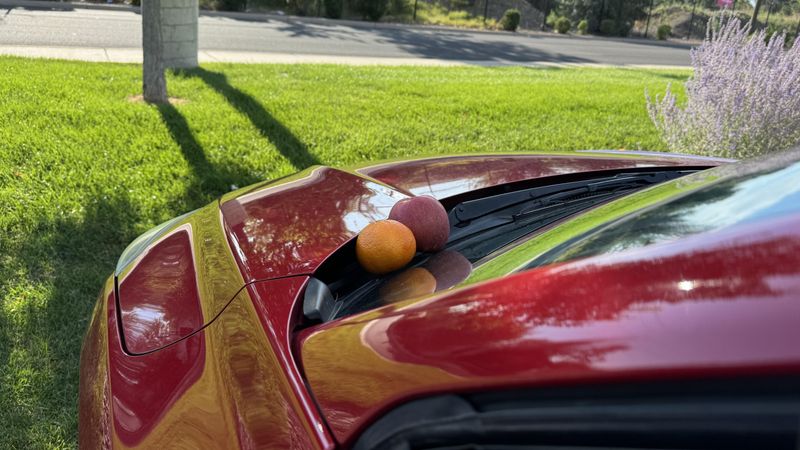
Everything shifts once real damage enters the picture. A dented car hood or cracked roof tile is far more serious than a little cleanup.
When fruit actually harms property, neighbors start asking who pays. The answer depends heavily on whether the tree owner was careless. Negligence becomes the key word.
If your tree was healthy and the damage came from a freak storm, you likely are not responsible. Nature caused the problem, not you. Courts usually see that as an unavoidable accident.
The story flips if you knew about a danger and did nothing. Perhaps a branch was clearly rotting or overloaded and ready to fall. Ignoring that warning can make you liable for the resulting harm.
Documentation matters a lot in these cases. Photos of the damage, the tree, and any prior warnings help everyone understand what happened. Good records protect both sides during disputes.
Insurance often steps in here too. A neighbor’s car or home policy may cover the repair, especially when no clear fault exists. Filing a claim can be simpler than arguing over blame.
Repair costs can climb quickly with vehicles and roofs. That is why acting fast and honestly helps. Offering to help or share information shows good faith.
Real damage turns a minor annoyance into a genuine legal and financial matter. Handling it with care, records, and open talk keeps the situation from spiraling into an expensive courtroom battle nobody wanted.
6. Neighbors May Have Rights To Trim Encroaching Branches
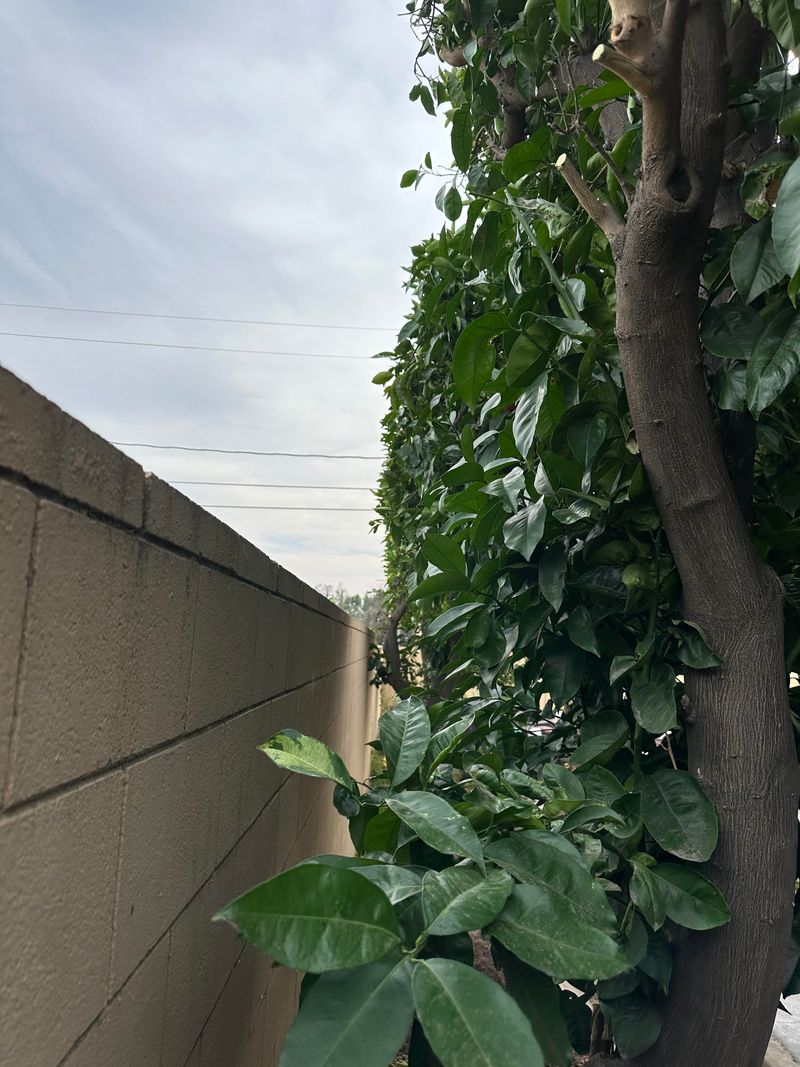
Feeling stuck with branches invading your space? California gives neighbors a helpful tool to handle that problem themselves.
State law lets you trim tree branches that cross onto your property. You can cut them back to the boundary line without asking the owner first. This self-help right is well established.
The same idea applies to roots that push under the fence. If they enter your yard, you may remove the portion on your side. Both branches and roots follow this principle.
Rules still limit how far you can go. Your trimming must stay on your side of the line only. Reaching over to cut deep into the neighbor’s territory is not allowed.
You also cannot harm the tree so badly that it cannot survive. Sloppy or spiteful cutting that ruins the plant can make you the responsible party. Careful work protects you.
Timing and method matter too. Clean cuts done properly reduce harm and keep things reasonable. Hacking away without thought invites trouble.
Before you grab the shears, a friendly heads up to your neighbor is wise. Letting them know your plans avoids shock and hurt feelings. Cooperation beats surprise every time.
Some people even hire a professional to trim safely and correctly. Experts know how to protect both the tree and your legal standing. That investment can prevent bigger disputes.
Knowing your trimming rights gives you real control over your own space while keeping you safely within the boundaries California law sets.
7. Local Ordinances Can Affect Responsibility
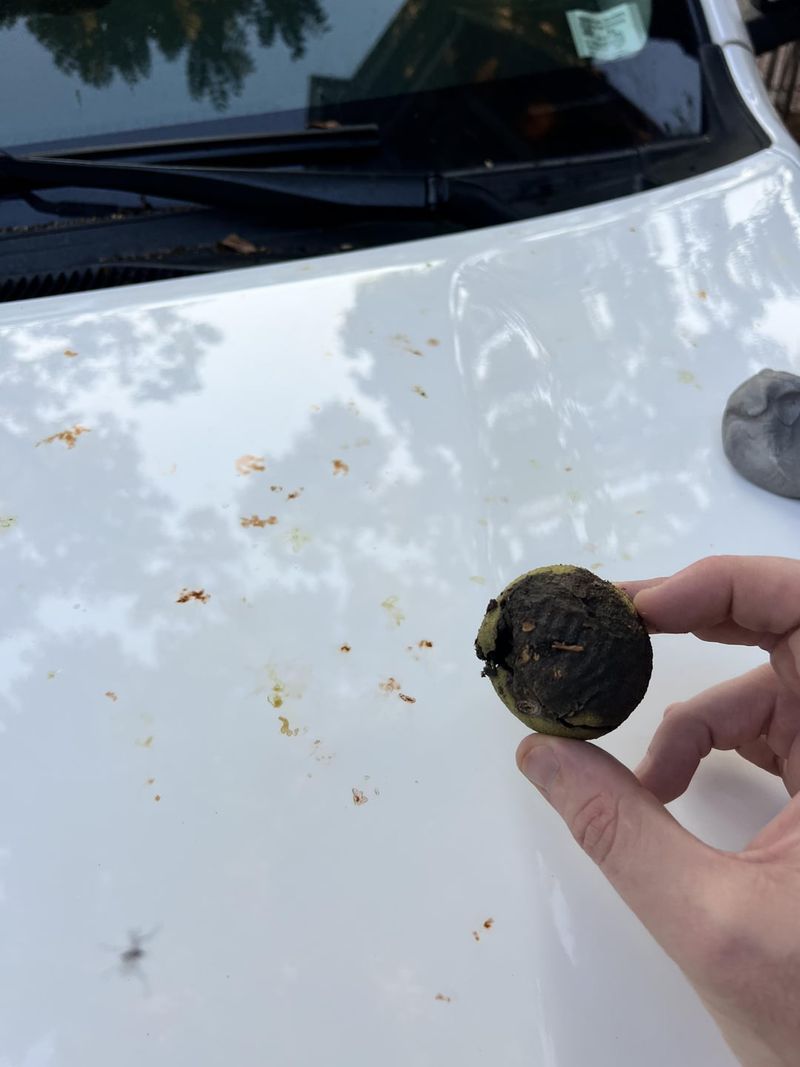
State rules are only one layer of the puzzle. Your own city or county can add its own tree laws on top.
Local ordinances sometimes protect certain trees or set special rules for them. Some cities guard heritage or native species with extra care. Cutting or trimming those may require a permit.
Because of this, what is legal in one town might be restricted in another. A trim that seems harmless could break a local code. Checking first saves you from fines.
Homeowner associations add yet another set of guidelines. Many HOAs have detailed rules about tree size, care, and cleanup. Ignoring them can bring penalties from the association.
These local layers can shift responsibility in surprising ways. A city might require owners to keep sidewalks clear of fallen fruit. That duty could land squarely on you.
Permits often come into play for larger work. Removing a big tree or heavy pruning may need official approval. Skipping that step causes real headaches later.
The smart move is a quick call to your city office. Ask about tree rules, permits, and cleanup duties before problems arise. A few minutes now prevents trouble down the road.
Neighbors should check these codes too. Knowing local rules helps both sides understand who must do what. Shared knowledge reduces arguments.
Because every community writes its own rules, never assume statewide guidance covers everything. Local ordinances often hold the final word on your specific tree situation.
8. Communication Can Prevent Most Disputes
Here is the secret that lawyers rarely brag about. A simple, honest chat solves more tree problems than any courtroom ever could.
Most fruit and branch disputes grow from silence, not from real harm. When neighbors never talk, small annoyances fester and swell. A quick conversation stops that cycle early.
Starting the talk does not need to be awkward. A friendly knock and a calm tone work wonders. Most people respond kindly when approached with respect.
Try to focus on solutions instead of blame. Suggest sharing cleanup duties or splitting trimming costs fairly. Teamwork feels much better than finger pointing.
Writing things down helps once you reach an agreement. A short note about who does what keeps everyone honest. Clear records prevent future confusion.
Sometimes a little generosity smooths everything over. Offering your neighbor some of the fruit turns a nuisance into a gift. Kindness can flip the whole mood.
When talks stall, a neutral mediator can step in. These trained helpers guide both sides toward fair answers without expensive lawsuits. Many communities offer this service cheaply.
Keeping the relationship healthy matters more than winning a small point. You will live next to these people for years. Peace is worth a few pieces of fruit.
Good neighbors handle tree troubles with patience and openness. By talking early and often, you avoid stress, save money, and keep your yard a happy place for everyone involved.