What Happens To Banana Plants After A Florida Freeze (And What To Do)
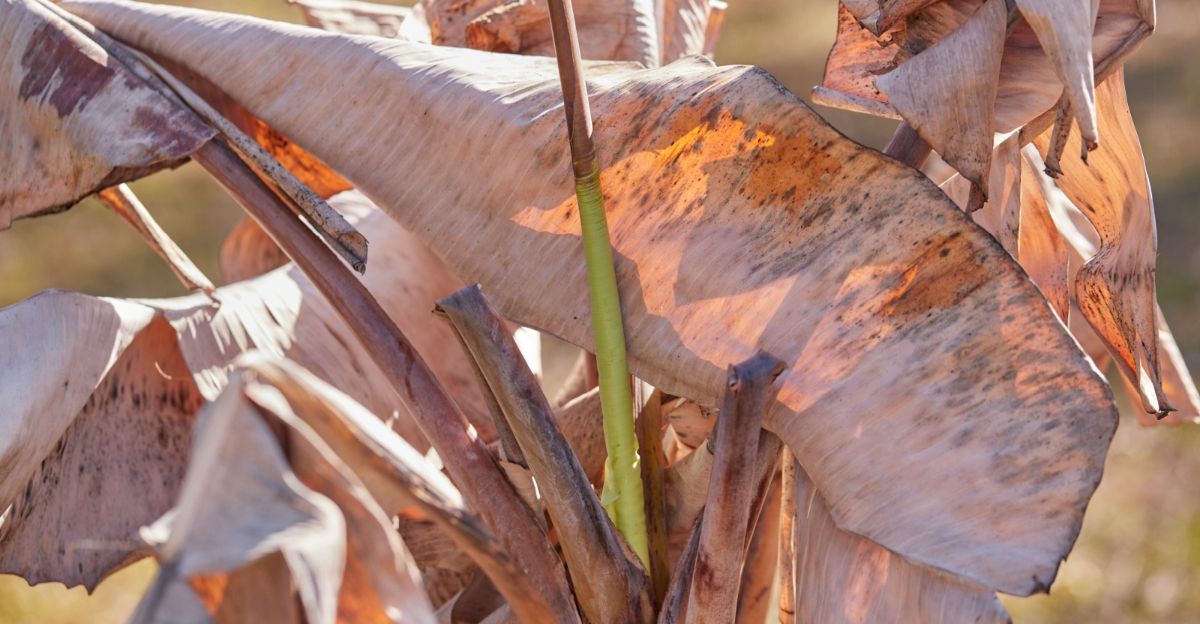
Florida woke to a nightmare of ice, silence, and blackened leaves. The freeze hit hard, and banana plants took the blow like fragile giants.
Once lush and tropical, many now stand collapsed, stalks mushy, trunks scarred, hope shaken. Gardeners across the state stare at ruined canopies and ask the same urgent question: is life still inside those frozen stems?
The truth brings both fear and relief. Banana plants look lifeless after a brutal cold snap, yet their story rarely ends in that frozen moment.
Hidden beneath the damage, survival often waits for warmth, patience, and the right rescue steps. Panic leads to fatal mistakes, but calm action can bring green shoots back from what seems like total loss.
Before you cut everything down or give up on your plant, understand what the freeze truly did, what remains alive, and how to help your banana plant fight back and recover again.
1. Cold Shock Strikes Overnight
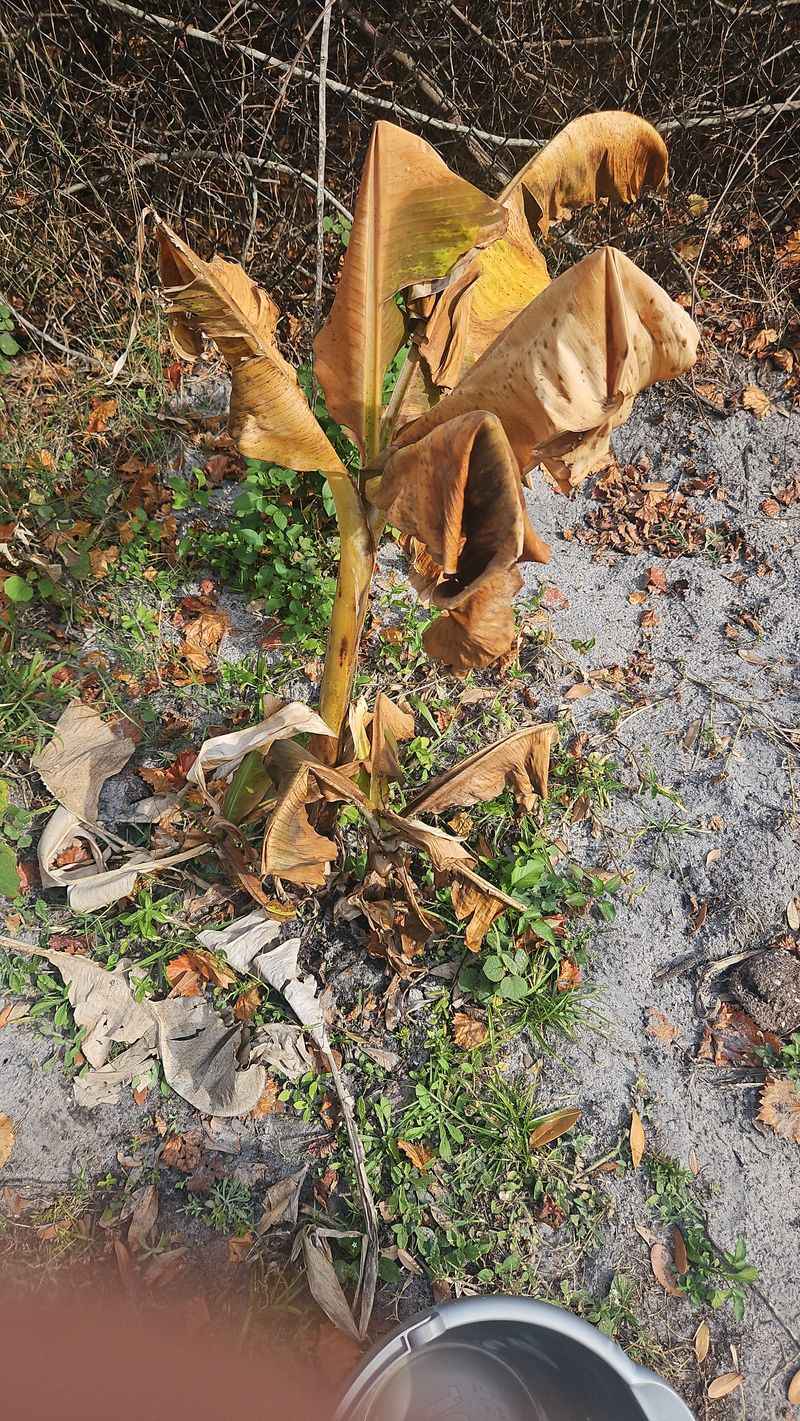
Freezing temperatures cause immediate cellular damage when ice crystals form inside plant tissues. Water inside banana cells expands as it freezes, rupturing cell walls and membranes that keep the plant functioning normally.
This damage happens fast, often within just a few hours of exposure to temperatures below 32 degrees Fahrenheit.
Banana plants evolved in tropical climates and lack the natural defenses that cold-hardy plants develop. Their soft, water-rich tissues make them especially vulnerable to rapid temperature drops.
Even a brief freeze can cause widespread damage that becomes visible by morning.
Prevention works better than trying to fix damage after it happens. Cover plants with frost blankets or old sheets before temperatures drop, making sure the cover reaches the ground to trap warm air rising from the soil.
Avoid heavy materials that compress leaves; use lightweight fabric and secure edges to the ground. Do not use plastic directly against leaves, as it conducts cold and can cause more harm.
Windbreaks help tremendously since moving air strips away warmth faster than still conditions. Position covers on the windward side or create temporary barriers using stakes and burlap.
Timing matters critically—get protection in place before sunset when temperatures start falling, not after frost forms.
2. Leaves Turn Dark And Collapse Fast
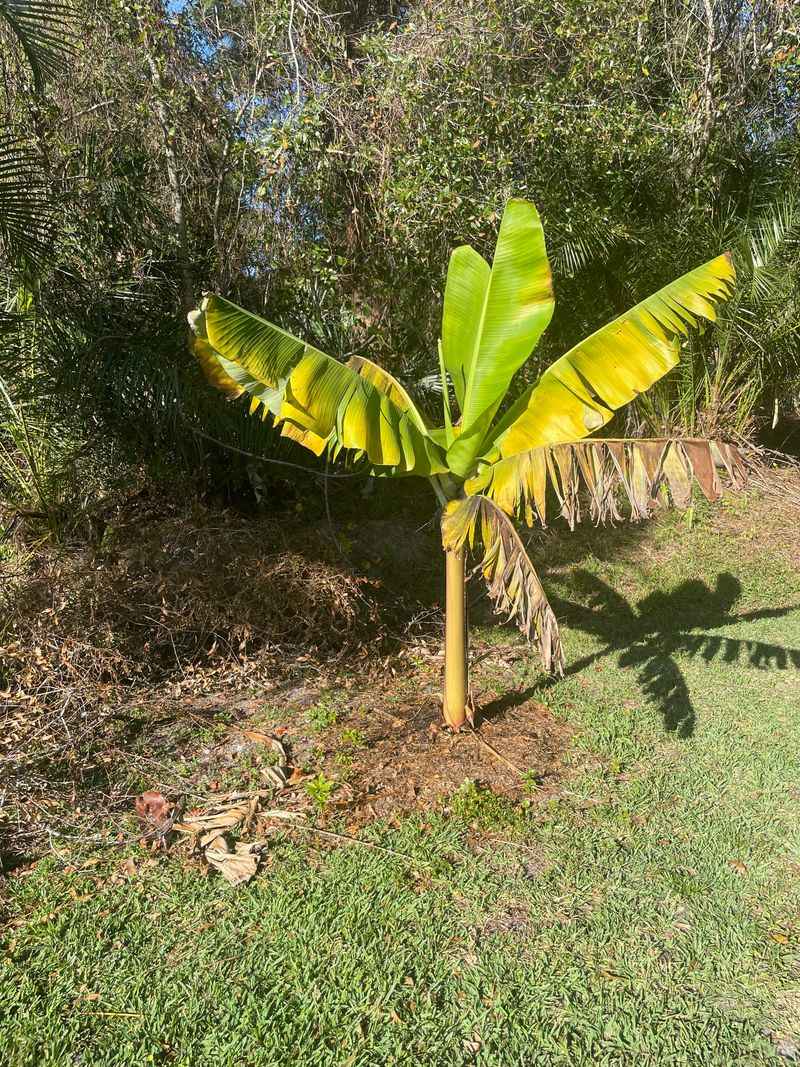
Within hours of freezing exposure, banana leaves lose their upright structure and begin drooping noticeably. The normally rigid leaves become limp as damaged cells can no longer maintain internal pressure.
By the next day, leaves often turn dark brown or black as tissues break down.
This dramatic change looks alarming, but it represents damage to the most expendable part of the plant. Leaves naturally cycle through growth and replacement, so losing them to cold doesn’t necessarily mean the entire plant is compromised.
The speed of collapse depends on how low temperatures dropped and how long the freeze lasted.
Resist the urge to trim damaged leaves immediately after a freeze event. Wait at least a week or two to see the full extent of damage before cutting anything.
Those damaged leaves still provide some protection to the pseudostem and help you identify where living tissue remains.
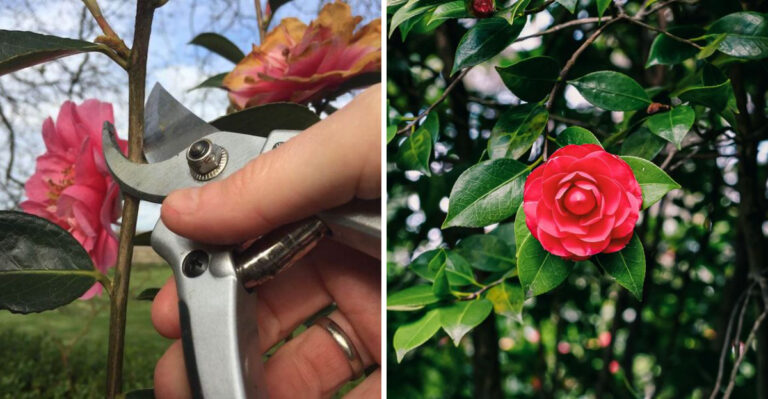
When you do trim, use clean, sharp pruning shears to make smooth cuts. Remove only completely declined material, leaving any sections that show green or firm tissue.
Cut damaged leaves back to where they meet the pseudostem, but avoid cutting into the stem itself unless it’s clearly affected throughout.
3. Blackening Signals Deep Tissue Stress
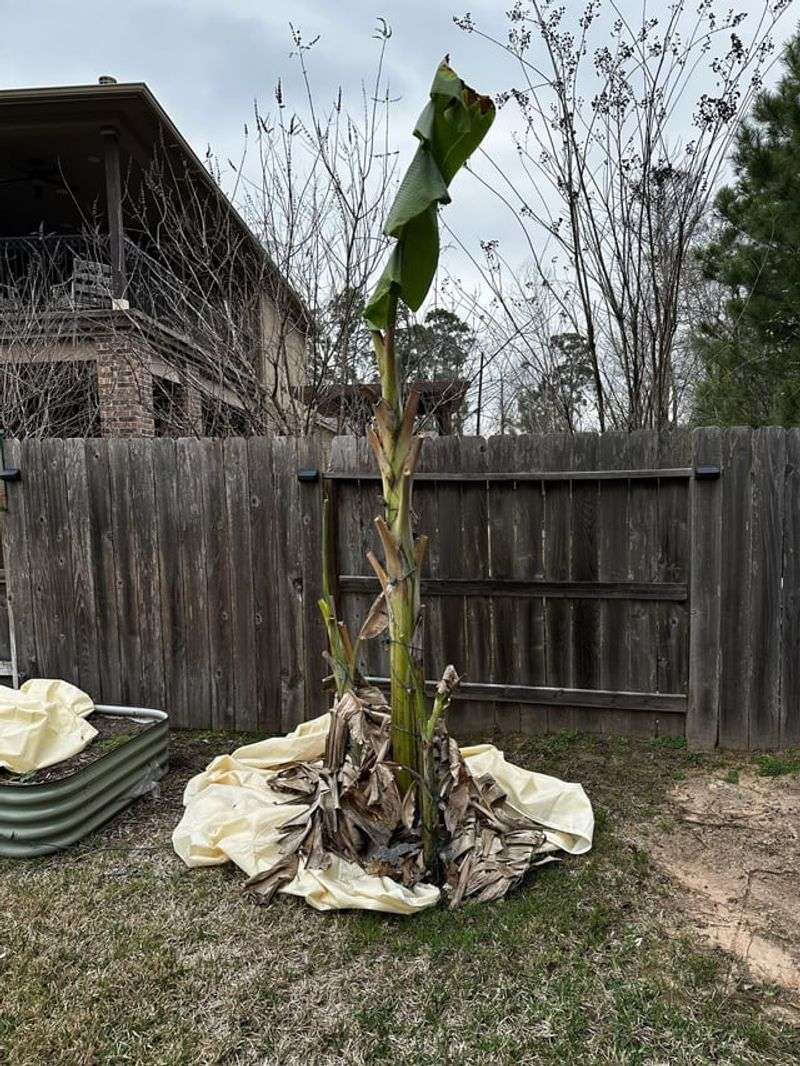
Dark discoloration spreading through banana tissues indicates that cell death has occurred throughout those areas. The blackening results from ruptured cells releasing their contents, which oxidize and turn dark when exposed to air.
This visible sign helps growers understand how deeply the cold penetrated plant structures.
Checking for living tissue requires a simple test that any grower can perform safely. Carefully peel back outer layers of the pseudostem to examine the color and texture underneath.
Healthy tissue appears cream-colored or pale green and feels firm and moist.
If you find dark, mushy layers, continue peeling inward until you reach healthy tissue or determine the entire stem is compromised. Sometimes only the outer layers suffer damage while the core remains alive.
This core protection happens because outer tissues insulate inner sections and freeze first.
Document what you find by taking notes or photos, which helps track recovery progress over the following weeks. Avoid removing tissue too aggressively during inspection—gentle examination works best.
If the center shows life, leave the damaged outer layers in place temporarily as they provide insulation during potential additional cold snaps that might occur later in winter.
4. The Pseudostem Reveals The Damage
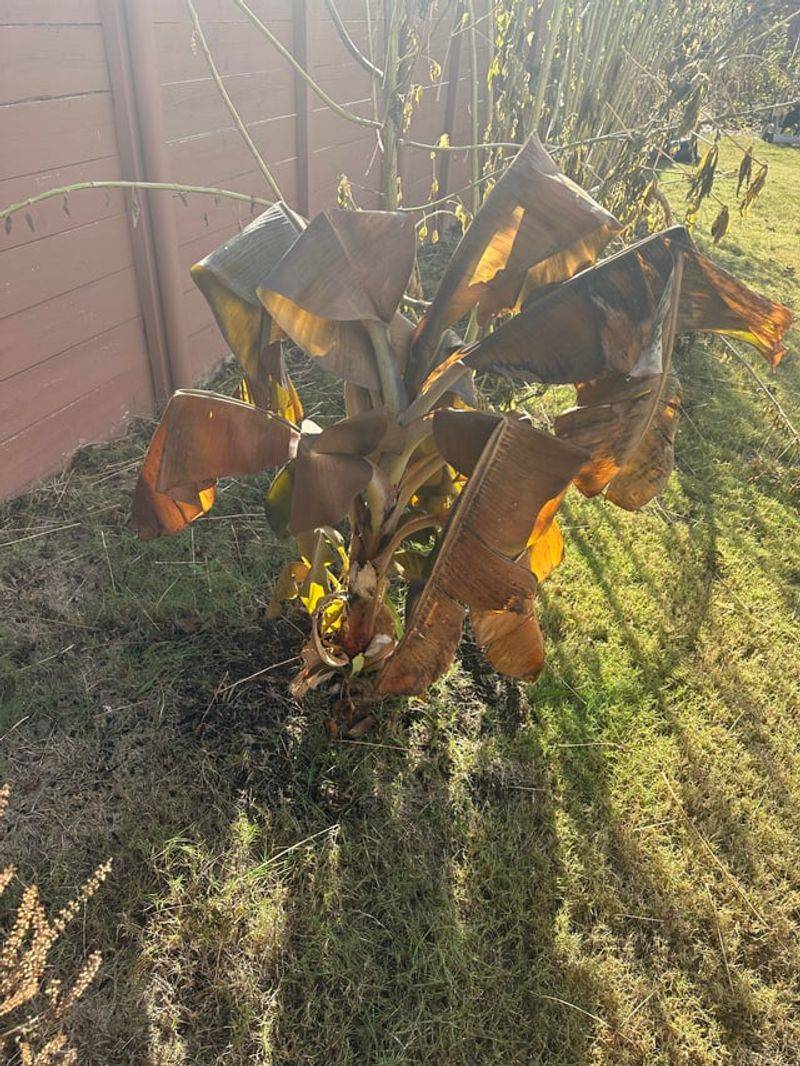
The pseudostem—the trunk-like structure made of tightly wrapped leaf bases—acts as a damage indicator after freezing events. Examining this structure tells you whether the plant can regrow from existing above-ground tissue or must start over from underground rhizomes.
Careful inspection saves time and guides your pruning decisions.
Start checking the pseudostem about a week after the freeze when damage patterns become clear. Gently squeeze the stem at different heights, feeling for firm sections versus soft, water-soaked areas.
Soft spots indicate severe damage where tissues have collapsed completely.
For a more thorough assessment, make a small vertical cut through outer layers using a clean knife. Peel back these layers carefully, looking for color changes.
Healthy tissue maintains its pale color and firm texture, while damaged sections turn brown or black and feel mushy.
If you discover healthy tissue in the center, trim away only the damaged outer layers, leaving the living core intact. This core can sometimes continue growing or at least protect the growing point longer.
However, if damage extends throughout, cut the entire pseudostem down to about six inches above ground level, which helps the plant focus energy on producing new shoots from the base.
5. Underground Roots Fight To Survive
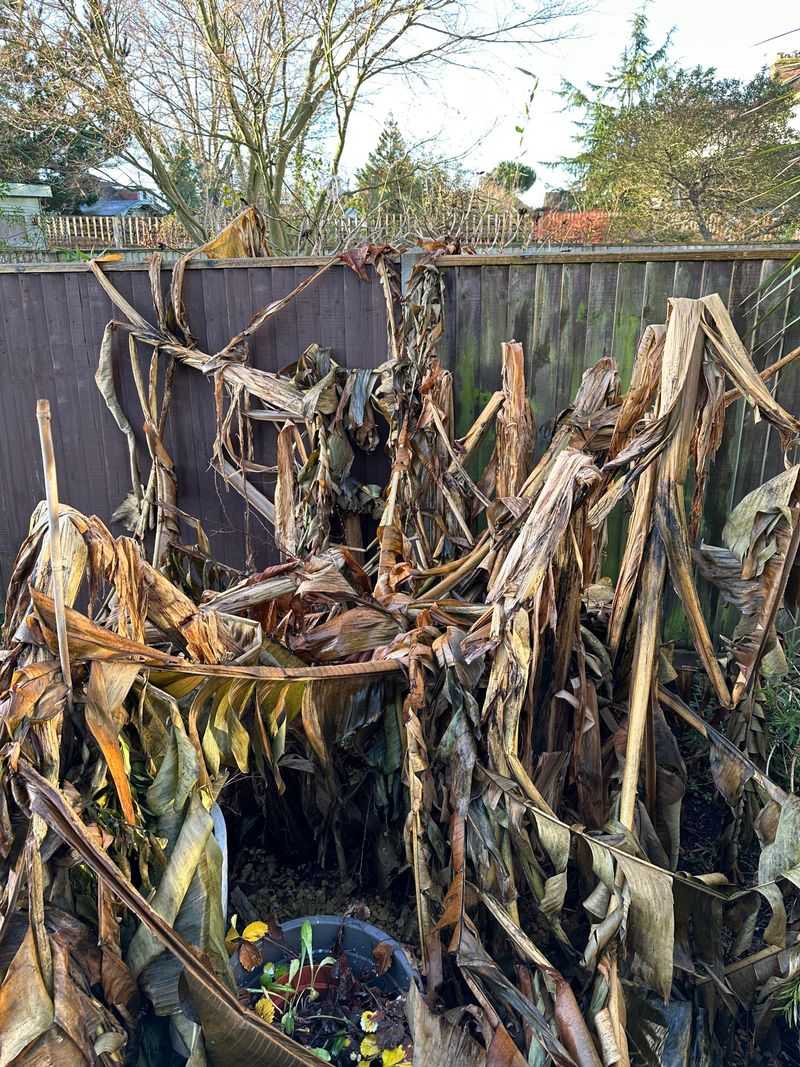
While above-ground portions suffer obvious damage, the underground rhizome and root system often survive freezing events that devastate leaves and stems. Soil acts as insulation, keeping underground temperatures significantly warmer than air temperatures.
Even when air drops to the mid-twenties, soil a few inches down might stay above freezing.
This underground survival mechanism explains why banana plants frequently return after seemingly catastrophic freeze damage. The rhizome stores energy and contains dormant growth buds that activate when conditions improve.
These buds produce new shoots that can grow surprisingly fast once warm weather returns.
Protecting underground parts improves survival chances considerably. Apply a thick layer of mulch around the plant base before freeze events, using materials like wood chips, straw, or leaves.
A four to six-inch layer provides meaningful insulation that helps maintain soil warmth.
After a freeze, avoid overwatering damaged plants, as their reduced leaf surface means they use much less water than before. Soggy soil around stressed roots can lead to rot problems.
Instead, keep soil slightly moist but not saturated, checking moisture levels by feeling the soil a few inches down before watering. Resume normal watering gradually as new growth emerges and increases its water demands.
6. Freeze Damage Looks Worse Than Reality
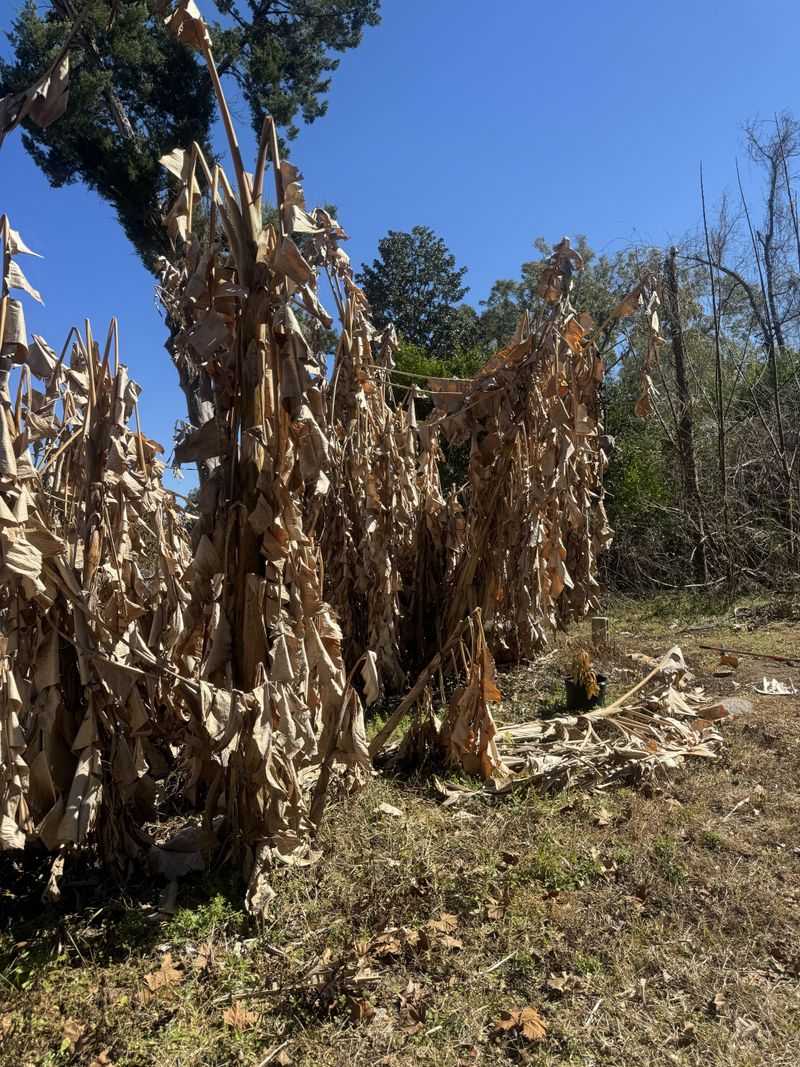
The dramatic appearance of freeze-damaged banana plants often makes gardeners think recovery is impossible, but appearances can be deceiving. Banana plants possess remarkable regenerative abilities that allow them to bounce back from severe damage.
Patience becomes your most valuable tool during the weeks following a freeze.
Initial damage assessment might suggest total loss, especially when all visible growth turns black and collapses. However, the plant’s true condition reveals itself slowly over several weeks.
Underground tissues and protected growing points often remain viable even when everything above ground looks devastated.
Avoid making hasty decisions about removing plants immediately after freeze events. Give damaged bananas at least four to six weeks before deciding their fate.
During this waiting period, maintain basic care by keeping the area clear of debris and monitoring for new growth signs.
Many Florida gardeners have watched seemingly destroyed banana plants produce vigorous new shoots by late spring. These comeback stories happen regularly across the state, particularly in central and South Florida where soil temperatures recover quickly.
Even in North Florida, established plants with mature root systems frequently regenerate. Focus on supporting the recovery process rather than mourning the temporary setback, and you’ll likely be rewarded with renewed growth.
7. North Florida Takes The Hardest Hit
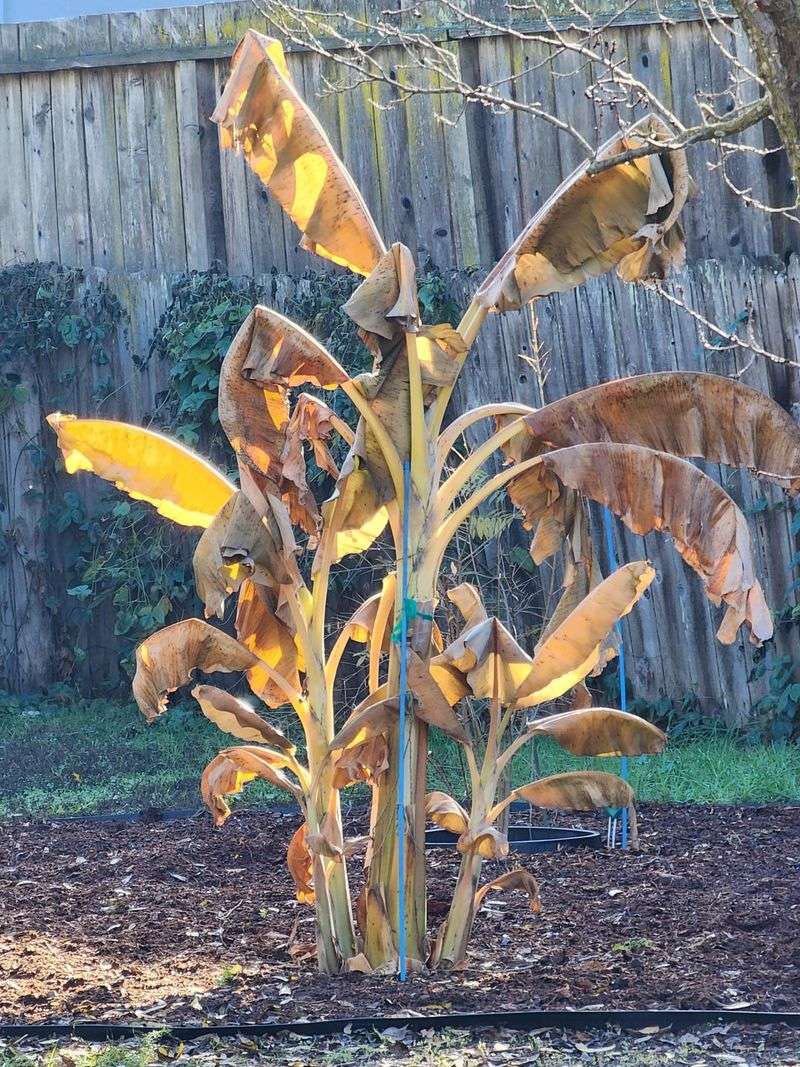
Geographic location within Florida dramatically affects how banana plants experience and recover from freezing temperatures. North Florida faces longer, harder freezes that penetrate deeper into plant tissues and soil.
These extended cold periods challenge even well-protected plants and often require more intensive recovery efforts.
Counties along the Georgia border regularly see multiple freeze events each winter, with temperatures sometimes staying below freezing for extended periods. Such sustained cold prevents the brief warming periods that allow partial recovery between freeze events.
Plants in these areas need extra protection strategies that go beyond simple covering.
Growers in colder regions should consider planting bananas in protected microclimates near south-facing walls or in courtyards that block wind. These locations capture and hold warmth better than open areas.
Some North Florida gardeners successfully grow bananas by treating them as dieback perennials that regrow each spring from protected roots.
Heavy mulching becomes essential in northern areas, with some growers mounding mulch around the pseudostem base before winter arrives. After damage occurs, North Florida plants typically need longer recovery periods before showing new growth.
First shoots might not appear until late April or May, compared to March emergence in warmer regions. Adjust expectations based on your specific location and provide appropriate cold protection measures before freezing weather arrives.
8. New Shoots Mean A Comeback Is Coming
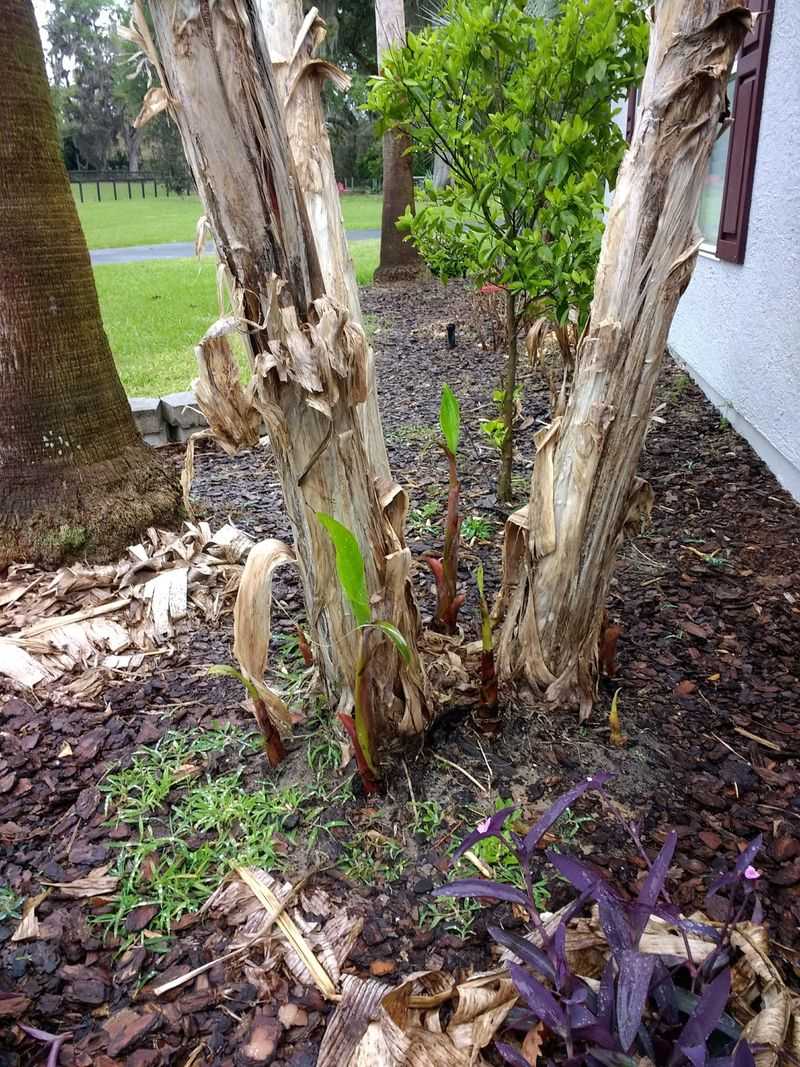
Fresh shoots emerging from the plant base signal that recovery has begun and the rhizome remains healthy. These new growths typically appear as small, pointed sprouts pushing up through soil or from the sides of damaged pseudostems.
Their appearance confirms that your patience and care have paid off.
New shoots usually emerge several weeks after the last freeze, once soil temperatures warm consistently above 60 degrees. In South Florida, this might happen by early March, while North Florida growers might wait until April or later.
The timing varies based on freeze severity, soil temperature, and the plant’s overall health before cold damage occurred.
Support emerging growth by maintaining consistent moisture without overwatering. Young shoots need water to expand their tender tissues but can’t tolerate soggy conditions.
Apply a balanced fertilizer once shoots reach about six inches tall, using a formula designed for tropical plants or a general-purpose option with equal nitrogen, phosphorus, and potassium ratios.
Protect new growth from late-season cold snaps, which can damage tender shoots more easily than established growth. Keep frost blankets handy through the end of typical freeze season for your area.
As shoots develop into full-sized plants over the growing season, they’ll often produce fruit the following year, completing the recovery cycle and rewarding your careful attention during the challenging post-freeze period.