What Happens To California Lawns After 30 Days Of No-Mow May
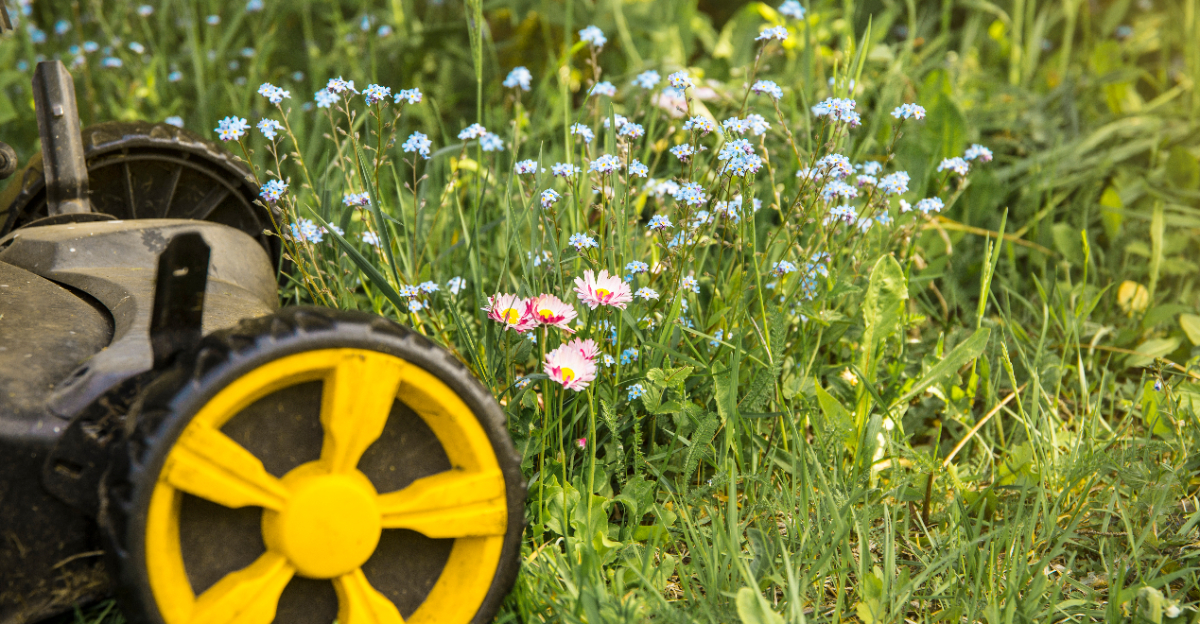
No-Mow May started as a simple idea. Put the mower away for a month, let the lawn do its thing, and see what happens.
It sounds almost too easy to be meaningful. But what actually unfolds in a California yard over those 30 days surprises a lot of people, and not always in the ways they expected.
Some homeowners open their front door after a few weeks to find bees working patches of clover they never even knew were there.
Others notice birds spending more time in the grass, or butterflies passing through for the first time in years. A few just see a shaggy lawn and wonder if the neighbors are judging them. All of it is valid.
No-Mow May looks different depending on your yard, your soil, and what’s been quietly living in your lawn all along. Thirty days is a short experiment with some genuinely interesting results worth paying attention to.
1. Grass Grows Taller Fast
Thirty days without a mower might not sound like much, but California lawns tell a very different story. In May, the combination of longer daylight hours and mild temperatures creates the perfect growing conditions.
Grass can shoot up several inches in just one week.
Most common California lawn grasses, like tall fescue or Bermuda grass, grow fast in spring. Without regular cutting, blades stretch upward looking for sunlight.
You might notice your lawn going from a tidy two inches to over six or even eight inches tall by the end of the month.
Taller grass is not always a bad thing. Longer blades actually shade the soil below, which helps reduce water evaporation.
This can be a real advantage in California, where drought conditions are common. The grass also develops deeper root systems when left to grow freely.
One thing to keep in mind is that different grass types grow at different speeds. Cool-season grasses common in Northern California will grow faster in May than warm-season grasses found in Southern California.
Knowing your grass type helps you predict just how wild things might get by day 30.
2. Wildflowers Get A Chance
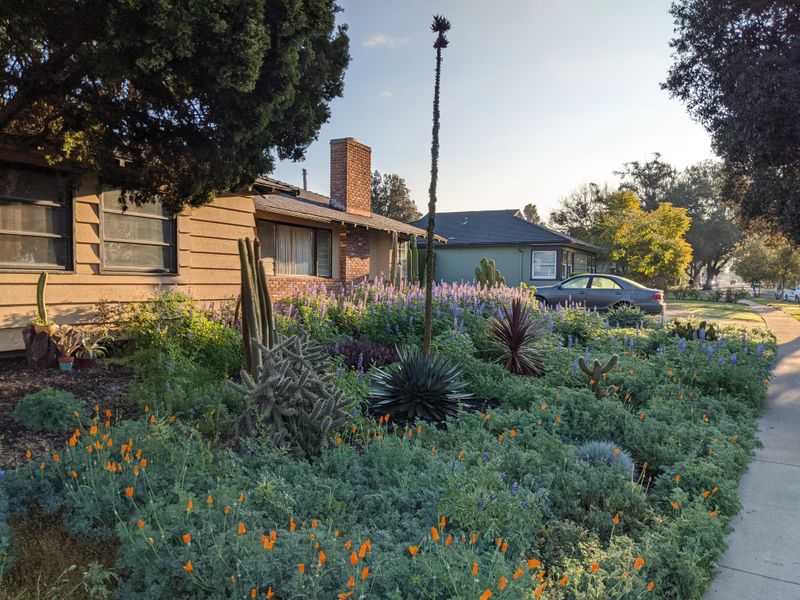
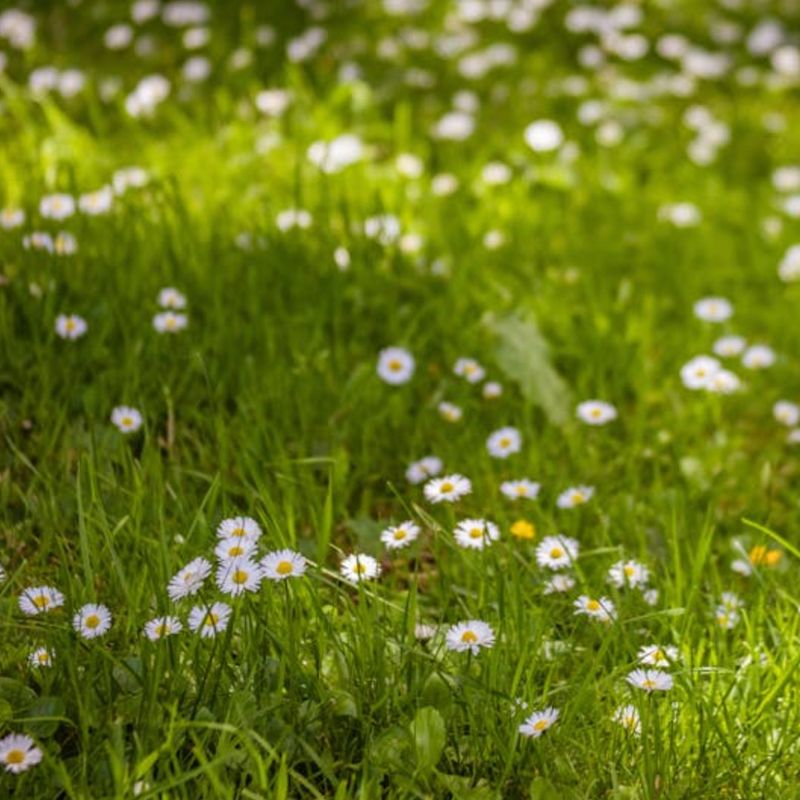
Something magical happens when you stop mowing for a month. Tiny wildflower seeds that have been hiding in the soil finally get the chance to sprout and bloom.
In California, this can mean cheerful patches of clover, dandelions, and even native wildflowers popping up right in your front yard.
Many of these plants were already there, waiting. Mowing regularly keeps them from ever growing tall enough to flower.
Once the mower stops, they race toward the sunlight. Within two to three weeks, you might spot yellow, white, and purple blooms scattered across your lawn.
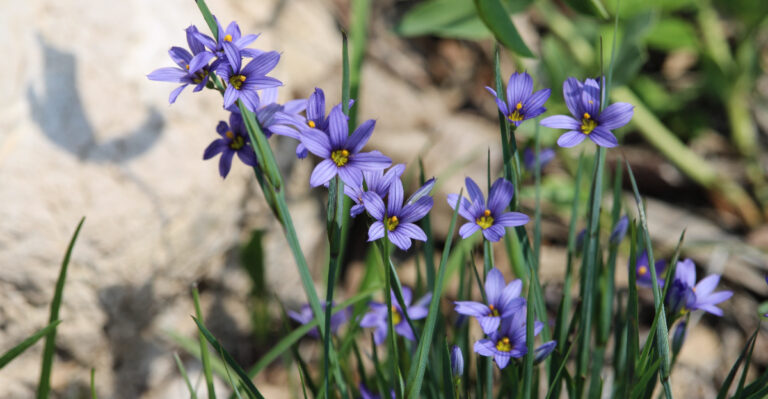
California is home to a wide variety of native wildflower species that thrive in spring. Plants like California poppies, filaree, and blue-eyed grass can appear in lawns that have not been treated with heavy herbicides.
These small blooms add color and texture to an otherwise plain green lawn.
Beyond looking pretty, wildflowers serve a real purpose. They provide food and shelter for small insects and ground-dwelling creatures.
Your California Garden Changes Every Week. Your Plan Should Too.
Gardening in California changes quickly throughout the season. Every Friday you’ll receive a simple weekly plan showing exactly what to plant, prune, fertilize, harvest, and protect so you never miss the right timing.
Letting them grow for just one month can turn a flat, boring lawn into a lively mini-meadow that supports local California ecosystems in a meaningful way.
3. Pollinators Find More Food
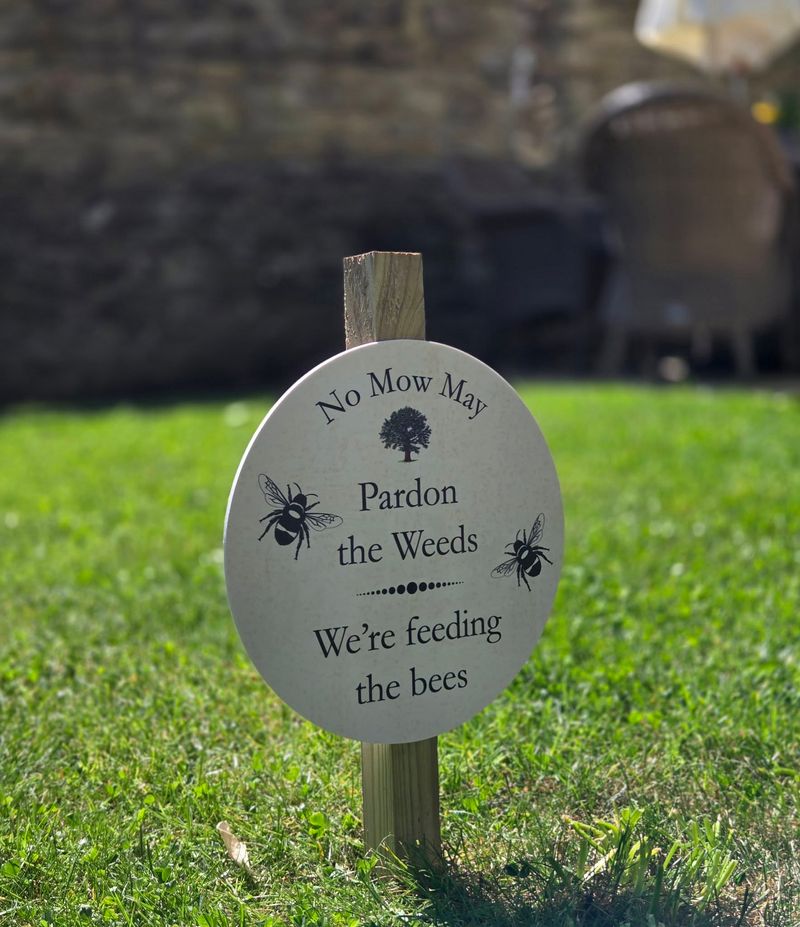
Bees are having a tough time across California. Habitat loss, pesticide use, and lack of food sources have made it harder for pollinators to survive.
That is what makes No-Mow May such a powerful idea. Even one unmowed lawn can become a feeding station for local bees, butterflies, and other helpful insects.
When grass grows tall and wildflowers bloom, pollinators suddenly have a buffet right in your neighborhood. Clover alone is one of the best food sources for honeybees.
Studies have shown that lawns left unmowed during May can support significantly more pollinators than those that are cut regularly throughout the month.
In California, native bee species like bumblebees and sweat bees are especially important for local agriculture and wild plant reproduction. Giving them access to flowering lawns even for a short time can have a positive ripple effect on the surrounding environment.
Gardens near your lawn may even produce more fruit and vegetables as a result.
You do not need a large property to make a difference. Even a small patch of uncut lawn in a California backyard or front yard can attract dozens of pollinator species throughout the month.
Every flower counts when food sources are limited for these essential creatures.
4. Lawns May Look Messier
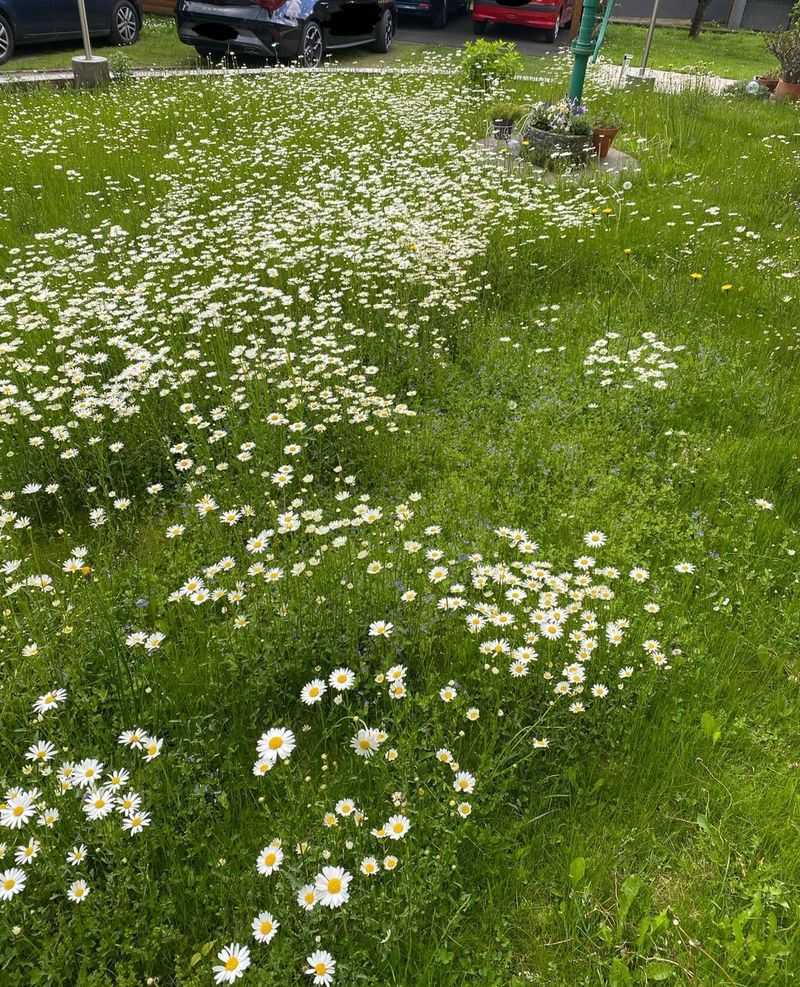
Let’s be honest, not every lawn looks like a wildflower meadow after 30 days. For many California homeowners, the reality of No-Mow May is a yard that looks a little rough around the edges.
Grass grows unevenly, some patches shoot up faster than others, and the overall look can feel untidy.
Neighbors might raise an eyebrow. Some California cities and homeowners associations have rules about lawn height, and an overgrown yard can sometimes lead to notices or complaints.
Before you commit to a full month of no mowing, it is smart to check local ordinances in your city or county.
Uneven growth is one of the most common complaints from people who try No-Mow May. Different grass varieties in the same lawn grow at different rates.
Some areas may look lush while others become sparse or tangled. Without mowing to even things out, the contrast becomes very noticeable by week three or four.
One way to manage appearances while still participating is to mow a clean border around the edges of your lawn. This simple step signals to neighbors that the choice is intentional, not neglect.
Many California communities are becoming more accepting of No-Mow May as awareness grows about its environmental benefits.
5. Weeds Can Move In
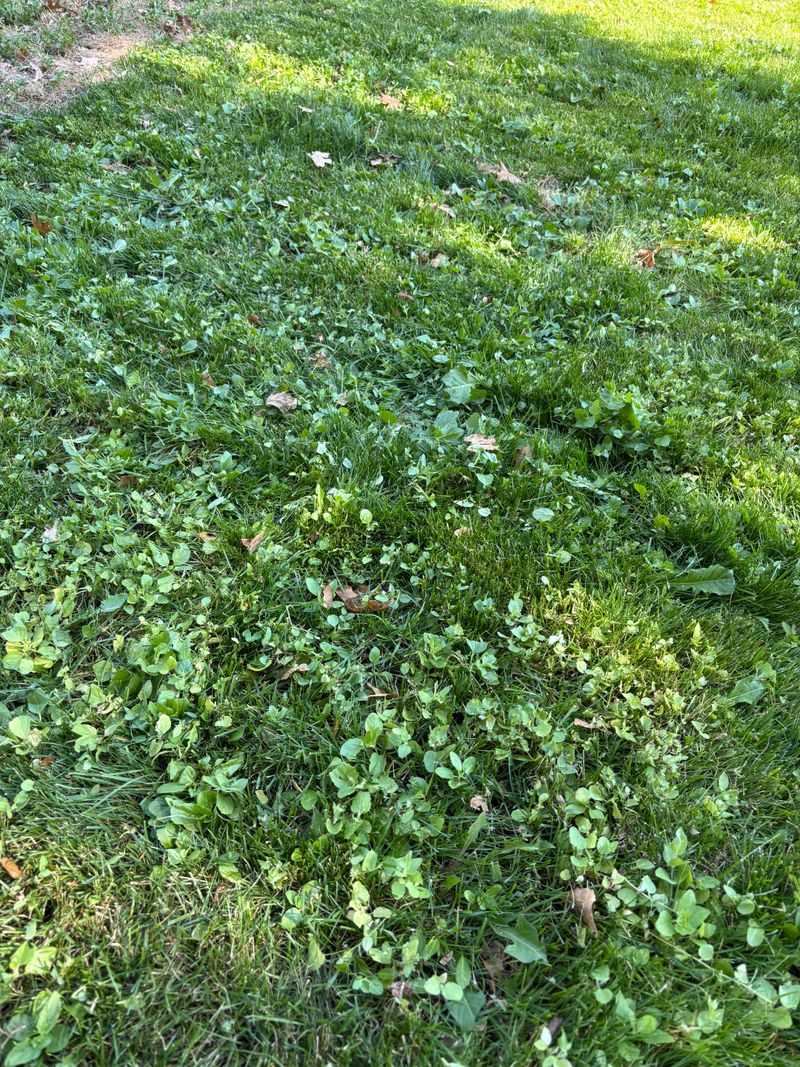
Not everything that grows during No-Mow May is welcome. Weeds are opportunists, and a month without mowing gives them plenty of time to establish themselves.
In California, common lawn invaders like crabgrass, spurge, and thistle can spread quickly when left unchecked.
Weeds are fast growers. They often outpace regular grass because they are adapted to survive in tough conditions.
During May, with warm soil and spring moisture, weed seeds that have been dormant in the soil can sprout and spread before you even notice them. By the time the month ends, some weeds may have already gone to seed, making future control much harder.
The good news is that a healthy, thick lawn is naturally more resistant to weed invasion. If your California lawn was already dense and well-established before May, weeds will have a harder time finding open space to take root.
Thin or patchy lawns are far more vulnerable to weed takeover during a no-mow period.
After No-Mow May ends, a good strategy is to hand-pull visible weeds before mowing. Mowing over weeds that have gone to seed can actually spread them further across your lawn.
A little extra attention in early June goes a long way toward keeping your California yard looking its best all summer.
6. Soil Holds More Moisture
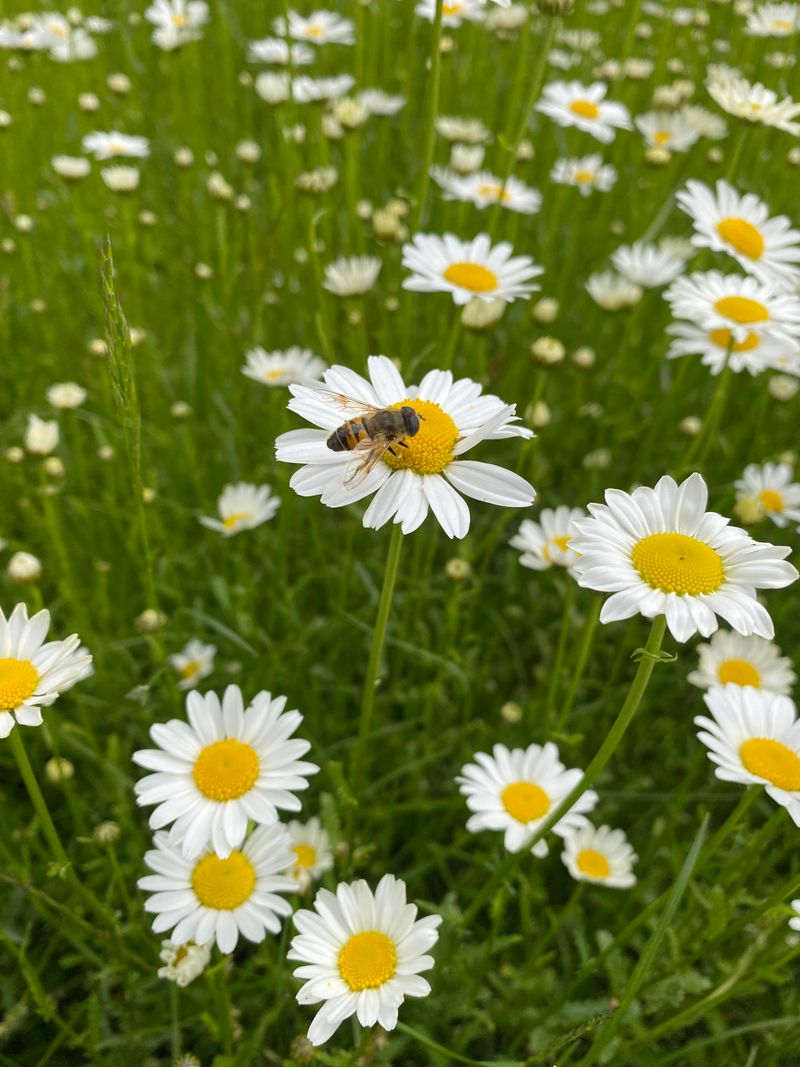
One of the biggest surprises of No-Mow May is what happens underground. When grass is allowed to grow taller, the longer blades act like a natural umbrella over the soil.
This shade layer slows down water evaporation, which means the ground stays moist longer between waterings.
In California, where water conservation is a serious concern, this is a real benefit. Taller grass shades the soil surface and keeps temperatures lower during warm spring days.
Research has shown that lawns with longer grass can retain significantly more soil moisture compared to short-clipped lawns exposed directly to sun and wind.
Deeper roots are another bonus. When grass is cut short every week, the root system stays shallow.
But when grass is allowed to grow freely for 30 days, roots push deeper into the soil searching for nutrients and water. Deeper roots make the lawn more drought-tolerant, which is especially valuable heading into California’s dry summer season.
Healthy soil also supports more microbial activity. Worms, fungi, and beneficial bacteria thrive in moist, undisturbed soil.
A month of no mowing gives these underground helpers a chance to improve soil structure naturally. Better soil means a stronger, more resilient lawn when mowing season resumes in June.
7. Mowing Gets Harder Later
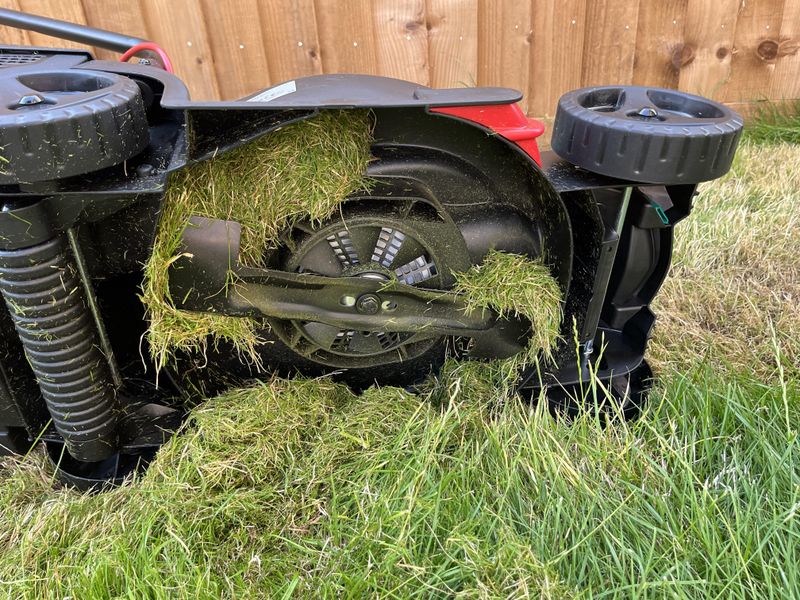
Here is the part nobody warns you about before No-Mow May. When June arrives and it is time to pick up the mower again, that tall grass does not go quietly.
After 30 days of growth, a California lawn can be thick, dense, and surprisingly tough to cut through in a single pass.
Most standard lawn mowers are designed to handle grass at regular cutting heights. When grass grows beyond four or five inches, the mower has to work much harder.
The engine can bog down, the blades can clog with clippings, and the whole process takes two or three times longer than a normal mow.
Cutting too much at once is also hard on the grass itself. Lawn care experts recommend never removing more than one-third of the blade length in a single mowing session.
After 30 days of growth, you may need to mow in stages, gradually lowering the cutting height over a week or two to avoid shocking the lawn.
Planning ahead makes the transition much smoother. Sharpen your mower blades before June arrives.
Consider using a string trimmer first to knock down the tallest growth. California homeowners who prepare for the post-May mow find the process far less frustrating and their lawns recover more quickly as summer begins.