What Happens To Tropical Plants In Florida After One Cold Night
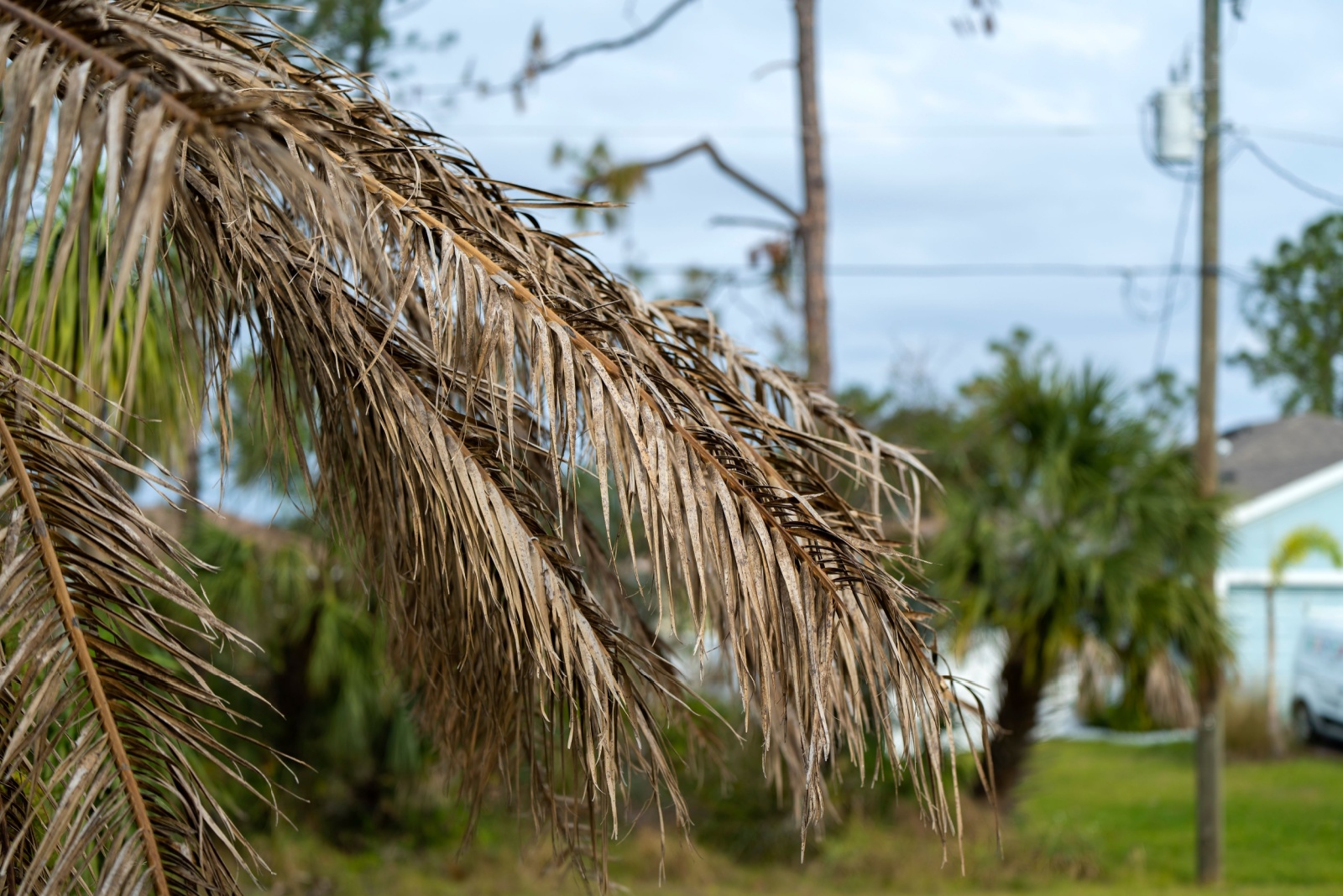
You walk outside after a chilly Florida night and suddenly your yard looks completely different. Leaves are drooping, flowers look burned, and plants that were thriving yesterday now seem damaged overnight.
Cold snaps can hit fast in Florida, and tropical plants feel the impact immediately. Many homeowners panic and start cutting, watering, or fertilizing without knowing what actually helps and what makes things worse.
The truth is that one cold night can trigger hidden damage inside plant tissue that does not always show up right away. Some plants will recover on their own, while others need quick protection and proper care to survive.
If you grow hibiscus, palms, croton, ginger, banana, or any tropical favorites, this guide explains what really happens after cold weather and how to protect your landscape before the next temperature drop.
1. What Happens To Tropical Plants In Florida After A Cold Night
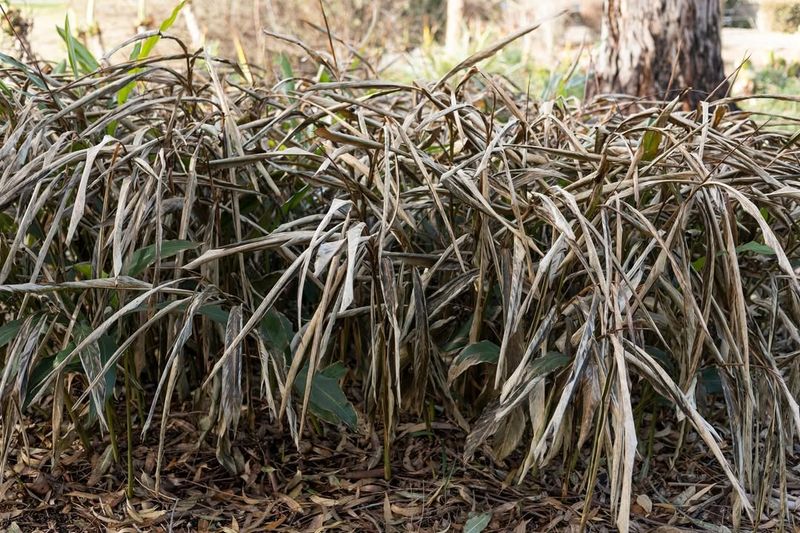
Your tropical garden transforms overnight when temperatures drop below what these warm-climate plants expect. Stepping into your backyard after a cold snap reveals changes that might surprise you if this is your first Florida winter.
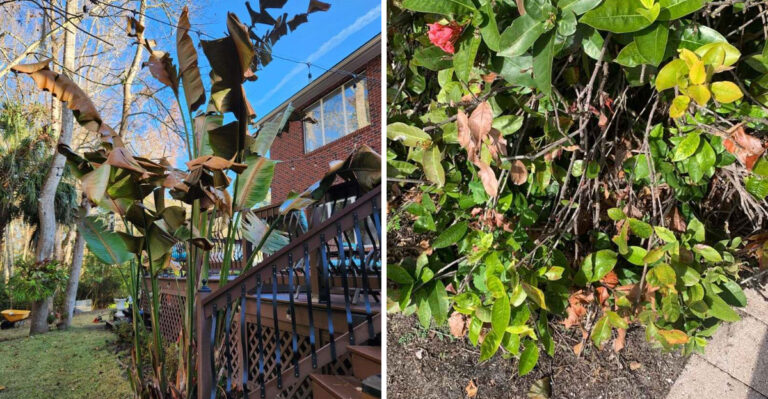
Leaves that were vibrant green yesterday now hang limp and discolored, while flowers that opened beautifully have wilted or turned brown at the edges.
Many tropical plants evolved in regions where freezing temperatures are rare or absent, so their cells lack strong cold-tolerance mechanisms such as antifreeze proteins that temperate plants develop.
When cold air surrounds their leaves and stems, ice can form in plant tissue and draw water out of cells or freeze inside them, damaging cell walls and causing immediate injury.
This cellular injury shows up as soft, water-soaked patches on leaves or blackened stem tips that signal freezing injury has reached plant tissue.
The severity of damage depends on how low temperatures dropped and how long the cold lasted. A brief dip to thirty-eight degrees might only stress your plants, while several hours below thirty-two degrees can cause serious harm.
Plants in containers suffer more than those in the ground because soil provides insulation that plastic pots cannot match. North Florida gardeners face this scenario more often than those in South Florida, where freezing nights remain rare but still possible during unusual weather patterns.
2. The Frost Shock That Can Harm Your Garden
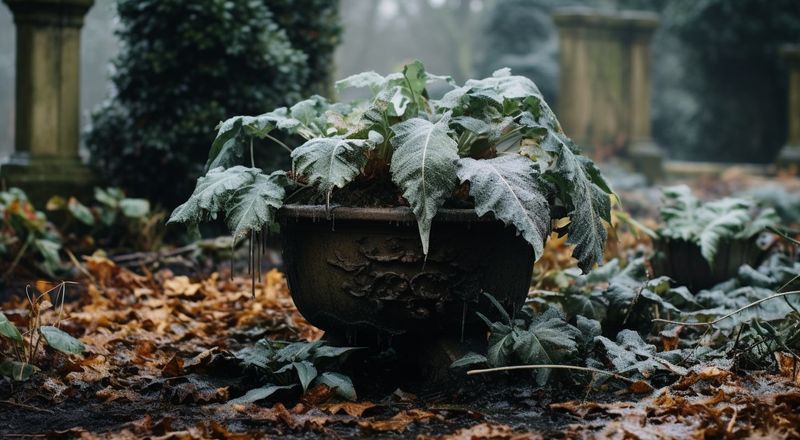
Frost forms when water vapor in the air freezes directly onto plant surfaces, creating those delicate ice crystals you see coating leaves and petals. This happens when temperatures drop to thirty-two degrees or below, and the moisture in the air has nowhere to go except onto whatever surfaces are coldest.
Your tropical plants become those cold surfaces, and frost accumulates on them like a frozen blanket that looks beautiful but causes real problems.
The ice crystals that form during frost damage plant tissue by disrupting cell membranes and dehydrating cells, which interferes with normal plant function. Freezing temperatures disrupt internal cell structure and water balance, damaging membranes and critical tissues that keep plants functioning.
As morning sun hits frosted leaves, the rapid thaw can cause even more damage because cells that were already compromised cannot handle the quick temperature change.
Tender tropicals like impatiens, coleus, and croton show frost damage fastest because their leaves are thin and full of water. You might notice black or translucent patches on leaves within hours of sunrise.
Hibiscus flowers turn brown and papery, while bougainvillea bracts lose their vibrant color. Central Florida gardeners often see this pattern after cold fronts push through in January or February, catching plants off guard after weeks of mild weather.
3. Leaves Droop And Flowers Wilt Overnight
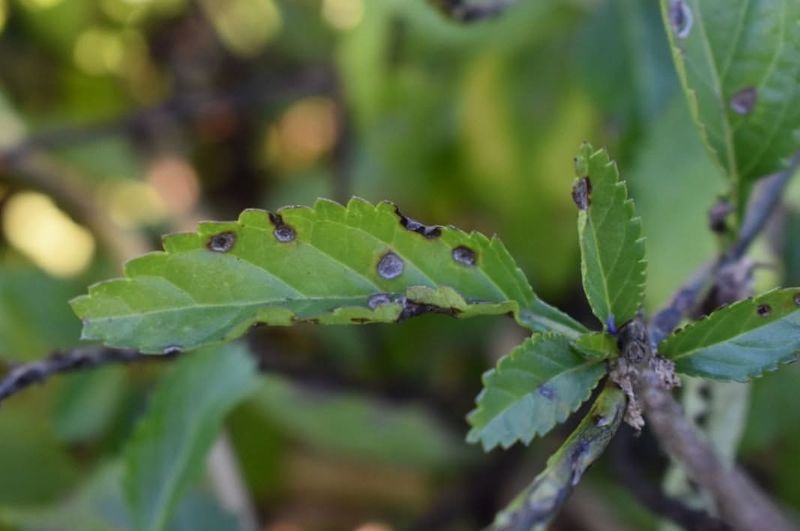
Walking through your garden the morning after temperatures plummet reveals plants that look completely different from the day before. Leaves that stood upright and firm now hang downward as if someone forgot to water them, even though soil moisture remains adequate.
Flowers that were open and colorful have closed up or turned mushy and brown, losing their structure and appeal in just one night.
This wilting happens because cold temperatures damage the cell membranes that control water movement inside plant tissue. When cells lose their ability to maintain proper water pressure, leaves cannot stay rigid and upright.
The turgor pressure that normally keeps foliage firm disappears, and gravity takes over. Orchid leaves become soft and pliable, while banana plant leaves droop dramatically and often split along their length from the sudden stress.
Flowers suffer even more than foliage because their delicate petals have almost no protection against temperature extremes. Plumeria blooms turn translucent and slimy, while jasmine flowers brown and drop within hours.
Gardenia buds that were ready to open often abort completely, falling off the plant before they have a chance to bloom. South Florida residents might only see this damage once every few years, but when it happens, the transformation is dramatic and concerning for anyone who cares about their landscape.
4. How Tropical Plants React To Cold
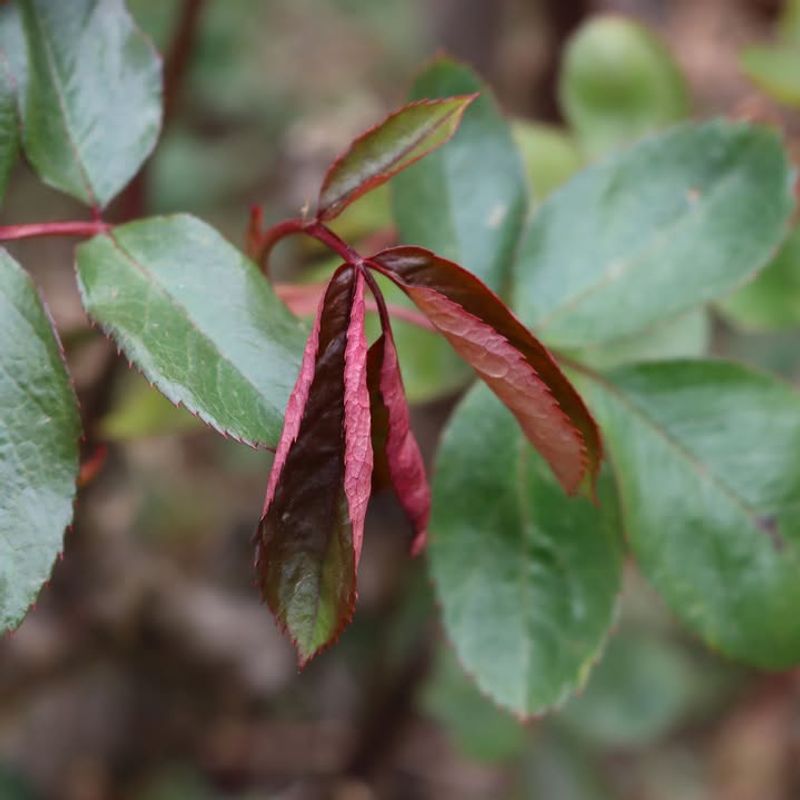
Your tropical plants respond to cold in ways that reflect their evolutionary history in warm climates. Unlike native Florida plants that can tolerate occasional freezes, tropicals lack the biological mechanisms to protect themselves when temperatures drop.
Their cells contain high water content and thin cell walls that make them vulnerable to ice crystal formation. When cold air surrounds these plants, their metabolism slows dramatically, and they enter a state of shock rather than dormancy.
Different tropical species show varying levels of cold tolerance based on their original habitat. Plants from high-elevation tropical regions like some ferns and begonias handle brief cold better than lowland rainforest species.
Bromeliads native to cloud forests might tolerate temperatures in the low forties, while many heliconia species begin showing stress when temperatures fall into the mid-to-low forties. Your ginger plants might lose all their foliage but survive from underground rhizomes, while philodendrons experience leaf burn but keep their stems intact.
The reaction timeline varies by plant type and temperature exposure. Some damage appears within hours as leaves blacken and collapse, while other effects take days to become visible.
Bird of paradise leaves might look fine initially but develop brown streaks and tears over the following week. Container plants cool faster than in-ground specimens, so your potted palms show symptoms before landscape palms do.
5. The Toughest Tropical Plants That Survive
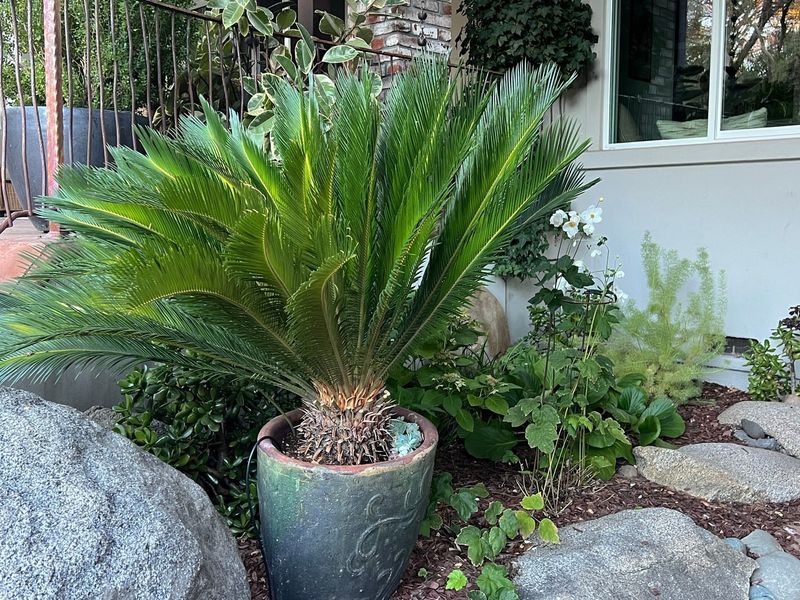
Some tropical plants surprise Florida gardeners with their ability to bounce back from cold nights that damage their more sensitive neighbors. Sago palms, despite their tropical appearance, tolerate brief freezes remarkably well and usually survive nights in the upper twenties, though leaf burn may still occur.
Coontie palms, which are actually native to Florida, handle cold beautifully and keep their glossy green fronds even when frost coats everything around them.
Certain gingers prove tougher than their lush foliage suggests. Shell ginger and hidden lily ginger might lose their leaves to frost, but their underground rhizomes survive and send up fresh growth when warm weather returns.
Aspidistra, often called cast iron plant, lives up to its name by tolerating cold that would devastate impatiens or caladiums.
Liriope and mondo grass maintain their appearance through most Florida cold snaps, making them reliable choices for tropical-looking landscapes in northern counties.
Some palms show surprising cold hardiness that makes them practical for Central and North Florida gardens. Windmill palms tolerate temperatures in the teens without serious damage, while pindo palms and needle palms survive even colder conditions.
Bamboo species vary widely, but many clumping types handle brief freezes better than running types. Understanding which tropicals can take the cold helps you build a resilient garden that looks lush year-round without constant worry during winter months.
6. How To Rescue Your Plants After A Freeze
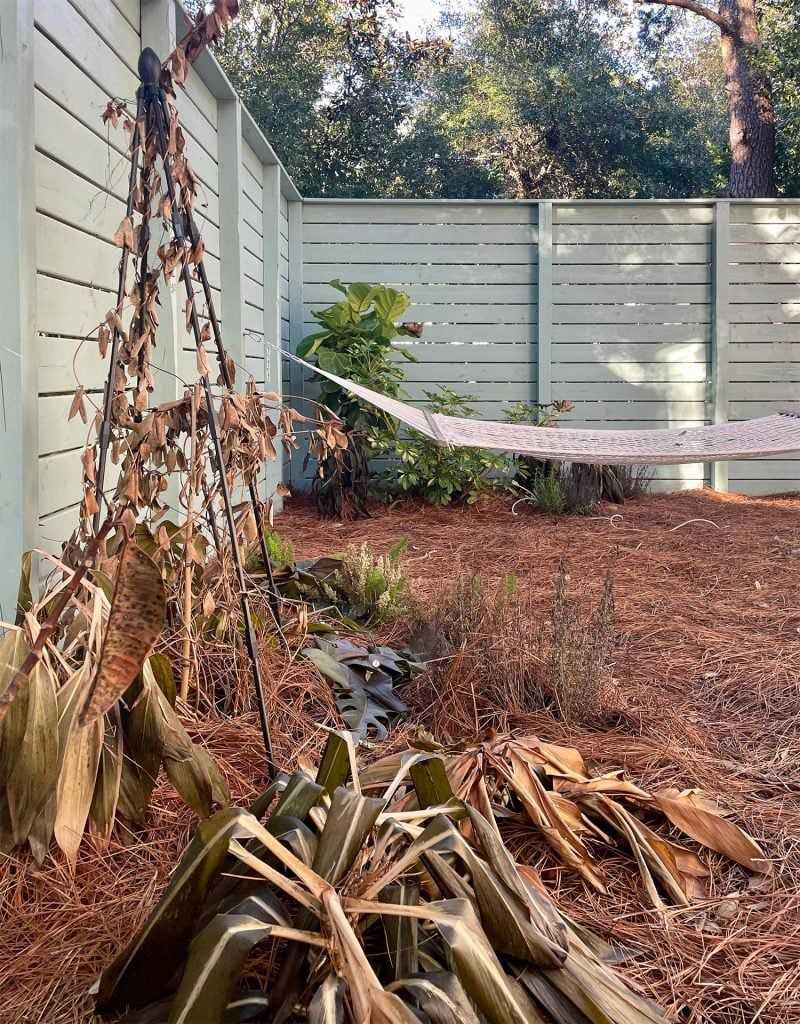
Resist the urge to grab pruning shears the morning after a cold night, even when damaged foliage looks terrible. Those brown leaves and blackened stems still provide some protection for the healthier tissue underneath, and removing them too soon exposes vulnerable parts to additional cold if another freeze arrives.
Wait until all danger of frost has passed and new growth begins emerging before you assess what needs cutting back.
Water your plants once soil begins to dry and temperatures rise consistently, making sure soil moisture is adequate without becoming waterlogged. Cold-stressed plants need moisture to help damaged cells recover and support new growth that will replace injured foliage.
Check soil moisture first though, because overwatering cold-damaged plants can cause root rot problems. Container plants especially need this careful balance since their roots have limited space and drainage matters even more after cold stress.
Apply a light layer of mulch around plant bases to insulate roots and help soil retain warmth as temperatures fluctuate.
Avoid fertilizing immediately after a freeze because damaged plants cannot process nutrients effectively, and pushing new growth too soon weakens them further.
Wait until you see active new leaves emerging before offering any fertilizer. Most tropical plants show recovery signs within two to four weeks if temperatures stay mild.
North Florida gardeners often practice patience until March before making final decisions about which plants survived and which need replacing.
7. Tips To Protect Your Garden Before Cold Hits
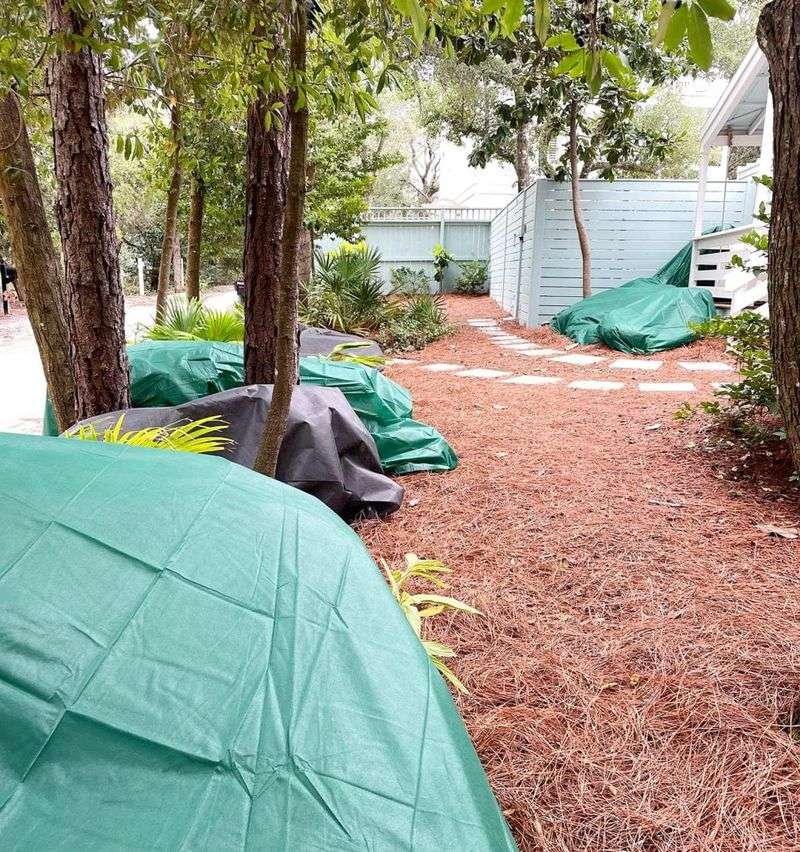
Checking weather forecasts becomes essential during Florida winter months when cold fronts can arrive with little warning. When temperatures are predicted to drop into the thirties or below, start preparing your garden in the afternoon before sunset.
Move container plants closer to your house where radiant heat from walls can provide a few degrees of added protection. Grouping pots together also helps because plants insulate each other and create a slightly warmer microclimate.
Cover sensitive plants with old sheets, blankets, or frost cloth before temperatures drop, making sure the covering reaches the ground to trap warm air rising from soil. Avoid using plastic directly on foliage because it conducts cold and can cause more damage where it touches leaves.
Support covers with stakes or tomato cages so fabric does not rest on plant surfaces. Remove coverings once morning temperatures rise above forty degrees to prevent plants from overheating under the fabric.
Water your landscape thoroughly the day before a predicted freeze because moist soil holds and releases more heat than dry soil. This simple step can raise the temperature around plant roots by one to three degrees during the coldest hours.
String outdoor-rated incandescent Christmas lights through shrubs and under plant covers for additional warmth, keeping bulbs from touching fabric or leaves to prevent fire risk, since only incandescent bulbs generate meaningful heat.
Central Florida gardeners find these techniques sufficient for most cold nights, while North Florida residents might need more aggressive protection strategies.
8. Can Your Tropical Plants Bounce Back
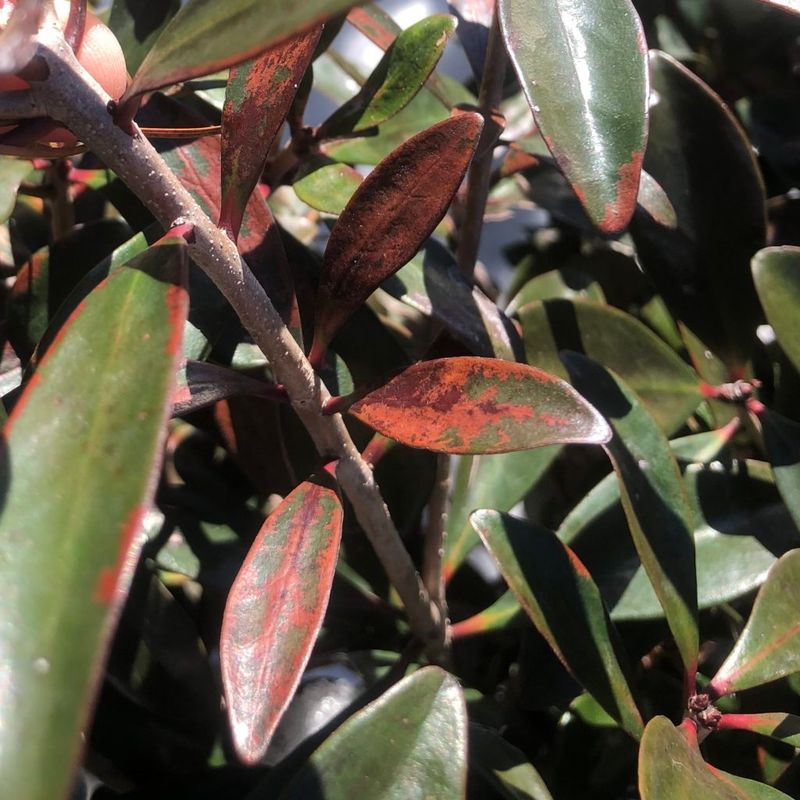
Most tropical plants possess remarkable recovery abilities if their roots and main stems survive the cold. Even when all visible foliage turns brown and looks beyond saving, many species can regenerate from undamaged tissue once warm weather returns.
Gingers, cannas, and elephant ears often lose everything above ground but send up fresh shoots from their rhizomes within weeks. Hibiscus and croton might look terrible after a freeze but frequently push out new leaves from stems that appear lifeless.
Recovery time depends on several factors including how cold it got, how long temperatures stayed low, and how healthy your plants were before the freeze. Well-established plants with extensive root systems bounce back faster than recently planted specimens.
Young plants often struggle more because they lack the energy reserves that mature plants store in their roots and stems. Providing consistent moisture, protection from harsh sun, and patience gives your tropicals the best chance at full recovery.
Some damage proves too severe for recovery, especially during hard freezes when temperatures drop into the low twenties or teens. When stems feel mushy and collapse easily, or when bark splits and peels away from trunks, those plants likely will not survive.
Wait until late spring before giving up completely though, because tropical plants sometimes surprise you by sprouting from the base even when everything above ground seems beyond hope.
South Florida gardeners usually see recovery within a month, while North Florida residents might wait until April or May to know which plants made it through winter.