What It Actually Means When Rabbits Stop Visiting A North Carolina Garden Bed
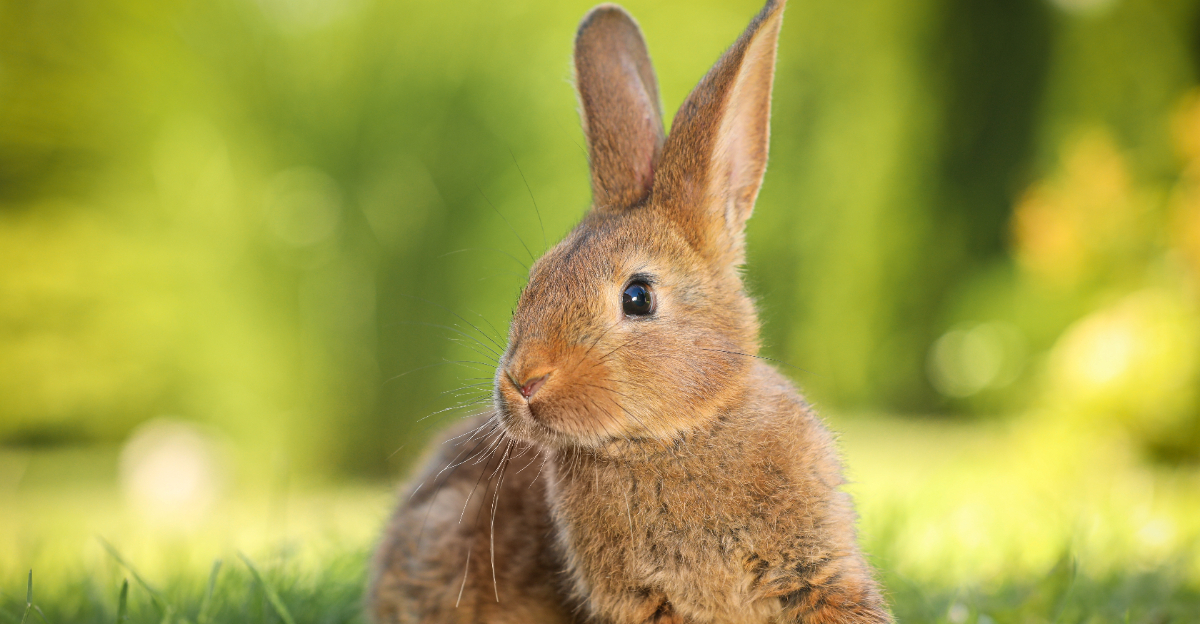
One morning, your garden is just quieter. No movement near the lettuce. No small shapes disappearing under the fence.
The cottontails that showed up like clockwork are simply not there anymore. You did not change much. You did not do anything dramatic.
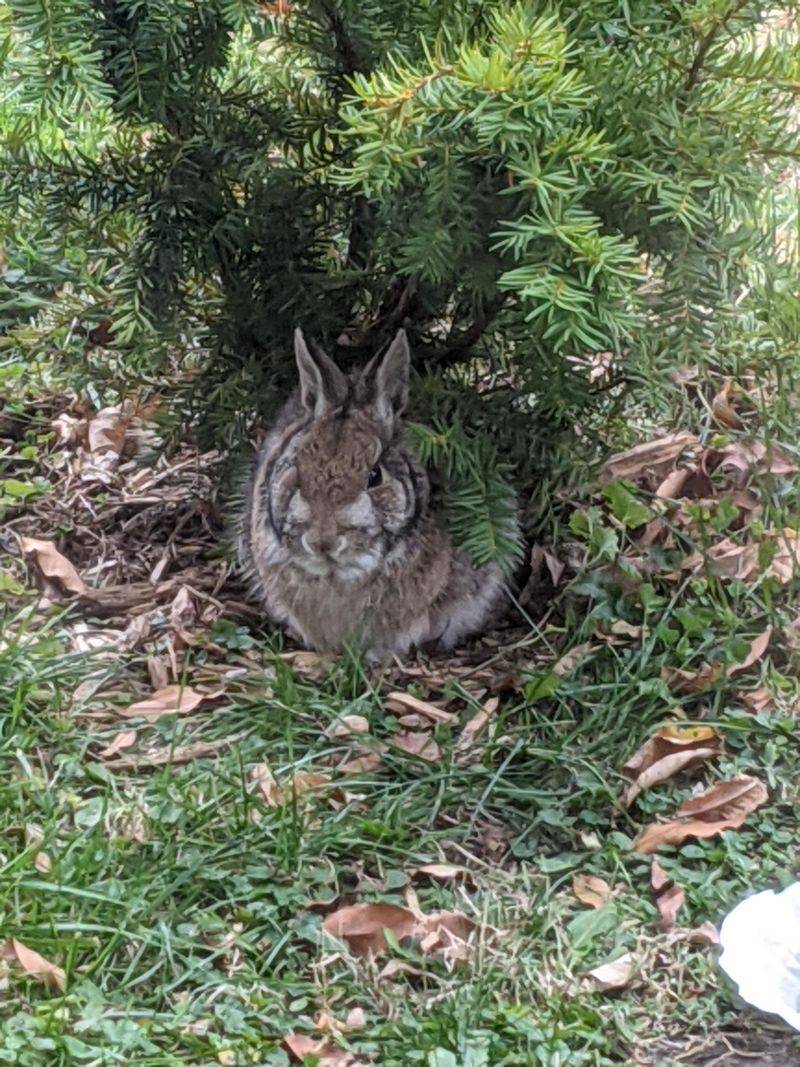
But something shifted, and now the yard feels different. Eastern cottontails are one of the most common backyard wildlife species across North Carolina, and they do not vanish without a reason.
Their patterns are driven by food, safety, scent, and season, and when any one of those changes, the rabbits change with it.
So what actually happened? The answer might surprise you. It could be something you did on purpose, something a neighbor did, or something happening in the soil and plant life you have not noticed yet.
There are eight honest explanations for why your cottontail visitors moved on, and at least one of them is probably unfolding in your yard right now.
1. Tender Growth Has Disappeared
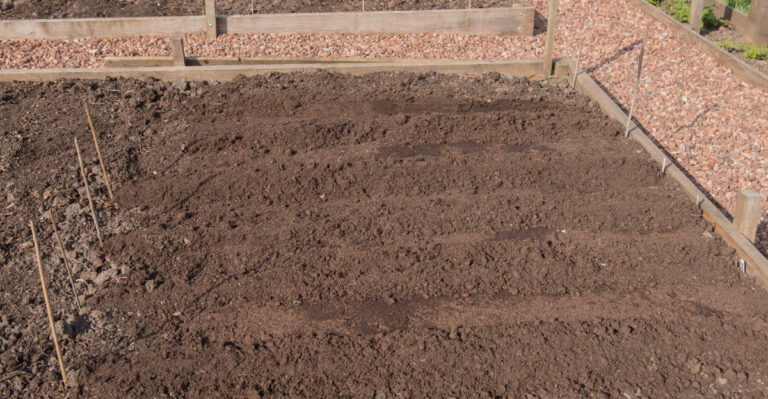
Bare soil and dried stems tell a story rabbits understand better than most gardeners do.
Eastern cottontails across North Carolina are opportunistic feeders, and they visit garden beds primarily for one thing: soft, young plant material that is easy to chew and digest.
Once that tender growth is gone, so are the rabbits.
During spring in North Carolina, gardens burst with young clover, new grass blades, and fresh vegetable seedlings.
Cottontails move in quickly because the food is easy and abundant. As summer progresses and plants mature, those same stems become tough, woody, and far less appealing.
A rabbit’s digestive system is built for soft, high-moisture vegetation, not thick stalks or dried seed heads.
Eastern cottontails prefer forbs, grasses, and garden vegetables during their tender stages. Once plants bolt or go to seed, rabbits stop finding value in that location.
They do not leave out of fear or frustration. They leave because the food reward no longer matches the energy cost of the trip.
Gardeners who notice this pattern can actually use it to their advantage. Let certain plants mature past their tender stage, and rabbits lose interest naturally.
Plant a small patch of clover or young greens in a low-traffic corner, and watch how quickly cottontails return once fresh, soft growth appears.
The garden is essentially a seasonal menu, and rabbits read it fluently. The real question is whether you have been accidentally setting the table for them without realizing it.
2. Predators Are Moving Nearby
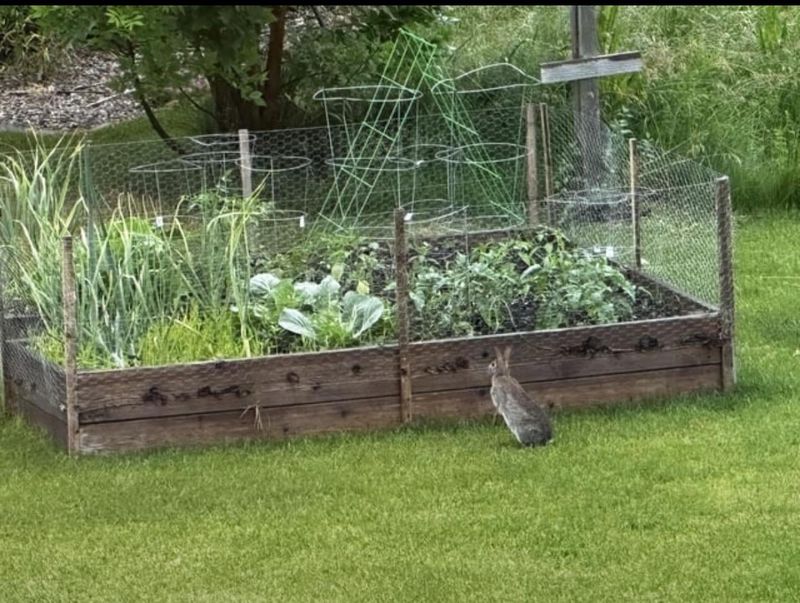
A single hawk shadow crossing a garden bed can change rabbit behavior for days.
Cottontails are prey animals, and their survival depends on reading danger signals quickly and accurately. When predator activity increases near a garden, rabbits do not wait around to confirm the threat. They simply stop coming.
North Carolina supports a wide range of rabbit predators. Red-tailed hawks, Cooper’s hawks, and barred owls hunt from above.
Red foxes, coyotes, and domestic cats patrol at ground level. Even the scent of a predator left behind on a fence post or garden edge can signal danger long after the animal has moved on.
Your North Carolina Garden Changes Every Week. Your Plan Should Too.
Gardening in North Carolina changes quickly throughout the season. Every Friday you’ll receive a simple weekly plan showing exactly what to plant, prune, fertilize, harvest, and protect so you never miss the right timing.
Cottontail populations naturally adjust their movement patterns in response to local predator pressure.
You might notice other clues alongside the rabbit absence. Feathers near the garden edge, tracks in soft soil, or nearby animals acting restless can all point to increased predator activity in the area.
A neighbor who recently got an outdoor cat or a new dog allowed to roam can shift rabbit patterns just as effectively as a wild predator.
Rabbits are not being dramatic when they vanish after a predator shows up. Their instinct is finely tuned, and staying in a high-risk zone is not a calculated gamble they are willing to take.
If predator activity settles down over a few weeks, cottontails often return to familiar feeding areas. Patience and observation usually reveal the full picture.
No dramatic intervention required, just a little time and a good pair of eyes.
3. Cover Has Been Removed
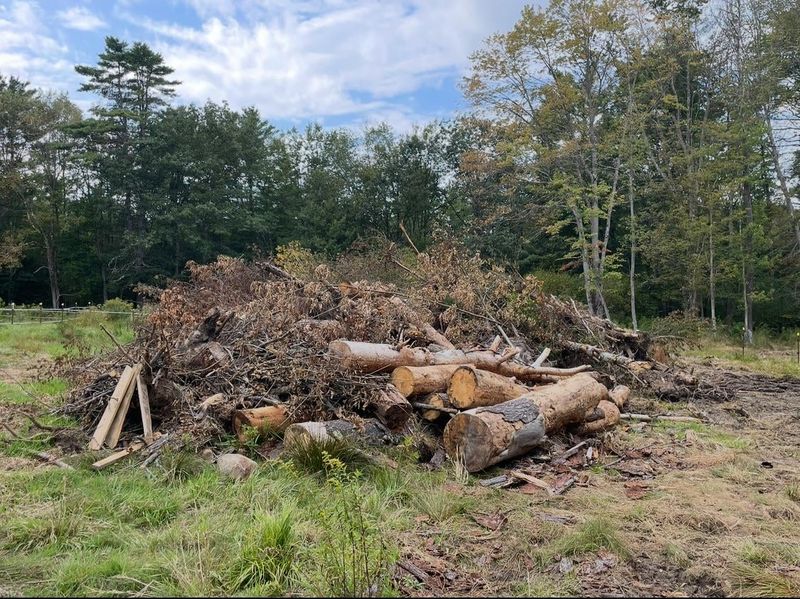
Cottontails do not eat in the open if they can help it.
Every trip to a garden bed is a calculated risk, and rabbits only take that risk when they can retreat quickly to nearby cover.
Remove the brush pile, mow the tall grass along the fence line, or clear the dense shrubs at the yard’s edge, and you may have quietly closed the door on rabbit visits without realizing it.
Eastern cottontails in North Carolina rely heavily on what wildlife biologists call edge habitat.
That is the transition zone between open areas and dense cover, such as a brushy fence line next to a lawn or a weedy corner beside a vegetable bed.
Cottontails rarely venture far from protective cover because their escape strategy depends entirely on reaching dense vegetation fast.
Seasonal yard cleanup, landscaping projects, and even a neighbor’s land clearing can reduce the cover rabbits depend on.
A tidy yard that looks great to a homeowner can look completely uninhabitable to a cottontail. Without a safe retreat within a few hops, the feeding area simply is not worth the risk.
Gardeners who want to support local wildlife while managing their space can leave a small brush pile or a strip of unmowed grass near the garden perimeter.
A low native shrub hedge or a cluster of ornamental grasses serves the same purpose without looking neglected.
Cover is the hidden variable that controls rabbit presence more than almost any other factor in a North Carolina backyard. Turns out, a messy corner might be doing more work than you thought.
4. Fencing Finally Blocks Access
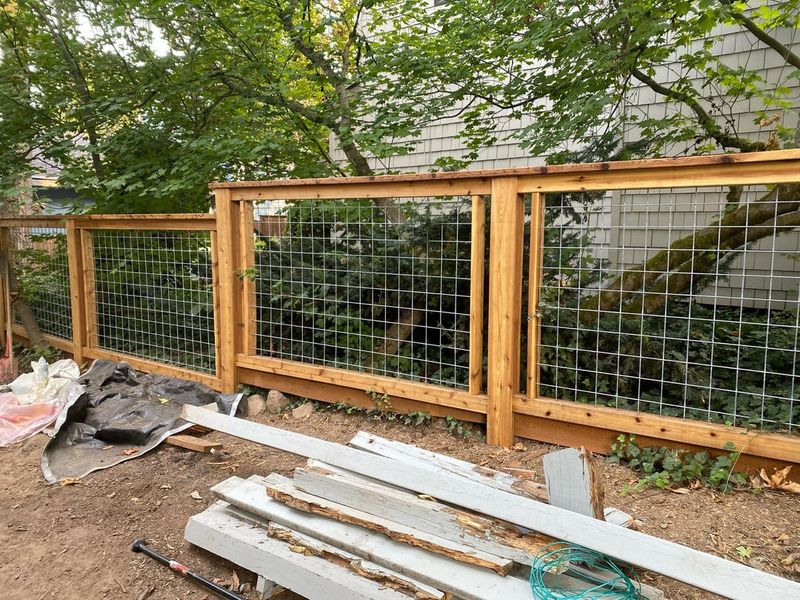
Sometimes the simplest explanation is the right one.
If you recently installed a fence around your garden bed and the rabbits stopped showing up, the barrier is doing exactly what it was designed to do.
No mystery, no drama, just good hardware cloth doing its job.
Eastern cottontails can squeeze through surprisingly small gaps, so the type of fencing matters a great deal.
Hardware cloth or chicken wire with openings no larger than one inch is the standard recommendation for effective rabbit exclusion.
The fence should stand at least two feet tall, since cottontails rarely jump higher than that in a casual feeding situation.
Equally important is burying the bottom edge at least three to four inches underground, or bending it outward along the soil surface, to prevent digging underneath.
Many gardeners install a fence and then forget it was ever a concern, which is actually the best possible outcome.
Rabbits do not spend time problem-solving their way through a well-built barrier. They redirect to easier food sources nearby and establish new feeding patterns within a few days.
One thing worth checking periodically is whether the fence has developed gaps from frost heaving, settling soil, or small animal activity.
A determined cottontail will find a weak point if one exists. Walk the perimeter of your garden fence a few times each season, especially after a harsh winter or heavy rain.
A small repair in spring can save an entire season of vegetable growing. Fence maintenance is not glamorous, but neither is finding half your lettuce gone on a Tuesday morning.
5. Repellents Changed The Scent Trail
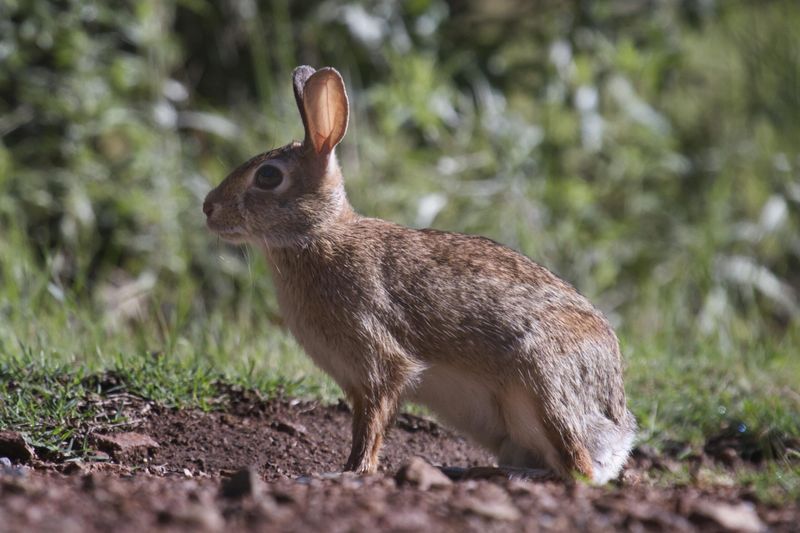
Scent is one of the most powerful tools in a rabbit’s survival kit. Cottontails use smell to find food, detect predators, and navigate familiar routes through a yard.
When a strong or unfamiliar scent suddenly saturates a garden bed, that familiar trail is broken. The area no longer smells like a safe feeding zone, and rabbits respond by avoiding it entirely.
Commercial rabbit repellents commonly used in North Carolina gardens rely on ingredients like dried blood, predator urine, garlic oil, or capsaicin.
These products work by triggering the rabbit’s instinct to associate the area with danger or unpleasant taste. Applying them consistently around the perimeter of a garden bed rather than directly on plant leaves tends to produce better results.
Rain, irrigation, and plant growth dilute repellents over time, which is why many gardeners notice rabbits returning a week or two after the initial application.
Reapplying every seven to ten days, or after significant rainfall, keeps the scent barrier strong enough to maintain the deterrent effect throughout the growing season.
One underappreciated repellent is human scent itself. Placing hair clippings, worn work gloves, or even sweaty garden clothes near the garden edge can signal human presence to nearby cottontails.
It sounds odd, but human scent registers as a genuine threat signal to prey animals.
Consistency is what separates a repellent that works from one that just buys you a few quiet days before the cottontails return for round two.
6. Food Is Easier Somewhere Else
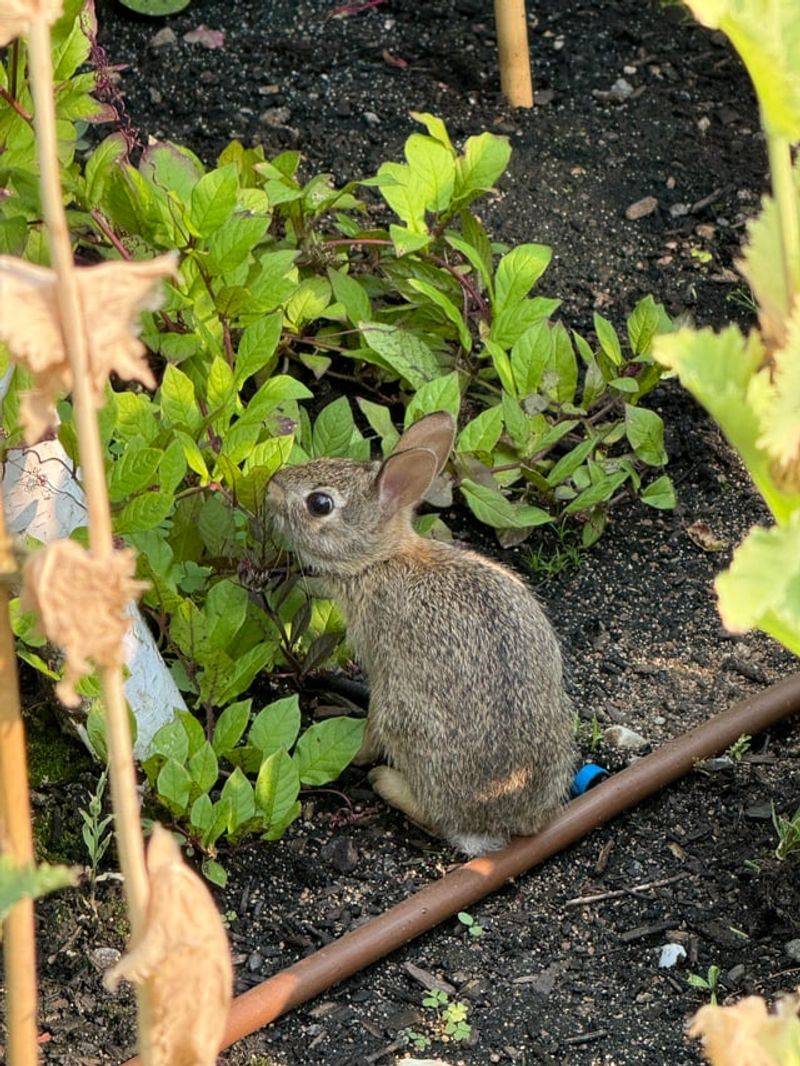
Rabbits are efficient animals.
They do not choose feeding spots based on loyalty or habit. They go where the food is easiest to reach, safest to eat, and most nutritious at that moment.
If something nearby suddenly offers a better deal than your garden bed, cottontails will take it without a second thought.
Clover is one of the top attractants for eastern cottontails across North Carolina.
A neighbor who stops mowing regularly, a lawn that develops thick clover patches after spring rain, or a weedy field at the edge of a subdivision can pull rabbits away from garden beds almost overnight.
Dandelions, plantain, and chickweed are also highly preferred. These common lawn weeds are soft, moist, and grow in open areas that rabbits already feel comfortable visiting.
Seasonal garden changes also play a role. A vegetable garden in full production during June offers a very different menu than the same bed in August when crops have been harvested and the soil sits bare.
Rabbits track these changes and shift accordingly, following the path of least resistance to the best available food.
Understanding this behavior can actually help gardeners manage rabbit pressure strategically.
Planting a small sacrificial patch of clover or low-growing greens away from your main garden can redirect rabbit activity without requiring fences or repellents.
Habitat management, including providing alternative food sources at a distance, is one of the more effective and low-effort long-term strategies available. Basically, you can bribe them, and it works surprisingly well.
7. Human Activity Has Increased
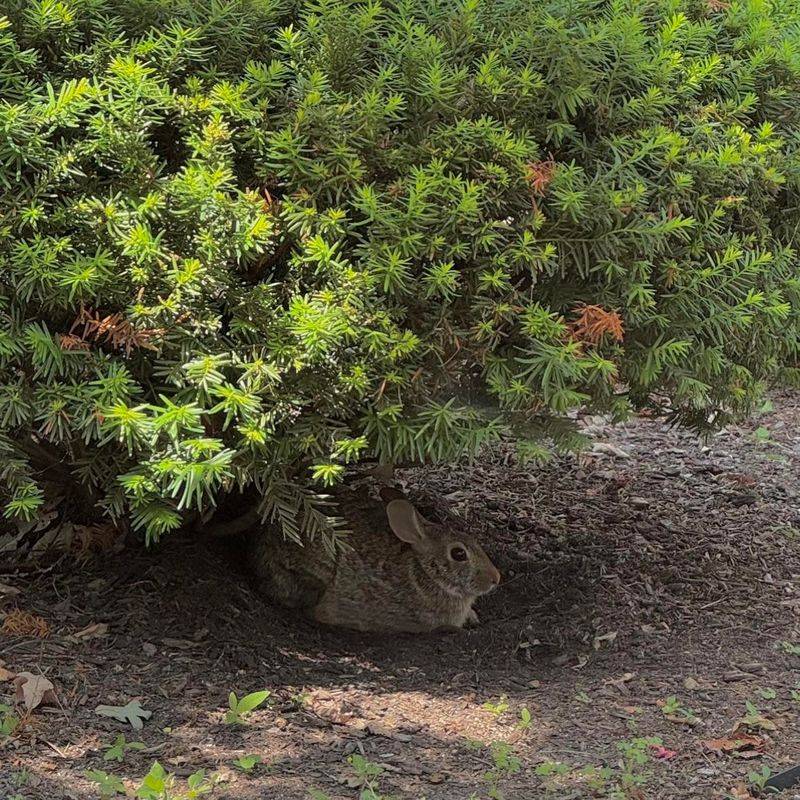
A garden that once sat quietly most of the day may have become a much busier place.
More foot traffic, a new dog, kids playing in the yard after school, or even an outdoor renovation project can shift the entire feel of a backyard from a safe wildlife corridor to an unpredictable, high-stress zone for a cottontail.
Eastern cottontails are not particularly bold animals. They tolerate some human presence, especially when they have grown accustomed to a predictable routine.
But sudden changes in activity level, unfamiliar sounds, or the introduction of pets can trigger a lasting behavioral shift. A dog that runs the fence line even once a day is enough to reroute a rabbit’s entire feeding pattern within that yard.
The timing of human activity matters too. Cottontails in North Carolina are most active during the low-light hours of dawn and dusk.
If people or pets are consistently outside during those windows, rabbits will find a quieter location to feed.
They are not scared away permanently in most cases, but they are flexible enough to redirect to a neighboring yard or green space where the risk level feels lower.
Gardeners who have started working from home, adopted a new pet, or begun a backyard project often notice wildlife patterns shifting in the weeks that follow.
This is completely normal and reflects the sensitivity that prey animals maintain toward their environment. If activity levels settle back into a quieter routine, cottontails frequently return within a few weeks.
Turns out even rabbits appreciate a little peace and quiet.