What It Means When A Bobcat Shows Up In Your Arizona Yard
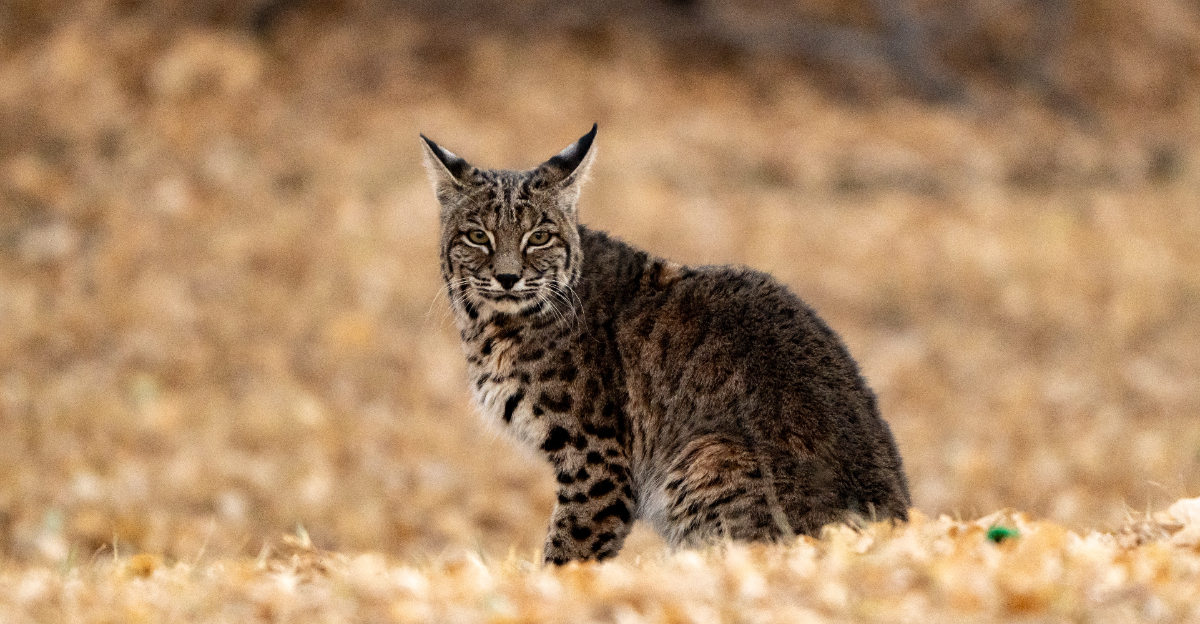
Don’t ignore a bobcat if you spot one in your yard. Your first reaction might be fear, but taking a closer look can tell you much more.
In Arizona, these quiet hunters sometimes pass through neighborhoods for simple reasons that have nothing to do with people. They may be following prey, looking for water, or using familiar travel routes.
That visit can also point to food, shelter, or easy cover nearby. A few common yard features may attract them without you realizing it.
Checking those areas now is much easier than dealing with repeat visits later.
Small changes can make your yard less inviting while helping wildlife stay wild. Paying attention to what brought the bobcat through your property gives you a better understanding of what needs to change first.
1. Food Is Usually The Main Reason They Stop By
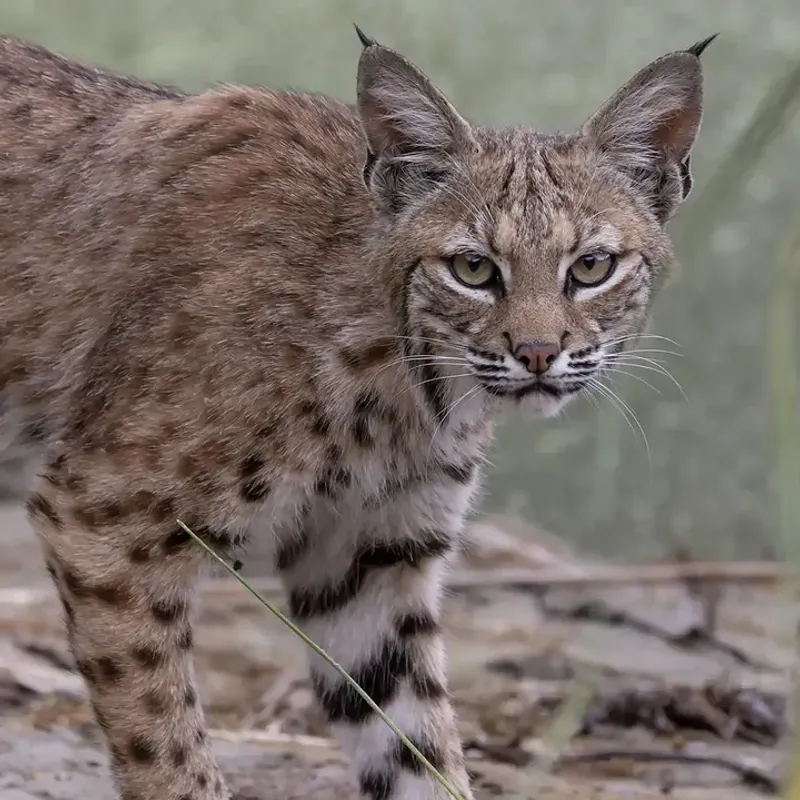
Hunger drives almost every wild animal into unfamiliar territory. Bobcats are skilled hunters, and your yard might be offering exactly what they are looking for without you even realizing it.
Bird feeders attract pigeons, doves, and quail in large numbers. Bobcats know this.
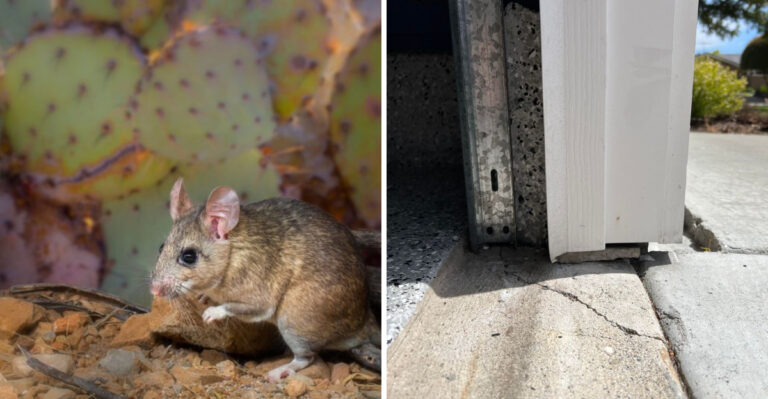
Rabbits love to graze on lawn grass and garden plants. Rodents hide under wood piles, sheds, and compost bins.
Each of these prey animals can turn your yard into a regular hunting spot for a bobcat passing through.
Cleaning up fallen birdseed helps reduce the smaller animals that attract bobcats. Moving bird feeders higher off the ground can also make a difference.
Sealing gaps under decks and sheds removes hiding spots for rodents.
Bobcats do not need much encouragement to return if a yard keeps delivering meals. Removing the food source is the most reliable step you can take.
It may take a few weeks, but reducing prey animals in your yard usually discourages repeat visits from bobcats over time.
Yard clutter is another factor worth checking. Stacked wood, old equipment, and dense shrubs can shelter mice and rats.
Keeping your yard tidy makes it less attractive to the small animals that draw bobcats in the first place.
2. Overgrown Areas Feel Safe To Explore
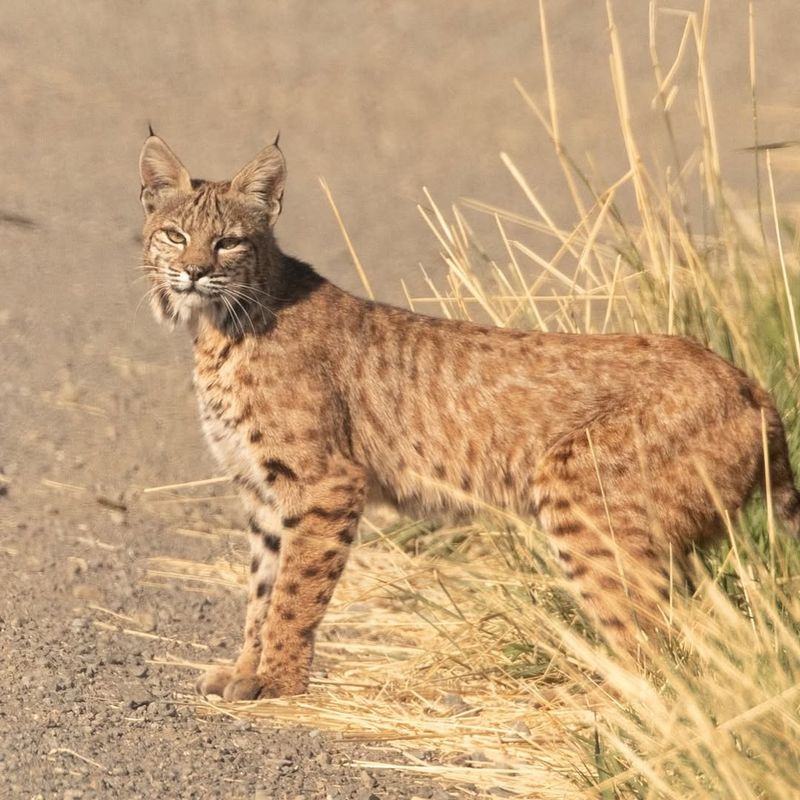
Bobcats are cautious by nature. Open spaces make them nervous, so thick vegetation feels like an invitation.
Yards with tall grass, dense shrubs, or piles of brush give a bobcat exactly the kind of cover it prefers. Native desert plants like prickly pear cactus, mesquite, and brittlebush can grow thick enough to create natural corridors.
A bobcat moving through a neighborhood will follow paths where it feels least exposed.
Overgrown areas along fences or walls are especially appealing. Bobcats often use fence lines as travel routes, slipping between yards without being seen.
If your yard has a dense corner or a neglected stretch of shrubs, that may be the entry and exit point they prefer.
Trimming back heavy vegetation reduces those hidden pathways. It does not mean removing all your plants, just keeping growth manageable enough that a large cat cannot move through undetected.
Low-hanging branches and ground-level brush are the main things to focus on.
Your Arizona Garden Changes Every Week. Your Plan Should Too.
Gardening in Arizona changes quickly throughout the season. Every Friday you’ll receive a simple weekly plan showing exactly what to plant, prune, fertilize, harvest, and protect so you never miss the right timing.
Motion-activated lights can also help. Bobcats prefer darkness and shadow.
Lighting up overgrown sections at night removes some of the comfort they rely on. Combining regular trimming with lighting gives you a reasonable way to reduce how often bobcats feel welcome cutting through your space.
3. Summer Heat Makes Water Hard To Ignore
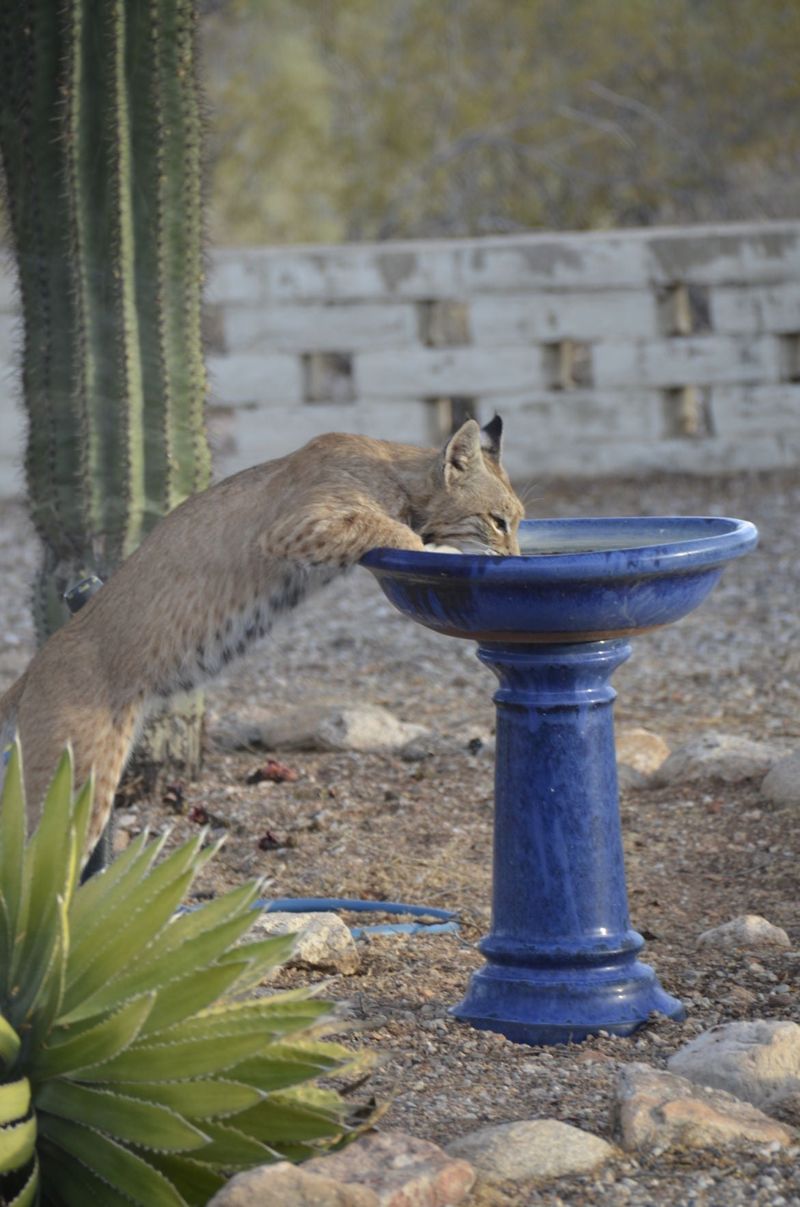
Arizona summers are brutal, even for animals built for desert life. Natural water sources dry up fast, and bobcats will travel farther than usual just to find a drink.
Birdbaths, fountain features, koi ponds, and even puddles left from irrigation can attract thirsty wildlife. Bobcats are opportunistic.
If water is sitting in your yard and nothing is scaring them off, they may stop by regularly during hot months. Peak visits often happen around dawn or dusk when temperatures are slightly cooler.
Emptying standing water during summer is one option, though it also affects birds and other harmless visitors.
A better middle ground might be placing water sources in areas where you can monitor them, rather than near dense cover where a bobcat can approach undetected.
Motion-activated sprinklers are a practical deterrent. A sudden burst of water startles most animals without harming them.
Bobcats learn quickly that a yard is uncomfortable, and they tend to redirect their route after a few unpleasant surprises.
If you have a pool, check the surrounding area in the morning. Paw prints near the steps or ledge are a sign a bobcat may have visited overnight.
Pools are not a common drinking spot, but it does happen in extreme heat when no other options are nearby.
4. Outdoor Pets Can Draw Their Attention
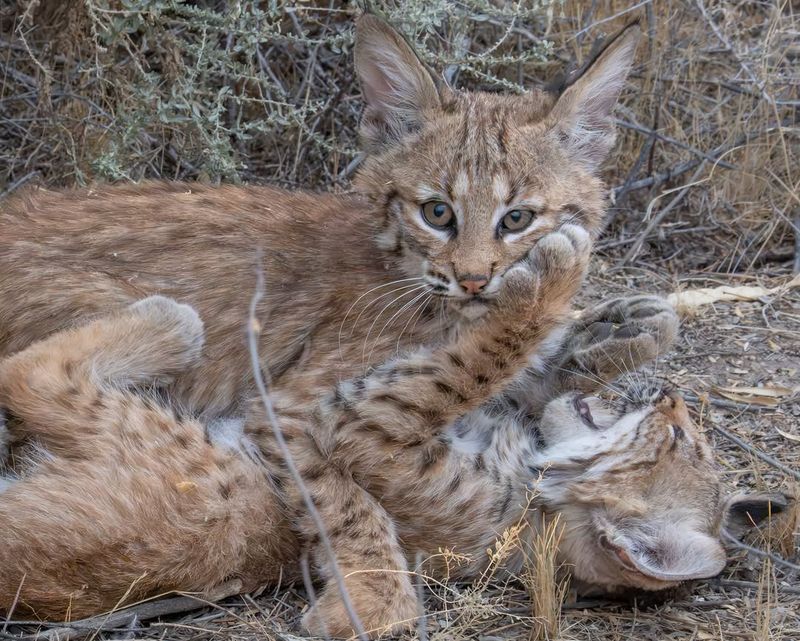
Small pets left outside unsupervised can catch a bobcat’s eye. Rabbits, guinea pigs, small dogs, and outdoor cats all fall within the size range that a bobcat might view as potential prey.
Bobcats are not bold animals by nature. Most of the time they prefer to avoid humans and stay hidden.
However, hunger changes behavior. A bobcat that has been unable to find enough food in the wild may become less cautious about approaching yards where small animals are visible and accessible.
Bringing small pets inside at dawn and dusk reduces risk significantly. Those are the hours when bobcats are most active and most likely to be moving through neighborhoods.
Leaving pets out overnight in areas near desert washes or open land carries a higher level of risk.
Secure outdoor enclosures can offer protection for rabbits and other small animals that live outside. Hardware cloth with small openings is more effective than standard chicken wire, which a determined animal can sometimes push through or tear.
Keeping food bowls inside is another overlooked step. Outdoor pet food attracts rodents, and rodents attract bobcats.
Even if your pet is not the direct target, the food chain effect can still bring a bobcat closer to your home than you would prefer. Supervision is the simplest and most effective protection available.
5. They Prefer To Stay Out Of Sight
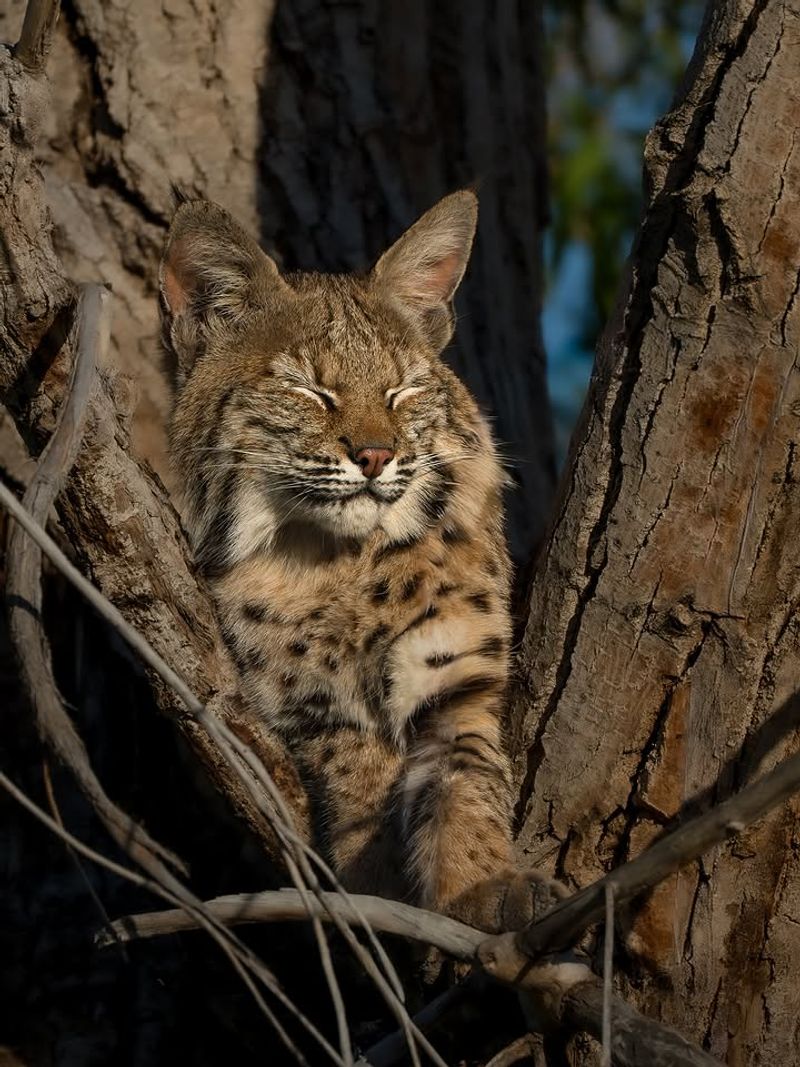
Most bobcat sightings are quick, almost like catching a glimpse of something that was never really there. Bobcats are remarkably good at moving without being noticed.
Spotting one in broad daylight is less common than seeing one at dawn, dusk, or after dark. Bobcats are crepuscular, meaning they are most active during those low-light windows.
If you see one during the middle of the day, it may simply be following prey that was active at that time, or it may have been disturbed from a resting spot nearby.
Behavior matters when you do spot one. A bobcat that freezes, watches you briefly, and then moves away is behaving normally.
One that appears disoriented, stumbles, or acts aggressive without provocation could be unwell, and that warrants a call to Arizona Game and Fish.
Never approach a bobcat, even one that seems calm. Giving it space and a clear exit route is the right move.
Loud noises or sudden movement usually encourage it to leave on its own.
Bobcats rarely linger in open yards for long. Their instinct pushes them toward cover.
If one is sitting still in your yard for an extended time, look around for what might be keeping it there, whether that is prey nearby, kittens hidden in a den, or something else worth reporting to local wildlife authorities.
6. One Sighting Doesn’t Mean They Live Nearby
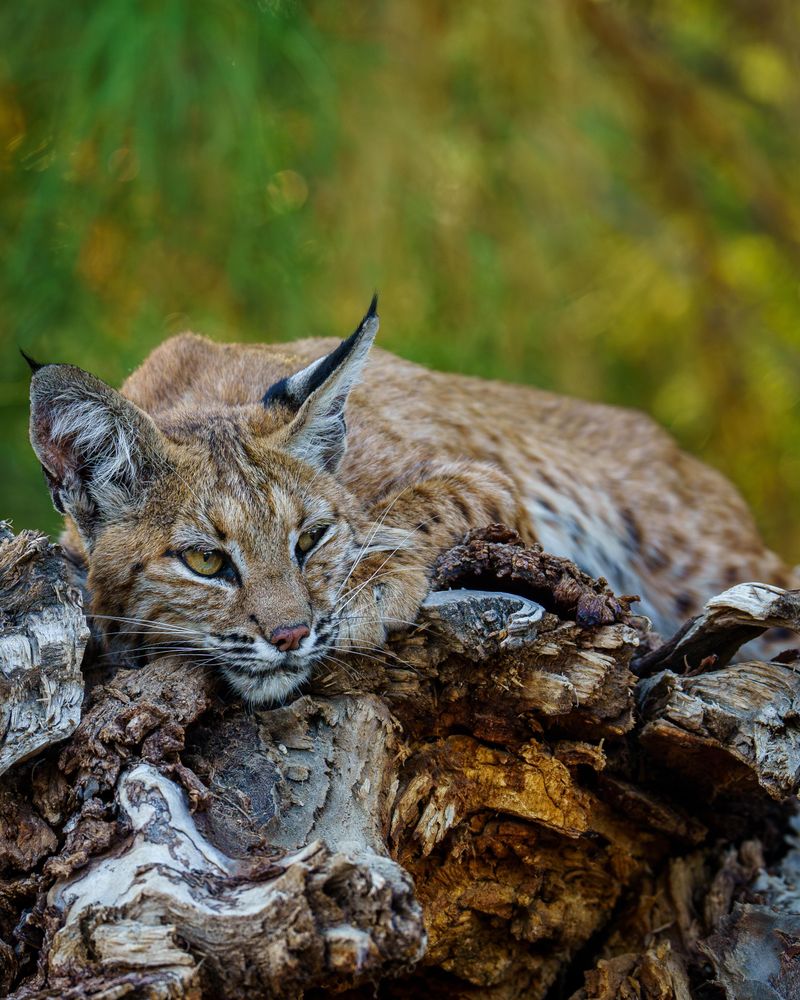
Seeing a bobcat once does not mean a family of them has set up a den under your porch. Bobcats have large home ranges and move through territory regularly.
A male bobcat’s range can stretch across many miles depending on prey availability and terrain. Females tend to have smaller ranges but still cover significant ground.
Your yard may simply fall along a travel corridor that a bobcat uses to move between hunting areas, water sources, and resting spots.
Single sightings are fairly common in neighborhoods bordering desert land. Bobcats pass through, find nothing worth staying for, and keep moving.
Repeated sightings over several days, especially at similar times, suggest the animal may be returning because something in your yard keeps drawing it back.
Tracking your sightings with notes or a trail camera can help you figure out the pattern. Knowing what time a bobcat visits and which direction it comes from helps you identify what might be attracting it.
That information is also useful if you decide to contact wildlife officials.
Bobcats are territorial with other bobcats but not particularly attached to human spaces. Remove the attractants and the visits tend to become less frequent on their own.
Patience matters here. Behavioral changes in wildlife take time and do not happen on a fixed schedule.
7. Most Bobcats Leave Without Causing Problems
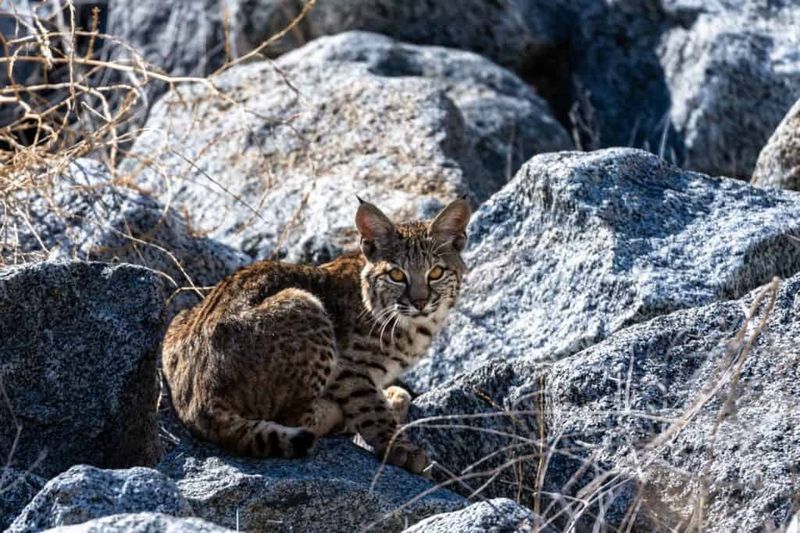
Bobcats have a reputation that outpaces their actual behavior around humans. Most encounters end with the animal walking away quietly and leaving no trace behind.
Healthy bobcats are not interested in confrontation. Humans are too large to be considered prey, and most bobcats recognize the threat humans represent.
A bobcat that wanders into your yard is almost certainly looking for food or water, not trouble.
Property damage from bobcats is rare. Knocked-over items, dug-up soil, or chewed plants are far more likely to come from javelinas, coyotes, or rabbits.
Bobcats move through cleanly and tend not to disturb much in a typical yard visit.
Coexisting with bobcats is realistic for most Arizona homeowners. Securing small pets, managing attractants, and keeping vegetation trimmed are the main steps that make a meaningful difference.
Beyond that, bobcats generally regulate their own presence based on food and safety.
Wildlife cameras are a great way to learn more without interfering. Watching footage of a bobcat moving through your yard at 4 a.m. is actually a fascinating experience for many homeowners.
Understanding their routine makes it easier to respect their space while protecting your own.
Bobcats are a natural part of the desert ecosystem. Seeing one, even briefly, is a reminder that wild Arizona is closer than most people think.