The One Thing North Carolina Native Grasses Need In August Or They’ll Flop Before Fall Color Peaks
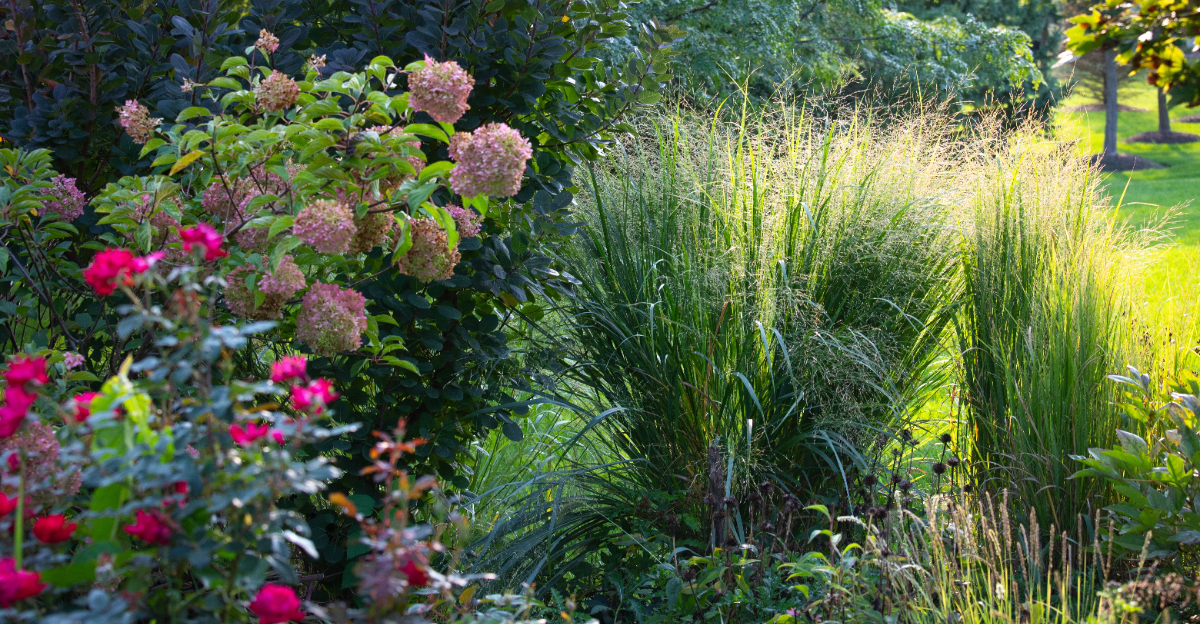
Native grasses earn their place in North Carolina gardens specifically because of what they do in fall.
That late-season payoff is the whole point of growing them through a summer that offers little visual reward in return for the space they occupy.
August is when the internal work determining fall performance actually happens inside the plant. One specific need during this month directly influences whether native grasses stand upright or flop into a tangled, disappointing mass.
Missing this window does not ruin the plants permanently. It just guarantees a fall display that falls significantly short of what the same grasses are capable of producing.
1. Full Sun Is The One Thing Native Grasses Need Most In August
Walk through any thriving North Carolina garden in August and you will notice something right away.
The native grasses that look the best, the ones standing tall and starting to glow with early fall color, are always growing where the sun hits them fully and freely.
Full sunlight around the entire clump is the single most important thing ornamental grasses need this time of year.
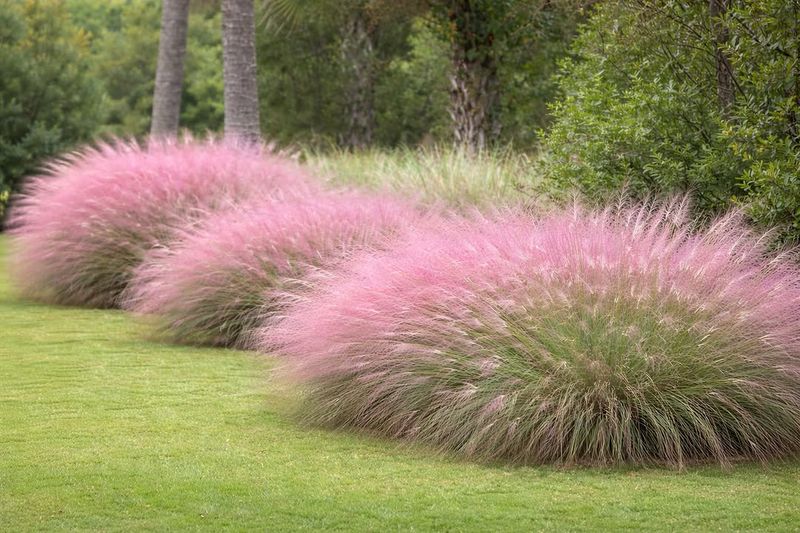
Switchgrass, Little Bluestem, and Pink Muhly Grass are all warm season grasses that evolved in open meadows and sunny roadsides across the Carolinas. They were never meant to grow under tree canopies or next to tall fences.
When they get six to eight hours of direct sun each day, their stems stay firm, their clumps hold a tight upright shape, and their fall color builds up the way nature intended.
Shade from nearby shrubs, fences, or overgrown perennials can quietly rob your grasses of the sunlight they need during the final push of summer growth.
Even a few hours of blocked light each morning can soften stems and loosen the clump before peak fall color arrives.
August is the month when the sun angle starts to shift, so any obstacle that was not a problem in June may suddenly become a real issue now. Take a walk around your grass clumps on a sunny afternoon and watch where shadows fall.
If anything is shading the base or the lower half of the clump, moving or trimming that obstacle before September can make a huge difference in how your grasses perform when fall color finally peaks.
2. Too Much Shade Makes Clumps Grow Loose
Most gardeners blame flopping on a bad plant or a tough summer, but shade is usually the real culprit hiding in plain sight.
When native grasses in North Carolina grow without enough direct sun, their stems reach and stretch toward whatever light they can find.
That stretching creates a loose, open clump that starts leaning before the best fall color ever gets a chance to show up. Some native grasses can handle a bit of partial shade without too much trouble.
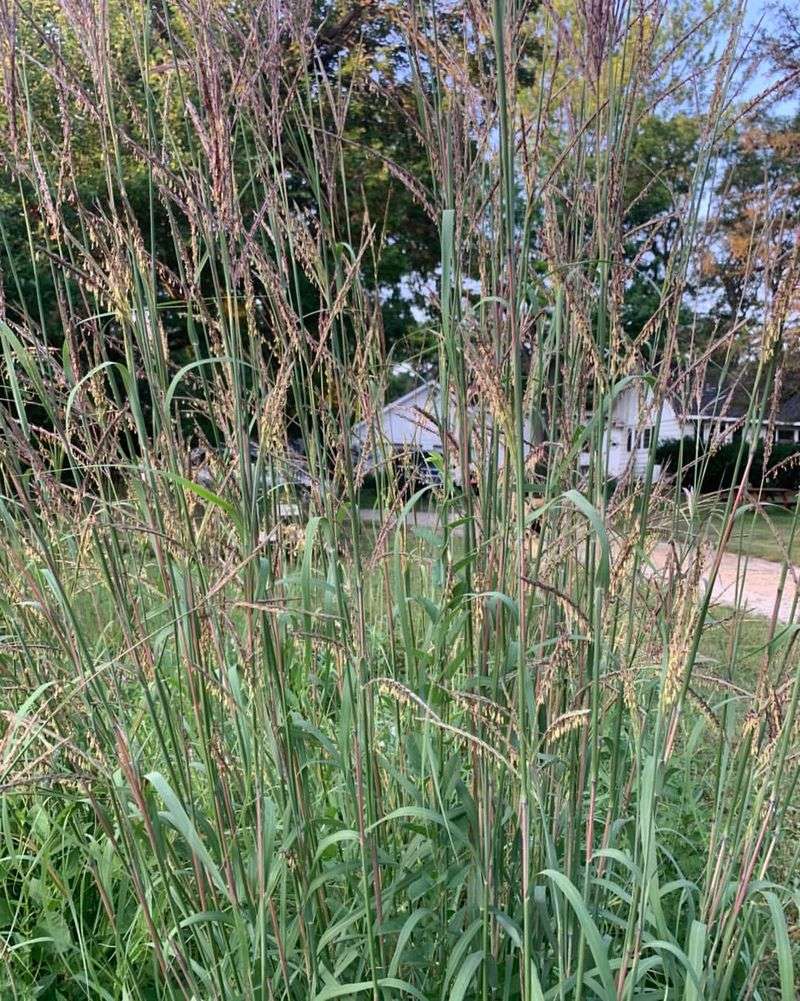
Grasses like Eastern Gamagrass can manage in light shade, but tall varieties such as Switchgrass and Big Bluestem really struggle when they are shaded for more than a few hours a day.
In shaded spots, these grasses put their energy into growing taller and thinner instead of building thick, sturdy stems that hold the clump upright through late summer storms and humidity.
Your North Carolina Garden Changes Every Week. Your Plan Should Too.
Gardening in North Carolina changes quickly throughout the season. Every Friday you’ll receive a simple weekly plan showing exactly what to plant, prune, fertilize, harvest, and protect so you never miss the right timing.
The problem gets worse as summer goes on. By August, a shaded clump that looked okay in June may be visibly leaning or opening up at the center. That open, floppy shape is hard to fix once it sets in.
The grass has already spent its growing energy, and no amount of staking or trimming will bring back the tight, full look that comes naturally from a well-lit planting spot.
Catching the shade problem early gives your grasses the best shot at a strong finish.
Trim back whatever is blocking the light now, and your grasses can spend the rest of August building the strong form they need for a stunning fall display.
3. Crowded Beds Steal The Light Grasses Need
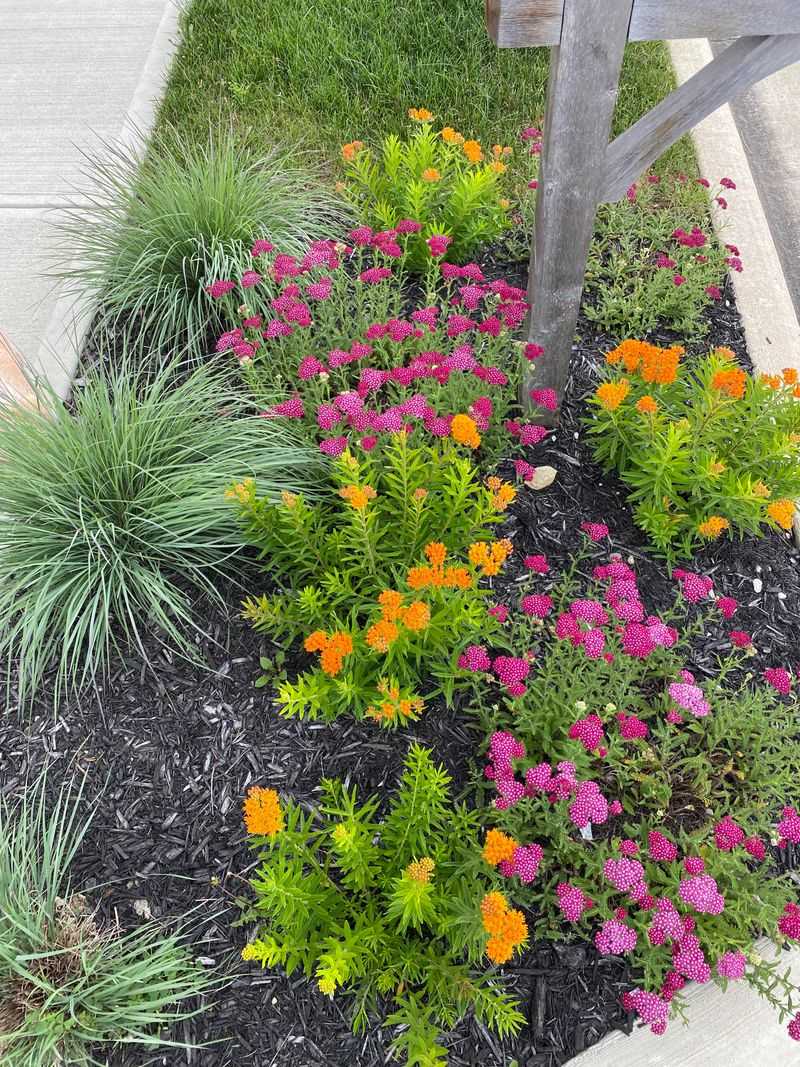
August is peak growing season in North Carolina, and that means everything in your garden is competing hard for space, water, and sunlight.
Perennials that were tidy in May are now sprawling. Vines are creeping. Weeds have filled in every open patch of soil.
And right in the middle of all that chaos, your native grasses are quietly getting squeezed out of the sun they need to stay strong.
When nearby plants crowd in around a grass clump, the lower leaves and stems lose access to direct sunlight. Those lower stems are actually the foundation of the whole plant.
When they weaken from shade and poor airflow, the clump starts to lean or open at the base, and the whole plant loses the upright structure that makes native grasses so beautiful in the fall garden.
Coneflowers, Black-Eyed Susans, Joe Pye Weed, and other tall summer perennials are great companions for native grasses, but they need to be managed so they do not shade out the grasses by midsummer.
Trim back any perennial that is flopping onto or shading your grass clumps. Pull weeds from around the base of each clump so sunlight can reach all the way down to the soil level.
Giving grasses a clear zone of open space around them does more than just improve their looks.
It also improves airflow, which reduces the humidity and moisture that can soften stems and make clumps heavier than they should be. A little bed cleanup in August pays off in a big way when fall color finally arrives.
4. Do Not Feed Floppy Grasses In August
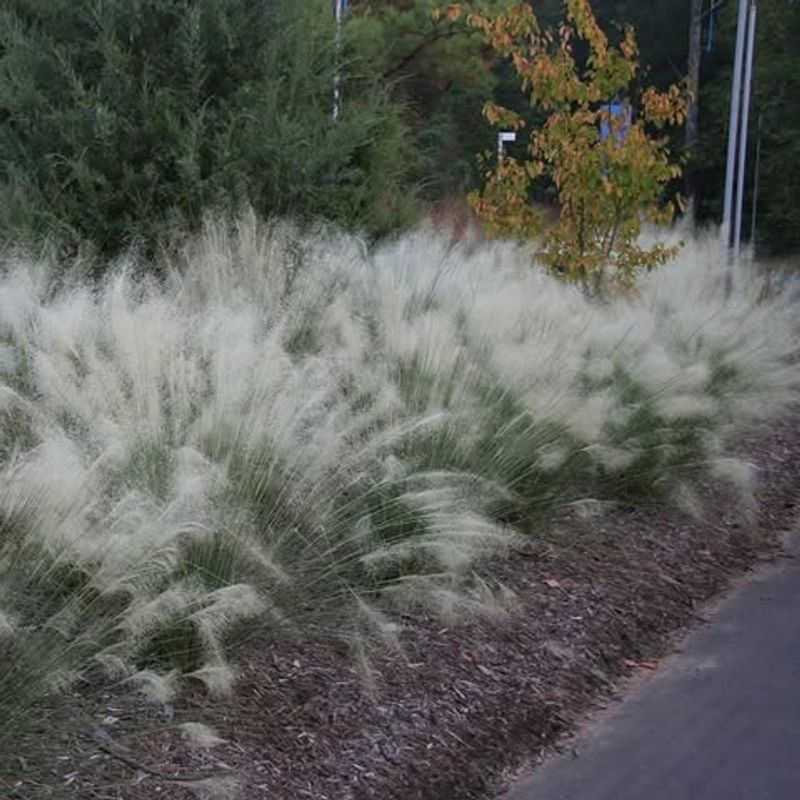
Seeing a grass clump start to flop can make any gardener want to fix it fast, and fertilizer often feels like the obvious answer. More nutrients, stronger plant, right? Not exactly.
For North Carolina native grasses in August, extra fertilizer is usually the last thing the plant needs and can actually make the problem worse.
Native ornamental grasses like Little Bluestem and Pink Muhly Grass evolved in the lean, often sandy or clay-heavy soils of the Carolinas. They are naturally adapted to low-fertility conditions.
When you feed them extra nitrogen in late summer, the plant responds by pushing out a flush of soft, fast, lush new growth. That new growth looks full at first, but it is weak.
Soft stems cannot hold up the weight of the clump, especially as seed heads and moisture from late summer rain and humidity add up.
A floppy grass that gets fertilized in August often ends up flopping even more dramatically by September.
The extra growth adds weight without adding strength, and the clump can split open or lean heavily to one side right before its peak fall display.
That is a frustrating outcome after a whole season of waiting for those gorgeous fall colors to show up. Skip the fertilizer this time of year.
If your soil is truly poor, a light application of a balanced, slow-release fertilizer in early spring is the right window.
August feeding disrupts the natural hardening process that warm season grasses need to prepare for cooler temperatures and their best fall color season.
5. Good Drainage Helps Grasses Stand Better
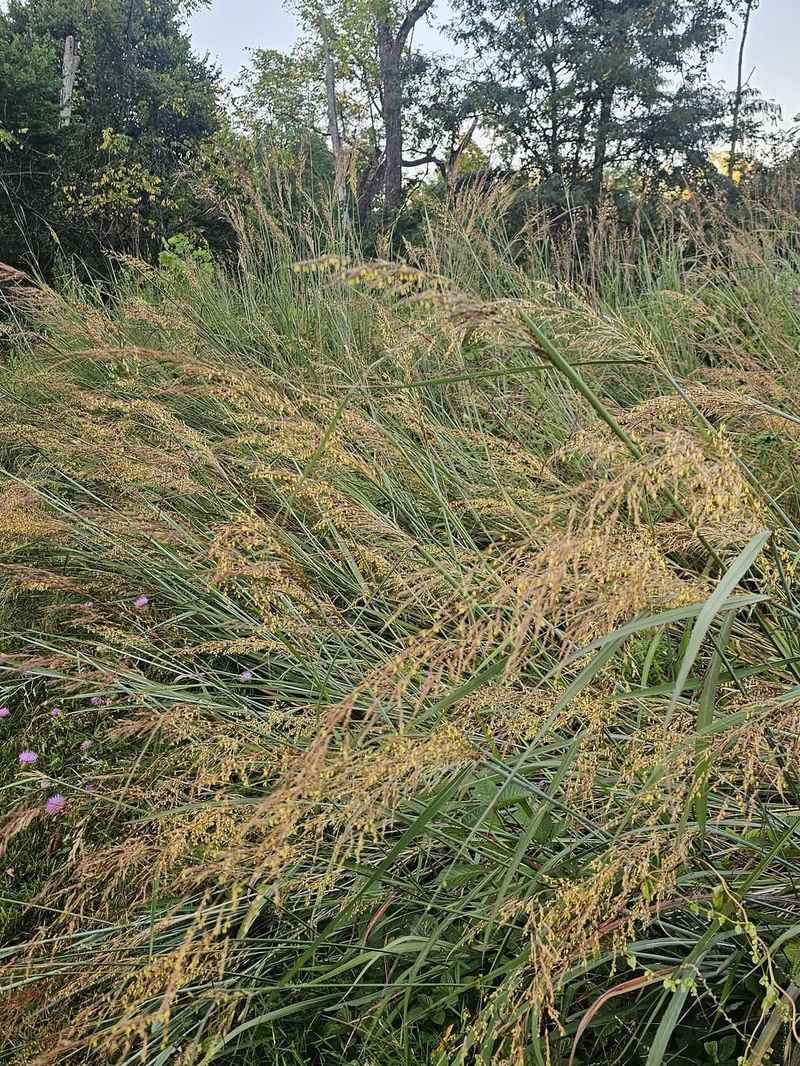
North Carolina summers bring heavy rainfall, thick humidity, and occasional tropical moisture from storms moving up the coast.
All of that water has to go somewhere, and if it collects around the roots of your native grasses, those plants are going to feel it.
Wet, waterlogged soil is one of the sneaky reasons grass clumps get heavy and start to lean or fall open before fall color peaks.
When soil stays too wet for too long, the root system cannot anchor the plant as firmly. The clump itself absorbs moisture and becomes heavier than usual.
Combined with the natural weight of late summer growth, tall seed heads, and the occasional heavy rain or wind, that extra water weight can push even a healthy-looking clump right over.
Poor drainage does not just hurt the roots, it undermines the whole structure of the plant from the ground up.
Most North Carolina native grasses, including Switchgrass, Little Bluestem, and Pink Muhly Grass, perform best in well-drained soil.
They are tough plants that handle drought reasonably well once established, but they genuinely struggle in consistently soggy spots.
If your grass clumps grow in a low area where water pools after rain, that location may be working against you more than any other factor.
Improving drainage around your grasses does not have to be complicated.
Raising the planting area slightly, adding compost to improve soil structure, or simply relocating problem plants to a better-drained spot can make a noticeable difference.
Strong roots in well-drained soil give grasses the stable foundation they need to stand up through everything August throws at them.
6. Give Each Clump Its Mature Space
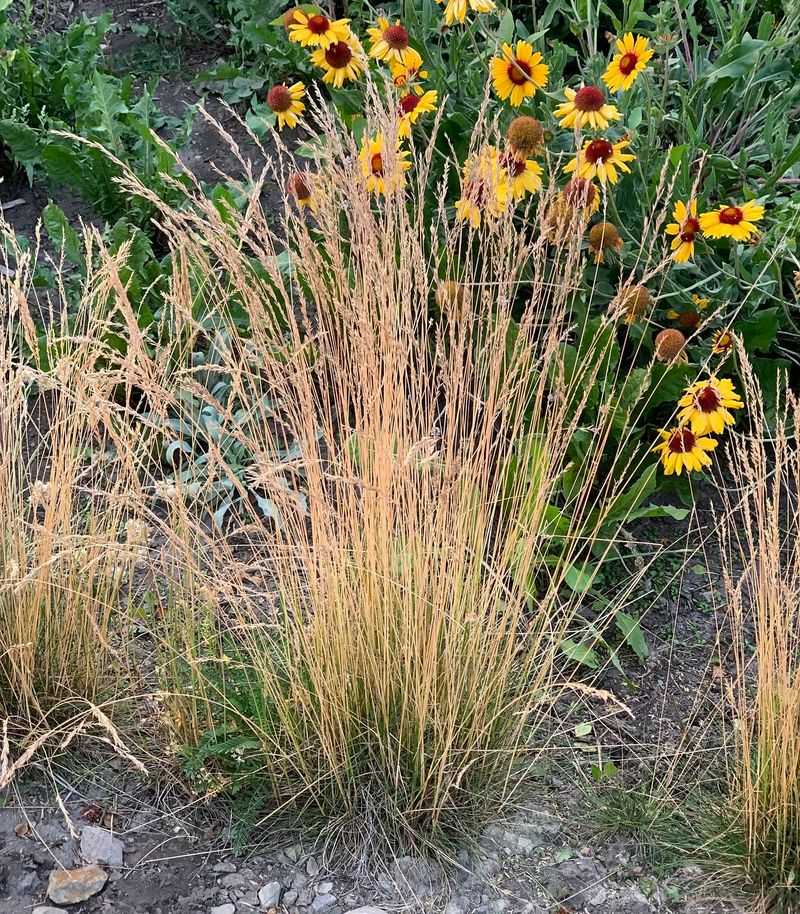
One of the most common planting mistakes with native grasses is not thinking ahead to their mature size. A young Little Bluestem or Switchgrass looks modest when it first goes in the ground.
It is easy to plant them close together or right next to perennials and shrubs, thinking there is plenty of room. By August, that math stops adding up.
Mature native grasses need real space, both in height and in spread. Little Bluestem can reach two to four feet wide at maturity. Switchgrass varieties can spread even further.
When clumps are planted too close together, they start competing for sunlight, and the stems on the shaded sides of each clump grow differently than the sun-exposed sides.
That uneven growth is one of the main reasons clumps start leaning or splitting open by late summer.
Tight spacing also traps humidity between plants, which is a real issue in North Carolina’s muggy August weather.
Poor airflow keeps stems damp and soft longer than they should be, which weakens the structure of the whole clump.
Diseases and pests also find it easier to move between crowded plants, adding more stress right when the grass should be building toward its fall color peak.
If your grasses are too close together, this fall or next early spring is a good time to divide and relocate them.
Give each clump the full space listed on its plant tag, and resist the urge to fill gaps with more plants too quickly.
Open space around each clump is not wasted space, it is what lets each grass reach its full, upright, colorful potential.
7. Avoid Cutting The Clump Short In August
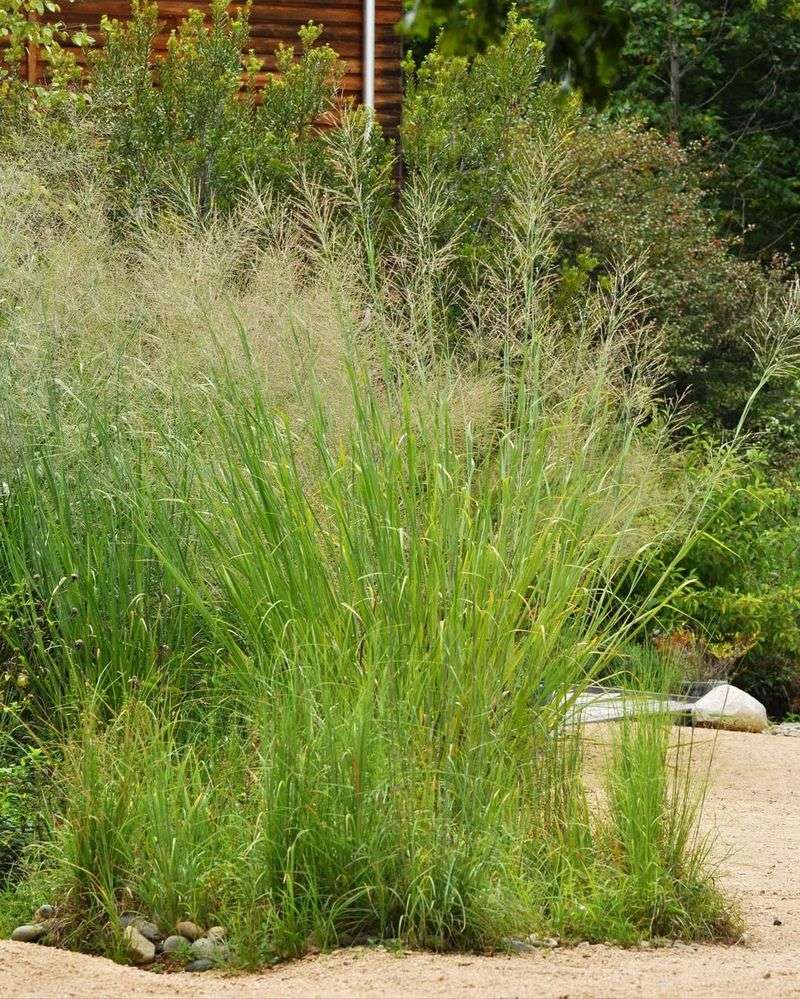
When a grass clump starts to look floppy or messy in August, the instinct is to grab the shears and cut it back. It feels like a fresh start.
But for warm season native grasses in North Carolina, cutting back in August is one of the most counterproductive things you can do, and the results will show up right at the worst possible time.
Warm season grasses like Pink Muhly Grass, Switchgrass, and Little Bluestem are actively building toward their fall peak right now.
The seed heads are forming. The stems are starting to harden. The colors are just beginning to shift from summer green to the bronzes, reds, and purples that make these plants so spectacular in October and November.
Cutting the clump down in August removes all of that developing beauty before it ever gets a chance to show.
Beyond the visual loss, cutting warm season grasses in August can stress the plant at a critical time.
The grass has to spend energy regrowing instead of preparing for fall and the coming cooler temperatures.
That regrowth is often soft and less attractive than the natural late summer structure, and it may not harden properly before frost arrives.
The right time for major cleanup on most North Carolina native grasses is late winter or very early spring, just before new growth begins.
Leaving the clumps standing through fall and winter also benefits wildlife, since the seed heads feed birds and the stems provide shelter for beneficial insects. August is a month to protect the clump, not cut it down.
8. Open The Sunlight Before Fall Color Peaks
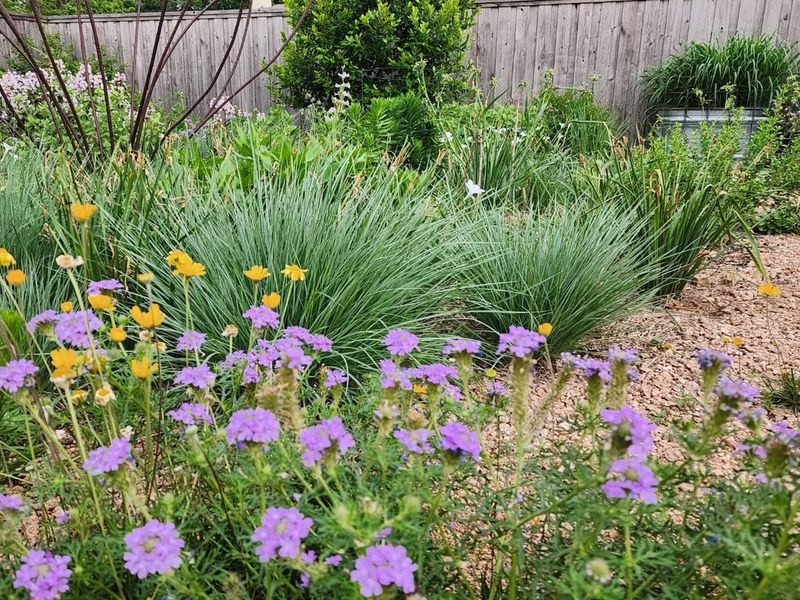
August is your window. Fall color on North Carolina native grasses is just weeks away, and whatever you do right now in the garden will directly shape how good that show looks.
The single most effective fix for grasses that are starting to lean or look tired is simple: open up the sunlight around each clump before September arrives.
Start by pulling weeds from the base of each grass clump. Weeds compete for light, water, and nutrients, and they often shade the lower stems without gardeners even noticing.
Next, look at any perennials, shrubs, or vines growing near your grasses. If any of them are leaning onto or shading the grass clump, trim them back enough to let full sun reach the entire plant from base to tip.
While you are out there, check the drainage around each clump. If you notice soggy soil or standing water after a recent rain, that is worth addressing before the heavier fall rains arrive.
Also hold off on any fertilizer, since soft new growth in late summer does more harm than good for the overall structure of the plant.
Once you clear the space and let the light in, give your grasses a week or two to respond.
You will often see the clump tighten up, the stems firm, and the early fall color start to intensify as the plant gets the energy it needs.
Pink Muhly Grass, Little Bluestem, and Switchgrass can all put on a breathtaking show when they have the open sun, good drainage, and clear space they need. A little August attention makes all the difference.