What It Means When a Cardinal Visits Your Ohio Yard in Winter
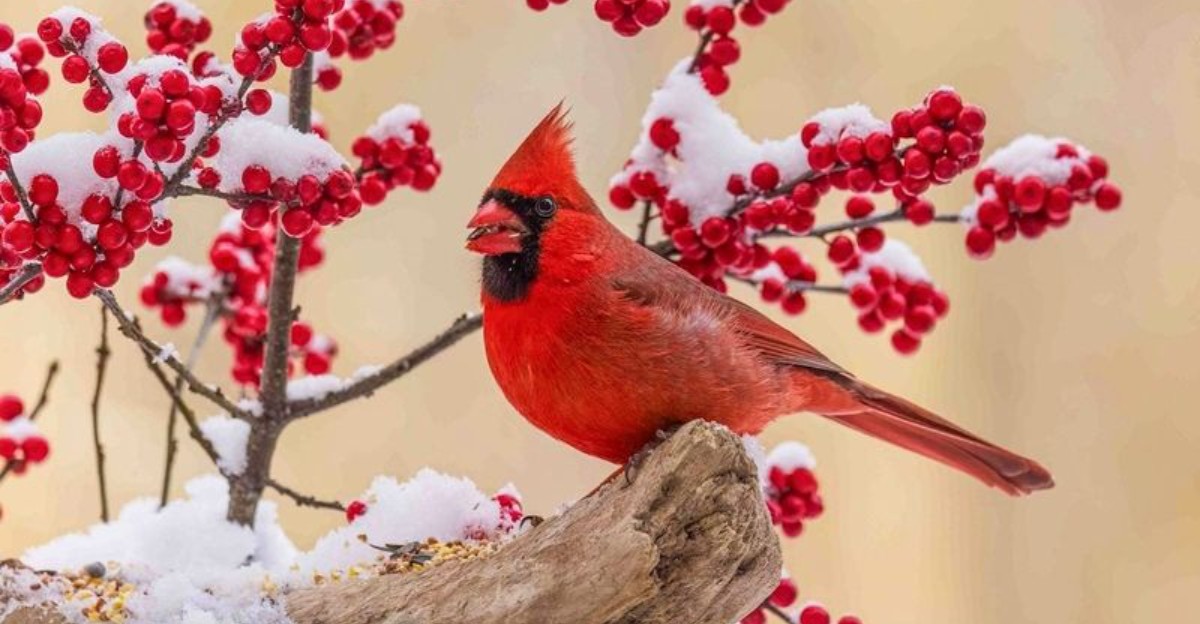
A male cardinal gets his bright red coat from the food he eats, not just from his genes. Pigments in berries and seeds help paint those feathers, so a well-fed bird often wears the boldest color in the neighborhood.
Ohio named the cardinal its state bird back in 1933, and these birds never pack up for the winter. While robins and warblers head south, cardinals stay put, puffing up against the cold and hunting for seeds along snowy hedges.
I really admire how a single red bird can make a gray January morning feel warm. Plenty of folks see a visit as a sign from a loved one who has passed, and that belief brings real comfort to many families.
Biologists have their own explanation, and it says a lot about the shelter, food, and cover your yard offers. You’re going to love what that flash of red outside your kitchen window is really telling you.
That Red Cardinal on Your Snowy Feeder Is Sending a Signal
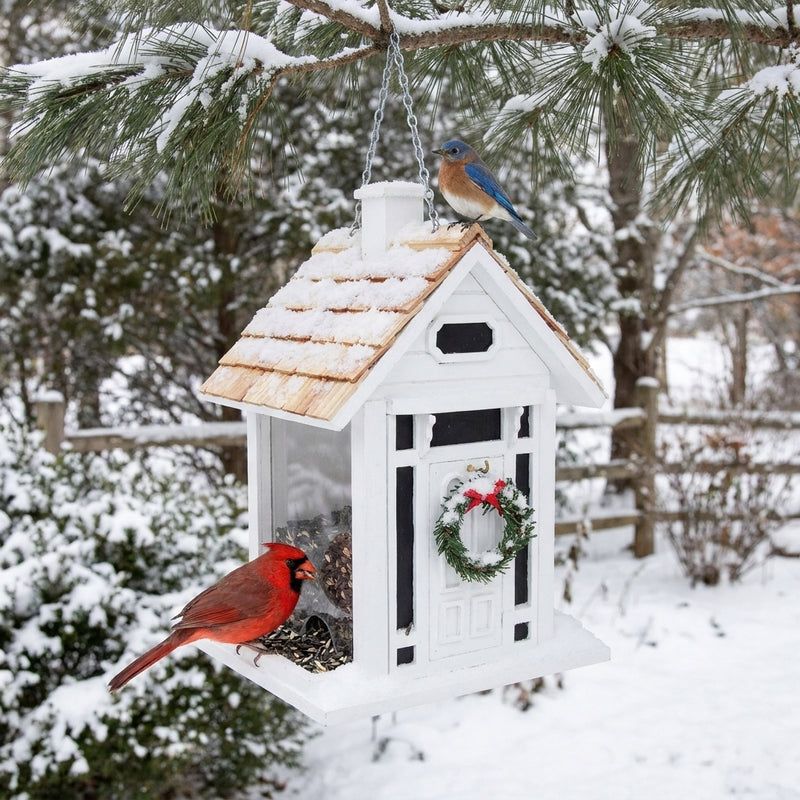
Your yard just passed an inspection. A cardinal in winter is choosy about where it spends its limited energy, and it settles where food, cover, and safety line up.
Northern Cardinals stay in Ohio all year, according to the Ohio Department of Natural Resources. They do not migrate, so the birds you see in January are often the same locals who nested nearby last summer.
In cold weather, they stick to small home areas. That means a repeat visitor is likely treating your property as part of its daily survival route.
So the most solid answer to what a visit means is practical. Your space offers something valuable, such as seeds, berries, thick shrubs, or a sheltered corner out of the wind.
I find that oddly flattering. Birds do not care about tidy lawns or fancy decorations, but they notice cover and calories right away.
Pay attention to the time of day. Cardinals often feed early in the morning and again near dusk, so those quiet hours are when you are most likely to catch them.
If one shows up again and again, take it as a compliment. Your yard is helping a wild neighbor get through the hardest season.
Black Oil Sunflower Seeds Keep Cardinals Coming Back
Watch a cardinal eat and you will see a tiny nutcracker at work. That thick, cone-shaped beak is built to crack hard shells fast.
When insects disappear in winter, cardinals lean heavily on seeds and leftover fruit. High-fat foods help them stay warm through long Ohio nights.
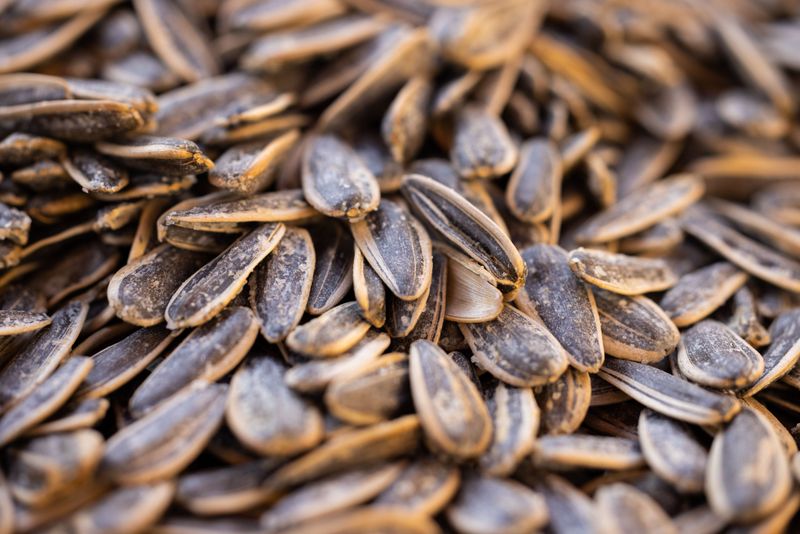
Black oil sunflower seed is the top pick for many backyard birders. The shells are thin, and the kernels are loaded with fat and protein.
Safflower seed is another favorite. Many people like it because squirrels and grackles often ignore it, leaving more for the red birds.
Cardinals also accept shelled peanuts, cracked corn, and sunflower hearts. Hulled options create less mess under the feeder, which makes spring cleanup much easier.
Feeder style matters too. Cardinals are fairly large and prefer to perch comfortably, so platform feeders, tray feeders, and hoppers with wide ledges work better than tiny tube ports.
Keep feeders stocked steadily once snow arrives. Birds learn your schedule quickly, and a full feeder before a storm can make a real difference.
Clean feeders every couple of weeks with warm, soapy water or a mild bleach solution. Dry them well before refilling to keep seed fresh and birds healthy.
Thick Evergreen Shrubs Give Cardinals a Safe Winter Hideout
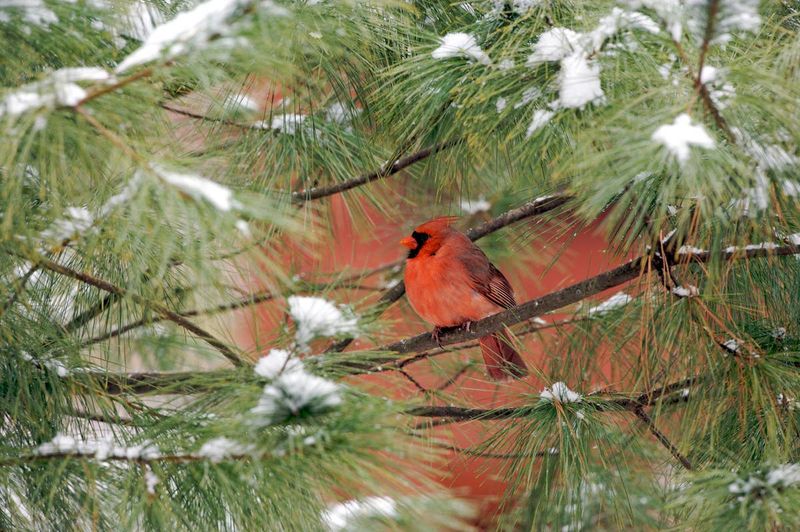
A feeder is the snack bar, but the shrubs are the hotel. Cardinals spend cold nights tucked deep in dense branches where wind and predators have a harder time reaching them.
Evergreens like eastern red cedar, white pine, and arborvitae make excellent shelter. Native red cedar also produces bluish berry-like cones that many birds eat.
Thickets of native shrubs help too. Even a tangled brush pile in a back corner can become a cozy refuge during a sharp cold snap.
Placement makes a big difference. Try setting feeders about 10 to 12 feet from good cover, which gives birds a quick escape from hawks without letting cats ambush them from close range.
Hawks such as Cooper’s hawks often patrol backyard feeders in winter. A nearby shrub gives cardinals a place to dart into when danger swoops in.
Personally, I have stopped cutting back every messy corner in fall. Leaving some seed heads and twiggy growth gives birds both food and hiding spots.
If your yard looks open and bare, plan a few evergreens for spring planting. They will pay off for years with shelter, privacy, and plenty of winter color.
A Heated Birdbath Might Be the Best Gift for Winter Cardinals
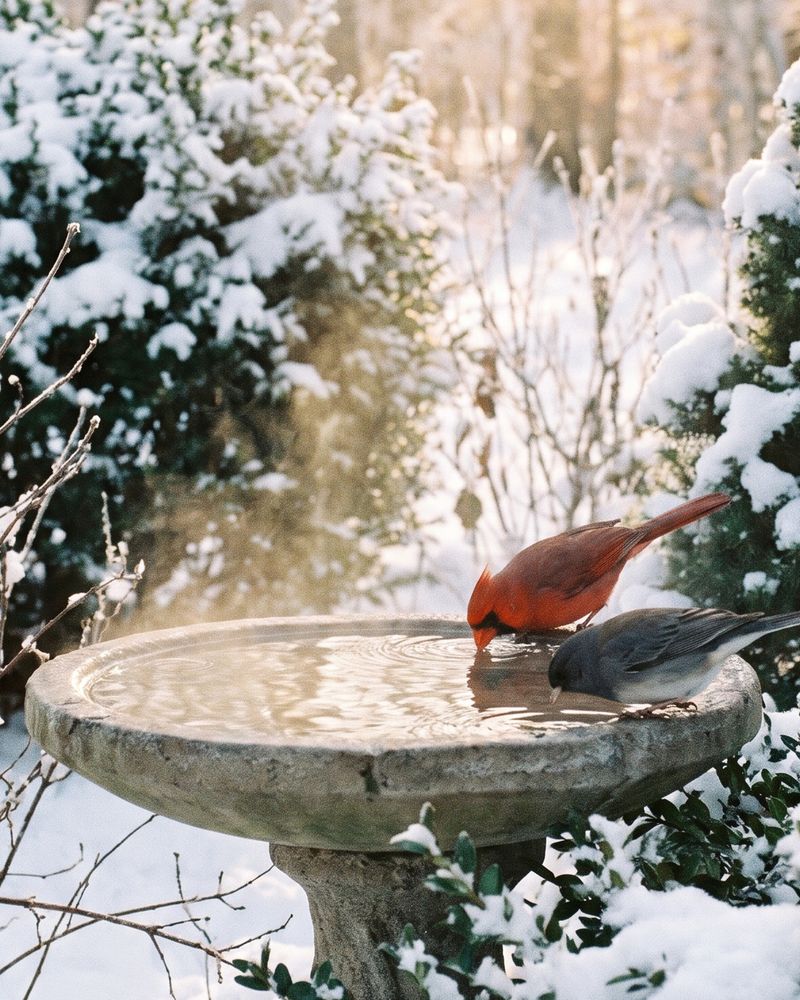
Thirst is a sneaky winter problem. When ponds and puddles freeze solid, birds can struggle to find open water.
Cardinals need water for drinking and for keeping feathers clean. Clean feathers fluff up better and trap more warm air.
A heated birdbath solves this nicely. Many models use a built-in thermostat that keeps water just above freezing, using modest electricity.
You can also add a submersible birdbath de-icer to a bath you already own. Choose one made for outdoor use and plug it into a properly grounded outdoor outlet.
Keep the water shallow, around one to two inches deep. Cardinals prefer to stand and sip rather than wade into deep water.
Skip antifreeze, salt, or any chemicals to keep water open. Those additives can harm birds and other wildlife.
Refresh the water every few days and scrub away droppings or algae. A clean bath attracts more visitors and reduces the spread of disease.
I like putting the bath where I can see it from the kitchen. Watching a bright red bird sip water on a gray morning is a fine way to start the day.
Winterberry and Other Native Berries Feed Ohio Cardinals Naturally
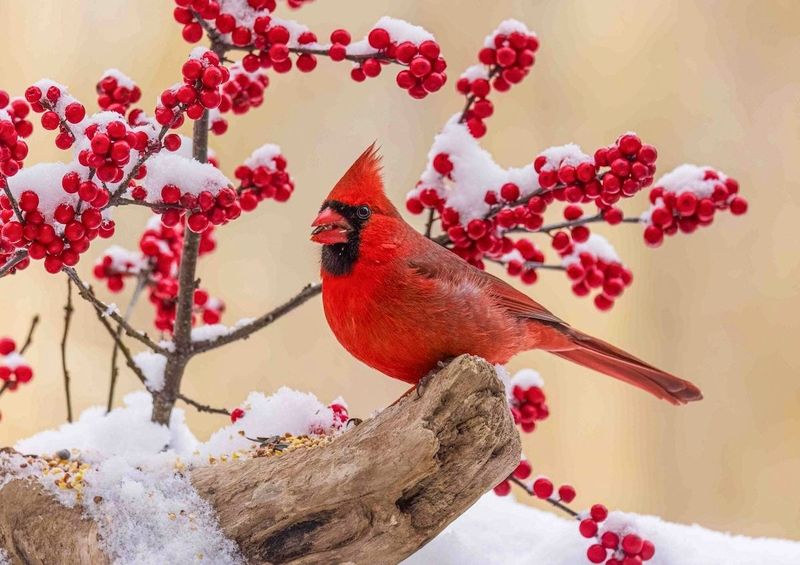
Nature stocks its own pantry if you let it. Native shrubs hold fruit into late fall and winter, giving cardinals food without a single trip to the store.
Winterberry holly is a standout. Its bright red berries cling to bare stems, though you need a male plant nearby for the female shrubs to fruit.
Other good Ohio natives include gray dogwood, American cranberrybush viburnum, arrowwood viburnum, and hawthorn. Sumac seed clusters often stay on branches deep into winter as backup food.
Here is a fun fact from bird researchers. The red in a male cardinal’s feathers comes from carotenoid pigments found in foods like fruits and seeds.
Avoid invasive plants such as bush honeysuckle and burning bush. Bush honeysuckle is banned from sale in Ohio, and burning bush is rated invasive by the Ohio Invasive Plants Council, and both crowd out native plants in woods and fields.
Early spring and fall are good times to plant native shrubs in Ohio. Your local Ohio State University Extension office or native plant nursery can suggest species for your soil.
Start with just one or two shrubs. In a few seasons, you may notice cardinals plucking berries right off the branches outside your window.
Cardinals Tapping Your Window Have a Surprising Reason
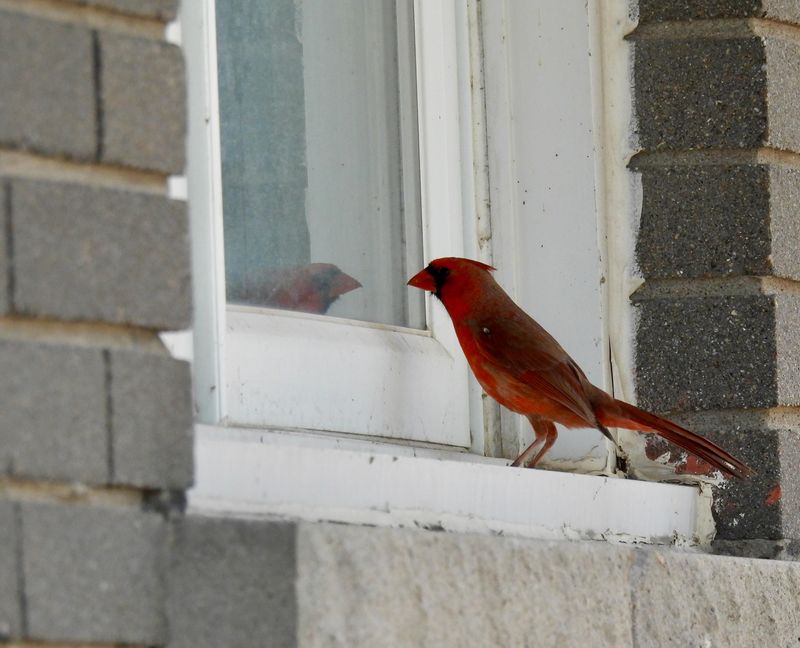
Tap, tap, tap. If a cardinal keeps hitting your window, it is not trying to come inside for coffee.
Most often, the bird sees its own reflection and thinks it is a rival. Cardinals are territorial, and a male or even a female may fight that “intruder” for days.
This habit usually peaks in late winter and spring as breeding season approaches. In Ohio, you may notice it starting in February or March when birds begin singing more often.
The bird is not sick or confused. It is simply defending its turf against a stubborn opponent that copies every move.
To stop the tapping, break up the reflection. Hang screens, apply decals spaced closely together, or rub a little soap on the outside of the glass.
Closing blinds or curtains alone often does not help much. The reflection forms on the outside surface, so changes work best there.
Many people still find comfort in these visits, and that is fine. You can enjoy the meaning you feel while also helping the bird save its energy for colder days and nesting season.
A Pair of Cardinals Can Mean Love Is in the Snowy Air
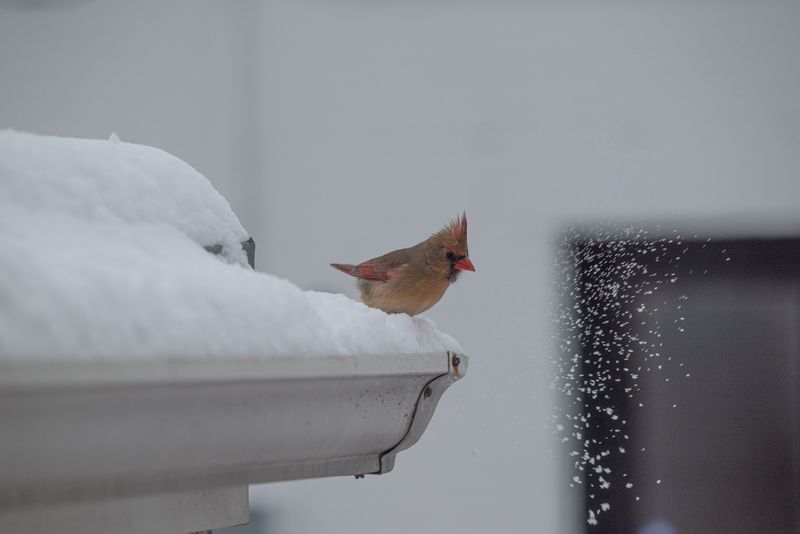
Spot a tan bird with a reddish crest and orange beak beside a bright red one? You are likely looking at a cardinal pair.
Females are warm brown with red touches on the wings, tail, and crest. They are just as striking up close, and they sing too.
Many cardinal pairs stay together through the year. In winter, they may join loose flocks with other cardinals, then split back into pairs as spring nears.
One sweet behavior is mate feeding. Starting in late winter, a male may pass a seed beak to beak to his partner, which looks a lot like a tiny kiss.
Singing ramps up as days lengthen, often by late January or February. Those clear “cheer, cheer, cheer” whistles are an early hint that nesting season is on the way.
If a pair visits your yard often, they may choose nearby shrubs for nesting later. Dense native bushes and small trees give them a safe place to build.
Honestly, few winter scenes beat two cardinals sharing a snowy branch. Keep a camera near the window, because these moments pass quickly.
Many People Believe a Winter Cardinal Brings a Message From Loved Ones
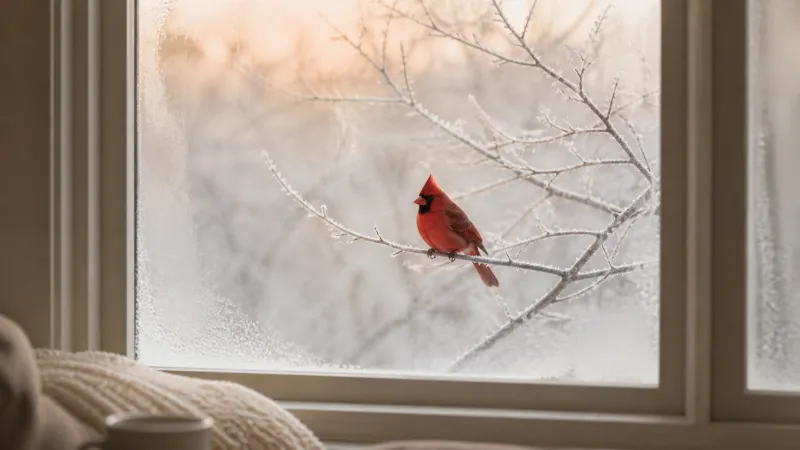
Plenty of folks swear their cardinal shows up on exactly the right day. A birthday, an anniversary, or a hard morning, and there it is on the fence.
A popular saying goes, “When cardinals appear, angels are near.” Many people see the red bird as a sign that someone they lost is still close.
Science cannot confirm that, and it does not need to. Belief and comfort are personal, and a bright bird in a gray season naturally lifts the spirit.
Symbolism around cardinals often centers on hope, loyalty, and steady devotion. Their year-round presence and lasting pair bonds make those ideas easy to understand.
Whatever meaning you take, you can honor it with action. Keep feeders full, offer open water, and plant a native shrub in memory of someone special.
You might also join Project FeederWatch or the Great Backyard Bird Count each February. Your sightings help scientists track bird populations across Ohio and beyond.
So the next time red flashes past your window, pause and enjoy it. That visit is a gift from nature, and perhaps a little something more.