Stop Letting Powdery Mildew Destroy Your Ohio Garden Phlox This Week
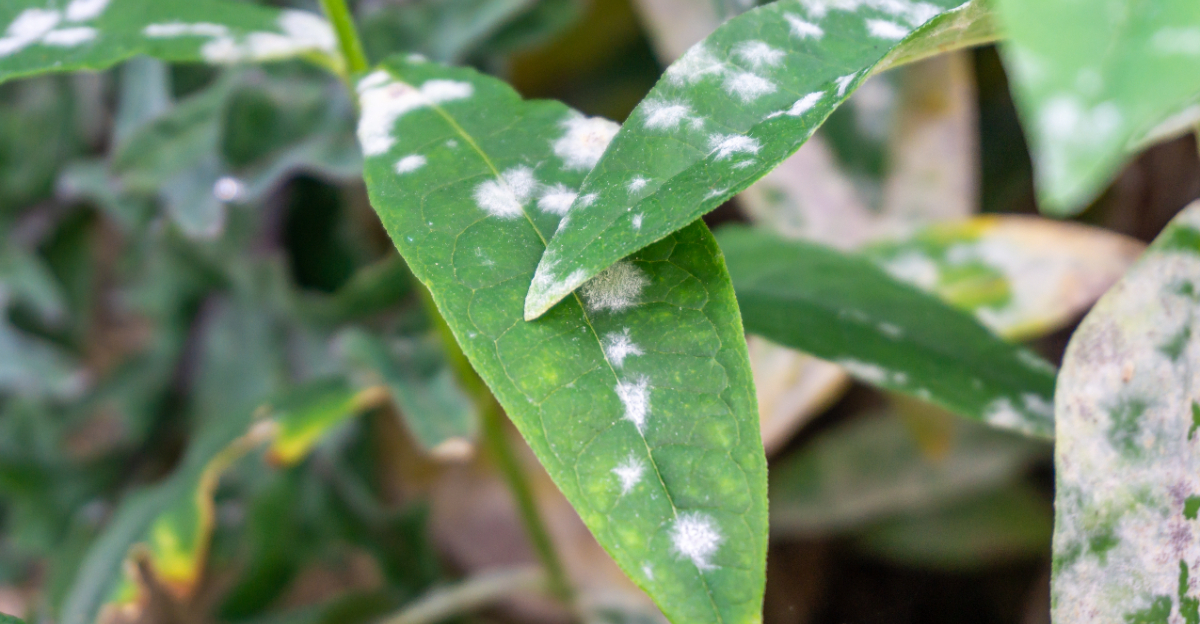
You’re in the garden one morning when something catches your eye and holds it. The leaves look like someone dusted them carefully overnight with fine, white flour.
This isn’t the kind of thing that stays put, especially in Ohio’s humid summers. It jumps from plant to plant at a pace that catches even seasoned gardeners off guard, coating a whole row of neighbors within days.
Left alone, the plant’s energy gets rerouted. Buds stay small, colors fade, and that corner of your garden you were proud of loses its shine right when it should be peaking.
There’s a clear way forward, though. With a few smart moves and the right know-how, you can stop this in its tracks this week, before it does any real damage.
Identify Powdery Mildew Before It Spreads Further
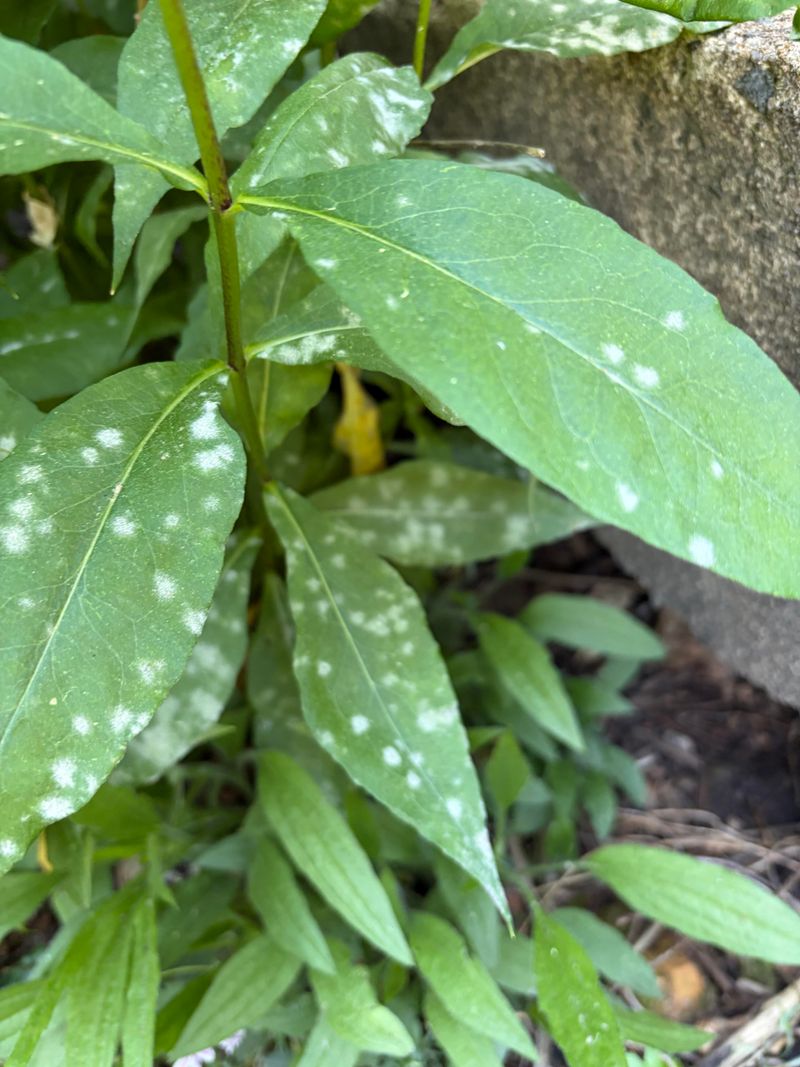
White patches on your phlox are the first red flag. Powdery mildew shows up as a pale, dusty coating that clings to leaf surfaces.
Unlike wet molds, this fungus thrives in warm, dry air. You might spot it first on lower leaves before it climbs upward.
Check both sides of leaves carefully. The undersides often show early signs before the tops turn fully white.
Infected stems can also develop a grayish tint. Buds sometimes fail to open fully when the fungus takes hold early in the season.
Acting fast matters here. A small patch of powdery mildew can spread across an entire plant bed within just a few days.
Grab a magnifying glass if you need a closer look. The fungal threads look like tiny white webs under magnification.
Do not confuse powdery mildew with natural leaf markings. Some phlox varieties have silvery variegation, but mildew smears when you rub it gently.
Walk your Ohio garden every few days during humid summer months. Early detection gives you the best shot at protecting your phlox before the season turns.
Weather swings deserve some blame too. Ohio’s shift from cool nights to muggy afternoons creates exactly the kind of conditions this fungus favors most.
Watering habits play a role you might not expect. Overhead sprinklers that wet foliage late in the day can invite trouble, even though the fungus itself prefers things dry.
Recognize The Early Signs On Phlox Leaves
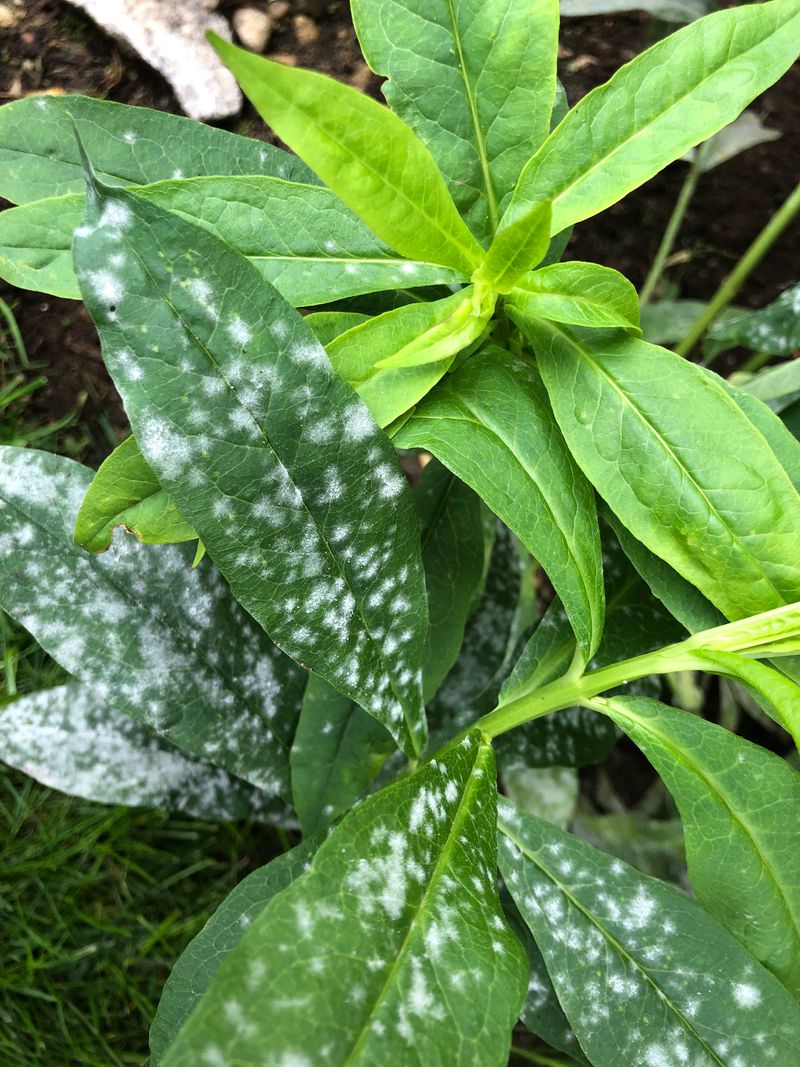
Tiny white circles appear first, scattered like confetti across your phlox leaves. Most Ohio gardeners miss these spots because they look harmless at the start.
Those small dots expand quickly in warm weather. Within a week, they can merge into large blotchy patches covering most of the leaf surface.
Yellowing around the white patches is another clue. When leaves start curling slightly at the edges, the fungus has already moved in deep.
Affected leaves eventually turn brown and crispy. They drop off the plant, leaving bare stems that look scraggly and stressed.
Flower buds near infected areas often shrivel before blooming. That means fewer of the colorful blooms you planted phlox for in the first place.
Pay special attention after rainy spells followed by dry heat. That weather pattern is a perfect launchpad for powdery mildew outbreaks.
Your Ohio Garden Changes Every Week. Your Plan Should Too.
Gardening in Ohio changes quickly throughout the season. Every Friday you’ll receive a simple weekly plan showing exactly what to plant, prune, fertilize, harvest, and protect so you never miss the right timing.
Touch a suspicious leaf lightly with your fingertip. Mildew smudges off easily, while natural markings stay put no matter how hard you rub.
Leaf position offers another clue worth checking. Powdery mildew tends to favor leaves that sit in partial shade over ones baking in full sun.
Older leaves usually show symptoms before younger growth does. That pattern makes sense once you consider how long spores need to establish and spread.
Catching these signs early gives you a real advantage. A quick spray treatment now can save weeks of frustrating plant recovery later in summer.
Understand Why Phlox Is Prone To This Fungus
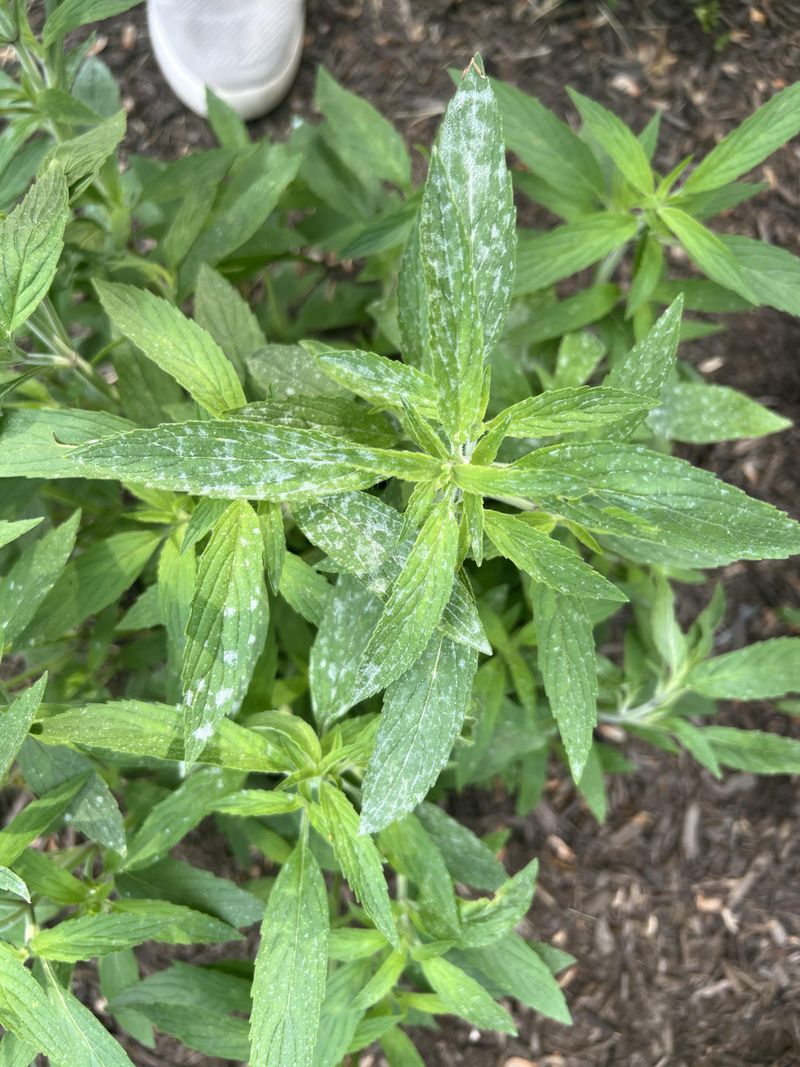
Phlox has a reputation among gardeners for being mildew-prone, and there are real biological reasons behind that. Its broad, soft leaves create a perfect surface for fungal spores to land and settle.
The plant also grows in dense clumps by nature. That tight growth habit traps moisture and cuts off airflow right at the leaf level.
Powdery mildew spores travel easily through the air. They land on phlox leaves and germinate quickly when temperatures sit between 60 and 80 degrees Fahrenheit.
High humidity in Ohio makes things worse. Even without rain, humid nights give the fungus enough moisture to spread across your entire garden bed.
Phlox planted near fences or walls gets it worst. Structures block natural breezes that would otherwise dry out leaves and slow fungal growth.
Overfertilizing with nitrogen also plays a role. Lush, soft new growth is more vulnerable to infection than tougher, well-established foliage.
Stressed plants attract fungal problems faster. Drought, poor soil drainage, and root competition all weaken phlox and lower its natural defenses.
Newer phlox cultivars tend to resist mildew far better than older, traditional varieties. Breeders have spent recent years prioritizing disease resistance alongside bloom size and color.
Watering directly at the roots also lowers risk significantly. Splashing water onto leaves creates the exact moisture film spores need to germinate and take hold.
Knowing why phlox struggles helps you make smarter choices. Adjust your planting habits now, and you reduce future outbreaks without much extra effort.
Improve Air Circulation Around Your Plants
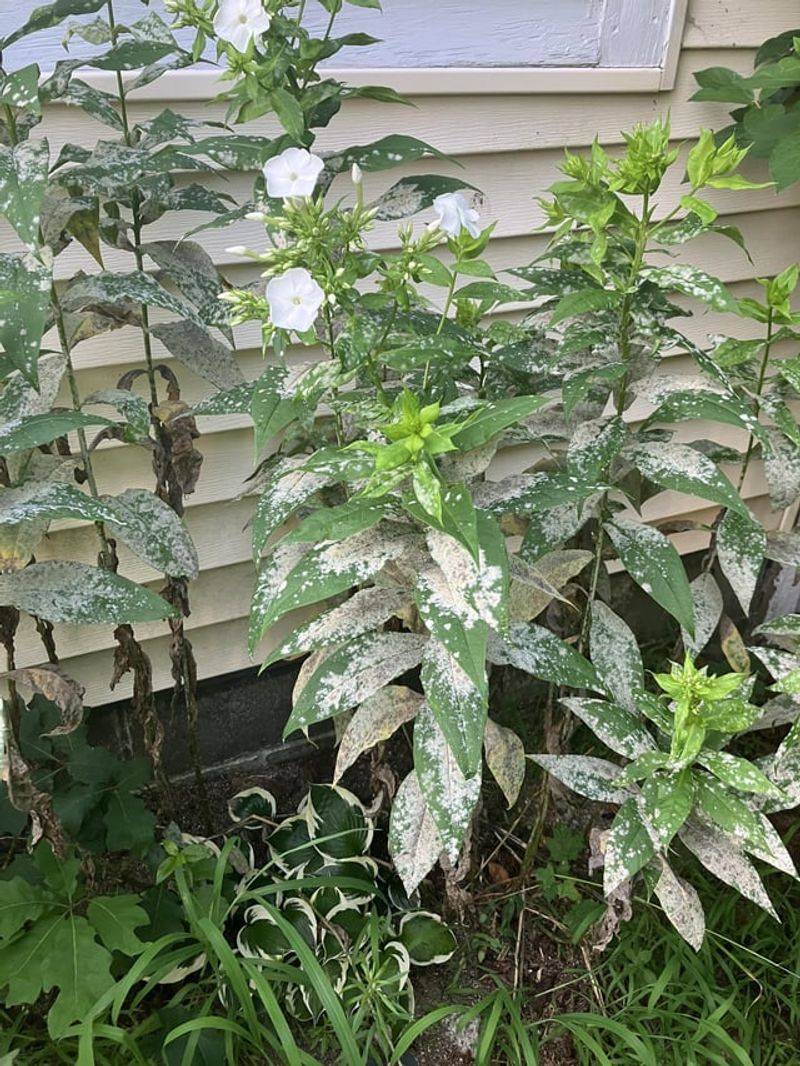
Good airflow is one of the cheapest and most effective tools against powdery mildew. Plants that breathe freely dry out faster and resist fungal infections much better.
Start by thinning out crowded stems at the base of each phlox clump. Removing one-third of the stems opens up space without harming the plant.
Trim nearby shrubs and perennials that crowd your phlox. Even a few extra inches of open space around each plant changes the airflow dramatically.
Avoid planting phlox against solid walls or wooden fences. Open spots with morning sun and afternoon breeze are ideal locations for healthy growth.
Raised beds help too. Elevating your phlox above ground level catches more natural wind movement across the garden.
Water your phlox at the base, not from above. Overhead watering soaks the leaves and creates exactly the damp conditions mildew loves most.
Morning watering is always better than evening. Leaves that dry quickly in daytime sun stay much healthier through the warmer months.
Spacing new transplants correctly from the start saves work later. Give each phlox plant 18 to 24 inches of breathing room before it reaches full size.
Think of airflow as free medicine for your Ohio garden. A few simple adjustments now could mean a mildew-free phlox display all the way through fall.
Apply Treatments That Actually Work
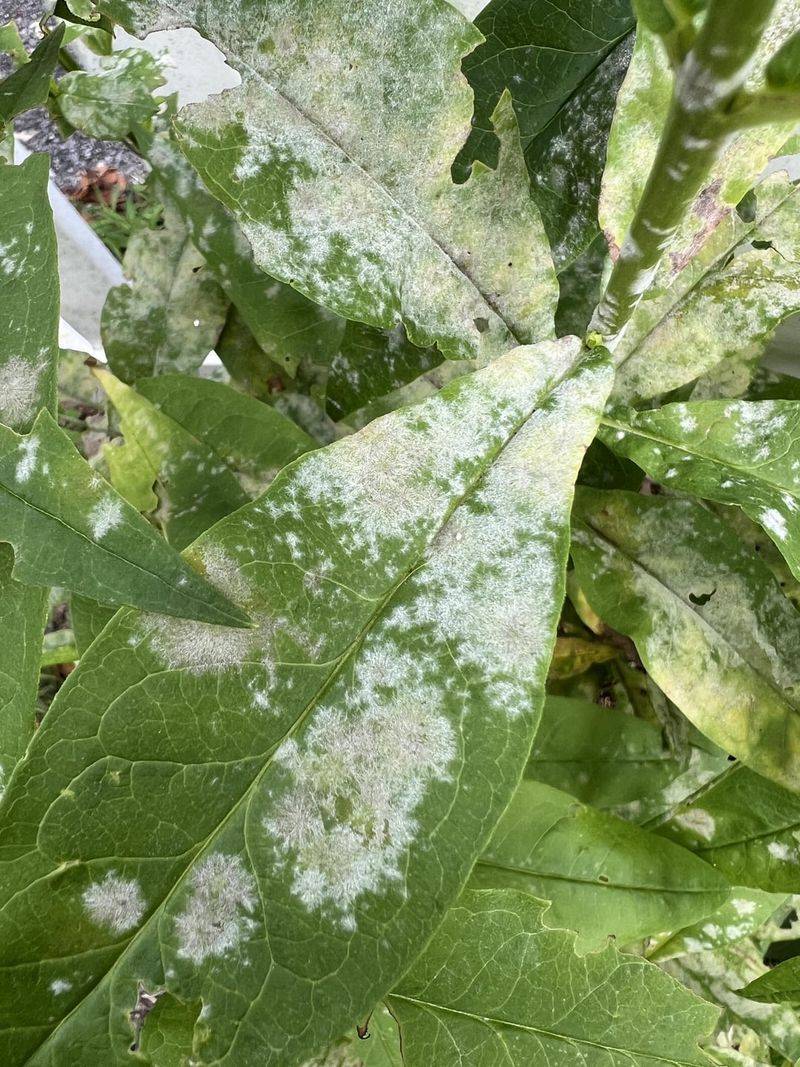
When mildew is already on your phlox, you need a treatment that works fast. Several proven options are available right now at most garden centers.
Neem oil is a popular organic choice. Mix it with water and a drop of dish soap, then spray all leaf surfaces thoroughly every seven days.
Baking soda spray is another budget-friendly fix. Combine one tablespoon of baking soda with one quart of water and a half teaspoon of liquid soap.
Apply that mix in the early morning so leaves dry before nightfall. Wet leaves sitting overnight create a breeding ground for more fungal growth.
Potassium bicarbonate works even better than baking soda for many Ohio gardeners. It changes the pH on the leaf surface and makes conditions unfavorable for mildew spores.
Copper-based fungicides offer stronger protection when outbreaks are severe. Follow label directions carefully because too much copper can harm beneficial soil organisms.
Sulfur-based sprays are effective but should not be used in high heat. Temperatures above 90 degrees Fahrenheit can cause sulfur to burn phlox leaves badly.
Repeat any treatment every week until the mildew clears. Consistency is the secret ingredient that most gardeners skip, then wonder why the problem keeps returning.
Prevent Future Outbreaks With Smart Spacing
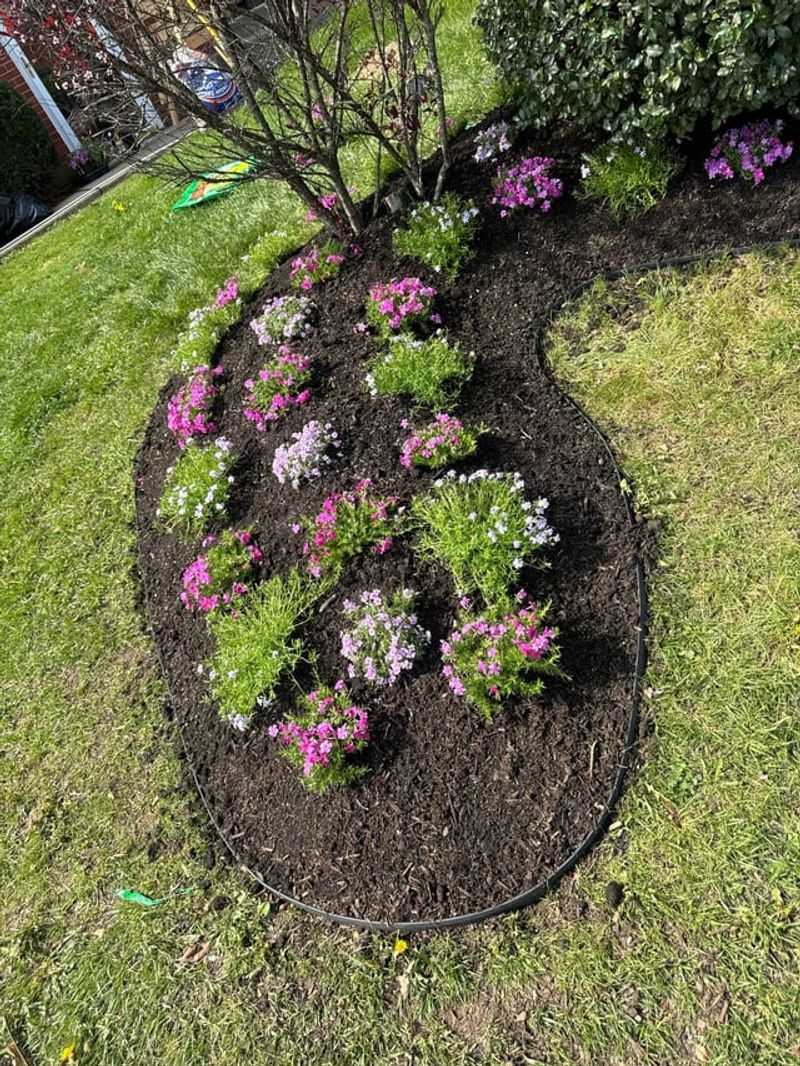
Prevention beats treatment when it comes to powdery mildew on phlox. A few planning decisions made today can save you hours of spraying all summer long.
Space phlox plants at least 18 to 24 inches apart when planting. That gap allows air to move freely and keeps moisture from building up between stems.
Choose mildew-resistant phlox varieties whenever possible. Cultivars like David, Robert Poore, and Shortwood are bred to handle fungal pressure much better than older types.
Rotate where you plant phlox every few years. Moving plants to fresh soil breaks the cycle of spores that linger in the ground from previous seasons.
Mulch around the base of each plant with a thin layer. Mulch reduces soil splash that can carry fungal spores up onto lower leaves during rain.
Remove and bag any infected plant material at the end of the season. Avoid composting diseased leaves, since the spores can survive and spread through finished compost.
Feed your phlox with a balanced, slow-release fertilizer. Avoid high-nitrogen feeds that push soft, vulnerable new growth right when mildew pressure is highest.
A little planning goes a long way with powdery mildew and garden phlox. Build these habits into your routine, and your phlox will reward you with seasons of stunning, healthy blooms.