What It Means When A Lazuli Bunting Stops By Your California Garden
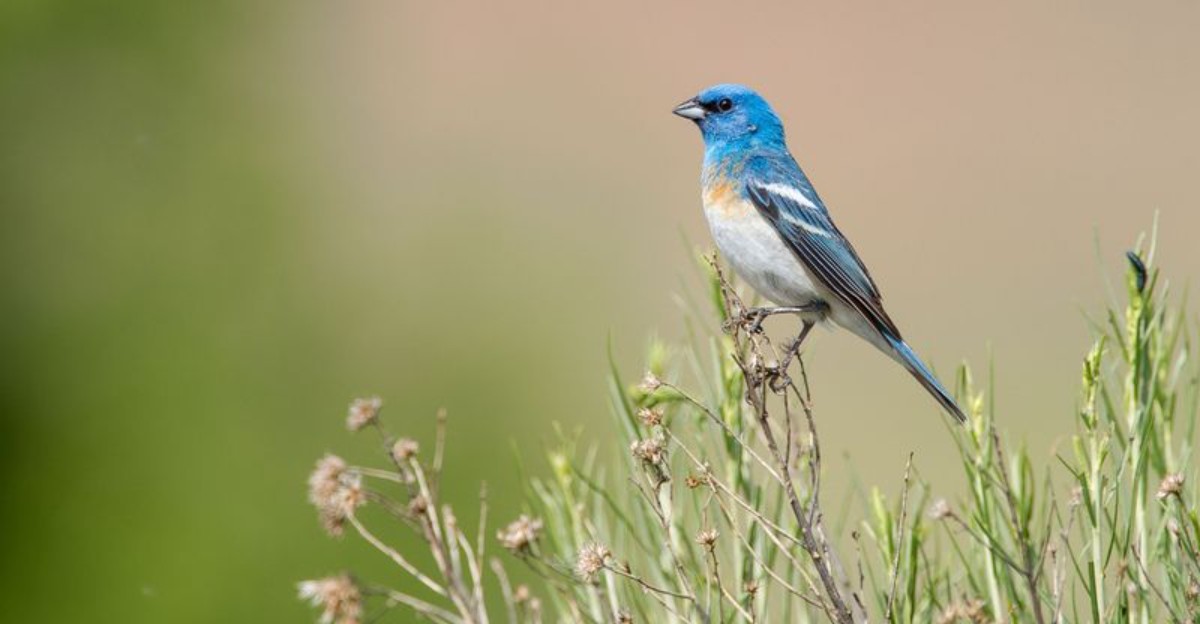
A flash of bright blue in your California garden can make an ordinary day feel a little more special. If a Lazuli Bunting stops by, you may be seeing a visitor that is drawn to specific features in your outdoor space.
These small songbirds look for the right mix of food, shelter, and plants that support their needs. A garden that feels welcoming to native wildlife can sometimes attract unexpected guests, even if you never planned to create a bird-friendly habitat.
A Lazuli Bunting’s visit can tell you something interesting about your garden and the surrounding environment. Paying attention to when they appear, what they use, and what attracts them can help you better understand the wildlife sharing your outdoor space.
1. Lazuli Buntings Often Pass Through During Migration
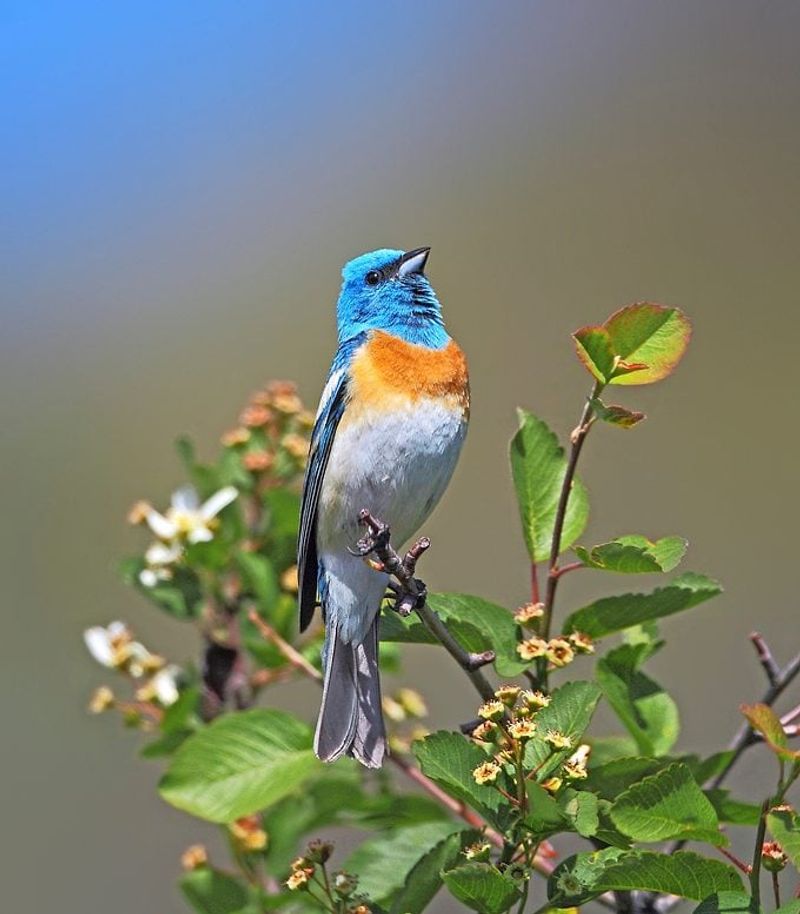
Every spring and fall, these colorful birds make long journeys between their breeding and wintering grounds. Your garden might sit right along one of their travel routes.
Lazuli Buntings breed across the western United States and spend winters in Mexico. That means they cover hundreds of miles twice a year. California gardens often fall directly in their path.
When you see one, it usually is not a permanent resident. Instead, it is a traveler taking a short break to rest and refuel before continuing on.
Spring visits tend to happen from April through June, when males show off their brightest blue feathers. Fall trips are quieter, and the birds often look duller as they head south.
Knowing this helps you appreciate the timing of each sighting. A bunting in your yard during these seasons is a sign that your location matters to migrating wildlife.
You can plan for these visits by keeping your garden ready during peak migration months. Fresh food and safe cover make a big difference for tired travelers.
Fun fact: some Lazuli Buntings return to the same stopover spots year after year. Your garden could become a regular rest stop on their map.
Watching for these seasonal guests turns your backyard into a front-row seat for one of nature’s great journeys. Each brief visit connects your small space to a much larger story of survival and travel across the continent.
2. Your Yard May Offer Food And Shelter
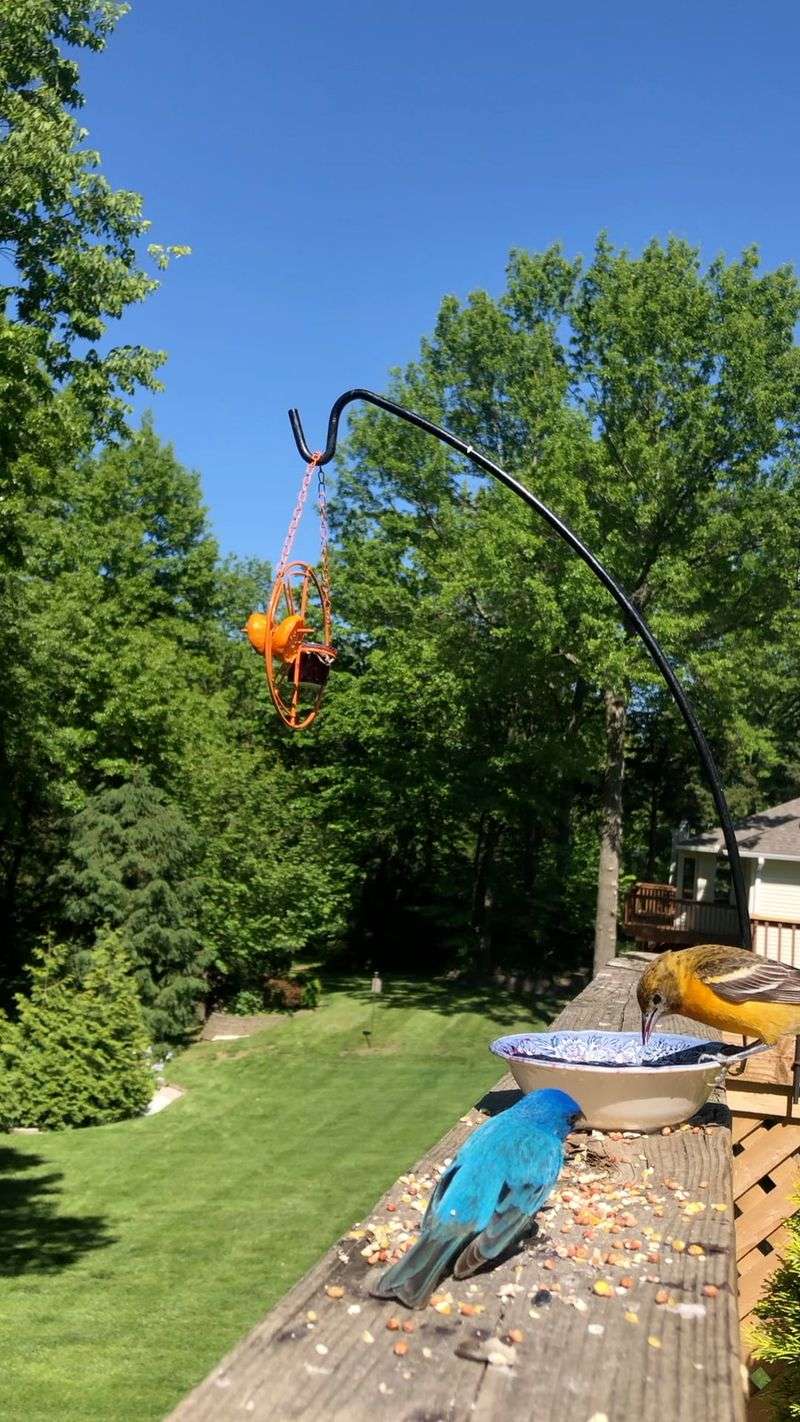
A hungry bird on a long trip is always searching for a good meal and a safe place to rest. If a Lazuli Bunting stops by, your yard likely offers both.
These birds eat seeds, insects, and small berries. A garden full of plants and bugs becomes a natural buffet for them.
Shelter matters just as much as food. Thick bushes and leafy trees give birds a place to hide from hawks and cats while they eat.
Think of your yard as a rest stop on a busy highway. Birds need spots where they can pause safely before flying the next stretch.
You can boost your yard’s appeal by adding bird feeders filled with millet or sunflower seeds. Buntings especially enjoy small grains they can crack open easily.
Your California Garden Changes Every Week. Your Plan Should Too.
Gardening in California changes quickly throughout the season. Every Friday you’ll receive a simple weekly plan showing exactly what to plant, prune, fertilize, harvest, and protect so you never miss the right timing.
Leaving a few wild corners in your garden also helps. Overgrown patches attract insects, which give birds the protein they need for long flights.
The more comfortable a bird feels, the longer it may linger. That gives you more chances to watch and enjoy your visitor.
Even a small balcony garden can help if it has the right plants and a bit of cover. Every safe space counts for a traveling bird.
When a bunting chooses your yard, take it as a compliment. It means you have built a welcoming spot that helps wildlife thrive, even if only for a short while.
3. Native Plants Can Attract More Visiting Birds
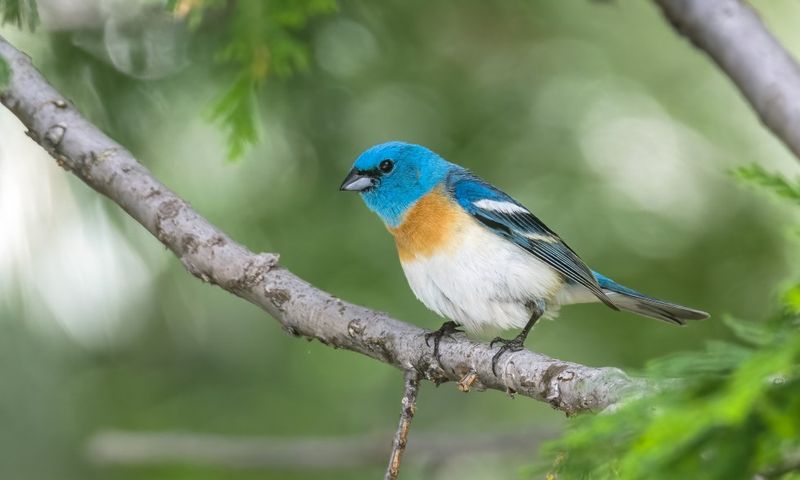
Plants that naturally grow in California hold a special power to draw in birds. Native species give buntings exactly what they are looking for.
Local plants provide the seeds, berries, and insects that these birds have relied on for generations. Their bodies are built to use what grows nearby.
Ceanothus, buckwheat, and native grasses are great choices. They bloom and set seed at just the right times for migrating birds.
Unlike fancy imported flowers, native plants also support the insects birds love to eat. More bugs means more food for hungry travelers.
Planting natives is easier than you might think. Many are tough, drought-friendly, and happy in California’s climate without much fuss.
Once established, these plants need little water or care. That saves you effort while creating a rich habitat for wildlife.
You do not need a huge yard to make a difference. Even a few native shrubs can turn a plain space into a bird-friendly haven.
Local nurseries often sell plants suited to your exact region. Ask staff which ones attract seed-eating birds like buntings.
The bonus? Native gardens also welcome butterflies, bees, and other helpful creatures. Your whole backyard becomes livelier.
By choosing plants that belong here, you build a garden that feels like home to passing birds. That connection to the land is what keeps colorful visitors like the Lazuli Bunting coming back season after season.
4. Seed-Producing Plants Are Especially Valuable
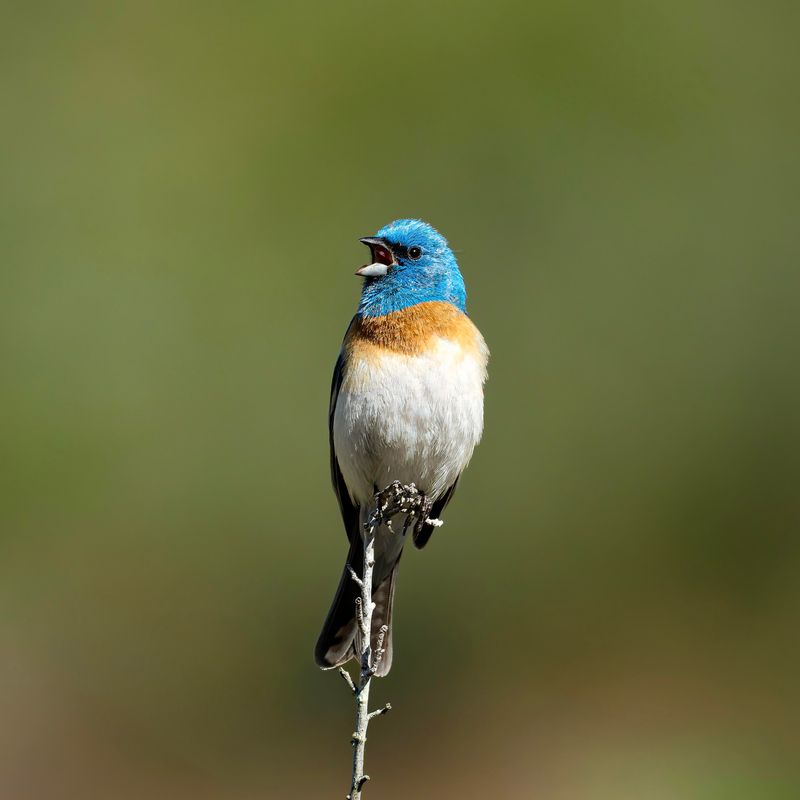
Seeds are like fuel for a traveling bird, and Lazuli Buntings love them. Plants that produce plenty of seeds are top attractions in any garden.
These birds have short, cone-shaped beaks made for cracking seeds open. A yard full of seed heads is a paradise for them.
Grasses, sunflowers, and wildflowers that go to seed offer easy meals. Buntings will happily perch and nibble for long stretches.
Resist the urge to trim every plant the moment it fades. Those dried seed heads are actually a valuable food source in late summer and fall.
Letting flowers finish their natural cycle helps birds stock up before migration. It also saves you gardening work.
You can plant a mix that seeds at different times. That way, food stays available across several weeks or months.
Millet, amaranth, and coneflowers are excellent picks. They produce lots of small seeds that buntings can handle with ease.
Watching a bunting balance on a swaying seed head is a delightful sight. Their acrobatics make backyard bird watching extra fun.
If you use feeders too, choose small grains rather than large ones. Buntings prefer seeds that match their little beaks.
By keeping seed-rich plants in your garden, you offer a reliable pantry for tired travelers. That steady supply of food is one of the strongest reasons a colorful bunting might choose to stop and stay awhile in your yard.
5. Shrubs Give Migrating Birds Safe Cover
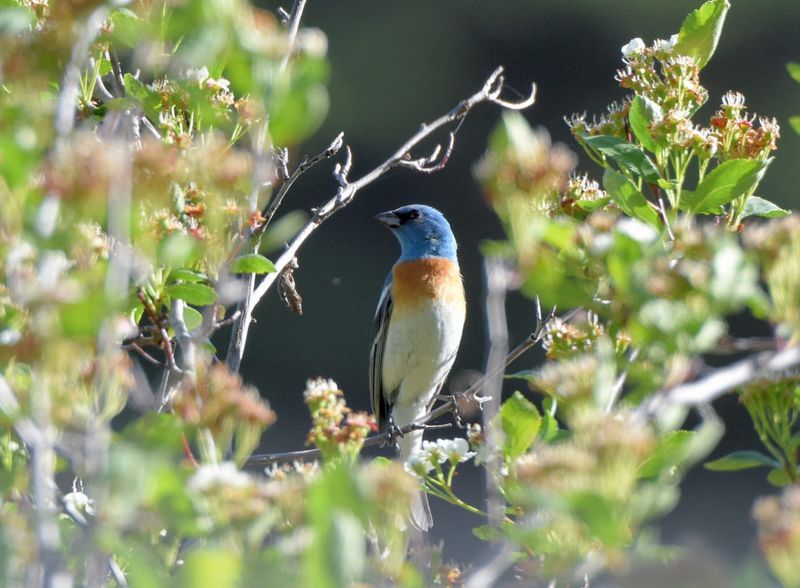
Open spaces can feel dangerous for a small bird. Shrubs offer a hiding spot where buntings can feel safe and calm.
Thick bushes protect birds from predators like hawks and neighborhood cats. A quick dive into the leaves keeps them out of harm’s way.
Beyond safety, shrubs also block wind and harsh sun. Migrating birds need cozy spots to rest and recover their strength.
Lazuli Buntings often perch on the edges of shrubs while scanning for food. Having cover nearby makes them feel comfortable enough to stay.
Planting a cluster of bushes creates a mini forest for wildlife. Birds move through the branches, catching insects and grabbing berries.
You do not need thorny or huge shrubs. Even medium-sized native bushes provide plenty of protection.
Try grouping several plants together rather than spreading them out. Dense cover feels safer than scattered single shrubs.
Evergreen shrubs are especially handy because they keep their leaves year-round. That means shelter is always available.
Leaving some lower branches untrimmed gives birds hidden perches near the ground. They love tucking into these quiet spaces.
A yard with good shrub cover often sees more bird activity overall. Buntings and other species feel welcome to linger.
When you plant shrubs with birds in mind, you create a peaceful retreat for weary travelers. That sense of security is a big reason a Lazuli Bunting might pause in your garden during its long trip.
6. Some Visits Last Only A Few Days
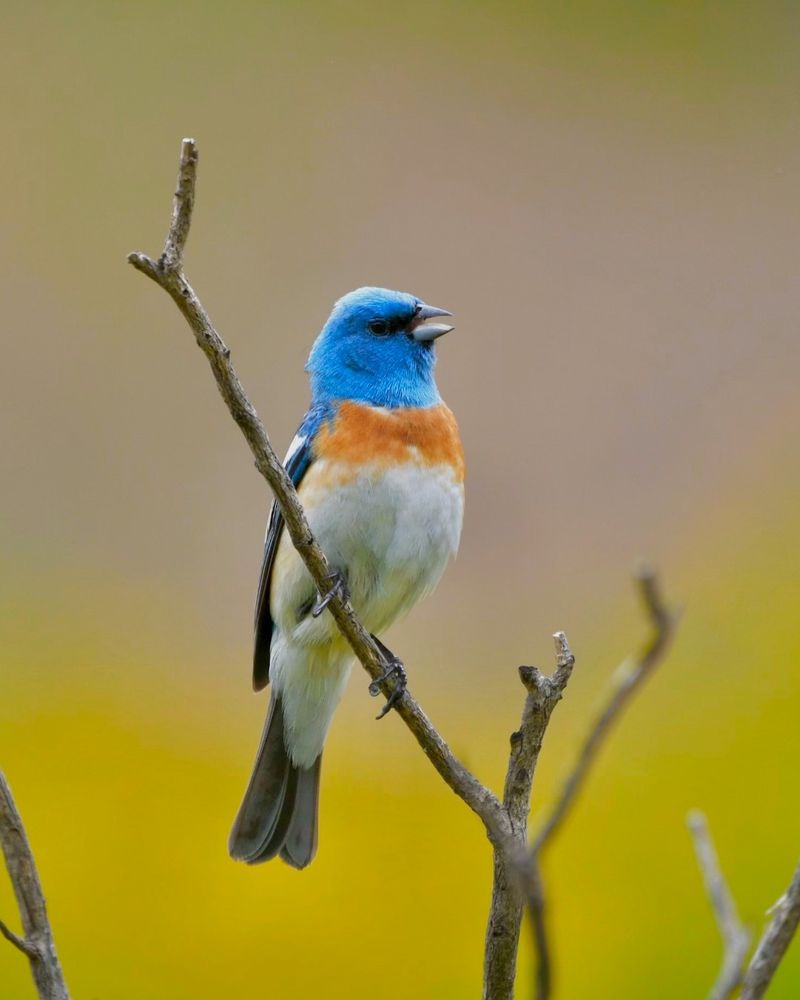
Not every bird sticks around for long, and that is perfectly normal. A Lazuli Bunting might visit for just a day or two before moving on.
During migration, these birds are on tight schedules. They rest, eat, and then continue their journey to reach their destination.
A short stay does not mean your garden failed to impress. It simply means the bird needed a quick refuel before flying onward.
Think of it like a traveler grabbing a snack at a rest stop. They enjoy the break but cannot stay forever.
These brief visits make each sighting feel extra special. You never know when a flash of blue might appear or vanish.
To catch these fleeting guests, keep an eye out during peak migration weeks. Early mornings are often the best time to spot them.
Having a camera or binoculars ready helps you enjoy the moment. Quick visits leave little time to fetch your gear.
Even a two-day stay gives the bird valuable rest. Your garden played a real role in its safe travels.
Some birds may pass through again on their return trip months later. Familiar, welcoming yards often earn repeat visits.
Rather than feeling disappointed by a short goodbye, celebrate the visit for what it was. A brief pause in your garden means you offered exactly what that little traveler needed at just the right moment on its long adventure.
7. Fall Migration Brings Unexpected Bird Visitors
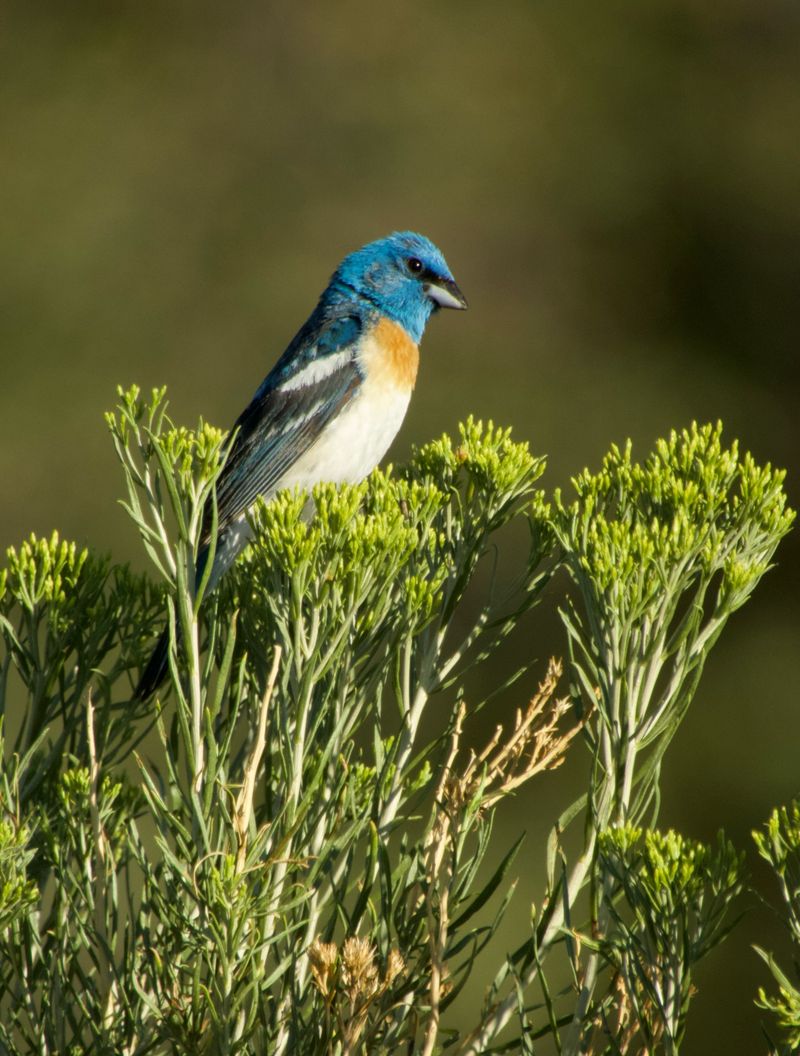
When summer fades, a whole new wave of birds hits the road. Fall migration can bring surprising guests to your California garden.
During autumn, Lazuli Buntings head south toward Mexico for the winter. Your yard might catch a few as they pass through.
Fall birds often look different from their spring selves. Males lose their bright blue color and appear more brown and streaky.
This change can make them tricky to identify at first. Look closely, and you may spot hints of blue in the wings and tail.
Cooler weather also brings other traveling species. Your feeders might host a mix of unexpected visitors during these months.
Keeping your garden stocked in fall is a smart move. Food becomes scarce, so birds appreciate any help they can get.
Leave seed heads standing and refill feeders regularly. Reliable food draws tired migrants looking for a meal.
Water sources stay important in fall too. Birds need to drink and bathe even as temperatures drop.
These autumn sightings feel like little gifts. You never quite know which species will drop by next.
Watching the seasonal shift in your yard connects you to nature’s rhythms. Each new arrival tells a story of movement and change.
By staying ready during fall migration, you give passing birds a helping hand. That extra support can make your garden a favorite pit stop for colorful travelers heading toward warmer lands.
8. Water Sources Can Increase Bird Activity
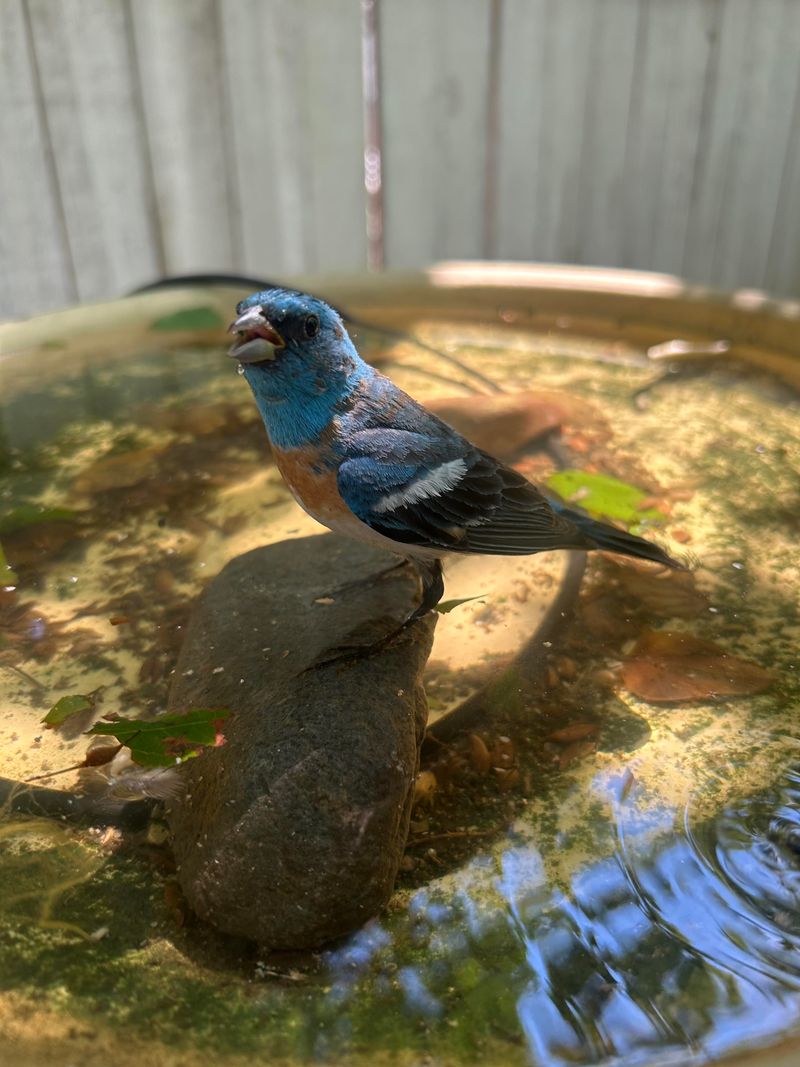
Fresh water is like a magnet for birds, especially in California’s dry climate. A simple water source can bring far more visitors to your yard.
Buntings and other migrants need water to drink and to keep their feathers clean. A birdbath offers both in one spot.
The sound of moving water is even more inviting. Birds hear splashing from far away and come to investigate.
You can add a small fountain or dripper to create gentle motion. These features often double the number of birds that stop by.
Keep your water shallow so small birds can safely wade in. A few inches deep is plenty for a bunting.
Place the bath near shrubs, but not too close. Birds want cover nearby while staying safe from lurking predators.
Cleaning the water regularly keeps it healthy and appealing. Fresh, clear water attracts more guests than a dirty dish.
During hot summer days, your water source becomes even more valuable. Thirsty travelers will seek it out gratefully.
Adding a few flat stones gives birds spots to perch and sip. Little touches like this make a big difference.
Watching a Lazuli Bunting splash and drink is a joyful sight. Water often draws them out into open view.
By offering a reliable water source, you turn your garden into a true oasis. That simple gift of water might be the very reason a colorful bunting decides to stop and stay awhile.