Can Your California Lawn Recover Before Winter If You Reseed Now?
That thin, brown patch by the driveway has been bugging you since June, and now the days are getting shorter with nothing done about it.
You keep telling yourself you’ll reseed it eventually.
A nagging voice keeps asking whether you already missed your chance for the year, and the honest answer depends on something most homeowners never think to check before grabbing a bag of seed.
Some California lawns are exactly ready for this moment. Others are already shutting down for the season, and planting into them now wastes seed, water, and a fair amount of hope.
Curious which camp your own lawn actually falls into, and what a thermometer might tell you that the calendar cannot? The answer starts with a simple temperature range most grasses quietly demand.
1. Cool Season Grasses Still Have Time
Good news first. Fall is basically prime time for cool-season lawns in California.
Tall fescue, perennial ryegrass, and Kentucky bluegrass grow best when air temperatures sit roughly between 60 and 75 degrees. Early to mid fall hits that sweet spot in much of the state.
Fall ranks as the top season for planting these grasses.
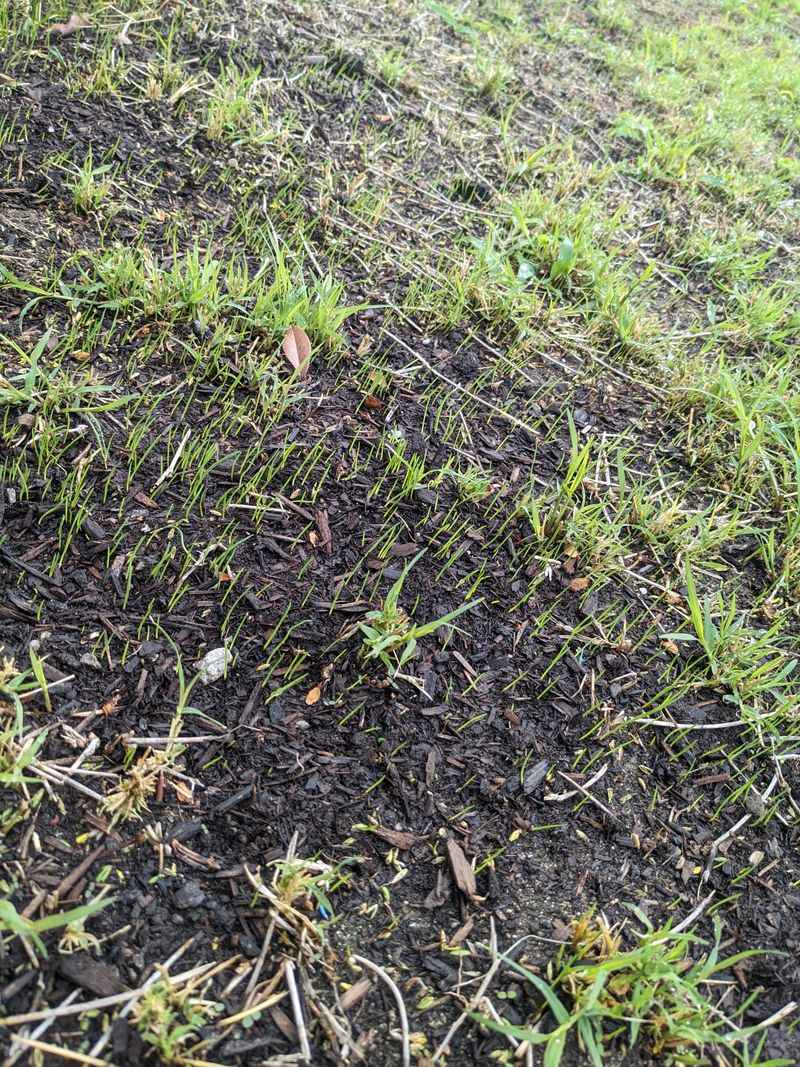
The soil is still warm from summer, so seeds sprout quickly. Meanwhile, the air is cooler, which means less stress on tender baby grass and fewer weeds competing for space.
Think of it like a head start.
Seeds planted in September or October can put down roots for weeks before cold weather slows things down. By the time winter rains arrive, many young lawns are sturdy enough to handle them.
There is one catch.
The closer you get to late fall, the smaller your window becomes, especially in cooler inland valleys and mountain areas where frost shows up early. Coastal and Southern California gardeners often have a bit more wiggle room, since their winters stay gentle.
Timing also affects how thick your lawn looks next spring.
Grass that sprouts in early fall has time to fill in bare spots and grow side shoots before the heat returns. That early growth builds a stronger, deeper root system to face next summer’s dry spells.
2. Warm Season Types Are Already Slowing Down
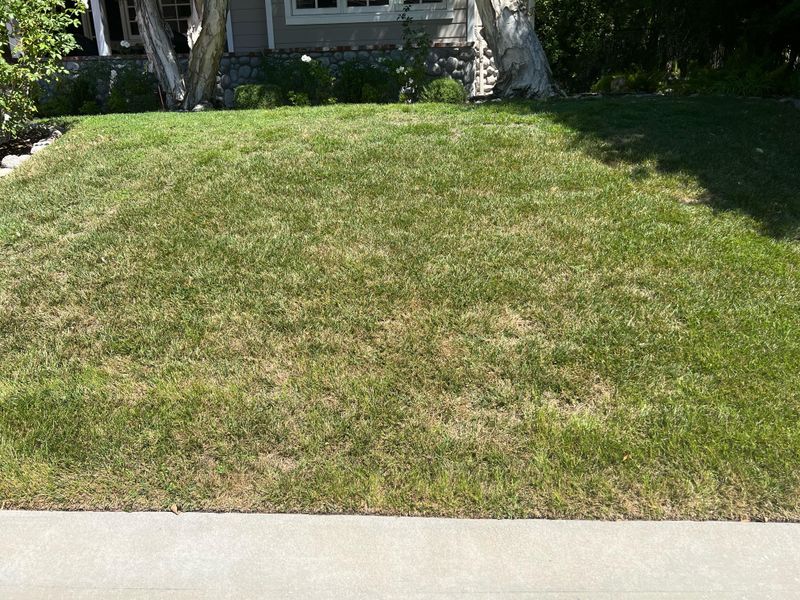
A bear eating its last big meals before hibernation captures roughly what Bermuda grass, zoysia, St. Augustine, and kikuyu are doing as fall arrives in California.
They’re winding down, not gearing up.
Warm-season grasses thrive in heat.
They grow fastest when temperatures climb into the 80s and 90s, and they slow sharply once nights cool off. As soil temperatures drop, many of these lawns lose color and eventually go dormant, turning tan or straw-colored for the winter.
Dormant does not mean gone for good.
The grass is simply resting, saving energy in its roots and runners until warm weather returns. Still, a lawn that is shutting down is in no shape to support brand new seedlings.
Here’s the problem with reseeding now.
Warm-season seeds need warm soil to sprout, and fall soil is heading in the wrong direction. Even if a few seeds germinate, the tiny plants have very little time to build roots before chilly weather stalls them.
Your California Garden Changes Every Week. Your Plan Should Too.
Gardening in California changes quickly throughout the season. Every Friday you’ll receive a simple weekly plan showing exactly what to plant, prune, fertilize, harvest, and protect so you never miss the right timing.
You might also waste money.
Bermuda seed is not cheap, and seed that sits in cold ground can rot or get eaten by birds before it ever wakes up. That means bare spots simply stay bare.
So if your yard is covered in Bermuda or zoysia, fall is a time for patience.
3. Soil Temperature Decides More Than The Calendar
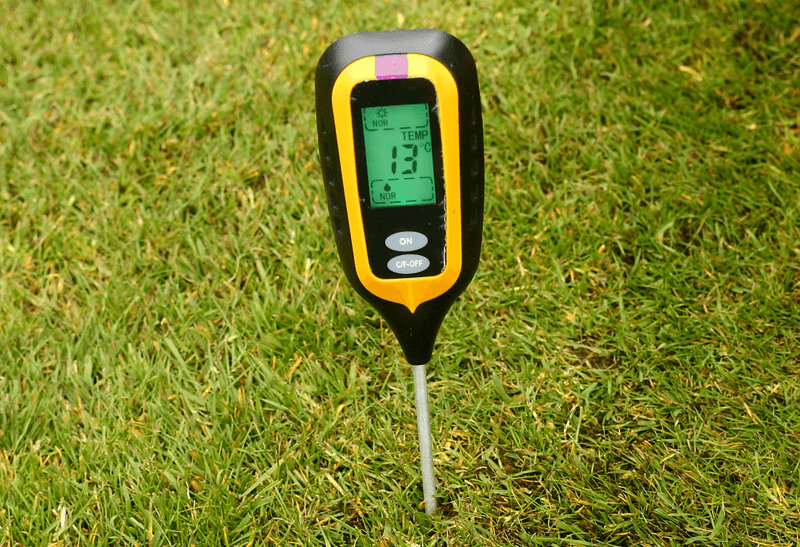
Your calendar says October, but your seeds cannot read.
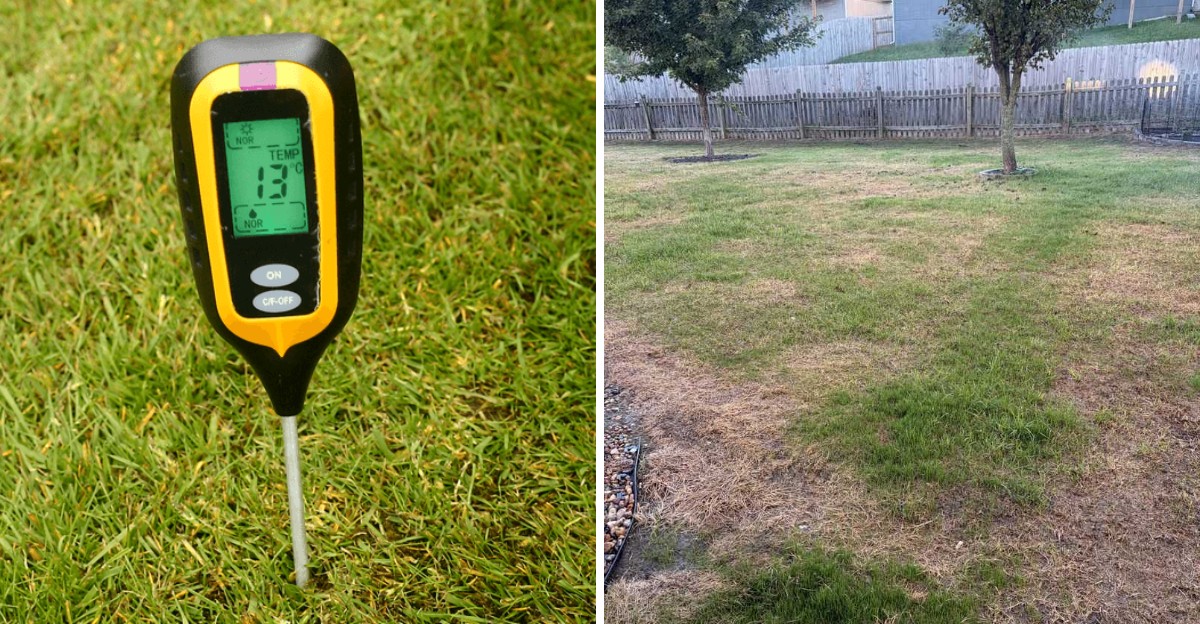
What they respond to is the temperature of the ground they’re sitting in. That’s why a cheap soil thermometer might be the most useful lawn tool you buy this year.
California has wildly different climates packed into one state.
A lawn in San Diego, one in Sacramento, and one near Lake Tahoe could all be planted on the same date and get totally different results. The coast stays mild, the Central Valley swings hot to cool, and the mountains get cold fast.
Cool-season grass seed generally sprouts well when soil temperatures are roughly in the 50s to mid 60s Fahrenheit.
Warm-season seed like Bermuda usually wants soil around 65 to 70 degrees or warmer, and it keeps performing best as things heat up. Those numbers are general ranges, so check your seed bag.
Testing is easy.
Push a soil thermometer about two inches deep, where the seeds and new roots will live, and read it in the morning when the ground is coolest. Take readings for several days in a row to spot a trend instead of trusting one lucky afternoon.
If your readings are steady and in range for cool-season grass, you’re good to go.
4. Fescue And Ryegrass Establish Well Right Now
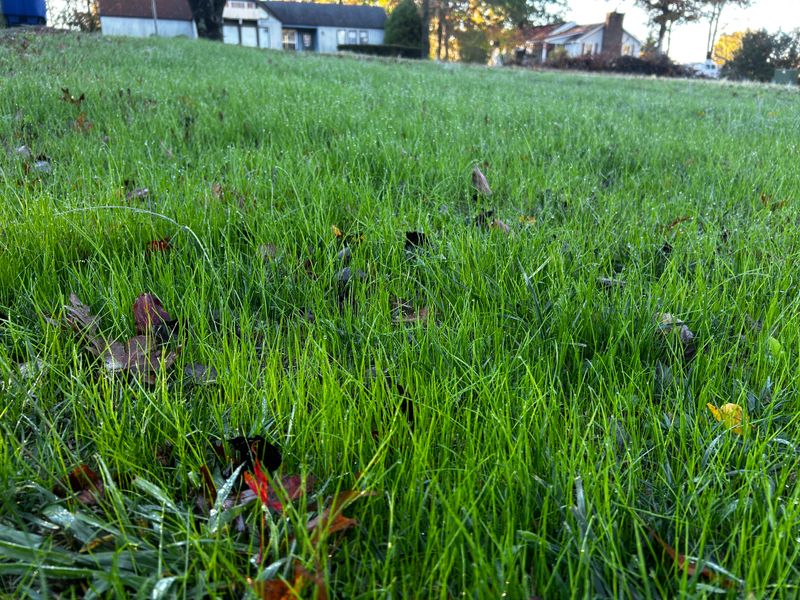
Ready to roll up your sleeves? If you grow tall fescue or perennial ryegrass, here’s a simple game plan for reseeding this fall.
Start by mowing the existing lawn shorter than usual and raking out spent grass and thatch.
Seed needs to touch bare soil, not sit on a mat of old clippings. For tired, compacted areas, renting a core aerator or loosening the top layer with a garden rake helps seeds settle in.
Next, spread seed evenly.
A handheld or push spreader works better than tossing by hand, and splitting the seed into two passes in crisscross directions prevents patchy spots. Follow the seeding rate on the bag.
Lightly rake the seed so it’s barely covered, about a quarter inch deep at most.
A starter fertilizer can help young roots too, but read the label and avoid heavy applications.
Now comes the waiting game.
Perennial ryegrass is the speedy one, often sprouting in about a week. Tall fescue usually takes one to two weeks, while Kentucky bluegrass can take several weeks, so don’t panic if blends look uneven at first.
Hold off on mowing until the new blades reach about a third taller than your normal mowing height.
5. Bermuda And Zoysia Need To Wait For Spring
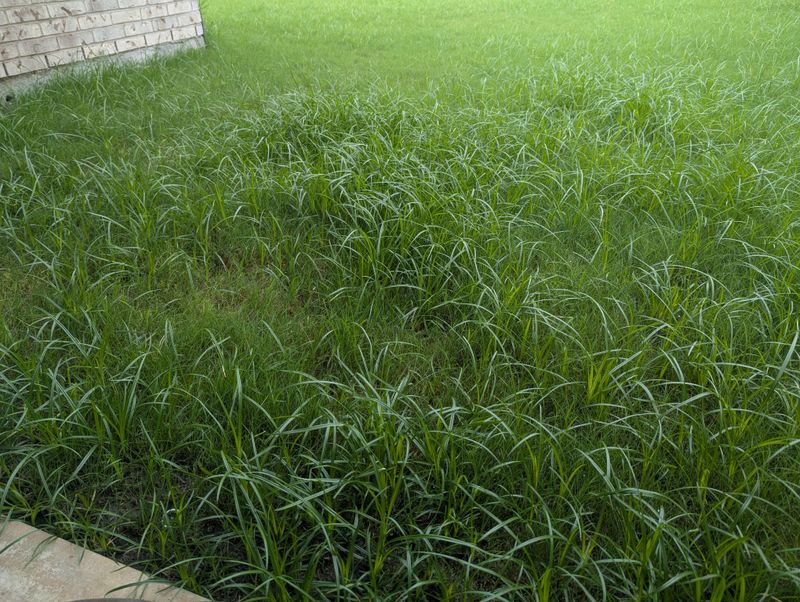
Patience is a virtue sounds like something your grandma says, but it’s also solid advice for Bermuda and zoysia owners.
These heat-loving grasses reward you for waiting until the right moment. That moment is late spring, not fall.
Planting warm-season grasses from late spring into early summer, once the soil has warmed up for good, is generally recommended.
That timing gives seedlings a whole season of hot weather to grow roots, spread runners, and fill in before cooler months return.
Bermuda grass can be grown from seed, and it establishes fast when conditions are warm.
Zoysia is a different story. Seeded zoysia is notoriously slow, so many California homeowners repair zoysia with sod or plugs instead of seed.
So what can you do this fall? Plenty.
Mow at the recommended height, water less as growth slows, and avoid pushing growth with heavy late-season nitrogen fertilizer, which can leave grass tender heading into cold weather.
You can also prepare those bare patches now.
Pull weeds before they set seed, mark the thin areas, and plan to loosen the soil in spring.
6. Weed Pressure Drops With Proper Fall Timing
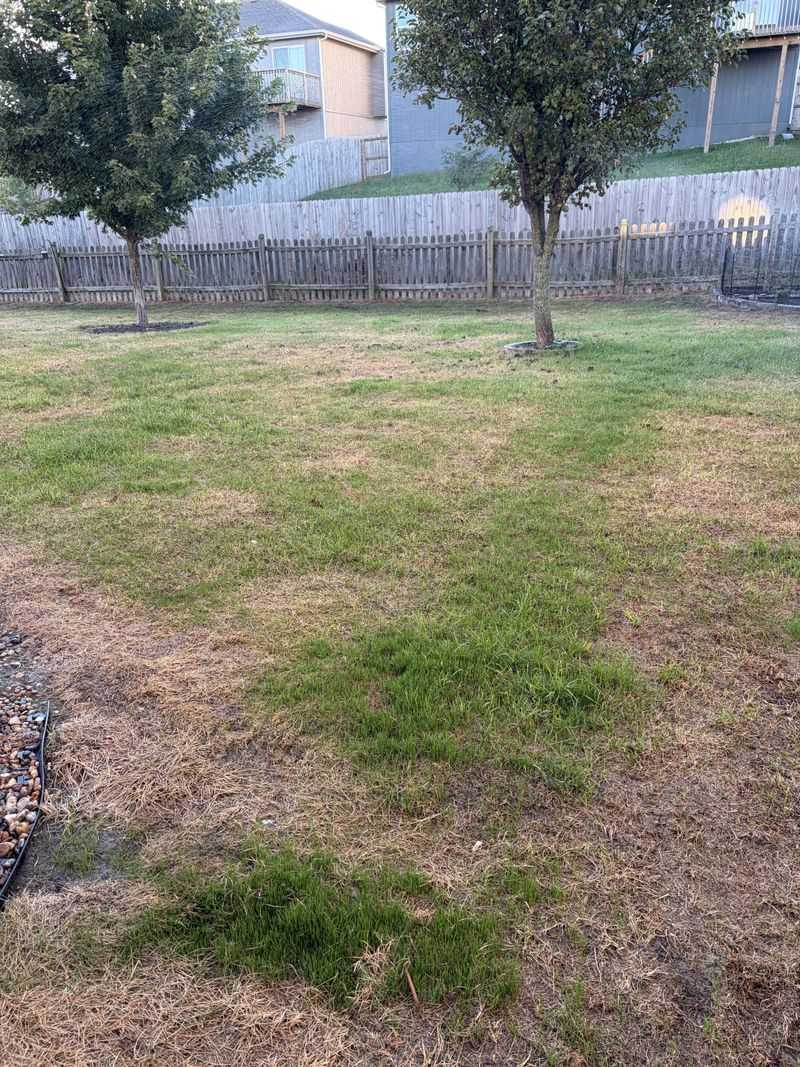
Fall reseeding does more than fill bare patches. It also gives cool-season grass a real edge in the ongoing fight against weeds.
Many common lawn weeds, like crabgrass and spurge, are warm-season annuals that germinate in spring and fade back once cold weather arrives.
A lawn seeded in fall gets its grass established before those weed seeds even wake up the following spring.
That head start matters more than most homeowners realize. Thick, well-rooted fescue or ryegrass shades the soil surface, which blocks the sunlight many weed seeds need to sprout in the first place.
Timing also avoids a common mistake. Pre-emergent herbicides, often used to stop weeds before they germinate, can also prevent grass seed from sprouting if applied too close to a fall seeding date, so check product labels carefully before combining the two.
Existing perennial weeds already established in a lawn should generally get pulled or spot-treated before spreading seed, since new grass seedlings compete poorly against weeds with an established root system already in place.
A soil test can reveal whether compacted or nutrient-poor conditions are inviting weeds in the first place, since thin, struggling grass leaves gaps that weeds are quick to fill. Improving soil health alongside reseeding tackles the root cause rather than just the symptom.
Come spring, a lawn seeded properly in fall often shows noticeably fewer weeds than one left bare over winter, simply because the grass had months to establish dominance before the weed season even began.
That difference compounds over several years too. Each season a lawn stays thick and healthy makes it that much harder for weeds to find the bare soil and sunlight they need to gain a foothold.
7. Watering Consistency Matters Most Early On
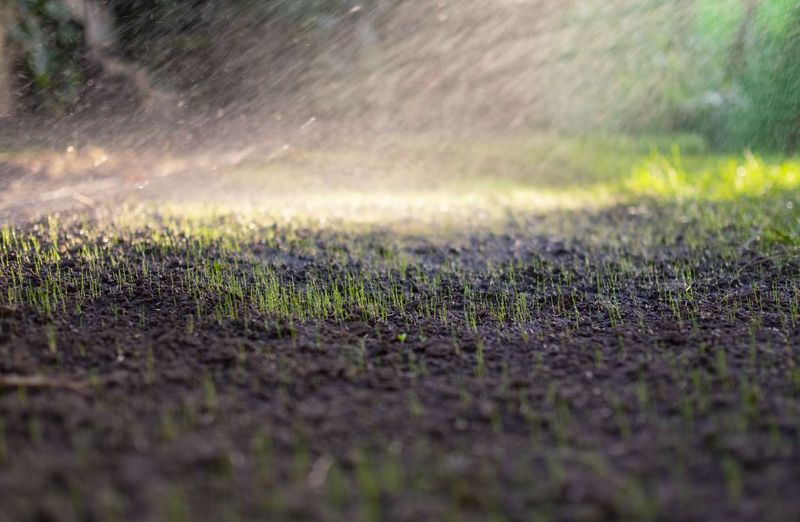
Seeds are a little dramatic. Let them dry out for one hot afternoon right after they sprout, and they may give up entirely.
During germination, the top layer of soil, roughly the first inch, needs to stay evenly moist.
That usually means short, light watering sessions once or several times a day, depending on your weather. A foggy week in Half Moon Bay needs far less water than a warm, windy stretch in Riverside.
The goal is damp, not soggy.
Puddles can wash seeds into clumps or rot them, while crusty dry soil stops sprouts in their tracks. A quick finger test helps, since the surface should feel like a wrung-out sponge.
Once most of the seedlings are up and growing, start shifting your routine.
Water less often but for longer each time, which encourages roots to chase moisture deeper into the ground. Over several weeks, you’ll move toward the deeper, less frequent watering that mature lawns prefer.
Keep an eye on the forecast too.
Fall Santa Ana winds in Southern California can dry out seedbeds shockingly fast, so you may need an extra misting.
8. Shady Areas Need A Different Seed Blend
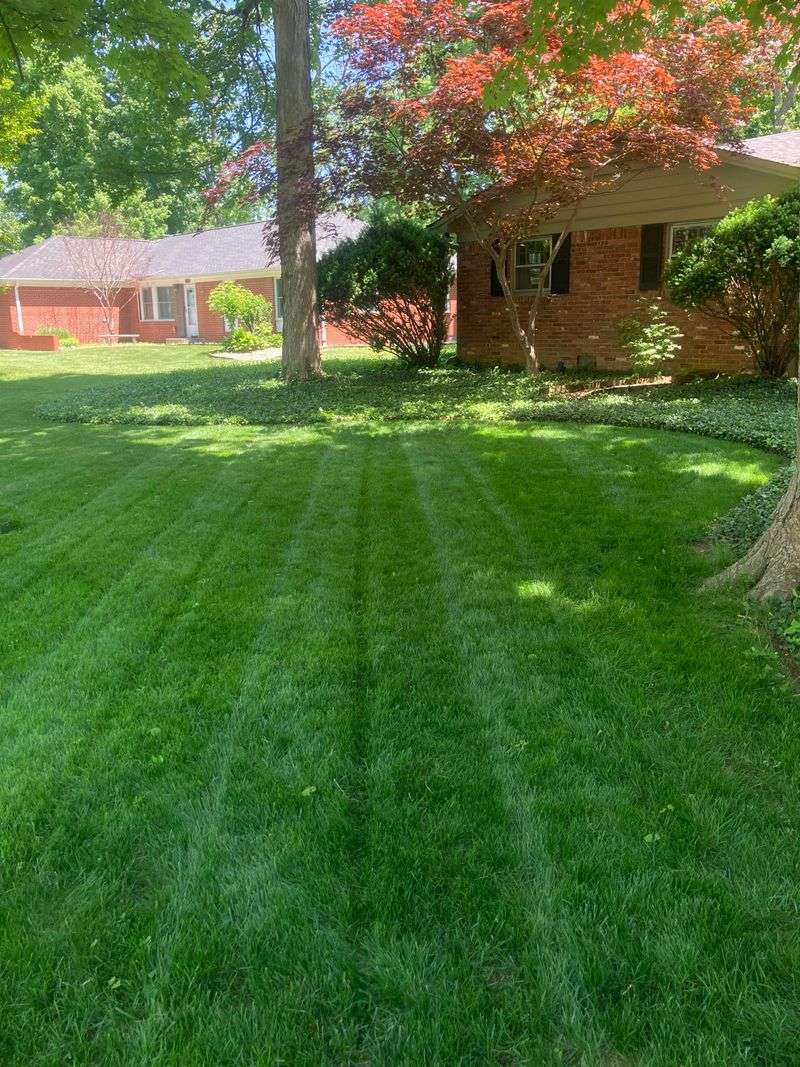
Not every bare patch in a California lawn suffers from bad timing alone. Some spots simply do not get enough sun to support standard turf grass, no matter when you plant.
Areas under trees, along north-facing fences, or beneath a covered patio often receive far less than the six hours of direct sun most common lawn grasses need to truly thrive. Reseeding these spots with a standard fescue or ryegrass blend often ends in disappointment, even with perfect fall timing.
Several grass seed blends exist specifically for shade, typically leaning heavily on fine fescue varieties, which tolerate lower light levels better than tall fescue or bluegrass ever will.
Even shade-tolerant blends still need some indirect light to survive long term. A spot receiving less than two or three hours of filtered sun daily may struggle regardless of what seed goes down, and a groundcover or mulch bed might serve that area better than grass ever could.
Fall remains a reasonable time to try shade seed in coastal and valley regions, since the cooler temperatures reduce stress on seedlings already competing with tree roots for water and nutrients.
Raking away fallen leaves before they smother new grass matters more in shady spots than sunny ones, since shaded areas already struggle with airflow and moisture buildup that leaf litter only makes worse.
Watering shaded new seed requires a lighter touch too, since soil under a tree canopy or a patio roof dries out more slowly than open lawn, and overwatering in these conditions invites fungal problems that struggling shade grass can rarely fight off on its own.
If a shaded patch has failed to hold grass for several seasons running despite reasonable effort, it may be worth accepting that particular spot as a candidate for a groundcover, mulch, or a small garden bed instead of another round of seed.
9. Match Your Grass Type To The Real Answer
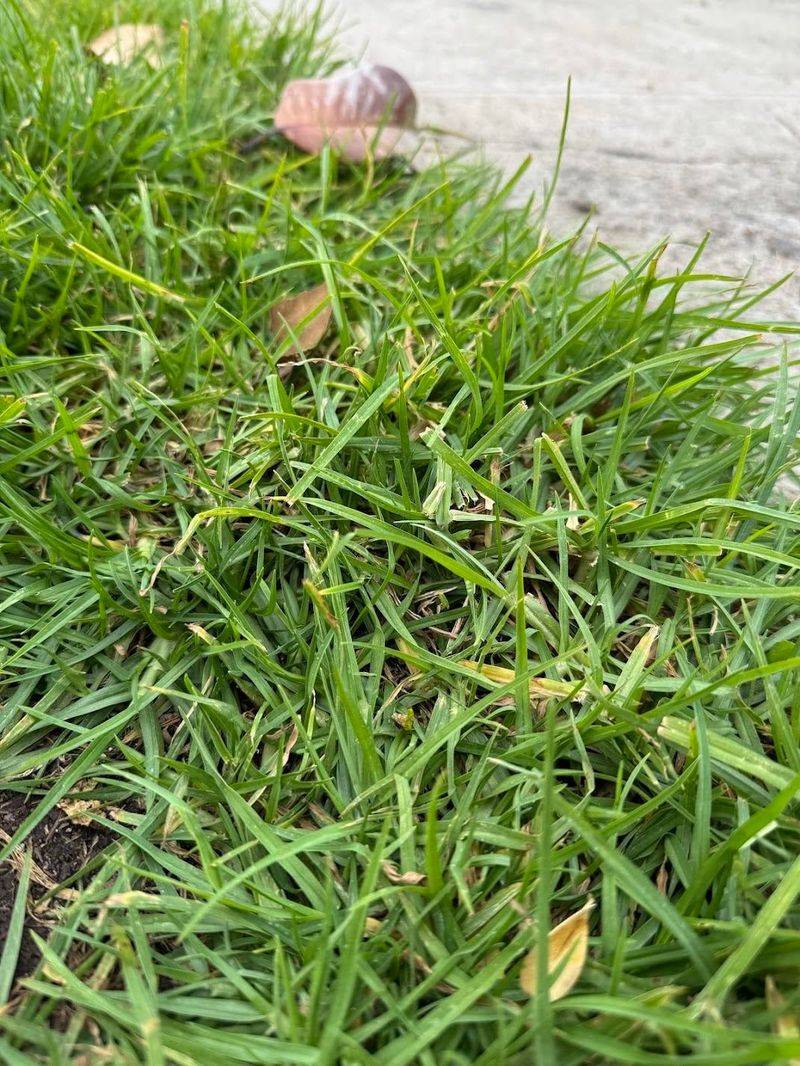
So, can your California lawn recover before winter if you reseed now? The honest answer is yes, no, or it depends, and all three are true. It all comes down to what’s growing in your yard.
Not sure what you have? Look closely at the blades and the way the grass spreads.
Tall fescue has wider blades and grows in clumps, perennial ryegrass has shiny undersides, Bermuda creeps with runners above and below ground, and zoysia forms a dense, stiff carpet.
A local nursery or your county extension program can help identify a sample if you’re stumped.
Once you know your grass, the path is clear.
Cool-season lawns like fescue, rye, and bluegrass should be reseeded now while the soil is still warm enough and the air is mild. Warm-season lawns like Bermuda and zoysia should rest through winter and get attention in late spring.
Mixed lawns are common in California, too.
If your yard has fescue patches invaded by Bermuda, fall seeding helps the fescue, but the Bermuda will return with the heat, so manage expectations.