What It Means When A Praying Mantis Appears In Your California Garden
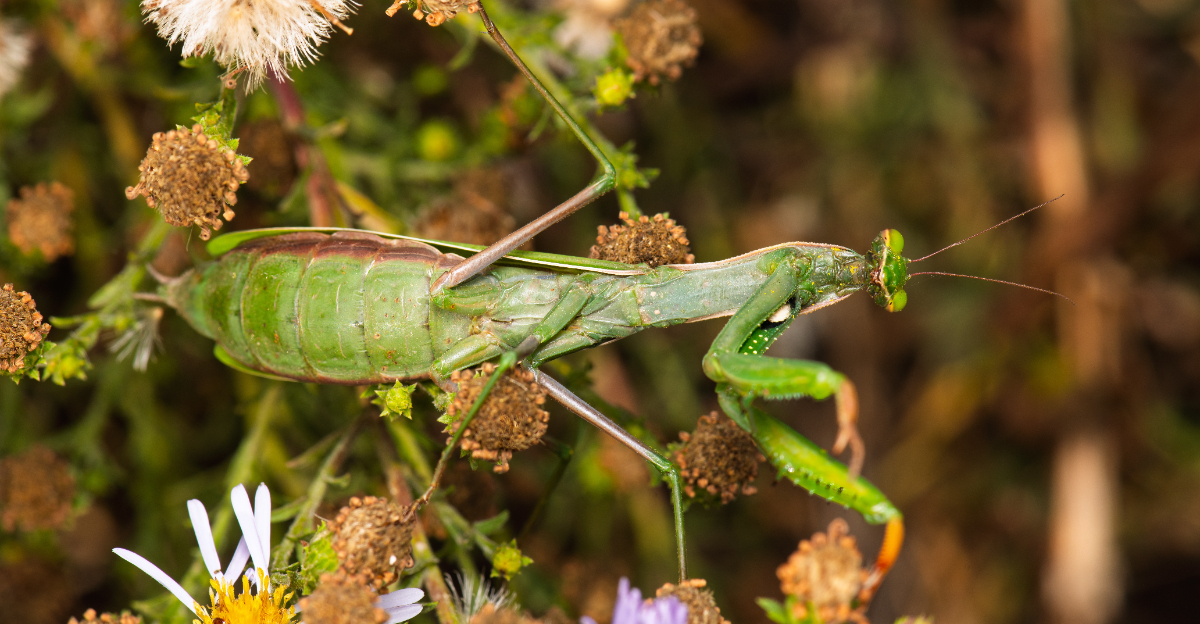
A praying mantis has a way of making a garden feel suddenly more interesting. One minute you are checking leaves or watering tomatoes, and the next, there it is, standing still like it owns the place.
In California gardens, this strange little visitor can make people wonder if it is a lucky sign, a pest helper, or just another backyard surprise. The answer is not as simple as it seems.
A mantis can point to a garden that has more going on than you might notice at first glance. It may also bring a few surprises that gardeners do not always expect.
That is what makes spotting one so fascinating. Before you decide what its visit means, it helps to look closer at why it showed up and what it may be telling you.
1. A Praying Mantis Usually Means Your Garden Has Prey
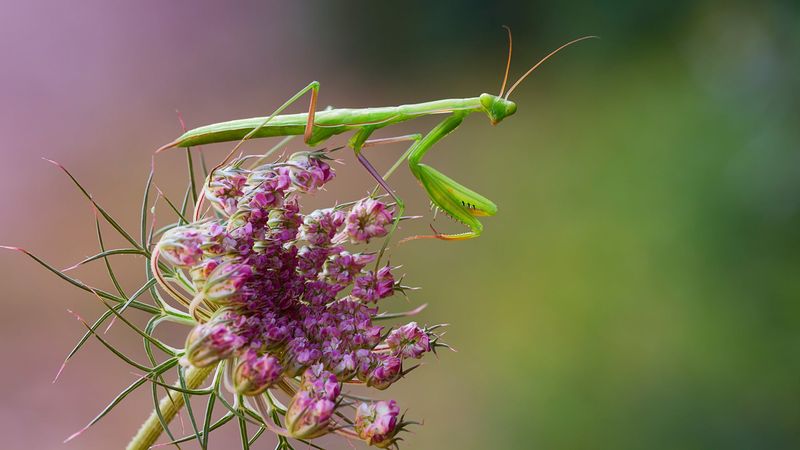
When a praying mantis shows up in your garden, the very first thing it tells you is simple: there is food nearby.
Mantises are ambush predators, which means they sit very still and wait for other insects to come close before striking. They do not wander into empty spaces.
Your garden likely has a healthy population of insects if a mantis has decided to hang around. That includes grasshoppers, flies, moths, beetles, and even small caterpillars.
All of these are on the mantis menu, and a well-stocked garden is basically an open buffet for them.
Think of the mantis as a signal. Its presence means your plants are attracting insect life, which is actually a normal and healthy part of any outdoor garden space.
Not every insect in your yard is a problem, and the praying mantis knows that better than anyone.
Gardeners sometimes panic when they see lots of bugs, but a mantis being there shows that nature is already working to create balance. The mantis would not stick around if there was nothing worth eating.
So before you reach for any spray or trap, take a moment to observe. Watch what insects are moving through your plants.
You might find the mantis is already handling things on its own, quietly and efficiently, right there among your leaves and stems.
2. It Can Be A Sign Of A Healthy Food Web
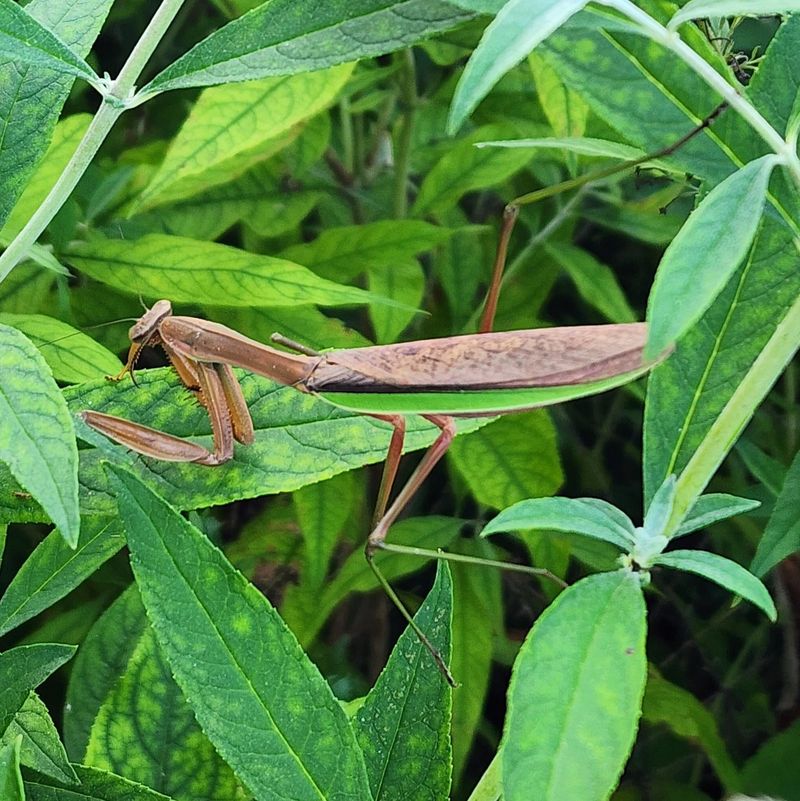
A food web is basically nature’s way of connecting all living things through what eats what. Plants feed insects, insects feed predators, and predators keep everything from getting out of control.
Seeing a praying mantis in your garden means your yard has enough layers in that web to support a top-level hunter.
Mantises need more than just one or two bugs to survive. They need a steady supply of prey, which means your garden must already be supporting a wide variety of insect life.
That kind of variety only happens when plants are healthy, soil is active, and chemicals are not wiping everything out.
Healthy food webs also include birds, spiders, lizards, and other creatures that feed on insects.
If you have noticed more birds visiting your yard or lizards sunning on your fence, that is another sign your garden’s ecosystem is thriving. The mantis is just one more piece of that living puzzle.
Your California Garden Changes Every Week. Your Plan Should Too.
Gardening in California changes quickly throughout the season. Every Friday you’ll receive a simple weekly plan showing exactly what to plant, prune, fertilize, harvest, and protect so you never miss the right timing.
Many gardeners work hard to attract pollinators like bees and butterflies. But a truly balanced garden also needs predatory insects like the mantis to keep plant-eating bugs in check.
When you see a mantis, take it as a quiet compliment. Your garden is doing something right. It has become a place where nature can actually function the way it is supposed to, layer by layer, creature by creature.
3. Mantises Help With Some Garden Pests
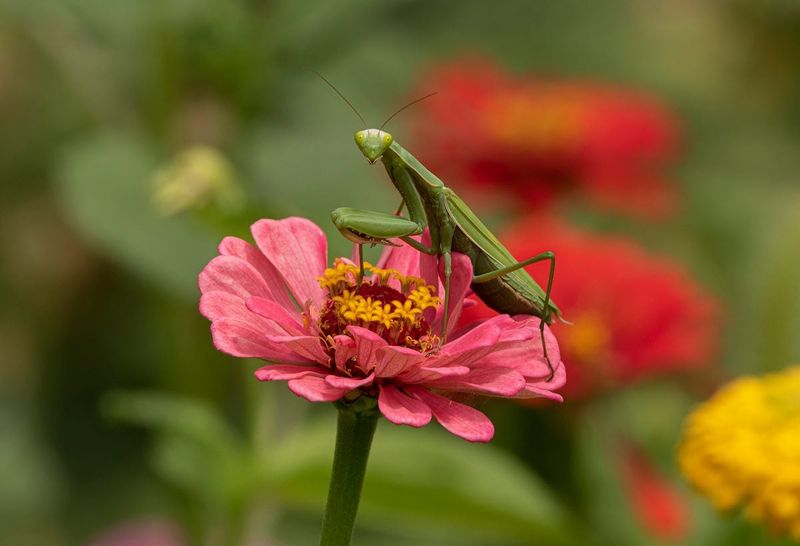
One of the most well-known reasons gardeners love seeing a mantis is because these insects eat common garden pests.
Grasshoppers, aphids, caterpillars, and beetles that chew through your plants are all fair game for a hungry mantis. That makes them a natural form of pest control.
Mantises are incredibly fast strikers. Their front legs snap out in a fraction of a second, faster than most insects can react.
Once they grab something, it rarely gets away. This hunting style makes them effective at catching the kinds of bugs that can do serious damage to vegetable gardens and flower beds.
In our state, gardeners growing tomatoes, peppers, squash, and leafy greens often deal with pest pressure throughout the growing season.
Having a mantis or two patrolling those plants can reduce the number of caterpillars and beetles that would otherwise munch through leaves overnight.
That said, mantises are not a cure-all solution. They eat what is available, not just the pests you want gone.
But their natural hunting behavior does make a real difference in reducing populations of certain harmful insects. If you find a mantis near your vegetable beds, consider it a helpful garden ally.
Letting it do its job without interference is one of the easiest and most natural ways to support your plants without reaching for chemical sprays or traps.
4. They Also Eat Beneficial Insects
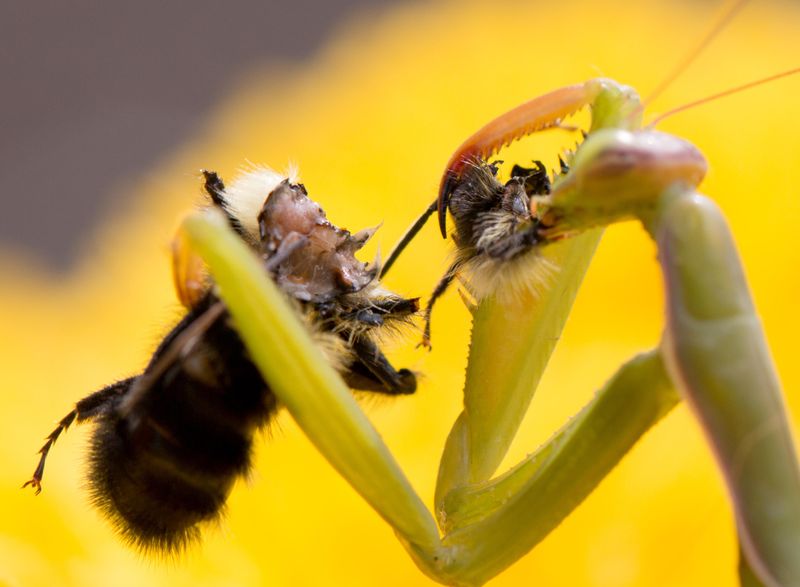
Here is something that surprises a lot of gardeners: mantises do not discriminate when it comes to food. They will eat beneficial insects just as readily as pest insects.
Bees, butterflies, lacewings, and even other mantises are all potential meals.
Honeybees are especially vulnerable because they visit flowers regularly and move in predictable patterns. A mantis waiting on a bloom can easily snag a bee that comes in for nectar.
For gardeners who rely on bees to pollinate their fruits and vegetables, this can be a frustrating reality.
Ladybugs and parasitic wasps are also beneficial insects that help control aphids and other soft-bodied pests.
If a mantis catches and eats these helpers, it can actually tip the balance in the wrong direction. It is not something that happens constantly, but it is worth being aware of.
Mantises are opportunistic hunters, which means they go after whatever is easiest to catch. That could be a pest or a pollinator depending on the day and location.
This is one reason why relying entirely on mantises for pest control is not a perfect strategy. They are part of a bigger system, and they play by their own rules.
Appreciating them for what they are, complex and unpredictable hunters, helps you set realistic expectations for what their presence actually means in your garden space.
5. One Mantis Won’t Fix A Pest Problem
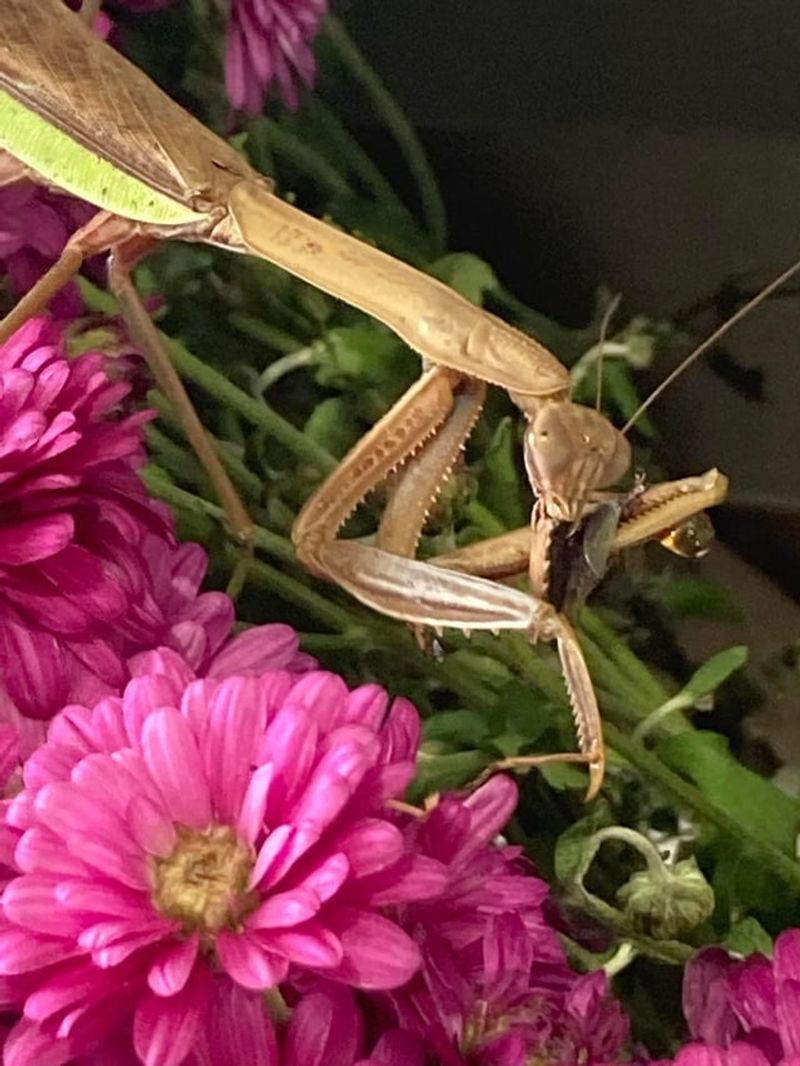
Some gardeners buy praying mantis egg cases online, hoping to release hundreds of mantises and solve their pest problems overnight.
The idea sounds great, but the reality is a little more complicated than that. A single mantis, or even a small group, cannot realistically control a large pest population.
Mantises eat one insect at a time. They hunt slowly and carefully, and they spend a lot of time waiting rather than actively chasing prey.
For a garden dealing with a serious aphid outbreak or a wave of caterpillars, one mantis is not going to make a big dent on its own.
Also, mantises released in large numbers from purchased egg cases tend to spread out quickly or leave the garden entirely. They are territorial and will not stay in one spot just because you want them to.
Many will wander off to neighboring yards or be eaten by birds before they even start hunting.
The most effective approach is to think of mantises as one tool among many. They work best when your garden already has a variety of natural predators working together.
Combine their presence with good planting practices, healthy soil, and reduced pesticide use. That kind of whole-garden thinking creates lasting balance.
One mantis is a welcome visitor, not a pest control service. Enjoy seeing it, but do not put all your hopes on its tiny, capable shoulders.
6. California Gardens May See Native And Non-Native Mantises
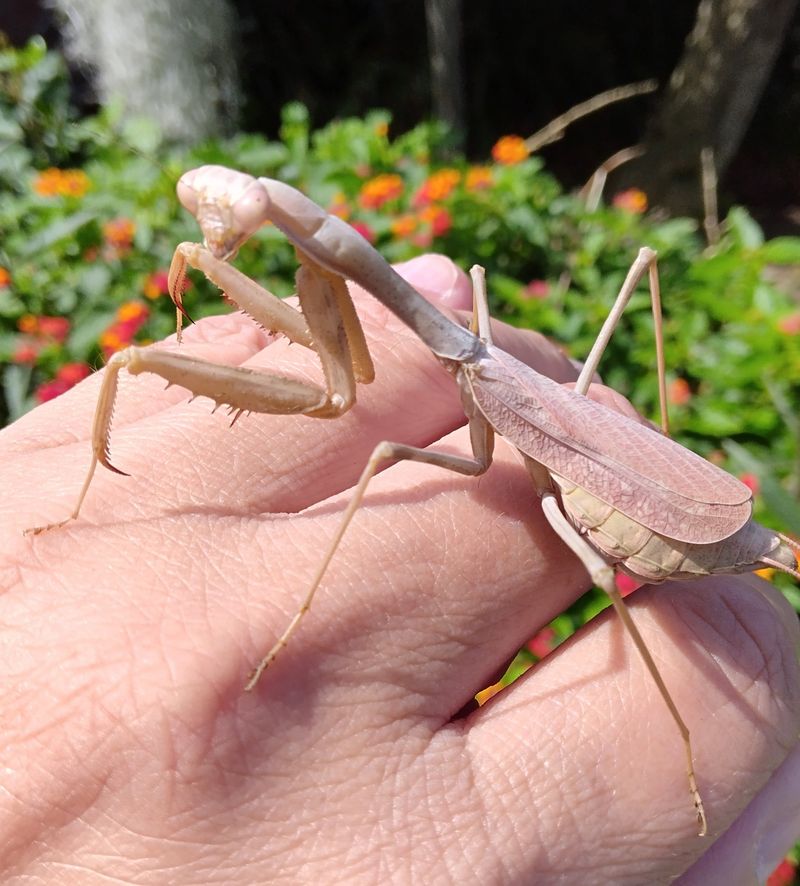
Not all mantises are the same, and our state is home to more than one species. The most commonly spotted mantis in local gardens is actually not native at all.
The Chinese mantis, which can grow up to five inches long, was introduced to North America in the late 1800s and has spread widely across the country.
The European mantis is another non-native species found throughout our state. Both of these introduced species tend to be larger and more visible than native mantises, which is why they get spotted so often.
They have done well in our climate and can be found in gardens from coastal areas all the way to inland valleys. Native mantises do exist here, though they are smaller and harder to notice.
The ground mantis, for example, blends into dry, sandy soil and is more common in open scrubland than in backyard gardens. Spotting one of these is a special treat for anyone who knows what to look for.
Whether native or non-native, all mantises play a similar role in the garden ecosystem. However, some researchers have raised concerns that large non-native species may outcompete or prey on native insects more aggressively.
Being aware of the difference helps you appreciate the full picture of what is living in your yard. Both types are worth observing, and both tell you something about your local environment.
7. Egg Cases Can Appear On Stems, Fences, And Shrubs
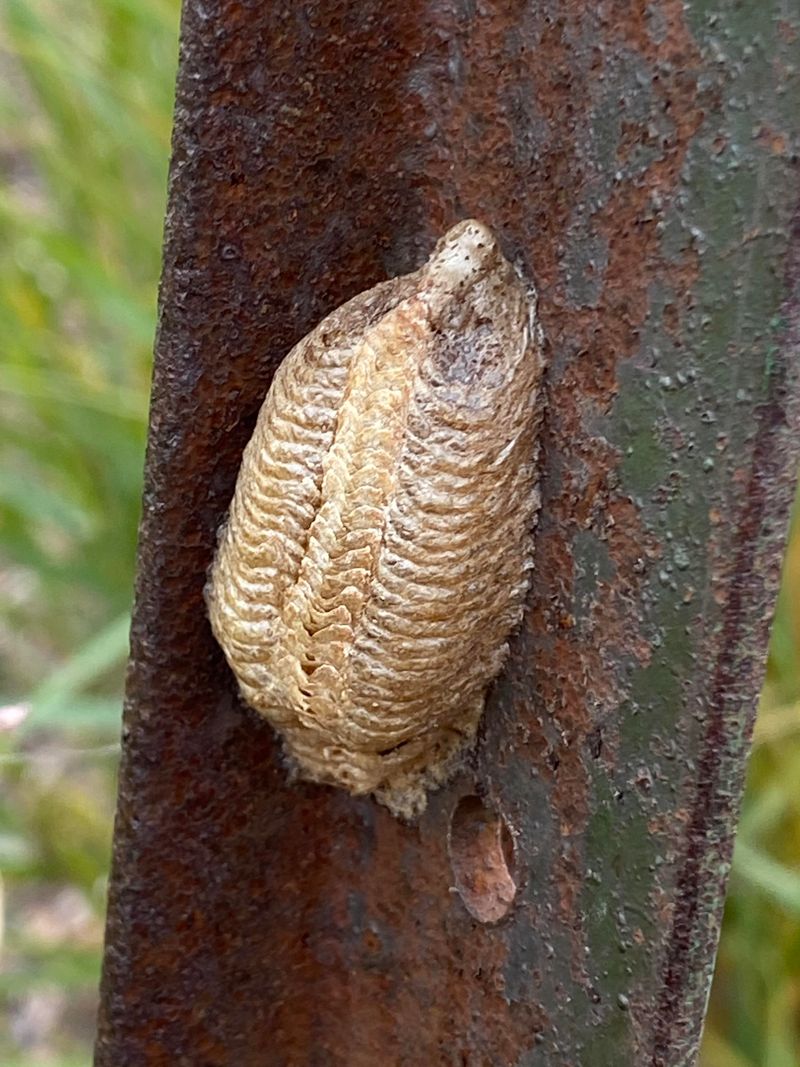
One of the most exciting discoveries a gardener can make in late fall or winter is finding a praying mantis egg case.
Called an ootheca, this foamy, tan-colored structure is about the size of a walnut and is firmly attached to plant stems, fence posts, or woody shrubs. It looks almost like dried foam or a small papier-mache blob.
A single egg case can hold anywhere from 50 to 200 eggs, depending on the species. The eggs stay protected inside through the cooler months and hatch in spring when temperatures warm up.
If you find one in your garden, that is a strong sign that a female mantis lived and laid eggs there during the previous season.
Finding an egg case is great news for next year’s garden. It means you will likely have a new generation of mantises patrolling your plants come spring.
Many gardeners who find egg cases on branches they plan to prune will carefully cut that section and move it somewhere safe rather than disturbing it.
Egg cases are tough and weather-resistant, but they can be damaged by harsh handling or accidentally knocked off. If you spot one, mark its location and leave it alone.
Check back in spring, and you might get to witness dozens of tiny mantises emerging all at once. It is one of those garden moments that feels truly magical and worth every bit of patience.
8. Avoid Spraying If You Want Mantises To Stay
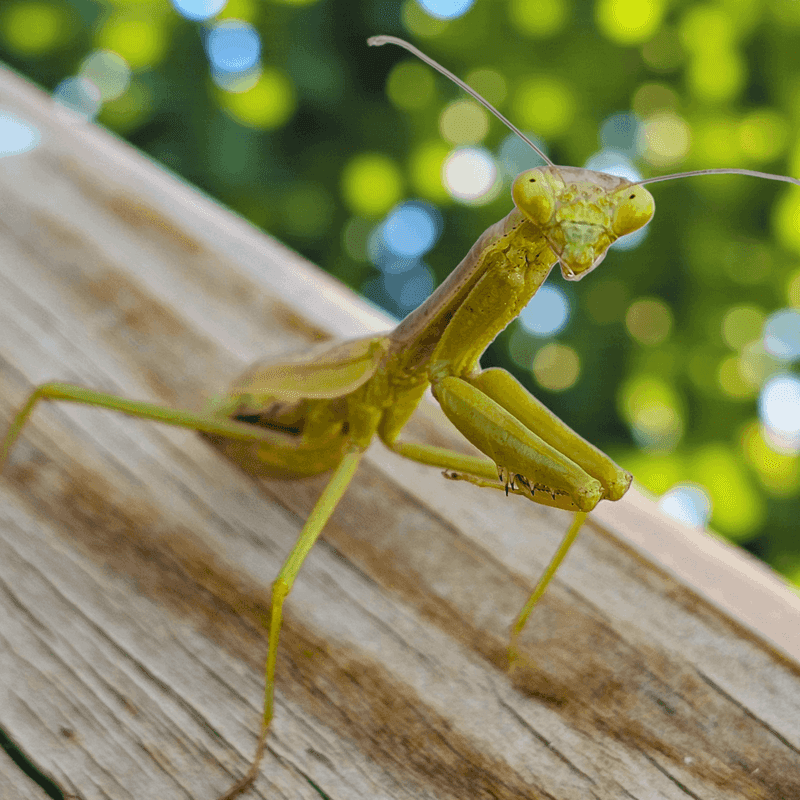
Pesticides are one of the fastest ways to lose a mantis population in your garden. Broad-spectrum insecticides do not just target pests.
They affect all insects, including mantises and the prey insects that mantises depend on for food. Spray enough of them, and you will end up with a garden that cannot support any beneficial predators at all.
Even organic sprays like neem oil and pyrethrin can be harmful to mantises when applied heavily or frequently.
These products break down faster than synthetic chemicals, but they still pose a risk to any insect that comes into contact with treated plant surfaces. Timing and frequency matter a lot when using any kind of spray.
If pest pressure is high, consider spot-treating only the most affected plants rather than spraying your entire garden.
Hand-picking larger pests like caterpillars and beetles is another option that leaves your beneficial insects unharmed. These small changes in approach can make a big difference over time.
Gardens that go pesticide-free, or at least reduce their use significantly, tend to attract and hold more mantises over multiple seasons. The insects return year after year once they know the area is safe and well-stocked with prey.
Think of skipping the spray bottle as an open invitation. You are telling the mantis that your garden is a safe place to hunt, rest, and lay eggs for the next generation of garden helpers.
9. Let Leafy Shelter Give Them A Place To Hunt
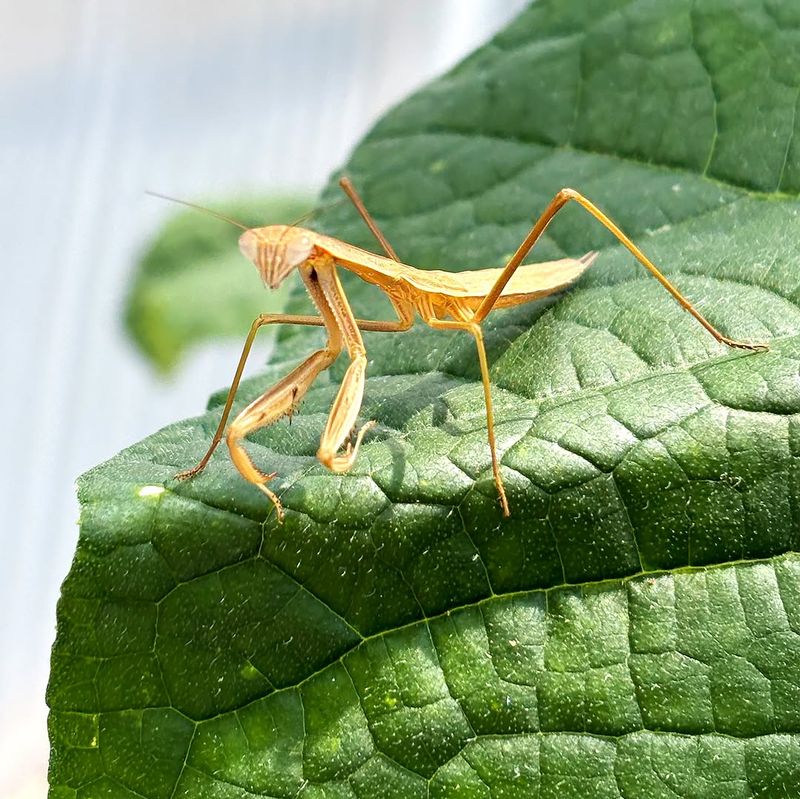
Praying mantises are masters of camouflage, and they need dense, leafy plants to do their best hunting. Without good cover, they are exposed to predators like birds, lizards, and larger insects.
A garden with plenty of plant variety gives them places to hide, wait, and strike without being spotted themselves.
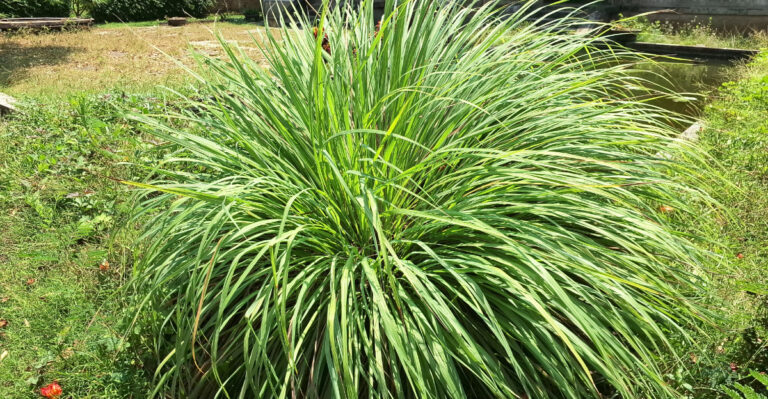
Shrubs with thick foliage, tall ornamental grasses, and flowering plants with lots of stems and leaves are all ideal mantis habitat. Roses, lavender, fennel, and native shrubs like toyon and coffeeberry are great options for our state’s climate.
These plants attract the insects that mantises eat while also giving them structure to cling to and hide within.
Vertical layers matter too. A garden that has ground-level plants, mid-height shrubs, and taller plants or small trees gives mantises more territory to move through.
They will shift their position throughout the day depending on where prey is most active, so having multiple layers means more hunting opportunities.
Keeping some areas of your garden a little wild and untrimmed also helps. Perfectly manicured beds with nothing but bare soil between plants do not offer much cover for a mantis.
Letting things grow a bit thicker in certain spots creates the kind of habitat these insects thrive in. A garden that feels a little lived-in and layered is exactly the kind of place a praying mantis will choose to call home.