What It Means When More Goldfinches Start Appearing In Georgia Gardens This Fall
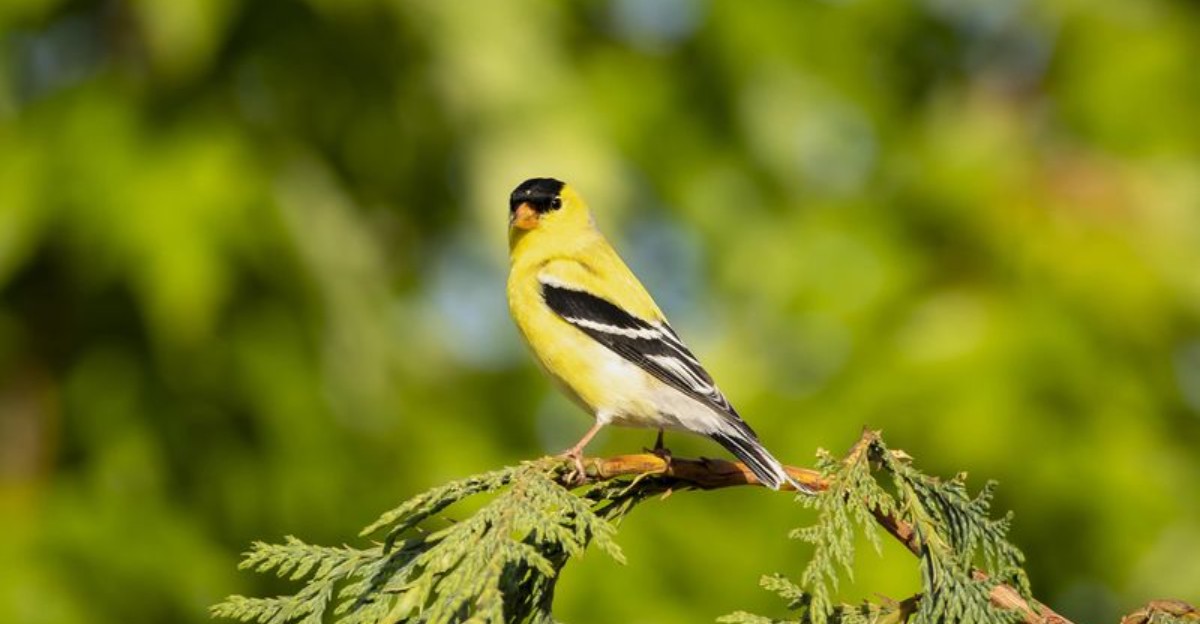
A small, olive-colored bird picking at your coneflower seed heads might not look like a goldfinch at first. By fall, many of the bright yellow males have traded their summer color for a duller coat.
That change makes it easy to miss how many of them are visiting your yard.
Goldfinch numbers often climb as the weather cools, and there is a good reason for that.
Birds from farther north start moving south, and many of them spend the winter in Georgia. They join the local goldfinches that stayed through summer, which can make feeders much busier.
What you leave standing in your garden can play a part in whether they stick around.
Hold off on cutting back faded flowers for now, especially the ones with seed heads still attached.
1. Some Of These Birds Have Traveled From Northern States
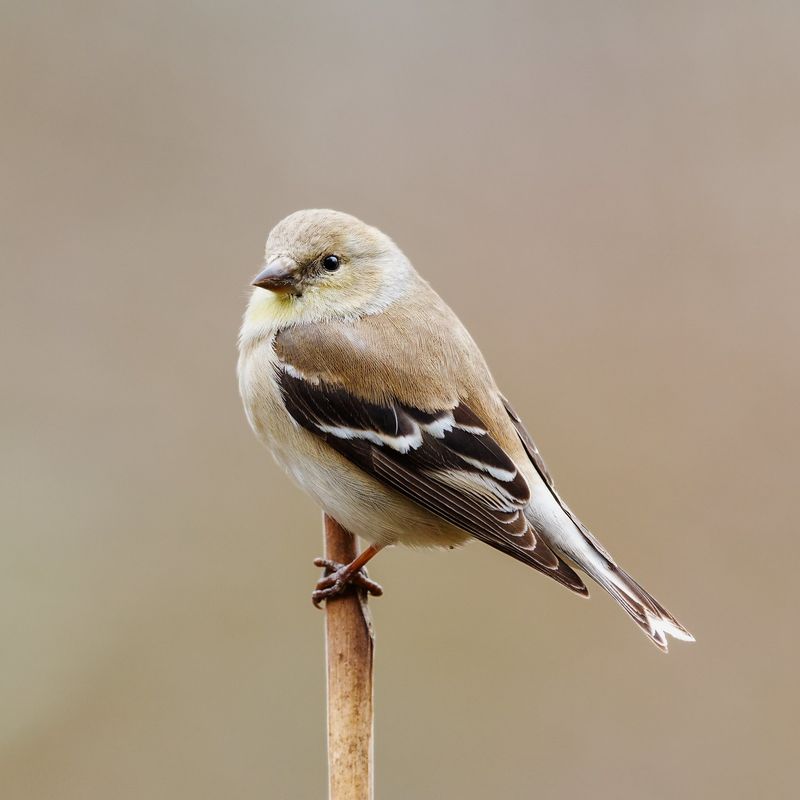
Your fall visitors might be strangers to the neighborhood. American goldfinches live in Georgia all year, but cooler months can bring in birds that spent summer much farther north.
Banding records over the years suggest some goldfinches shift south when colder weather sets in up north.
Not every bird makes that trip, though. Some stay put in places like Michigan or Ohio if food holds out, while others move hundreds of miles.
So when your feeder suddenly feels busier in October or November, you could be seeing a mix of locals and newcomers.
Telling them apart by looks alone is close to impossible for the average backyard watcher. Even experienced birders usually need banded birds to know where a goldfinch came from.
What you can notice is the change in numbers and behavior from week to week.
Keeping a simple notebook by the window can help. Jot down the date, the weather, and a rough count of birds, and patterns may start to show up after a season or two.
Arrival timing varies from year to year, depending on seed crops and weather to the north.
Some winters bring big crowds, and others feel quiet. Neither one means something is wrong in your yard, since bird movement depends on conditions across a wide region.
2. Olive-Brown Winter Plumage Hides The Familiar Bright Yellow
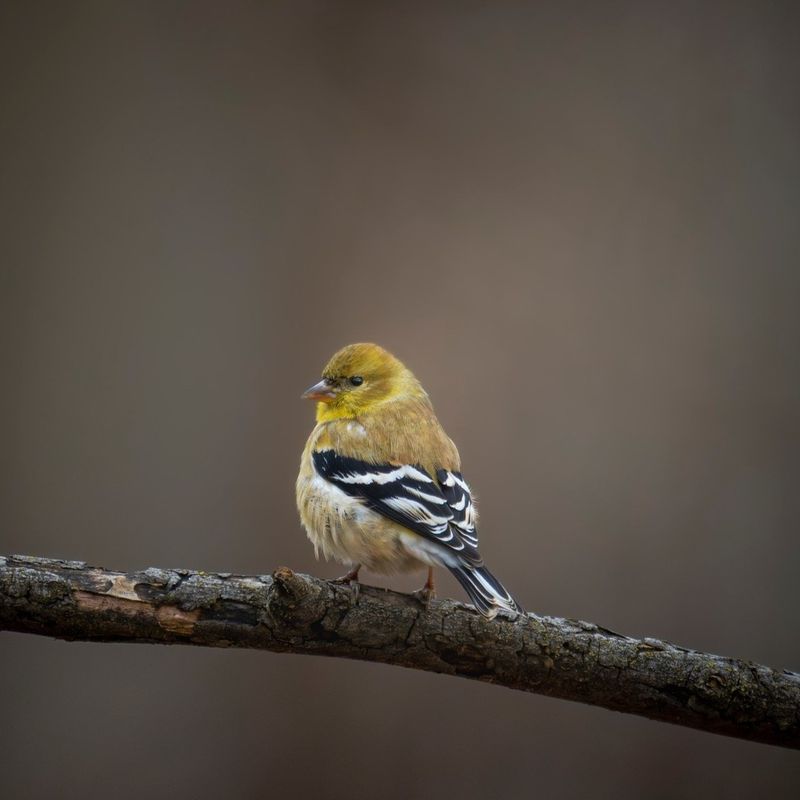
That plain little bird at your feeder could be the same one that glowed lemon yellow in July. Goldfinches go through a full molt in late summer and fall, swapping bright feathers for duller ones.
Males lose most of that bold yellow and their black cap, turning a soft olive or brownish tan.
Females were already muted, so their change is less dramatic. Both still keep dark wings with pale wing bars, which is one of the easiest ways to spot them.
Lots of folks mistake winter goldfinches for sparrows or even pine siskins at first glance.
Look for a small, cone-shaped bill and a bouncy, up-and-down flight pattern. They also tend to call while flying, with a cheerful little chatter some people describe as sounding like po-ta-to-chip.
Watching closely in late winter can be a treat.
Your Georgia Garden Changes Every Week. Your Plan Should Too.
Gardening in Georgia changes quickly throughout the season. Every Friday you’ll receive a simple weekly plan showing exactly what to plant, prune, fertilize, harvest, and protect so you never miss the right timing.
Around February or March, males in Georgia often begin showing patches of yellow again as they head into their spring molt. It can look a bit messy for a few weeks, almost like the bird is halfway through changing clothes.
A pair of basic binoculars makes a big difference here, since those wing bars and bill shapes are hard to see from across the yard.
3. Their Nesting Season Wraps Up Later Than Many Songbirds’
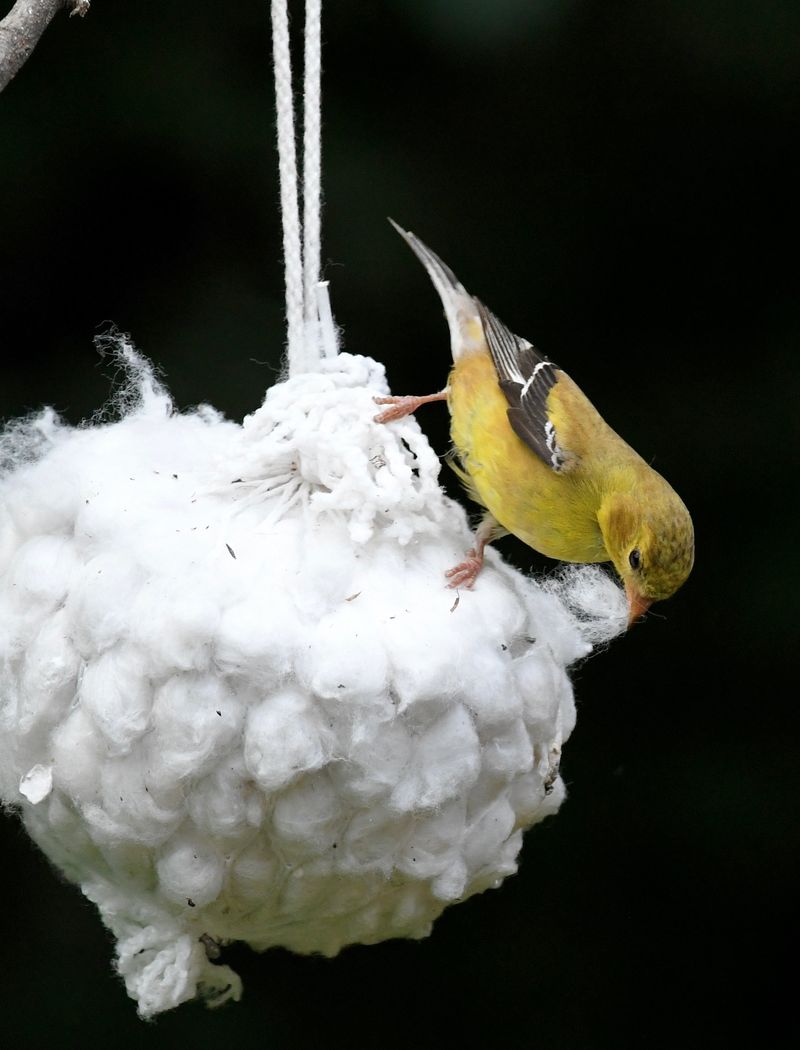
Goldfinches run on a late calendar. While robins and cardinals may start nesting in spring, goldfinches usually wait until mid to late summer to raise their young.
That timing lines up with the season when thistles and other plants produce soft down and plenty of seeds.
Parents use that fluffy down to line their tightly woven nests. They also feed their chicks mostly seeds, which is less common among songbirds that rely heavily on insects for their babies.
By early fall, the young birds have left the nest and are learning to find food on their own.
You might hear them before you see them, begging with high, whiny calls as they trail after an adult. Sometimes a parent will still drop seeds into an open beak, even when the youngster looks fully grown.
Goldfinch nesting is less common in much of Georgia than farther north, so many fall birds here may have been raised elsewhere.
That is one reason those family groups can feel like a sudden arrival. Leaving some shrubs untrimmed and keeping a few native flowers standing gives these families safe places to rest and eat as they settle in.
4. Seed-Heavy Flowers Like Coneflower And Zinnia Attract Hungry Flocks
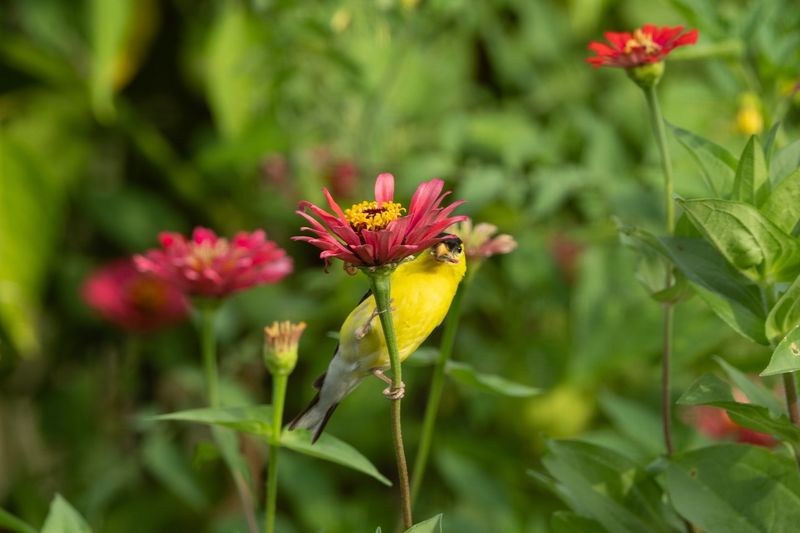
Picture a coneflower bent over under the weight of a tiny bird pulling out seeds one by one. Scenes like that are a big reason gardeners grow these plants in the first place.
Purple coneflower ripens seed in late summer and fall, and goldfinches work those spiny heads with real focus.
Zinnias are another easy win. They grow fast in Georgia heat, keep blooming until frost in many areas, and leave behind seed heads that finches visit often.
Sunflowers, black-eyed Susans, and cosmos can do the job as well.
Planting in clusters seems to help, since a single plant is easy to overlook. A patch of several plants gives birds more to work with and a reason to linger.
Results can vary with your soil, sunlight, and how much rain you get.
Plants that struggle through a dry summer may not set as much seed. A little water during long dry spells can help, though heavy fertilizer is usually not needed for these tough bloomers.
If you are planning ahead, sow zinnia seed in spring after frost danger passes and try to choose varieties that are not fully double, since simpler blooms tend to produce more usable seed.
5. Seasonal Movement Can Bring More Goldfinches Southward
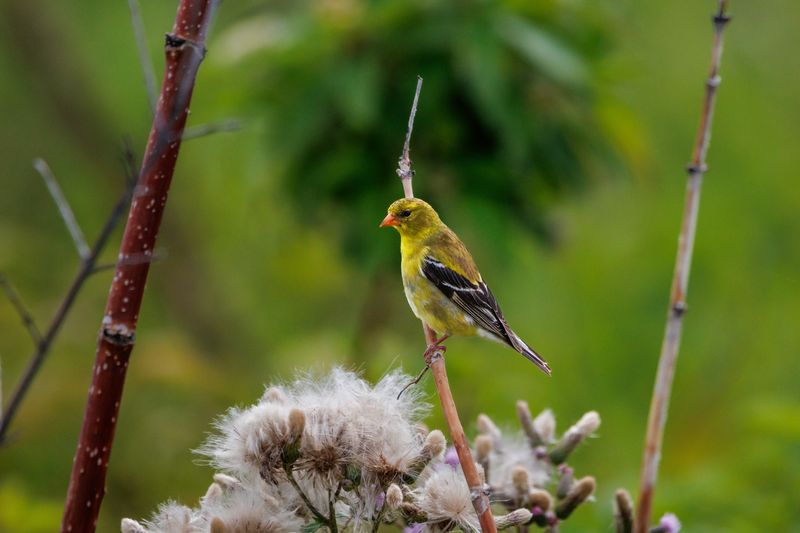
Food, more than cold, tends to steer goldfinch travel. Unlike some birds with set migration routes, goldfinches move in looser patterns that can change from one year to the next.
When seed crops run short up north, more birds may drift south looking for better meals.
A strong seed year in the north can mean fewer birds heading to Georgia that winter. On the flip side, a poor crop there may send larger numbers your way.
Snow cover also plays a part because it buries seeds on the ground.
Birds that feed on fallen seed have a harder time when everything is covered, so heavy northern snow may push some of them toward milder places. Weather is only one factor, though, and not every flock behaves the same way.
Because of that, your counts might swing quite a bit between winters.
Comparing notes with neighbors or joining a citizen science project like Project FeederWatch can give you a broader picture. These programs gather backyard reports from across the country, and your sightings add to a much larger set of data.
Watching over several seasons gives a better sense of what is normal in your area than judging by one busy fall.
6. Nyjer And Sunflower Seeds Draw Flocks To Feeders
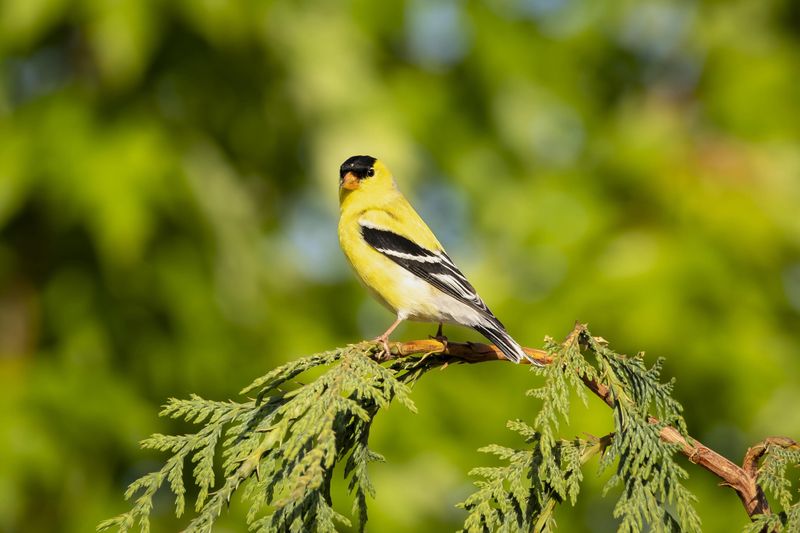
Hang a nyjer feeder and wait a few days. Goldfinches may not come right away, but once one bird finds it, others often follow.
Nyjer is a tiny black seed that suits a goldfinch’s small, pointed bill.
Since the seed is so small, it works best in a tube feeder with tiny ports or a mesh sock. Regular feeders tend to spill it everywhere, which wastes money and leaves a mess.
Black oil sunflower seeds are another favorite, and hulled sunflower chips can be even easier for them to handle.
Freshness matters more than people expect. Old nyjer can dry out or go moldy, and birds may ignore it, so buy smaller bags and refill often.
Cleaning your feeders every couple of weeks helps keep birds healthy.
Wash them with warm, soapy water or a weak bleach mix, then rinse well and let them dry fully. Damp seed in humid Georgia weather can clump and spoil faster than in drier climates.
Placing the feeder near shrubs or small trees gives goldfinches a quick place to hide from hawks, but keep it far enough from dense cover that cats cannot easily ambush them.
7. Skipping Fall Cleanup Of Spent Flowers Leaves Food Behind
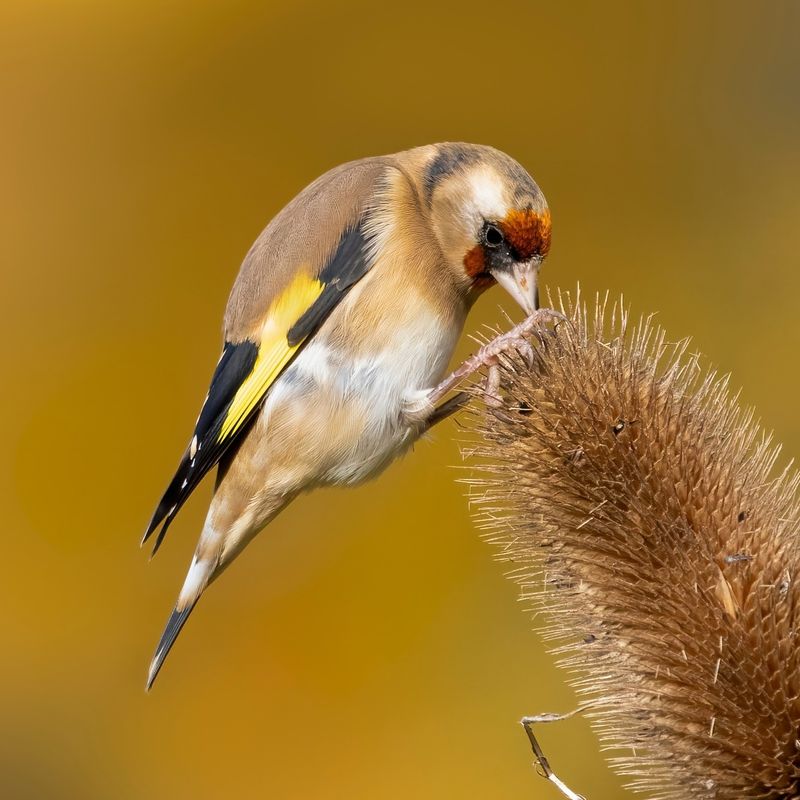
Messy beds can be a gift. Those brown, drooping flower heads you want to cut back may be holding a steady supply of seeds through the colder months.
Leaving spent blooms standing gives goldfinches a natural food source alongside your feeders.
Coneflowers, black-eyed Susans, and native grasses tend to hold seed for weeks. Birds will pick through them slowly, sometimes visiting the same patch many mornings in a row.
You do not have to leave the whole yard wild to help.
Try keeping one or two beds untouched while tidying areas near your front walk or porch. That small compromise keeps things neat where people notice and still offers food where birds feel safe.
Diseased plants are a different story and should usually be removed.
Powdery mildew or other problems can carry over into next year if left in place. Check with your local Georgia extension office if you are unsure about a specific plant issue.
Late winter, around February or early March, is a common time to finally cut things back before spring growth starts.
By then, much of the seed has been eaten, and you can clear the old stems while giving your garden a fresh start for the year ahead.