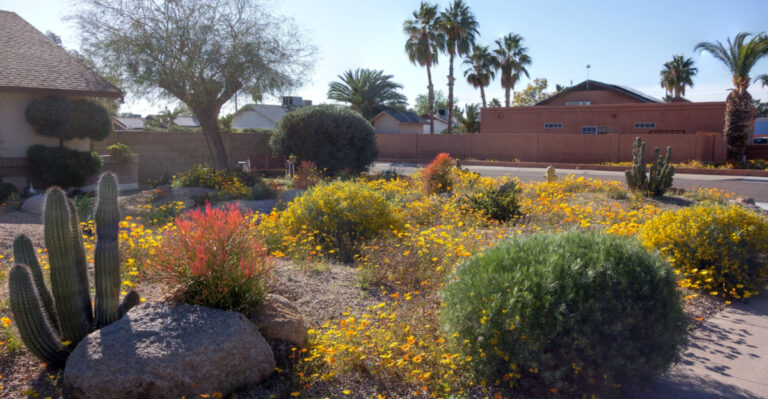
What It Means When Owls Are Active In Your Arizona Backyard
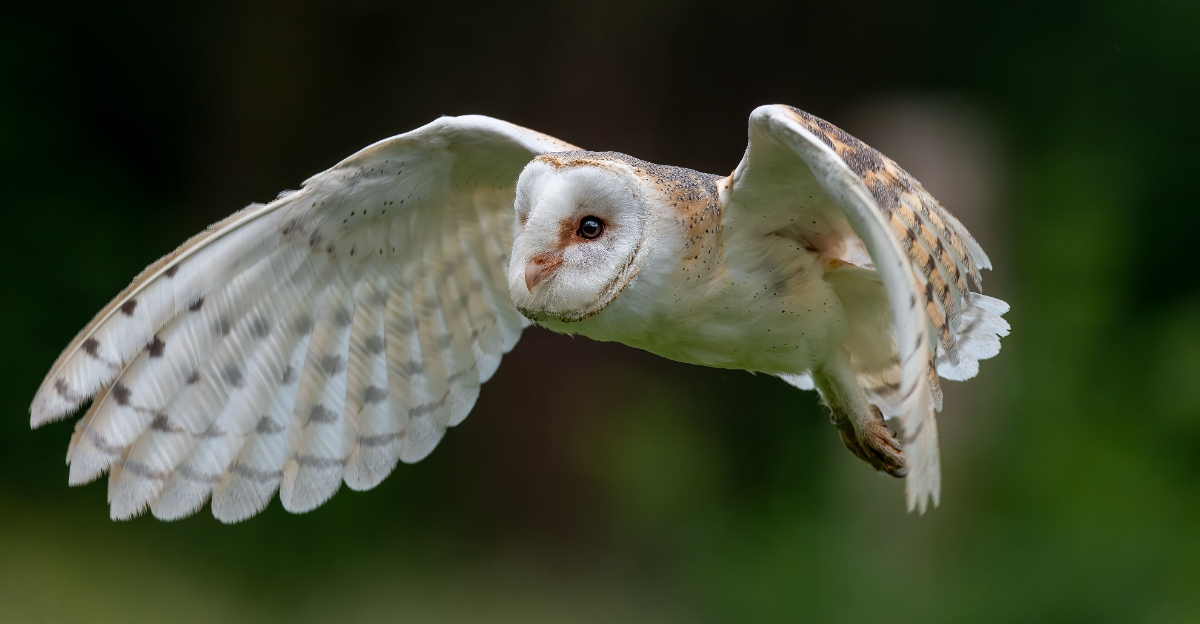
Owls do not spend time in the same backyard without a reason. More frequent visits usually point to something worth noticing.
Before you brush them off, take a closer look at your surroundings. Food, shelter, and quiet spaces all influence where owls choose to stay.
Arizona backyards often provide those conditions during summer. That is why these birds sometimes appear more often than expected.
Their visits can reveal a great deal about your local environment. Understanding those patterns helps you see your yard in a different way.
You may even notice clues that seemed unimportant before. Knowing what owl activity really means makes every future sighting far more interesting and much easier to understand.
Pay closer attention the next time one appears because small details often explain exactly why now.
1. More Rodents Are Available As Prey
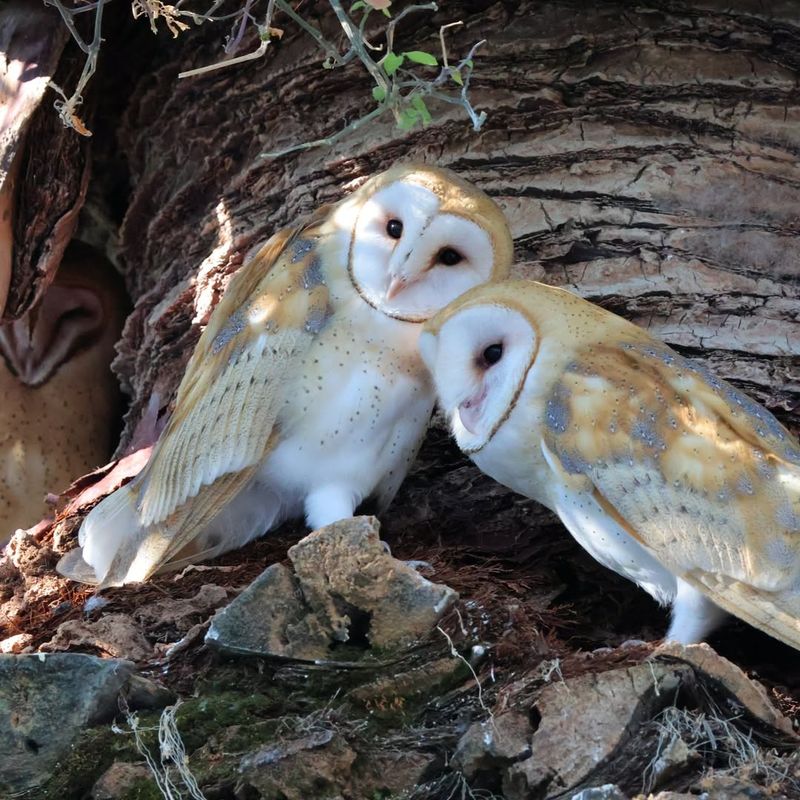
Owls do not show up in your yard without a reason. Most of the time, food is the main draw.
Mice, voles, and pack rats are common in Arizona neighborhoods, and owls are sharp hunters that track them down quickly.
If you have been noticing more owl activity lately, it could mean your local rodent population has grown. Owls have excellent night vision and hearing, letting them zero in on prey even in complete darkness.
A single barn owl can catch several rodents in one night.
Bird feeders, compost piles, and unsecured trash cans can attract mice. More mice means more owls.
Keeping your yard tidy may reduce rodent activity over time, though it is not a guaranteed fix.
Fruit trees and garden beds can also draw in small animals. Owls pick up on these patterns fast.
If your yard offers a reliable food source, expect regular visits.
Watching where the owl focuses its attention can tell you a lot. Repeated swooping near a fence line or brush pile usually means something is living there.
Owls are remarkably efficient, and they tend to return to spots where hunting has been successful before.
2. Open Areas Make Hunting Easier
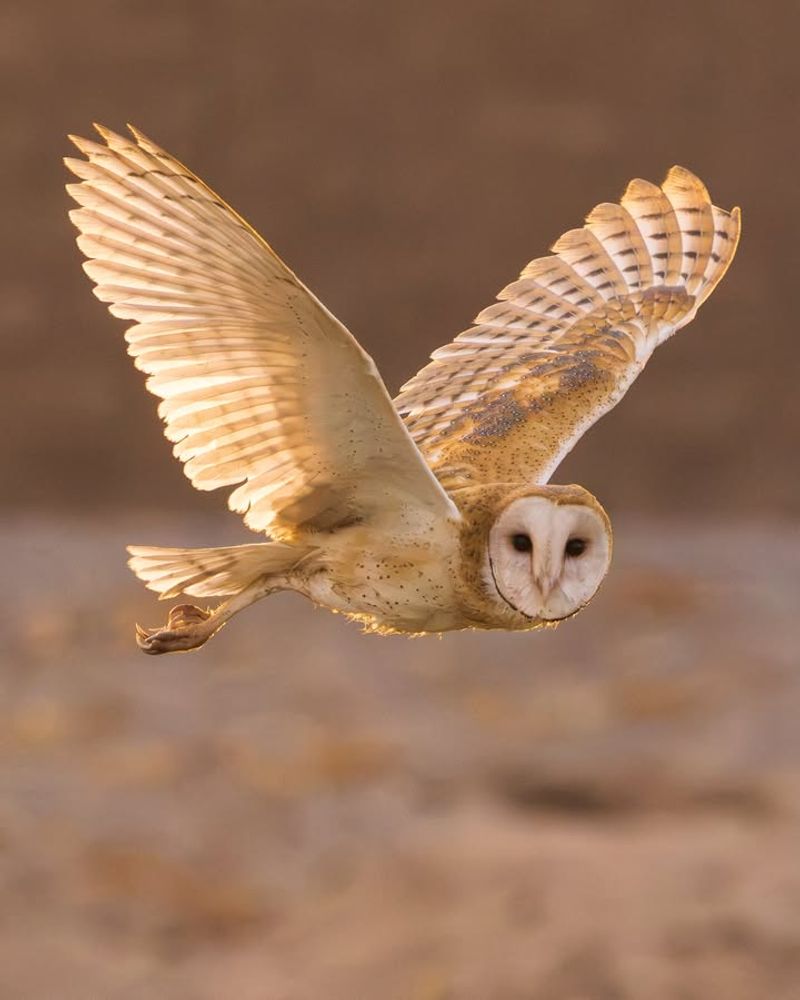
Not every yard attracts owls equally. Open spaces give owls a clear flight path and an unobstructed view of the ground below.
Backyards with large grassy areas, gravel patches, or minimal dense shrubs tend to see more owl activity than heavily landscaped spaces.
Owls hunt by gliding silently and watching for movement. Cluttered yards with thick bushes or low overhanging branches can make that harder.
A clear, open yard basically works like a hunting ground they can use without obstacles getting in the way.
In many Arizona neighborhoods, yards blend into desert terrain. That natural openness suits hunting owls well.
Wide-open sightlines allow them to spot a mouse from impressive distances before swooping in.
If your backyard has a large open patch near trees or a wall, you have likely created an ideal setup. Owls may circle overhead a few times before committing to a dive.
Watching that behavior can be genuinely exciting.
You do not need to do anything special to attract owls this way. Simply having open ground near roosting spots is enough.
Your Arizona Garden Changes Every Week. Your Plan Should Too.
Gardening in Arizona changes quickly throughout the season. Every Friday you’ll receive a simple weekly plan showing exactly what to plant, prune, fertilize, harvest, and protect so you never miss the right timing.
Keeping grass trimmed and avoiding excessive ground cover can encourage more visits over time, though results vary depending on local owl populations and seasonal patterns.
3. Mature Trees Provide Safe Roosting Sites
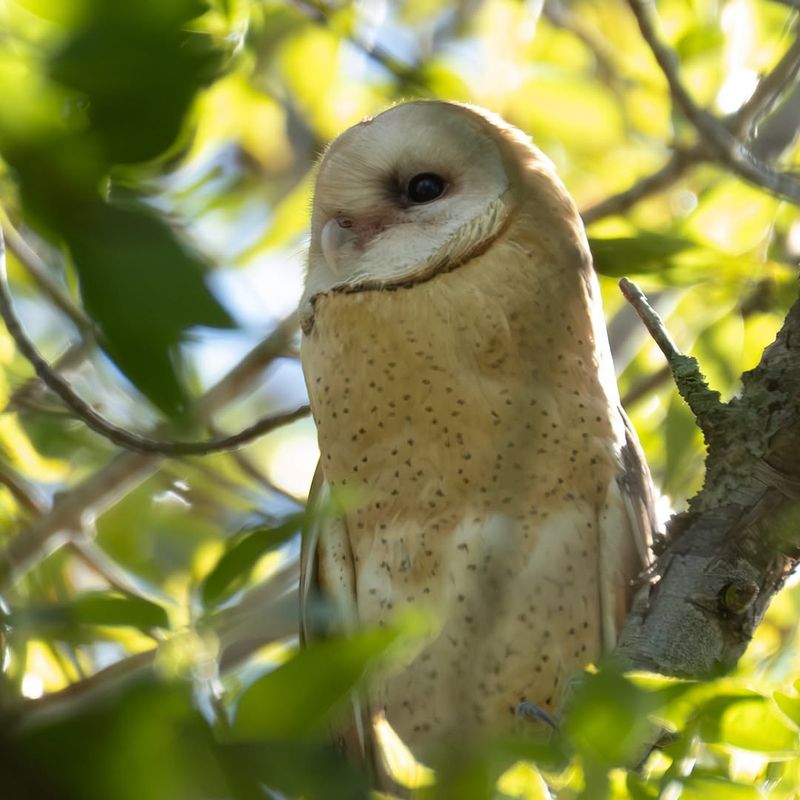
Big, old trees are like hotels for owls. Mature trees offer thick canopy cover, sturdy branches, and natural cavities that owls use for resting and sheltering during the day.
If your yard has one, you are already ahead.
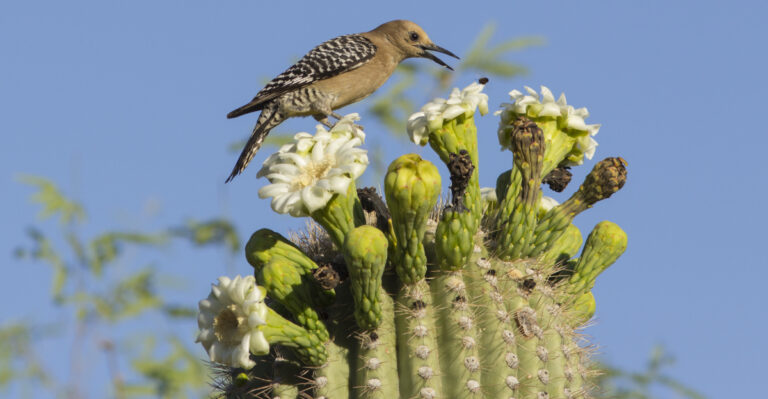
Saguaro cacti also serve as roosting spots, especially for smaller species like the Elf Owl. Cavities carved out by woodpeckers become ready-made homes.
Owls move in after the original occupants leave, which is a pretty clever arrangement.
Mature trees offer shade and concealment that younger trees simply cannot match. Owls need to feel hidden while resting.
Dense foliage gives them that cover while staying close to their hunting grounds.
If you have a large mesquite, palo verde, or cottonwood in your yard, check the upper branches at dawn or dusk. Owls often sit very still and blend in with bark patterns.
You might have had a visitor without even knowing it.
Planting trees is a long-term investment. Young trees will not attract roosting owls right away, but over years, they can develop into valuable habitat.
Native trees tend to support the full ecosystem, which eventually brings in more wildlife, including owls looking for a reliable place to rest between hunts.
4. Nearby Nesting Sites Can Increase Owl Activity
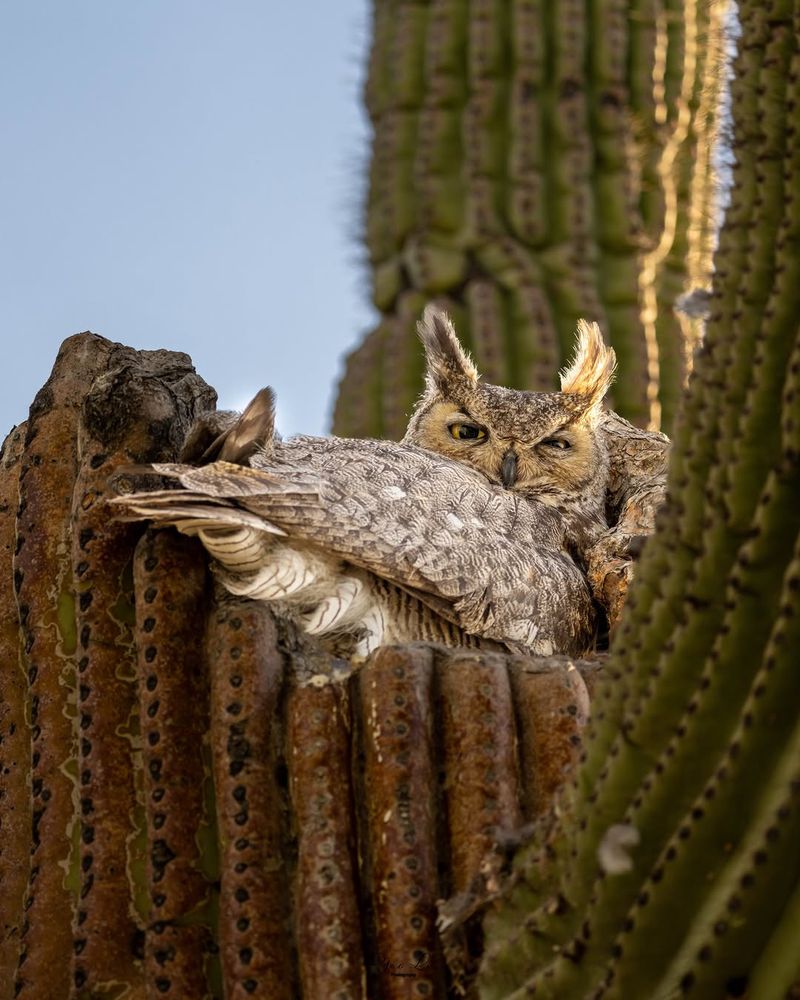
When owls are nesting nearby, your backyard becomes part of their territory. Parent owls hunt constantly to feed their young, and a backyard close to an active nest will see much more frequent visits than usual.
Nesting season in Arizona typically runs from late winter through spring. Great Horned Owls are among the earliest nesters, sometimes starting as early as January or February.
Spotting owls frequently during those months can be a strong clue that a nest is nearby.
Owls do not build traditional nests. Instead, they take over old hawk nests, tree cavities, or cactus holes.
If you have large cacti or old trees near your yard, those could be active nesting spots worth watching from a respectful distance.
Parent owls become protective during nesting. Getting too close to a nest can stress the birds.
Watching from indoors or using binoculars lets you observe without causing any disruption to the family.
Once owlets grow old enough, they may begin exploring nearby yards on their own. Juvenile owls often look clumsy and uncertain at first.
Seeing a young owl stumbling around in your yard is not usually a cause for alarm. It is often just part of the natural process of learning to fly and hunt independently.
5. Seasonal Changes Can Bring More Owl Visits
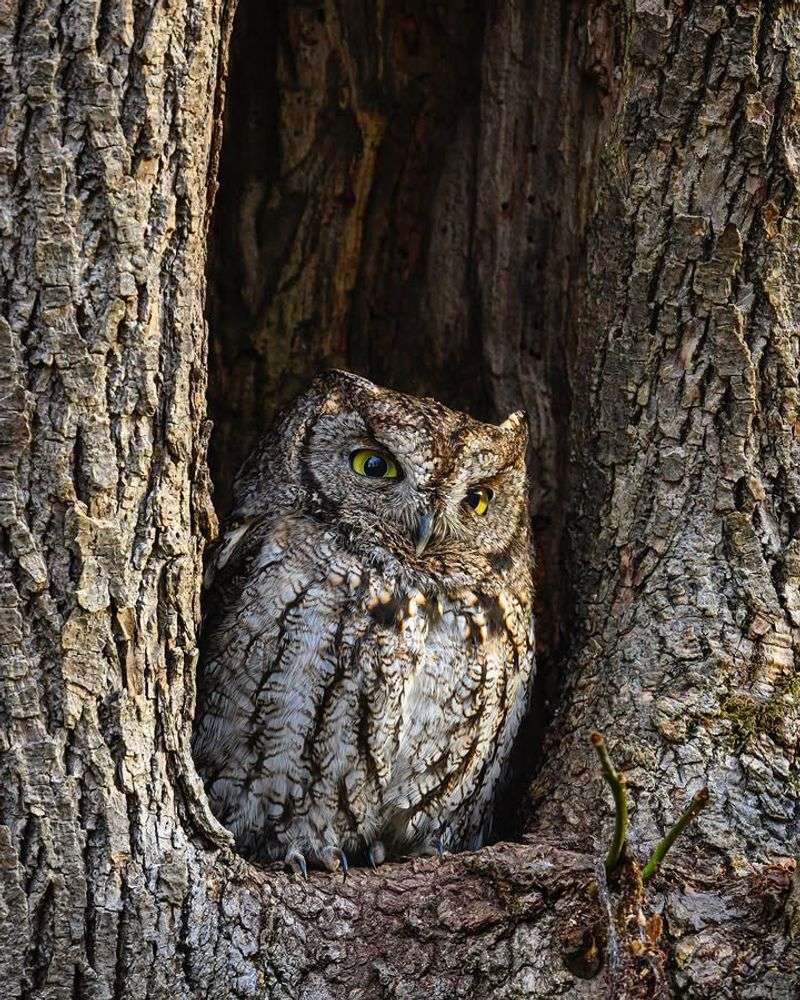
Owl activity is not constant throughout the year. Seasons shift food availability, breeding cycles, and movement patterns.
Understanding those changes helps explain why owls appear in your yard at certain times and not others.
Fall and winter often bring increased owl sightings in many parts of Arizona. Cooler temperatures push small animals to move around more, making prey easier to find.
Owls track those patterns and adjust their hunting routes accordingly.
Spring brings nesting activity, which ramps up how often owls are seen and heard. Male owls hoot frequently to establish territory and attract mates.
If you hear loud calling at night during spring, a territorial male is likely nearby.
Summer can be quieter in terms of owl movement, though young owls learning to hunt may still pass through. Monsoon season changes insect and rodent activity too, which can draw in smaller owl species that feed on bugs.
Keeping a simple journal of when you see owls can reveal patterns over time. You might notice visits spike in certain months or after specific weather events.
Rainfall often triggers rodent movement, and owls respond quickly to those shifts. Paying attention to seasonal cues makes backyard owl watching much more rewarding and easier to predict.
6. Quiet Backyards Attract More Owls
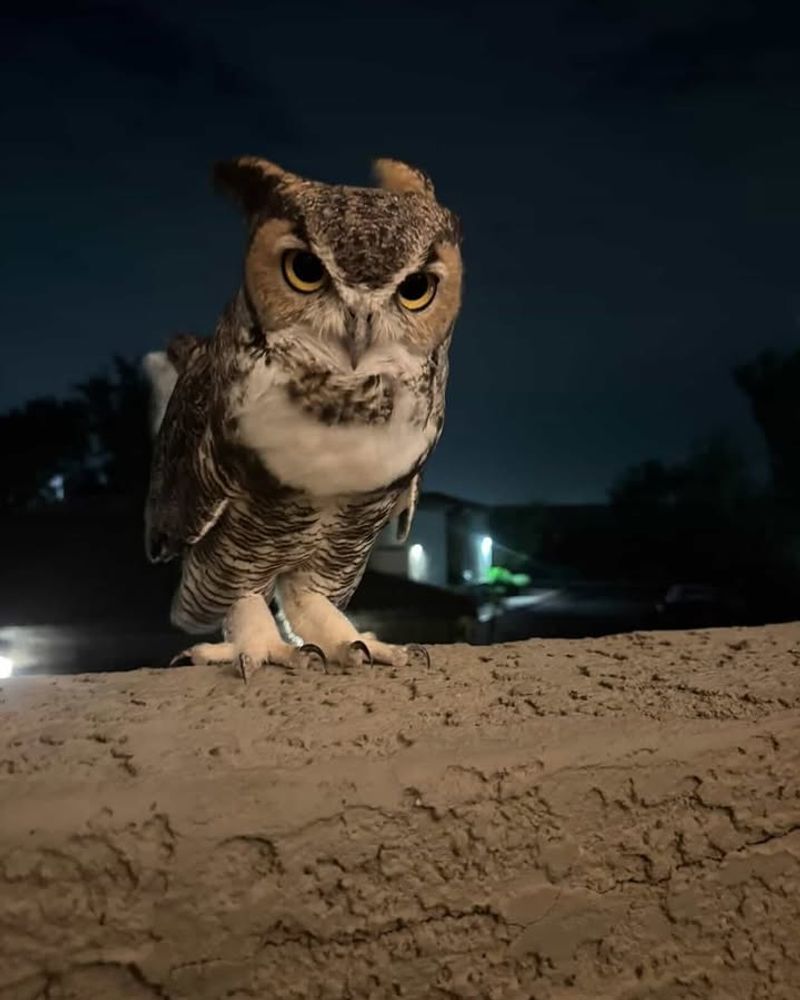
Noise is one of the biggest reasons owls avoid certain areas. Loud music, bright lights, barking dogs, and frequent human activity push owls away fast.
Calm, quiet backyards feel safe to them, and that matters more than most people realize.
Owls rely heavily on sound to hunt. Ambient noise from traffic or outdoor speakers interferes with their ability to pinpoint prey.
A quiet yard essentially gives them a better working environment.
Bright outdoor lighting also disrupts owl activity. Owls are adapted to low-light conditions, and strong artificial lights can throw off their hunting instincts.
Switching to motion-activated lights or dimmer fixtures can make a noticeable difference.
Reducing foot traffic in your backyard during evening hours helps too. Owls are cautious birds.
Repeated disturbances teach them that a space is not safe, and they will find quieter spots elsewhere.
Creating a calm yard does not require major changes. Turning off unnecessary lights after dark, keeping pets inside during peak owl hours, and avoiding loud gatherings near natural areas all contribute.
Over time, consistent quiet signals to owls that your yard is a low-risk zone. Once they feel comfortable, they tend to return regularly, especially if food and shelter are also available nearby.
7. Owl Activity Often Signals A Healthy Ecosystem
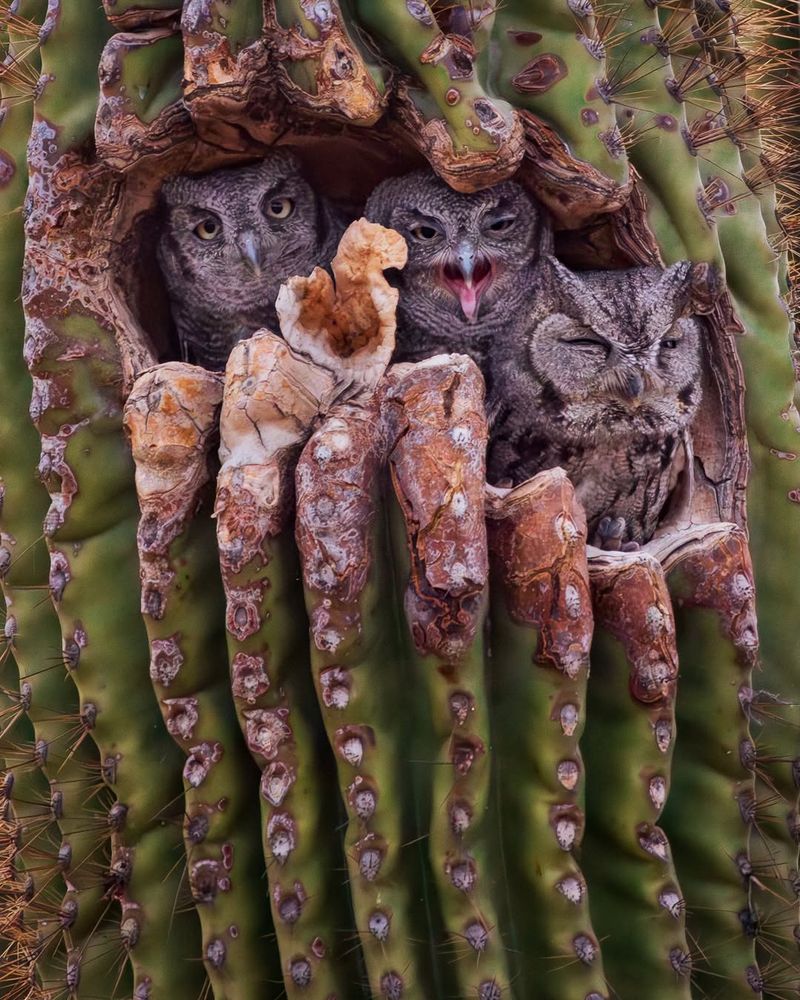
Owls sit near the top of the local food chain. Seeing them in your yard regularly is a strong sign that the surrounding ecosystem is functioning well.
Predators like owls need a balanced web of prey, plants, and habitat to thrive.
A yard that supports owls likely also supports insects, lizards, small mammals, and native plants. All of those pieces connect.
Remove one layer and the whole system starts to shift in ways that are hard to reverse.
Native plantings play a big role here. Plants native to the Sonoran Desert support local insects, which feed birds and reptiles, which in turn attract larger predators.
Owls benefit from that chain even if they are not eating the insects directly.
Healthy owl populations also help control rodent numbers naturally. Without predators keeping things in check, small mammal populations can grow quickly and cause problems for gardens and structures.
Owls provide that balance without any intervention needed from you.
Noticing owls in your yard is genuinely something to feel good about. It reflects choices that support wildlife, whether intentional or not.
Keeping native plants, limiting pesticide use, and reducing light pollution all contribute to the kind of environment where owls can settle in and stick around comfortably.