Why Spinach Needs A Late-Summer Start For A Strong Michigan Fall Harvest
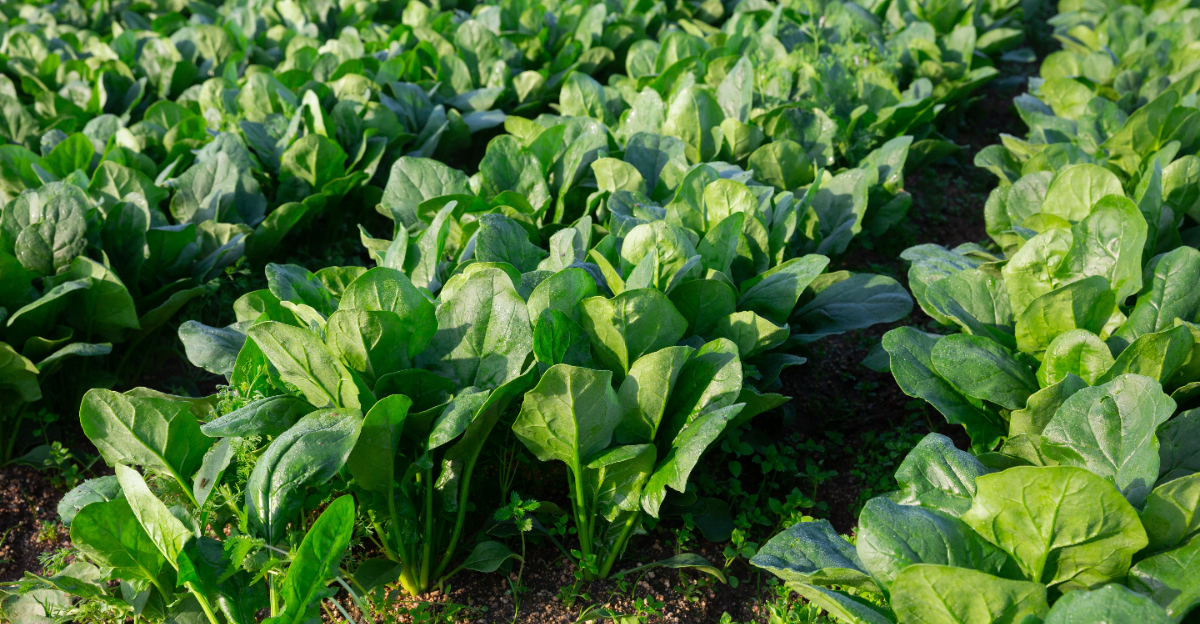
Spinach performs best with a late summer start, giving Michigan gardeners a reliable path to a strong fall harvest.
This leafy green actually prefers cooler temperatures, making it a poor fit for the peak heat of midsummer planting.
Seeding in late summer allows spinach to germinate as temperatures begin to drop, reducing the stress that heat puts on young seedlings.
The plant grows quickly, often ready to harvest within a month or so under the right conditions.
Cooler fall weather also improves spinach flavor, making leaves taste sweeter and less bitter than summer grown batches.
Consistent moisture during germination helps seeds sprout evenly across the bed. Spinach tolerates light frost well, extending the harvest window into late fall.
Timing this planting right rewards Michigan gardeners with tender, flavorful greens for weeks.
1. Spinach Needs Enough Time To Reach Harvest Size
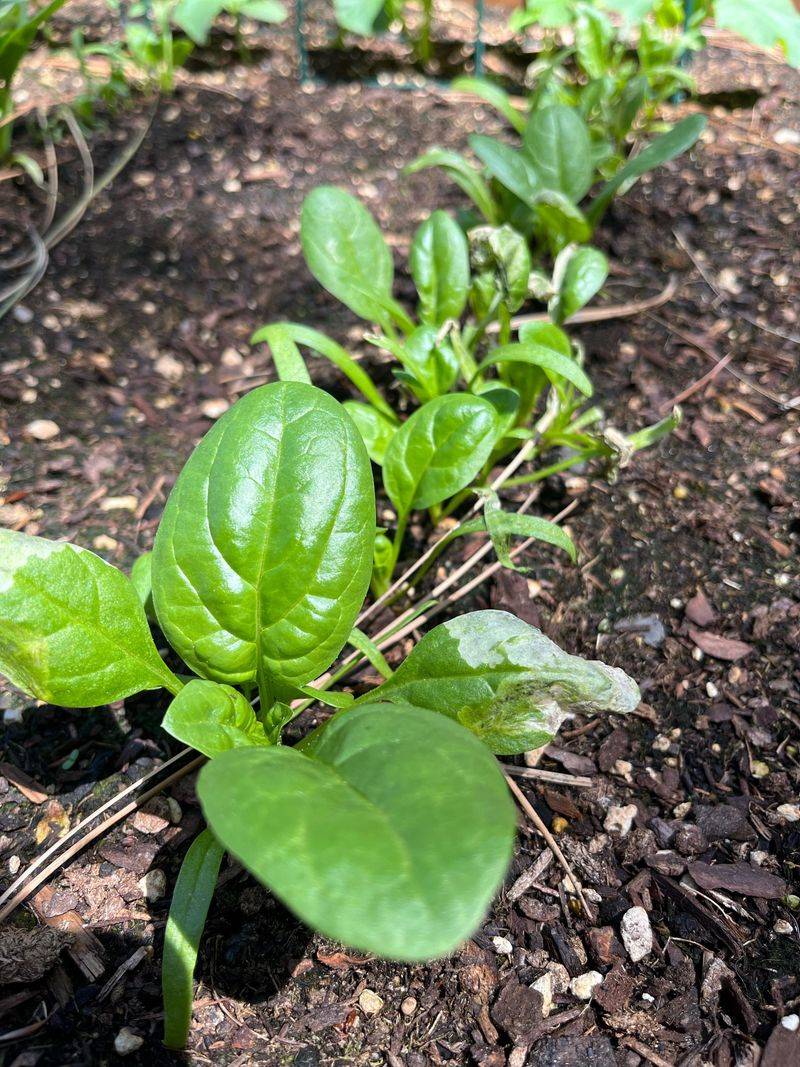
Sixty days sounds like a long time until you realize how quickly Michigan fall arrives.
Michigan State University Extension estimates that spinach needs approximately 60 days from germination to reach full harvest size, and that number matters a lot when you are planning a fall garden.
Count backward from your local first frost date and you will see why waiting until September simply does not give the crop enough runway.
Cooler autumn temperatures and shrinking daylight hours both work to slow plant growth as the season progresses.
A spinach plant started in mid-August still benefits from some residual summer warmth early in its life, which helps it push through the soil quickly and start building leaves at a faster rate.
That early momentum is something a September-started plant just cannot match. Your seed packet is one of the most useful tools in this process.
Most packets list the days to maturity right on the front, and that number should be your starting point for planning.
Some varieties mature in 40 to 50 days, while others need closer to 60, so reading the label before you plant can save a lot of guesswork.
Pair that number with your expected first frost date, count backward, and you have a personalized planting target that is far more accurate than any general advice.
Giving your spinach that full growth window means you are far more likely to pull crisp, full-sized leaves rather than tiny seedlings when harvest time comes around.
2. Cooling Soil Supports More Reliable Germination
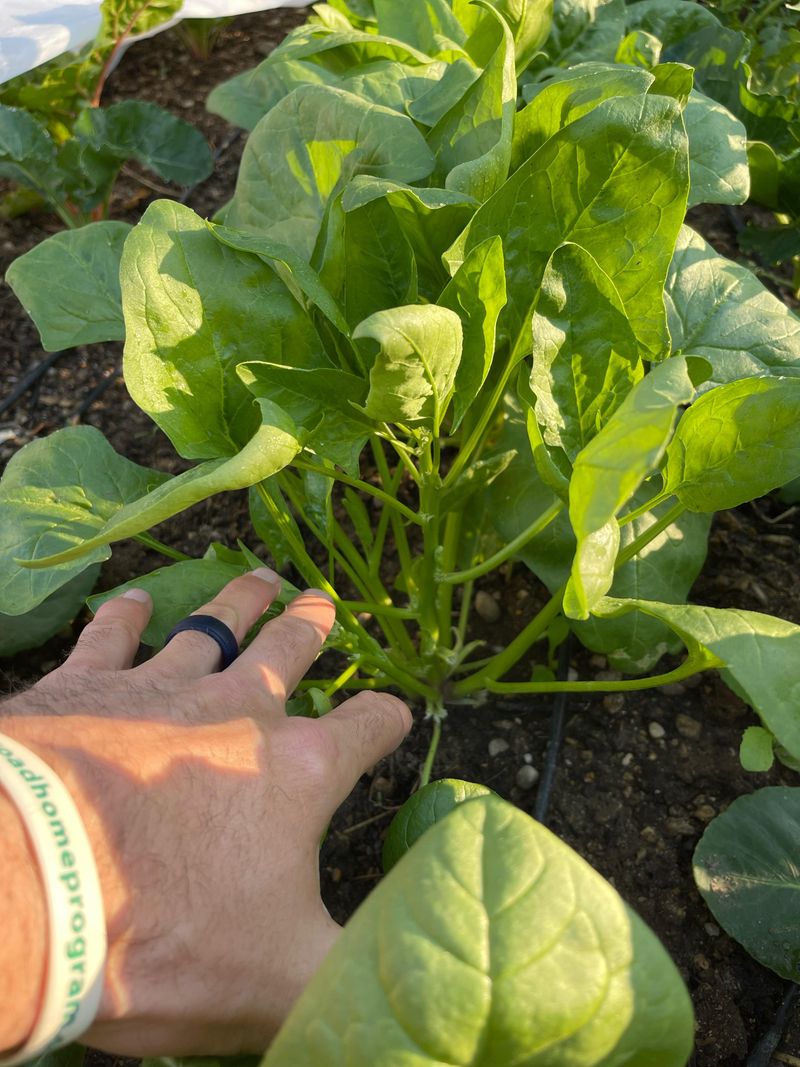
Soil temperature is the invisible factor that most gardeners overlook, and it makes a bigger difference than almost anything else when it comes to spinach germination.
Spinach is a cool-season vegetable that germinates most reliably when soil temperatures sit between roughly 55 and 75 degrees Fahrenheit.
Planting during the hottest stretch of July can push soil temps well above that range, which leads to patchy, unreliable sprouting. Late summer is actually a sweet spot for Michigan gardeners.
As August progresses, the intense heat of midsummer begins to ease, and soil temperatures start drifting back into that ideal germination zone.
Seeds sown during this period encounter conditions that encourage steady, consistent sprouting rather than the erratic results common in peak summer heat.
Your Michigan Garden Changes Every Week. Your Plan Should Too.
Gardening in Michigan changes quickly throughout the season. Every Friday you’ll receive a simple weekly plan showing exactly what to plant, prune, fertilize, harvest, and protect so you never miss the right timing.
One cool air temperature reading on a single afternoon does not tell the whole story, though.
Soil holds heat much longer than the air above it, so checking actual soil temperature with an inexpensive thermometer gives you a much clearer picture of what your seeds are really dealing with.
Keeping the seedbed consistently moist during germination is just as important as temperature.
Dry soil crusts over and prevents tender seedlings from pushing through, so watering lightly and regularly during establishment pays off quickly.
On unusually hot late-summer afternoons, a thin layer of shade cloth draped over the bed can knock several degrees off the soil surface temperature and protect newly sprouted seedlings.
Small adjustments like these make a noticeable difference in how evenly and strongly your spinach comes up across the entire bed.
3. Cooler Weather Reduces The Risk Of Early Bolting
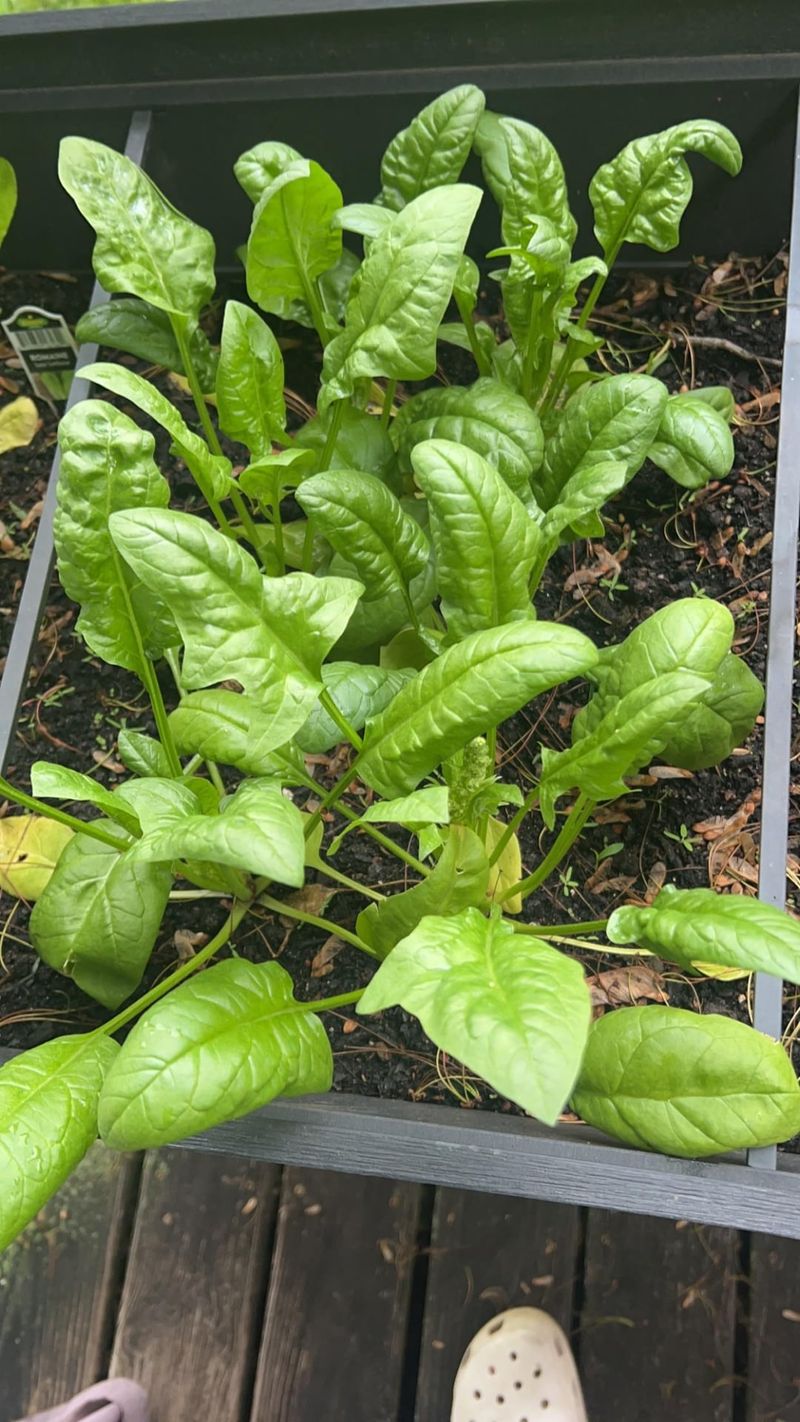
Bolting is every spinach grower’s least favorite surprise. When spinach bolts, it sends up a tall flower stalk, and the leaves left behind turn bitter and tough almost overnight.
Heat is the main trigger, and that is exactly why timing your fall planting correctly matters so much for flavor and yield.
A late-summer planting in Michigan works in your favor because the crop spends its most active growing weeks moving into cooler fall conditions rather than fighting through peak heat.
Seedlings that emerge in mid to late August experience gradually declining temperatures as they mature, which reduces the hormonal signals that push the plant toward flowering too early.
You are essentially using the natural rhythm of the Michigan season as a built-in protection against bolting. That said, planting too early in the summer can backfire.
Seedlings that face several weeks of prolonged extreme heat before temperatures drop may still bolt prematurely, so balance is important.
Choosing bolt-resistant varieties is a smart move, especially for gardeners in areas where summer heat lingers well into August.
Keeping the soil evenly moist also helps, since drought stress is a secondary bolting trigger that compounds heat-related pressure on the plant.
Temporary shade cloth stretched over young seedlings during unusually hot afternoons gives them a buffer against the worst of the heat without completely blocking the sunlight they need to grow.
A little planning around variety selection and basic stress management goes a long way toward keeping your fall spinach leafy, sweet, and productive all the way to harvest.
4. Earlier Growth Builds A Strong Leaf Rosette
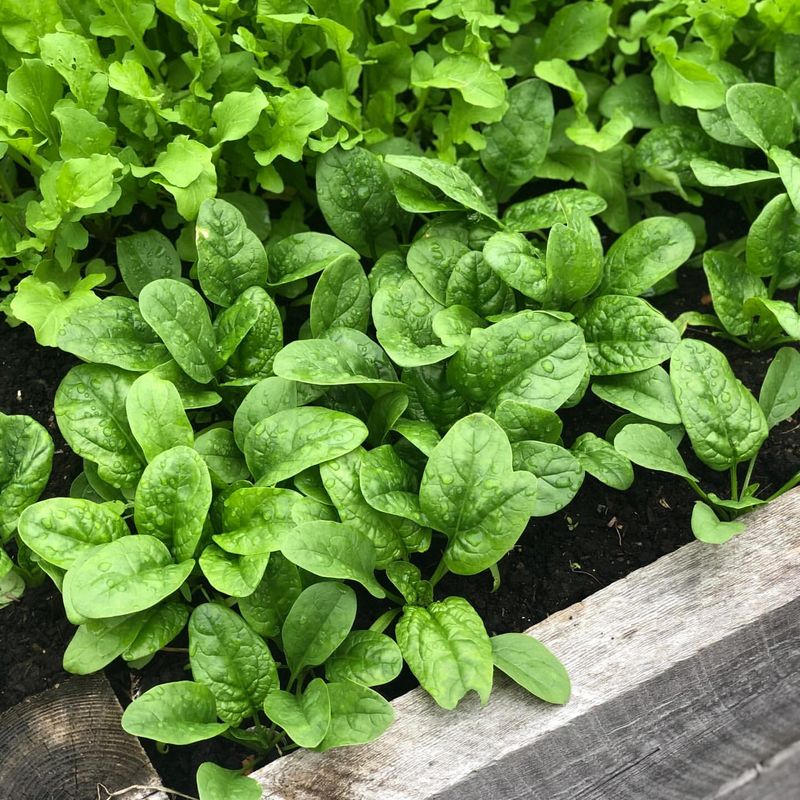
Picture a spinach plant that greets the coldest Michigan nights with a full, lush rosette of leaves already in place.
That image is exactly what a well-timed late-summer planting can produce, and it starts with giving the plant enough warm days to build a strong foundation before temperatures really drop.
Spinach uses the remaining warmth and longer daylight hours of late summer to push roots deeper and push leaves wider, setting the stage for a productive harvest.
Plants started very late in the season may technically survive cool fall conditions, but survival and productivity are two different things.
A small seedling with only two or three leaves when temperatures drop into the low 40s will grow extremely slowly, and some plants may stall almost completely.
You end up with spinach that is alive but barely harvestable, which is frustrating after all the effort of preparing a bed and sowing seeds.
Proper spacing is one of the most underrated parts of building a strong rosette. Crowded plants compete for light, water, and nutrients, which limits leaf size and overall plant health.
Most recommendations suggest thinning spinach to about three to six inches apart once seedlings are established, and following through on that step makes a real visible difference in leaf size and plant vigor.
Keeping weeds out of the bed during early growth prevents competition that can slow young plants down.
Consistent moisture from planting through the first true leaf stage ties everything together, giving each plant the best possible start during those critical early weeks of development.
5. Established Plants Handle Chilly Nights Better
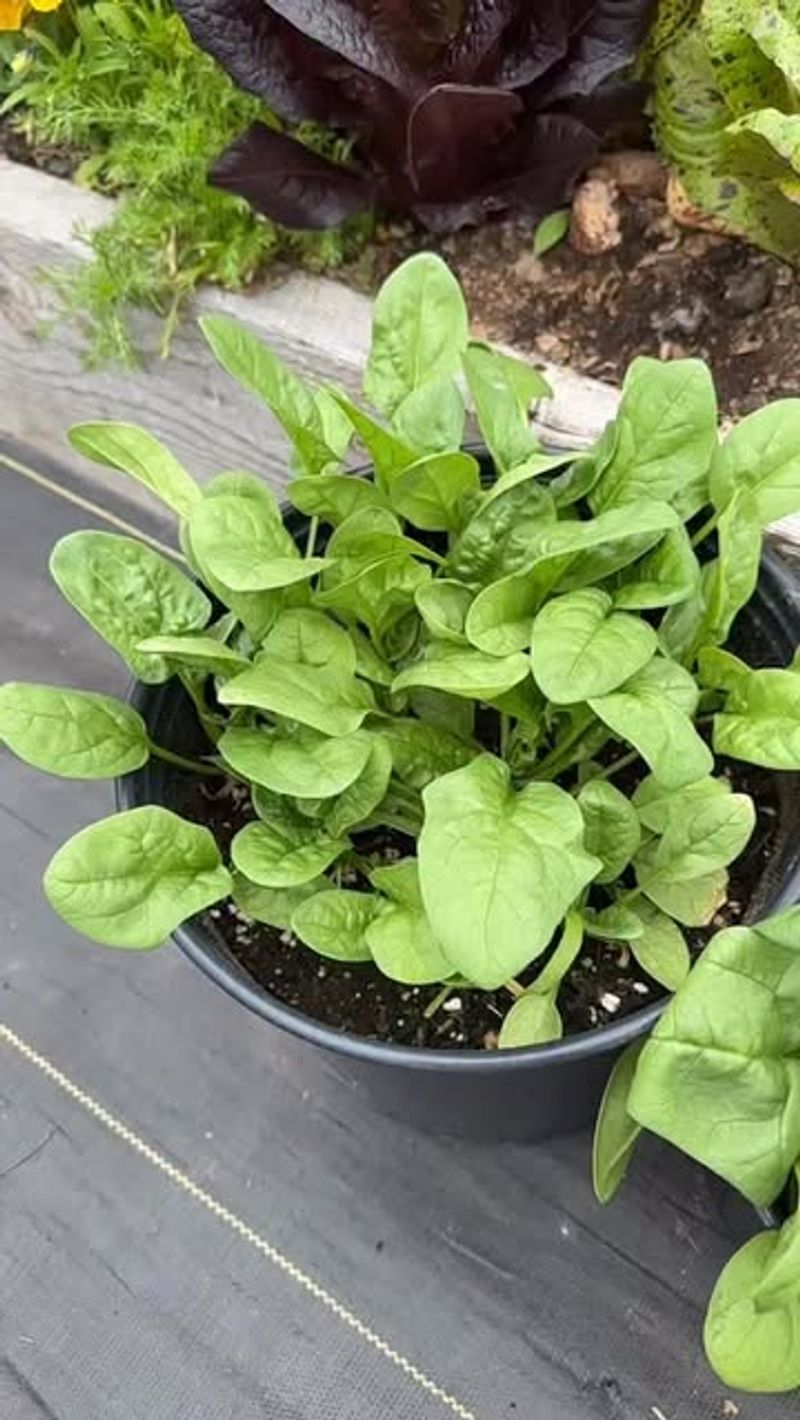
There is a real difference between a spinach seedling that just broke ground last week and one that has been growing steadily for four or five weeks.
Established plants with developed root systems and several true leaves handle cold snaps far better than tiny, freshly sprouted seedlings.
Root depth plays a big role here because deeper roots access soil moisture more reliably and help the plant maintain steady growth even when surface temperatures fluctuate sharply.
Late-summer seeding gives Michigan spinach exactly the establishment time it needs.
By the time October nights start dipping into the 30s, a plant started in mid-August is already several weeks old, rooted, and actively growing. That head start translates directly into cold tolerance.
Spinach can handle light frost and even brief dips below freezing once it is well established, which makes it one of the toughest leafy greens in the fall garden. Cold tolerance has its limits, though.
Young seedlings are more vulnerable than mature plants, and an unusually early hard frost can damage or set back plants that have not yet developed fully.
Row cover is a simple, affordable solution worth keeping on hand throughout the fall season.
A single layer of lightweight floating row cover can raise the temperature under the fabric by several degrees, which is often just enough to protect the crop during an unexpected early cold snap.
Putting it in place before a frost is predicted and removing it once temperatures rise again takes only a few minutes and can save an entire planting from setback.
6. Fall Conditions Can Support Better Leaf Quality
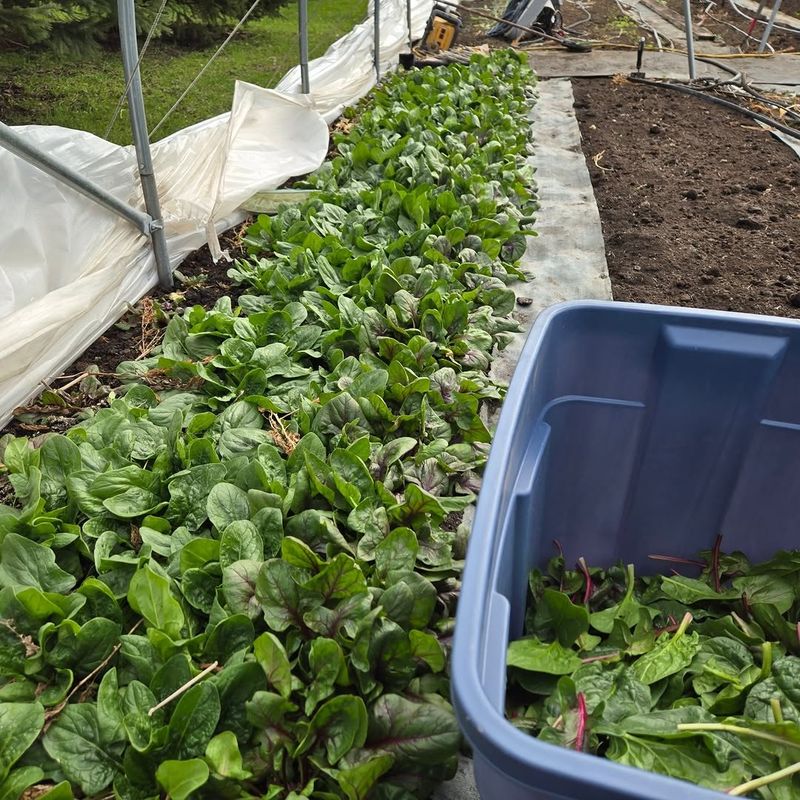
Ask any experienced Michigan gardener and they will tell you the same thing: spinach grown in the fall just tastes better. There is actual science behind that observation.
Cool temperatures slow the plant’s metabolism slightly, which allows sugars to accumulate in the leaves rather than being burned off quickly by heat-driven processes.
The result is a noticeably sweeter, more tender leaf compared to midsummer spinach grown under heat stress.
Summer heat pushes spinach toward bitterness and early flowering, both of which hurt leaf quality.
Fall conditions work in the opposite direction, encouraging the plant to stay in its vegetative stage longer and produce the kind of smooth, flat leaves that are ideal for salads and cooking.
Reduced pest pressure is another quiet benefit of fall growing. Many common garden insects are far less active in cooler weather, so fall spinach often comes through with cleaner, less damaged leaves than a summer planting would produce.
Leaf quality still depends on more than just temperature, so it is worth managing the full picture.
Variety selection matters because some types are bred specifically for sweet fall flavor and tender texture.
Consistent soil moisture prevents stress-related bitterness, and adequate spacing allows each plant to develop full-sized leaves rather than crowding into small, tough ones. Harvesting at the right time also makes a difference.
Picking leaves while they are still young and smooth, before they become oversized and tough, keeps the quality high from the first harvest through the last.
Regular picking also encourages the plant to keep producing fresh new leaves throughout the season.
7. Direct Seeding Makes A Fall Crop Easy To Establish
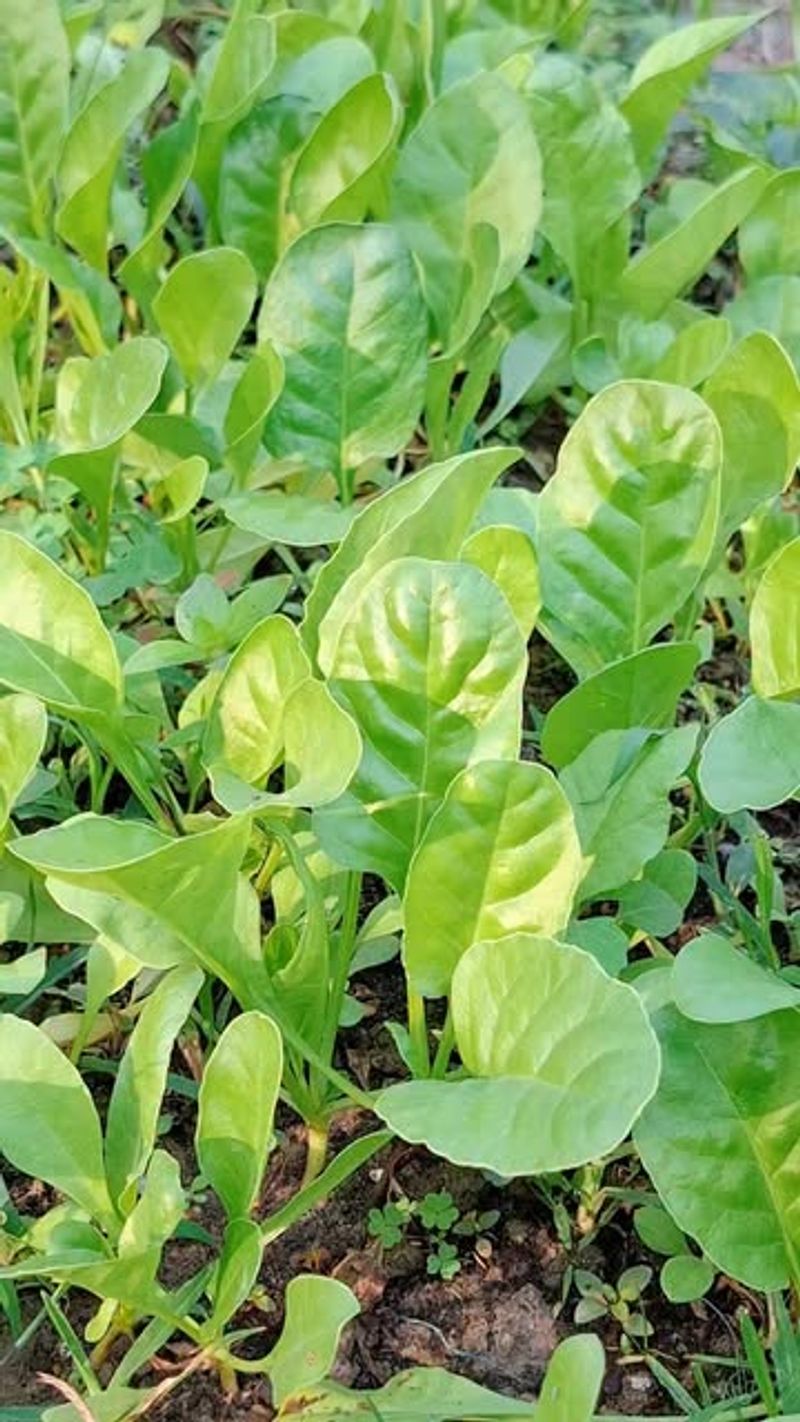
Spinach is one of the most straightforward vegetables to direct seed, and that simplicity is a genuine advantage for fall gardeners.
Unlike crops that need indoor seed starting weeks ahead of time, spinach goes straight from the packet into a prepared garden bed.
There is no transplanting, no hardening off, and no risk of root disturbance that can set young plants back during a critical early growth phase. Preparing the bed well before seeding makes the whole process smoother.
Loose, well-worked soil allows spinach roots to spread easily and helps seeds make good contact with the soil for faster, more even germination.
Most seed packets recommend planting spinach about half an inch deep, and following that guidance closely tends to produce better results than guessing.
Shallow planting in dry soil can leave seeds exposed and prone to drying out, while planting too deep can prevent seedlings from pushing through to the surface.
Consistent moisture is non-negotiable during the germination and early seedling stage. Spinach can be slow to germinate, sometimes taking seven to fourteen days depending on soil temperature and moisture levels, so patience is part of the process.
Allowing the seedbed to dry out during that window can interrupt germination entirely and force you to reseed.
Watering lightly once or twice a day during dry stretches keeps the surface moist without waterlogging the soil.
Once seedlings reach an inch or two tall, thin crowded spots so each plant has room to develop fully.
That simple step prevents competition and gives every seedling a fair shot at a productive harvest.
8. Regional Timing Protects The Available Growing Window
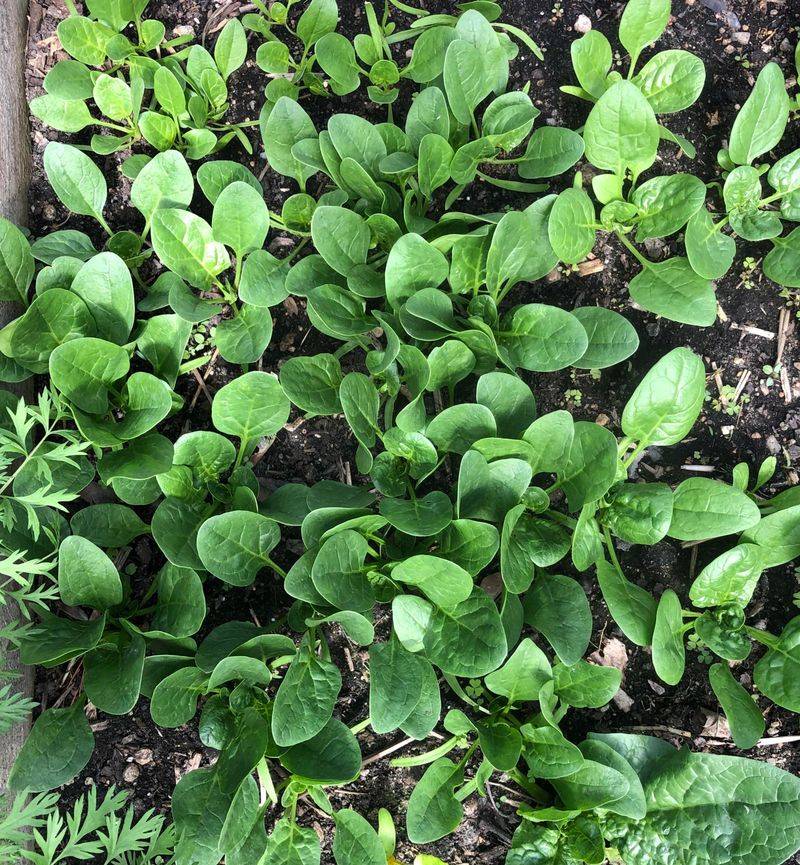
Michigan is a big state, and its growing seasons are not the same from one end to the other. What works perfectly for a gardener in Ann Arbor may arrive too late for someone tending a plot in the Upper Peninsula.
Treating the entire state as one growing zone is one of the most common planning mistakes Michigan gardeners make, and fall spinach timing is where that mistake shows up most clearly.
The Lower Peninsula garden calendar from Michigan State University Extension lists spinach as a July fall crop.
That recommendation reflects the relatively longer frost-free window in the southern part of the state.
The Upper Peninsula calendar, on the other hand, lists spinach during July and August but advises planting most fall vegetables from July through early August because frost can arrive noticeably sooner in the north.
That difference of just a few weeks in planting window is significant when a crop needs 60 days to mature.
Using your local first frost date as the anchor for your planning is the most reliable approach available.
The Old Farmer’s Almanac and several university extension tools allow you to look up historical frost dates by zip code, giving you a much more precise target than any statewide average can provide.
Factor in your specific seed variety’s days-to-maturity number, add a few extra days as a buffer for slower germination in warm soil, and you have a planting date tailored to your exact situation.
Local weather patterns, elevation, and even your garden’s microclimate can shift that date slightly, so staying flexible and watching the forecast as fall approaches keeps you one step ahead.