What It Means When Tennessee Wheel Bugs Reach Full Size In Your Garden
A tiny armored creature crawled across your tomato cage this morning. Its back carried a strange, cog-shaped ridge you rarely notice in daylight. This is no ordinary insect wandering through your Tennessee garden.
You just encountered a wheel bug nymph. Your pepper plants and zinnias hide its favorite prey. Beetles, caterpillars, and soft-bodied pests fill its diet quickly. Nymphs wear bold colors long before growing that signature wheel.
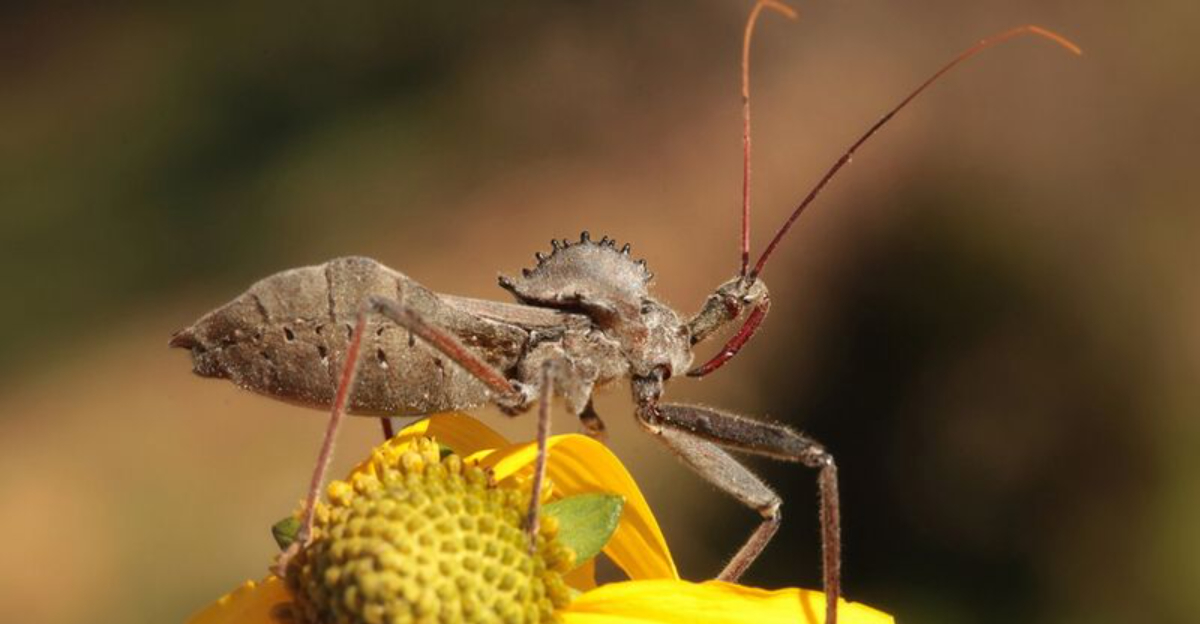
Adults reveal the full ridged crest across their back. Respect that beak, because its bite delivers real, sudden discomfort fast. Handling it carelessly invites sharp irritation, not curiosity.
Timing tells you everything about your garden’s pest pressure. Watching this insect hunt reveals a hidden, active food chain nearby.
Tennessee summers quietly reward gardeners who notice these small predators. That sharp beak explains more than you might initially expect. What that ridge on its back is quietly warning you about will not wait.
A Sign Your Food Chain Is Working
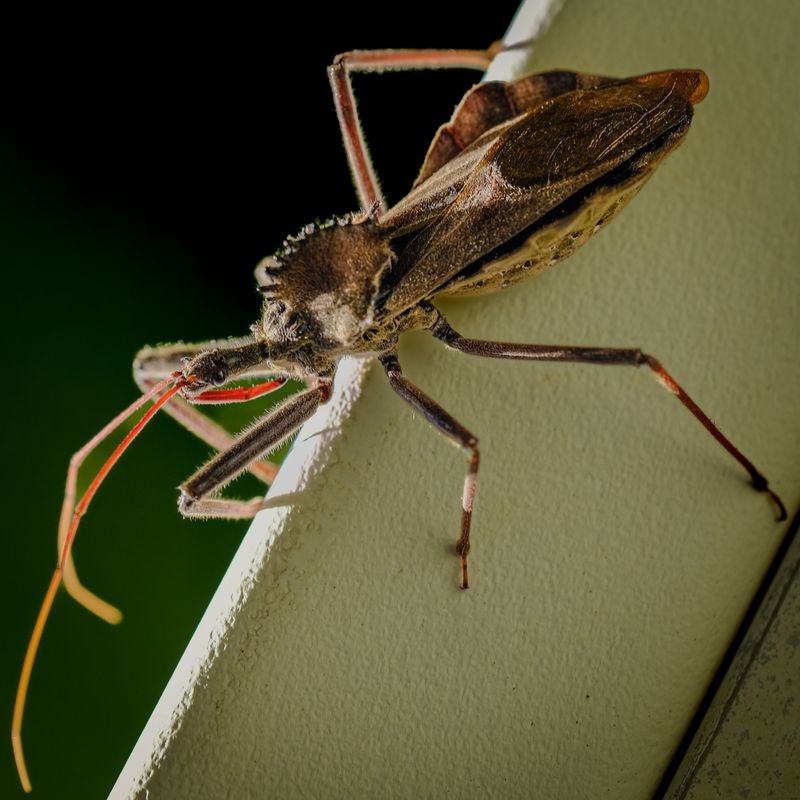
Picture a spiny, gray-brown insect the length of your thumb, hauling around what looks like half a gear on its back. That is a mature wheel bug, and its presence says a lot about the health of your beds.
Wheel bugs sit near the top of the backyard insect food chain. For one to grow from a bright red nymph into a 1.25-inch adult, it had to eat steadily for months.
That steady diet came from your garden. Caterpillars, aphids, sawfly larvae, Japanese beetles, and stink bugs all fed a hungry predator that was hiding in plain sight.
So a full-size adult is a sign of abundance rather than trouble. Predators only reach maturity where prey is plentiful and pesticide use has been light.
Many Tennessee gardeners spot their first adult in August or September, right when squash bugs and hornworms peak. The timing is not a coincidence.
If you have been holding back on broad-spectrum sprays, consider this insect your report card. Chemical-heavy gardens are less likely to support predators this large, since pesticide use reduces the food supply they depend on.
Take a slow walk through your rows and look for other signs of a working system. Assassin bugs, lady beetle larvae, green lacewings, and paper wasps often appear in the same season.
Fun bit of trivia: the wheel bug is the largest assassin bug in North America, and no other insect on the continent wears that cogwheel crest. Spotting one means your garden earned a rather rare guest.
Late Summer Timing Signals The End Of A Long Life Cycle
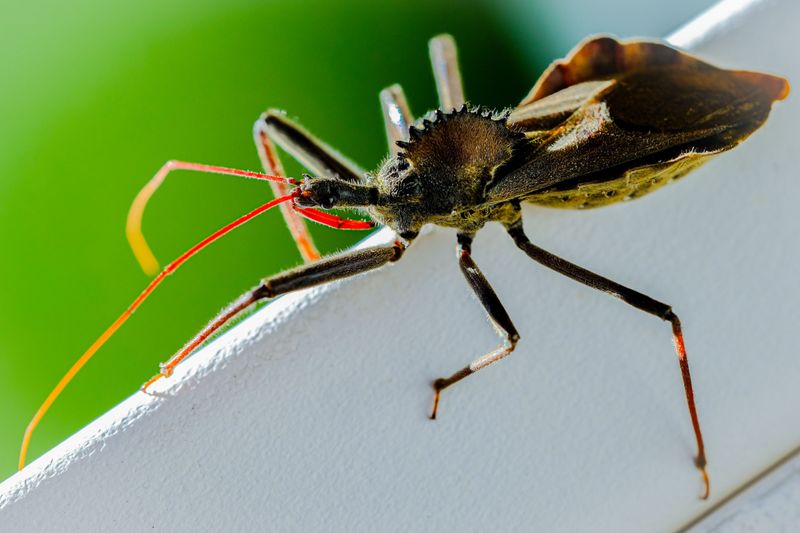
Wheel bugs run on a one-year schedule, and the adult stage lands at the tail end of it. Eggs laid the previous fall sit through winter in a brown, honeycomb-shaped cluster glued to a branch.
Nymphs typically hatch in late spring to early summer, though timing can vary by region, sporting red abdomens and black legs that make them look like oversized ants on stilts. They shed their skin five times before the famous wheel appears.
Your Tennessee Garden Changes Every Week. Your Plan Should Too.
Gardening in Tennessee changes quickly throughout the season. Every Friday you’ll receive a simple weekly plan showing exactly what to plant, prune, fertilize, harvest, and protect so you never miss the right timing.
By the time you notice a full-grown one in August, that insect has already spent a whole growing season patrolling your plants. The crest only forms with the final molt.
Adults live a few more weeks into fall, mate, and the females deposit new egg clusters on tree bark, fence rails, or sturdy stems. Then the cycle resets.
Understanding this rhythm helps you plan. If you find eggs in late fall while pruning, leaving that branch section in place gives you free pest patrol next spring.
Tennessee gardeners often see adult wheel bugs from late summer into early fall, though exact timing varies by region and elevation. Cooler mountain counties may lag a week or two behind Memphis or Nashville.
Watch where the adults hang out, because females tend to lay eggs near reliable hunting grounds. Sunflowers, okra, goldenrod, and fruit trees are popular spots.
Marking those locations with a bit of garden tape saves you from accidentally scraping off a cluster during winter cleanup. This small step pays off by early summer.
That Beak Deserves Real Respect, Not Panic
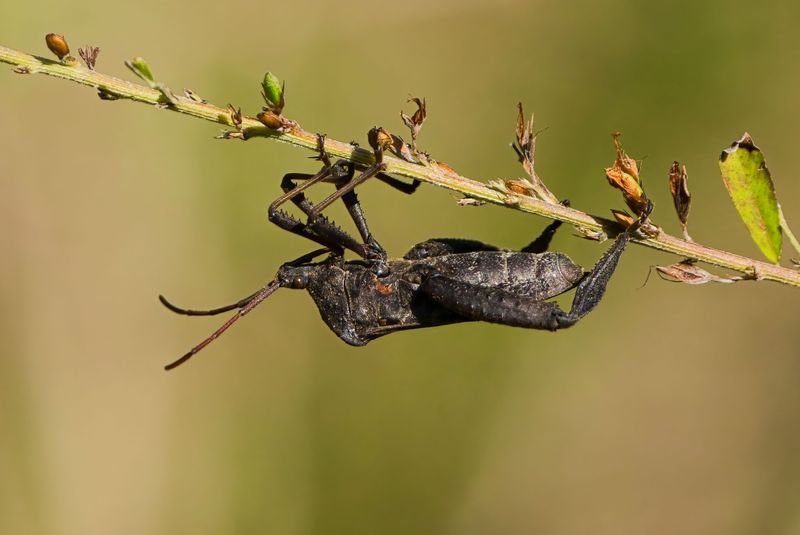
Here is the honest part: a wheel bug can deliver a painful jab if you grab one. The beak folds under its head like a tiny switchblade and packs digestive enzymes used to subdue prey.
Gardeners who have been poked describe a sharp sting followed by soreness that can linger for a day or two. It is not medically serious for most people, but it definitely can be uncomfortable for a while.
The good news is that wheel bugs are not aggressive toward people. They move slowly, prefer to walk away, and only jab when pinned against skin.
Practical rule: look before you reach. Check the underside of leaves, along fence rails, and around harvest baskets before grabbing anything with bare hands.
Lightweight gardening gloves solve the problem almost entirely. If you need to move one, slide a leaf or a stick underneath and let it climb aboard.
Teach kids the same approach. Show them the wheel, explain that it is a helpful hunter, and set the rule that this one gets admired from a comfortable distance.
Wheel bugs can also release a mildly unpleasant odor from scent glands when they feel cornered. Consider it a polite warning rather than a threat.
If you do get jabbed, wash the spot, use a cold pack, and watch for unusual swelling. Reach out to a doctor if the reaction seems bigger than a typical bug bite. Respect works better than fear here.
Free Pest Patrol Working The Night And Day Shift
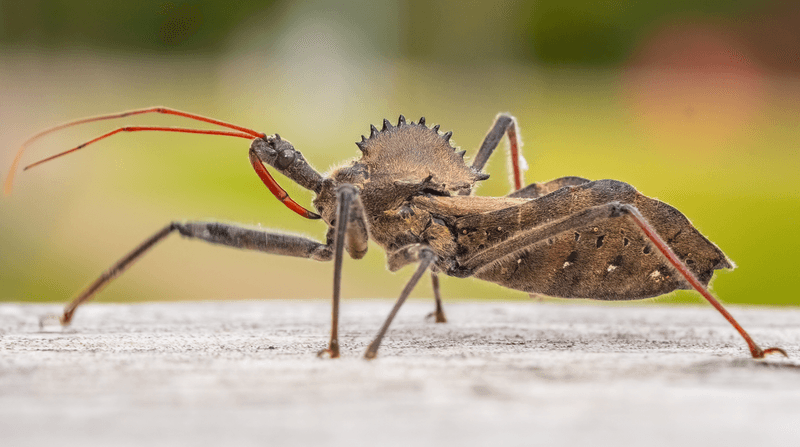
Think of a mature wheel bug as a patient, precise predator. It creeps along stems, waits for something soft-bodied to wander close, and then strikes with that folded beak.
The menu is long. Tomato hornworms, cabbage loopers, tent caterpillars, Japanese beetles, aphid clusters, sawfly larvae, and even stink bugs all end up on it.
A single adult can work through a surprising number of pests during its final weeks. Multiply that by a few individuals scattered across your yard and the savings on treatments add up.
They hunt during daylight and stay active into warm evenings, which means coverage across shifts you cannot manage yourself. They work without needing supervision or cost.
Wheel bugs are not picky, which is the one catch. Honey bees, lady beetles, and butterflies sometimes get caught too, since the bug reacts to movement rather than reputation.
Balance that against the caterpillar damage they prevent and most gardeners come out ahead. Predators that eat only pests are rare in nature.
You can encourage them by planting nectar-rich flowers that draw in prey insects. Goldenrod, sunflowers, zinnias, and mountain mint all pull steady traffic.
Skipping broad sprays matters even more. Products that wipe out soft-bodied insects also remove the buffet a wheel bug needs to reach adult size.
Spot one gripping a Japanese beetle on your roses and you will understand why Tennessee gardeners have started leaving them alone on purpose.
Spotting The Difference Between Friend And Lookalike
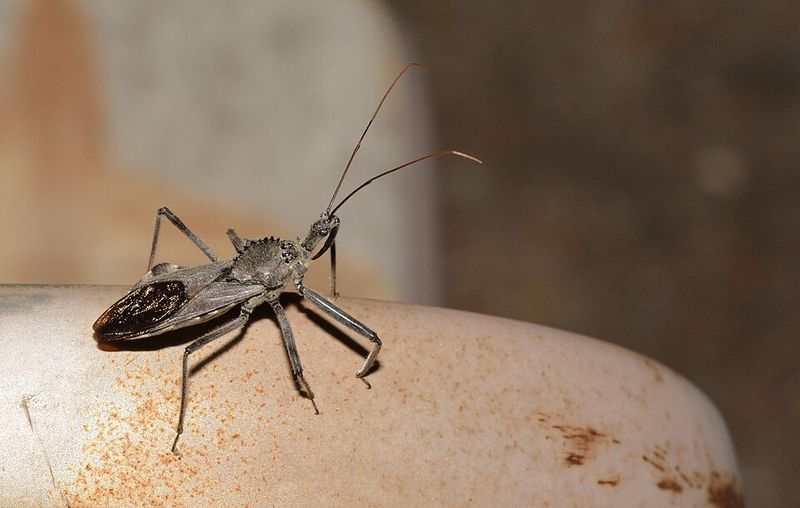
Misidentification is a common reason helpful bugs get harmed. Several Tennessee insects share the same gray-brown color and gangly build, so a quick checklist saves lives in the flower bed.
Start with the wheel. A raised, half-circle crest with several blunt teeth sits on the back of the thorax.
Size is the second clue. Adults run about an inch to an inch and a quarter, noticeably larger than the leaf-footed bugs and stink bugs sharing the same tomato plant.
Look at the head, too. Wheel bugs have a narrow head, long antennae, and a stout curved beak tucked underneath rather than a flat feeding tube.
Leaf-footed bugs, by contrast, have flared, leaf-shaped extensions on their back legs and feed on plant juice. Those are the ones causing dimples on your tomatoes.
Nymphs confuse people the most. Young wheel bugs are bright red-orange with black markings and get mistaken for boxelder bugs or even spiders because of their long legs.
If you see that red body creeping along a stem with the front legs raised, leave it be. Give it a few weeks and you will have another adult predator.
Snap a photo with your phone if you are unsure. University of Tennessee Extension offices can help with identification, and local gardening groups are often a fast, helpful resource. Taking a moment to check helps protect beneficial insects.
Building A Yard Where They Want To Stick Around
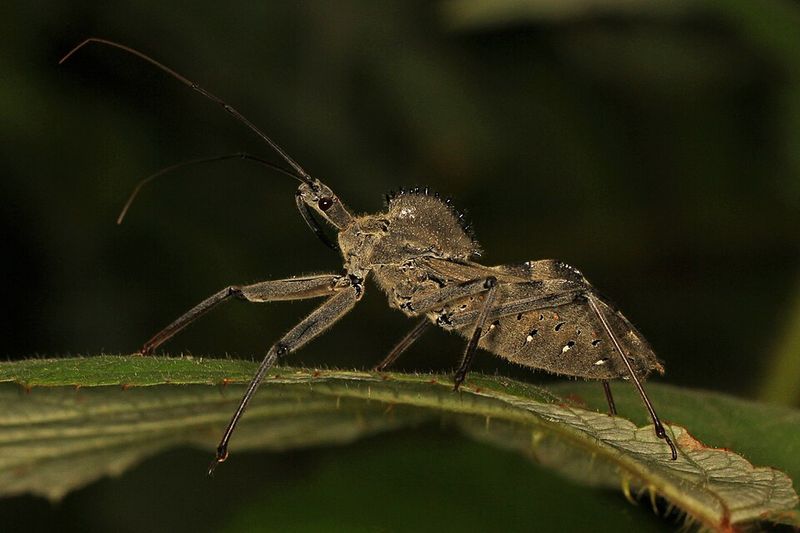
Once you have decided the wheel bug is welcome, the next step is making your yard worth returning to. Creating habitat is more effective than hoping they show up.
Diversity is the foundation. Mixed plantings of vegetables, native perennials, and flowering shrubs create the layered cover these predators use for stalking.
Native Tennessee plants pull their weight here. Goldenrod, purple coneflower, mountain mint, black-eyed Susan, and joe-pye weed all attract the insect traffic that keeps a hunter fed.
Ease up on the tidiness in fall. Leaving stems standing and skipping a full cleanup gives egg clusters a safe place to overwinter through the cold months.
Check woody stems and fence posts before you prune. Those brown, honeycomb-patterned egg masses look like a cluster of tiny bottles and hold dozens of future nymphs.
Rethink your spray routine as well. Spot-treating a specific problem area works far better for beneficial insects than blanketing the whole yard.
Water helps too. A shallow dish with pebbles supports the wider insect community that feeds predators during dry Tennessee Augusts.
Trees matter more than people expect. Wheel bugs frequently hunt in oaks, hickories, and fruit trees, then drift down into vegetable beds when the hunting is good. Give it two or three seasons and you may notice fewer pest outbreaks overall.
Gardens with steady predator populations often experience fewer extreme pest swings, though results vary. The reward is a patch that mostly manages itself while you handle the fun parts.