What It Means When Your Georgia Bermudagrass Browns In Just A Few Days
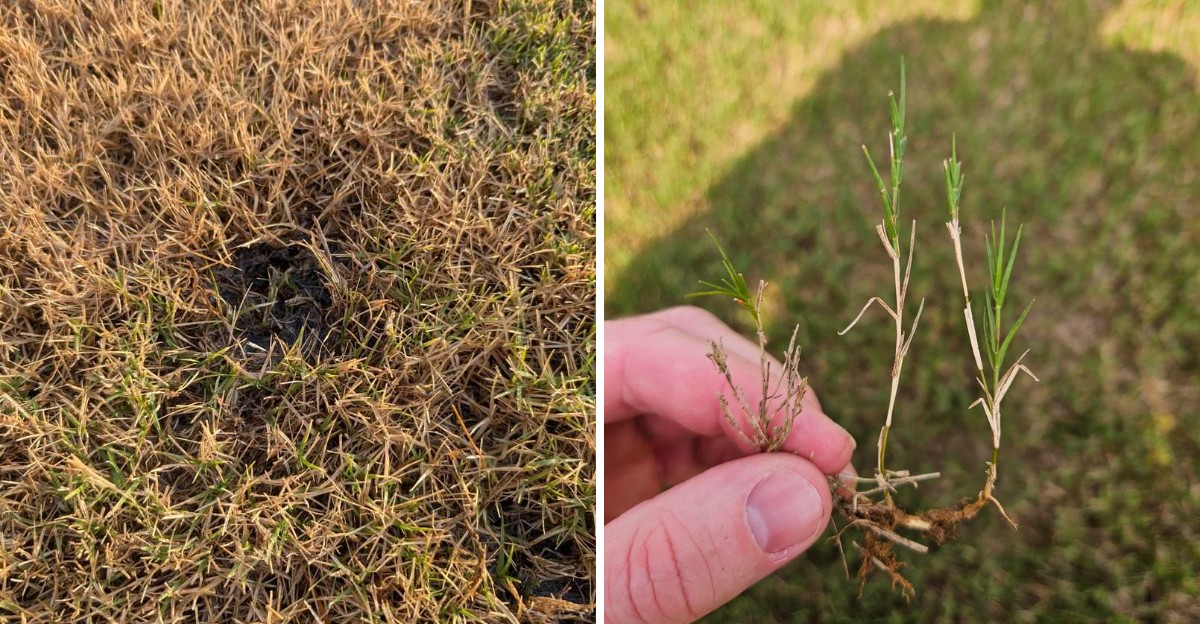
Bermudagrass that looked thick and green last weekend can take on a tan, straw-like color almost overnight.
Such a quick shift can mean very different things depending on the season and what the grass is going through.
In much of Georgia, cooler nights in fall start pushing bermuda toward winter dormancy. The change can happen faster than many homeowners expect, especially after a sudden cold snap.
Not every brown lawn is simply going to sleep, though. Several other problems can cause color changes that look nearly identical from the porch.
Telling them apart early matters, since some need attention right away while others need nothing at all.
Kneel down and look at the base of the blades, because what you find there often says more than the color on top.
1. Fast Browning In Fall Can Come From Several Different Causes
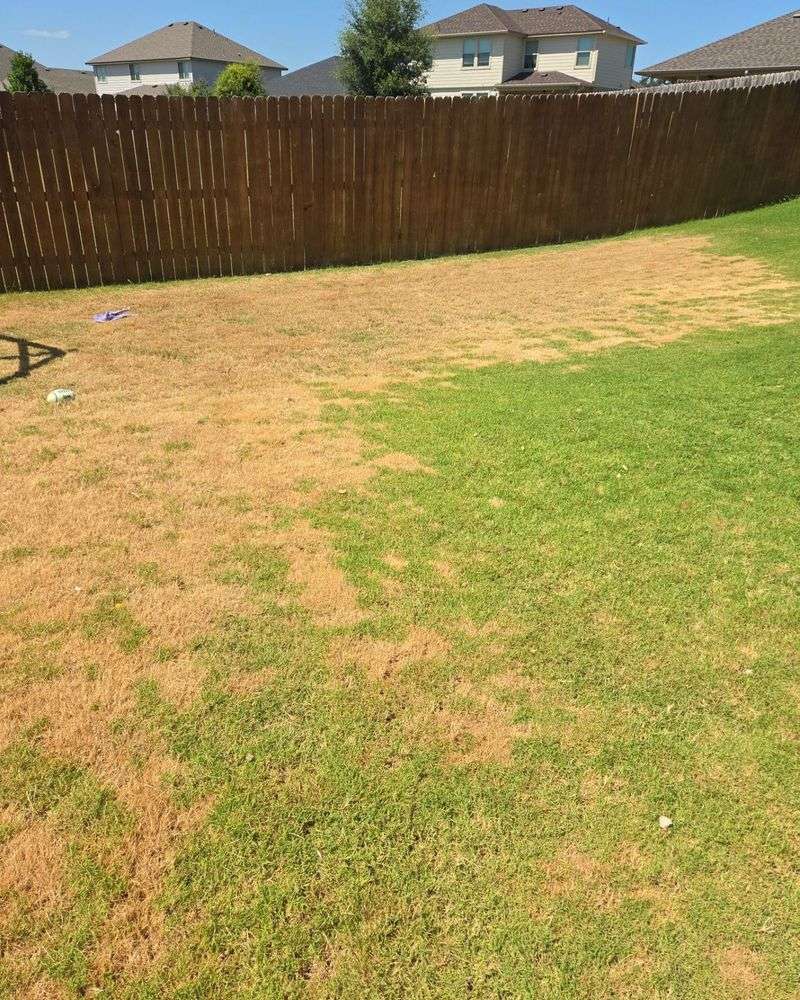
One brown lawn can tell several different stories. When bermudagrass changes color quickly in fall, the cause is not always obvious at first glance.
Cooler weather is a common reason, but it is far from the only one.
Across Georgia, fall can bring dry stretches, caterpillar outbreaks, and the first chilly nights all within a few weeks. Any of these can make a green yard look tired in a short time.
Mowing habits can add to the confusion, since cutting too low may reveal brown stems underneath.
Because so many things overlap, it helps to slow down before reaching for fertilizer or pesticide. A wrong guess can waste money and may even stress the grass further.
Start by thinking about recent weather, including rainfall and nighttime temperatures over the past week or two.
Next, walk the yard and look at the pattern of the color. Even browning reads differently than scattered patches or chewed areas near a border.
Get down close and inspect the blades themselves, checking for torn edges, missing tissue, or small insects.
Soil type, shade, and how your lawn was cared for all summer can also change how it reacts. Keeping those factors in mind gives you a more realistic picture of what is happening.
2. Cool Nights Push Bermuda Toward Its Natural Winter Dormancy
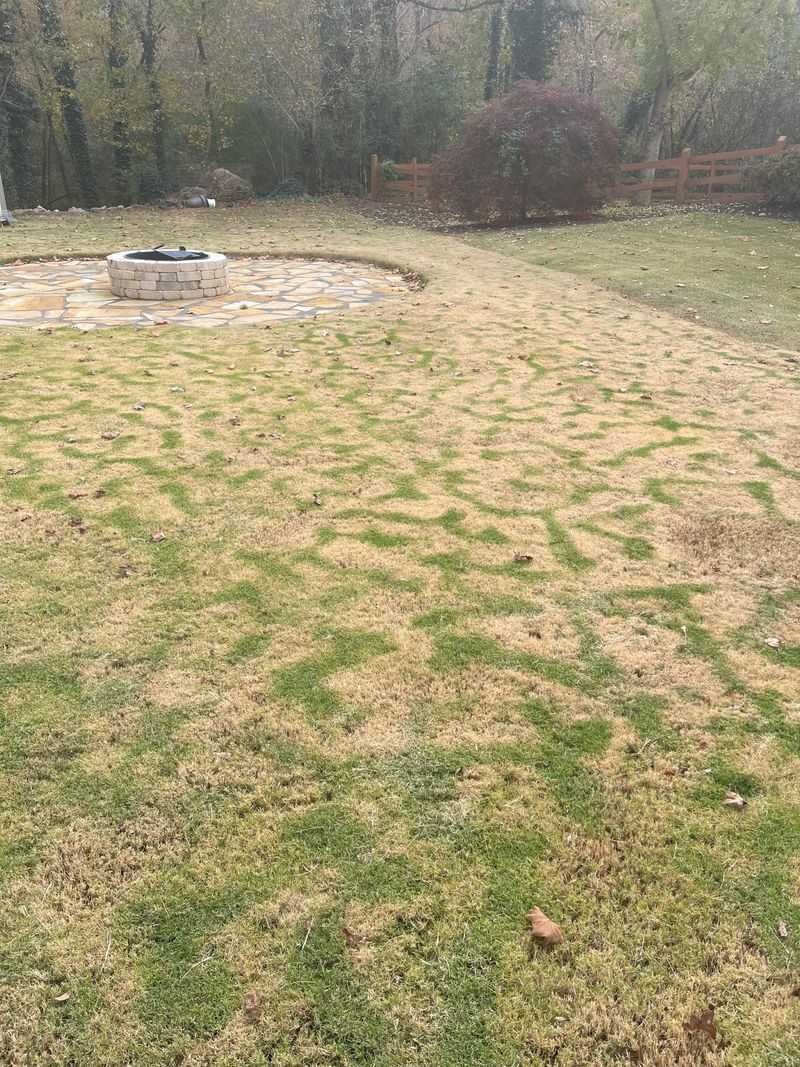
Bermudagrass is a warm-season grass, and it does not enjoy the cold. As nights cool in fall, its growth slows and the green color starts to fade.
Dormancy is a resting state, not a sign of failure.
Once temperatures drop low enough, the leaves often turn tan while the roots, runners, and crowns stay alive below. Frost can speed up that change, sometimes making a lawn look different in just a day or two.
Timing varies a lot depending on where you live in Georgia, with northern areas usually cooling earlier than the southern part of the state.
Local weather swings can also shift the schedule from one year to the next. A warm October might keep grass green longer, while an early cold snap can bring dormancy sooner.
Watching the forecast is one of the easiest ways to connect the dots.
Your Georgia Garden Changes Every Week. Your Plan Should Too.
Gardening in Georgia changes quickly throughout the season. Every Friday you’ll receive a simple weekly plan showing exactly what to plant, prune, fertilize, harvest, and protect so you never miss the right timing.
If you see browning right after the first chilly nights or a light frost, dormancy is a likely explanation. In that case, adding nitrogen fertilizer is generally not recommended, since late feeding may encourage tender growth and disease.
Patience is usually the best plan, with green-up typically returning in spring as soils warm again.
3. Uniform Tan Color Across The Whole Lawn Suggests Normal Dormancy
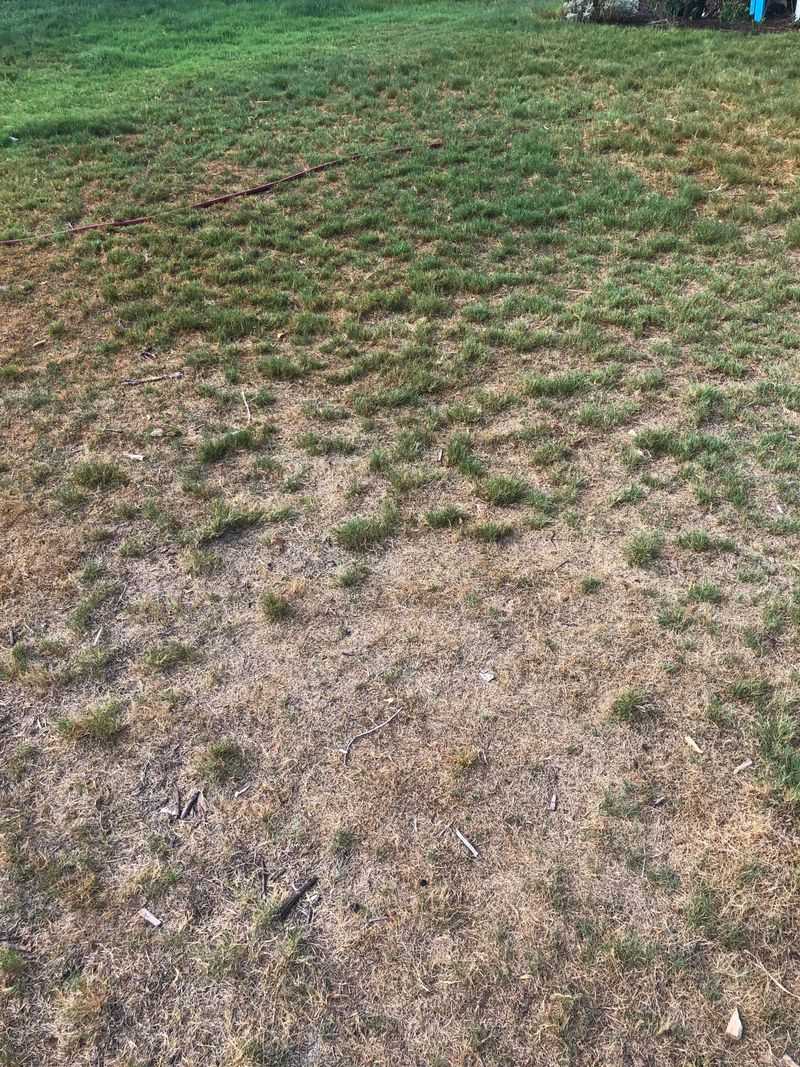
Even color is a reassuring clue. A lawn that turns the same soft tan from edge to edge is often just going dormant.
Problems like insects or disease usually show up in uneven ways.
Pests tend to leave irregular patches, and drought often hits sunny or sloped spots first. Dormancy, on the other hand, generally affects sunny areas across the yard in a fairly consistent way.
Small differences can still happen, so do not expect perfect uniformity.
Areas near pavement or brick walls may stay green a little longer because those surfaces hold warmth. Low spots where cold air settles might brown a few days earlier than the rest.
Homeowners in Georgia often notice their neighbors’ lawns changing at roughly the same time, which is another helpful sign.
If the whole street looks tan after a cold spell, your grass is likely following the season. That shared pattern is hard to explain with pests or watering problems alone.
During dormancy, keep foot traffic reasonable and avoid heavy fertilizer applications. Light mowing is usually unnecessary until growth resumes.
Some people choose to overseed with ryegrass for winter color, though that adds work and can affect spring green-up.
4. Ragged Chewed Blades Can Point Toward Armyworm Feeding
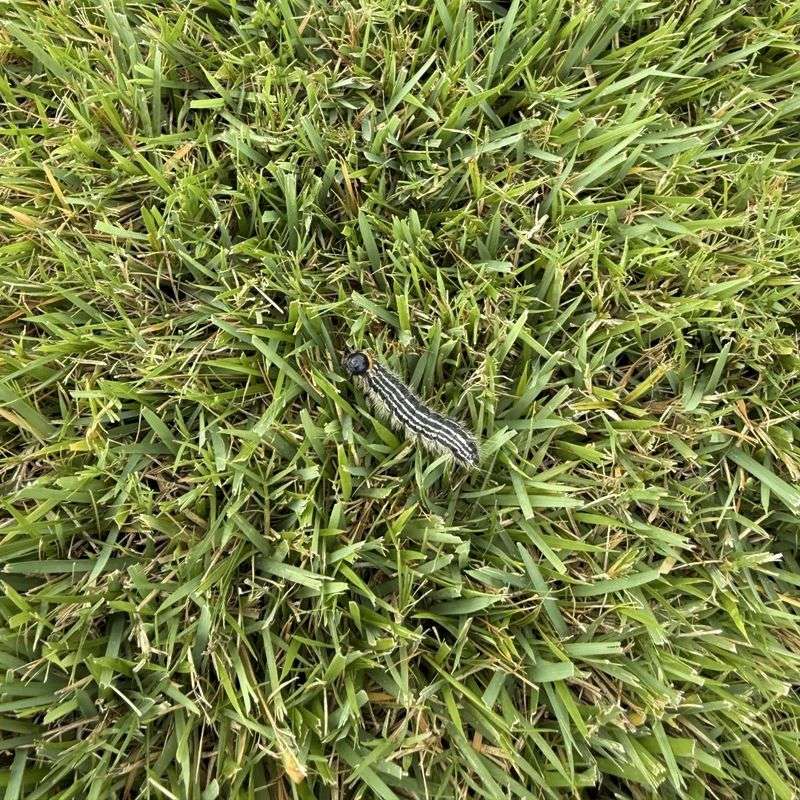
Caterpillars can move fast. Fall armyworms are known for turning a green patch brown in just a few days during late summer and fall.
Look closely at the blades before blaming the weather.
Armyworm damage often leaves ragged, chewed leaves and a scruffy, uneven appearance. Areas may look like they were scalped, with the brown section spreading across the yard as feeding continues.
Outbreaks in Georgia can vary greatly from year to year, so some seasons bring heavy activity while others stay quiet.
A simple soap flush can help you check. Mix a small amount of dish soap into a bucket of water and pour it over a square of turf near the edge of the damage.
Caterpillars, if present, often crawl to the surface within a few minutes.
Finding several larvae may justify treatment, while one or two might not. Your local county Extension office can help you decide on thresholds and suitable products.
Healthy, established bermudagrass frequently recovers from armyworm feeding, especially when the crowns and runners remain intact.
Early detection matters most, because larger caterpillars eat more and are harder to control. Checking the lawn every few days during an outbreak gives you a head start.
5. Weeks Without Rain Can Brown Turf Short On Moisture
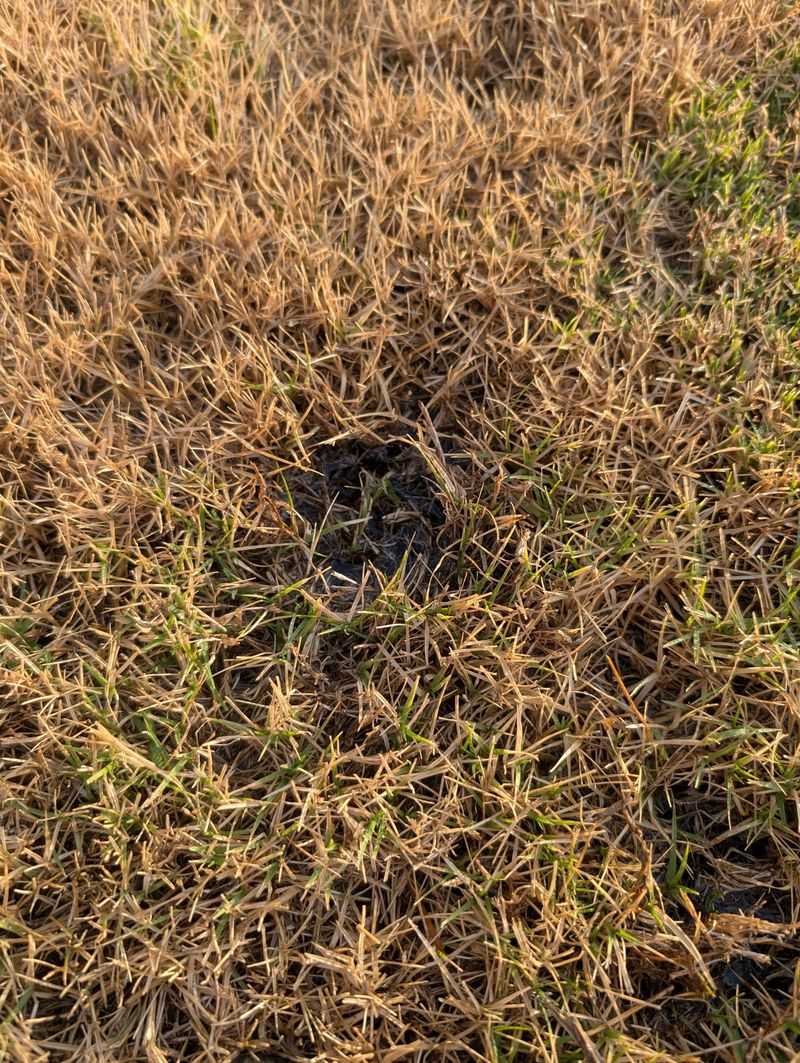
Dry weather sneaks up on lawns. After a stretch without rain, bermudagrass can shift from green to brown faster than most people expect.
Fortunately, bermuda is one of the more drought-tolerant turfgrasses around.
Under long dry spells, it may go semi-dormant to protect itself. Leaves curl, color fades, and footprints may stay visible on the surface for a while after you walk across it.
Sandy soils, common in parts of south Georgia, tend to dry out faster than heavier clay soils.
Slopes, sunny strips, and spots near driveways often show stress first. Those warm, fast-draining areas lose water quickly and give you an early warning.
Push a screwdriver into the soil to test moisture.
If it slides in with difficulty, the ground is probably dry. Deep, less frequent watering usually works better than frequent light sprinkles, since it encourages roots to grow downward.
Watering in the early morning reduces evaporation and limits how long the blades stay wet.
Be aware of any local watering rules in your area before turning on sprinklers. In many cases, drought-browned bermudagrass greens up again once regular rain or irrigation returns, though recovery depends on how long the dry spell lasted.
6. Scalping With A Low Mower Exposes Brown Stems
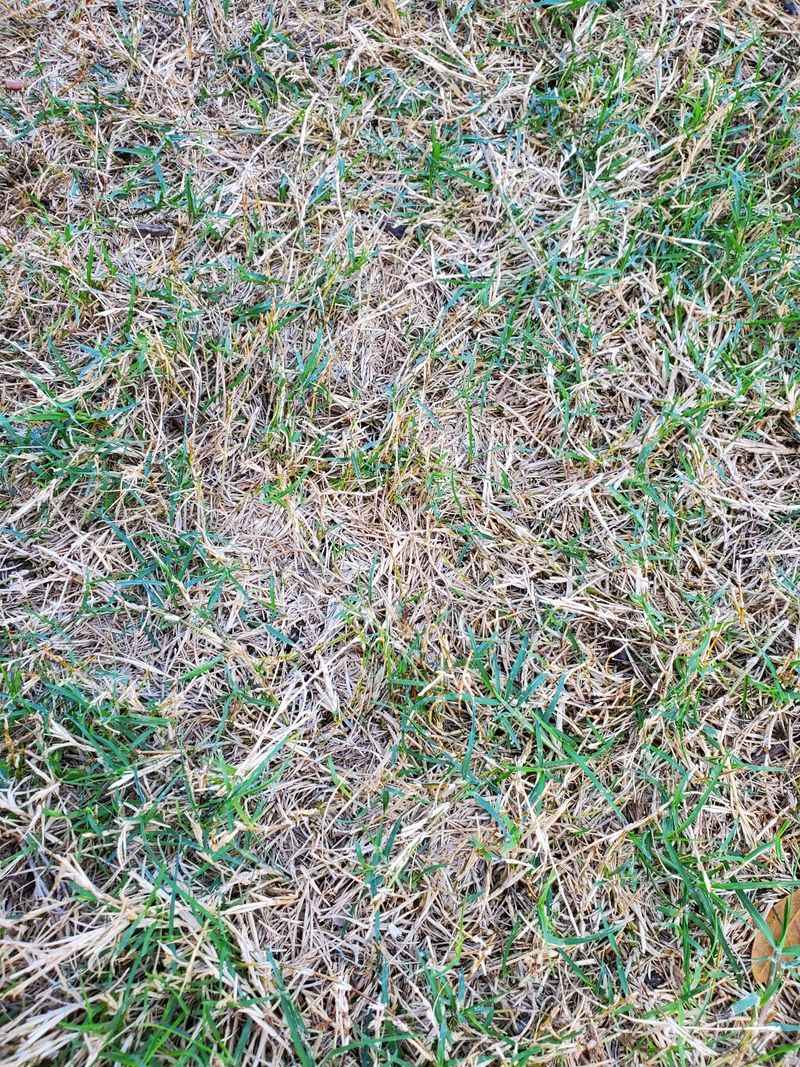
Sometimes the mower is the culprit. Cutting bermudagrass too short can strip away the green leaves and reveal brown stems below.
A freshly mowed lawn that suddenly looks tan often points to scalping.
Bermuda spreads by stolons and rhizomes, and it builds up a layer of stems as it grows. When the blade drops too low, much of the visible green gets removed in one pass.
Uneven ground makes scalping more likely, especially on bumps and high spots.
Check the mower height and compare it to typical recommendations for your bermuda variety. Hybrid types are often kept shorter than common bermuda, so guidelines differ.
Removing no more than about one-third of the leaf blade at a time is a widely used rule.
Georgia homeowners who let grass get tall during a rainy stretch often run into this problem. Catching up gradually over a few mowings tends to be gentler than cutting it all at once.
Sharp blades help too, because dull ones tear grass and leave frayed tips.
Scalped bermudagrass in the growing season usually recovers if the weather stays warm. Late in fall, though, it may stay brown until spring, since growth slows as temperatures drop.
7. Checking The Runners Beneath Brown Blades Reveals Their Condition
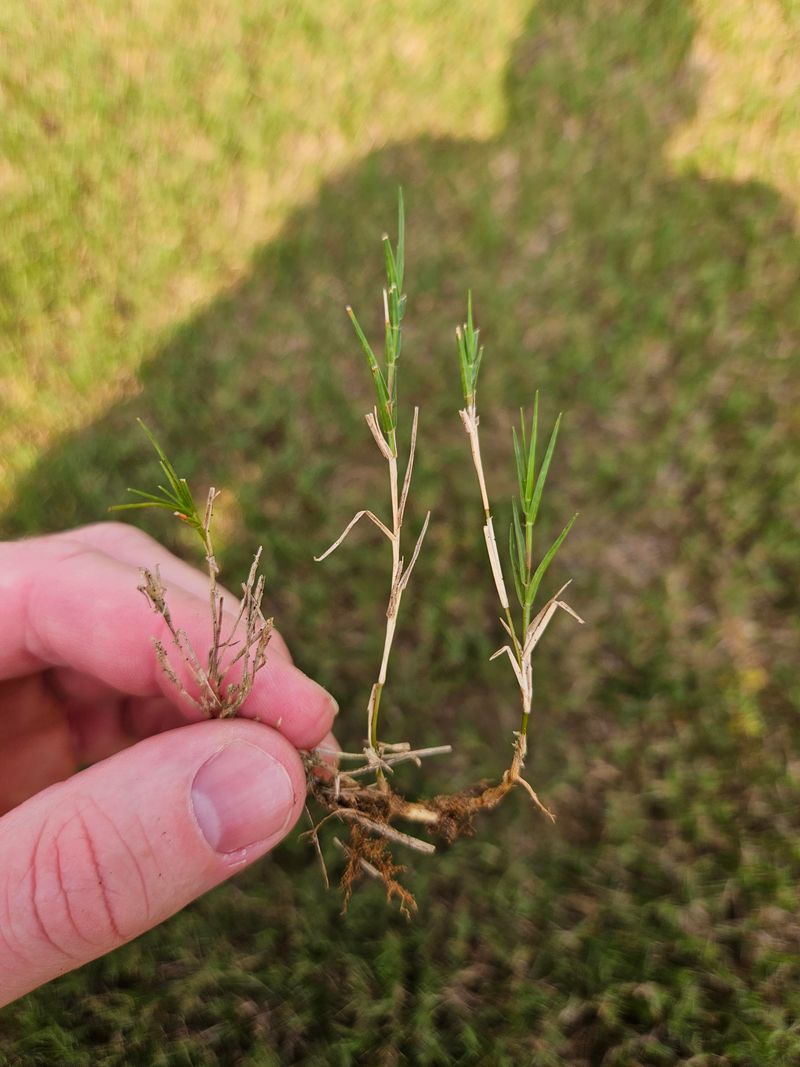
Brown on top does not tell the full story. Underneath the faded blades, bermudagrass runners hold the real clues about its health.
Grab a small hand trowel and dig up a palm-sized plug.
Healthy stolons and rhizomes usually feel firm and look white, cream, or light green when you split them open. Their nodes may show small buds that are ready to push new growth when conditions improve.
Mushy, dark, or brittle runners are a different signal and may point to disease, drainage problems, or severe stress.
Comparing samples from a green spot and a brown spot can make differences easier to see. If both look similar beneath the surface, the browning may be mostly cosmetic for now.
Gardeners in Georgia often find red clay clinging to runners, so rinse the plug gently with water before judging.
Another quick test is to set a plug in a sunny window indoors and keep it moist. New green shoots appearing within a week or two suggest the grass is alive and resting.
When runners look poor and the cause is unclear, contact your county Extension office.
Many offices can help with diagnosis or a soil test. A sample sent to a lab gives you facts instead of guesses.