Stop Letting Blackberry Cane Blight Spread Through Your Georgia Garden
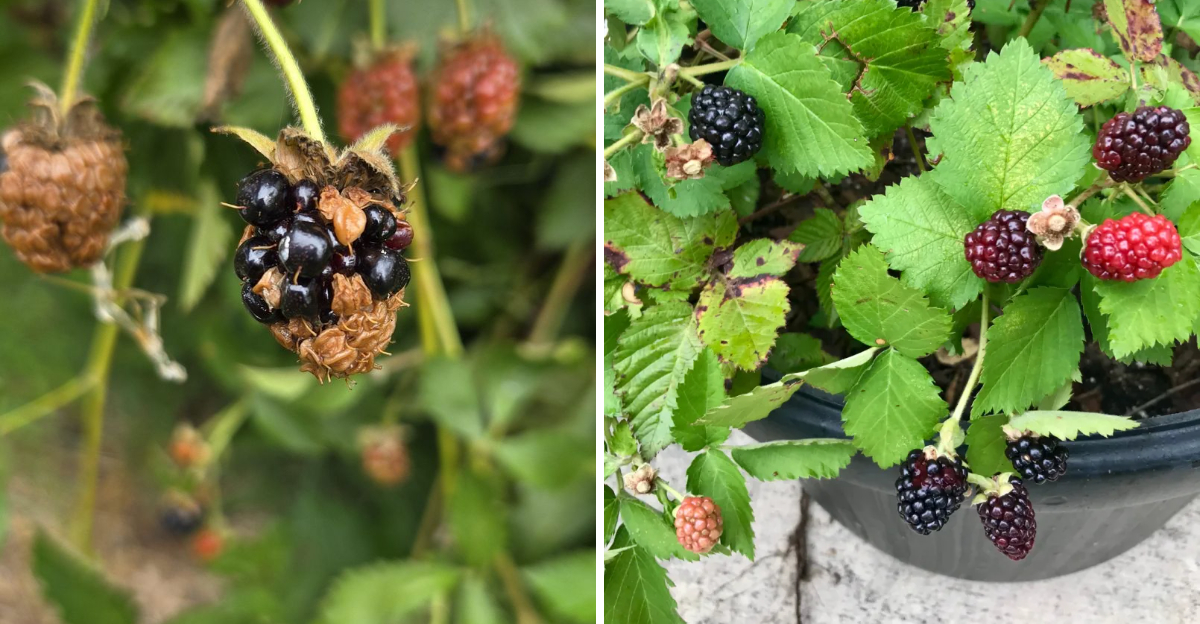
Blackberry cane blight can spread faster than many Georgia gardeners expect. Don’t wait until whole canes begin to decline.
Small warning signs are easy to miss, but acting early makes a big difference. Before you grab pruning tools, learn what encourages this disease and what slows it down.
One simple habit could protect healthy canes while reducing future problems. Keep reading before the damage spreads.
A few smart changes now can help your blackberry patch stay productive through the season. Healthy harvests start with quick action, careful observation, and better daily care.
Give your plants the attention they deserve, prevent unnecessary spread, and enjoy stronger, more reliable blackberry harvests for weeks ahead. Every minute you wait matters.
Start today and give every healthy cane the best chance to thrive again.
1. Recognize The Early Signs Of Cane Blight
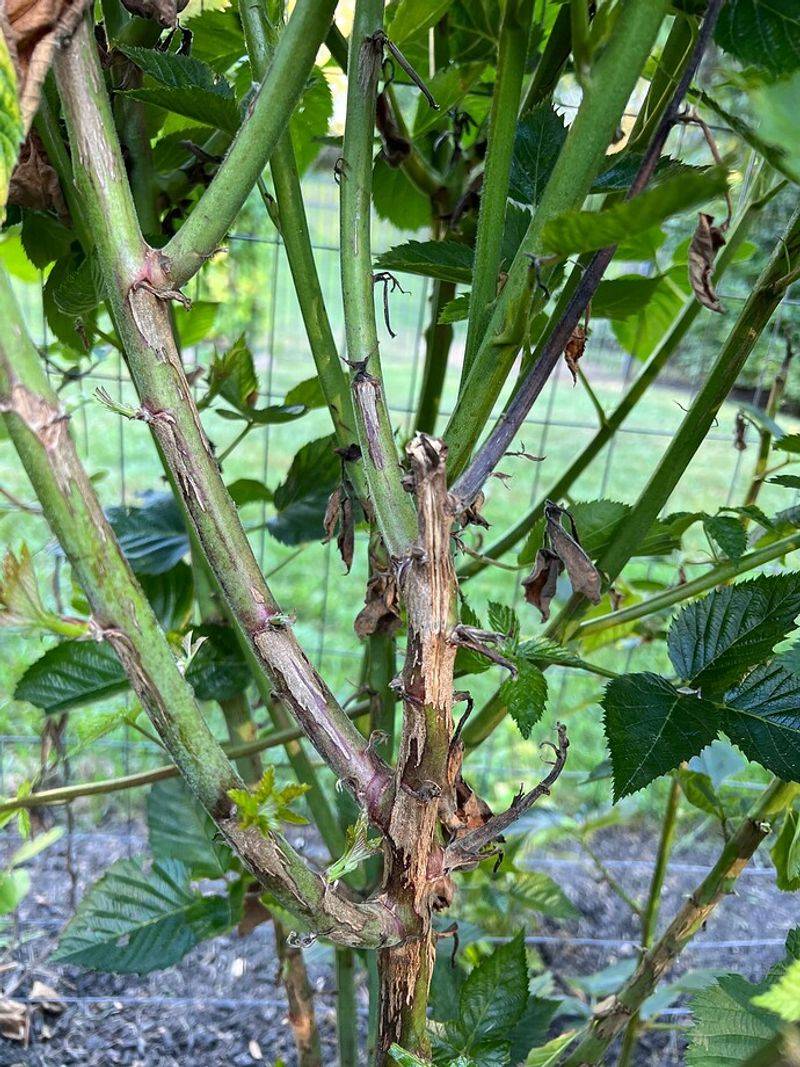
Brown patches creeping up a cane that looked perfectly healthy last week are your first warning sign. Cane blight starts as small, dark lesions near a wound or pruning cut.
Those spots expand fast, especially during warm, wet stretches common in the South.
Infected canes may look water-stressed before anything else shows. Leaves wilt suddenly without a clear reason.
Lateral shoots attached to a diseased cane often shrivel up and turn brown at the tips.
Look closely at the base of wilted shoots. Dark, sunken cankers near soil level are a strong indicator of blight.
Healthy canes stay green and firm, so any discoloration deserves a closer look right away.
Catching blight in its early stage gives you a real chance to stop it from spreading. Walk your rows regularly during the growing season.
A few minutes of observation each week can prevent major losses later on.
Cane blight is caused by the fungus Leptosphaeria coniothyrium, which thrives in moist conditions. It enters through wounds, pruning cuts, or insect damage.
Knowing what to look for puts you ahead of the problem before it gets out of hand.
2. Prune Infected Canes Below The Damaged Area
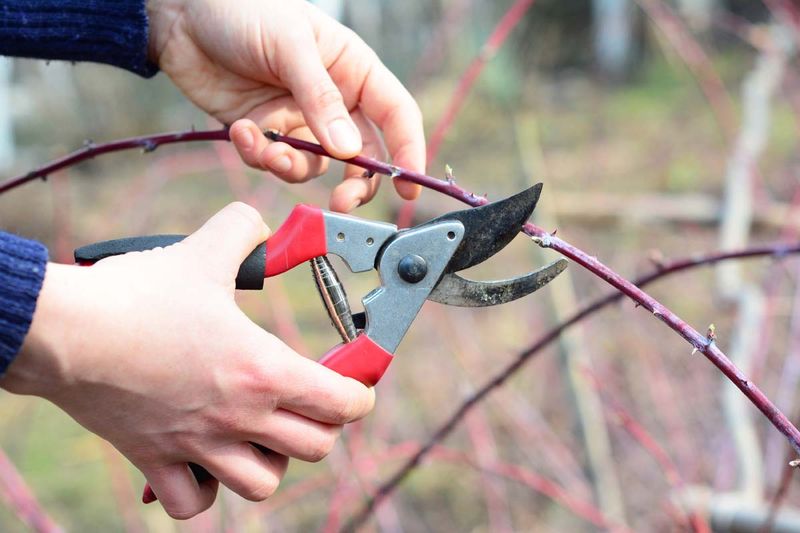
Cutting out infected wood is one of the most effective steps you can take against cane blight. Pruning right at the lesion is not enough.
You need to cut several inches below the visible damage to reach clean, healthy tissue.
Healthy tissue inside a cut cane looks white or pale green. If you see dark streaking inside the cane after cutting, go lower.
Keep cutting until the interior looks clean before stopping.
Disinfect your pruning shears between every single cut. Skipping this step can transfer the fungus from one cane to another on your blade.
Bag all removed cane material immediately. Leaving pruned pieces on the ground near your plants keeps the fungal spores active and close to healthy wood.
Dispose of infected cuttings away from your garden beds.
Pruning in dry weather gives the cut ends a better chance to seal before moisture gets in. Wet conditions right after pruning can invite new infection into fresh cuts.
Timing matters as much as technique when fighting blight in humid climates like Georgia.
Your Georgia Garden Changes Every Week. Your Plan Should Too.
Gardening in Georgia changes quickly throughout the season. Every Friday you’ll receive a simple weekly plan showing exactly what to plant, prune, fertilize, harvest, and protect so you never miss the right timing.
3. Avoid Injuring Healthy Canes During Maintenance
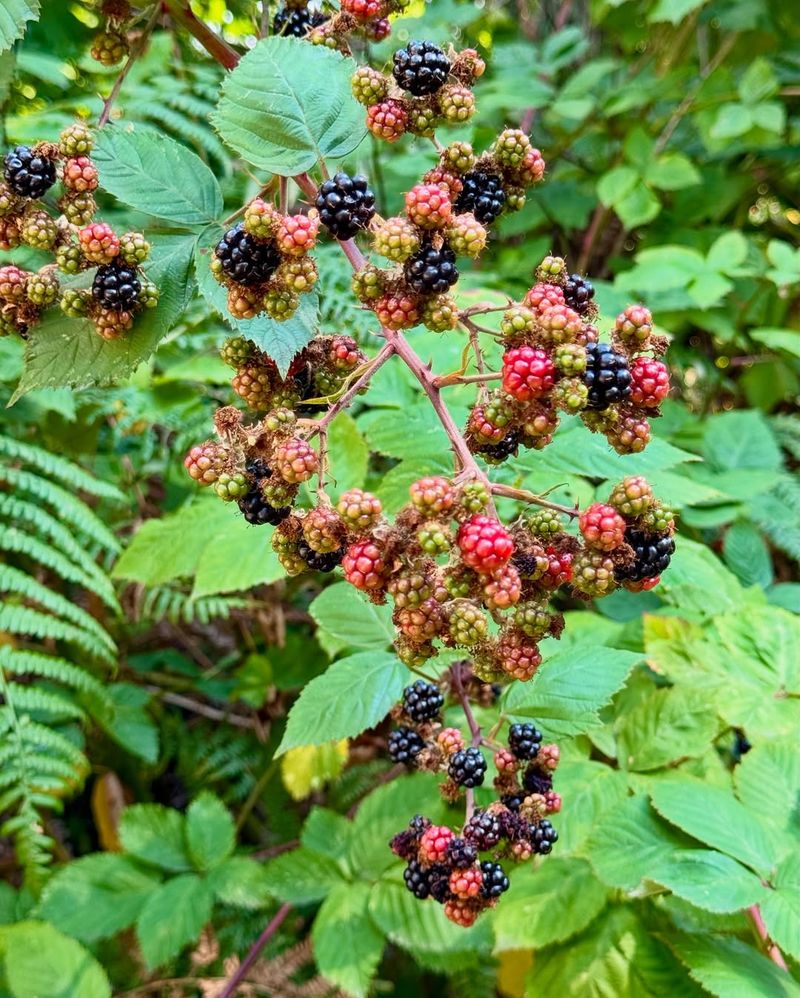
Every scratch, scrape, or nick on a cane is an open door for fungal infection. Cane blight needs a wound to enter, and maintenance work creates plenty of them if you are not careful.
Being deliberate during routine tasks makes a big difference over time.
Tying canes to a trellis sounds simple, but rough handling can crack the bark. Use soft ties instead of wire or zip ties that cut into the cane.
Even small pressure points can leave marks that invite disease.
Weed trimmers are a common source of cane damage. Running a trimmer too close to the base of your plants can strip bark and wound the lower cane.
Keep trimmers at a safe distance and use hand tools near your blackberry rows instead.
Foot traffic between rows also causes more harm than most people realize. Stepping on low-hanging canes or brushing them repeatedly weakens the tissue.
Try to keep a clear path and avoid crowding into the row more than necessary.
Sharp tools cause cleaner cuts than dull ones, which means less tissue damage overall. Dull pruners tear and crush instead of slicing cleanly.
Keeping your tools sharp is a simple habit that directly reduces the risk of blight entry points on your plants.
4. Improve Airflow Between Blackberry Plants
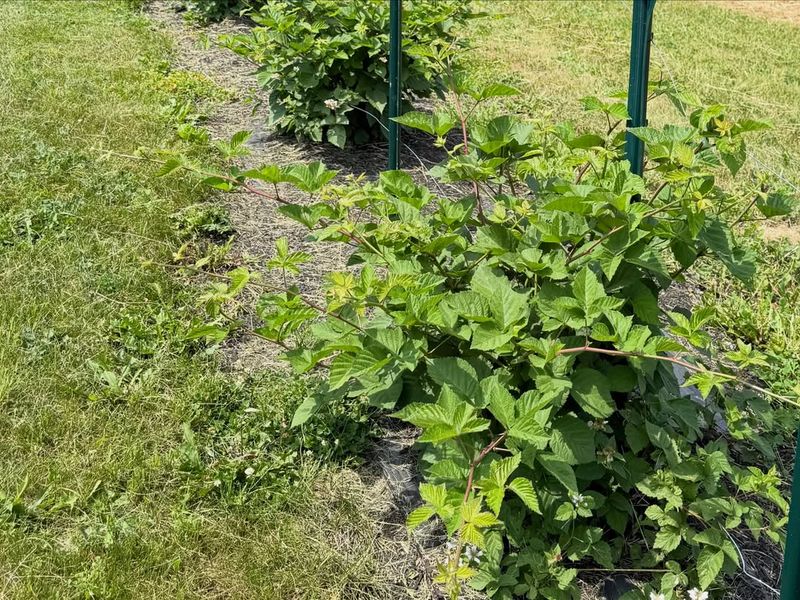
Stagnant, moist air sitting around your blackberry canes is exactly what fungal spores need to take hold. Improving airflow is one of the most underrated ways to reduce blight pressure in your garden.
It costs nothing and makes a noticeable difference over a season.
Start by thinning out overcrowded canes in early spring. Leave enough space between canes so light can reach the interior of the plant.
Crowded canopies stay wet longer after rain, which extends the window for infection.
Removing old floricanes after they finish fruiting also opens up the row significantly. Spent canes serve no purpose once the harvest is done.
Getting them out early clears space and reduces the amount of old wood where fungal spores can linger.
Training canes upright on a trellis system helps enormously with airflow. Canes that flop over and pile on each other trap moisture and limit air movement.
A simple two-wire trellis keeps canes separated and exposed to moving air.
In Georgia, summer afternoons bring high humidity that can linger well into evening. Maximizing airflow through your plants gives moisture a chance to evaporate faster.
Pruning for structure is not just about yield. It is a direct line of defense against fungal spread in warm, humid conditions.
5. Water The Soil Instead Of The Canes
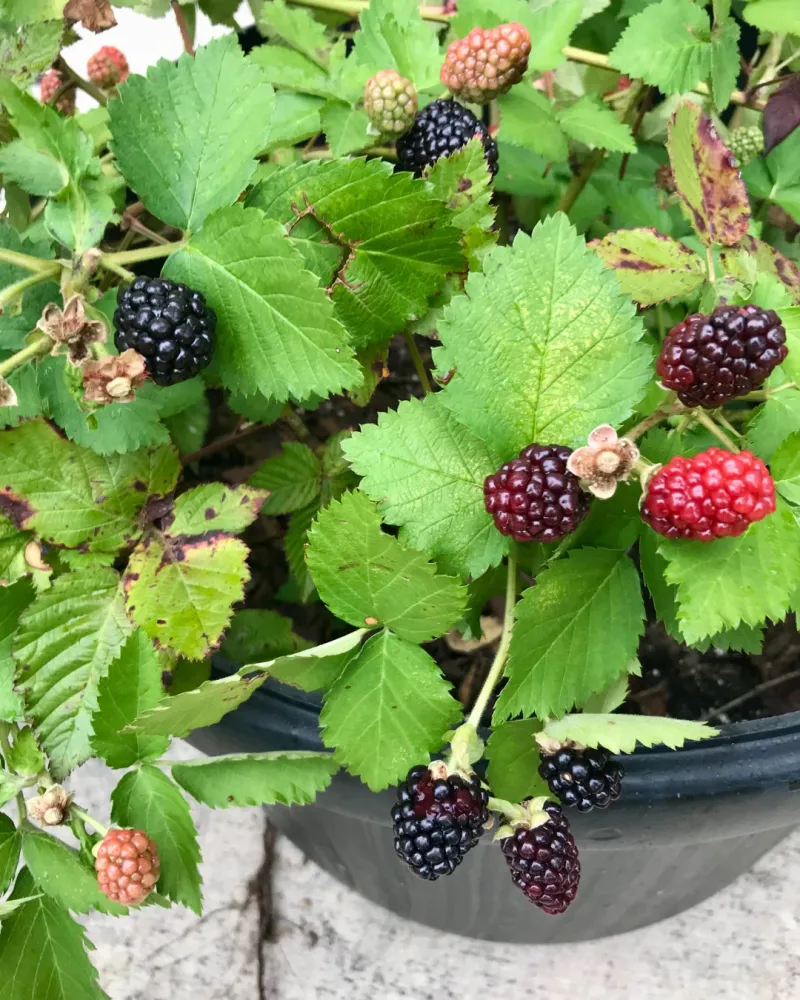
Overhead watering is one of the fastest ways to encourage cane blight in your garden. Wet canes and wet foliage create ideal conditions for fungal spores to germinate and spread.
Changing how you water can reduce that risk significantly.
Drip irrigation is the most practical solution for blackberry growers. Water goes directly to the root zone without splashing up onto canes or leaves.
Roots still get what they need, and the canes stay dry throughout the process.
Soaker hoses work well as a lower-cost alternative to drip systems. Lay them along the base of your rows and let water seep slowly into the soil.
Even this simple switch can reduce the amount of moisture sitting on plant surfaces each day.
Watering in the morning gives the soil time to absorb moisture before the day heats up. Evening watering leaves the ground damp overnight, which extends the period when fungal activity is most likely.
Morning is the better window in humid climates.
Mulching around the base of your plants also helps by reducing splash-back during rain or irrigation. A layer of straw or wood chips slows water movement and keeps soil particles from hitting the lower canes.
Combining mulch with ground-level watering gives your blackberries a much drier environment above the soil line.
6. Avoid Pruning While Canes Are Wet
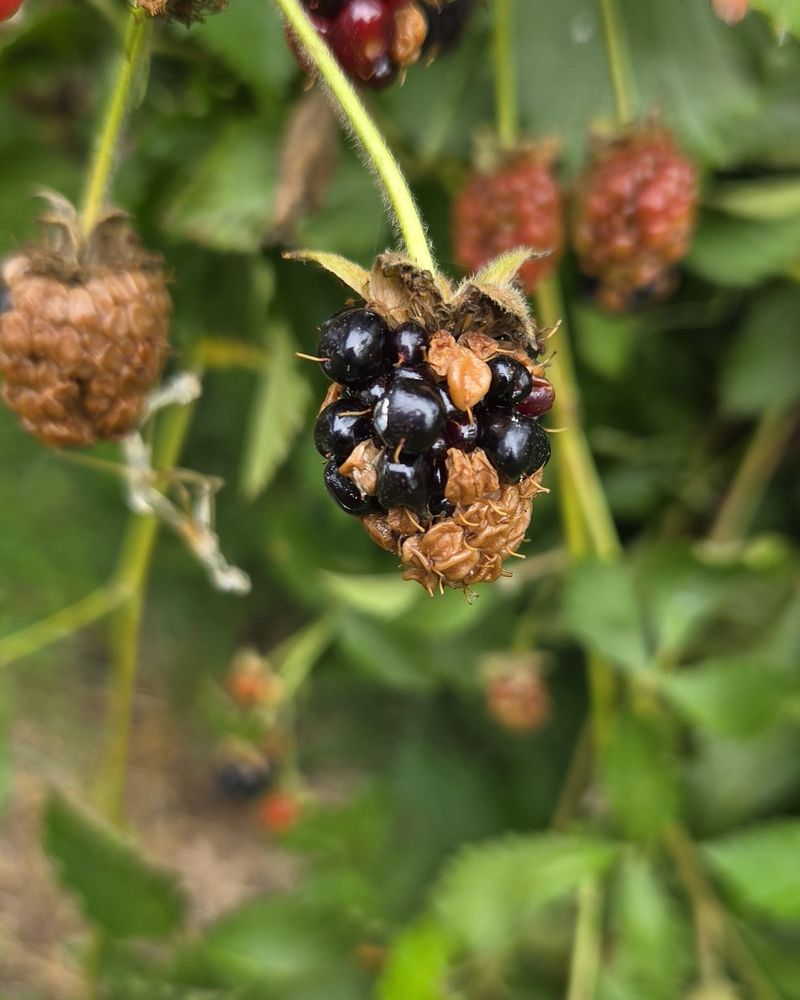
Pruning on a rainy day feels productive, but it can backfire badly with blackberries. Wet conditions are when fungal spores are most active and most easily transferred.
Cutting into a cane while it is wet gives those spores a direct path into fresh tissue.
Moisture on the blade of your pruners carries spores from one cut to the next. Even if you disinfect between cuts, wet conditions reduce the effectiveness of that process.
Dry days give you a cleaner, safer working environment for pruning tasks.
Wait at least a full day after rain before picking up your pruners. Cane surfaces need time to dry out fully.
In Georgia, where afternoon storms are common in summer, checking the forecast before you prune is worth the extra step.
Morning dew counts as wet conditions too. Canes may look dry but still carry surface moisture early in the day.
Mid-morning to early afternoon on a sunny day is typically the best window for safe pruning.
Scheduling pruning sessions around the weather is not complicated. It just takes a little planning.
7. Plant New Canes With Proper Spacing
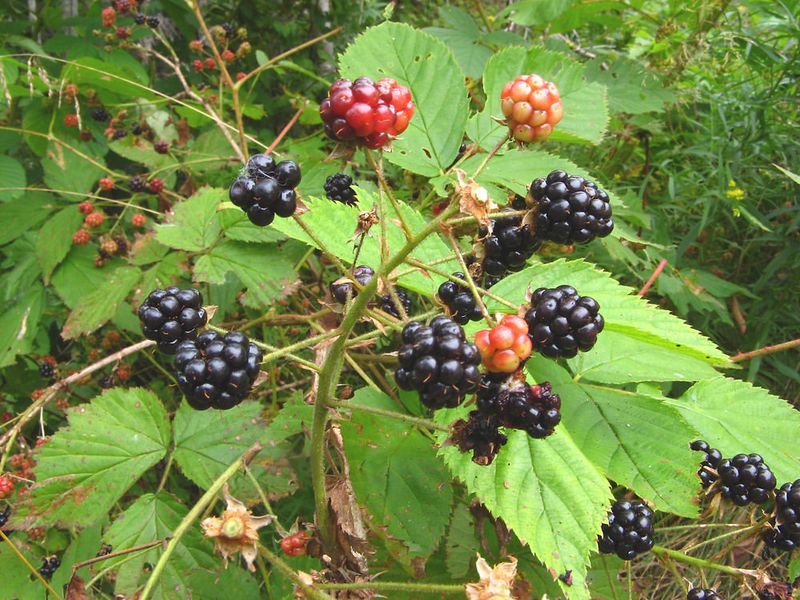
Starting a new blackberry planting with the right spacing sets up your entire patch for better long-term health. Crowded plants struggle with airflow, dry out more slowly after rain, and tend to have more blight problems over time.
Getting spacing right from the beginning is far easier than trying to fix it later.
Most blackberry varieties do well with about three to four feet between plants within a row. Row spacing of eight to ten feet gives you room to work and allows air to move freely between rows.
Check the specific recommendations for the variety you are growing, since spacing needs can vary.
Avoid planting in low spots where water tends to pool. Wet soil around the base of your canes keeps moisture levels high and creates favorable conditions for fungal problems.
Slightly raised or well-drained ground is a better choice for a new planting.
Newly planted canes in Georgia benefit from being placed where they get good morning sun. Sunlight dries dew and surface moisture faster on exposed canes.
Shade from nearby trees or structures can keep canes wetter for longer stretches of the day.
Planning your layout before you plant takes only a few minutes.