What It Means When Your New York Tomatoes Start Drooping
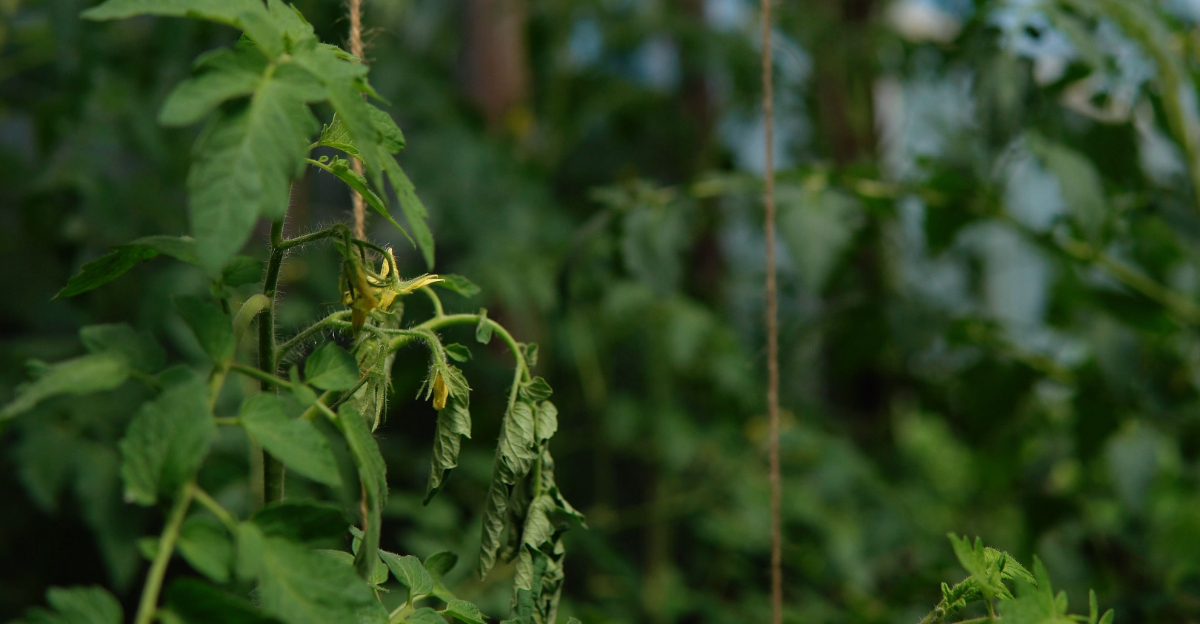
Your tomato vines look fine at sunset. By morning, they’re slumped over like gravity finally caught up with them. New York growers see this exact scene play out from Long Island patios to Adirondack garden plots.
That droopy look isn’t one single culprit. Sometimes it’s just thirsty roots asking for water. Other times, something underground or in the air is quietly working against your plants.
Two entirely different problems can produce the same sad, wilted stems. One fix might save your harvest overnight. Another means you’re racing against a clock you didn’t know was ticking.
Here’s where the detective work starts. Look closer at your soil, your leaves, and the pattern of the sag itself. The answer is hiding in details most gardeners walk right past.
Watering Habits Are Usually Behind It
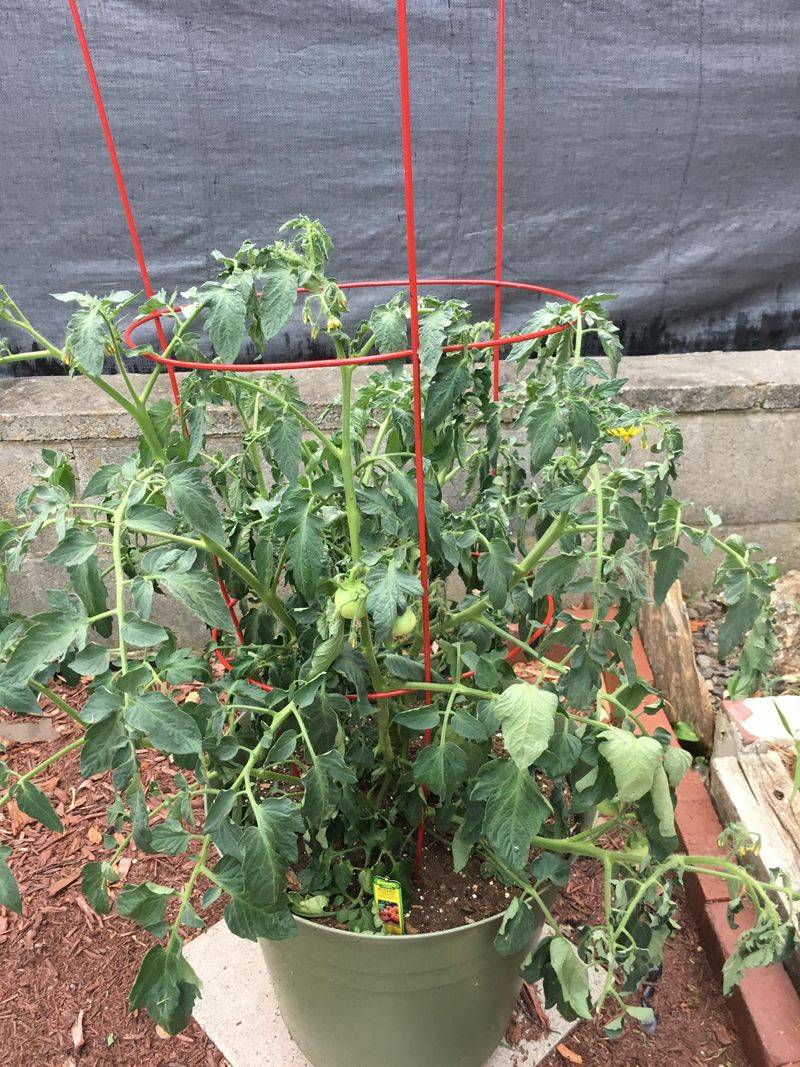
Grab your hose and check the soil first. Underwatering is the most common reason your New York tomatoes start drooping, and the fix is often simpler than you think.
When tomato plants do not get enough water, they lose the internal pressure that keeps stems upright. That pressure is called turgor, and without it, leaves and stems go limp fast.
New York summers can be surprisingly dry, especially in July and August. A plant in full sun may need water every single day during a heat stretch.
But overwatering causes the same droopy look, which trips up a lot of gardeners. Roots sitting in soggy soil cannot absorb oxygen, so the plant wilts even when surrounded by moisture.
Push your finger about two inches into the soil near the base of the plant. If it feels dry at that depth, your plant is thirsty and needs a deep, slow soak.
If the soil feels wet and has been wet for days, ease off the hose and let it drain. Container gardeners especially need to watch drainage holes for clogs that trap water at the bottom.
A consistent watering schedule works better than random deep soaks. Aim for the same time each morning so the plant can absorb water before peak afternoon heat hits.
Mulching around the base helps lock in moisture between waterings. Once you dial in the right rhythm, those stems will perk back up within a day or two.
Heat Makes The Wilting Look Worse Than It Is
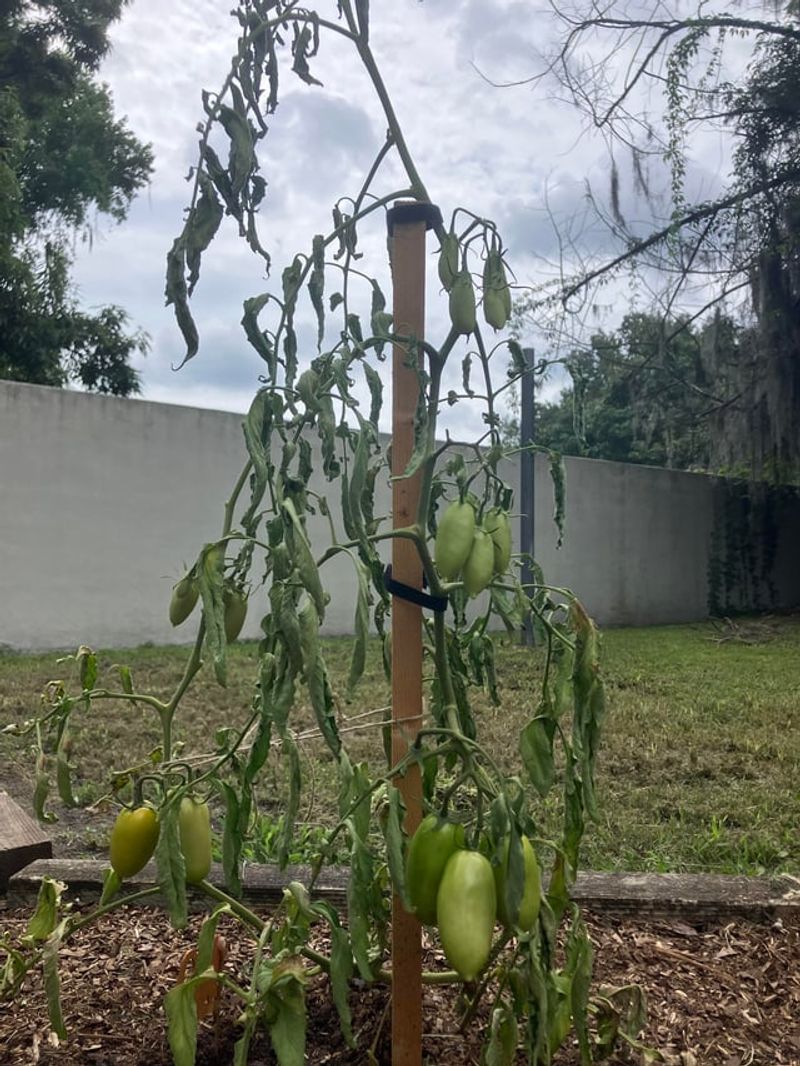
Midday in a New York summer can feel brutal, and your tomato plants feel it too. Heat wilting is one of the most misunderstood causes of drooping, and it scares new gardeners every season.
When temperatures climb above 90 degrees, tomato plants lose water through their leaves faster than roots can replace it. The plant responds by letting leaves droop to reduce its surface area exposed to the sun.
This is actually a smart survival move, not a distress signal. The same plant that looks totally worn down at 2 p.m. can bounce back by early evening once temps drop.
Watch your plants in the morning and again after sunset. If they look perky at those times but sag in the afternoon, heat is almost certainly the culprit and not something more serious.
Your New York Garden Changes Every Week. Your Plan Should Too.
Gardening in New York changes quickly throughout the season. Every Friday you’ll receive a simple weekly plan showing exactly what to plant, prune, fertilize, harvest, and protect so you never miss the right timing.
Shade cloth can make a real difference on the hottest days. A 30 to 40 percent shade cloth draped loosely over the plants gives them relief without blocking the light they need to grow fruit.
Black asphalt and concrete in urban New York neighborhoods radiate extra heat upward. Potted plants near pavement absorb that reflected heat from below, making conditions even tougher than the thermometer suggests.
Grouping containers together can create a small buffer zone of cooler air. Plants also help shade each other’s root zones when placed close enough together without crowding their upper canopy.
Heat wilting is temporary and harmless when caught early. A well-watered plant handles high temperatures far better than a dry one ever could.
A Recent Transplant Can Still Be Adjusting
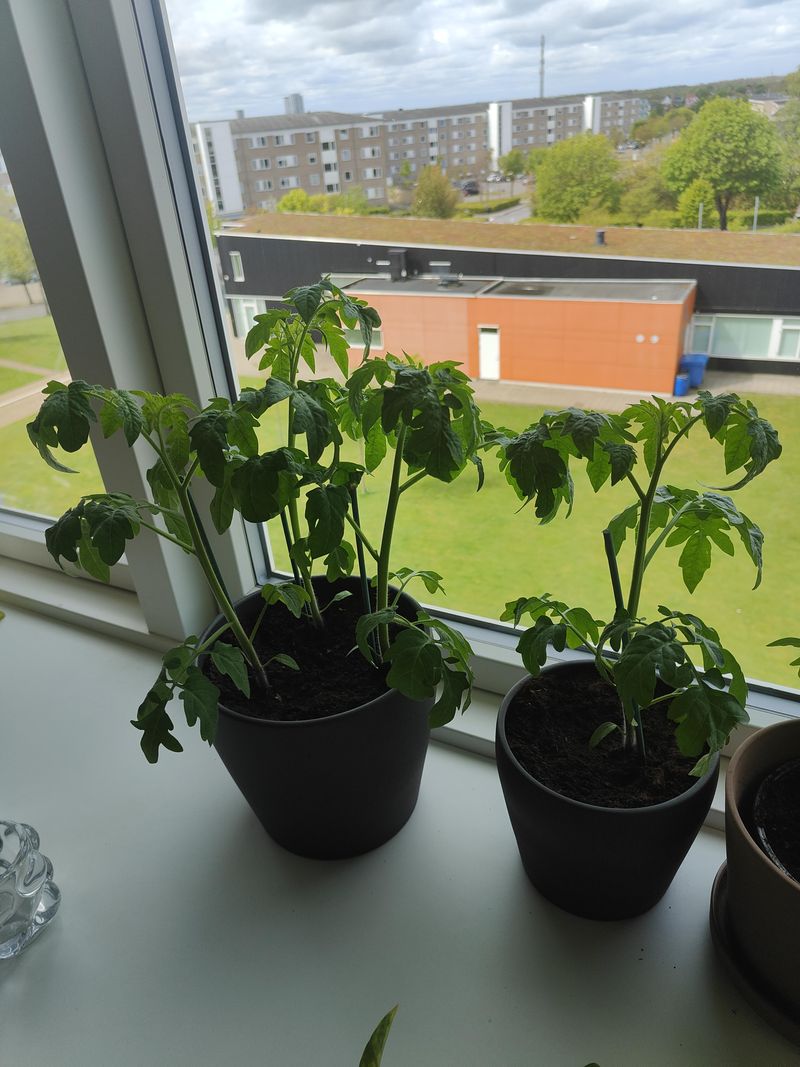
Planting day feels exciting, but your tomato seedling may not share that enthusiasm right away. Transplant shock is extremely common and causes drooping that can last anywhere from two days to two weeks.
When roots are disturbed during planting, the plant temporarily loses its ability to pull up water efficiently. The leaves droop as a direct result of that disruption, even when the soil has plenty of moisture.
Seedlings started indoors face an extra challenge called hardening off. Moving from a cozy windowsill to the breezy, sun-drenched outdoors is a genuine shock to a young plant’s system.
If you skipped the hardening-off process, your transplant will likely droop more dramatically in the first week. Gradually introducing it to outdoor conditions over five to seven days before planting helps reduce that stress significantly.
Keep newly transplanted tomatoes well-watered but not waterlogged during the adjustment period. A light layer of mulch around the base helps keep the root zone stable and slightly cooler as it settles in.
Avoid fertilizing right after transplanting, no matter how tempting it feels. Fertilizer pushes the plant to grow new leaves, which demands more water than stressed roots can currently supply.
Give the plant some patience and watch for new growth as your signal that recovery is underway. Perky new leaves emerging from the top of the plant mean the roots are finding their footing.
Most transplants bounce back beautifully with consistent care. That early droop is just the plant finding its rhythm in a new home.
Disturbed Roots Send The Same Warning Signal
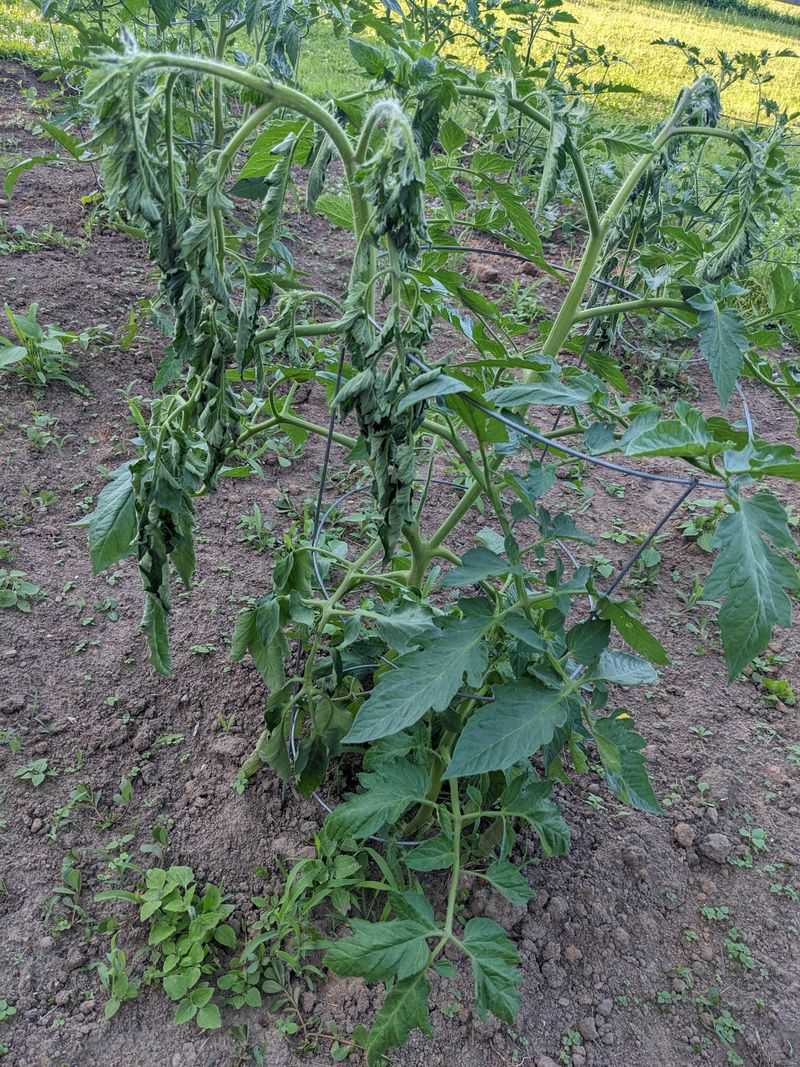
Root damage is sneaky because it happens underground where you cannot see it. But the plant tells you loud and clear by sending its leaves into a droop that can look alarming from above.
Common causes of root disturbance include aggressive weeding, nearby digging, or a curious animal nosing around the base. Even a heavy rainstorm can erode soil and expose shallow roots to air and heat.
Tomato roots are more fragile than most people expect, especially in the top six inches of soil. Nicking even a few of those roots with a trowel can trigger visible wilting within hours.
Cutworms and other soil-dwelling pests also damage roots from below. If your plant wilts suddenly with no obvious cause above ground, carefully inspect the base of the stem and the surrounding soil for insects.
Gently press the soil back around any exposed roots you find. Water the area slowly and deeply to help the root zone rehydrate and resettle after any disruption.
Avoid cultivating soil too close to established plants. A two-inch buffer around the base of each tomato keeps tools safely away from the root zone during routine garden maintenance.
Container plants face root disturbance when they become rootbound. When roots circle the bottom of the pot with nowhere left to go, the plant struggles to absorb water and begins to droop noticeably.
Repotting into a larger container solves the problem quickly. Healthy roots mean a healthier plant above ground, more often than not.
Sometimes The Cause Is Something More Serious
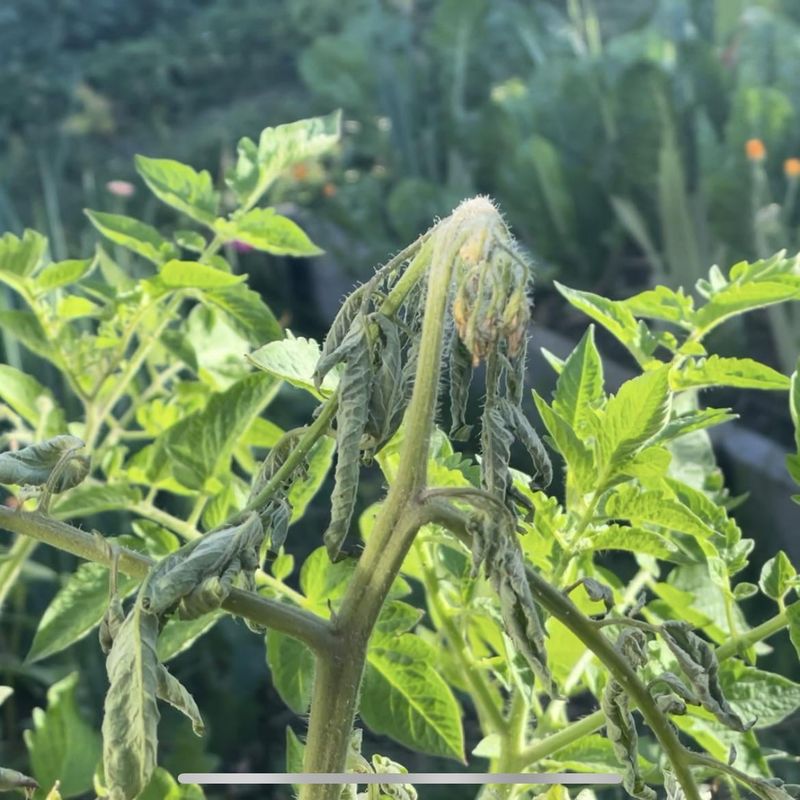
Not every droop has an easy fix, and that is worth knowing before you assume a quick watering will solve everything. Some drooping signals a disease working quietly inside the plant’s stem.
Fusarium wilt and Verticillium wilt are two fungal diseases common in New York garden soil. Both block the plant’s water-conducting tissue from the inside, causing a progressive droop that no amount of watering will correct.
A telltale sign of wilt disease is browning inside the stem. Slice through the main stem low on the plant and look for a brown or tan ring just under the outer layer.
Bacterial wilt, caused by soil-borne bacteria, can trigger a rapid collapse that happens within days. If your plant wilts suddenly and entirely without any environmental stress, bacterial infection should be on your radar.
Southern blight is another fungal threat, identifiable by white mold growth at the soil line. It spreads quickly in warm, humid conditions, which New York summers deliver often enough.
Resistant tomato varieties are your best defense against these diseases in future seasons. Look for labels marked with letters like F, V, or N, which indicate built-in resistance to common soil pathogens.
Remove and bag any plant you suspect has wilt disease immediately. Leaving it in the garden allows the fungus to spread through the soil and infect neighboring plants next season.
Rotate your crops each year to reduce pathogen buildup in the same spot. Prevention is far more effective than any treatment once disease takes hold.
Spotting The Pattern And Acting On It
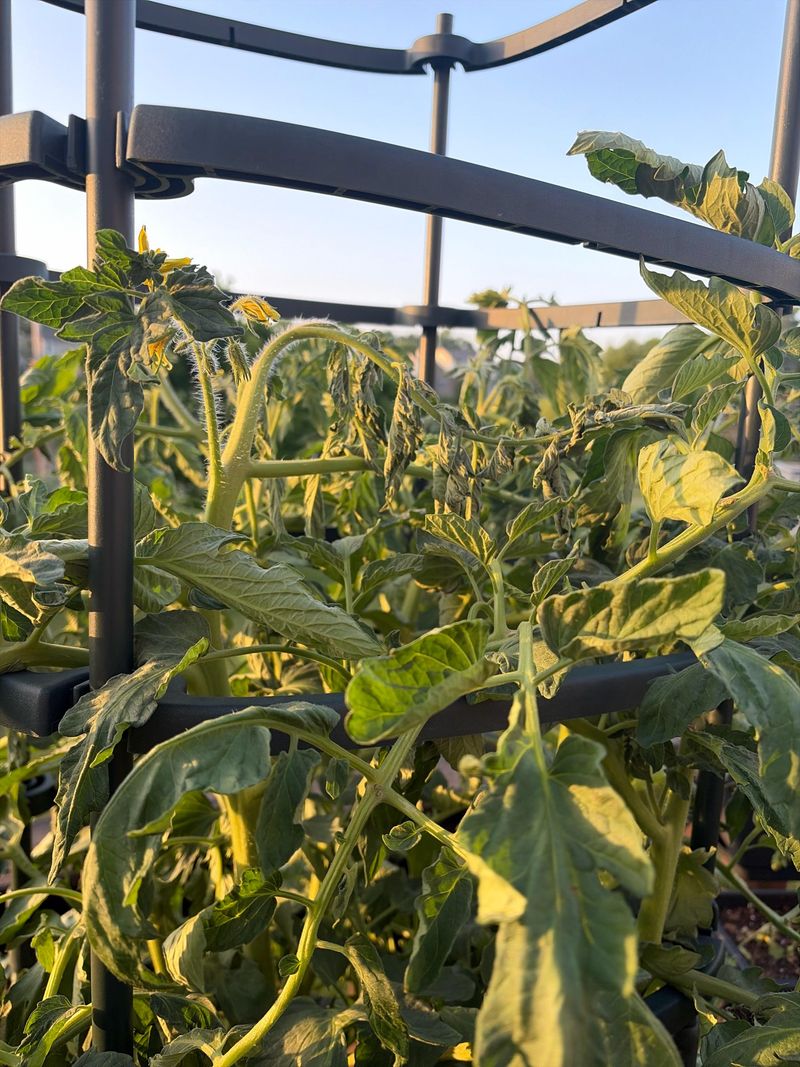
Spotting a pattern is the real skill here, and it takes only a few days of observation to crack the code. Watch your plants at three different times: morning, midday, and evening.
If drooping appears only at midday and disappears by evening, heat is the most likely cause. That pattern is consistent, predictable, and manageable with shade and smart watering.
If drooping appears in the morning and does not improve by evening, something more serious may be happening. That is the moment to check soil moisture, inspect the stem, and look for pests at the root zone.
Keep a simple garden journal, even just a few notes on your phone. Recording what you see each day helps you catch patterns that memory alone tends to miss.
When New York tomatoes start drooping and you suspect disease, act fast and do not wait to see if it gets better on its own. Remove affected plants, clean your tools with a diluted bleach solution, and amend the soil before replanting.
Healthy soil is your long-term defense against almost every drooping cause. Add compost each season to improve drainage, boost beneficial microbes, and support strong root development across the board.
Connecting with local gardeners through community gardens or online New York gardening groups can give you region-specific advice. What works in a Brooklyn container garden may differ from what works in a Syracuse raised bed.
Your tomatoes are telling you something every time they droop. Learn their language and they will reward you with a harvest worth all the effort.