What It Really Means When Wasps Start Building Nests Around Your Georgia Porch This Summer
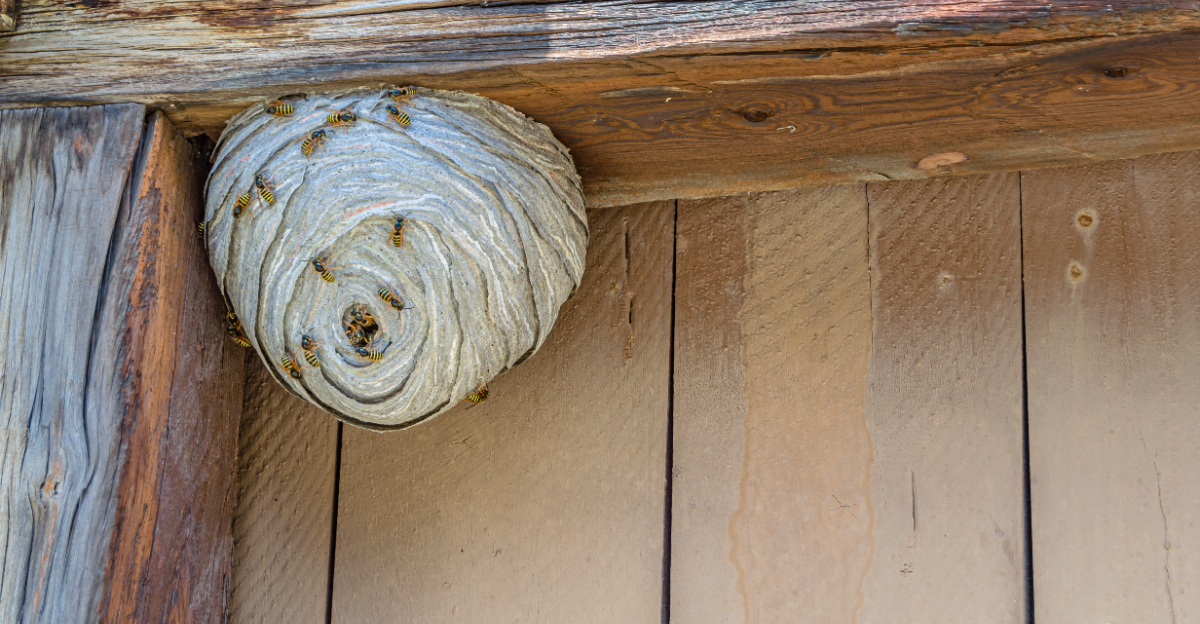
Most people barely notice a single wasp flying past the porch. It is when another one appears, then another, that curiosity starts to take over.
A few days later, you catch yourself looking at the same corner every time you walk outside.
That is usually when questions start popping into your head. Are they just passing through, or is there a reason they keep coming back?
It can happen so gradually that you do not realize anything has changed until their activity becomes impossible to ignore. Summer often brings more insect activity, but repeated visits to one spot rarely happen without a reason.
When wasps begin building nests around a porch in Georgia, they are responding to conditions that make the location feel safe and protected.
Recognizing those signs early can help you deal with the problem before the nest grows much larger.
1. Warm Weather Is The Start Of Nest Building
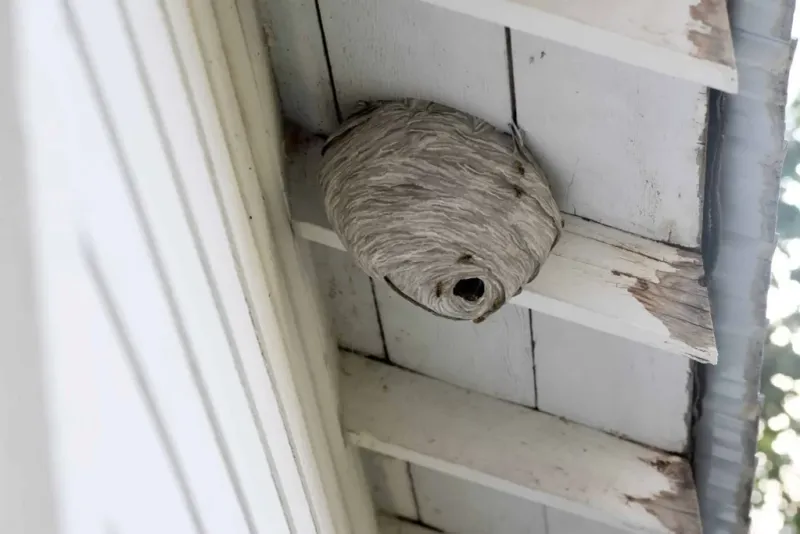
Rising temperatures are basically a starting gun for wasps. Once spring shifts into early summer, queen wasps wake up from their winter rest and start searching for a good spot to build.
Warm, dry weather is their green light to get moving.
Wasp nests are not random. Queens scout locations based on shelter, warmth, and structural support.
Porches, eaves, and overhangs check every box on that list.
A nest that starts in late spring can grow fast. By midsummer, what began as a golf-ball-sized structure can become a large, active colony with dozens of workers.
Early action is far easier than late-season management.
Warmer-than-average summers tend to extend nesting activity. More heat often means more food sources and longer active periods for the colony.
Watching for nests in May and June gives you the best head start.
Paper wasps are among the first to build in warm weather. Yellow jackets typically follow a few weeks later.
Knowing which species is active helps you understand what kind of nest behavior to expect and how urgent the situation might be.
2. Covered Porches Give Wasps A Safe Place To Nest
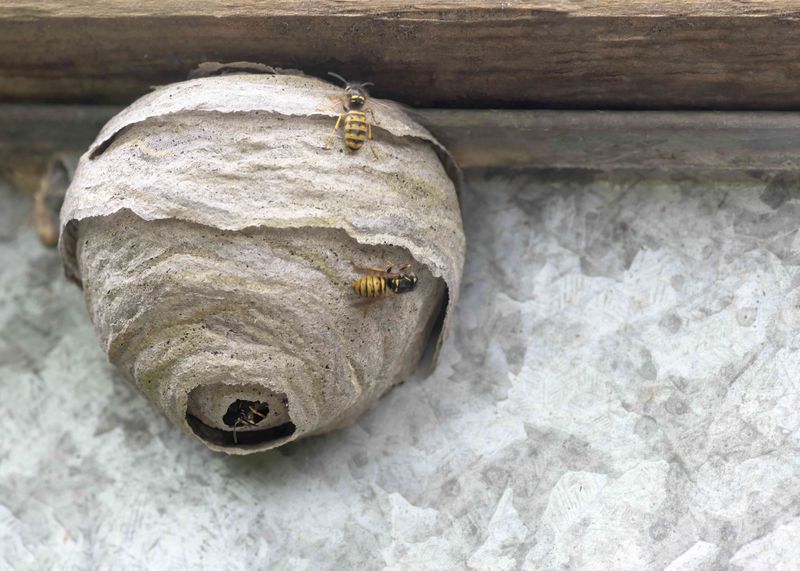
Covered porches are basically luxury real estate for wasps. Roof overhangs block rain, reduce wind exposure, and hold heat.
From a wasp’s perspective, that combination is hard to beat.
Wood-framed porches are especially attractive. Older wood can carry faint scent traces from previous nests, which may draw new queens to the same spot year after year.
Repainting or sealing old wood can reduce that pull.
Screened porches offer slightly less appeal since access points are limited. Open-air porches with rafters, ceiling beams, or lattice work give wasps more anchor points for nest attachment.
Flat, rough surfaces are preferred over smooth ones.
Ceiling fans running on porches may deter some wasps, but it is not a reliable solution on its own. Airflow can make it harder for them to land and build, but determined queens will often find a calmer corner nearby.
Checking your porch ceiling, corners, and undersides of railings regularly through the summer is a smart habit. Catching a nest when it is still small, maybe just a few cells, is much safer than waiting until it is fully active.
Your Georgia Garden Changes Every Week. Your Plan Should Too.
Gardening in Georgia changes quickly throughout the season. Every Friday you’ll receive a simple weekly plan showing exactly what to plant, prune, fertilize, harvest, and protect so you never miss the right timing.
3. Food And Water Nearby Keep Wasps Coming Back
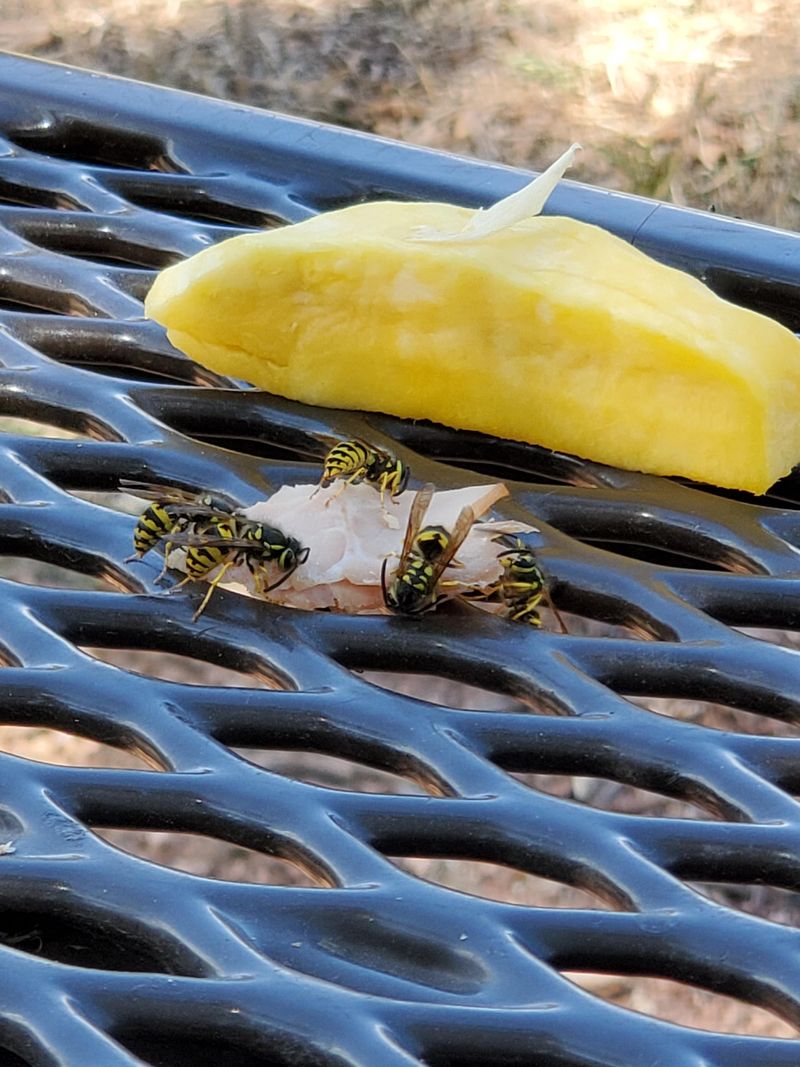
Wasps are not just looking for a place to nest. They are also running a constant food operation.
Worker wasps scout and forage daily, and a porch with easy food access becomes a regular stop on their route.
Grills are a major draw. Leftover grease, meat residue, and food scraps are protein sources that wasps actively seek out.
Cleaning the grill after each use reduces that appeal significantly.
Sweet drinks and sugary foods left outside attract wasps just as fast. Open soda cans, juice cups, and fruit bowls left on porch tables are common culprits.
Covered containers and quick cleanup after meals make a real difference.
Standing water in plant saucers, clogged gutters, or birdbaths near the porch can also keep wasps returning. They need water to build their paper nests and to cool the colony during hot stretches.
Reducing water sources near the structure cuts off one more reason for them to stay close.
Pet food left outside is another overlooked attractant. Both wet and dry food can bring wasps in, especially during the height of summer when natural food sources fluctuate.
4. Small Nests Are Easier To Deal With
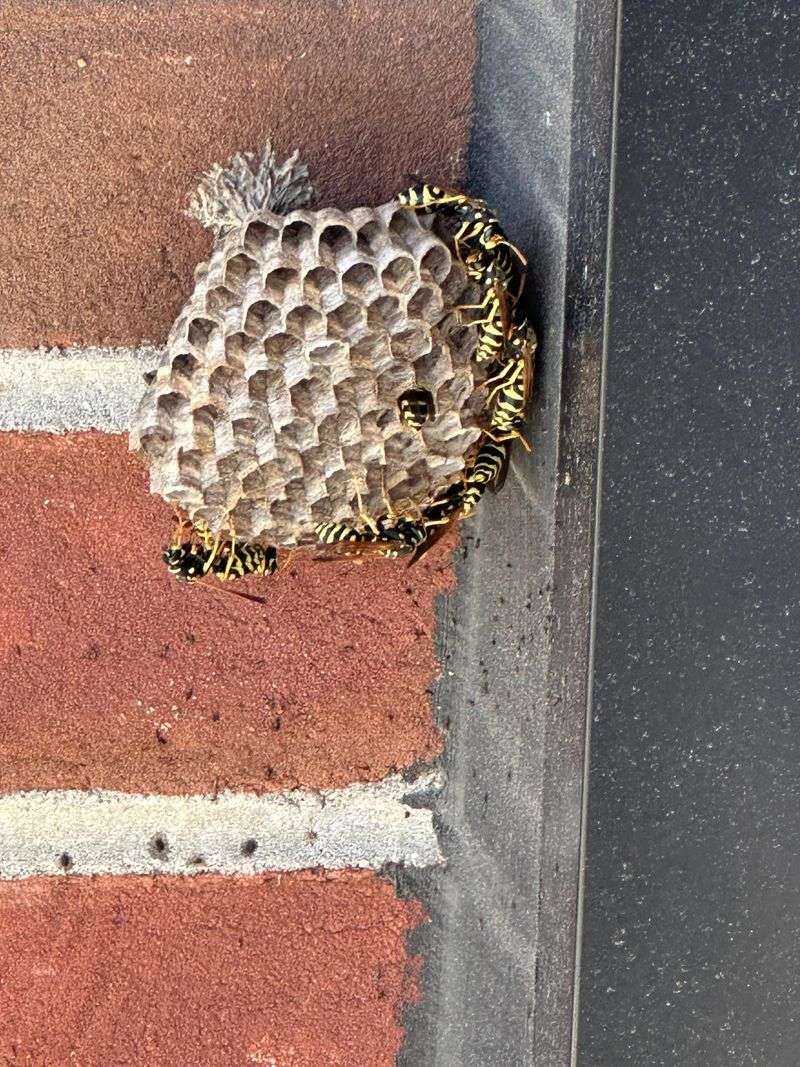
Catching a nest early is a genuine advantage. A nest with fewer than ten cells and no workers yet is far less risky to address than one buzzing with activity.
Size matters a lot when it comes to wasp management.
Early nests are often built by a single queen. She has not yet raised worker wasps, which means the colony has no defenders yet.
Removing or treating a nest at this stage is much more manageable for most homeowners.
Once workers emerge, the dynamic shifts fast. Workers are protective of the nest and will respond aggressively to perceived threats.
A colony with fifty or more workers is a completely different situation than a newly started nest.
Checking your porch every week or two during late spring and early summer is a practical habit. Look at ceiling corners, the undersides of railings, and any sheltered gaps in wood or siding.
A nest the size of a quarter is far easier to handle than one the size of a tennis ball.
If you do spot a small, inactive-looking nest in the early morning when wasps are less active, that may be the safest window to act. Protective clothing, including gloves and long sleeves, is worth wearing regardless of nest size.
5. Nest Location Can Help Identify The Species
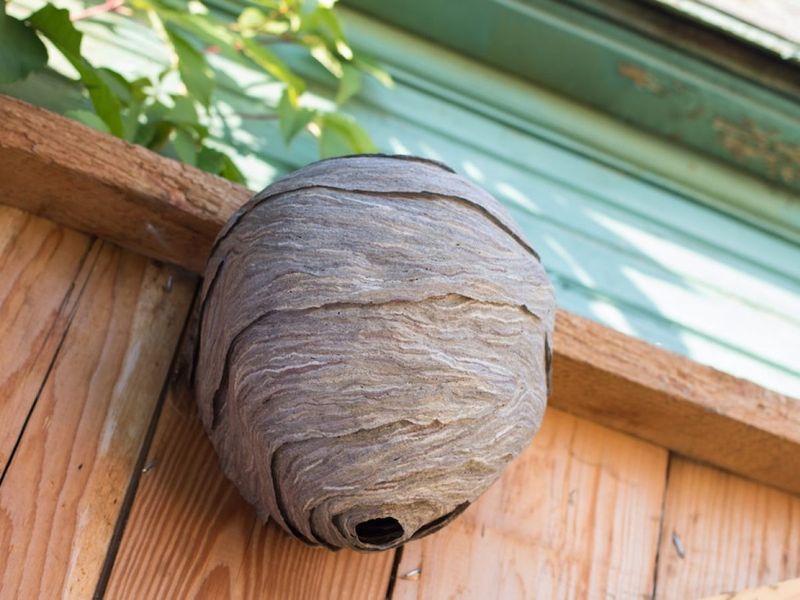
Where a wasp builds its nest can tell you a lot about what species you are dealing with. Location is one of the easiest clues to read without getting too close.
Different species have clear preferences for where they set up.
Paper wasps tend to build open, umbrella-shaped nests. You will often find them hanging from porch ceilings, eaves, or the undersides of railings.
Their nests look like exposed honeycomb and are usually visible without much searching.
Yellow jackets prefer enclosed spaces. They often nest inside wall voids, under deck boards, or in the ground nearby.
If you see wasps disappearing into a crack or hole rather than flying to an open nest, yellow jackets are a likely candidate.
Mud daubers are solitary and build small tube-shaped mud nests. They are far less aggressive than social wasps and rarely pose a real threat.
Mud tubes on porch walls or under overhangs are usually a sign of mud dauber activity.
Bald-faced hornets build large, papery enclosed nests that can look like a gray football hanging from a tree or structure. Spotting one of these near your porch is worth taking seriously due to the size of the colony they can support.
6. Avoid Disturbing An Active Nest
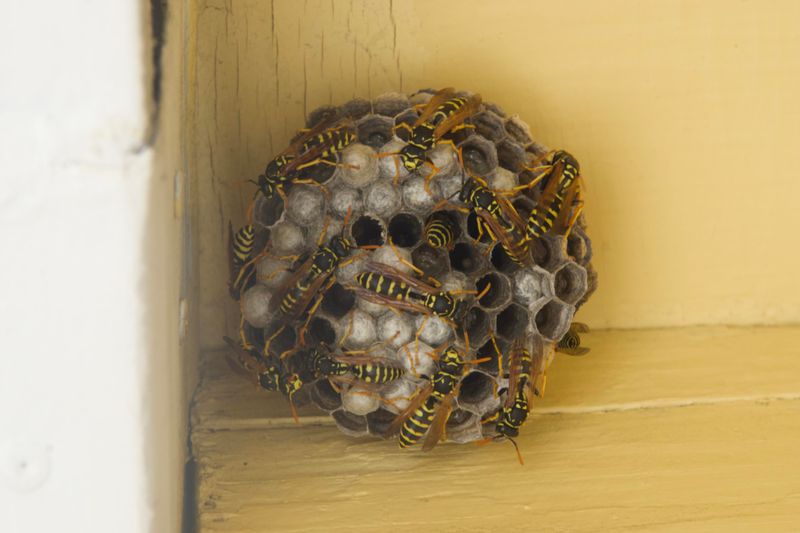
An active wasp nest is not something to poke, spray casually, or approach without a plan. Worker wasps respond quickly to vibrations, shadows, and sudden movements near the nest.
Provoking them without preparation can escalate fast.
Swatting at wasps near a nest is one of the fastest ways to trigger a defensive response. Wasps release alarm pheromones when threatened, which can signal nearby workers to join in.
Distance and calm movement are your best tools when passing close to an active nest.
Lawn equipment is a common cause of accidental disturbance. Mowers, trimmers, and leaf blowers create noise and vibration that can agitate nearby colonies.
Checking for nests before starting yard work near the porch is a smart precaution, especially mid-summer when colonies are at peak size.
Children and pets are especially vulnerable near active nests because they are less likely to recognize the warning signs.
Teaching kids to stay back and not throw objects near any visible nest is a straightforward safety measure worth reinforcing every summer.
If a nest is in a high-traffic area and the colony is well established, calling a licensed pest control professional is often the most practical route.
7. Simple Changes Can Help Stop New Nests
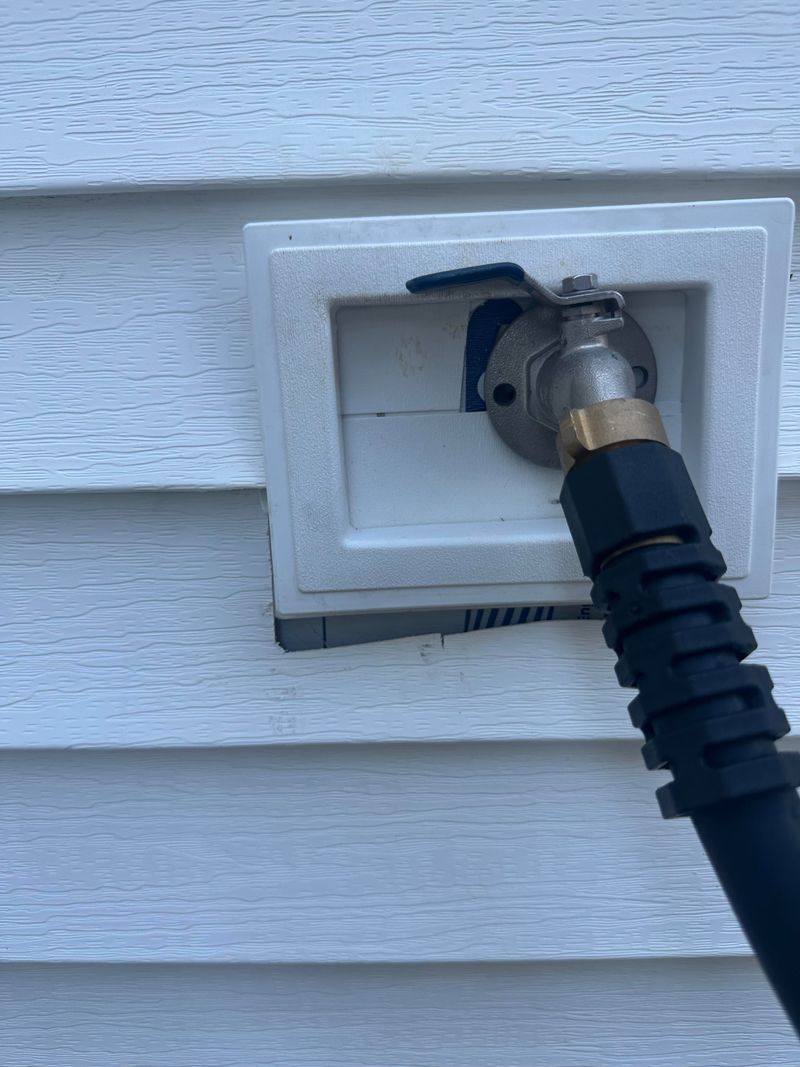
Prevention is a lot less stressful than removal. A few straightforward adjustments around your porch can make the space noticeably less appealing to wasps looking for a nesting spot.
None of these require major effort or expense.
Sealing gaps and cracks in wood, siding, and trim removes potential anchor points and entry spots. Caulk works well for small gaps.
Expanding foam can fill larger voids under deck boards or behind siding where wasps might try to establish an enclosed nest.
Fake wasp nests, sometimes called decoy nests, are sold at many hardware stores. Some homeowners find them helpful, as certain wasp species avoid building near an existing colony.
Results vary and are not guaranteed, but they are low-cost and worth trying in combination with other steps.
Keeping the porch clean, clutter-free, and free of food residue removes multiple attractants at once. Stacked wood, old furniture, and unused containers can all become nesting sites or harborage spots.
A tidy, well-maintained porch in a warm Southern climate like Georgia is simply a less inviting target for wasps scouting new locations each summer.